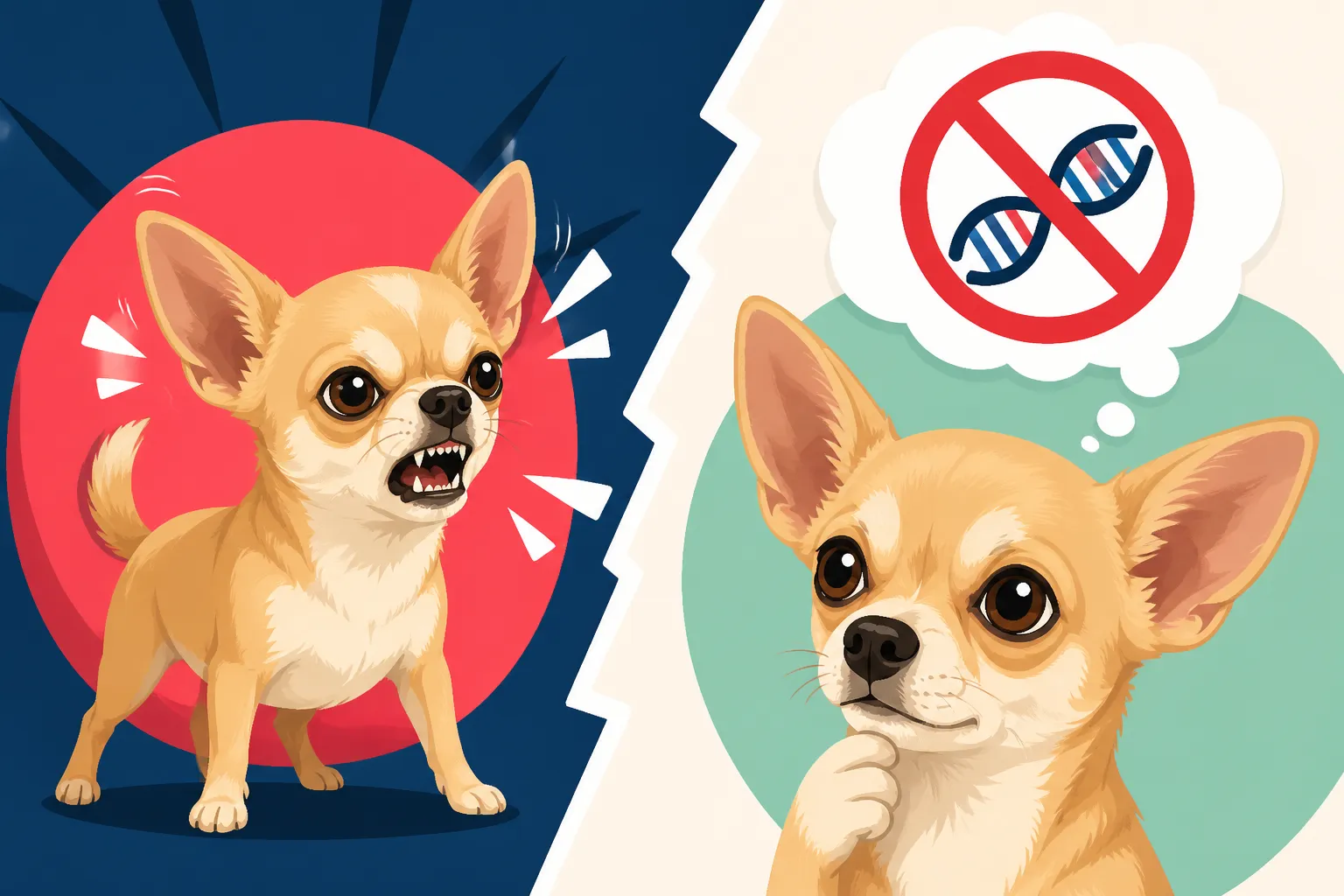
Small Dog Syndrome and Why It Is Not Genetic
Oh, the infamous "Small Dog Syndrome"! It's a phrase tossed around so often, often with a chuckle, when someone sees a tiny Chihuahua yapping at a Mastiff or acting like the king of the castle. But let me tell you, that label, while seemingly harmless, completely misses the point and often sets our small companions up for a lifetime of misunderstanding and anxiety. This comprehensive guide is here to bust that myth wide open and show you exactly why "Small Dog Syndrome" isn't genetic, but rather a collection of learned behaviors that we, as their loving human companions, often inadvertently encourage.
What Exactly Is "Small Dog Syndrome" Anyway?
When people talk about "small dog syndrome," they’re usually referring to a set of behaviors that seem to defy a small dog's physical size. It’s the pint-sized pup who thinks they're a Rottweiler, or the little fluffball who guards the sofa with ferocious growls. The frustrating truth is, these behaviors are often seen as inherent to tiny breeds, but nothing could be further from the truth. It's a convenient, but ultimately damaging, shorthand for behaviors that are entirely preventable with proper understanding and consistent training.
The Misconception of Inherited Temperament
For years, it's been a common belief that Chihuahuas are just "naturally yappy," "nippy," or "prone to being fearful." This idea suggests that these traits are simply hardwired into their DNA, an unchangeable part of their tiny package. People often say things like, "Oh, he's a Chihuahua, that's just how they are!" or "She's so small, she has to be feisty to survive!" This mindset is incredibly detrimental because it allows owners to excuse problematic behaviors rather than addressing them.
Imagine for a moment if someone said the same about a Labrador. "Oh, he's a Labrador, he just naturally jumps on people and barks incessantly." You'd likely raise an eyebrow, wouldn't you? You'd assume that Labrador probably hasn't had proper training. The same applies directly to our Chihuahuas. Their size doesn't predetermine their temperament; it's the environment, experiences, and training (or lack thereof) that truly shape who they become. They are blank slates, just like any other dog, eager to learn what we teach them, explicitly or implicitly.
Behaviors Commonly Attributed to Small Dog Syndrome
So, if it’s not genetic, what exactly are these behaviors that get lumped under the "small dog syndrome" umbrella? They are a predictable collection of responses from dogs who haven't been taught how to navigate the world confidently or who have learned that certain assertive behaviors get them what they want.
Here's a breakdown of the typical behaviors:
- Excessive Barking: This is a big one. The constant alert barking at every sound, the demand barking for attention, or the frantic barking at strangers or other dogs. Owners might dismiss it as "just a small dog thing" or "alertness," but often it's a sign of anxiety or a learned strategy to keep perceived threats away.
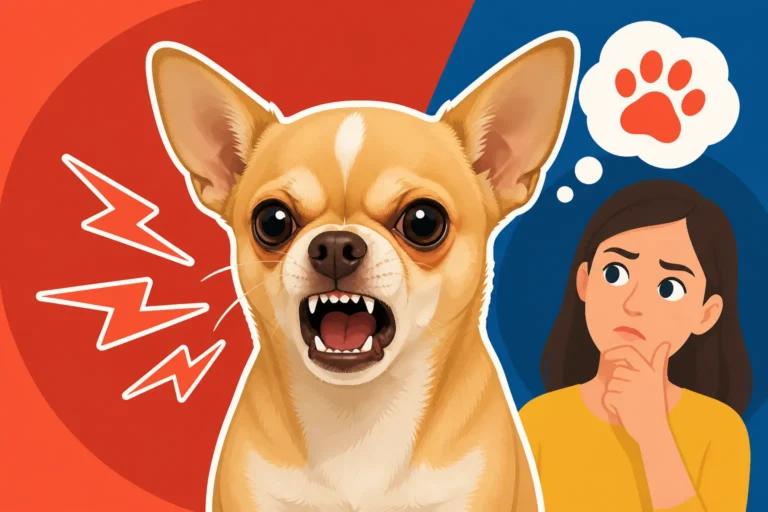
- Fear-Aggression or Reactivity: This manifests as lunging, growling, snapping, or even biting when feeling threatened. It's often directed at strangers, larger dogs, or even children. Because a small dog can’t physically overpower a threat, their first line of defense is often a vocal and visual display of aggression. It's a cry for help from a dog feeling overwhelmed and unsafe. You can delve deeper into Fear-Based Reactivity in a Chihuahua to understand this better.
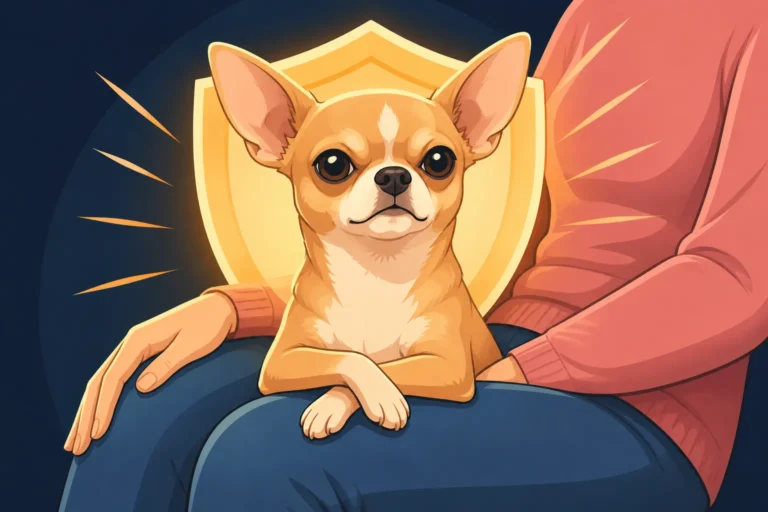
- Resource Guarding: This is when a Chihuahua becomes possessive over food, toys, a bed, or even a person (like "their" human's lap), growling or snapping if someone approaches. Owners might find this "cute" or "protective," but it's a serious behavior that can lead to bites.
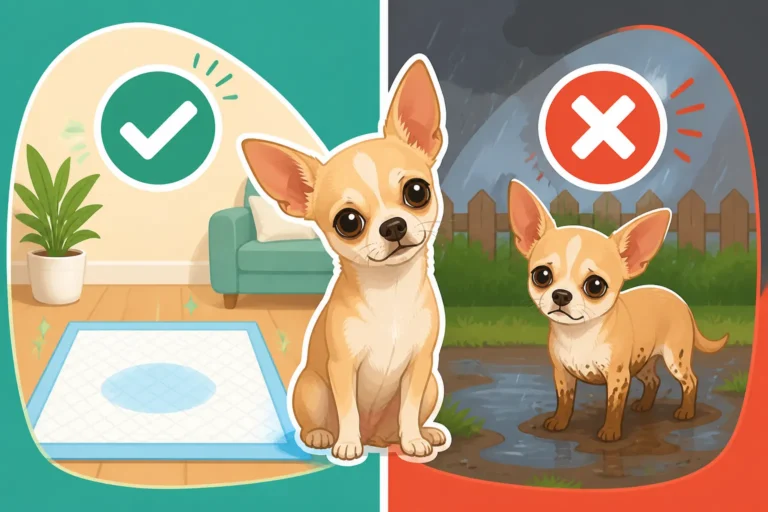
- House Training Challenges: Many small dogs struggle with consistent potty habits, often having accidents indoors. This is frequently attributed to a "tiny bladder," but often it's a combination of insufficient outdoor opportunities, lack of proper training, or a learned preference for indoor elimination.
- Lack of Leash Manners: Pulling, darting, or being easily distracted on walks is common. Some owners think it's just because they're small, but a small dog pulling can still make walks unpleasant and put strain on their delicate neck or trachea.
- Reluctance to Walk/Excessive Carrying: Instead of being encouraged to walk on their own four paws, many Chihuahuas are constantly carried. This prevents them from exploring their environment, building confidence, and getting necessary exercise, inadvertently fostering dependence and fear of the ground.
These aren't inherent flaws; they are behaviors developed in response to their environment and how they are handled.
Why Owners Excuse These Behaviors in Small Dogs
This is where we, as humans, play a huge role. It's a natural instinct to want to protect something small and vulnerable. When you have a tiny creature that weighs less than a newborn baby, it's easy to fall into certain patterns that, while well-intentioned, ultimately do more harm than good.
- The "Cute" Factor: Let's be honest, a tiny Chihuahua growling at a large dog can look almost comical or adorable, especially when they're not perceived as a real threat. We might laugh or call them "sassy" instead of realizing it's a stress response. This kind of positive reinforcement (even if it's just amusement) tells the dog that this behavior is acceptable or even rewarded.
- Perceived Lack of Threat: A six-pound Chihuahua barking at a stranger is far less intimidating than a sixty-pound German Shepherd doing the same. Because the physical danger is minimal, owners are more likely to ignore, tolerate, or even encourage behaviors in small dogs that they would immediately correct in a larger breed. This creates a "training gap" – what some refer to as The Training Gap Chihuahua Owners Create.
- Over-Protection: We want to shield our tiny Chihuahuas from the big, scary world. This often leads to excessive carrying, preventing them from interacting with other dogs, people, or new environments on their own terms. While keeping them safe from harm is important, sheltering them from all experiences can lead to a lack of confidence and increased fear.
- "They're Too Small to Train Like a Real Dog": This is a pervasive myth. The idea that a Chihuahua's brain is too small, or they're too delicate for "real" training, is simply untrue. Every dog, regardless of size, needs structure, guidance, and mental stimulation. By not providing it, we inadvertently allow undesirable behaviors to flourish.
- Emotional Attachment and Anthropomorphism: We often project human emotions and motivations onto our dogs. When a Chihuahua growls, we might think, "Oh, he's just telling that big dog off, good for him!" instead of recognizing it as a warning sign of discomfort or fear. This emotional bias can blind us to the need for behavior modification.
This tendency to excuse rather than address problematic behavior is the bedrock of "Small Dog Syndrome." It's not the dog's fault; it's a consequence of human choices and perceptions.
The Root Cause: Owners, Not Genetics
If "Small Dog Syndrome" isn't genetic, then what exactly causes these behaviors to develop? The answer, as many experienced dog trainers and behaviorists will tell you, lies squarely with us, the owners. We often treat small dogs differently than we would larger breeds, and these differences in handling, training, and socialization create the very behaviors we then label as "syndrome."
Lack of Consistent Training and Boundaries
Imagine adopting a German Shepherd puppy. What's one of the first things you'd likely do? Enroll in puppy classes, start house training immediately, teach basic obedience commands like sit, stay, and come, and ensure they learn not to jump or bite. You'd set clear boundaries because you understand the implications of a large, untrained dog.
Now, picture adopting a Chihuahua puppy. Do we always apply the same rigorous approach? Often, the answer is no. We might skip puppy classes, be more lenient with indoor accidents ("they're so small, it's hard to get them outside fast enough!"), or let them get away with demand barking or growling at visitors because "it's just a little dog."
This inconsistency sends mixed signals to the Chihuahua. If a Chihuahua learns that barking at the door makes a scary stranger go away (even if the stranger was just leaving anyway), they'll keep barking. If they learn that jumping on your leg gets them picked up and cuddled, why wouldn't they continue to jump? Chihuahuas are incredibly intelligent and observant. They learn quickly what works to get their needs met or to avoid perceived threats. When we don't provide clear, consistent guidance, they fill that vacuum with their own strategies, which often look like "small dog syndrome" to us. It's crucial to realize Why a Chihuahua Learns Everything a Big Dog Can and offer them the same educational opportunities as larger dogs.
Over-Protection and Excessive Carrying
This is perhaps one of the biggest contributors to "small dog syndrome." It stems from a deeply loving, protective instinct, but it unfortunately has negative consequences for the dog's confidence and development.
When a Chihuahua is constantly carried, whether in arms, a purse, or a stroller, they miss out on critical experiences:
- Grounding and Exploration: Dogs learn about their world through their noses and paws. They need to walk on different surfaces, explore new scents, and navigate varied terrains. When they're always off the ground, they're isolated from this vital sensory input, which can make the world seem much scarier when they are put down.
- Socialization Opportunities: Being carried prevents natural, appropriate interactions with other dogs and people. A Chihuahua in a purse can't properly greet another dog, read their body language, or learn canine social cues. Other dogs may also react poorly to a dog being held, as they can't interpret the situation normally.
- Building Confidence: Overcoming small challenges builds confidence. Walking past a loud truck, navigating a crowded sidewalk, or calmly greeting a new person – these are all opportunities for a dog to learn resilience. If they're always shielded, they never develop the coping mechanisms needed to feel secure in the world. This can make them tremble around strangers, which is a common sign of anxiety.
- Lack of Independence: Constantly being carried can foster an unhealthy dependence on their human, making separation anxiety more likely. They learn that their safety and well-being are entirely reliant on being physically attached to their owner, leading to panic when left alone.
While carrying your Chihuahua in certain situations for safety (like through a crowded urban area or past an aggressive dog) is perfectly reasonable, making it their default mode of transport is a disservice to their psychological well-being. It denies them the chance to grow into a confident, well-adjusted individual. In fact, understanding Chihuahua Handling and Consent is critical here, teaching them to step into your hands rather than being snatched up.
Inadequate Socialization and Exposure
Socialization isn't just about meeting other dogs and people; it's about experiencing the world in a positive and safe way during critical developmental periods. The socialization window for puppies is relatively short, usually closing around 12-16 weeks. During this time, positive exposure to a wide variety of sights, sounds, smells, people, and appropriate dogs is essential.
For small dogs, this critical period is often missed or done improperly:
- Fear of Overwhelm: Owners may be hesitant to expose a tiny puppy to a busy park or a boisterous group of larger dogs, fearing injury. While this concern is valid, it often leads to complete isolation instead of controlled, positive exposure.
- Limited Exposure: Instead of varied experiences, a Chihuahua might only interact with immediate family members or the one other small dog in the household. This narrow exposure means they haven't learned how to generalize good behavior or feel comfortable in novel situations.
- Negative Experiences: Sometimes, the limited exposure they do get is negative—a scary encounter with a large, rude dog, or a clumsy child. Without proper guidance from their owner, these single bad experiences can leave a lasting imprint of fear.
- Lack of Puppy Classes: Many small dog owners skip puppy classes, either because they don't see the need for a small dog or because they fear their tiny pup will be crushed by larger breeds. However, classes that separate by size or have dedicated "toy breed" sessions can be invaluable for proper socialization and training. Puppy Classes That Group Chihuahuas With Toys are a fantastic option.
Without adequate, positive socialization, Chihuahuas can grow up to be fearful, anxious, and reactive to anything new or unfamiliar. They haven't learned that the world isn't a constant threat, and as a result, they develop defensive behaviors like excessive barking or fear-aggression, which are then mistakenly labeled as "small dog syndrome."
The Dangerous Side Effects of "Small Dog Syndrome"
While many people view "small dog syndrome" behaviors as minor inconveniences or even endearing quirks, they are far from harmless. These behaviors are often indicators of underlying stress, fear, or anxiety in the dog, and they can have serious negative impacts on both the Chihuahua's well-being and the owner's quality of life. Ignoring them doesn't make them go away; it often allows them to escalate.
Increased Risk of Bites and Fear Reactivity
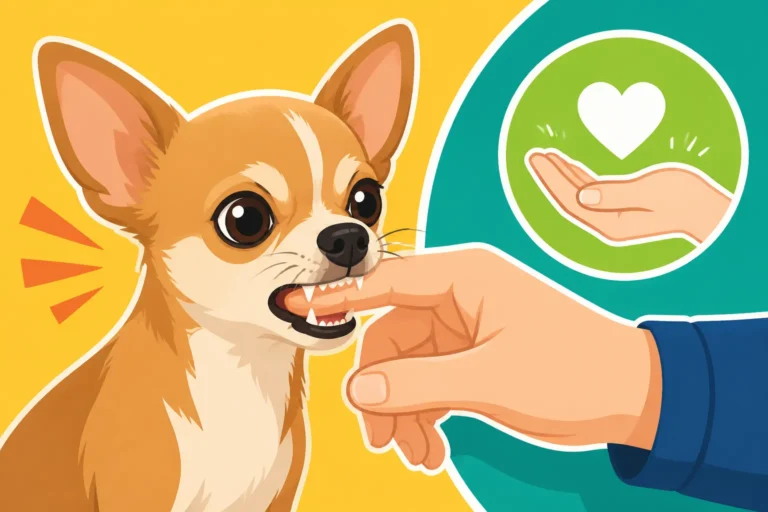
This is perhaps the most serious consequence of perpetuating "small dog syndrome." A dog that growls, lunges, or snaps is communicating a profound level of discomfort or fear. When these warnings are ignored or dismissed because "it's just a little dog," the dog learns that their subtle signals aren't effective. The next step is often a bite.
- Escalation of Behavior: If a Chihuahua learns that a growl gets them ignored, they might escalate to a snap. If a snap gets them ignored, they might escalate to a bite. This isn't because they're "mean"; it's because they're desperately trying to communicate their boundaries or fear. We see this often in dogs who, when their knee hurts, snap to protect themselves. You can read more about A Chihuahua Snapping Because Its Knee Hurts as a behavioral shift.
- Bites Can Still Be Serious: Even a small dog's bite can break the skin, cause infection, or deeply frighten a child or another person. The legal and emotional repercussions for owners can be significant.
- Deepening Fear and Anxiety: A dog that is constantly resorting to aggressive displays is a dog living in a state of chronic stress. Each time they feel the need to be reactive, their underlying fear is reinforced, creating a vicious cycle that makes them even more anxious and prone to reactivity in the future. This is the essence of Fear-Based Reactivity in a Chihuahua.
- Limited Opportunities for Interaction: A reactive Chihuahua might not be able to go to dog parks, visit friends, or even walk calmly in their neighborhood without incident. This limits their opportunities for positive social interaction, further isolating them and reinforcing their fear.
It's vital to recognize the warning signs, like Chihuahua Body Language Before a Snap, and intervene with positive, confidence-building training rather than letting the behavior fester.
Impact on Quality of Life for the Chihuahua
Think about what it's like to live constantly on edge, feeling the need to defend yourself or your resources against perceived threats. That's often the reality for a Chihuahua exhibiting "small dog syndrome" behaviors. Their quality of life suffers immensely.
- Chronic Stress and Anxiety: A dog that barks incessantly, growls at every stranger, or trembles around new experiences is a dog under immense stress. Chronic stress can have physical health impacts, including a weakened immune system, digestive issues, and even exacerbating existing conditions.
- Lack of Enrichment: A fearful or reactive Chihuahua often can't enjoy normal dog activities like walks in new places, playtime with other dogs, or even quiet cuddle time if they're constantly guarding a lap. Their world becomes very small and restricted.
- Misunderstood and Isolated: When a Chihuahua is consistently displaying undesirable behaviors, people (even well-meaning owners) might start to avoid interacting with them, or may handle them harshly out of frustration. This can lead to the dog feeling even more misunderstood and isolated, further fueling their anxiety.
- Unnecessary Pain and Fear: Behaviors like constant pulling on a leash can exacerbate issues like collapsing trachea, which is already a concern for the breed. A dog that is fearful of being handled might resist vet visits, making necessary medical care more stressful and difficult.
Ultimately, a Chihuahua trapped in the cycle of "small dog syndrome" is not a happy, confident dog. They are often stressed, fearful, and unable to enjoy the simple pleasures of being a beloved companion.
Strain on the Human-Animal Bond
It's tough to admit, but dealing with a dog that constantly barks, snaps, or has accidents can be incredibly frustrating. This frustration, if not managed, can put a significant strain on the precious bond between a Chihuahua and their human.
- Frustration and Resentment: Owners might start to feel frustrated or even resentful if their Chihuahua's behavior constantly disrupts their lives, prevents them from having guests, or makes walks a nightmare. This negative emotion can inadvertently impact how they interact with their dog.
- Lack of Enjoyment: If every outing or social interaction with your Chihuahua is fraught with anxiety about their behavior, you start to avoid those situations. This limits shared experiences and the joy that comes from having a well-behaved companion.
- Guilt and Helplessness: Many owners feel immense guilt when they struggle with their Chihuahua's behavior, especially when they've been told it's "just how Chihuahuas are." This can lead to feelings of helplessness, making it harder to seek out effective training solutions.
- Isolation from Social Activities: A dog that can't be trusted around guests, other dogs, or children can make an owner's social life difficult. This isolation can indirectly lead to less interaction with the Chihuahua, creating a negative feedback loop.
The goal of having a dog is to share a happy, fulfilling life together. When "small dog syndrome" behaviors dominate the relationship, that joy is diminished for both parties. Recognizing these behaviors as correctable training issues, rather than inherent flaws, is the first step toward restoring a harmonious bond.
Reclaiming Control: Training a Chihuahua Like a "Big Dog"
The good news is that because "Small Dog Syndrome" is a learned set of behaviors, it's entirely reversible and preventable! The key is to approach your Chihuahua's training and socialization with the same dedication, consistency, and respect you would offer a much larger dog. This means treating them as capable, intelligent canines who deserve clear communication and boundaries.
Establishing Clear Rules and Expectations
Just like children thrive on routine and clear guidelines, so too do dogs. Without consistent rules, a Chihuahua will be confused about what is expected of them and will default to behaviors that serve their immediate needs (like barking to get attention or growling to keep you away from their favorite spot).
- Define Your House Rules: Decide what behaviors are acceptable and unacceptable before they become habits. Will your Chihuahua be allowed on furniture? Will they be free-fed, or will they have set meal times? Will they be allowed to jump on guests? Every member of the household needs to be on the same page.
- Consistency is Key: This is non-negotiable. If one person lets the Chihuahua jump on them for attention, but another person corrects it, the dog learns that the rule is arbitrary. This leads to confusion and slow progress. Everyone must consistently enforce the same rules, every single time.
- Appropriate Management: Sometimes, to prevent a behavior from even happening, you need to manage the environment. If your Chihuahua barks excessively at the window, use window film or block their view. If they steal food from the counter, don't leave food out. Prevention is a powerful training tool.
- Positive Reinforcement for Desired Behaviors: Instead of just correcting unwanted behaviors, focus heavily on rewarding the behaviors you do want. When your Chihuahua sits politely instead of jumping, praise and treat them! When they are quiet when the doorbell rings, reward that calm behavior. This creates a much happier, more engaged learner. Many resources, like the BAXTER & Bella online puppy school, emphasize positive reinforcement.
By setting clear, consistent rules, you create a predictable and secure environment for your Chihuahua, reducing their anxiety and giving them the framework to understand how to be a well-behaved member of your family.
Consistent Obedience Training from Day One
You wouldn't wait until a large breed dog was an adult to start training, and you shouldn't with a Chihuahua either. Early and consistent obedience training is foundational for a well-adjusted dog. It builds confidence, strengthens your bond, and gives your Chihuahua the skills to navigate the human world.
- Start Early: As soon as your Chihuahua puppy comes home (ideally around 8 weeks), begin with basic manners. Potty training, crate training, and simple commands like "sit," "stay," "come," and "leave it" are vital. Even short, 3-5 minute training sessions multiple times a day are incredibly effective for puppies with short attention spans. The commands every Chihuahua should know are the same as any other dog.
- Positive Reinforcement is Paramount: Chihuahuas respond beautifully to positive reinforcement. Use high-value treats (tiny, soft, and easy to swallow) and enthusiastic praise. Avoid harsh corrections, yelling, or punishment, as these can easily overwhelm a sensitive Chihuahua and lead to fear-based behaviors. You can find many Treats Small Enough for Chihuahua Training on platforms like Amazon.
- Generalize Commands: Practice commands in different environments, with different distractions, and with different people. A Chihuahua might sit perfectly in your quiet living room but ignore you at the park. Gradually increase distractions to build reliability.
- Leash Training: Teach your Chihuahua to walk nicely on a leash from a young age. A well-fitting harness is essential to protect their delicate neck and trachea. Start with short walks in a quiet area, rewarding loose-leash walking. You can learn more about Chihuahua Leash Training on a Harness.
- Crate Training: A crate should be a safe, comfortable den, not a punishment. Proper crate training provides a secure space for your Chihuahua, aids in house training, and can prevent destructive behaviors when you can't supervise them. Understanding Chihuahua Crate Size and Setup is a good first step.
| Behavior Goal | Small Dog Syndrome Approach (Incorrect) | "Big Dog" Training Approach (Correct) |
|---|---|---|
| Barking at Strangers | "He's just being protective, bless his heart!" or ignored. | Teach "quiet" cue, reward calm behavior, desensitize to strangers. |
| Potty Accidents | "They have tiny bladders, it's unavoidable," or only mild scolding. | Consistent schedule, frequent outdoor trips, reward successes, clean accidents thoroughly. |
| Pulling on Leash | "He's so small, it doesn't matter," or just drags along. | Use a harness, reward loose-leash walking, consistent practice. |
| Growling at Guests | "He just needs to warm up," or picked up and isolated. | Manage interactions, teach "place" command, reward calm greetings. |
| Resource Guarding | "He's just possessive of his favorite toy/person." | Trade for high-value items, teach "drop it," prevent guarding before it starts. |
| Excessive Carrying | Default mode of transport, rarely allowed to walk independently. | Encourage walking, use carrier for safety in specific situations, reward exploration. |
Proper Socialization and Exposure to the World
Socialization isn't just a puppy thing; it's an ongoing process throughout a dog's life. For Chihuahuas, because of their size, it needs to be carefully managed to ensure positive experiences without overwhelming them. The goal is to build confidence, not fear.
- Controlled Introductions to People: Expose your Chihuahua to a variety of people (different ages, genders, appearances) in a calm, positive manner. Have people offer treats gently and avoid reaching over the dog's head. Teach children how to interact with a small dog respectfully.
- Positive Dog-Dog Interactions: Seek out friendly, calm, and appropriately sized dogs for your Chihuahua to interact with. A puppy class that groups by size is ideal. Avoid dog parks where large, boisterous dogs could inadvertently injure or overwhelm your Chihuahua. Prioritize Chihuahua Play With Dogs Its Own Size.
- Environmental Exposure: Introduce your Chihuahua to different sights, sounds, and environments gradually. Take them to quiet parks, stroll past coffee shops, ride in the car, hear vacuum cleaners, and experience different floor surfaces. Always keep it positive with treats and praise.
- Handling and Grooming Tolerance: Practice gentle handling from a young age, touching paws, ears, and mouth. Make it a positive experience with treats. This will make vet visits and grooming much less stressful throughout their life. It's also important to get them used to wearing clothes if you plan on using sweaters and coats for warmth.
- Respect Their Boundaries: While we want our Chihuahuas to be social, we also need to teach them that they can say "no" safely. If they're clearly uncomfortable, remove them from the situation. Never force interactions. This builds trust and confidence.
By actively and thoughtfully socializing your Chihuahua, you equip them with the resilience and confidence to navigate the world without resorting to fear-based "small dog syndrome" behaviors.
Practical Strategies for Overcoming Specific Behaviors
Now that we understand the root causes and the "big picture" approach, let's dive into some practical, actionable strategies for addressing common behaviors mistakenly attributed to "Small Dog Syndrome." Remember, patience, consistency, and positive reinforcement are your best tools.
Addressing Excessive Barking
Chihuahuas can be notorious barkers, and it's one of the most common complaints. Whether it's alert barking at every sound, demand barking for attention, or anxious barking when left alone, there are strategies to help.
- Identify the Trigger: First, figure out why your Chihuahua is barking. Are they barking at the window when people pass by (alert barking)? Are they barking at you until you pick them up or give them a treat (demand barking)? Are they barking when you leave the house (separation anxiety)? The solution depends on the cause. Understanding a Chihuahua that barks at everything outside is a great starting point.
- Management: For alert barking, physically block the view if possible. Use window film or close blinds. This removes the visual trigger. For demand barking, ignore the barking completely. Turn your back, walk away, or leave the room. Only reward quiet behavior. If your Chihuahua barks for attention, wait until they are silent for a few seconds before giving them any attention.
- Teach a "Quiet" Cue: Once your Chihuahua starts barking, let them bark a few times, then say "Quiet!" and put a treat to their nose. As soon as they stop barking to sniff the treat, praise and give it to them. Gradually increase the duration of quiet time before rewarding.
- Desensitization and Counter-Conditioning: For triggers like the doorbell or external noises, play recordings of those sounds at a low volume. When your Chihuahua hears it and doesn't react, reward them. Slowly increase the volume over days or weeks. This changes their emotional response from fear/excitement to "that sound means good things happen."
- Provide Alternatives: Instead of barking, what can your Chihuahua do? Teach them to go to their bed on cue when the doorbell rings, or to play with a puzzle toy when they hear external noises. This redirects their energy constructively. Puzzle toys, readily available on Amazon, can be excellent for this.
It's important to remember that barking is a natural dog behavior, but excessive, uncontrolled barking is a sign that your Chihuahua needs guidance and confidence.
Mastering House Training Challenges
House training a Chihuahua can feel like an uphill battle. Their tiny bladders mean they physically can't hold it for as long as a larger dog, and some Chihuahuas famously despise going out in cold or wet weather. But consistent house training is absolutely achievable.
- Frequent Potty Breaks: This is non-negotiable, especially for puppies or new rescues. Take them out every 1-2 hours, immediately after waking up, after playing, and after eating/drinking. For adult Chihuahuas, aim for at least every 3-4 hours. You need to respect How Small a Chihuahua Bladder Actually Is.
- Reward Successes Extravagantly: When your Chihuahua potties outside, immediately praise them lavishly and give a high-value treat. Make it the best thing that happens all day! This builds a strong positive association with outdoor elimination.
- Clean Accidents Thoroughly: Use an enzymatic cleaner (not just soap and water) to eliminate all traces of odor from indoor accidents. If the scent remains, your Chihuahua is more likely to return to that spot, as discussed in Cleaning Chihuahua Accidents So They Do Not Repeat.
- Establish a Consistent Routine: Dogs thrive on predictability. Take your Chihuahua out at the same times every day. Feed them on a schedule rather than free-feeding, as this makes their potty schedule more predictable.
- Indoor Potty Options for Weather Aversion: If your Chihuahua truly hates rain or snow, consider an indoor potty solution like a real grass patch or a litter box. This is a compromise that can save your floors and your sanity, especially important for Chihuahua House Training in Cold Weather. Just be sure to still provide outdoor opportunities when the weather is good.
- Supervise or Crate: When you can't actively supervise your Chihuahua indoors, keep them in their crate or a small, puppy-proofed area. This prevents accidents and helps them learn to hold their bladder.
House training requires diligence, especially with a small dog, but with a consistent approach, your Chihuahua can become reliably house-trained.
Managing Fear-Based Reactivity
Fear-based reactivity (lunging, barking, growling at strangers or other dogs) is a cry for help from an anxious Chihuahua. It’s not aggression for aggression’s sake; it’s a defensive mechanism.
- Identify Triggers and Threshold: What specifically sets your Chihuahua off? Other dogs? Men with hats? Children? Loud noises? Your Chihuahua's "threshold" is the point at which they react. Your goal is to work below that threshold, where they notice the trigger but don't react.
- Distance is Your Friend: If your Chihuahua reacts to other dogs at 10 feet, start working at 20 feet. The further away they are from the trigger, the less likely they are to react. This allows them to feel safe enough to learn.
- Counter-Conditioning: This is about changing your Chihuahua's emotional response to the trigger. When your Chihuahua sees a trigger (e.g., another dog) at a distance where they don't react, immediately give them a high-value treat. Dog = treat. Repeat this over and over. The goal is for them to associate the trigger with something positive. Over time, this can help you in Counter-Conditioning a Fearful Chihuahua.
- Desensitization: Gradually decrease the distance to the trigger (or increase the intensity of the trigger, like volume of a sound) very slowly, always staying below their threshold. If they react, you've gone too fast; increase the distance again.
- Teach Alternative Behaviors: Instead of lunging and barking, teach your Chihuahua to look at you, or to "sit-stay" when they see a trigger. Reward these calm alternative behaviors.
- Advocate for Your Dog: Don't let strangers or other dogs rush your Chihuahua. Politely ask people to give your dog space. If a large dog approaches off-leash, pick up your Chihuahua (if it's safe to do so) or create a barrier. Your job is to keep them safe and prevent negative experiences.
- Consider Professional Help: For severe reactivity, working with a certified professional dog trainer or veterinary behaviorist is highly recommended. They can provide personalized guidance and support. Make sure you are Vetting a Trainer Before You Book a Chihuahua.
Managing reactivity is a journey, not a sprint. It requires immense patience and consistency, but seeing your Chihuahua become more confident and less stressed is incredibly rewarding.
Tools and Resources for Success
Just like any endeavor, having the right tools and knowing where to find reliable information can make all the difference in successfully training your Chihuahua and preventing "Small Dog Syndrome."
Appropriate Training Gear for Small Dogs
While the principles of training are universal, some gear needs to be specifically chosen for the delicate size and physiology of a Chihuahua.
- Harnesses, Not Collars: For a small dog with a delicate trachea, a collar that puts pressure on their throat can be incredibly dangerous, especially if they pull. Collars can contribute to conditions like collapsing trachea. A well-fitting, Y-front harness distributes pressure across their chest and shoulders, protecting their neck. Look for brands that specialize in small dog gear, ensuring a snug but comfortable fit. There are many great options for Harnesses That Spare a Chihuahua Windpipe.
- Lightweight Leashes: Choose a lightweight, narrow leash that won't feel cumbersome to your tiny Chihuahua. Heavy hardware can pull down on a small dog and be uncomfortable.
- Tiny Training Treats: High-value treats are a must for positive reinforcement, but they need to be small enough for a Chihuahua to swallow quickly without getting full too fast. Many companies make pea-sized training treats. You can also break larger soft treats into tiny pieces.
- Puzzle Toys and Enrichment: Mental stimulation is just as important as physical exercise. Look for puzzle toys specifically designed for small dogs, with treat compartments or nooks that are easy for them to manipulate. These can keep them engaged and prevent boredom-related behaviors.
- Appropriate Chew Toys: Chihuahuas still need to chew! Provide durable, size-appropriate chew toys that won't splinter or pose a choking hazard. Silicone or soft rubber toys are often good choices.
- Comfortable Bedding: Chihuahuas often get cold easily due to their low body fat. Provide a soft, warm bed, perhaps with high sides or a cover, where they can burrow and feel secure. Heated beds can be a fantastic option in colder climates, ensuring they stay cozy.
Using the right gear enhances comfort and safety, making training and daily life more pleasant for your Chihuahua.
Finding the Right Trainer or Online Course
Not all trainers are created equal, and it's especially important to find someone who understands the unique considerations of working with toy breeds.
- Look for Positive Reinforcement Trainers: Avoid any trainer who uses harsh methods, force, or fear. These techniques can be incredibly damaging to a sensitive Chihuahua and will only exacerbate fear-based behaviors. A good trainer will focus on rewarding desired behaviors and building confidence.
- Experience with Small Breeds: Ask prospective trainers if they have experience working with Chihuahuas or other small breeds. While good training principles apply universally, trainers familiar with small dog nuances (like their delicate physical structure or common behavioral challenges) will be more effective.
- Certifications and Credentials: Look for trainers certified by reputable organizations. This indicates they have met certain standards of knowledge and experience.
- In-Person vs. Online: For many, an in-person, private trainer is ideal, especially for complex behavioral issues like reactivity. However, for basic obedience or puppy foundations, online courses can be incredibly convenient and effective. For instance, BAXTER & Bella offers comprehensive online puppy training programs that guide you through every step, often providing community support and access to trainers. This can be an excellent resource for new Chihuahua owners or those looking to refresh their skills.
- Observe a Class or Session: If possible, observe a class or a private session before committing. Do the dogs seem happy and engaged? Does the trainer explain things clearly and respectfully?
- Vet Recommendations: Ask your veterinarian for recommendations for local trainers or behaviorists. They often have trusted professionals they refer clients to.
Investing in a good trainer, whether in person or through a reputable online course, is one of the best investments you can make in your Chihuahua's future. It provides you with the skills and knowledge to overcome challenges and build a strong, positive relationship. You'll thank yourself for Finding a Trainer Who Takes a Chihuahua Seriously.
Enriching Your Chihuahua's Life
Enrichment isn't just a fancy word; it's about providing opportunities for your Chihuahua to engage in natural, fulfilling behaviors that promote mental and physical well-being. A bored dog is often a mischievous dog, and that's true for Chihuahuas too.
- Sniffing Walks: Don't just walk your Chihuahua for exercise; let them sniff. Sniffing is incredibly enriching and mentally tiring for dogs. Let them explore new scents in the grass, on trees, and around the neighborhood. It's their way of "reading the newspaper."
- Puzzle and KONG Toys: These are fantastic for mental stimulation. Fill a KONG with wet food or peanut butter and freeze it for a long-lasting challenge. Treat-dispensing toys encourage problem-solving.
- Training Games: Make training fun! Teach new tricks, play "hide and seek" with treats, or practice recall games. These activities build confidence and strengthen your bond. Tricks a Chihuahua Can Learn Indoors are plentiful!
- Chewing Opportunities: Provide a variety of safe, appropriate chew toys. Chewing is a natural stress reliever for dogs and helps keep their teeth clean.
- Social Play: If your Chihuahua enjoys it, arrange supervised playdates with other friendly, small dogs. Play is vital for physical and social health.
- Safe Exploration: Allow your Chihuahua to explore different safe environments—your yard, a friend's house, a quiet park. The more positive experiences they have, the more confident they become.
- Car Rides: If your Chihuahua enjoys car rides, take them on short, fun trips to new places (like a different park for a walk) to expand their horizons. Always use a proper car seat or travel restraint for their safety.
A well-enriched Chihuahua is a happier, more content Chihuahua. By providing outlets for their natural instincts, you reduce the likelihood of boredom-related "small dog syndrome" behaviors and foster a well-rounded, confident companion.
Long-Term Commitment to a Well-Adjusted Chihuahua
Bringing a Chihuahua into your life is a long-term commitment. They can live for many years, often well into their teens. Creating a well-adjusted, confident companion isn't a one-and-done process; it's an ongoing journey of learning, understanding, and adapting.
Ongoing Reinforcement and Maintenance
Think of training like brushing your teeth – you don't just do it once and expect lifelong results. Consistency in training and reinforcement is crucial for maintaining good behavior throughout your Chihuahua's life.
- Never Stop Training: Even well-trained Chihuahuas benefit from short, fun training sessions to keep their skills sharp. Regularly practice basic commands, introduce new tricks, or work on more advanced skills. This also provides valuable mental stimulation.
- Be a Consistent Leader: Your Chihuahua looks to you for guidance. Continue to enforce house rules consistently. Don't let behaviors slide because they're "older" or you're "busy." Regression can happen if boundaries become fuzzy.
- Regular Socialization Maintenance: Continue to expose your Chihuahua to new, positive experiences. Even adult dogs can benefit from meeting new people and appropriate dogs in controlled settings. This prevents them from becoming isolated and fearful as they age.
- Adjust to Life Changes: If there are major life changes (moving, new baby, new pet, change in schedule), be extra diligent in your routine and training. Dogs can be sensitive to change, and consistent guidance from you will help them adapt.
- Address New Behaviors Promptly: If your Chihuahua suddenly develops a new undesirable behavior, don't ignore it. Try to identify the cause and address it with training as soon as possible, before it becomes a ingrained habit. This proactive approach saves a lot of headaches down the line.
The more you invest in ongoing training and positive reinforcement, the more reliable and confident your Chihuahua will be, and the stronger your bond will become.
Recognizing Pain or Medical Issues Influencing Behavior
Sometimes, a sudden change in a Chihuahua's behavior that looks like "small dog syndrome" (e.g., increased growling, snapping, accidents, or isolation) can actually be a sign of an underlying medical problem. Dogs often mask pain or discomfort, and a change in behavior is frequently their only way to tell us something is wrong.
- Sudden Aggression or Irritability: If a previously friendly Chihuahua suddenly starts growling or snapping, especially when touched, it could indicate pain from conditions like arthritis, dental disease, or a back injury. For example, a Chihuahua with Patellar Luxation, the Chihuahua's Commonest Joint Problem might snap if their knee is touched.
- Increased Accidents: A sudden onset of house-training accidents in a previously reliable dog can signal a urinary tract infection, kidney disease, or even cognitive decline in older Chihuahuas.
- Lethargy or Withdrawal: If your Chihuahua becomes unusually quiet, withdrawn, or less interested in activities they once enjoyed, it could be a sign of illness, pain, or even something like Chihuahua Heart Disease as the Breed Ages.
- Increased Barking/Anxiety: Sometimes, increased anxiety or barking can be a symptom of conditions causing discomfort or fear.
- Vision or Hearing Loss: As Chihuahuas age, they can experience vision or hearing loss. This can make them easily startled, leading to defensive reactions that might be mistaken for aggression.
Always consult your veterinarian if you notice any sudden or significant changes in your Chihuahua's behavior. A thorough vet check-up, including bloodwork or imaging if necessary, can rule out medical causes. Only once medical issues are addressed or ruled out can you effectively tackle behavioral challenges. Early intervention is key, especially as you navigate Senior Chihuahua Care Past the Age of Twelve.
Celebrating a Confident and Happy Chihuahua
The effort you put into treating your Chihuahua like the capable, intelligent dog they are will pay off immensely. Moving beyond the myth of "small dog syndrome" allows your tiny companion to truly flourish.
- A Confident Companion: A well-trained and socialized Chihuahua is a joy to live with. They are confident in new situations, less anxious, and more able to enjoy the world around them. They greet guests calmly, walk politely on a leash, and understand your expectations.
- Stronger Bond: When you communicate clearly with your Chihuahua and meet their needs, your bond deepens significantly. You'll build trust and mutual respect, fostering a relationship built on understanding rather than frustration.
- More Opportunities for Shared Experiences: With a well-behaved Chihuahua, you can enjoy so many more activities together. Walks in new places, visits to pet-friendly stores or cafes, trips to friends' houses – these all become possible and enjoyable.
- A Happier Dog: Ultimately, a Chihuahua who is not burdened by fear, anxiety, or misunderstood behaviors is a happier, more fulfilled dog. They can relax, play, and truly enjoy being a beloved member of your family, free from the stress of constantly feeling the need to defend themselves or demand attention.
So, let's ditch the "Small Dog Syndrome" label for good. Let's embrace the truth: Chihuahuas are dogs, capable of learning and deserving of the same thoughtful training and socialization as any other breed. By making that commitment, you're not just training a dog; you're nurturing a confident, joyful companion who will enrich your life for years to come.
Disclaimer
This article is for general informational purposes only and does not constitute professional advice. Laws, prices and regulations vary by location and change over time. Consult a qualified professional for guidance on your specific situation.