Training a Chihuahua Exactly Like a Big Dog
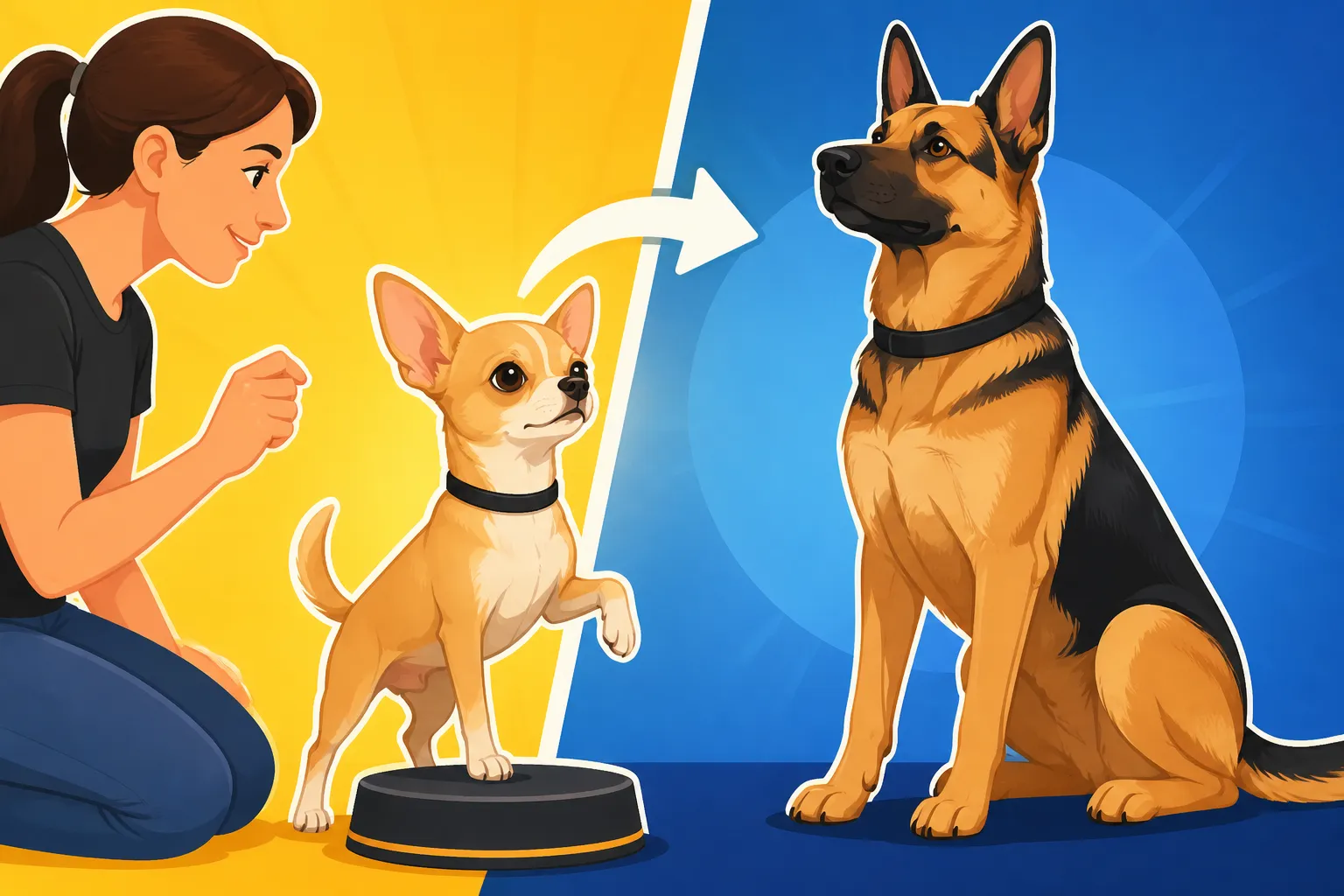
It's a common sight: a tiny Chihuahua yapping furiously from the safety of an owner's arms, seemingly dictating the terms of engagement with the world. Many people, out of a misguided sense of protection or simply because "they're so small!", treat Chihuahuas differently than they would a Labrador or a German Shepherd. This often leads to frustrating behaviors, a lack of confidence in the dog, and a less harmonious home life. This guide is here to tell you that your Chihuahua deserves, and thrives on, the same comprehensive training and clear expectations you'd give to any large breed dog, and we'll show you exactly how to achieve that.
The Misconception: Chihuahuas Are Different
The biggest hurdle for many Chihuahua owners isn't the dog itself, but the preconceived notions about tiny breeds. We tend to baby them, carry them everywhere, and excuse behaviors we would never tolerate in a larger dog. This "small dog syndrome," as it's often called, isn't some inherent genetic flaw in Chihuahuas; it's a learned behavior born from human indulgence and a lack of consistent training.
Small Dog Syndrome Isn't a Genetic Trait
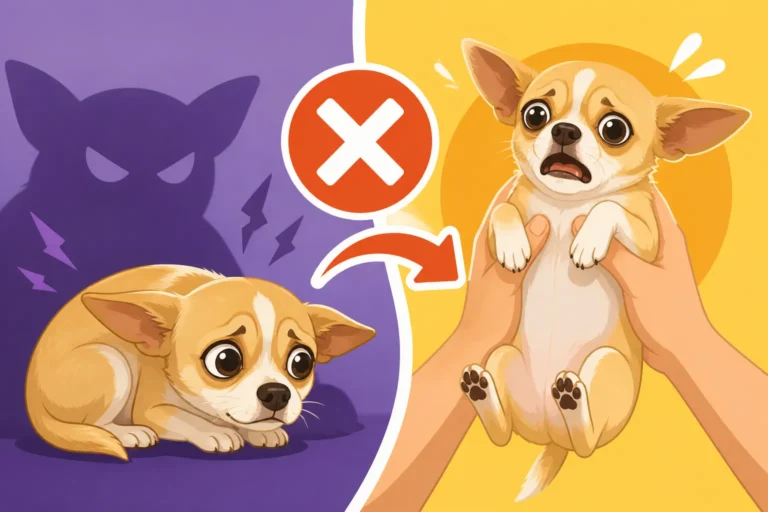
Let's be clear: there's no gene for "small dog syndrome." This isn't a built-in personality trait your Chihuahua inherits. Instead, it's a collection of behaviors like excessive barking, fear-based aggression, resource guarding, or a refusal to walk on a leash, all stemming from a lack of proper socialization and training. When a large dog barks incessantly or snaps at strangers, owners typically seek professional help immediately. When a Chihuahua does it, it's often dismissed as "just being a Chihuahua" or "cute." But consider it from your Chihuahua's perspective: if every time you growl, you get picked up and shielded, or every time you bark, the scary thing goes away (because your human intervened), you're learning that these behaviors are effective. This creates a cycle where the dog feels constantly on edge, believing it must protect itself because its human isn't providing clear guidance or safety.
Imagine a world where everything is gigantic, and you're constantly being scooped up or having your choices made for you. This can be incredibly anxiety-inducing. Your tiny dog needs to feel secure and understand its place, not as a fragile doll, but as a competent member of the family with rules and routines. This sense of predictability actually reduces anxiety, rather than increasing it.
The Dangers of Excusing Bad Behavior
Excusing behaviors like incessant barking, growling at guests, or not being house-trained might seem harmless because the dog is small. After all, a little nip from a five-pound dog is hardly the same as a bite from a fifty-pound one, right? While the physical damage might be less, the emotional and practical damage to your relationship and your dog's quality of life can be immense. A Chihuahua that consistently barks at every passerby through the window, or growls if someone comes near its bed, is a stressed Chihuahua. It's living in a constant state of alert, and that's no fun for anyone.
Moreover, these excused behaviors can escalate. A growl can turn into a snap, especially if the dog feels cornered or unheard. It can also lead to social isolation, as friends and family might be hesitant to visit if your dog is constantly yapping or nipping. A Chihuahua that isn't reliably house-trained can cause frustration and damage to your home. Fundamentally, excusing these behaviors denies your Chihuahua the chance to be a confident, well-adjusted companion. It limits their world and their opportunities for joy, much in the same way you wouldn't let a larger dog run wild without boundaries.
Why Training Matters, Regardless of Size
Training isn't just about teaching tricks or making your dog behave; it's about communication, trust, and building a secure relationship. For a small dog like a Chihuahua, this foundation is arguably even more crucial because their diminutive size means they can easily be overlooked or put in dangerous situations if they aren't responsive to commands.
Safety and Confidence for Your Chihuahua
Think about the world from your Chihuahua's perspective. It's a huge, overwhelming place with big feet, loud noises, and endless perceived threats. A well-trained Chihuahua, however, walks with confidence. It understands its human will guide it, keep it safe, and communicate what's expected. A reliable "come" command, for example, isn't just a party trick; it's a life-saving tool if your dog slips its leash near a busy street or wanders too close to an unfriendly dog. The article "Chihuahua Recall When a Bigger Dog Approaches" really dives into why this is so vital for their safety.
Commands like "stay," "leave it," and a solid "drop it" can prevent them from eating something harmful off the ground or getting into trouble. Beyond direct safety, training builds confidence. When a Chihuahua successfully performs a task and receives praise, it reinforces their sense of capability. This confidence translates into a more secure, less anxious dog, one that doesn't feel the constant need to be on high alert or resort to fear-based behaviors. They learn that they can trust you to handle situations, freeing them from the burden of feeling like they have to protect themselves.
A Better Relationship with Your Dog
Training is a language you share with your dog. When you teach a command, you're not just getting them to sit; you're teaching them how to understand you and how to respond in a way that is beneficial for both of you. This two-way communication strengthens your bond immeasurably. Instead of constantly correcting or feeling frustrated, you're engaging in positive interactions that build mutual respect and affection.
Imagine being able to take your Chihuahua to a cafe, a friend's house, or on a road trip without worrying about their behavior. A well-trained Chihuahua is a joy to be around, making them a more integrated and valued member of the family. The training process itself is an incredible bonding experience. Daily short training sessions, even just a few minutes, become a routine of shared focus and positive reinforcement. This fosters a deeper understanding of each other, making your Chihuahua not just a pet, but a true companion who is happy and secure in its role. This is what Why a Chihuahua Deserves Real Obedience Training truly means for your relationship.
Core Principles of Big Dog Training for Chihuahuas
When we talk about training a Chihuahua like a big dog, we're not suggesting you physically treat them like a large breed or subject them to harsh methods. Far from it. We're talking about applying the same effective, positive reinforcement-based principles used for any dog, scaled appropriately for their size and unique needs.
Consistency and Clear Boundaries
This is the golden rule of dog training, regardless of size. Every member of the household must be on the same page regarding rules, commands, and expectations. If one person lets the Chihuahua jump on the sofa and another person tells them "off," your dog will get confused. They won't understand what's allowed and what isn't, leading to frustration and inconsistent behavior. Establish clear rules from day one – where they sleep, where they eat, whether they're allowed on furniture, and what constitutes acceptable behavior. These rules should apply universally. The article Setting Furniture Rules for a Chihuahua offers great insight into this.
Consistency also means consistently rewarding desired behaviors and redirecting unwanted ones. Don't let your Chihuahua get away with something once and then expect them to understand it's forbidden the next time. Use the same command words and hand signals every time. Short, frequent training sessions (even just 3-5 minutes, multiple times a day) are far more effective than one long, infrequent session. This consistent approach builds a strong foundation of understanding and trust, allowing your Chihuahua to feel secure in their environment because they know what to expect.
Positive Reinforcement, Sized for a Small Dog
Positive reinforcement is key. This means rewarding your Chihuahua for good behavior, rather than punishing them for undesirable actions. Rewards can be high-value treats (tiny pieces of chicken, cheese, or specialized training treats), enthusiastic praise, or a favorite toy. The trick is to find what truly motivates your individual Chihuahua. For a tiny dog, "high-value" means a treat small enough to be eaten quickly without causing a major calorie imbalance. Treats Small Enough for Chihuahua Training are essential here.
When your Chihuahua does something you like – sits when asked, comes when called, or even just stays calm when a stranger enters the room – reward them immediately. The timing of the reward is crucial; it needs to happen within a second or two of the desired behavior so your dog associates the action with the positive outcome. Avoid punishment-based training, which can be particularly detrimental to a sensitive breed like the Chihuahua. Instead of teaching them what to do, it teaches them what not to do, often out of fear, which can erode trust and lead to anxiety or fear-based aggression. A gentle, encouraging approach is always more effective for building a confident and happy Chihuahua.
Addressing Common Chihuahua Behavior Issues with "Big Dog" Methods
Many behavioral challenges commonly associated with Chihuahuas—like house-training difficulties, excessive barking, or resource guarding—aren't inherent to the breed. They're often a direct result of owners treating these tiny dogs differently than they would larger breeds. By applying universal training principles, you can effectively address and resolve these issues.
House Training a Tiny Bladder
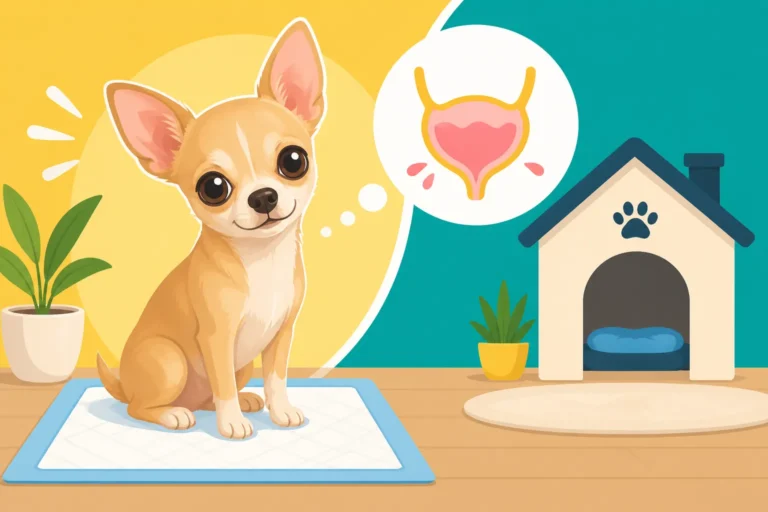
One of the most frequent complaints about Chihuahuas is their perceived difficulty with house training. It's true, their bladders are tiny, especially as puppies. However, this doesn't mean they can't be reliably house-trained; it simply means you need to be more diligent and proactive, just as you would with a giant breed puppy that's still learning. For more specific details, check out How Small a Chihuahua Bladder Actually Is.
The key is frequency and consistency. Take your Chihuahua out often—every 1-2 hours for a puppy, immediately after waking up, after eating or drinking, and before bed. Always go to the same designated potty spot and reward them lavishly with praise and a small, high-value treat the moment they eliminate outside. If your Chihuahua prefers indoor options, especially in cold weather, consider using puppy pads or a designated indoor potty spot. Consistency is still paramount: always take them to the same indoor spot and reward them for using it. Supervise them closely indoors, and if you can't, use a crate or a playpen to prevent accidents. Never punish them for accidents; simply clean it thoroughly with an enzymatic cleaner to remove odors that might attract them back to the same spot. Remember, successful house training is about managing opportunities and rewarding desired behavior.
Managing Reactivity and Barking
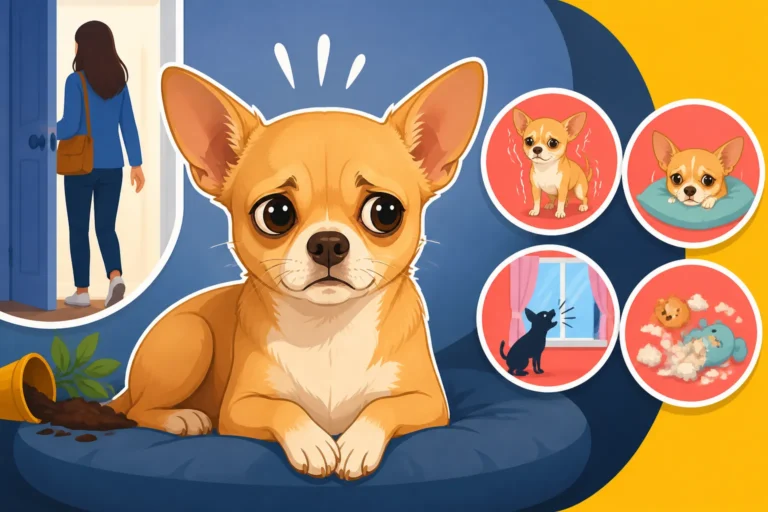
Chihuahuas often get a bad rap for being "yappy" or reactive, lunging and barking at anything that moves. Again, this isn't inherent; it's often a learned response to fear and a lack of proper socialization and confidence. Because they are so small, they can perceive the world as a very threatening place. Instead of scooping them up every time they bark, which reinforces their fear and the barking behavior, teach them how to cope. This is why Fear Reactivity as the Top Chihuahua Complaint is so important to address proactively.
Start by identifying the triggers for their barking or reactivity. Is it strangers, other dogs, the doorbell, or things outside the window? Once you know the triggers, you can begin counter-conditioning and desensitization. This means gradually exposing them to their triggers at a distance where they don't react, and then rewarding them for calm behavior. For example, if they bark at dogs on walks, start by walking them further away from other dogs, where they can see them but don't feel the need to react. Reward them for looking at the other dog calmly. Slowly decrease the distance over time. For barking at the door, teach them a "place" command, so they go to their bed when someone knocks, rewarding them for staying there quietly. Tools like window film can help block their view of outside triggers, as detailed in Window Film and Blocking a Chihuahua's View. Consistency, patience, and positive reinforcement are crucial here.
Resource Guarding and Confidence
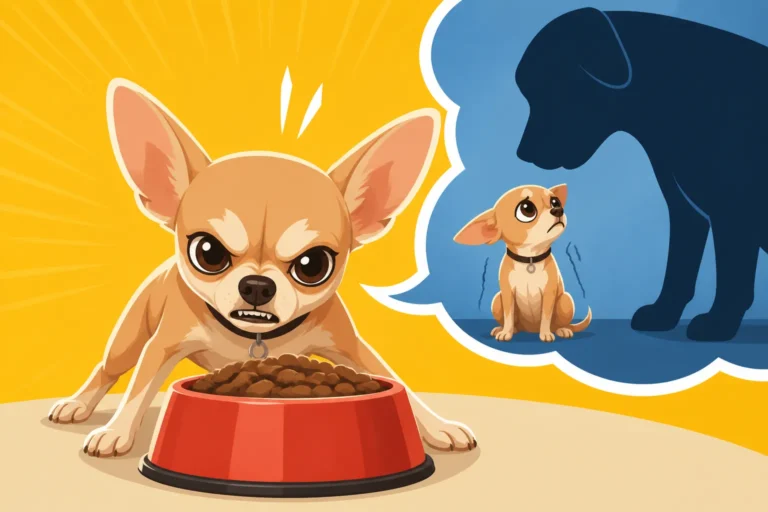
Resource guarding—growling or snapping when someone approaches their food, toys, or even their human—is another common issue in Chihuahuas that is often overlooked due to their size. Owners might think it's cute or harmless when a tiny dog growls over a toy, but it's a serious behavioral problem that needs to be addressed. It signals insecurity and a lack of trust. The article Chihuahua Food and Toy Guarding explains this in more detail.
To address resource guarding, you need to build your Chihuahua's confidence and teach them that human approach means good things, not threats. Start by establishing a "trade" game. While your Chihuahua has a low-value toy, approach them and offer a high-value treat. As they drop the toy to take the treat, praise them. Then, give them back their original toy (or a better one!). This teaches them that giving up a resource actually results in something even better. Gradually increase the value of the guarded item and practice with food bowls (always adding something yummy to their bowl as you approach, rather than taking it away). For guarding a specific person or lap, set clear boundaries about personal space and ensure everyone in the household respects the dog's signals. Never force interaction or punish a growl, as this can escalate to a bite. Instead, work on building trust and making every interaction a positive one. A confident Chihuahua who trusts its owners is far less likely to feel the need to guard.
Socialization and Handling: Beyond the Handbag
It's tempting to scoop up your Chihuahua and carry them everywhere, protecting them from the perceived dangers of the world. However, this often hinders their development, creates fear, and prevents them from learning crucial social skills. Proper socialization and respectful handling are vital for a well-adjusted Chihuahua.
Safe Socialization with Other Dogs and People
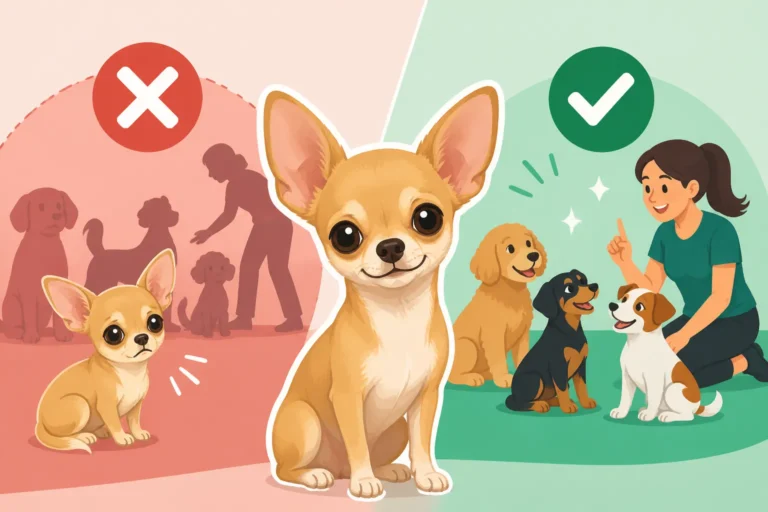
Socialization for a Chihuahua doesn't mean throwing them into a dog park with a pack of boisterous Labs. It means carefully, positively, and gradually exposing them to a variety of sights, sounds, people, and other calm, appropriate dogs, especially during their critical socialization window. For a Chihuahua, this window is generally between 3 to 16 weeks of age, as discussed in The Chihuahua Socialization Window and Its Deadline.
Introduce your Chihuahua to a diverse range of friendly, vaccinated adult dogs of various sizes in a controlled environment. Focus on positive experiences. If your Chihuahua seems overwhelmed, remove them from the situation. Short, positive interactions are key. Puppy classes that group smaller dogs together can be excellent for this, as they ensure safer play. For introducing them to larger dogs, ensure the bigger dog is known to be gentle and calm, and always supervise closely. The focus should be on building positive associations: meeting a new person means a tasty treat; seeing a calm, friendly dog means a calm interaction. For more on this, read Introducing a Chihuahua to Bigger Dogs Safely. Avoid overstimulating your Chihuahua, which can lead to fear and reactivity. The goal is a confident dog that can calmly assess new situations, not one that is terrified of the world.
Teaching Consent in Handling
Because Chihuahuas are so small, many people feel entitled to pick them up, cuddle them, or reach for them without a second thought. This constant unsolicited handling can be incredibly stressful for a Chihuahua and can lead to snapping or biting out of fear or frustration. Just like any dog, a Chihuahua deserves to have its body language respected and to be given a choice in interactions. The idea of Chihuahua Handling and Consent is revolutionary for many owners.
Teach your Chihuahua to "step into" your hands or onto your lap, rather than being grabbed. This builds a sense of control and trust. Approach them slowly, offer your hand, and reward them if they willingly approach or allow you to gently touch them. Practice handling their paws, ears, and mouth gently, pairing it with high-value treats to make it a positive experience (essential for vet visits and grooming). If your Chihuahua shows signs of discomfort (lip licking, whale eye, freezing, backing away), respect those signals and back off. Picking a Chihuahua up indiscriminately can actually worsen fear and reactivity, as it removes their ability to escape a perceived threat. Teaching your dog that they have a choice, and that you will respect their boundaries, fosters a deeper bond and a more confident, less defensive dog.
Essential Commands Every Chihuahua Should Know
Every dog, regardless of size, benefits from knowing basic obedience commands. For Chihuahuas, these commands aren't just parlor tricks; they are crucial for safety, communication, and managing behavior in a world that often isn't designed for tiny dogs.
Recall and Leash Manners
A reliable recall ("come!") is perhaps the most important command any dog can learn, and for a Chihuahua, it can be a lifesaver. Given their small size, they can easily get underfoot, slip through small gaps, or be overlooked in busy environments. A strong recall means you can trust your Chihuahua to return to you quickly, away from potential dangers like cars, aggressive dogs, or tempting hazards on the ground. Practice this command frequently in a safe, enclosed area, rewarding generously with high-value treats and enthusiastic praise every single time they come. For tips on this, refer to Chihuahua Recall in a Fenced Yard.
Leash manners are equally critical. While it might seem less urgent for a dog you can easily pick up, teaching your Chihuahua to walk politely on a leash with a harness (never a collar, due to their delicate tracheas, which we discuss in Why a Harness Matters for a Chihuahua Windpipe) is fundamental. A Chihuahua that pulls, lunges, or barks on leash is not only a frustrated dog but also a potential safety risk. Use positive reinforcement to reward loose-leash walking, stopping every time they pull and only moving forward when the leash is slack. This teaches them that polite walking gets them where they want to go. A well-fitted harness, like those widely available on Amazon, can make a huge difference in comfort and control for your small companion.
Crate Training and Independence
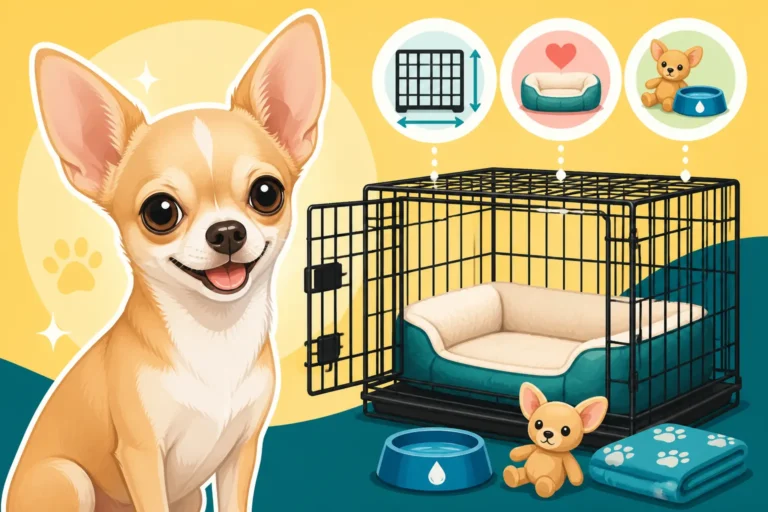
Crate training is often misunderstood, but when done correctly, it provides a safe, secure den for your Chihuahua and fosters independence. For Chihuahuas, who can sometimes be prone to separation anxiety, a positive association with their crate can be a game-changer. It's their own personal space where they can feel safe and calm. The article Chihuahua Crate Size and Setup is a great starting point for making this a comfortable experience.
Introduce the crate slowly and positively. Make it a comfortable place with soft bedding and appealing toys. Feed meals in the crate, and toss in high-value treats when they go inside voluntarily. Never use the crate as punishment. Start with short periods of time, gradually increasing the duration, and always reward them for quiet, calm behavior inside. This teaches your Chihuahua that the crate is a good place to be, reducing anxiety when you need to leave them alone for short periods or travel. It also aids in house training, as dogs are naturally reluctant to soil their sleeping area. Moreover, a well-crated Chihuahua can travel more safely and comfortably, whether in the car or as carry-on luggage on flights, adhering to airline regulations for pet carriers.
Overcoming the Physical Differences
While the principles of training a Chihuahua like a big dog are the same, the application sometimes requires sensible adaptations due to their tiny stature. This isn't about excusing behavior but about ensuring their physical well-being and making the training process effective and safe for them.
Harnesses, Ramps, and Tiny Treats
One of the most crucial physical adaptations is the choice of equipment. Due to their delicate windpipes, Chihuahuas should never wear a collar for walks or leash training. A well-fitting harness that distributes pressure across their chest and shoulders is essential to protect their trachea. A good quality harness can be found through brands often stocked on platforms like Amazon, offering various sizes to fit even the smallest Chihuahua. This simple switch can prevent issues like the "honking cough" associated with tracheal collapse, as detailed in Why Collar Pressure Damages a Chihuahua Trachea.
Secondly, consider their joints. Chihuahuas are prone to patellar luxation, a condition where the kneecap slips out of place. Constant jumping off furniture can exacerbate this. Providing ramps or steps to help them access beds and sofas is not coddling; it's preventative care. The guide Ramps and Steps for a Chihuahua Sofa offers practical advice on this. Tiny training treats are also vital. A whole biscuit for a Labrador is equivalent to a crumb for a Chihuahua. Break treats into minuscule pieces to avoid overfeeding and keep them motivated during training sessions without causing weight gain.
Finding the Right Training Tools
The "right" tools are always positive, ethical, and effective. For Chihuahuas, this might mean different sizes of existing tools rather than entirely different philosophies. Clickers, for instance, are fantastic for mark-and-reward training and can be used just as effectively for a Chihuahua as for a Great Dane. They help pinpoint the exact moment your dog performs the desired action, making learning faster and clearer.
For mental stimulation, puzzle toys are excellent, but ensure they are sized appropriately for a Chihuahua's mouth and cognitive level. Many general pet stores or online retailers carry a range of smaller puzzle feeders and interactive toys. When choosing leashes, opt for lightweight ones that won't feel cumbersome to a small dog. For crates, ensure it's cozy and appropriately sized, allowing them to stand, turn around, and lie down comfortably, but not so large that they can use one end as a potty area. Ultimately, the best training tools are patience, consistency, and a deep understanding of positive reinforcement. If you're looking for structured guidance, platforms like BAXTER & Bella offer online puppy and dog training programs that can be adapted for Chihuahuas, emphasizing positive methods that work for any size dog.
The Long-Term Rewards of Training Your Chihuahua Like a Big Dog
Investing the time and effort into training your Chihuahua with the same seriousness you'd apply to a larger breed yields incredible long-term dividends. It's about setting them up for a lifetime of happiness, confidence, and integration into your family and the wider world.
A Well-Adjusted, Confident Companion
When you treat your Chihuahua like a capable dog deserving of clear rules and positive guidance, you foster a well-adjusted and confident companion. They learn that they can navigate the world, even with its big dogs and loud noises, because they trust you to be their guide and advocate. This confidence dramatically reduces common Chihuahua anxieties and fear-based behaviors. Instead of constantly trembling or yapping out of insecurity, your Chihuahua can greet new experiences with curiosity and appropriate caution. They become comfortable in their own skin, knowing what's expected of them and feeling secure in your bond. This means fewer stress-induced vet visits for behavioral issues, a happier home environment, and a dog that truly enjoys its life. They become the calm, affectionate, and intelligent companions the breed is meant to be, rather than the stereotypical "yappy" dog.
Avoiding Common Pitfalls of Small Dog Ownership
Many owners fall into the trap of coddling their Chihuahuas, inadvertently creating behavioral problems they then struggle to manage. By applying "big dog" training principles from the start, you proactively avoid these common pitfalls. You won't have a dog that resource guards its person, because you've taught it trust and boundaries. You won't have a dog that isn't house-trained, because you've been consistent and proactive with potty training. You won't have a dog that suffers from Chihuahua Separation Anxiety and Time Alone, because you've taught it independence and positive crate association.
Here's a quick comparison of common pitfalls and their "big dog" solutions:
Common Chihuahua Pitfall (Small Dog Syndrome) "Big Dog" Training Solution Outcome for Chihuahua
:Q-END-SYSTEM-MESSAGE
Chihuahua Dental Disease in a Crowded Small Jaw
Chihuahuas might be small, but they come with big personalities and unfortunately, big dental problems. It’s a sad reality for our tiny companions, and it's something that far too many Chihuahua parents grapple with, often without fully understanding why their little dog seems so predisposed to gum disease and tooth loss. You might be meticulously brushing their tiny teeth, offering dental chews, and still find yourself facing a veterinarian's grim prognosis about extensive dental disease. It’s frustrating, worrying, and often leads to expensive treatments, leaving you wondering what you could have done differently.
The truth is, while good home care certainly helps, Chihuahuas face an uphill battle against dental disease from the moment they're born. Their unique anatomy, specifically that adorable, compact little mouth, sets the stage for a lifetime of potential oral health issues. This guide will help you understand the specific reasons why Chihuahuas are so prone to dental problems, what to look out for, and how you can be the best advocate for your tiny dog's oral health, minimizing the impact of this all-too-common challenge.
Why a Chihuahua Has So Many Teeth in Such a Small Mouth
Have you ever stopped to really think about the sheer number of teeth packed into your Chihuahua's tiny jaw? It’s astonishing when you consider it. A Chihuahua, like almost all dogs, is designed to have 42 adult teeth. Yes, 42! That’s the same number as a Golden Retriever or a German Shepherd, breeds with jaws many times the size of your little companion. Imagine trying to fit all your furniture for a five-bedroom house into a tiny studio apartment – it’s going to be a tight squeeze, right? That's essentially what's happening inside your Chihuahua's mouth.
The Crowding Effect and Its Consequences
This anatomical mismatch is the root cause of many Chihuahua dental woes. With 42 teeth vying for space in a jaw that simply wasn't designed to accommodate them comfortably, the teeth inevitably become crowded and misaligned. You'll often see teeth rotated, overlapping, or even growing in at odd angles. This crowding creates numerous nooks and crannies, tiny crevices and tight spaces between teeth that become perfect breeding grounds for plaque and tartar. It's almost impossible for your Chihuahua's tongue or even a dedicated toothbrush to effectively reach and clean these areas.
Think of it this way: if your teeth were all crammed together, making it impossible to floss or brush properly, you'd quickly develop cavities and gum disease, wouldn't you? It's no different for your Chihuahua. Food particles and bacteria get trapped, forming plaque that quickly hardens into tartar. This tartar isn't just unsightly; it's a rough, porous surface that attracts even more bacteria and provides an ideal environment for them to thrive, constantly irritating the gum line. This chronic irritation is the start of periodontal disease.
Retained Puppy Teeth and Double Rows
Another common issue stemming from the crowded jaw is the problem of retained puppy teeth, also known as persistent deciduous teeth. While most puppies naturally lose their baby teeth as their adult teeth erupt, Chihuahuas frequently hold onto their puppy canines and incisors. It's a phenomenon that often leaves owners bewildered, seeing their tiny dog sporting two rows of teeth, like a tiny shark! This happens because the adult teeth often don't erupt directly beneath and push out the baby teeth as they should.
This 'double-row' of teeth exacerbates the crowding problem significantly. Not only do you have the standard 42 adult teeth, but now you have extra baby teeth taking up precious space. These retained teeth create even more tight, impossible-to-clean pockets where food, plaque, and bacteria can accumulate. This trapped debris leads to rapid tartar buildup and gum inflammation around both the baby tooth and the newly erupted adult tooth. Often, veterinarians will recommend extracting these retained puppy teeth when your Chihuahua is spayed or neutered to prevent future dental complications. This is a crucial step in giving your Chihuahua's adult teeth the best chance. If you want to know more about this, check out Why a Chihuahua Keeps Its Puppy Canines.
The Speed of Tartar Buildup in Chihuahuas
It often feels like Chihuahuas go from pristine puppy teeth to a mouthful of tartar overnight. You might be looking at their pearly whites one day, and a few months later, their breath is atrocious, and their gums look red and inflamed. This rapid progression isn't your imagination; there are several factors unique to Chihuahuas that contribute to an accelerated rate of plaque and tartar accumulation compared to larger breeds.
Saliva Chemistry and Bacterial Load
While specific studies on Chihuahua saliva are limited, it's generally understood that individual dogs can have varying saliva chemistry. Some dogs' saliva may be more prone to creating an environment where plaque mineralizes into tartar more quickly. This isn't unique to Chihuahuas, but when combined with their extreme crowding, it becomes a much more significant problem.
More critically, the sheer number of tight spaces in a crowded Chihuahua mouth allows bacteria to colonize and form biofilms much more rapidly and extensively. Imagine a vast, interconnected network of tiny caves where bacteria can hide, multiply, and excrete acids. These bacterial colonies produce sticky substances that form plaque, which then hardens into tartar. The trapped food particles and lack of natural "scrubbing" action (due to misaligned teeth) means these bacteria have an unchecked environment to flourish. This high bacterial load constantly bombards the gum tissues, initiating inflammation and setting the stage for disease. Even if your Chihuahua isn't prone to rapid mineralization, the sheer bacterial activity will still wreak havoc.
Lack of Natural Cleaning and Diet
Unlike some larger breeds who might spend hours gnawing on appropriate bones or dental chews that offer some abrasive cleaning action, Chihuahuas often don't get the same benefit. Their tiny mouths and delicate jaws aren't always suited for hard chews, and many owners are, understandably, wary of giving them anything that could cause a fracture or choking hazard. Furthermore, the crowded nature of their teeth means that even if they do chew, the cleaning action is inefficient at reaching those critical, tight spaces.
Many Chihuahuas also eat a diet of kibble that doesn't offer much in the way of mechanical cleaning. While some specialized dental diets exist with larger, fibrous kibble designed to scrape teeth, these are often too big for a Chihuahua's tiny mouth to effectively chew. Even smaller kibble tends to be swallowed quickly without much chewing. The lack of abrasive action means that plaque and food particles simply sit on the tooth surface and in those crowded gaps, undisturbed, allowing tartar to form more easily. For an owner, it can feel like a losing battle, trying to find suitable dental chews or foods that both appeal to their finicky Chihuahua and actually help clean their teeth. The truth is, while certain products can help, nothing fully overcomes the inherent challenges of their crowded dental architecture without consistent human intervention.
The Progression to Periodontal Disease and Tooth Loss
What starts as seemingly harmless plaque and tartar quickly progresses to something far more serious in Chihuahuas if left unaddressed. Periodontal disease, also known as gum disease, is the most common clinical condition affecting adult dogs, and Chihuahuas are disproportionately represented among those suffering from it. This isn't just about bad breath; it's a painful, destructive process that impacts their entire well-being.
Gingivitis, Periodontitis, and Beyond
The first stage of periodontal disease is gingivitis, which is inflammation of the gums. You'll notice this as red, swollen gums, often bleeding when touched or brushed, and persistent bad breath – a tell-tale sign that Chihuahua Bad Breath and What It Means is more than just a minor inconvenience. At this stage, gingivitis is reversible with professional cleaning and improved home care. However, because tartar builds up so rapidly in Chihuahuas, this window of reversibility is often very short.
If gingivitis is left untreated, it progresses to periodontitis. This is where the real damage begins. The inflammation spreads below the gum line, attacking the supporting structures of the tooth – the ligaments and bone. Pockets form between the gums and teeth, filling with bacteria and pus, causing excruciating pain and further bone loss. This stage is irreversible; you can manage it, but the damage to the bone and ligaments cannot be undone. Eventually, the tooth becomes so unstable that it loosens and falls out, or becomes so painful it requires extraction. It’s heart-wrenching to see a little dog go through this, and the process can happen much faster in Chihuahuas compared to larger dogs due to the intense crowding and accelerated tartar buildup.
The Risk of Jaw Fractures and Systemic Illness
The consequences of severe periodontal disease in Chihuahuas extend far beyond just tooth loss. The continuous bacterial infection and inflammation eat away at the jawbone, particularly the thin, delicate jaw of a Chihuahua. This bone loss can become so extensive that the jaw becomes weakened and brittle, making it highly susceptible to spontaneous fractures, even from minor trauma like jumping off a sofa or a playful tumble. Imagine the agony of a broken jaw in such a tiny creature. This is a very real and devastating risk. The internal link Jaw Fractures From Chihuahua Dental Disease discusses this in alarming detail.
Furthermore, the mouth is not an isolated system. The constant bacterial assault in an infected mouth allows bacteria to easily enter the bloodstream. These bacteria can then travel to other vital organs, leading to systemic illnesses such as heart disease, kidney disease, and liver problems. A Chihuahua with severe dental infection is essentially living with a chronic, low-grade infection constantly circulating through its body, taking a toll on its overall health and lifespan. It's a stark reminder that dental health isn't just about the mouth; it's intricately linked to the entire health of your cherished Chihuahua. Addressing these dental issues aggressively is not just about comfort; it's about protecting their life.
Daily Home Care as Your First Line of Defense
While Chihuahuas are predisposed to dental disease, this doesn't mean you're helpless. Daily home care is your most powerful weapon against the rapid progression of plaque and tartar. It's a commitment, yes, but one that can significantly reduce the frequency and severity of professional dental cleanings and improve your Chihuahua's quality of life.
The Two-Minute Daily Brushing Routine
Brushing your Chihuahua's teeth every single day is, without a doubt, the single most effective thing you can do at home. Think of it like brushing your own teeth – you wouldn't go days or weeks without doing it, and neither should your Chihuahua. It might seem daunting at first, trying to maneuver a toothbrush in such a tiny mouth, but with patience and a positive approach, it can become a routine your dog tolerates, and maybe even enjoys. The article The Two Minute Daily Chihuahua Tooth Routine provides excellent practical steps for this.
Start slowly and make it a positive experience. Use a toothbrush specifically designed for small dogs or a finger brush – something soft and appropriately sized. You can even use a small piece of gauze wrapped around your finger initially. Most importantly, use enzymatic dog toothpaste (never human toothpaste, as it contains ingredients toxic to dogs). Let your Chihuahua taste the toothpaste first, making it a treat. Then, gently lift their lip and brush for just a few seconds, focusing on the outside surfaces of the teeth, especially the upper canines and molars where plaque tends to accumulate most. Gradually increase the duration each day until you can brush for about two minutes. Reward them heavily with praise and a tiny treat immediately afterward. Consistency is key; even if you miss a day, just pick up where you left off. This daily ritual physically removes plaque before it has a chance to harden into tartar, making a huge difference.
Dental Chews and Water Additives
While brushing is paramount, certain dental chews and water additives can offer supplementary support, acting as additional tools in your dental arsenal. They are not a substitute for brushing, but they can contribute to overall oral hygiene.
When choosing dental chews, select ones specifically designed for toy breeds and ensure they are appropriately sized and digestible. Look for chews that are veterinary-approved and have been clinically proven to reduce plaque and tartar. Brands often have different textures and shapes designed to scrape the tooth surface as your dog chews. Always supervise your Chihuahua when they're enjoying a dental chew to prevent choking or gulping too quickly. However, be realistic: even the best dental chew can't reach all the crowded areas of a Chihuahua's mouth, and many Chihuahuas may not chew them long enough to be truly effective.
Water additives contain enzymes or other ingredients that help reduce bacteria in the mouth and can inhibit plaque formation. Simply add the recommended amount to your Chihuahua's drinking water daily. These are a passive way to potentially improve oral hygiene, but again, they work best when combined with daily brushing. Always discuss any new dental products with your veterinarian to ensure they are safe and appropriate for your individual Chihuahua. For more on this, check out Dental Chews Small Enough for a Chihuahua. It's about finding the right combination of tools that works for your dog and fits into your routine.
Professional Dental Care: A Necessity, Not a Luxury
Despite your best efforts with home care, professional dental cleanings under anesthesia will likely be a recurring necessity for your Chihuahua throughout their life. This isn't a sign of failure on your part; it's a testament to the inherent challenges of their crowded jaws and the aggressive nature of dental disease in the breed.
Understanding the Anesthesia Aspect
The thought of your tiny Chihuahua going under anesthesia for a dental cleaning can be incredibly anxiety-inducing for any owner. You might worry about their size, their delicate systems, and the potential risks. These concerns are completely valid, and it's why choosing a veterinary clinic that prioritizes safety for small breeds is crucial. For further reading, Anesthesia Charges on a Four Pound Chihuahua addresses this concern specifically.
A comprehensive pre-anesthetic workup is non-negotiable for Chihuahuas. This typically includes blood work to assess organ function, especially the liver and kidneys, and sometimes an EKG or chest X-rays to check heart and lung health. During the procedure, the veterinary team should use gas anesthesia, which is safer and more controllable for small patients. Monitoring equipment, including pulse oximetry, blood pressure, and ECG, should be used continuously. Crucially, active warming measures, such as warm air blankets or circulating water pads, are essential to maintain your Chihuahua's body temperature. Tiny dogs like Chihuahuas lose heat very quickly, and hypothermia can complicate recovery. Don't hesitate to ask your vet about their anesthesia protocols for toy breeds. A good clinic will be transparent and reassure you about the steps they take to keep your little one safe during the procedure. This is also covered in Warming a Chihuahua Through an Anesthetic.
What a Professional Dental Cleaning Involves
A professional dental cleaning for your Chihuahua is far more than just "scraping teeth." It's a thorough medical procedure that cannot be safely or effectively performed on a conscious dog, especially one prone to dental pain.
Once your Chihuahua is safely under anesthesia, the veterinary team will perform a full oral exam. This involves visually inspecting every tooth surface and the gum line, probing for pockets of infection under the gums, and looking for signs of disease or damage. Dental X-rays are absolutely critical, especially for Chihuahuas. Because so much of the tooth structure and jawbone is hidden beneath the gum line, X-rays reveal problems that are invisible to the naked eye, such as bone loss, abscesses, retained tooth roots, or un-erupted teeth. The cost of these X-rays is a vital investment in your Chihuahua's health, as described in Dental X-Rays Added to a Chihuahua Cleaning.
After the exam and X-rays, ultrasonic scalers are used to meticulously remove plaque and tartar from above and below the gum line, followed by hand scaling to ensure every surface is clean. Each tooth is then polished to create a smooth surface, which helps delay future plaque attachment. If any diseased or painful teeth are identified through the exam or X-rays, extractions will be performed. This is often the most painful and expensive part of the procedure, but it's essential to remove sources of chronic pain and infection. Your Chihuahua will also likely receive pain medication and antibiotics as needed, both during and after the procedure, to ensure a comfortable recovery.
Long-Term Management and Prevention Strategies
Living with a Chihuahua means accepting that dental care will be an ongoing, lifelong commitment. It's not a one-and-done solution, but a continuous journey to ensure their comfort and health. By adopting a proactive and informed approach, you can significantly improve your Chihuahua's dental outlook.
Creating a Proactive Dental Health Plan
The best approach to managing your Chihuahua's dental disease is a proactive, rather than reactive, one. Work closely with your veterinarian to create a personalized dental health plan. This plan should include a schedule for professional cleanings. For many Chihuahuas, a cleaning might be needed every 1-2 years, or even more frequently for those with very rapid tartar buildup or severe predisposition. The article Budgeting a Chihuahua Dental Every Year highlights the financial aspect of this commitment.
Beyond cleanings, discuss the best home care routine for your dog. This might involve daily brushing, specific dental chews, or even prescription dental diets designed to reduce plaque. Your vet can also advise on products with the Veterinary Oral Health Council (VOHC) seal, which indicates scientific evidence of plaque or tartar reduction. Regular veterinary check-ups are also crucial, allowing your vet to monitor your Chihuahua's oral health and catch problems early, before they become severe and more difficult (and expensive) to treat. Remember, early intervention is always better.
Nutrition and Its Role in Oral Health
While diet alone cannot prevent dental disease in Chihuahuas, it plays a supportive role in overall oral health. As mentioned, some prescription dental diets are formulated with larger, fibrous kibble that encourages chewing and provides a gentle abrasive action. If your Chihuahua can manage to chew these larger kibbles effectively, they can be a helpful addition to their regimen.
For Chihuahuas with few teeth left due to extractions, soft or wet food becomes a necessity. While wet food doesn't offer the same mechanical cleaning action as kibble, ensuring they can eat comfortably and receive adequate nutrition is paramount. In these cases, diligent home brushing (even on remaining teeth) and regular professional cleanings become even more critical. You might find useful information in Feeding a Chihuahua After Tooth Extractions or How a Toothless Chihuahua Eats. Regardless of the food type, always ensure the diet is complete and balanced for your Chihuahua's life stage and health needs. Discuss dietary changes with your vet, especially if your Chihuahua has other health concerns.
Recognizing Signs of Trouble Between Vet Visits
You are your Chihuahua's first line of defense, and being vigilant about their oral health at home is incredibly important between vet visits. Get into the habit of gently lifting their lips and examining their teeth and gums regularly.
Look for key warning signs:
- Bad Breath: This is often the first and most obvious indicator of dental disease. It's not normal for a dog's breath to be offensive.
- Red, Swollen, or Bleeding Gums: These are classic signs of gingivitis. Healthy gums should be pale pink and firm.
- Yellow or Brown Buildup on Teeth: This is tartar. While some is inevitable, a rapid or extensive buildup is a red flag.
- Reluctance to Eat or Chewing Difficulties: If your Chihuahua suddenly becomes picky, drops food, or shows pain when chewing, it's a strong sign of oral discomfort.
- Drooling: Excessive drooling, especially if tinged with blood, can indicate pain or infection.
- Paw at the Mouth: This is a common sign that your dog is experiencing oral pain.
- Facial Swelling: This could indicate an abscessed tooth or severe infection.
If you notice any of these signs, don't wait for your next scheduled vet appointment. Contact your veterinarian immediately. Early detection and intervention can make a significant difference in preventing more severe pain, tooth loss, and systemic health complications for your beloved Chihuahua.
Disclaimer
This article is for general informational purposes only and does not constitute professional advice. Laws, prices and regulations vary by location and change over time. Consult a qualified professional for guidance on your specific situation.