Chihuahua Handling and Consent
It’s a common scenario: you reach out to pet your tiny Chihuahua, perhaps to pick them up for a cuddle or move them from a precarious spot, and they flinch, growl, or even snap. This isn't just "small dog syndrome" or rudeness; it's often a clear signal that your dog feels uneasy, unsafe, or simply not ready for interaction. Understanding and respecting your Chihuahua's cues around handling—what we call consent—is vital for building trust and ensuring a happy, secure life together, and this guide is here to walk you through exactly how to do that.
Understanding Why Chihuahuas Are Sensitive to Handling
Chihuahuas, despite their enormous personalities, are physically delicate creatures, and this fragility often translates into a natural wariness about being handled. It’s not about being stubborn; it’s about self-preservation and past experiences. For such a tiny dog, the world is full of giants, and every interaction, especially physical ones, can feel like a potential threat if not approached with care.
The Chihuahua's Physical Vulnerability
Imagine being the smallest person in a room full of towering figures who constantly reach down to grab you. That's often what life feels like for a Chihuahua. Their small bones are more prone to injury from accidental drops or rough handling. A fall from a sofa, a misstep from a high bed, or even an accidental jostle can lead to serious injury for such a tiny frame. Their skulls, especially in apple-head varieties, can have a "molera" or soft spot, making head handling particularly sensitive. This physical vulnerability means they often develop a natural, instinctual protective barrier against sudden or unexpected touch.
Their diminutive size also means they can be easily hurt by larger animals or even clumsy human feet. This constant awareness of their physical fragility can make them highly sensitive to touch, especially from hands they don't explicitly trust. They've learned that being picked up might mean being dropped, or that a sudden grab could lead to pain. It's not always a memory of intentional harm, but often simply the consequence of living in a big world with a tiny body.
Furthermore, Chihuahuas are known for certain health predispositions, such as Patellar Luxation, the Chihuahua's Commonest Joint Problem or issues with their delicate tracheas. If a dog has a sore knee or a sensitive windpipe, even a gentle touch in the wrong spot can cause discomfort or pain. This physical sensitivity can make them anticipate pain with any handling, even if it’s well-intentioned. It's crucial for owners to remember that what feels like a gentle pet to us might feel jarring or even painful to a dog with an underlying physical issue.
Past Experiences and Learned Fear
Just like people, Chihuahuas remember. A Chihuahua who was roughly handled as a puppy, perhaps by an unknowing child, or who experienced a traumatic fall, will naturally develop a fear response to being picked up or touched. This isn't something they "get over" easily; it becomes a deeply ingrained survival mechanism. Every time someone reaches for them, that past fear can bubble to the surface, causing them to retreat, growl, or snap. They are essentially saying, "I remember this feeling, and I don't like it."
Even Chihuahuas from loving homes can develop fear if they've had negative experiences, such as a painful vet visit where they were restrained, or if they've been repeatedly picked up and put down against their will. Their initial fear reaction is a form of self-preservation. They're not trying to be "mean" or "dominant"; they're trying to communicate that they feel threatened or uncomfortable. Ignoring these signals only teaches them that their vocalizations or warnings are ineffective, potentially escalating their response in the future.
This learned fear can manifest in many ways. A Chihuahua might freeze, tuck its tail, tremble, try to run away, or display Chihuahua Body Language Before a Snap, like lip licking or a quick turn of the head. It's vital for us as their caregivers to pay close attention to these subtle cues. Understanding that their reactions stem from a place of fear, not malice, helps us respond with empathy and patience rather than frustration. Addressing these fears requires consistent, positive reinforcement and a commitment to respecting their personal space.
The Impact of "Small Dog Syndrome"
Often, the term "Small Dog Syndrome" is thrown around to explain why little dogs act "big" or "bossy." But the truth is, this isn't a genetic condition; it's a collection of behaviors often inadvertently encouraged by human owners. Because Chihuahuas are so small, many owners don't feel the need to properly train them, socialize them, or enforce boundaries the way they would with a larger dog. They're often carried everywhere, shielded from interacting with the world on their own terms, and their growls or nips are excused as "cute" or "just being a Chihuahua." This can lead to a dog who feels constantly overwhelmed, undersocialized, and prone to fear-based reactivity.
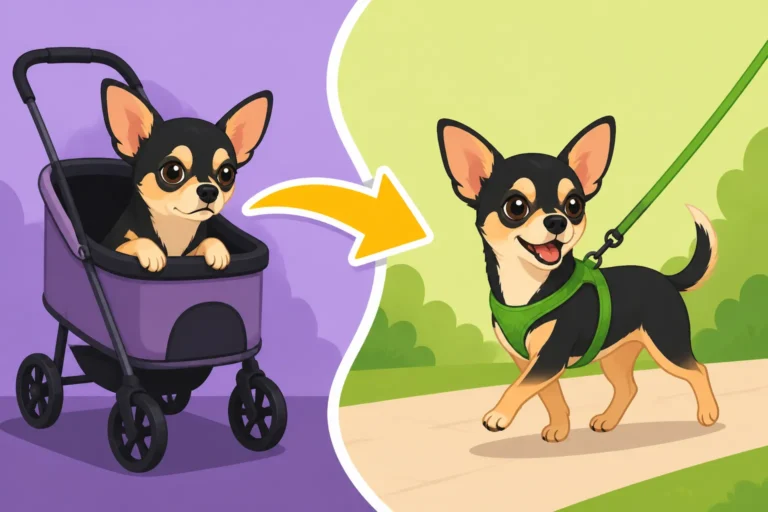
When a Chihuahua is constantly picked up and carried, they miss out on crucial opportunities to explore the world on their own four paws. They don't learn how to navigate different surfaces, interact with other dogs at their level, or build confidence in new environments. This constant elevation can actually exacerbate their fear, making the ground feel like a scary place they're rarely allowed to experience safely. This means that when they are on the ground, they might react with fear and aggression because they haven't learned appropriate coping mechanisms. This is why Why Picking a Chihuahua Up Makes Fear Worse is such a crucial concept to understand.
Furthermore, "Small Dog Syndrome" often means that owners tolerate behaviors in a Chihuahua they would never accept from a Labrador. A growl from a Chihuahua might be met with a laugh, while a growl from a larger dog would be immediately addressed with training. This teaches the Chihuahua that their aggressive displays are effective ways to get what they want (or avoid what they don't want). This lack of consistent boundaries and proper training leads to a dog that feels insecure and overwhelmed, often reacting out of fear rather than true "dominance." The solution isn't to be harsh, but to train them with the same respect and consistency as a big dog, fostering confidence and clear communication.
What "Consent" Means for Your Chihuahua
Consent for your Chihuahua isn't about getting a verbal "yes," but about understanding their silent language and respecting their choices. It’s a paradigm shift from simply interacting with your dog to partnering with them in every touch and handling experience. This approach dramatically improves their comfort, builds a stronger bond, and reduces the likelihood of fear-based reactions.
Reading Your Chihuahua's Body Language Cues
Before you ever lay a hand on your Chihuahua, become a detective of their body language. They are constantly communicating their comfort level, if only we take the time to listen. Look for subtle signs of stress or relaxation. A relaxed Chihuahua will have soft eyes, a loosely wagging tail (or still tail), and a relaxed body posture. Their mouth might be slightly open, panting softly, or closed with a relaxed expression. Their ears will be in a natural position, not pinned back or stiffly forward.
On the other hand, a Chihuahua showing signs of discomfort might have wide, "whale eyes" where the whites are visible, indicating stress. Their ears might be flattened against their head or stiffly turned away. They might lick their lips repeatedly, yawn, turn their head away, or tuck their tail. A stiff body, a frozen posture, or a low growl are clear warning signs that they are extremely uncomfortable and need space. Reading a Chihuahua's Whale Eye is a particularly important skill to master, as it's an early indicator of unease before more overt warnings appear.
It's crucial to understand that these cues are not aggressive; they are simply communication. They are telling you, "I'm not okay with this right now" or "Please stop." Learning to recognize these signals allows you to adjust your approach, retreat if necessary, and prevent escalation. A dog that feels heard and understood is a dog that learns to trust. Ignoring these early signals pushes your Chihuahua to escalate their warnings, eventually leading to more forceful reactions like a snap or a bite, because they feel their subtle attempts to communicate are being disregarded.
The "Ask, Then Touch" Principle
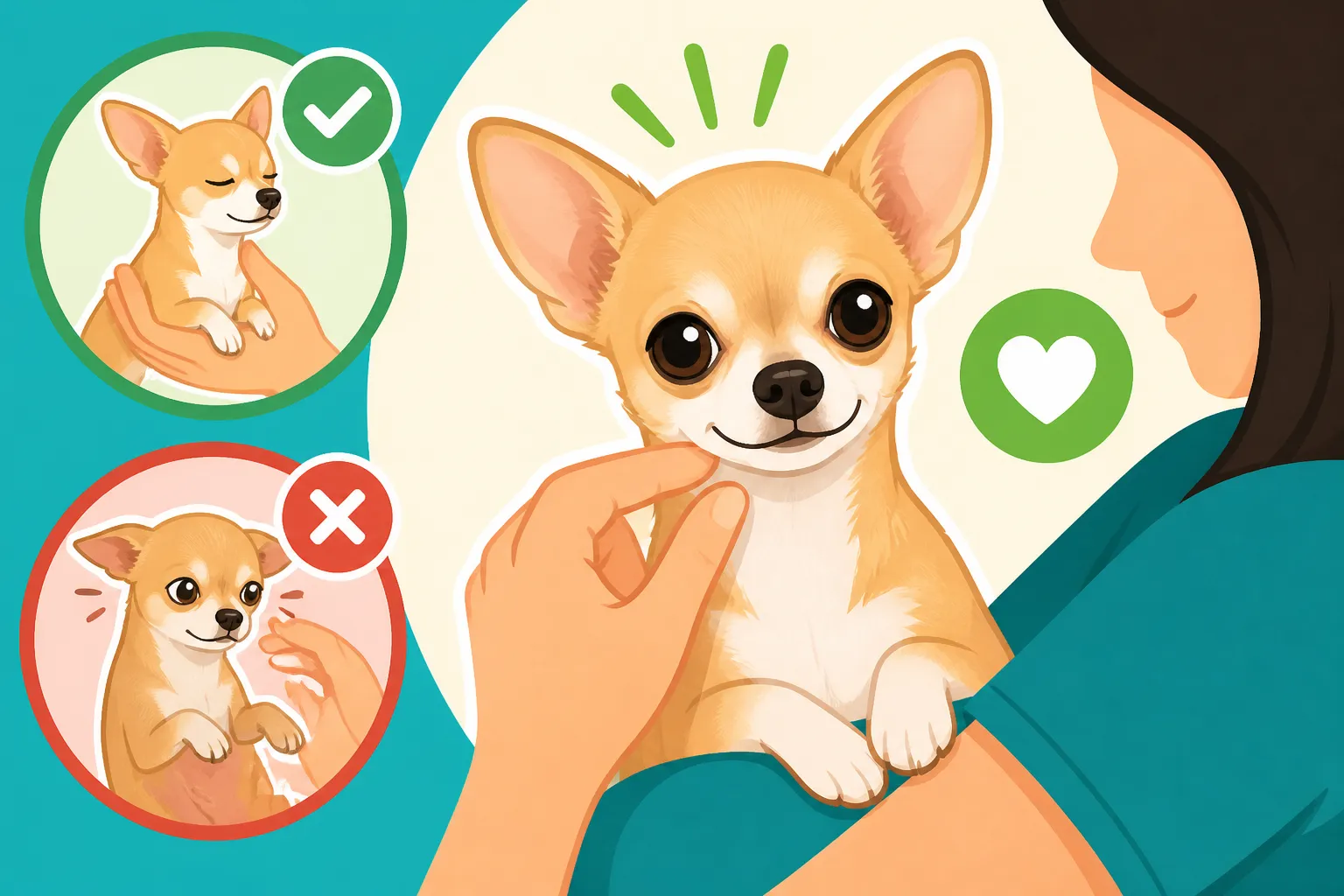
The "ask, then touch" principle is a cornerstone of consent-based handling. It means you don't just reach for your dog; you invite them to engage with you, allowing them to initiate or opt into the interaction. This empowers your Chihuahua and gives them a sense of control over their own body. Instead of scooping them up, crouch down and extend a hand, allowing them to approach and sniff first. See if they lean into your touch or turn away.
A great way to practice this is by offering an open hand, palm up, at their shoulder level, and waiting for them to make the first move. If they lean in, give a soft pet on their chest or shoulder, areas generally less vulnerable than the head or back. If they turn away, respect that and don't push the interaction. This teaches them that your hands are not automatically going to grab them, but are instead an invitation. Over time, they'll learn that they have a choice, making them feel safer and more willing to engage.
This principle extends to all interactions. Before grooming, show them the brush and let them sniff it, then reward them for calm engagement. Before picking them up, gently touch their side and see if they relax into your hand or stiffen. By consistently giving them a choice, you transform handling from a perceived threat into a cooperative activity. This constant communication builds a foundation of trust where your Chihuahua understands that you respect their boundaries, making them much more likely to say "yes" to your touch. Asking Before You Lift a Chihuahua is a simple but powerful habit to adopt.
Building a Positive Association with Handling
The goal is to make every handling experience a positive one, turning potential fear into anticipation of good things. This is where high-value treats come in! When you need to touch your Chihuahua, pair it with something wonderful. For example, if you need to check their paws, offer a tiny, irresistible treat (like a sliver of cheese or cooked chicken) while gently touching their paw. The moment your hand leaves, the treat stops. This creates an association: "hands come, yummy food happens, then hands leave."
Start small and build up gradually. If your Chihuahua is sensitive to being picked up, don't just grab them. Instead, practice crouching down, offering a treat, gently touching their side, offering another treat, then releasing. Over time, you might introduce a brief lift, immediately followed by a jackpot of treats and praise, then set them down. The key is to keep these sessions short, positive, and always end on a good note before your dog shows signs of stress.
This process is called counter-conditioning and desensitization. It literally changes your dog's emotional response to handling from fear to pleasure. Think of it like a game. Many online resources and training programs, like those offered by BAXTER & Bella, emphasize this kind of positive reinforcement training that can be done at home. By making handling a predictor of treats and comfort, you systematically rewire their brain to associate hands with good things, ultimately making future handling much easier and less stressful for both of you.
Practical Steps for Respectful Handling
Once you understand the 'why' behind their sensitivity and the concept of consent, it's time to put it into practice. Respectful handling isn't just about being gentle; it's about being intentional and mindful of your Chihuahua's experience at every step.
Gentle Lifting and Holding Techniques
For a Chihuahua, being lifted can feel like being abducted by a giant eagle. The way you approach them, and the technique you use, makes all the difference. Never swoop down from above or grab them unexpectedly. Instead, crouch down to their level, speak to them softly, and offer your hand to let them sniff. Wait for them to lean into you or show signs of relaxation. This is your cue that they are ready for the next step. If they flinch or move away, give them space. A Chihuahua That Flinches When You Lift It is telling you they are uncomfortable.
When you do lift, use both hands. One hand should support their chest and front legs, while the other supports their hindquarters, ensuring their back is straight and fully supported. Lift them smoothly and gently, keeping them close to your body to provide a sense of security. Never pick them up by their front legs, under their armpits alone, or by the scruff of their neck. These methods can be painful, cause injury, or simply make them feel insecure and unsupported. The goal is to make them feel safe and stable in your arms, not dangling precariously.
Once held, keep them secure but not crushed. Allow them to settle into a comfortable position. If they squirm, gently lower them back down and try again later, or re-evaluate if they were truly consenting to be picked up in the first place. For prolonged holding, ensure they have a comfortable resting spot, perhaps tucked into the crook of your arm, with their body fully supported. The key is never to make them feel like they're falling or about to be dropped, which can be a significant source of anxiety for such a small dog.
Preparing for Grooming and Vet Visits
Grooming and vet visits often involve extensive handling, which can be incredibly stressful for a sensitive Chihuahua. Proactive preparation is key to making these experiences less traumatic. Start by regularly touching your Chihuahua's ears, paws, mouth, and tail at home in short, positive sessions, always paired with high-value treats. Practice holding their paws gently, pretending to clip a nail (without actually doing it at first), and rewarding them.
Introduce grooming tools gradually. Let them sniff the brush or nail clippers. Touch them with the dull end of the clippers, then reward. Over time, incorporate brief brushing sessions, always ending before they show signs of stress. For baths, use lukewarm water and ensure the environment is warm to prevent chilling. Many Chihuahuas dislike baths, so making it a calm, treat-filled experience is crucial. Some owners find specific grooming products or deshedding tools sold on platforms like Amazon helpful for their Chihuahua's coat type, whether smooth or long-haired.
For vet visits, get your Chihuahua comfortable with their carrier by leaving it out as a den, with treats and toys inside. Practice short car rides that don't always end at the vet. When you get to the clinic, ask if you can wait in your car until it's your turn to minimize kennel stress. During the exam, bring their favorite treats and advocate for them. Ask the vet and vet techs to use gentle handling and to pause if your Chihuahua shows signs of stress. Communicate their preferences – for example, that they prefer a chest rub to a head pat. Remember, you are your Chihuahua's best advocate, and proactive training makes a world of difference.
Involving Family and Guests in Consent-Based Handling
It's one thing for you to practice consent-based handling, but what about everyone else in your Chihuahua's life? Consistency is absolutely vital. Teach all family members, especially children, the "ask, then touch" rule. Explain your Chihuahua's body language cues and emphasize the importance of giving your dog space if they're not interested in interaction. Children should be taught to approach slowly, offer a gentle hand for sniffing, and pet only if the Chihuahua leans in. Chihuahuas Around Toddlers and Rough Hands is a sensitive topic, and education is paramount.
When guests visit, instruct them on how to interact with your Chihuahua respectfully. It's perfectly acceptable to tell visitors, "Please don't pick [Chihuahua's name] up unless she comes to you, and always offer your hand first." You might even have a designated safe space, like a crate or a bed, where your Chihuahua can retreat if they feel overwhelmed, and teach everyone not to disturb them there. This protects your dog and sets clear boundaries for interactions.
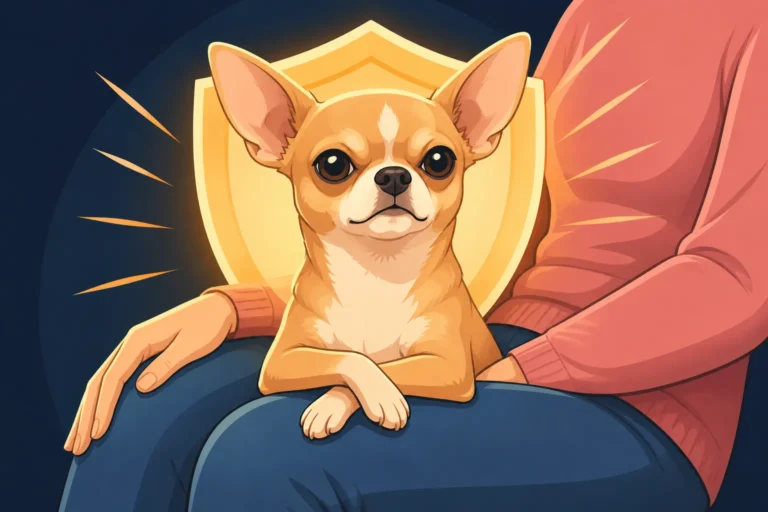
You are the gatekeeper for your Chihuahua's well-being. If someone is being too forceful or ignoring your dog's signals, step in and politely redirect them. This isn't just about your Chihuahua's comfort; it's about preventing potential bites and fostering a positive reputation for your dog. A Chihuahua who learns that their owner will protect their boundaries is a Chihuahua who feels secure and is less likely to resort to fear-based aggression. Everyone in the household, and every guest, needs to respect the same rules for your Chihuahua to truly thrive and feel safe.
When Things Go Wrong: Addressing Fear and Reactivity
Even with the best intentions, sometimes Chihuahuas will react negatively to handling. It's crucial not to blame them, but to understand why and have strategies in place to address these challenges with compassion and consistency.
Recognizing Stress Signals and Preventing Bites
The moment your Chihuahua shows any stress signal—lip licking, yawning, head turning, freezing, trembling, growling, or a hard stare—you must immediately back off. These are warnings, not challenges. Ignoring them pushes your dog further into distress and increases the likelihood of a bite. Think of it as a ladder: a yawn is on the bottom rung, a growl is higher up, and a bite is the very top. Our goal is to respond at the lowest rung possible.
If your Chihuahua growls when you reach for them, don't punish the growl. The growl is communication. Punishing it teaches them not to growl, meaning they might skip that warning next time and go straight to a snap. Instead, acknowledge the growl by backing off, then re-evaluate your approach. What was the context? Were they sleeping? Did you approach too quickly? Did you startle them? Understanding the triggers is the first step toward prevention. This ties back to Chihuahua Body Language Before a Snap and the importance of early detection.
Prevention is always better than reaction. If you know your Chihuahua is sensitive to being picked up from a certain spot, or by certain people, create management strategies. For example, use a long training lead to gently guide them instead of grabbing, or ask guests to avoid picking them up entirely. Teach a "touch" cue (where they touch their nose to your hand for a treat) to give them an active role in initiating contact. This empowers them and reduces the feeling of being ambushed, significantly lowering the risk of a fear-based bite.
Counter-Conditioning and Desensitization Strategies
When a Chihuahua has a negative association with handling, we need to systematically change that association using counter-conditioning and desensitization. This means gradually exposing them to the trigger (the handling) while simultaneously pairing it with something highly positive, ensuring they stay below their fear threshold. If they show any stress, you've gone too far, too fast.
Let's say your Chihuahua growls when you try to pick them up.
- Identify the threshold: Start with a step before the growl. Maybe they tolerate you crouching down near them, but not touching.
- Pair with high-value treats: Crouch down, immediately give a super yummy treat. Stand up. Repeat. Keep sessions very short (30 seconds to a minute) and frequent.
- Gradual progression: Once they are happy and relaxed when you crouch, try a very brief, light touch on their shoulder, immediately followed by a treat. If they flinch, you went too fast. Go back to just crouching.
- Build up slowly: Over days or weeks, gradually increase the duration or intensity of the touch, always pairing it with treats, and always retreating if they show discomfort. This might mean starting with a single finger touch, moving to a hand, then a gentle lift that lasts for only a second, then two, and so on.
The key is to create an experience where the presence of your hand predicts good things, rather than bad. Consistency is paramount. Everyone in the household must follow this protocol. Programs like BAXTER & Bella offer comprehensive online training guides that include these techniques, often breaking them down into manageable steps for even the most sensitive dogs. Remember, this is a process that requires patience and empathy, not force.
Seeking Professional Help for Handling Challenges
If you're struggling with a Chihuahua who is severely reactive or fearful of handling, don't hesitate to seek professional help. A qualified dog trainer or veterinary behaviorist can assess your specific situation, identify triggers, and develop a tailored behavior modification plan. Trying to fix deep-seated fear on your own can sometimes inadvertently make the problem worse, or even put you at risk of a bite. Vetting a Trainer Before You Book a Chihuahua is a critical step; look for someone who uses positive reinforcement methods and has experience with toy breeds and fear-based behaviors.
A professional can help you refine your body language, teach you specific techniques for counter-conditioning, and provide strategies for managing your Chihuahua's environment to reduce stress. They might also suggest tools or resources, perhaps an appropriate muzzle for safety during initial training, or even discuss if a temporary anxiety-reducing medication might be beneficial under veterinary guidance to help your dog relax enough to learn.
Remember, seeking help is a sign of responsible pet ownership, not failure. It shows you're committed to providing the best possible life for your Chihuahua. A fearful dog is a stressed dog, and a professional can provide the expertise needed to turn things around, leading to a calmer, happier Chihuahua and a safer, more trusting relationship for both of you. They can also help you avoid The First Year Mistakes Chihuahua Owners Make that can lead to these handling issues.
The Long-Term Benefits of Consent-Based Handling
Embracing consent-based handling might seem like a lot of effort initially, but the rewards are profound and long-lasting. It transforms your relationship with your Chihuahua, moving from a dynamic of control to one of cooperation and mutual respect.
A Stronger Bond Built on Trust
When you consistently respect your Chihuahua's boundaries and listen to their subtle cues, you build an incredibly strong foundation of trust. Your Chihuahua learns that your hands are not something to fear, but rather a source of comfort, treats, and positive interaction. They understand that they have a voice and that you will respond to their signals, making them feel secure and valued. This deep trust allows them to relax around you, knowing that you are a safe haven.
Imagine a Chihuahua who confidently approaches you when you crouch down, offering their side for a pet, rather than cowering or running away. This is the power of trust forged through consent. This bond extends beyond just handling; it strengthens your entire relationship. They'll be more responsive to your cues, more engaged in training, and generally more at ease in your presence, knowing you prioritize their comfort. This isn't just about avoiding a bite; it's about fostering a profound emotional connection.
This reciprocal respect also means your Chihuahua is more likely to cooperate during essential tasks. If they trust you completely, routine vet exams, nail trims, or medication administration become far less stressful for both of you. They learn to associate your presence and touch with safety and positive outcomes, transforming what could be scary or unpleasant into a manageable experience.
Reduced Stress and Improved Well-being
A Chihuahua who feels constantly threatened by handling lives in a perpetual state of stress. This chronic stress can manifest in various ways, from anxiety and reactivity to suppressed immune function and other health problems. By implementing consent-based handling, you dramatically reduce their daily stress levels. When they know they have control over physical interactions, they feel safer, calmer, and more confident in their environment.
Think about the difference between being forced into a situation versus being given a choice. A Chihuahua who can opt out of an interaction, or who knows they'll be rewarded for cooperating, experiences less fear and anxiety. This improved emotional state contributes directly to their overall well-being. A less stressed Chihuahua is often a healthier Chihuahua, with fewer fear-based behaviors like barking or lunging, and a greater capacity for joy and relaxation.
This philosophy extends to all aspects of their life. For instance, creating a comfortable, safe space for them using a cozy bed from Amazon or an appropriate crate, provides a sanctuary where they know they won't be bothered. This sense of security, combined with respectful handling, creates a truly happy and well-adjusted companion. It's about empowering your tiny dog to navigate their big world with confidence, knowing they are respected and protected.
Safer Interactions for Everyone
Perhaps the most tangible benefit of consent-based handling is the increased safety for both your Chihuahua and the people around them. A dog that consistently communicates its discomfort and is consistently heard is far less likely to feel the need to resort to biting. When they learn that a growl or a turned head will get them space, they won't escalate to more severe warnings. This creates a much safer environment, especially in homes with children or frequent guests.
When family members and guests are educated on how to approach and interact with your Chihuahua respectfully, the risk of accidental nips or fear-based bites drastically decreases. It promotes a culture of mindfulness around your pet, ensuring that everyone understands and respects their needs. This isn't about making your Chihuahua "mean"; it's about making them predictable and their boundaries clear.
Ultimately, consent-based handling empowers your Chihuahua to be a confident, well-adjusted member of your family, rather than a tiny dog living in constant fear. It ensures that every interaction is positive, reinforcing the bond of trust and making every moment spent with your beloved companion a joy. This approach to handling is not just a training technique; it’s a commitment to a happier, healthier, and safer life for your Chihuahua and everyone who loves them.
Disclaimer
This article is for general informational purposes only and does not constitute professional advice. Laws, prices and regulations vary by location and change over time. Consult a qualified professional for guidance on your specific situation.