Chihuahua Body Language Before a Snap
It's incredibly frustrating when your tiny Chihuahua, who you love so dearly, suddenly snaps or tries to bite. You might feel confused, upset, or even scared, wondering what you did wrong or if your sweet little dog is secretly aggressive. This guide is here to shed light on the subtle, often misunderstood, signals your Chihuahua gives before they ever feel the need to snap, helping you understand their world and prevent those startling moments.
Decoding Your Chihuahua's Early Signals: More Than Just Growls
Many Chihuahua owners, and frankly, dog owners in general, tend to think of aggression as something that appears out of nowhere – a sudden growl, a lunge, or a snap. But the truth is, dogs almost always give a series of very clear, if subtle, warnings long before they feel pushed to that point. Our Chihuahuas, being so small and often overlooked, often have their early communication signals missed entirely, leading to these startling "sudden" reactions. Understanding these nuanced messages is the first, most critical step in building a safer, more trusting relationship with your pint-sized companion.
Why Chihuahua Signals Are Often Misinterpreted
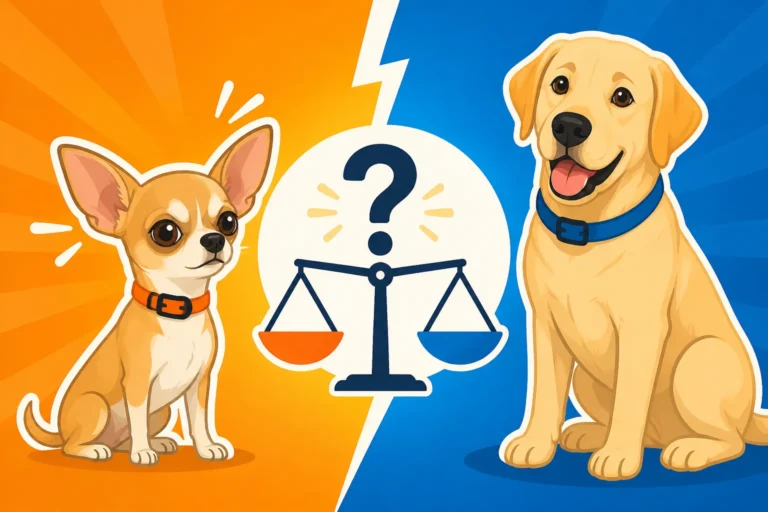
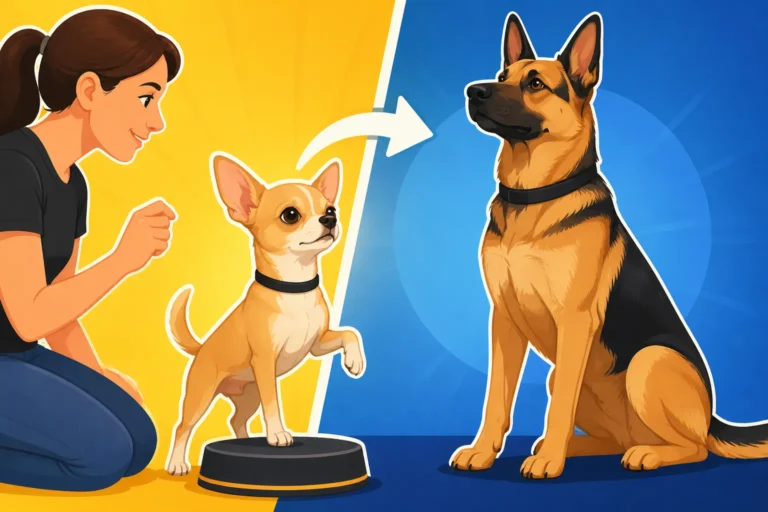
One of the biggest challenges with Chihuahuas is their size. Because they're so small, people often treat them differently than they would a larger dog. We pick them up constantly, we might not always respect their personal space, and we tend to dismiss subtle signs of discomfort as "cute" or "just being a Chihuahua." Imagine a large German Shepherd giving a hard stare and stiffening its body; most people would recognize that as a warning. But a five-pound Chihuahua doing the exact same thing might be seen as merely "being dramatic." This societal perception means their early warning signals, like a soft lip lick or a slight head turn, are routinely ignored. This teaches the Chihuahua that their early, polite requests for space are ineffective, forcing them to escalate to more obvious, and unfortunately, more concerning behaviors like a snap.
The Importance of Context in Chihuahua Communication
Body language is never a universal dictionary; it's a conversation. What a tail tuck means in one situation might be different in another. A key part of understanding your Chihuahua's pre-snap signals is always considering the context. Is a lip lick happening after they've eaten a delicious treat, or when a child is reaching for them? Is a yawn a sign of genuine tiredness during naptime, or is it happening when a stranger is trying to pet them? A yawn or a lip lick in a stressful situation is a classic calming signal – a way for your dog to say, "I'm uncomfortable, please back off." Paying attention to when these behaviors occur is crucial. You might notice your Chihuahua shows these subtle signs when being picked up without warning, or when they are cornered, or even when you simply reach over them for something. Understanding Chihuahua Body Language Before a Snap involves deep observation of these contextual clues.
Moving Beyond Human Assumptions of Aggression
It’s easy for us to project human emotions onto our dogs. When a Chihuahua snaps, we might think they're being "mean" or "aggressive" in a malicious way. However, for most dogs, snapping or biting is a last resort, born out of fear, pain, or an overwhelming sense of being trapped and unheard. For a tiny Chihuahua, the world can be a very big, scary place. Large people, loud noises, and sudden movements can feel threatening. A snap isn't necessarily a declaration of war; it's often a desperate plea for space and safety when all other communication attempts have failed. Instead of labeling them as "aggressive," consider what fear or discomfort might be driving their behavior. Perhaps they are reacting out of genuine fear or feel their resources are threatened. Ignoring these behaviors or punishing them for growling or snapping only suppresses the warning signs, making a bite more likely in the future without any notice.
The Early Warning Signs: Beyond Just Growling
Before a Chihuahua ever resorts to a snap, they offer a rich tapestry of non-verbal cues. These "calming signals" or stress signals are their way of saying, "I'm not comfortable," or "I need space." Learning to spot these is paramount, especially since Chihuahuas are often pushed past these early signals due to their small size and our tendency to dismiss their discomfort.
The Power of the "Whale Eye"
One of the most telling pre-snap signals is the "whale eye," or what some call "half-moon eye." This happens when your Chihuahua turns their head away from something, but their eyes remain fixed on it, showing the whites of their eyes in a crescent shape. It's a clear indicator of stress, fear, or anxiety. They want to avoid the situation, but they also feel the need to keep an eye on the perceived threat. For instance, if you're leaning over your Chihuahua or a child is getting too close, and you see that wide-eyed, white-rimmed stare, it's a huge red flag. It's their way of saying, "I'm really uncomfortable right now, and I'm watching you closely because I'm worried." This is a crucial signal to heed immediately. If you want to dive deeper into this specific signal, you'll find more information in Reading a Chihuahua's Whale Eye.
Lip Licking and Yawning: Not Just Tiredness
You might see your Chihuahua lick their lips or yawn, and naturally assume they're either hungry or sleepy. However, in specific contexts, these are classic calming signals. If your Chihuahua is lip-licking or yawning when there's no food around, or when they haven't just woken up, especially if it's in a tense or unfamiliar situation, they're likely expressing stress. Perhaps you've had guests over and they're trying to interact with your Chihuahua, or you're at the vet. A quick, subtle lip lick or a slow, deliberate yawn can be their way of trying to de-escalate the situation, signal their unease, or even try to calm themselves down. They are essentially saying, "I'm feeling a bit overwhelmed here." Pay close attention to these signals, particularly when combined with other signs of tension.
Body Tension and Stiffening
A Chihuahua's body posture can tell you a lot. Before a snap, a Chihuahua might become visibly tense or stiffen their entire body. This isn't just a casual pause; it's a rigid, almost frozen stance. Their muscles might be flexed, their tail might become rigid (even if still down), and their ears might be flattened or pulled back. This stiffening is often an internal preparation for either fight or flight. If your Chihuahua is suddenly rigid when you approach them, or when they're in a situation they don't like, it's a clear sign of their rising stress levels. Think about a Chihuahua on a sofa who suddenly goes rigid as you reach for them – they're signaling they don't want to be touched right then. This is a critical moment to back off and reassess the situation, giving them space before they feel the need to escalate further.
Recognizing the Freeze and Retreat Behaviors
Before a Chihuahua decides to engage in a confrontation, they often attempt to disengage or make themselves smaller. These freeze and retreat behaviors are desperate attempts to avoid conflict and are paramount to recognize. Ignoring these can force your Chihuahua into feeling trapped and leave them no option but to snap.
Freezing in Place: A Precursor to Action
The "freeze" is one of the most critical pre-snap signals, yet it's often entirely missed. Your Chihuahua might suddenly stop all movement, appearing to hold their breath, eyes wide, body rigid. They might be standing, sitting, or even lying down, but all fluidity of motion vanishes. This isn't calm; it's a moment of intense decision-making. They're assessing the threat, deciding whether to flee, or if they feel cornered, to fight. Imagine a Chihuahua who is suddenly still when a playful, larger dog approaches, or when someone looms over them. This frozen posture is a primal response, indicating they are in a high state of alert and feeling extremely vulnerable. In many cases, A Chihuahua That Freezes Before It Bites will exhibit this behavior as a very last attempt to communicate their fear and discomfort before acting. If you see this, stop whatever you are doing immediately and give your Chihuahua space.
Trying to Disengage: Turning Away or Hiding
When a Chihuahua is uncomfortable, their first instinct is often to try and remove themselves from the situation. They might turn their head away, avert their gaze, or physically try to move behind furniture, hide under a blanket, or burrow into a lap. This is their way of saying, "I don't want to be here," or "I want this interaction to stop." If your Chihuahua consistently attempts to turn their back on an approaching person or animal, or tries to put an object between themselves and a perceived threat, they are actively trying to disengage. It's a clear signal that they are feeling overwhelmed or threatened. Forcing interaction at this point can lead to a snap, as they learn their attempts to retreat are futile. Respect their need for space and allow them to remove themselves.
Tail Tucked Tight: More Than Just Sadness
A tucked tail is widely recognized as a sign of fear or submission in dogs, but for a Chihuahua, a tail tucked tightly against their belly, often clamped, is a very strong signal of extreme anxiety or fear. It's more than just being a little bit nervous; it indicates a deep level of discomfort and vulnerability. This often goes hand-in-hand with a lowered body posture, possibly hunching, and avoiding eye contact. If your Chihuahua's tail is tucked so tightly it almost disappears between their legs, it's a clear indicator that they are feeling highly threatened and are trying to make themselves as small and unnoticeable as possible. You can learn more about interpreting this specific signal in Reading a Chihuahua With Its Tail Tucked. This isn't sadness; it's significant stress that, if ignored, can quickly lead to defensive snapping.
The Escalation Ladder: When Snapping Becomes Imminent
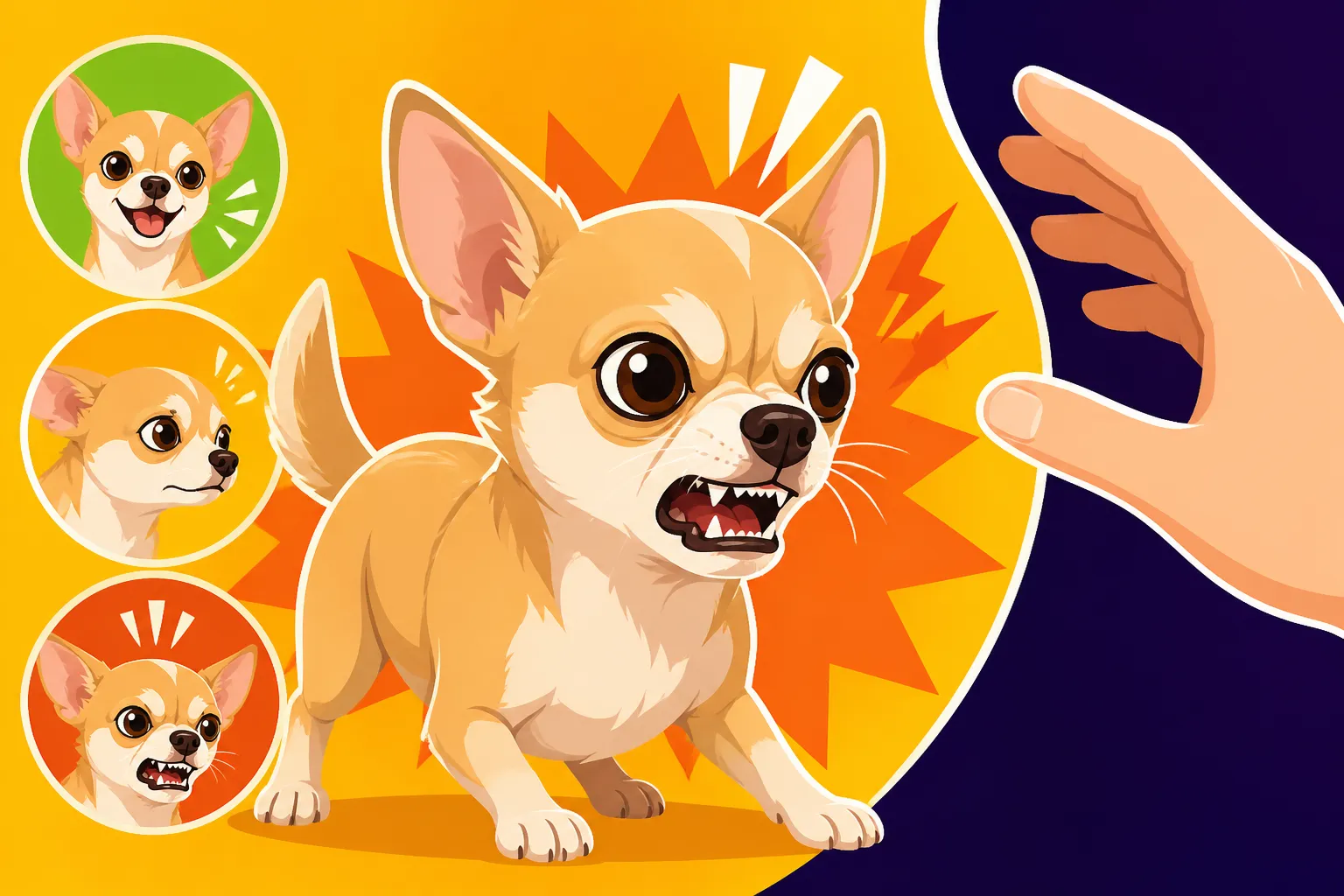
When a Chihuahua's subtle signals and attempts to disengage are consistently ignored, they are left with fewer and fewer options. This is when their communication escalates to more overt, and often louder, warnings, moving them closer to a physical snap. These are the "loud and clear" alarms, but they are still warnings.
Growling and Barking: The Obvious Alarms
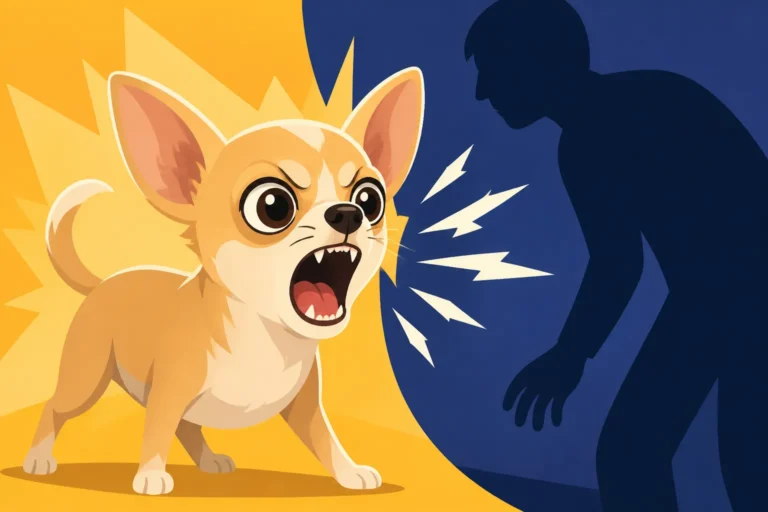
While subtle signals are often missed, growling and barking are typically recognized as clear warnings. A growl is a dog's way of saying, "Stop! I really don't like this, and if you don't stop, I'm going to have to do something about it." It's a defensive vocalization, not an act of aggression in itself, but rather a final plea for space. For Chihuahuas, their bark can also be part of this escalation. Why a Frightened Chihuahua Gets Loud First is a common scenario. They might let out sharp, high-pitched barks, often combined with a stiff body or lunging. These vocalizations are critical warnings. If your Chihuahua growls or barks at you, another person, or another animal, it's not a moment for punishment. It's a moment to identify the trigger and remove your dog (or the trigger) from the situation. Punishing a growl teaches your dog that vocal warnings are unacceptable, which can lead to a "silent" snap in the future – a dog that bites without any prior warning.
Snapping the Air: A Final Warning
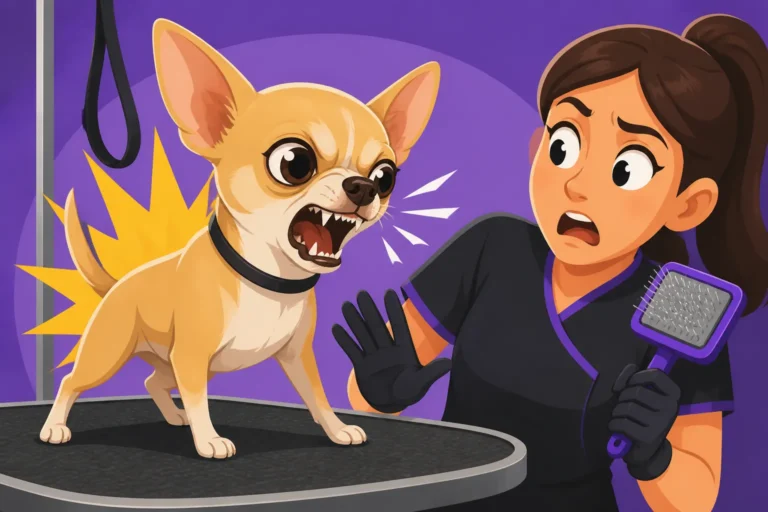
Just before making actual contact, a Chihuahua might "air snap." This is where they quickly open and close their mouth, often with a visible flash of teeth, but without actually making contact with skin or clothing. It's a very deliberate warning, a "miss" on purpose to show you exactly what they're capable of doing if you don't heed their previous signals. An air snap is like saying, "I could bite you, but I'm giving you one last chance to back off." It's a serious sign that your Chihuahua is at their limit and is feeling extremely threatened or cornered. This is often seen when a hand reaches for them one too many times, or when their personal space has been repeatedly invaded. An air snap is not a failure on their part; it's a failure on our part to understand and respect their boundaries.
Lunging Forward Without Contact
Another clear sign of imminent snapping is when your Chihuahua lunges forward, either at a person or another animal, but doesn't make contact. They might just bump with their nose, or briefly put their teeth on clothing without biting down. This is similar to an air snap but involves more body movement. It's an intimidation tactic, a strong physical warning that they are prepared to defend themselves. This kind of lunge is a desperate attempt to create distance and assert their need for space. It's a common behavior in Chihuahua Fear Reactivity, the Breed's Real Problem. If your Chihuahua is lunging, they are beyond the subtle signals and are genuinely feeling threatened. Immediate intervention to remove the trigger or your Chihuahua from the situation is crucial to prevent an actual bite.
Responding Appropriately to Pre-Snap Cues
Witnessing your Chihuahua display pre-snap cues can be unsettling, but your reaction in that moment is absolutely critical. A calm, informed response can de-escalate the situation and reinforce trust, while a panicked or punitive response can solidify their fear and lead to more frequent snapping.
Creating Space and Removing Triggers
The most immediate and effective response to any pre-snap signal, from a whale eye to a growl, is to create space and remove the trigger. If your Chihuahua is showing signs of discomfort because a child is too close, gently guide the child away. If it's a stranger trying to pet them, politely intervene and explain that your dog needs space. If the trigger is you, perhaps you were reaching for them or trying to move them, simply stop what you're doing and back away. For instance, if your Chihuahua growls when you try to take their chew toy, step back and give them space. This immediately tells your Chihuahua that you understand and respect their communication. It validates their feelings and reduces their need to escalate. Sometimes, simply giving them a safe retreat, like their crate or a quiet room, can be immensely helpful. You might also find tips in Letting a Chihuahua Growl at Guests on how to manage these interactions respectfully.
Using Calming Signals in Your Response
Not only should you recognize your Chihuahua's calming signals, but you can also use them yourself to communicate back. Softening your gaze (avoiding direct stare), turning your body slightly to the side, yawning, or even a slow blink can signal to your Chihuahua that you are not a threat and that you understand their discomfort. Keep your voice low and calm, avoiding sharp commands or sudden movements. For example, if your Chihuahua is showing whale eye because you're leaning over them, slowly stand up straight, turn your side to them, and softly blink a few times. This non-confrontational body language can often help de-escalate their fear and bring them back to a more relaxed state. Never punish your Chihuahua for displaying these signals, as Why Harsh Handling Damages a Chihuahua Fast and suppresses vital warning signs, making future bites more likely and without warning.
When to Seek Professional Help
If your Chihuahua is consistently displaying pre-snap behaviors, or has already snapped or bitten, it's absolutely crucial to seek professional help from a qualified, certified dog behaviorist or trainer. Look for someone who uses positive reinforcement methods and understands small dog behavior, as some trainers may inadvertently exacerbate fear in Chihuahuas. A good professional can help identify the root cause of the behavior – whether it's fear, pain (which can lead to a Chihuahua snapping because its knee hurts), or resource guarding – and develop a tailored behavior modification plan. They can teach you techniques like counter-conditioning and desensitization, which are vital for helping your Chihuahua feel safer in situations that currently trigger them. Websites like those offered by BAXTER & Bella can be great resources for online training programs, or a local professional may be found through referrals. Don't wait until the problem escalates; early intervention is key.
Here's a quick summary table of common pre-snap signals and what to do:
| Chihuahua Signal | What it Looks Like | What it Means (Likely) | Your Immediate Response |
|---|---|---|---|
| Lip Lick | Quick flick of the tongue over the lips | "I'm stressed/uncomfortable." | Stop what you're doing, give space. |
| Yawn | Wide-mouthed yawn, no real reason to be tired | "I'm stressed/uncomfortable." | Stop what you're doing, give space. |
| Whale Eye | Whites of eyes visible in crescent shape | "I'm fearful/anxious, watching you." | Create distance, avoid direct eye contact. |
| Head Turn Away | Turns head away from interaction | "I don't want to engage." | Respect their choice, give them space. |
| Body Stiffening | Becomes rigid, freezes in place | "I'm highly uncomfortable, preparing to react." | Cease all interaction, slowly back away. |
| Tail Tucked (Tight) | Tail clamped tightly between legs | "I'm very scared/submissive." | Provide a safe retreat, avoid forcing interaction. |
| Growling/Barking | Low rumble or sharp, insistent barks | "STOP! This is my last warning before I escalate." | Identify trigger, remove trigger/Chihuahua from situation. |
| Air Snap/Lunge (No Contact) | Quick mouth snap in the air or lunge without contact | "I'm at my limit, back off immediately." | Create maximum space, remove trigger, seek professional help. |
Preventing Future Snaps Through Better Understanding
The goal isn't just to react to pre-snap cues, but to actively work towards preventing them in the first place. This involves a commitment to consistent, positive training, proactive environmental management, and a deep focus on building a strong, trusting bond with your Chihuahua.
Consistent Training and Clear Boundaries
Training your Chihuahua like any other dog, regardless of their tiny size, is fundamental. This means establishing clear boundaries and teaching them reliable commands using positive reinforcement. A well-trained Chihuahua is often a more confident Chihuahua because they understand what is expected of them and feel a sense of control. Teaching a strong "leave it," "stay," or "go to your bed" command can be incredibly useful in situations that might otherwise trigger stress. For instance, if you anticipate a child approaching too quickly, you can cue your Chihuahua to "go to bed" where they feel safe. Training should be fun, short, and frequent, using high-value, tiny treats. Look for resources like BAXTER & Bella's online puppy training programs or local classes that focus on positive methods. Remember, Why a Chihuahua Deserves Real Obedience Training is not just about tricks; it's about building a common language and mutual respect.
Environmental Management to Reduce Stress
Preventing snaps often comes down to proactive environmental management. This means identifying situations or stimuli that trigger your Chihuahua's stress and either avoiding them or managing them carefully. For a fear-reactive Chihuahua, this might mean walking them at quieter times of day, avoiding dog parks, or using a baby gate to create a safe space when guests are over. Consider using a well-fitting harness, like those found on Amazon, rather than a collar, which can put pressure on their delicate trachea and add to their discomfort. For dogs that get overwhelmed by noise, providing a quiet den or white noise can help. If your Chihuahua guards certain items, manage those items carefully to prevent triggers. For example, give high-value chews in a designated safe space where they won't be bothered. Think about how you can control their environment to reduce stressors, rather than always expecting them to cope with situations that are overwhelming for them. This might include Building a Chihuahua's Confidence Outdoors through controlled exposures and positive experiences.
Building Trust and Positive Associations
At the heart of preventing defensive snapping is building an unshakeable bond of trust with your Chihuahua. This means always respecting their boundaries, listening to their signals, and never forcing interaction. Every positive interaction builds trust, and every ignored warning erodes it. Practice positive reinforcement games and training sessions, making interactions predictable and rewarding. When your Chihuahua shows a calming signal, respond by giving them space or a positive distraction, reinforcing that their communication is heard and valued. For example, if they turn their head away from a hand, you might gently toss a treat instead of trying to pet them. This teaches them that discomfort is met with understanding, not force. Over time, a Chihuahua who trusts you implicitly will be less likely to feel the need to snap, knowing you will advocate for their safety and comfort.
Disclaimer
This article is for general informational purposes only and does not constitute professional advice. Laws, prices and regulations vary by location and change over time. Consult a qualified professional for guidance on your specific situation.