A Chihuahua That Guards a Lap
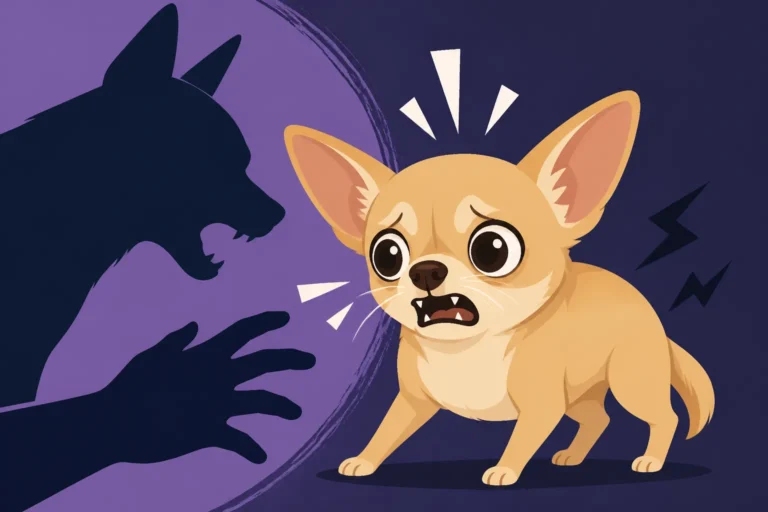
It's incredibly frustrating when your sweet, loving Chihuahua suddenly turns into a tiny, snarling guard dog the moment they settle onto your lap. What starts as an endearing act of loyalty can quickly escalate into growling, snapping, and even biting when someone else, or even another pet, dares to approach. This guide will walk you through why your Chihuahua might be guarding your lap and provide practical, empathetic strategies to address this common, yet often misunderstood, behavior.
The Roots of Chihuahua Lap Guarding: More Than Just Being "Spoiled"
Many people mistakenly believe that a Chihuahua guarding a lap is simply a sign of being spoiled or overly pampered. While it's true that our small companions often get extra cuddles and attention, lap guarding is usually rooted in something much deeper than mere indulgence. It's a natural canine instinct, magnified by the unique vulnerabilities of a tiny dog.
Why a Small Dog Feels the Need to Guard
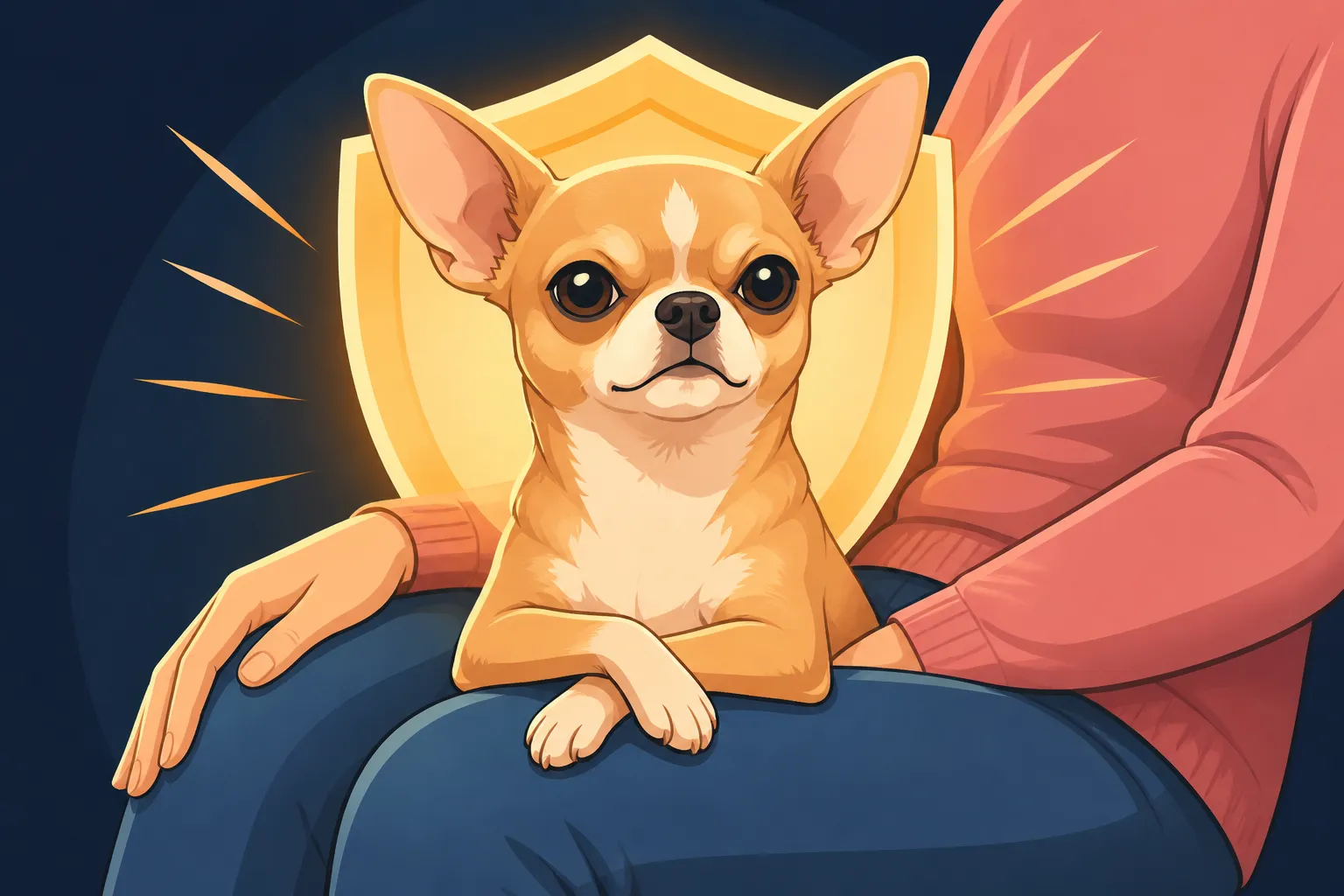
Imagine living in a world where everything and everyone is significantly larger than you. Every movement feels potentially threatening, and safety can feel scarce. For a Chihuahua, the world can be an overwhelming place, and your lap often represents the safest, most comfortable, and most resource-rich spot in their environment. From their perspective, it's a prime location offering warmth, security, and access to their favorite human. When another person or animal approaches, it's not just a casual stroll; it can be perceived as a direct challenge to their secure spot. They are, in essence, trying to protect their perceived most valuable resource: you and your lap.
This isn't an act of malice; it's often a manifestation of fear and insecurity, combined with a natural instinct to protect what they value. In their tiny bodies, Chihuahuas can feel incredibly vulnerable. They often learn that assertive displays, like a growl, can successfully deter perceived threats, allowing them to maintain their coveted position. This behavior is sometimes lumped under the general term of Small Dog Syndrome and Why It Is Not Genetic, but it's important to remember it's a learned response, not an inherent fault of the breed.
How Owners Accidentally Reinforce the Behavior
One of the biggest hurdles in addressing lap guarding is that owners often inadvertently reinforce the very behavior they want to stop. Think about it: your Chihuahua growls when your partner approaches, and you instinctively pick them up or shoo your partner away. Or perhaps you're on the sofa, and your Chihuahua gives a low warning to a visiting child. To avoid a scene, you might gently push your Chihuahua closer to you, unknowingly communicating that their growl successfully made the "threat" back off.
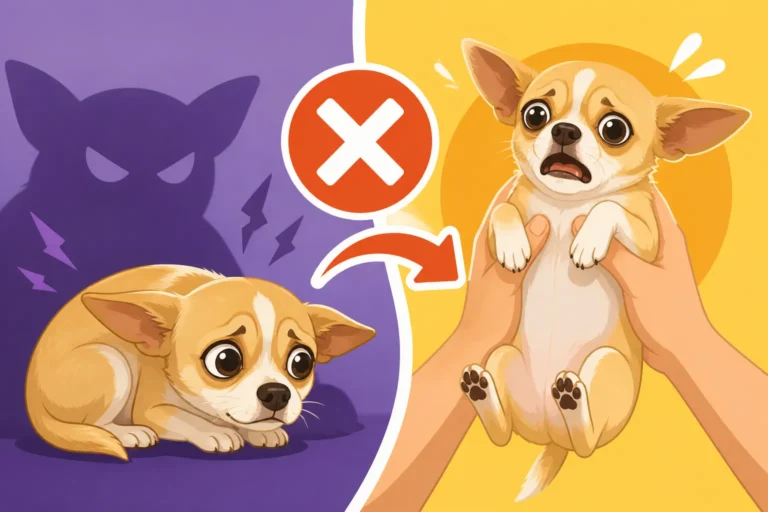
Every time the Chihuahua's guarding behavior leads to the desired outcome (the "threat" retreating, the dog staying on the lap), the behavior is strengthened. They learn that growling, barking, or even snapping is an effective communication tool. It's a classic example of operant conditioning at play. This can be particularly pronounced in Chihuahuas because of their small size; it's often easier for us to scoop them up or carry them away from situations, which, while well-intentioned, can prevent them from learning how to cope with perceived threats on their own. This tendency to pick them up instead of allowing them to interact and build confidence can sometimes backfire, as we discuss in Chihuahua Handling and Why Carrying Backfires.
Recognizing the Early Warning Signs of Lap Guarding
Before a Chihuahua escalates to a full-blown growl or snap, they almost always give subtle clues that they're feeling uncomfortable or possessive. Learning to recognize these early warning signs is absolutely crucial for intervention and preventing escalation.
Subtle Cues Before the Growl
Chihuahuas are masters of subtle communication, and their tiny bodies speak volumes if you know what to look for. When they start to feel possessive of your lap, you might notice a range of signals that are easy to miss if you're not paying close attention. The first sign is often a stiffening of their body, making them rigid as someone approaches. Their ears might flatten slightly, or they might tuck their tail just a little more tightly. You might see what's called "whale eye," where the whites of their eyes are visible as they turn their head but keep their eyes fixed on the approaching person or animal. This is a clear indicator of stress and unease.
They might also give a very soft, almost imperceptible rumble of a growl deep in their chest, or a subtle lip curl that exposes just a hint of teeth. Their posture might shift, perhaps leaning slightly away from the approaching party or positioning their body to block access to you. These are all attempts to communicate their discomfort and establish distance without resorting to more aggressive means. Understanding Chihuahua Body Language Before a Snap is vital for any Chihuahua owner, as these early warnings are your best chance to redirect the situation positively. Don't ignore these subtle cues, thinking they're just being "silly" or "overly dramatic." They are communicating a very real concern.
Escalation: From Growl to Snap
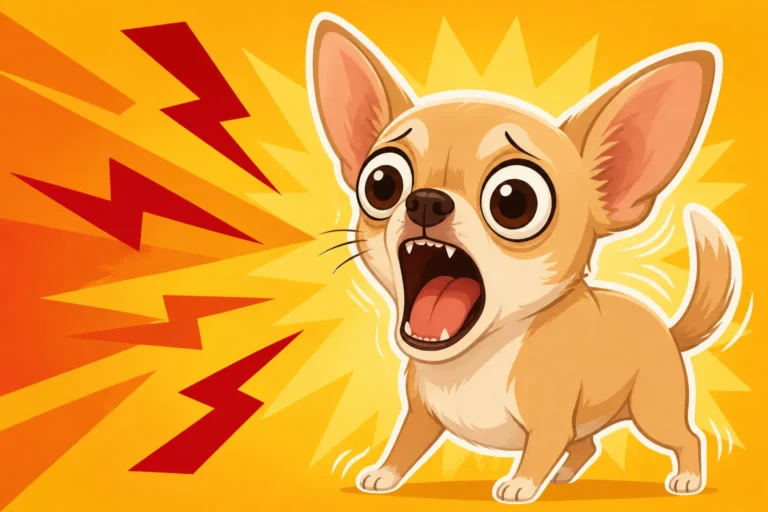
If the subtle cues are ignored, or if the approaching person or animal doesn't retreat, a Chihuahua's guarding behavior will often escalate. The soft growl might become louder and more insistent, accompanied by raised hackles along their back or a more pronounced snarl. They might begin to lunge forward on your lap, barking sharply or even air-snapping – snapping their jaws in the air without making contact.
The progression typically looks like this:
- Subtle Body Language: Stiffening, whale eye, low tail carriage, slight lip curl, turning away.
- Verbal Warnings: Low growl, escalating to louder growls, possibly a sharp bark.
- Physical Warnings: Air snapping, lunging while still on the lap, nudging the approaching party with their nose (a "back off" signal).
- Contact: Nipping, a full snap that makes contact, or a bite.
Each successful deterring of the "threat" reinforces the behavior. Your Chihuahua learns, "Ah, that worked! I'll do that again next time." This is why early intervention is so critical. Allowing the behavior to escalate to snapping or biting is not only dangerous for others but also incredibly stressful for your dog. They are constantly feeling the need to defend their space, and this anxiety can negatively impact their overall well-being.
Practical Strategies to Gently Redirect Lap Guarding
Addressing lap guarding requires consistency, patience, and a commitment to positive reinforcement. The goal isn't to punish your Chihuahua for expressing discomfort, but to teach them more appropriate ways to handle interactions and to help them feel more secure.
Building a "Trade Up" System
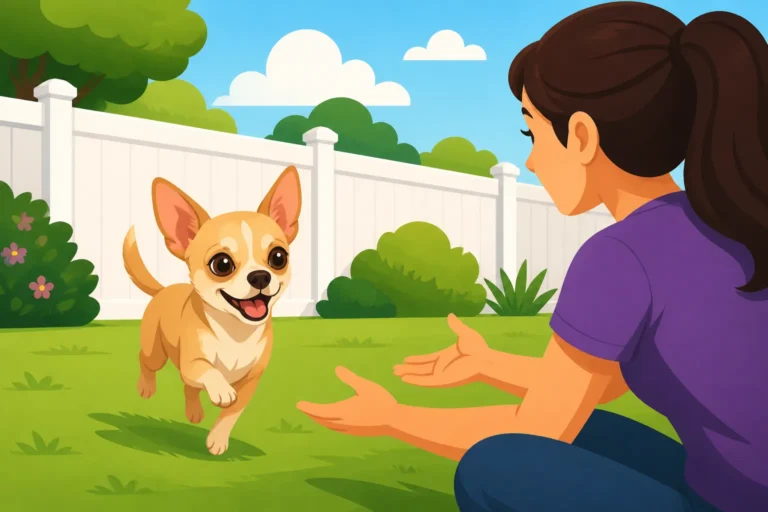
One of the most effective strategies is to teach your Chihuahua that good things happen when someone approaches your lap, and that voluntarily leaving the lap can lead to even better rewards. This is where a "trade up" system comes in. When someone approaches, before your Chihuahua has a chance to growl, toss a high-value treat (something they absolutely love, like a tiny piece of cooked chicken or cheese) away from your lap onto the floor. As your Chihuahua jumps down to get the treat, the "threat" is no longer an issue, and they've voluntarily moved.
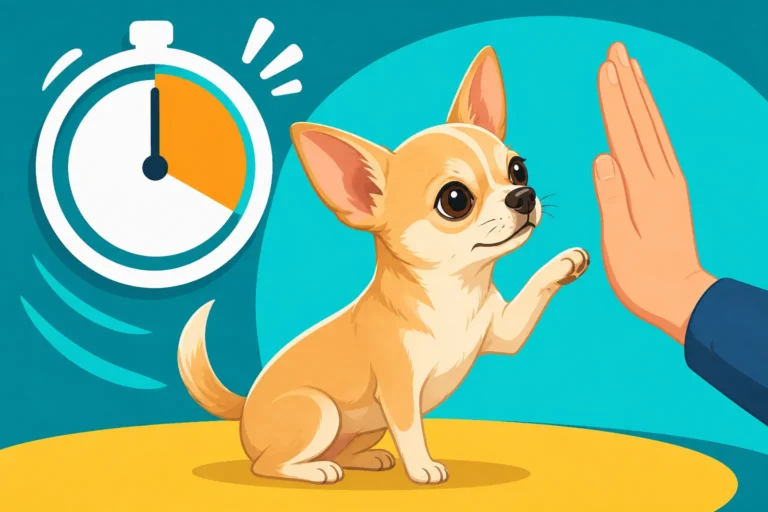
Practice this repeatedly. Start with the "threat" (a family member) approaching from a distance, then closer. The goal is to create a positive association: "Person approaches = fantastic treat appears, and I get to go get it!" This redirects their focus from guarding to anticipating a reward. You can even combine this with a "go to your bed" or "off" command. If you're looking for structured training resources, BAXTER & Bella offers online puppy and dog training programs that can help you implement these positive reinforcement techniques effectively, including marker training which is fantastic for clear communication with a tiny dog. Consistent application of positive markers, as discussed in Marker Training a Chihuahua From Eight Weeks, will make this system even more powerful.
Establishing Clear Boundaries and Space
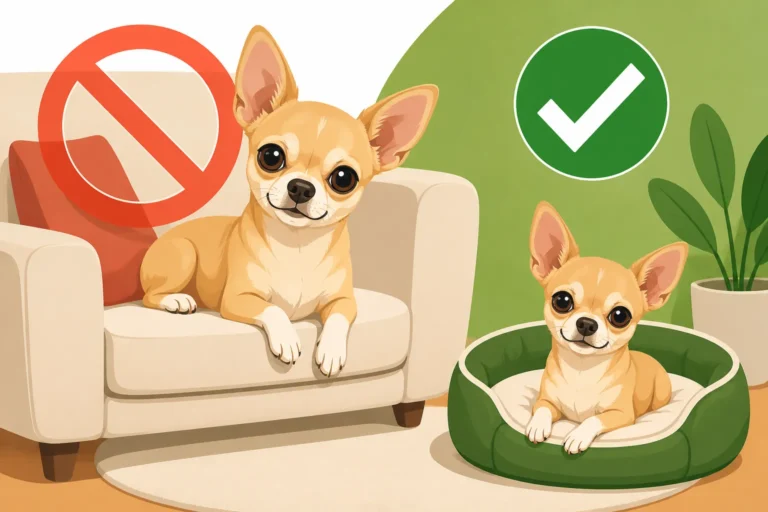
It's important that your Chihuahua understands that the lap is your resource, and they are allowed on it by invitation, not by right. This doesn't mean never cuddling them; it means teaching them manners around the lap.
- "Place" Command: Teach your Chihuahua a "place" command, where they go to a designated bed or mat. This gives them an alternative, comfortable spot. You can find excellent, cozy dog beds on Amazon that will become their special safe zone. Practice sending them to their "place" before you sit down, or as someone approaches.
- No Automatic Access: Don't let your Chihuahua jump on your lap whenever they want. Instead, invite them up. "Up!" or "Lap!" and then gently lift them or pat your lap. If they start to guard, say "Off!" and encourage them to their "place" with a treat.
- Rotate Affection: Ensure all family members interact positively with your Chihuahua. If your Chihuahua only sees one person as the source of all good things, guarding is more likely. Encourage others to offer treats, play, and gentle petting. This helps prevent them from becoming overly possessive of one individual. For more on how to manage furniture access, check out Setting Furniture Rules for a Chihuahua.
| Lap Guarding Behaviors | What Your Chihuahua is Saying | Action to Take |
|---|---|---|
| Stiffening, freezing | "I'm uncomfortable, be aware." | Offer a treat away from the lap, or gently redirect. |
| Whale eye, lip curl | "I'm stressed and might react if you get closer." | Increase distance, offer a high-value treat, or use an "off" cue. |
| Low growl, rumbly warning | "This is my spot, please don't come closer." | Immediately interrupt with a positive distraction (treat toss). |
| Barking, lunging, air snapping | "I'm serious, back off NOW!" | Seek professional help. Safely remove dog and reassess situation. |
Controlled Introductions and Desensitization
For Chihuahuas who are fearful of new people or other pets approaching their guarded lap, a structured desensitization and counter-conditioning program can be very effective.
- Start Small: Have the "intruder" (a calm family member or trusted friend) stand at a distance where your Chihuahua notices them but before they show any guarding signs.
- Positive Association: As the "intruder" is visible, consistently give your Chihuahua high-value treats and praise while they are on your lap and calm. The moment the "intruder" leaves, stop the treats. This teaches: "Intruder present = yummy things!"
- Gradual Approach: Slowly, over many sessions and days, have the "intruder" decrease the distance. Continue the treats as long as your Chihuahua remains calm. If your Chihuahua shows any warning signs (stiffening, low growl), the "intruder" stops and increases distance slightly, waiting for calm before trying again.
- No Direct Interaction (Initially): The "intruder" should not try to pet or engage with your Chihuahua while on your lap during these early stages. The focus is purely on building a positive association with their presence.
- Practicing "Off": Incorporate the "off" command during these sessions. Have your Chihuahua get off the lap for a treat before the intruder gets too close. This empowers your dog with an alternative action and reinforces that leaving the lap can be rewarding. This is crucial for their long-term confidence and prevents them from always feeling the need to defend. Socialization is key, but it needs to be done carefully to avoid overwhelming a small dog, as detailed in Socialization That Does Not Flood a Chihuahua.
Seeking Professional Guidance for Persistent Guarding
While these strategies are a great starting point, sometimes lap guarding can be deeply ingrained or stem from underlying anxiety that's hard to tackle on your own. Don't ever hesitate to reach out for professional help.
When to Call in a Trainer or Behaviorist
If your Chihuahua's lap guarding behavior involves frequent growling, snapping, or has resulted in bites, it's absolutely time to bring in a certified professional dog trainer or a veterinary behaviorist. These experts can assess your specific situation, identify triggers, and develop a tailored training plan. They can help you understand subtle body language cues, such as Reading a Chihuahua's Whale Eye, and teach you how to respond effectively.
A professional will observe the dynamics in your home, ask detailed questions about the history of the behavior, and guide you through hands-on exercises. They can also rule out any pain or medical conditions that might be contributing to the aggression. Sometimes, a Chihuahua might guard a lap not just out of possessiveness, but because they are in pain and fear being touched in a sensitive area. Finding a qualified professional is key; make sure they use positive reinforcement methods and have experience with small breed behavior. For guidance on how to find the right expert, refer to Vetting a Trainer Before You Book a Chihuahua.
The Importance of Consistency from Everyone
One of the most common reasons why training efforts fail, especially with resource guarding, is inconsistency. Every single person in the household, and even regular visitors, needs to be on the same page with the training protocols. If one person allows the Chihuahua to guard without consequences, it undermines all the hard work everyone else is doing. Your Chihuahua will quickly learn who they can "get away with it" with and who they can't.
Hold a family meeting and ensure everyone understands the rules:
- No petting the Chihuahua while they are guarding the lap.
- Everyone uses the same commands ("Off," "Place").
- Everyone participates in the "trade up" game or treat tosses when approaching.
- Children, especially, need close supervision and clear instructions on how to interact (or not interact) with the Chihuahua when they are on a lap. Remember that Asking Before You Lift a Chihuahua is a good rule for everyone, helping to build trust and prevent fear-based reactions.
This consistency helps your Chihuahua feel secure because the rules are predictable, and it teaches them that respectful interactions from all humans lead to positive outcomes. Ultimately, a Chihuahua, despite its size, benefits immensely from clear expectations and consistent training, just like any larger dog. They truly deserve to be trained Training a Chihuahua Exactly Like a Big Dog.
Disclaimer
This article is for general informational purposes only and does not constitute professional advice. Laws, prices and regulations vary by location and change over time. Consult a qualified professional for guidance on your specific situation.