Senior Chihuahua Care Past the Age of Twelve
It's a bittersweet milestone when your lively, spirited Chihuahua starts to show the undeniable signs of aging. You remember them as that tiny, trembling ball of energy, and suddenly, they're past twelve years old, sometimes even pushing fifteen or sixteen! It can be confusing and a little heartbreaking to see those subtle shifts – maybe they're not quite as quick to greet you at the door, or their once-boundless zoomies are now gentle strolls. This guide is here to walk you through everything you need to know about providing the best senior Chihuahua care, validating your concerns, and equipping you with the knowledge to help your tiny companion thrive in their golden years, ensuring comfort and joy every step of the way.
Understanding When Your Chihuahua Becomes a Senior
Watching your Chihuahua transition into their senior years is an emotional journey, often marked by a sense of denial because they still look so small and often act so spunky. It's easy to assume that because they're small, they age faster, but Chihuahuas are actually known for their impressive longevity. However, even the longest-lived breeds eventually face the inevitability of age, and understanding when this shift truly begins is the first step toward proactive care.
The Age a Chihuahua Counts as Senior
For many dog breeds, "senior" is typically considered around 7 to 8 years of age. But Chihuahuas? They often defy that expectation. Because they are a smaller breed, their physiological aging process can be a bit slower than their larger canine counterparts. Many veterinarians and breed experts consider a Chihuahua to be truly senior around the age of 10 to 12 years. Some will even say a Chihuahua is only truly geriatric once they hit 14 or 15! This longer period of what we consider "adulthood" means you might have a spry 10-year-old running around your house, leading you to believe they're still in their prime.
However, even if they're acting like a puppy, changes are happening internally. Their metabolism might be slowing, their joints are getting more mileage, and their organs are simply not as efficient as they once were. It's a gradual, nuanced process, not a sudden switch that flips on their twelfth birthday. Owners sometimes feel a disconnect, seeing their dog's youthful energy but knowing, intellectually, that time is passing. This feeling is completely normal, and it underscores why proactive care becomes so important long before they start truly slowing down. Understanding the concept of The Age a Chihuahua Counts as Senior helps us mentally prepare and start subtle adjustments to their routine and diet.
Early Signs of Aging in a Chihuahua
The trick with Chihuahuas is that their small size can sometimes mask the early signs of aging. They might sleep a little more, but you might just think they're enjoying their naptime. They might be a bit slower on walks, but you might attribute it to the weather. Learning to spot these subtle shifts is key. One of the first things you might notice is a slight change in their energy levels. They might still get excited for walks or playtime, but those bursts of energy might be shorter, or they might tire more quickly. You might also observe changes in their sleeping patterns; perhaps they sleep deeper, or conversely, they might wake more frequently during the night.
Their physical appearance can also offer clues. A slightly duller coat, a few grey hairs around the muzzle or eyes, or even a subtle stiffness when they first stand up after a nap are all common indicators. Their weight might fluctuate – some older Chihuahuas tend to gain a bit of weight as their metabolism slows, while others might start losing muscle mass. Keep an eye on their senses too. They might startle more easily if you approach them from behind, indicating slight hearing loss, or they might bump into furniture in dimly lit rooms, suggesting their vision isn't quite as sharp as it once was. These aren't necessarily alarming problems right away, but they are signals that your little one's needs are quietly evolving.
Navigating Common Health Concerns in Older Chihuahuas
As Chihuahuas age, just like us, they become more susceptible to certain health issues. It's not a matter of if they'll face some age-related challenges, but when and how we can best manage them to maintain their quality of life. The key is to be vigilant, proactive, and partner closely with your veterinarian. It’s frustrating when you see your tiny, once-invincible companion start to struggle, but with the right care, many of these conditions are manageable.
Managing Joint Pain and Mobility Issues
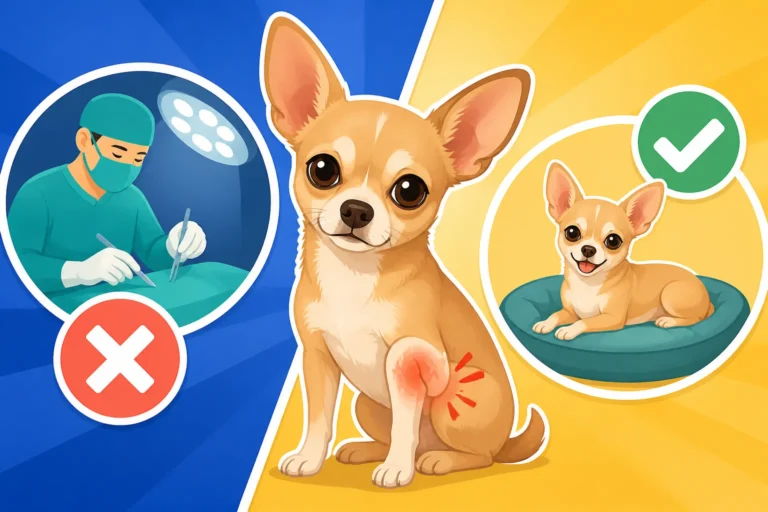
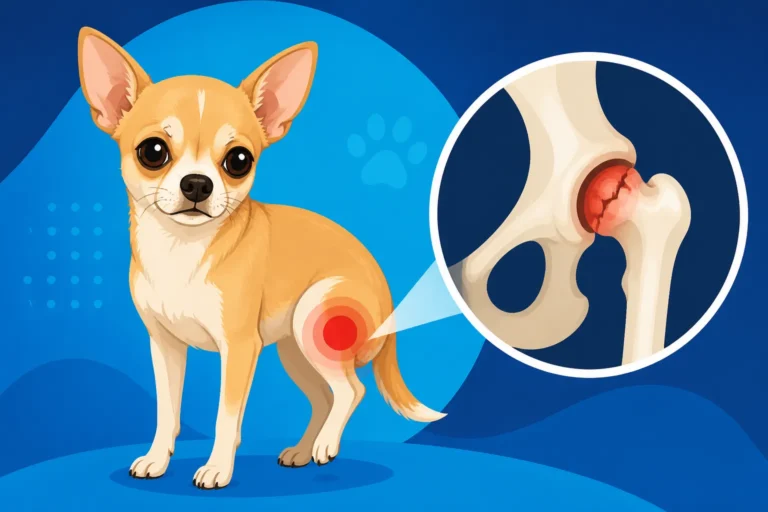
One of the most common complaints in senior Chihuahuas is joint pain, primarily due to arthritis. Many Chihuahuas are already predisposed to conditions like Patellar Luxation, the Chihuahua's Commonest Joint Problem, where their kneecaps can slip out of place. Over years, this chronic instability and wear-and-tear inevitably lead to arthritis. You might notice your Chihuahua hesitating before jumping onto the sofa, struggling with stairs, or exhibiting a noticeable stiffness after resting. They might even develop a subtle limp or yelp when touched in certain areas. It can be heartbreaking to watch their agility diminish.
The good news is that there's a lot we can do. First and foremost, creating an accessible environment is critical. Providing ramps and steps for their favorite furniture, like the sofa or bed, can significantly reduce strain on their joints. Consider orthopedic dog beds that provide better support than a thin cushion. Your vet can recommend various treatments, including non-steroidal anti-inflammatory drugs (NSAIDs) to manage pain and inflammation, as well as joint supplements containing glucosamine and chondroitin. Physical therapy or even acupuncture can also be beneficial in some cases. Regular, gentle exercise is important to keep muscles strong and joints mobile, but it needs to be appropriate for their comfort level. Keeping them at a healthy weight is also paramount, as extra pounds put immense stress on already aching joints. Learning about Chihuahua Arthritis in the Teenage Years can help you prepare for what's to come.
Addressing Heart and Lung Health
Cardiac and respiratory issues are other significant concerns for our aging Chihuahuas. Heart disease, particularly mitral valve disease (MVD), is incredibly common in small breeds as they get older. The mitral valve, which separates the left atrium and left ventricle of the heart, can start to degenerate, leading to a leaky valve. This causes blood to flow backward, forcing the heart to work harder and eventually leading to congestive heart failure. You might notice a persistent cough, especially at night or after exertion, decreased energy, or difficulty breathing. The thought of your tiny friend struggling for breath is truly terrifying.
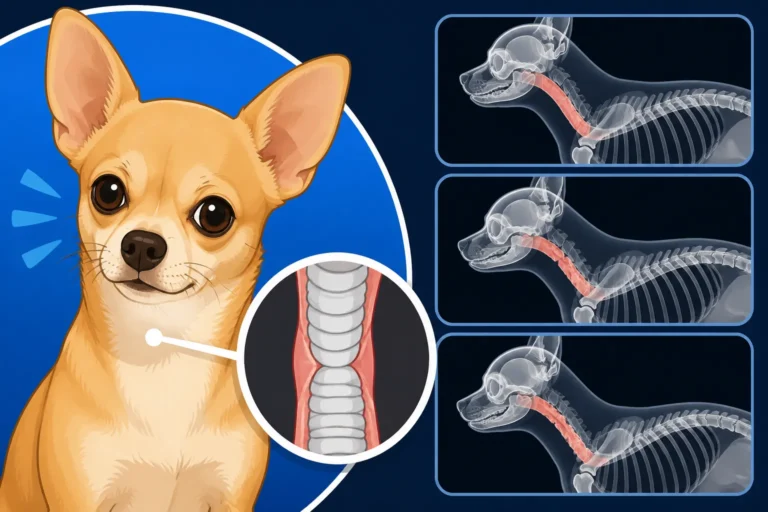
Another respiratory concern that can worsen with age is Collapsing Trachea and the Chihuahua Honking Cough. While this condition often manifests earlier in life, the cartilage rings that support the windpipe can continue to weaken over time, leading to more frequent or severe coughing spells. Maintaining a healthy weight is crucial, as excess weight puts pressure on the trachea. Using a harness instead of a collar is always recommended for Chihuahuas, but it becomes even more vital for seniors with tracheal issues. Regular veterinary check-ups are essential for monitoring both heart and lung health. Your vet might recommend an echocardiogram to assess heart function and chest X-rays to check the lungs and trachea. Medications can often manage these conditions effectively for years, improving comfort and extending quality of life. For example, specific heart medications can help manage Mitral Valve Disease in an Older Chihuahua, while cough suppressants and anti-inflammatories can aid in breathing for those with tracheal collapse.
Prioritizing Dental Care for the Aging Chihuahua
If there's one area where Chihuahuas consistently struggle throughout their lives, it's dental health. As they move into their senior years, what might have been a chronic battle against plaque and tartar can quickly escalate into a serious health crisis. It's a source of immense frustration for many owners, feeling like they're constantly fighting an uphill battle against their Chihuahua's crowded little mouth.
The Escalating Challenge of Senior Dental Disease
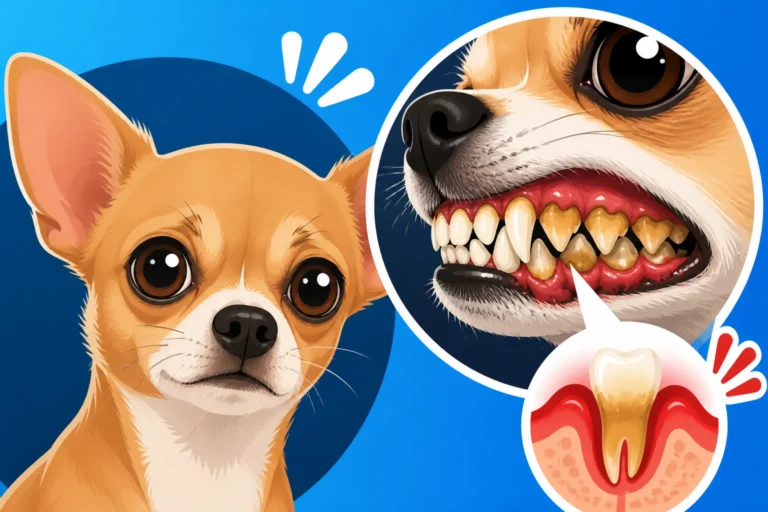
Chihuahuas are uniquely predisposed to severe dental disease due to their small jaws, which often don't have enough space for all 42 adult teeth. This crowding leads to food and bacteria getting trapped, rapidly forming plaque and tartar. By the time a Chihuahua reaches their senior years, many have already had several dental cleanings, and the problem only intensifies. The accumulation of tartar pushes on the gums, leading to gingivitis and then periodontitis – a painful infection and inflammation of the structures supporting the teeth. As periodontal disease progresses, teeth become loose, abscesses can form, and the bone in the jaw can even start to erode.
This isn't just about bad breath or missing teeth; severe dental disease has systemic implications. The bacteria from infected gums can enter the bloodstream and travel to vital organs like the heart, kidneys, and liver, exacerbating existing conditions or leading to new ones. This means that untreated dental disease can actively shorten your Chihuahua's life and significantly diminish their comfort. It's hard to imagine something so small causing such big problems, but the pain from rotten teeth can be excruciating, impacting their desire to eat, play, and even interact. Learning about Chihuahua Dental Disease in a Crowded Small Jaw highlights just how inherent this challenge is to the breed.
Making Dental Cleanings Safe and Effective
Given the severity and progression of dental disease in older Chihuahuas, regular professional dental cleanings under anesthesia become even more critical, not less. This is often a point of anxiety for owners, as the thought of general anesthesia for a small, aging dog can be frightening. However, the risks of untreated dental disease far outweigh the carefully managed risks of modern veterinary anesthesia. To ensure safety, a thorough pre-anesthetic workup is essential. This typically includes bloodwork to assess organ function (especially kidney and liver), and sometimes a pre-surgical ECG to check heart rhythm, particularly for senior dogs. Your vet might also recommend IV fluids during the procedure to help maintain blood pressure and support kidney function.
During the cleaning, skilled veterinary teams use specialized equipment to scale away tartar both above and below the gumline, polish the teeth, and often perform dental X-rays to assess the health of the tooth roots and jawbone. Extractions are common in older Chihuahuas with advanced periodontal disease, but removing painful, infected teeth vastly improves their quality of life. Aftercare at home is also vital. Daily toothbrushing with dog-specific toothpaste is the gold standard for preventing new plaque buildup. While dental chews and water additives can help, they are not a substitute for brushing or professional cleanings. It's a commitment, but one that significantly contributes to their overall health and longevity, especially given the risks outlined in Anesthesia Risk During a Chihuahua Dental.
Here's a quick overview of senior dental care considerations:
| Aspect | Young/Adult Chihuahua Dental Care | Senior Chihuahua Dental Care (10+ Years) |
|---|---|---|
| Frequency | Annual cleanings often sufficient | Annual, sometimes bi-annual, cleanings recommended |
| Pre-Anesthetic | Standard bloodwork | Comprehensive bloodwork, potentially ECG, urinalysis |
| Anesthesia Risks | Generally lower | Increased focus on safety protocols, IV fluids, monitoring |
| Extractions | May occur, but less frequent | More common due to advanced disease progression |
| Post-Care | Daily brushing, dental chews | Daily brushing, softer dental chews, special diets if teeth are few |
| Impact on Health | Prevents future issues, maintains oral health | Critical for preventing systemic disease, pain management |
Supporting Cognitive Function and Sensory Changes
Just like people, our Chihuahuas can experience changes in their mental sharpness and sensory abilities as they age. It can be incredibly disorienting and upsetting when your once-sharp, responsive companion starts to seem a little lost or struggles to hear your voice. These aren't just quirks of old age; they can be signs of genuine cognitive or sensory decline that deserve attention and empathy.
Recognizing Cognitive Dysfunction Syndrome
One of the most challenging aspects of senior Chihuahua care is recognizing and coping with Canine Cognitive Dysfunction Syndrome (CDS), often compared to Alzheimer's disease in humans. It's easy to dismiss changes as simply "getting old," but CDS is a progressive neurodegenerative disorder that impacts memory, learning, and awareness. You might start noticing seemingly minor things: your Chihuahua might stare blankly at walls, forget house training rules they've known for years, or seem disoriented in familiar surroundings. Their sleep-wake cycle might flip, leading to restless nights and excessive napping during the day.
Interactions can also change; they might become less interested in play, or conversely, more clingy or irritable. Some dogs with CDS might wander aimlessly or get "stuck" in corners. Witnessing this decline in your beloved friend can evoke strong feelings of sadness, frustration, and helplessness. It's crucial to remember that these behaviors are not willful disobedience but symptoms of a medical condition. If you suspect your Chihuahua is experiencing cognitive decline, a veterinary visit is essential. There are medications and dietary supplements available, such as those containing antioxidants or medium-chain triglycerides, that can help slow the progression of CDS and improve quality of life. Your vet can provide specific guidance, and understanding Cognitive Decline in a Fifteen Year Old Chihuahua can help you prepare for these changes.
Helping Chihuahuas with Vision and Hearing Loss
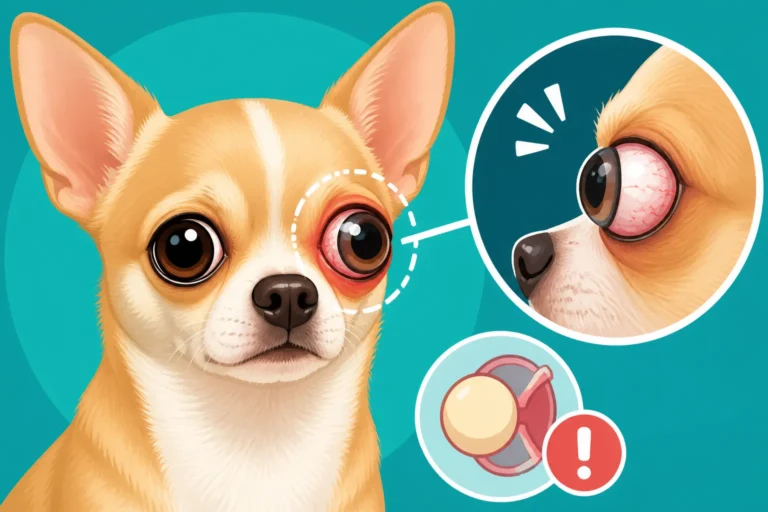
Beyond cognitive changes, sensory decline is also very common. Vision and hearing loss can slowly creep in, often going unnoticed until they become significant. You might realize your Chihuahua doesn't react to the doorbell or your call, or they might bump into furniture, especially in dim lighting. Their eyes might appear cloudy due to cataracts, or they might just have general age-related Chihuahua Eye Problems in a Shallow Socket or reduced acuity. Hearing loss can make them more prone to startling if approached unexpectedly, which can sometimes lead to an unexpected snap from a frightened dog.
The key to managing sensory decline is adaptation and consistency. If your Chihuahua is losing their vision, try to keep furniture in the same place to avoid disorienting them. Use scent cues, like a specific essential oil near their bed, to help them navigate. For hearing loss, try using hand signals that they already know, or teach new ones. A gentle touch before you approach can prevent startling them. For both, maintaining a consistent daily routine can provide a sense of security and predictability in a world that might feel increasingly confusing. Ensure their walking path is safe and free of obstacles they might not see or hear. It's about creating a safe, navigable environment that respects their changing abilities, allowing them to remain confident and comfortable. For more on how these changes manifest, you can look into Vision and Hearing Loss in an Old Chihuahua.
Tailoring Diet and Exercise for Senior Chihuahuas
Just like their human counterparts, older Chihuahuas have different nutritional and physical needs than their younger selves. Their metabolism slows down, their muscle mass might decrease, and their activity levels naturally decline. It can be tricky figuring out how much to feed such a tiny dog, especially when their needs are constantly shifting. The goal isn't to turn them into couch potatoes, but rather to adjust their routine to support their aging body.
Adjusting Nutritional Needs
As your Chihuahua enters their senior years, their caloric needs will typically decrease. A less active dog simply doesn't burn as many calories. Continuing to feed them the same amount of food they ate as a young adult can quickly lead to weight gain, which exacerbates joint problems and increases the risk of other health issues like diabetes. It's not just about less food, though; it's about the right food. Look for high-quality senior dog foods that are formulated with slightly lower calorie counts but maintain excellent protein levels to help preserve muscle mass. Some senior formulas also include ingredients like omega-3 fatty acids for joint and cognitive support, and increased fiber for digestive health.
Portion control becomes even more critical for these tiny guys. A half-ounce difference in food can be a significant percentage of their daily intake. Measuring their food precisely, ideally with a kitchen scale, ensures they're getting exactly what they need without overfeeding. Hydration is also paramount. Ensure fresh water is always available, and consider adding wet food to their diet if they aren't drinking enough, which can also be helpful if they've lost teeth. You might also discuss specific supplements with your vet, such as joint support or cognitive boosters. Remember to make any dietary changes gradually to avoid upsetting their sensitive stomachs. Getting details on Feeding a Chihuahua Past the Age of Twelve is crucial for maintaining their health.
Maintaining Appropriate Activity Levels
While your senior Chihuahua might not be up for marathon play sessions anymore, regular, gentle exercise is still incredibly important for maintaining muscle tone, joint flexibility, and overall mental well-being. The key is moderation and tailoring the activity to their individual capabilities. Instead of one long walk, consider shorter, more frequent strolls throughout the day. A 10-15 minute walk, two or three times a day, might be more beneficial than a single 30-minute excursion that leaves them exhausted or sore.
Listen to your Chihuahua's cues. If they're lagging behind, panting excessively, or showing signs of discomfort, it's time to head home. Indoor playtime with soft toys or gentle games of fetch can also provide mental and physical stimulation without overtaxing their bodies. For Chihuahuas with existing conditions like Exercise for a Chihuahua With a Bad Knee or a collapsing trachea, avoiding high-impact activities like jumping or running up and down stairs is essential. Always ensure they are warm enough during outdoor activities, especially in cooler weather, as their tiny bodies can lose heat quickly. A little sweater or coat can go a long way in keeping them comfortable. Just like with diet, the goal is to keep them active and engaged, but always with their comfort and safety as the top priority.
Creating a Comfortable and Safe Senior Environment
As your Chihuahua ages, their world can start to feel a bit bigger, more challenging, and sometimes even scary. Their physical limitations and sensory changes mean that the home environment needs to adapt to them, rather than the other way around. It’s about creating a haven that supports their changing needs, minimizes risks, and maximizes their comfort.
Enhancing Home Comfort and Accessibility
Think about your senior Chihuahua's daily life from their perspective. Are they struggling to get onto their favorite sleeping spot? Are slippery floors making them hesitant to walk? Small adjustments can make a world of difference. Investing in a high-quality orthopedic bed will provide much-needed support for aching joints and tired bodies. These beds distribute weight evenly and retain warmth, which is vital for Chihuahuas who tend to get cold easily. Strategically placed ramps or steps leading to sofas and beds can protect their joints from the impact of jumping, especially important for breeds prone to patellar luxation or arthritis. Consider softer, non-slip mats or rugs on hard, slick flooring to give them better traction and confidence.
Warmth is another critical factor. Chihuahuas, with their minimal body fat, can get chilled easily. Providing cozy blankets for burrowing, a soft sweater or coat in cooler rooms, and ensuring your home temperature is comfortable for them can prevent unnecessary shivering and discomfort. Accessible food and water bowls are also important; some older Chihuahuas with neck or back pain might benefit from slightly elevated bowls. It’s about anticipating their needs and making their favorite spots easy and safe to access.
Safety Considerations for Frail Seniors
A senior Chihuahua's fragility means increased vulnerability to accidents and injuries. Their declining vision and hearing can make them more prone to falls or being startled, especially by energetic children or larger, boisterous pets. It's crucial to be mindful of these risks and implement safety measures. For Chihuahuas with significant vision loss, try to keep furniture arrangements consistent and block off areas with potential hazards, like stairs or cluttered pathways. Nightlights can help them navigate in the dark.
If you have young children or larger dogs, supervise interactions closely. A senior Chihuahua might not have the quick reflexes to get out of the way of an excited toddler or a playful large dog, leading to accidental injury. Creating a designated "safe zone" or quiet retreat for your senior Chihuahua, perhaps a cozy crate or bed in a low-traffic area, can give them a much-needed escape when things get too overwhelming. Additionally, be extra diligent about protecting them from temperature extremes. Their small size makes them more susceptible to both overheating in summer and hypothermia in winter. These considerations become part of your daily routine, a testament to your love and commitment to their well-being.
Partnering with Your Veterinarian for Longevity
When you have a Chihuahua that's already lived well over a decade, you know the importance of veterinary care. But as they enter their true senior years, your vet becomes an even more invaluable partner. The focus shifts from general wellness to proactive management and early detection of age-related diseases. It’s where your commitment truly shines, ensuring those golden years are as comfortable and healthy as possible.
The Importance of Regular Senior Check-ups
For senior Chihuahuas, annual vet visits are often no longer enough. Many veterinarians recommend bi-annual (every six months) check-ups for senior pets. Why the increased frequency? Because diseases and conditions can progress much more quickly in older animals. These regular visits allow your vet to catch potential problems in their earliest stages, when they are often most treatable or manageable. It’s less about fixing something broken and more about monitoring trends and intervening before a small issue becomes a big one.
During these senior check-ups, your vet will perform a comprehensive physical exam, paying close attention to their joints, heart, teeth, and eyes. They'll likely recommend routine diagnostic tests, such as complete blood counts (CBC), chemistry panels to assess organ function, urinalysis to check kidney health, and sometimes thyroid panels. Blood pressure monitoring is also increasingly important for senior Chihuahuas, as hypertension can lead to kidney disease, heart problems, and even blindness. Discussing the findings from Bloodwork on a Chihuahua Past Fourteen provides crucial insights into their internal health. Early detection of conditions like kidney disease or diabetes can significantly extend your Chihuahua's lifespan and improve their quality of life. Regular visits also provide an opportunity to discuss any behavioral changes you've noticed, which could be linked to pain, cognitive decline, or other health issues. This proactive approach is the best way to keep your tiny friend thriving. Many owners find that investing in pet insurance, like a plan from Healthy Paws, early on can really ease the financial burden of these increased veterinary visits and diagnostic tests as their Chihuahua ages.
Considering Specialized Care and Consultations
Sometimes, even with diligent general veterinary care, your senior Chihuahua might develop complex health issues that require specialized attention. Your primary veterinarian is excellent at general care, but conditions like advanced heart disease, severe orthopedic problems, or complicated endocrine disorders might benefit from a specialist's expertise. For instance, if your Chihuahua develops a significant heart murmur or shows signs of congestive heart failure, your vet might refer you to a veterinary cardiologist for advanced diagnostics like an echocardiogram and specialized treatment plans.
Similarly, if they have severe arthritis or a complex orthopedic injury, a veterinary orthopedic surgeon or a rehabilitation specialist could offer more targeted solutions. Navigating these referrals can feel overwhelming, but these specialists have advanced training and equipment to provide the best possible care for specific conditions. They work in conjunction with your regular vet, ensuring a holistic approach. It’s important to have an open conversation with your veterinarian about when a specialist might be beneficial. While specialist visits can be more costly, they are often instrumental in managing chronic diseases effectively and improving your Chihuahua's quality of life. This is another area where a comprehensive pet insurance policy, such as those offered by Healthy Paws, can provide invaluable support, covering a significant portion of these often-expensive treatments. Don't hesitate to seek a second opinion or specialist advice if you feel it's necessary for your beloved senior.
The Emotional Journey of Caring for an Older Chihuahua
Caring for an aging Chihuahua is not just about managing physical health; it's also a profound emotional journey. Our Chihuahuas are family, and watching them age, with all the changes that come with it, can bring a mix of love, worry, sadness, and immense gratitude. It’s okay to feel all of these things.
Coping with Changes and Challenges
It’s natural to feel a sense of loss as your Chihuahua's youthful energy and capabilities diminish. They might not be able to play fetch for as long, or they might become more reserved with strangers. You might find yourself mourning the dog they once were, even as you love the senior companion they've become. This emotional toll is real, and it’s important to acknowledge it. There might be frustrations, too – perhaps dealing with more accidents in the house, or managing complex medication schedules. It’s okay to feel overwhelmed sometimes.
Finding support can be incredibly helpful. Connecting with other Chihuahua owners who are navigating similar paths, whether through online forums or local meet-ups, can provide a sense of community and shared understanding. They might offer practical advice, but more importantly, they can offer empathy and validation for your feelings. Remember to be kind to yourself during this time. You're doing your best for a creature you adore, and that’s what truly matters.
Cherishing Every Moment
Despite the challenges, caring for a senior Chihuahua is also a unique opportunity to deepen your bond and cherish the precious time you have left. These years are a gift, a testament to the incredible longevity of the breed. Focus on creating new, gentle memories. Maybe your walks are shorter, but they can be more meaningful, allowing your Chihuahua to sniff and explore at their own pace. Snuggle sessions on the couch might become more frequent and cherished.
Adapt your traditions and celebrations to suit their comfort and abilities. Their quiet presence, their trusting gaze, and the warmth of their tiny body snuggled beside you are treasures beyond measure. While it's hard to think about, considering your Quality of Life in a Chihuahua's Final Year and ensuring their comfort and happiness is the ultimate goal. Every day is an opportunity to show them how much they are loved, and to receive that unconditional love in return. These golden years, though marked by change, are rich with affection and deep connection, a beautiful culmination of a long and loving companionship.
Disclaimer
This article is intended for informational purposes only and does not constitute medical advice. Always consult with a qualified veterinarian for any health concerns or before making any decisions about your Chihuahua's care, diet, or treatment.