Counter-Conditioning a Fearful Chihuahua
It's heartbreaking to see your tiny Chihuahua cower, shake, or even lunge and bark furiously at something as simple as a passing stranger, another dog, or even a sudden noise. You might feel frustrated, embarrassed, or just plain confused about why your sweet little companion acts this way. This guide is here to tell you that these reactions often stem from fear, not aggression, and that a powerful, compassionate technique called counter-conditioning can help your Chihuahua learn to feel safer and react more calmly to the world around them.
Understanding Why Your Chihuahua is Fearful and Reactive
It’s easy to look at a small dog lunging and barking and label it as "aggressive" or dismiss it as "small dog syndrome," but for Chihuahuas, a lot of what we see as bad behavior actually comes from a place of deep fear. They're tiny creatures in a big, often overwhelming world, and their reactions are usually rooted in self-preservation. Understanding this is the first crucial step toward helping them.
The Core of Chihuahua Fear Reactivity
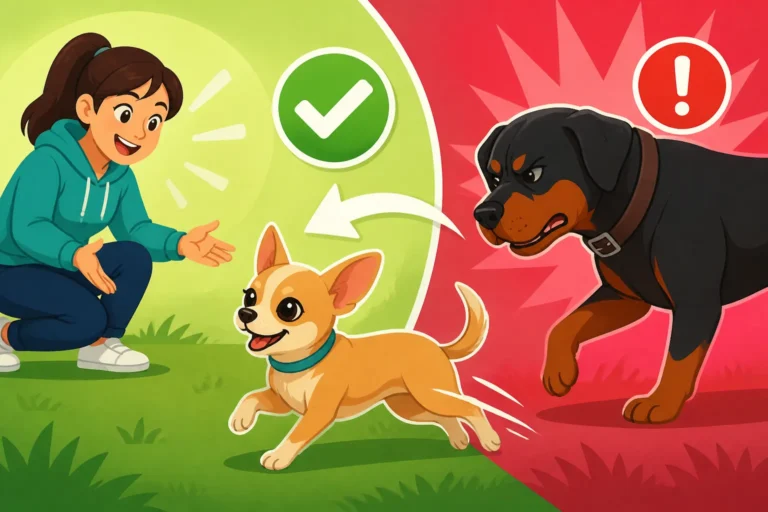
Many Chihuahua owners grapple with what appears to be unprovoked "aggression," but in reality, it's often a manifestation of fear. Think about it: your Chihuahua might weigh five pounds, while a Labrador walking by could be eighty pounds. That’s like a human being faced with a giant monster every time they step outside. It’s no wonder they feel the need to puff themselves up and make a lot of noise. Common triggers for this fear-based reactivity include strangers, especially those who approach too quickly or try to pet them without permission, other dogs (especially larger ones), loud noises like thunder or traffic, and sudden, unexpected movements. Their barking, lunging, and snapping aren't acts of malice; they're desperate attempts to create distance from something they perceive as a threat. It’s their way of saying, "Stay away! I'm scared!" This isn't a genetic flaw; it's a survival mechanism that has gone into overdrive. The good news is that because it's rooted in fear, it means we can work with it. Fear Reactivity as the Top Chihuahua Complaint touches on just how common this issue is for our little friends.
Reading Your Chihuahua's Body Language Cues
One of the biggest challenges for Chihuahua owners is recognizing the subtle signs of fear before they escalate into a full-blown reactive display. Our little guys are masters of silent communication, and if we miss their early signals, they feel they have no choice but to get louder. Before your Chihuahua barks or lunges, you might see what's often called "whale eye," where the whites of their eyes are visible because they're turning their head slightly while still looking at the threat. Other signs include lip licking, yawning (when not tired), a tail tucked low between their legs, ears pinned back, a stiff posture, or even freezing in place. They might try to hide behind your legs or dart away. If these subtle cues are ignored, they escalate to growling, barking, air snapping, and eventually biting if they feel trapped or ignored. Learning to read these signals is paramount. If you can intervene when your Chihuahua is merely noticing a trigger, rather than already reacting to it, your chances of successful counter-conditioning skyrocket. Recognizing A Chihuahua That Freezes Before It Bites or Reading a Chihuahua's Whale Eye can give you that precious early warning.
What Exactly is Counter-Conditioning?
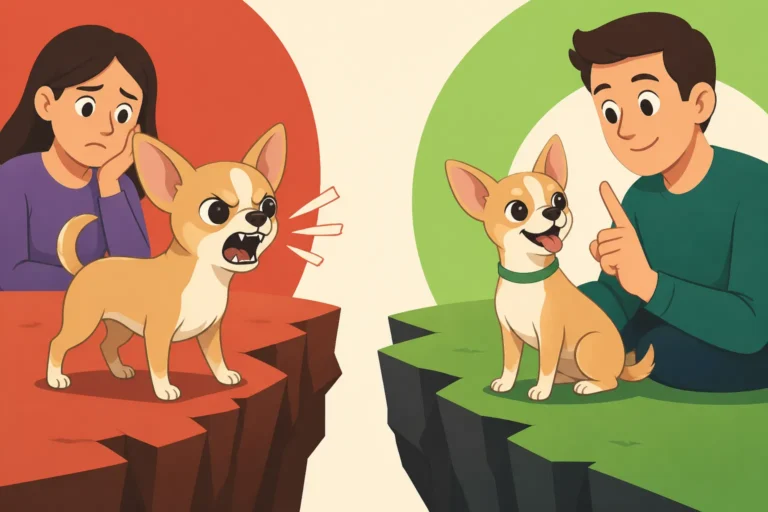
Once you understand that your Chihuahua's reactions stem from fear, you can start to address the underlying emotion. This is where counter-conditioning comes in. It’s not about punishing the barking or the lunging; it’s about changing how your Chihuahua feels about the things that scare them.
Shifting Emotional Responses Through Association
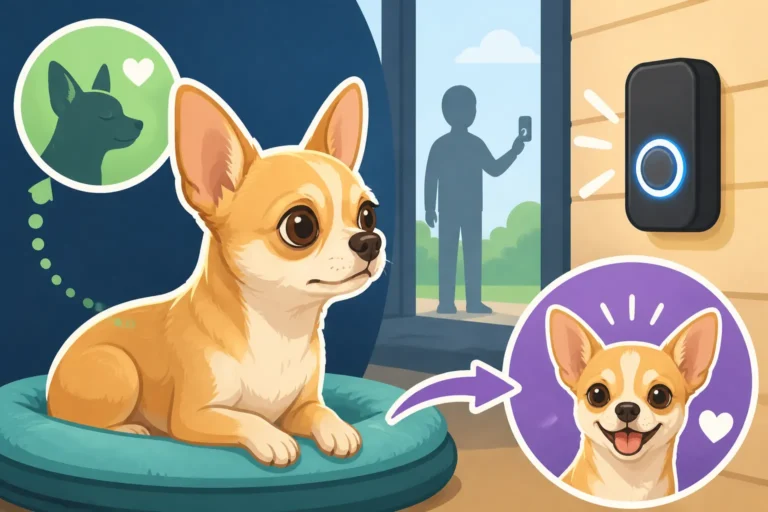
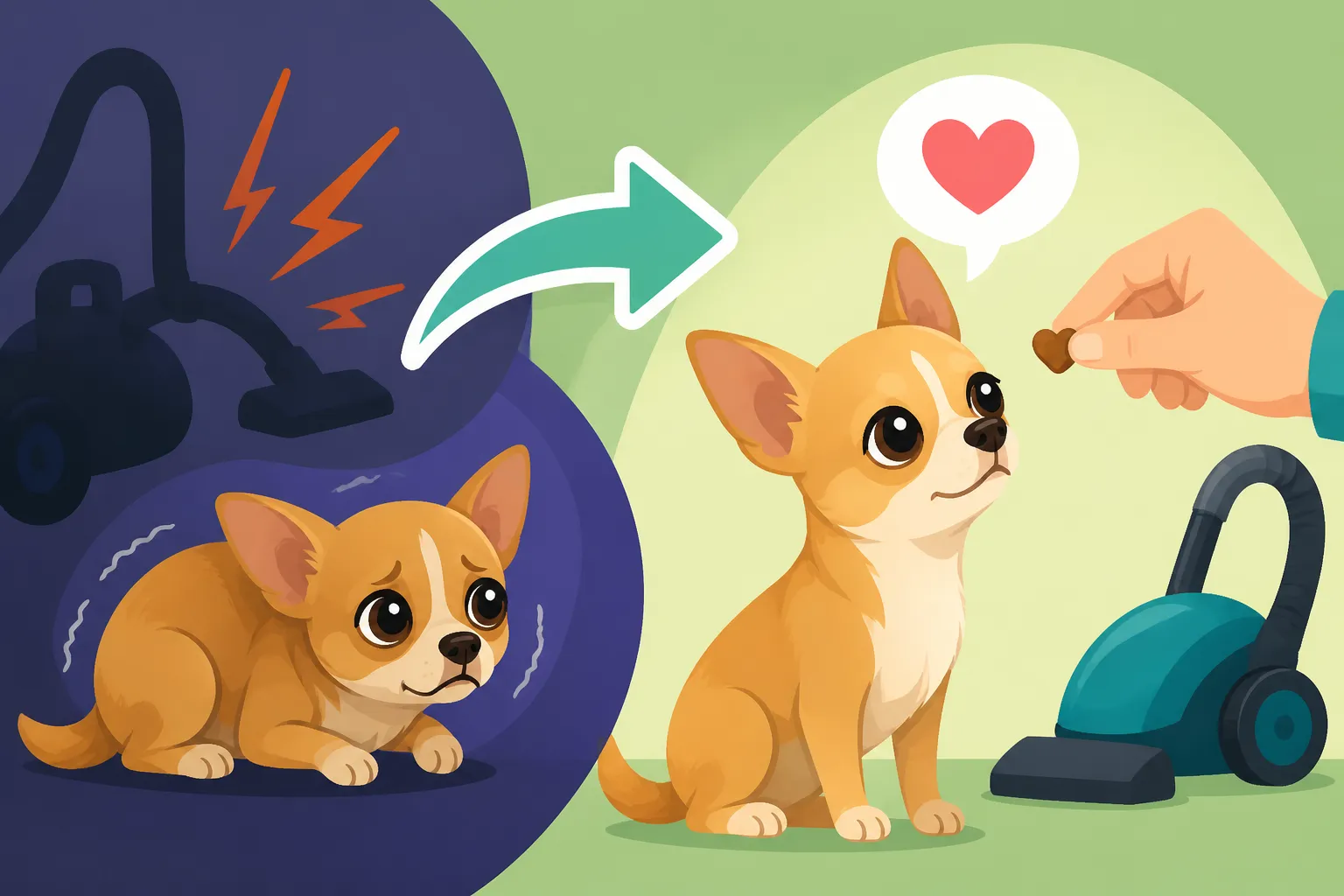
Counter-conditioning is a powerful and humane training technique that aims to change an animal's involuntary, negative emotional response to a particular stimulus into a positive one. Instead of seeing a scary stranger and feeling panic, we want your Chihuahua to see a stranger and think, "Oh, that person means yummy treats are coming!" It’s essentially retraining their emotional brain. This isn't about teaching them a command like "sit" or "stay"; it's deeper, changing their gut-level reaction. Think of it this way: if you hated going to the dentist because it was always painful, but then every time you went, you were given a huge cash bonus and delicious food, eventually, your feelings about the dentist might shift. You still might not love it, but the strong negative association would lessen. That's what we're aiming for with your Chihuahua. We are replacing fear with anticipation of something good. This approach is fundamentally different from punishment-based methods, which only suppress the outward behavior without addressing the underlying fear, often making the dog more anxious in the long run.
The Role of Positive Reinforcement and High-Value Rewards
The cornerstone of successful counter-conditioning is positive reinforcement, specifically using incredibly high-value rewards. For your Chihuahua, this isn't just any old kibble. We're talking about the good stuff – tiny pieces of cooked chicken, lean steak, soft cheese, or even special commercial training treats that are soft, smelly, and easily swallowed. The reward has to be so good that it literally competes with the perceived threat in your dog's mind. Imagine the smell of your dog's favorite food versus the sight of a scary large dog. If the food isn't enticing enough, the fear will win every time.
The trick is to find what motivates your Chihuahua the most. Some Chihuahuas go wild for squeaky toys; others are utterly food-driven. Experiment a little to discover their absolute favorite. The pieces of treat should be pea-sized or smaller, especially for a tiny Chihuahua, so they can eat them quickly without getting full or distracted. You'll be delivering a lot of these, so make sure they're easy for you to access quickly – a treat pouch is indispensable for this. You'll want to avoid treats that crumble or take a long time to chew, as this can delay the association. If you're looking for ideas, many excellent soft training treats can be found on Amazon, often in formulations perfect for tiny mouths and low-calorie diets. Just remember, these are special "event" treats, reserved only for counter-conditioning sessions, to keep their value sky-high. Knowing what Treats Small Enough for Chihuahua Training are truly effective will be a game-changer.
Setting Up for Success: Environment and Tools
Before you even begin the actual counter-conditioning exercises, you need to lay the groundwork. This involves carefully controlling the environment and gathering the right tools to ensure both you and your Chihuahua feel secure and ready to learn. Trying to train in a chaotic environment is like trying to learn calculus at a rock concert – it just won't work.
Creating a Safe, Controlled Training Zone
The first rule of counter-conditioning is to never push your Chihuahua over their threshold. This means starting in an environment where they feel safe and where the triggers they fear are present but at such a low intensity or distance that your dog notices them but doesn't react. For many Chihuahuas, this might mean starting inside your home with a trigger like the doorbell, or seeing a person through a window, rather than being out on a busy street. If you are working outside, finding a quiet park early in the morning, or an empty parking lot, can provide the space you need.
You'll need to use a leash and a comfortable harness to ensure control without causing physical discomfort or stress. A properly fitting harness is crucial for Chihuahuas, as pressure on their delicate windpipes from a collar can exacerbate fear or even trigger a coughing fit, adding to their distress. Always choose a harness that fits snugly but doesn't restrict movement, focusing on distributing pressure across their chest and back. Think about using physical barriers like fences or even keeping your car window cracked just enough to see a trigger but not be directly exposed. The goal is to set up scenarios where your Chihuahua is calm enough to process the positive association you're trying to build. If they're barking, lunging, or shaking uncontrollably, you’re too close to the trigger, and you need to increase the distance or decrease the intensity immediately. Pay close attention to Harness Fitting on a Chihuahua Chest to ensure comfort and safety for your pup.
Essential Gear for Your Counter-Conditioning Journey
Having the right equipment at your fingertips makes a huge difference in the flow and effectiveness of your training sessions. You want everything to be seamless, so you can focus entirely on your Chihuahua and the timing of your rewards.
First and foremost, a treat pouch is non-negotiable. Whether it's a fancy one from a pet specialty store or a simple fanny pack you picked up on Amazon, it needs to hold your high-value treats and be easily accessible. Fumbling for treats in your pocket wastes precious seconds and breaks your Chihuahua's focus.
Next, consider a clicker. While not strictly necessary for counter-conditioning, a clicker is an incredibly precise marker. The "click" sound, immediately followed by a treat, tells your Chihuahua exactly what behavior or observation earned the reward. For example, the moment they glance at a trigger without reacting, a click can mark that exact second of calm observation, followed by the treat. This clarity accelerates learning.
A comfortable, non-restrictive harness is paramount, as mentioned before. Brands like Ruffwear or Kurgo offer harnesses that are well-designed for small dogs. Crucially, ensure it's a harness that clips in the back or has a front clip, not one that pulls on their throat. This is especially important for Chihuahuas prone to tracheal collapse or those with sensitive necks. Harnesses That Spare a Chihuahua Windpipe is a must-read for selecting the right gear.
Finally, for working in open, safe spaces like a large, empty field, a long line (a lightweight leash 15-30 feet long) can be incredibly useful. It allows your Chihuahua more freedom to move while still maintaining a safe connection to you, so you can practice maintaining distance from potential triggers without worrying about them darting off.
Step-by-Step Guide to Counter-Conditioning Your Chihuahua
Alright, you've got your high-value treats, your treat pouch, your comfortable harness, and you're ready to dive in. Remember, patience is your most important tool, and every step, no matter how small, is a victory. This is a marathon, not a sprint.
Identify Triggers and Establish Your Dog's Threshold
The very first step is to be a detective. What exactly makes your Chihuahua anxious or fearful? Is it all people, or just men with hats? Is it all dogs, or only large, boisterous ones? Is it the garbage truck, the mail carrier, or the sound of children playing? Keep a mental note or even a small journal of what triggers your Chihuahua and under what circumstances. The more specific you can be, the more targeted your training can be.
Once you know your triggers, you need to find your Chihuahua's "threshold." This is the invisible line where your dog notices the trigger but is still calm enough to eat a treat and isn't reacting negatively (no barking, lunging, trembling, or trying to escape). For some Chihuahuas, this might be seeing a trigger across the street. For others, it might be through a window or even a YouTube video of the trigger playing softly. If your Chihuahua is already barking, frantically pulling, or refusing treats, you've gone over their threshold. This is crucial: if you're over threshold, your Chihuahua is in "fight or flight" mode, and they cannot learn. You need to increase the distance or decrease the intensity of the trigger until they are calm enough to take treats. This initial setup is the most important part of the entire process, as it dictates whether your training will be successful or merely stress-inducing.
The "Look at That" Game (LAT) and Treat Delivery
Once you've identified your triggers and found your Chihuahua's threshold, you can begin the actual counter-conditioning. A popular and effective method is often called the "Look at That" game, or LAT.
Here’s how it works:
- Spot the Trigger: You're out walking (or in your controlled environment), and a trigger (let's say another dog) appears in the distance, far enough away that your Chihuahua notices it but doesn't react.
- Chihuahua Notices: The moment your Chihuahua looks at the trigger – just a glance, without tensing up or reacting – you mark that observation. You can use a verbal marker like "Yes!" or a clicker.
- Deliver High-Value Treat: Immediately after your marker, present a high-value treat right to your Chihuahua's nose. The timing is absolutely critical here. The treat must appear after they've seen the trigger, but before they have a chance to react negatively. This creates the association: "Other dog appears = yummy treat appears."
- Trigger Disappears/Moves On: As the trigger moves away or out of sight, stop giving treats. The treats only come when the trigger is present. This reinforces the idea that the trigger itself predicts good things.
Repeat this process, often for just a few minutes at a time, keeping it positive and fun. You want your Chihuahua to start looking for the trigger, because they know its appearance means treats are coming. This is the shift from "Oh no, scary dog!" to "Oh, yay, dog! Where's my treat?" This exact method can be applied to many triggers, from Desensitising a Chihuahua to the Doorbell to strangers walking by.
Gradually Decreasing Distance and Increasing Intensity
Counter-conditioning is all about gradual exposure. You never want to flood your Chihuahua with the trigger. Once your Chihuahua consistently looks at the trigger and then happily looks to you for a treat at the initial distance, you can very, very slowly begin to decrease the distance or increase the intensity of the trigger.
This might mean moving one or two steps closer to the park entrance where other dogs walk, or having a friend walk by a little closer (but still far enough away). It’s crucial to observe your Chihuahua constantly. If they start to show any signs of stress – ears back, tail tucked, refusal of treats, stiffening – you've moved too quickly. Immediately go back to a distance where they were comfortable and successful. The goal is consistent success, not rapid progress.
You can also vary the trigger's intensity. For example, if your Chihuahua is scared of children, start with a child far away and sitting still. Then, a child walking slowly. Then, a child walking and talking. Only introduce a child running and shouting much, much later, and only if your Chihuahua is consistently comfortable at the lower intensities. This process takes time, sometimes weeks or months, but the results are a calmer, happier, and more confident Chihuahua. Remember that this isn't always a linear journey; some days might be a step back, and that's perfectly normal. Just go at your Chihuahua's pace.
Common Challenges and Troubleshooting
Even with the best intentions and methods, counter-conditioning isn't always a smooth, straight line to success. There will be days when things feel challenging, and you might encounter specific hurdles. Knowing how to troubleshoot these common issues can save you a lot of frustration and keep you on the path to helping your Chihuahua.
When Your Chihuahua Just Won't Take the Treat
This is perhaps the most common and often frustrating hurdle in counter-conditioning. You've got the chicken, you've got the cheese, and your Chihuahua, who normally devours anything, just turns their nose up or acts like the treat isn't even there. This is your Chihuahua's clearest way of telling you one thing: you are over their threshold.
When a dog is too stressed or fearful, their digestive system shuts down, and food becomes completely uninteresting. Their brain is in survival mode, not "snack time" mode. If your Chihuahua won't take even their most favorite, high-value treat, it's a sign that the trigger is too close, too intense, or too sudden.
What to do:
- Increase Distance: The immediate action should be to move further away from the trigger. If you're outside, cross the street, duck behind a car, or simply turn around and walk in the opposite direction until your Chihuahua is calm enough to take a treat.
- Decrease Intensity: Can you make the trigger less threatening? If it's a person, can they turn their back? If it's a noise, can you muffle it?
- Try Even Higher-Value Treats: While you likely started with high-value treats, some situations might call for even higher value. Think freeze-dried liver, hot dogs, or even tiny bits of human-grade roast beef.
- Take a Break: Sometimes, a short break from the situation is all that's needed. Step into a quiet area, let your Chihuahua decompress, and then try again later or another day, starting at a much lower intensity or greater distance. Patience is key. If your Chihuahua is showing signs like A Chihuahua That Trembles Around Strangers and refusing treats, it's a clear signal to back off.
Plateaus and Setbacks: Staying Patient and Persistent
Just like any learning process, counter-conditioning isn't linear. You'll have days where your Chihuahua is a superstar, seemingly making huge strides, and then days where it feels like you've gone back to square one. These plateaus and setbacks are normal, and they don't mean you're failing or that your Chihuahua can't learn.
Plateaus are periods where progress seems to stall. You're consistently working at a certain distance or intensity, and your Chihuahua is doing well, but moving closer or increasing intensity results in frustration or reactivity. This is a sign to stay put for a while. Keep practicing at the successful level, building confidence and consistency, before attempting to advance again. Sometimes, a "breakthrough" happens after a period of solid, steady work at the same level.
Setbacks, on the other hand, are when your Chihuahua unexpectedly reacts to something they were previously fine with, or perhaps has a bad experience that pushes their progress back. This could be due to an overly exciting day, a particularly scary interaction, or even just feeling under the weather. The key here is not to get discouraged. Revisit earlier, easier steps where your Chihuahua was consistently successful. Rebuild their confidence there before slowly trying to progress again. Remember to maintain a positive attitude; your dog feeds off your emotions. Celebrate every small win, even if it's just a calm glance at a trigger. The journey to Building a Chihuahua's Confidence Outdoors is filled with ups and downs.
Recognizing When Professional Help is Needed
While counter-conditioning is a highly effective method, it's important to recognize that some cases of fear reactivity are complex and may benefit significantly from professional guidance. If you're feeling overwhelmed, frustrated, or if your Chihuahua's reactivity is severe (e.g., they're biting or causing harm), it's absolutely time to bring in an expert.
A certified professional dog trainer with experience in fear and aggression can provide invaluable support. They can accurately assess your Chihuahua's body language, help you identify subtle triggers, and guide you through the counter-conditioning process, often noticing nuances you might miss. They can help you structure your training sessions safely and effectively. Many trainers offer virtual consultations, which can be a great starting point. Services like BAXTER & Bella provide online programs and access to trainers who can coach you through these challenges, offering a wealth of resources tailored to your dog's needs.
For very severe cases, or if your Chihuahua's anxiety seems pervasive and not just tied to specific triggers, a veterinary behaviorist might be the best course of action. These are veterinarians who have specialized training in animal behavior and can diagnose and treat behavioral issues, including prescribing medication if appropriate. Sometimes, medication can help reduce a Chihuahua's overall anxiety levels, allowing the counter-conditioning work to be more effective. Whether Anxiety Medication Helps a Chihuahua is a topic best discussed with a qualified professional. Don't feel like seeking help is a failure; it's a responsible and loving choice that can significantly improve your Chihuahua's quality of life. Finding a qualified and empathetic professional is key, so consider Finding a Trainer Who Takes a Chihuahua Seriously.
Below is a table that provides a general idea of how to gauge trigger intensity and adjust your training approach accordingly.
| Trigger Intensity Level | Chihuahua's Reaction | Your Action (Counter-Conditioning) | Example Scenario |
|---|---|---|---|
| Very Low | Notices, no reaction, calm body language, takes treats readily | Start "Look at That" game, reward calmly | Other dog seen across a large field |
| Low | Notices, slight interest, might hesitate, still takes treats | Continue LAT, slightly closer distance, observe closely | Person walking by 50 feet away |
| Moderate | Notices, stares, body stiffens slightly, might whine, takes treats slowly | Increase distance, use higher-value treats, short sessions | Child on bike 30 feet away |
| High | Trembling, pulling, refuses treats, low growl, quick glances | Stop, move away immediately, reset to "Low" or "Very Low" | Stranger approaching at 15 feet |
| Severe/Over Threshold | Barking, lunging, snapping, panicking, completely ignores you | Remove from situation entirely, seek professional help | Another dog running towards you |
Disclaimer
This article is for general informational purposes only and does not constitute professional advice. Laws, prices and regulations vary by location and change over time. Consult a qualified professional for guidance on your specific situation.