Fear-Based Reactivity in a Chihuahua
It's incredibly disheartening when your sweet little Chihuahua, who is usually a cuddly lap dog, suddenly transforms into a barking, lunging terror at the sight of another dog or a new person. Many Chihuahua owners experience this, feeling embarrassed or frustrated, often mistakenly believing their tiny companion is just aggressive. This guide is here to unravel the common threads of fear-based reactivity in Chihuahuas, helping you understand why your pint-sized pal acts out, and equipping you with empathetic, practical strategies to help them feel safer and react less.
What is Fear-Based Reactivity in Chihuahuas?
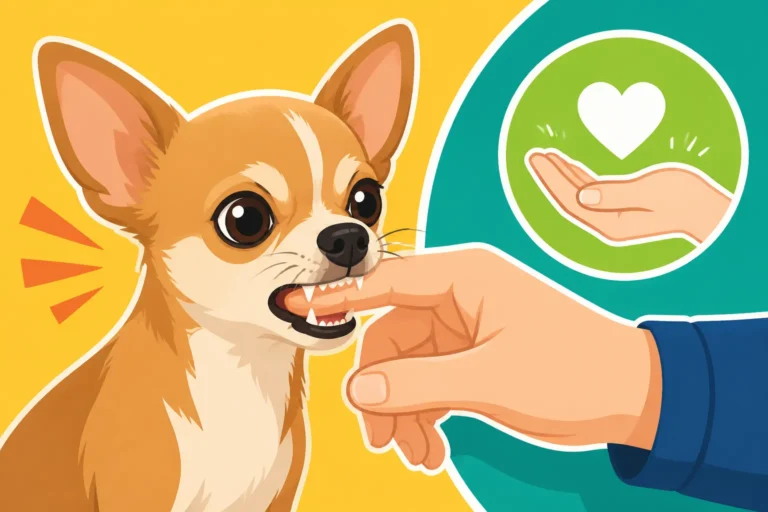
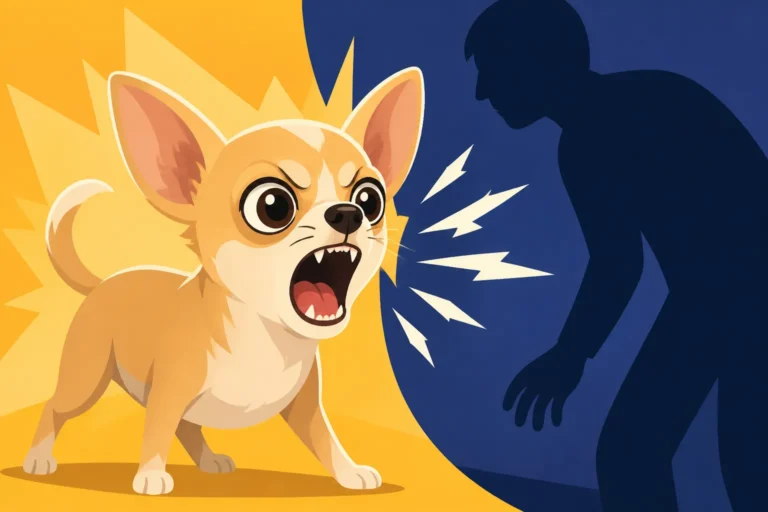
When a Chihuahua barks, lunges, or snarls at something, it often looks like outright aggression, and it's easy to jump to that conclusion. However, for such a small dog, aggression is usually a last resort born from intense fear. They're not trying to be mean; they're trying to make the scary thing go away.
The Misconception of "Aggression" in Small Dogs
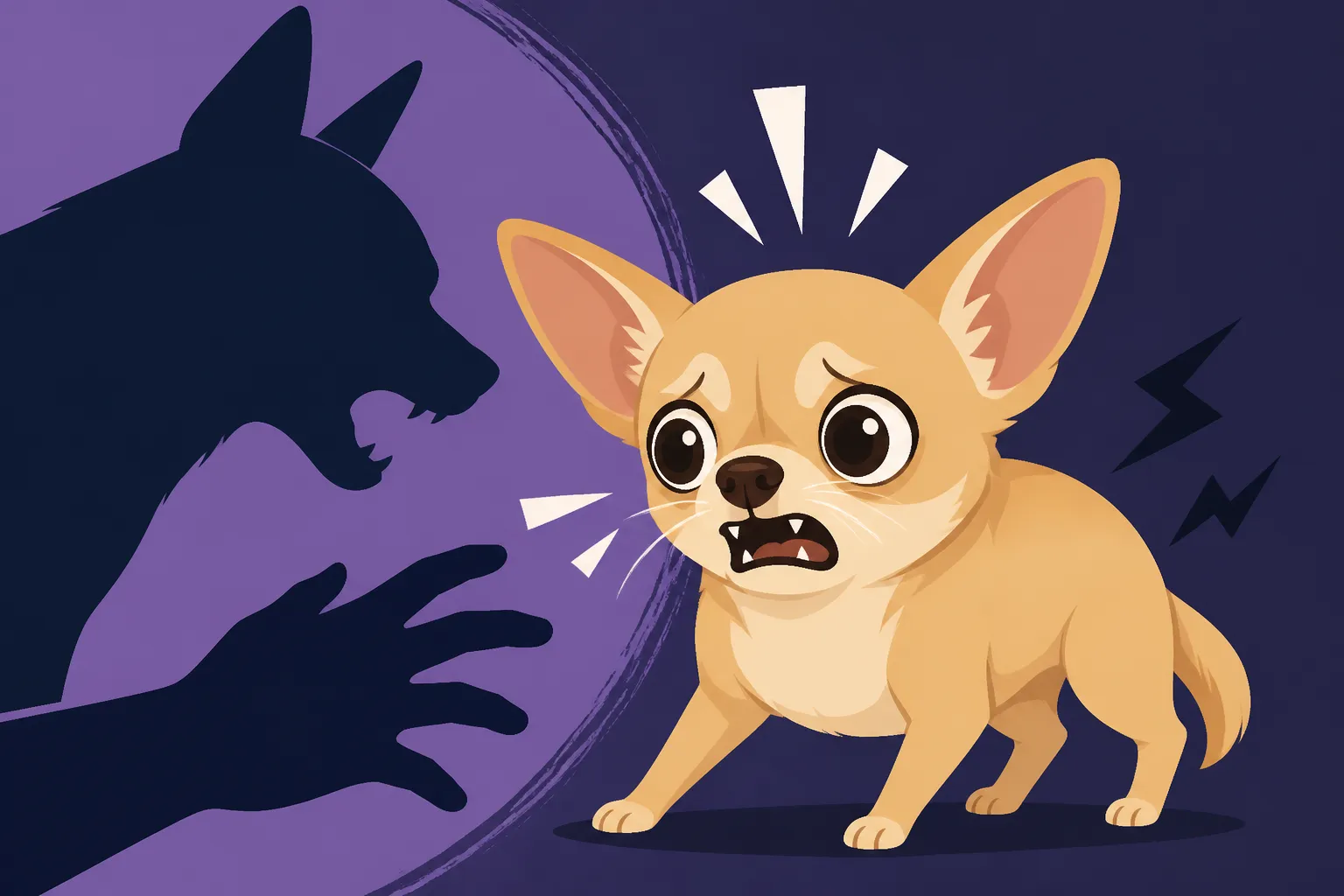
Let's be real: society often has a double standard for dog behavior. A large dog barking and lunging is immediately seen as dangerous and aggressive, garnering concerned looks and quick leash corrections. A small dog, like a Chihuahua, doing the exact same thing is often dismissed as "feisty" or "just being a Chihuahua." But for the Chihuahua, the internal experience is often one of sheer panic. They lack the physical stature to truly defend themselves, so their primary defense mechanism becomes making a huge fuss, hoping to intimidate the perceived threat into retreating. This isn't courage; it's a very loud, very clear cry for help and distance. They're literally shouting, "Stay away!" because they can't physically back it up.
Why a Frightened Chihuahua Gets Loud First
Imagine yourself in a situation where you feel utterly vulnerable, maybe cornered by something much larger and louder than you. What's your instinct? For many, it's to make noise, create a distraction, or try to appear bigger than you are. This is exactly what a frightened Chihuahua does. Their loud, persistent barking, growling, and frantic lunging aren't signs of a dog spoiling for a fight. They are what trainers call "distance-increasing behaviors." The louder they are, the more they hope the scary person, dog, or object will move away. It’s a survival tactic. If the barking works even once, the Chihuahua learns that being loud and reactive gets results, reinforcing the behavior for next time. It’s a vicious cycle where their self-preservation instinct teaches them to yell first and ask questions never. This is why understanding Why a Frightened Chihuahua Gets Loud First is so crucial; it shifts our perspective from "naughty dog" to "scared dog."
The Physical Vulnerability of a Small Frame
The world is a big, overwhelming place when you're only six pounds. Every human leg is a giant tree, every large dog is a predator, and every loud noise can feel like an earthquake. Chihuahuas, with their delicate bone structure and often fragile moleras (The Chihuahua Molera and What a Soft Spot Means), are acutely aware of their physical vulnerability. A playful nudge from a Labrador, an accidental step from a child, or even a sudden drop from the sofa can lead to serious injury. This inherent fragility translates into a heightened sense of caution and, when overwhelmed, intense fear. Their small size means they perceive threats differently than a larger breed would. They don't have the luxury of shrugging off potential dangers, so they often operate in a constant state of hyper-vigilance, making them more prone to reactive outbursts when their coping mechanisms are exhausted.
Identifying the Triggers of Your Chihuahua's Fear
Understanding what sets your Chihuahua off is the first step in helping them. Reactivity isn't random; it's almost always a response to specific stimuli. Becoming a detective in your dog's life can help you preempt and manage these situations.
Common Environmental Triggers
Chihuahuas are sensitive souls, and many everyday occurrences can be deeply unsettling for them. For some, it might be the sight of other dogs, especially bigger ones who seem to loom large. For others, it could be strangers, particularly those with deep voices, hats, or unfamiliar scents. Children, with their unpredictable movements and high-pitched sounds, are often a major trigger, as are bikes, skateboards, or even certain types of cars driving by. Loud noises like thunder, fireworks, or even just a dropped pan in the kitchen can send a Chihuahua into a tailspin. Pay close attention to when and where your Chihuahua reacts. Is it only on walks? Is it only when a certain person visits? Keeping a small journal of these instances can reveal patterns you might otherwise miss. For example, if your Chihuahua barks incessantly at passersby when looking out a window, something as simple as using window film on the lower panes can drastically reduce their stress and subsequent reactivity.
Internal Triggers and Health
Sometimes, what looks like behavioral reactivity is actually rooted in physical discomfort or pain. A Chihuahua with an undiagnosed orthopedic issue, such as Patellar Luxation, the Chihuahua's Commonest Joint Problem or Chihuahua Legg-Calve-Perthes Disease, might snap when approached because they anticipate pain from movement or touch. Similarly, declining vision or hearing in older Chihuahuas can make them easily startled, leading to reactive responses when something appears suddenly or they don't hear an approach. Even subtle health issues, like chronic pain from dental disease (Chihuahua Dental Disease in a Crowded Small Jaw) or an upset stomach, can lower a dog's tolerance for stress and make them more prone to acting out. It's always a good idea to have your vet rule out any underlying medical conditions, especially if the reactivity is new or has suddenly worsened. A healthy body often means a more resilient mind.
The Role of Past Experiences and Socialization
A Chihuahua's past experiences, particularly during their critical The Chihuahua Socialization Window and Its Deadline (typically 3 to 16 weeks), heavily influence their comfort level with the world. A puppy who was poorly socialized or had negative encounters with larger dogs, loud children, or new environments during this period may grow up to be fearful and reactive. Unfortunately, some owners, trying to "protect" their tiny Chihuahuas, inadvertently prevent them from having positive, controlled experiences, leading to isolation. While well-intentioned, this can exacerbate fear, making the world seem scarier because it's so unfamiliar. Conversely, being "flooded" with too many overwhelming experiences at once (e.g., throwing a shy puppy into a bustling dog park) can also create trauma and lasting reactivity.
Understanding Your Chihuahua's Body Language Before a Snap
Chihuahuas communicate constantly, but their small size means their signals can be subtle and easily missed, especially by humans used to larger dogs. Learning to read these quiet cues is paramount to preventing reactive outbursts before they escalate.
Reading a Chihuahua's Whale Eye and Lip Licks
Before a full-blown reactive display, a Chihuahua will almost always send out warning signals. One common one is "whale eye," where the whites of their eyes are visible, often at the inner or outer corners, indicating tension and stress. Another signal is excessive lip-licking or yawning when not tired or in the presence of food. These are displacement behaviors, coping mechanisms dogs use when they feel uncomfortable or anxious. Your Chihuahua might also suddenly turn its head away, freeze, or become intensely still, avoiding eye contact. They might look away, trying to disengage, or sniff the ground in a frantic, non-purposeful manner. If you see these signs, it's your cue to intervene and create distance from whatever is causing their discomfort, rather than pushing them further. You can learn more about these subtle cues by Reading a Chihuahua's Whale Eye.
A Chihuahua That Freezes Before It Bites
The "freeze" response is a critical warning sign that is often overlooked. Before a Chihuahua feels the need to snap or bite, they might become completely still, rigid, and tense. Their body might be low to the ground, almost cowering, or conversely, very stiff and upright. This stillness is often a last-ditch effort to make themselves invisible or to stop the perceived threat from approaching further. It's a moment where they are deciding between fight or flight, and if the trigger doesn't move away, they may conclude that fighting (barking, lunging, biting) is their only option. Recognizing A Chihuahua That Freezes Before It Bites can give you those precious seconds to redirect, remove, or protect your dog before they feel compelled to defend themselves physically.
The Chihuahua Body Language Before a Snap
Beyond whale eye and freezing, there's a spectrum of signals your Chihuahua might display. Their ears might flatten against their head, or be pulled back tightly. Their tail, instead of its usual cheerful curl, might be tucked low between their legs or pressed against their belly, indicating fear or submission. You might see hackles raised along their spine, even on a short-haired Chihuahua. Tension will be visible throughout their body – a stiff gait, tense facial muscles, or a furrowed brow. A low growl, even a barely audible one, is a definite warning shot. Even trembling (Trembling and Weakness in a Chihuahua Puppy) can be a sign of extreme fear, not just cold. Each of these signals is your Chihuahua trying to tell you, "I'm not okay with this!" before they escalate to a full-blown reactive episode. Pay attention to Reading a Chihuahua With Its Tail Tucked for more insight into this common sign of distress.
Strategies for Managing and Reducing Reactivity
Managing reactivity isn't about punishment; it's about helping your Chihuahua feel safe enough to react less. This involves careful environmental management, gentle desensitization, and positive reinforcement.
Creating a Safe and Predictable Environment
One of the most immediate and effective ways to reduce reactivity is to control your Chihuahua's environment. If you know certain situations or stimuli trigger fear, your first priority is to minimize exposure to them. This might mean avoiding busy dog parks, opting for quieter walking routes, or even adjusting your daily schedule to avoid peak foot traffic. Inside the home, consider using physical barriers or baby gates to create safe zones when guests visit. If your Chihuahua barks at everything passing by the window, applying Window Film and Blocking a Chihuahua's View can dramatically cut down on visual triggers. A comfortable crate or a cozy bed in a quiet corner can also serve as a safe haven, giving them a place to retreat when they feel overwhelmed. Consistency in routine can also be incredibly soothing for an anxious Chihuahua, as predictability helps reduce general stress levels.
Counter-Conditioning a Fearful Chihuahua
Counter-conditioning is a powerful technique where you change your Chihuahua's emotional response to a trigger. Instead of associating the trigger with fear, you want them to associate it with something positive, like high-value treats. The process works like this: when the trigger (e.g., another dog) appears at a distance where your Chihuahua notices it but doesn't react (this is crucial!), you immediately give them a super tasty treat. The trigger appears, treat. Trigger disappears, no treat. The goal is for your Chihuahua to start thinking, "Oh, there's that scary thing! But wait, that means yummy food is coming!" This shifts their internal state from fear to anticipation and positive association. It takes patience and careful management to ensure they are never pushed past their threshold where they react, as that would undo the counter-conditioning. Learn more about this specific method with Counter-Conditioning a Fearful Chihuahua.
Desensitising a Chihuahua to the Doorbell
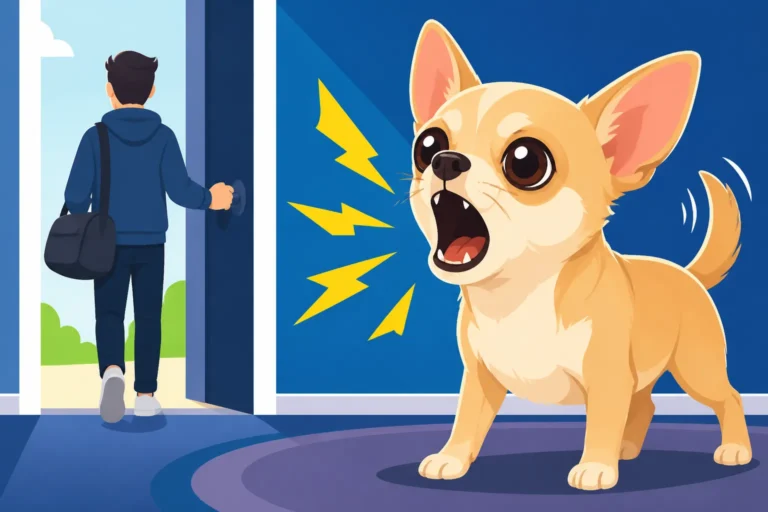
The doorbell is a classic trigger for many reactive dogs, including Chihuahuas, leading to frantic barking and lunging when someone is at the door. Desensitization involves gradually exposing your dog to the trigger at such a low intensity that they don't react, while pairing it with something positive. Here’s a step-by-step example:
- Record the doorbell sound: Play it back very quietly, almost imperceptibly, while your Chihuahua is calm and relaxed, giving them treats.
- Gradually increase volume: Over days or weeks, slowly increase the volume, always pairing it with treats, and stopping if your dog shows any signs of stress.
- Simulate arrival: Have a friend stand outside and gently tap the door, then ring the doorbell softly, always rewarding your Chihuahua for calm behavior.
- Practice door greetings: Once calm with the sound, practice having your friend open the door briefly and calmly, tossing treats to your Chihuahua as they remain quiet.
You can find many training resources, including specialized doorbell sounds or online courses on platforms like BAXTER & Bella, that can guide you through this process. Consistency is key to Desensitising a Chihuahua to the Doorbell.
Harnesses and Safe Handling
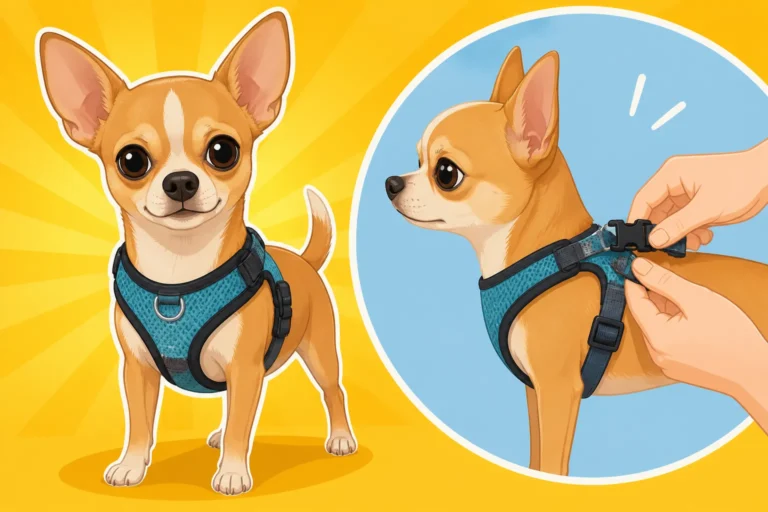
For a reactive Chihuahua, proper equipment and handling are not just about comfort; they're about safety and management. A well-fitting harness is absolutely essential. Never walk a reactive Chihuahua on a collar alone, as sudden pulling or lunging can put dangerous pressure on their delicate trachea, potentially leading to a Collapsing Trachea and the Chihuahua Honking Cough or other neck injuries. A harness distributes pressure across their chest and shoulders, giving you more control without risking their tiny windpipe. When choosing a harness, ensure it fits snugly but doesn't chafe, paying close attention to Harness Fitting on a Chihuahua Chest. Furthermore, avoid constantly picking up your Chihuahua when they seem nervous. While it feels protective, it can prevent them from learning to cope with situations on their own and reinforces the idea that the world is too scary for them to navigate. Instead of lifting, guide them away or use positive reinforcement to build their confidence on their own four paws. This also relates to Why a Harness Matters for a Chihuahua Windpipe for overall health.
Building Your Chihuahua's Confidence and Trust
A fearful Chihuahua needs to feel secure and understood. Building their confidence isn't just about managing reactions; it's about fostering a deep sense of trust between you and your tiny companion.
Positive Reinforcement Training
Positive reinforcement is the cornerstone of building confidence in any dog, but especially a reactive Chihuahua. This method focuses on rewarding desired behaviors, making your dog more likely to repeat them. When your Chihuahua looks at a trigger without reacting, offer a treat. When they choose to disengage, reward that choice. Small, frequent training sessions using Treats Small Enough for Chihuahua Training can make a huge difference. By using a marker word or a clicker, like in Marker Training a Chihuahua From Eight Weeks, you can precisely mark the exact moment your Chihuahua makes a good choice, strengthening that positive association. This approach avoids punishment, which only heightens fear and breaks down trust, leading to more reactivity, not less.
Letting a Chihuahua Choose to Approach
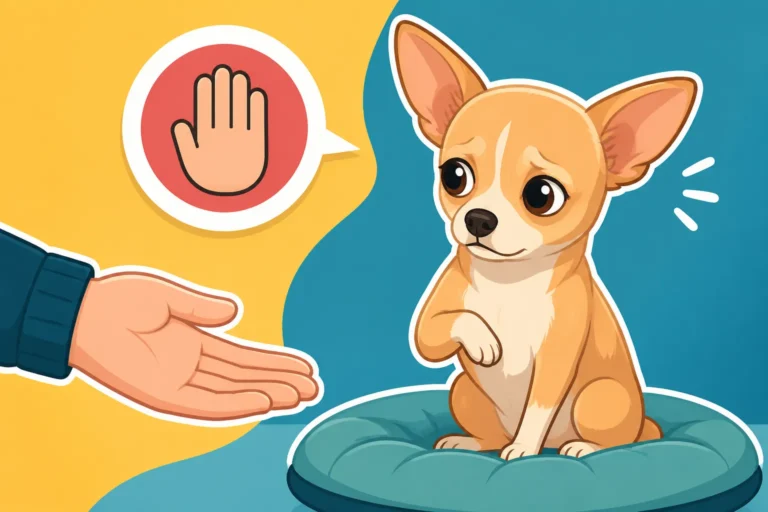
Often, in our desire for our Chihuahuas to be friendly, we unintentionally force interactions. We let well-meaning strangers lean down and reach for them, or we push them into social situations they're clearly uncomfortable with. This erodes their trust and validates their fear that they have no control over their environment. Instead, let your Chihuahua dictate the pace of interactions. If they want to greet someone, let them approach. If they pull back, respect that signal and create distance. This practice applies to physical handling as well; instead of just swooping in to pick them up, offer a hand for them to step into, or teach them a "lap" cue. This teaches them that you are a reliable advocate who respects their boundaries and will keep them safe, fostering independence rather than dependence based on fear. This is explored further in Asking Before You Lift a Chihuahua and Letting a Chihuahua Choose to Approach.
Structured Exposure and Controlled Interactions
While avoiding triggers initially is vital, long-term success often involves structured, positive exposure. This means setting up controlled scenarios where your Chihuahua can encounter their triggers in a safe, positive, and non-overwhelming way. For example, if they're reactive to other dogs, find a calm, friendly, medium-to-large dog and arrange a "parallel walk" at a significant distance where your Chihuahua is comfortable. As they remain calm, you can gradually decrease the distance over many sessions, always rewarding calm behavior. Avoid chaotic environments like dog parks, which are often far too overwhelming and dangerous for a small, reactive Chihuahua. Why Dog Parks Are Dangerous for a Chihuahua highlights the risks. Online training platforms, like those offered by BAXTER & Bella, can provide structured curricula and expert guidance for these controlled exposures, ensuring you're progressing at the right pace and setting your Chihuahua up for success.
When to Seek Professional Help for Reactivity
Even with the best intentions and consistent effort, some reactive behaviors can be deeply ingrained or stem from complex anxieties that require more specialized intervention. Knowing when to call in a professional is a sign of responsible pet ownership.
Recognizing When You've Reached Your Limits
It's okay to admit when you're feeling overwhelmed or when your progress with your Chihuahua's reactivity has stalled. If you've been diligently applying the strategies above for several weeks or months, and you're not seeing significant improvement, or if the reactivity is worsening, it's definitely time to seek professional help. If your Chihuahua is showing increasingly aggressive signals, has bitten someone, or if their fear is so debilitating that it's severely impacting their quality of life (and yours), then professional intervention is not just recommended, it's crucial. A good trainer or veterinary behaviorist can assess your specific situation, identify nuances you might have missed, and create a tailored plan.
Vetting a Trainer Before You Book a Chihuahua
Choosing the right professional is incredibly important, especially for a small, sensitive breed like a Chihuahua. Look for trainers who specialize in positive reinforcement and fear-based behavior. Avoid anyone who suggests using punitive methods, harsh corrections, or aversive tools like shock collars, prong collars, or choke chains. These methods are not only inhumane but will inevitably increase your Chihuahua's fear and worsen their reactivity in the long run. Ask about their certifications (e.g., CPDT-KA, KPA-CTP, or veterinary behaviorist credentials), their experience with small, reactive dogs, and their methodology. A reputable trainer will observe your Chihuahua in their environment, ask detailed questions about their history, and focus on building trust and positive associations. For more guidance, refer to Vetting a Trainer Before You Book a Chihuahua.
Whether Anxiety Medication Helps a Chihuahua
For Chihuahuas with severe anxiety or reactivity, behavioral medication, prescribed by a veterinarian or a veterinary behaviorist, can be a game-changer. Medication isn't a "cure-all" or a substitute for training, but it can help manage the underlying anxiety, effectively lowering your Chihuahua's "stress bucket" so they are more receptive to learning and counter-conditioning. By reducing their baseline anxiety, medication can allow your Chihuahua to process information more calmly and make better choices, rather than defaulting to fear responses. This is always done in conjunction with a comprehensive behavior modification plan. If your Chihuahua is constantly stressed, exhibiting extreme fear, or if training alone isn't making enough headway, discussing Whether Anxiety Medication Helps a Chihuahua with your vet or a veterinary behaviorist is a very reasonable and often highly effective step.
| Reactive Behavior | Underlying Emotion (Often) | Goal of Intervention | Example Solution |
|---|---|---|---|
| Barking/Lunging at other dogs | Fear, territoriality | Increase comfort, reduce fear | Parallel walks at a safe distance with positive reinforcement |
| Growling/Snapping at strangers | Fear, distrust | Build positive associations | Controlled, calm introductions with high-value treats; respecting personal space |
| Trembling/Hiding during storms | Fear, generalized anxiety | Create safe space, desensitize | Cozy den, background white noise, vet-prescribed anxiety meds if severe |
| Barking at the doorbell | Alertness, fear, excitement | Redirect, counter-condition | Desensitising a Chihuahua to the Doorbell, teach "go to mat" command |
| Resource guarding (food/toys) | Fear of loss, insecurity | Build trust, reduce perceived threat | Trade-and-reward games, teach "drop it," build positive associations with proximity |
Disclaimer
This article is for general informational purposes only and does not constitute professional advice. Laws, prices and regulations vary by location and change over time. Consult a qualified professional for guidance on your specific situation.