Vetting a Trainer Before You Book a Chihuahua
It's a frustratingly common scenario: you know your Chihuahua has specific training needs, whether it's managing their spirited barking or tackling house-training hurdles, but when you look for a professional trainer, you often feel dismissed. Many trainers, used to working with larger breeds, sometimes don't truly understand the unique challenges and delicate nature of a tiny Chihuahua, leading to ineffective or even harmful advice. This guide is here to empower you with the knowledge to thoroughly vet a trainer, ensuring your little companion gets the respectful, effective, and specialized guidance they deserve.
Why Chihuahuas Often Get the Short End of the Stick in Training
You love your Chihuahua fiercely, but sometimes it feels like the wider world, even the professional dog training world, doesn't quite take them seriously. This isn't just a feeling; it's a real issue that can impact how effectively your tiny dog is trained, or worse, lead to methods that cause more harm than good. Because they're small, Chihuahuas are often subjected to different, and frankly, less effective, training philosophies than their larger canine counterparts.
The Dismissive Attitude Towards Small Dogs
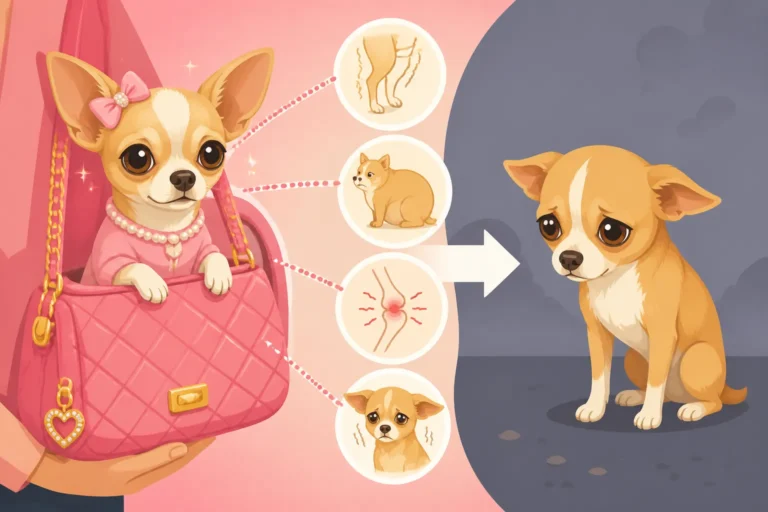
It's an unfortunate truth that many people, including some dog professionals, tend to infantilize small dogs. They see a Chihuahua as a cute accessory, a "purse dog," rather than a fully capable canine with complex emotional and behavioral needs. This leads to what many refer to as Small Dog Syndrome and Why It Is Not Genetic, where owners inadvertently (or sometimes, deliberately) excuse behaviors in a small dog that they would never tolerate in a Labrador or a German Shepherd. For example, a Chihuahua growling at guests might be shrugged off as "just being a Chihuahua," while the same behavior in a larger dog would be immediately addressed as a serious problem.
This dismissive attitude extends to training. Owners might skip obedience classes because "Chihuahuas don't really need them," or trainers might not offer the same level of in-depth behavior modification for a tiny dog as they would for a large, aggressive breed. This creates a significant "training gap," as we discussed in The Training Gap Chihuahua Owners Create. The result is often an under-socialized, underskilled Chihuahua whose behavioral issues escalate because they were never taken seriously from the start. Your Chihuahua has the capacity to learn anything a big dog can; they just need someone to believe in them and teach them properly.
Unique Chihuahua Behavioral and Physical Considerations
Beyond the general dismissal, Chihuahuas have specific traits that require a nuanced approach from a trainer. Physically, they are delicate creatures. Their tiny bones, shallow eye sockets, and tendency towards Collapsing Trachea and the Chihuahua Honking Cough mean that physical corrections or harsh handling, which are never ideal for any dog, can be outright dangerous for a Chihuahua. A trainer who suggests a choke chain or prong collar for a Chihuahua is demonstrating a profound lack of understanding of the breed's physical vulnerability.
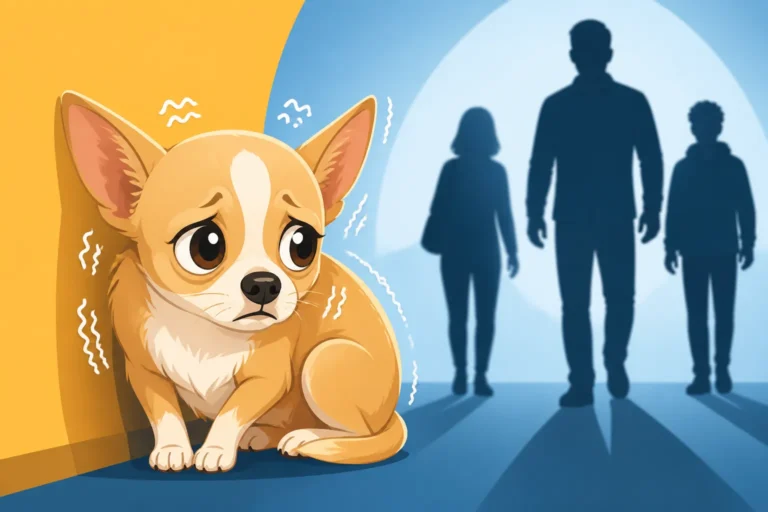
Behaviorally, Chihuahuas are often described as having big personalities in small packages. They can be incredibly intelligent, fiercely loyal, and surprisingly brave, but also prone to Chihuahua Fear Reactivity, the Breed's Real Problem. This fear can manifest as barking, lunging, or even nipping, often because they feel overwhelmed or threatened by the big, loud world around them. A trainer needs to understand that these reactions stem from fear, not aggression, and requires a gentle, confidence-building approach. A trainer who views a barking Chihuahua as "dominant" rather than "frightened" is using an outdated and unhelpful lens, and their methods will likely make the fear worse.
What Makes a Great Trainer for Your Tiny Companion
Finding the right dog trainer for your Chihuahua is crucial. It’s not about finding someone who merely tolerates small dogs; it’s about finding a professional who truly understands, respects, and champions the unique needs of your pint-sized pal. A great trainer for a Chihuahua will exhibit specific qualities that prioritize safety, empathy, and effective, humane methods.
A Deep Understanding of Positive Reinforcement
The cornerstone of effective and humane dog training, regardless of breed or size, is positive reinforcement. This means rewarding desired behaviors, rather than punishing unwanted ones. For a Chihuahua, this approach is not just ideal, it's essential. Their small size and often sensitive nature mean that any form of punishment, intimidation, or force can be incredibly detrimental, leading to fear, anxiety, and a breakdown of trust. As we've discussed in Why Harsh Handling Damages a Chihuahua Fast, this can have lasting negative effects.
A trainer who relies on positive reinforcement will use high-value treats (think tiny pieces of chicken or cheese, small enough for a Chihuahua's mouth!), praise, and play to motivate your dog. They'll teach you how to set up your Chihuahua for success, making it easy for them to offer the right behavior. For instance, if your Chihuahua barks at the doorbell, a positive reinforcement trainer won't tell you to scold them; they'll help you teach your dog an incompatible, positive behavior, like going to their mat, and reward them handsomely for it. They understand that a Chihuahua, like any dog, responds best to encouragement and clear communication, not fear. Online resources, like the comprehensive programs offered by BAXTER & Bella, are often built entirely on this positive reinforcement foundation, providing structured lessons you can follow at your own pace.
Proven Experience with Toy Breeds and Their Nuances
While good training principles apply to all dogs, a trainer with specific experience with toy breeds like Chihuahuas is invaluable. They understand the common quirks and challenges associated with these tiny dogs, from their tiny bladders that impact How Many Weeks Chihuahua Potty Training Takes to their propensity for fear-based reactions. This experience isn't just about having trained a Chihuahua once; it's about a consistent history of success with small, delicate dogs.
Ask potential trainers about their experience. Have they worked with Chihuahuas specifically? What were the common issues they helped owners resolve? A trainer who understands that a Chihuahua's fear of a large, boisterous Labrador is legitimate, and knows how to safely introduce them (perhaps through careful desensitization or by finding Chihuahua Play With Dogs Its Own Size), is far more valuable than one who dismisses the fear. They'll also be aware of physical vulnerabilities, like the potential for Patellar Luxation, the Chihuahua's Commonest Joint Problem, and adjust exercise and handling accordingly, ensuring your dog's physical well-being is always a top priority.
Prioritizing Safety and Welfare Above All Else
Ultimately, a great trainer will always prioritize the physical and emotional safety and welfare of your Chihuahua. This means they will never recommend methods or tools that could cause pain, fear, or physical injury. They should be advocates for your dog, helping you understand their body language, stress signals, and needs. This is especially critical for a breed whose subtle cues might be missed by less experienced trainers.
A welfare-focused trainer will teach you how to read your Chihuahua's signals – when they're uncomfortable, when they're happy, and when they need a break. For example, understanding Reading a Chihuahua's Whale Eye or a tucked tail is crucial for preventing escalating fear. They will also advise on practical safety measures, like using a well-fitting harness instead of a collar to protect their delicate trachea. When you're searching for gear, whether it's a new harness or tiny training treats, checking reputable pet supply options on Amazon allows you to easily find products designed specifically for toy breeds, reinforcing the safety-first approach. They will be patient, empathetic, and focused on building a strong, trusting relationship between you and your Chihuahua, knowing that this bond is the foundation of all successful training.
Red Flags: When to Walk Away From a Trainer
As much as it's important to know what to look for in a trainer, it's equally vital to recognize the warning signs that indicate a trainer is not a good fit for your Chihuahua, or frankly, for any dog. Unfortunately, outdated and harmful training methodologies still exist, and for a tiny, delicate breed like a Chihuahua, these approaches can be particularly devastating.
Reliance on Aversive Tools and Methods
This is perhaps the biggest red flag of all. Any trainer who suggests or uses aversive tools like choke chains, prong collars, or electronic collars (shock collars) on a Chihuahua should be immediately dismissed. These tools are designed to cause discomfort, pain, or fear to suppress unwanted behavior, and they have no place in modern, humane dog training. For a Chihuahua, with their fragile necks and tiny frames, such tools are not just inhumane; they're incredibly dangerous and can cause severe physical injury, let alone psychological trauma.
Beyond physical tools, be wary of trainers who use harsh verbal corrections, physical intimidation (like pinning a dog or alpha rolls), or who advocate for "dominance theory." These approaches are based on debunked science and can create a fearful, reactive, and untrusting dog. A trainer who insists your Chihuahua is "dominant" or "stubborn" and needs to be "shown who's boss" is missing the mark entirely. Most Chihuahua "aggression" is rooted in Fear Reactivity as the Top Chihuahua Complaint, and attempts to suppress it with force will only make the underlying fear worse, leading to a dog who might eventually bite without warning because their warning signals have been punished out of them.
Lack of Transparency or Open Communication
A professional and ethical trainer should be completely transparent about their methods, their philosophy, and their qualifications. If a trainer is vague about what they do, refuses to let you observe a class or session before signing up, or gets defensive when you ask questions, consider it a major red flag. They should be able to clearly explain why they use certain techniques and what the expected outcomes are.
You should feel comfortable asking about their certifications, their continuing education, and their experience, especially with toy breeds. If they seem to have a "secret sauce" or proprietary methods they won't fully disclose, be suspicious. A good trainer wants you to understand the process and be an active participant in your Chihuahua's training journey. They should be open to discussing your concerns and willing to adapt their approach if something isn't working for your specific dog. If you ever feel like you're being talked down to or that your concerns about your Chihuahua's delicate nature are being ignored, it's time to find someone else.
Ignoring Individual Dog Needs for a "One-Size-Fits-All" Program
Every dog is an individual, and this is especially true for Chihuahuas, who can vary wildly in personality, health status, and background. A red flag is a trainer who applies the exact same training program to every dog, regardless of their breed, age, temperament, or specific issues. While basic obedience cues are universal, a good trainer will tailor their approach to your Chihuahua's unique personality and challenges.
For instance, a trainer who recognizes that your shy Chihuahua needs a slower, more gradual approach to Socializing a Chihuahua Without Overwhelming It than a bold, outgoing one is demonstrating crucial flexibility. They should also consider any health issues your Chihuahua might have, such as Chihuahua Heart Disease as the Breed Ages or dental pain from Chihuahua Dental Disease in a Crowded Small Jaw, which could affect their comfort, energy levels, or willingness to engage in certain activities. If a trainer doesn't ask about your dog's full history, medical background, or unique personality traits, they're not truly offering personalized care. Your Chihuahua is not just "a dog"; they are your dog, and they deserve a training plan that respects their individuality.
Your Interview Checklist: Finding the Right Fit
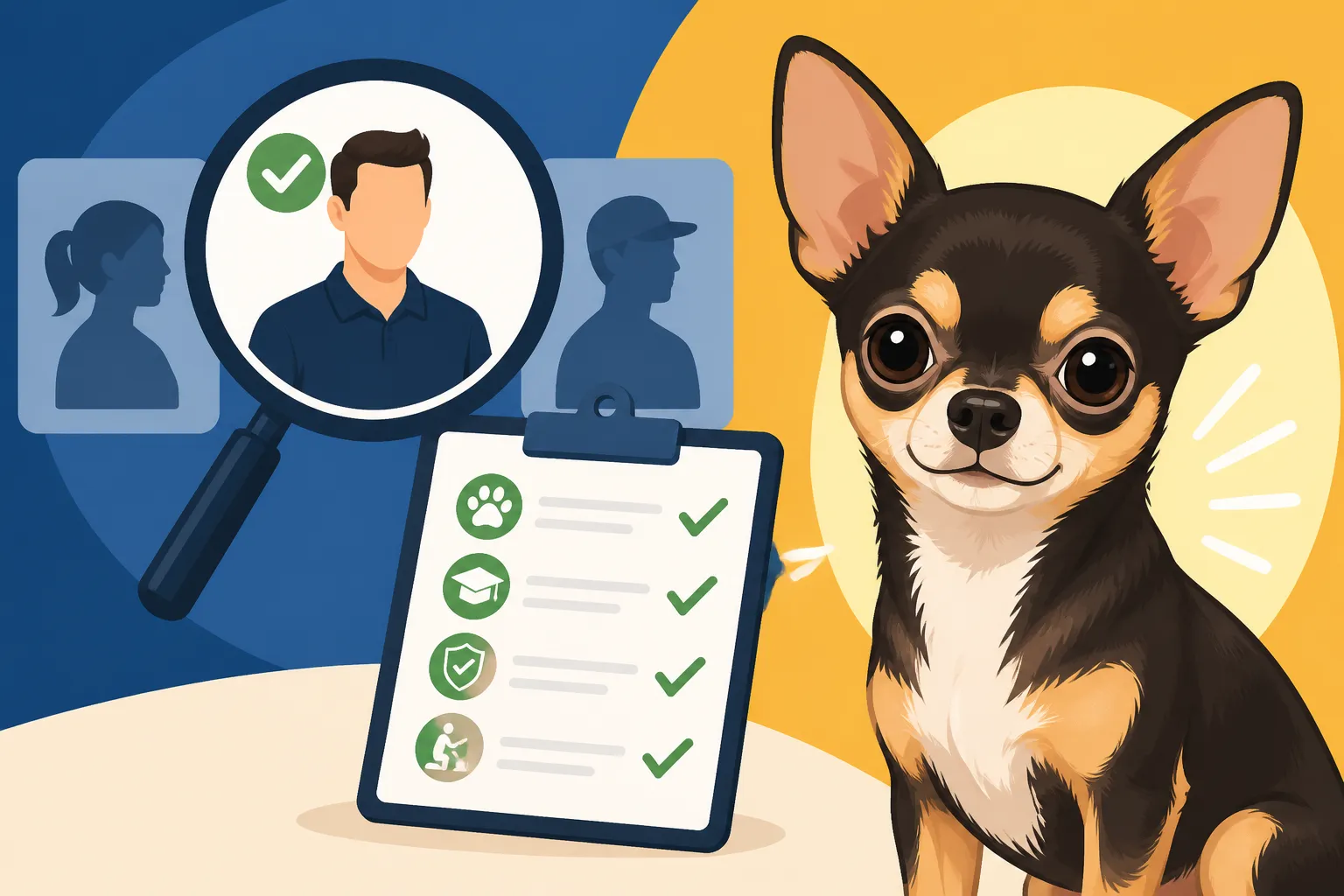
Once you've narrowed down some potential trainers, it's time to put on your detective hat and conduct some interviews. This isn't just about finding someone who is available; it's about ensuring their philosophy, experience, and methods align perfectly with what your Chihuahua needs and deserves. Think of it as hiring a professional for a very important member of your family.
Essential Questions to Ask Every Potential Trainer
Prepare a list of questions to ask each trainer you contact. This will help you compare them objectively and ensure you cover all your bases. Here are some critical questions, tailored for a Chihuahua owner:
| Category | Questions to Ask | Why It Matters for Chihuahuas |
|---|---|---|
| Philosophy & Methods | What is your primary training philosophy? Do you use positive reinforcement, and if so, how do you define it? | Ensures they use humane, effective, and fear-free methods suitable for a delicate breed. Avoids outdated dominance theory. |
| What tools do you use and recommend for Chihuahuas? | Crucial for safety. Any mention of choke, prong, or e-collars is a dealbreaker. Look for harnesses, flat collars (for tags), and leashes. | |
| How do you address unwanted behaviors like barking or nipping? | Reveals if they understand Chihuahua Barking and What Sets a Six Pound Dog Off (often fear-based) and Chihuahua Body Language Before a Snap, using redirection and positive alternatives instead of punishment. | |
| Experience | How much experience do you have specifically with toy breeds, and Chihuahuas in particular? Can you provide examples of behavioral issues you've successfully resolved with them? | Confirms they understand the unique physical and behavioral nuances of small dogs, and aren't just applying big-dog methods. |
| What are common challenges you've seen with Chihuahuas, and how do you approach them? | Shows their insight into breed-specific issues like fear reactivity, house-training difficulties, or handling sensitivity. | |
| Logistics & Safety | What is your approach to ensuring the safety of small dogs in a group class, especially if larger dogs are present? | Vital if you're considering Puppy Classes That Group Chihuahuas With Toys. They should have clear protocols for managing dog interactions and ensuring no accidental injuries. |
| How do you handle a dog who becomes fearful or overwhelmed during a session? | Demonstrates their sensitivity and ability to recognize stress signals and give a Chihuahua space and support, rather than pushing them too hard. | |
| Qualifications | Are you certified by any professional organizations (e.g., CCPDT, KPA-CTP)? Do you engage in continuing education? | Indicates a commitment to professional standards and staying current with the latest, science-based training methodologies. |
| Do you have references I can contact? | Allows you to hear directly from other clients, preferably those with small dogs, about their experiences. |
These questions will give you a solid foundation to evaluate each trainer thoroughly.
Observing a Session and Checking References
Don't just take a trainer's word for it. If possible, ask if you can observe a group class or part of an individual session (without your Chihuahua present initially, to avoid overwhelming them) before you commit. This "live demo" is incredibly insightful. Watch how the trainer interacts with the dogs and their owners. Do they seem patient and encouraging? Are the dogs engaged and happy, or do they appear stressed or shut down? Are the methods consistent with what they told you in your interview? Pay close attention to how they handle any small dogs in the class. Do they respect Chihuahua Handling and Consent, or do they pick them up without warning?
Beyond observation, always ask for references. Speak to previous clients, especially those who have Chihuahuas or other toy breeds. Ask them about their overall experience, if they felt their small dog's needs were truly understood, and if they saw positive, lasting results without resorting to fear or force. A good reference will speak to the trainer's empathy, professionalism, and the effectiveness of their methods for a dog of your Chihuahua's size and temperament. Finding the right trainer might take a little extra effort, but for a dog who will likely be your companion for Chihuahua Lifespan and Why the Breed Reaches Sixteen, it's an investment well worth making for a happy, well-adjusted life together.
Disclaimer
This article is for general informational purposes only and does not constitute professional advice. Laws, prices and regulations vary by location and change over time. Consult a qualified professional for guidance on your specific situation.