Chihuahua Fear Reactivity, the Breed’s Real Problem
It’s a common, heartbreaking scenario: you see a tiny Chihuahua shaking and barking furiously at a stranger or another dog, and the immediate reaction from onlookers is often, "Oh, it's just a yappy little dog," or "See, Chihuahuas are aggressive." But the truth is, this often isn't aggression at all; it's almost always rooted in fear. This comprehensive guide is here to unravel the complex world of Chihuahua fear reactivity, helping you understand why your tiny companion might be acting out, and more importantly, how you can help them feel safer and more confident in the big, wide world.
Understanding Fear Reactivity in Chihuahuas
When we talk about fear reactivity in Chihuahuas, we're discussing a specific set of behaviors triggered by perceived threats. For a dog that can weigh as little as three pounds, the entire world can feel like a gigantic, overwhelming place filled with potential dangers. These reactions often manifest as barking, lunging, trembling, hiding, or even snapping – behaviors that are typically misinterpreted as outright aggression or just "being a Chihuahua."
What Fear Reactivity Looks Like
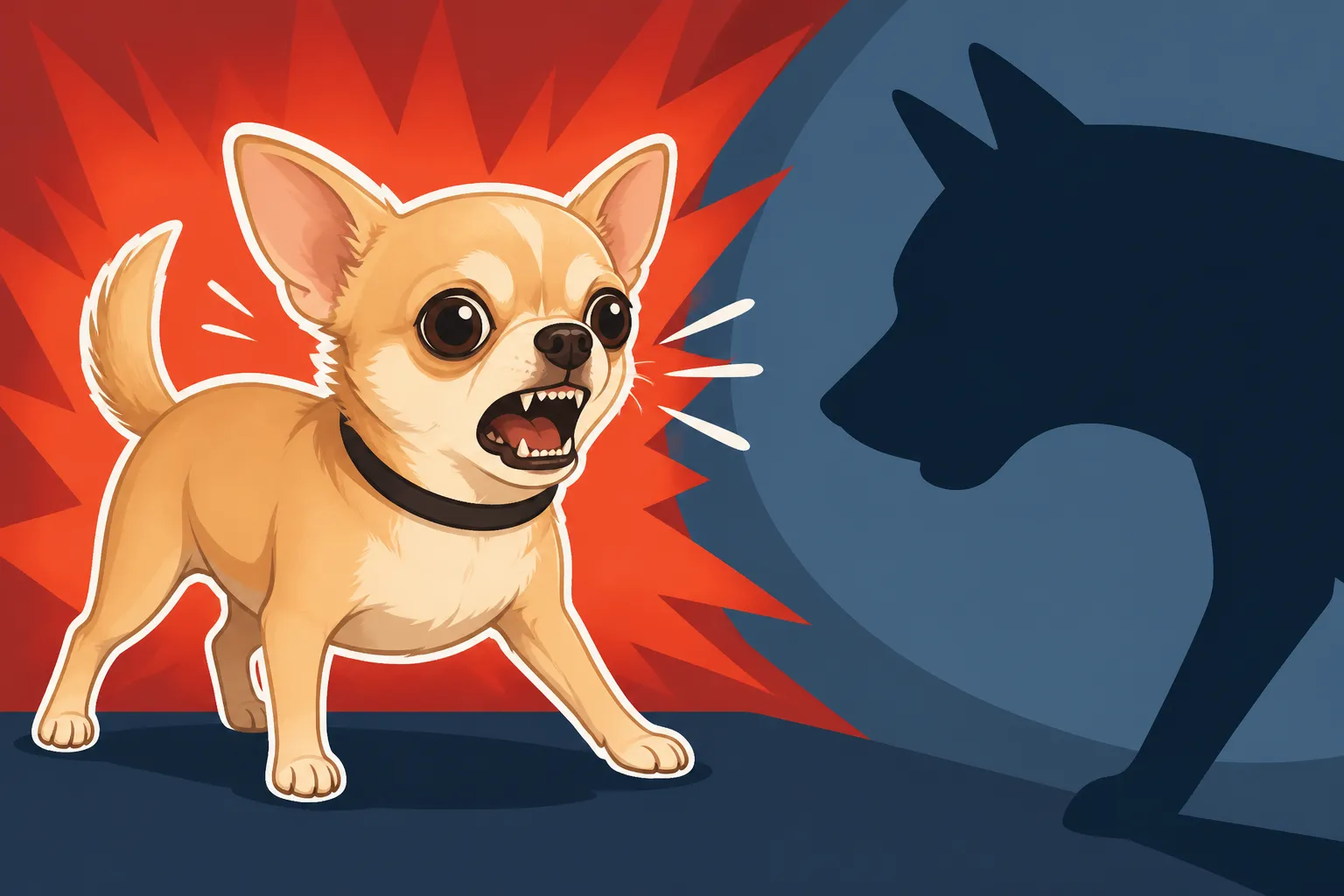
Imagine walking your little Chihuahua, Peanut, down a busy street. A large golden retriever approaches, wagging its tail, completely oblivious to Peanut's size. From Peanut's perspective, this is a giant, fast-moving creature heading straight for him, potentially a predator. His heart races, his adrenaline spikes, and he resorts to the only defense mechanism he has: making himself appear big and scary, often through a frantic barrage of barks and lunges. This isn't Peanut being "mean"; it's Peanut screaming, "Go away! You're scaring me!" from the depths of his tiny lungs. He might even try to bolt, straining against his harness.
This kind of outburst is a textbook example of fear reactivity. It's a distress signal, a plea for distance and safety. We often see it directed at unfamiliar people, children, larger dogs, or even strange objects like a garbage can rattling in the wind. The Chihuahua isn't seeking a confrontation; they're desperately trying to avoid one by creating space and signaling their discomfort. It's crucial for us, as their guardians, to recognize these subtle and not-so-subtle cues and understand that our dog is feeling vulnerable, not dominant.
Why Chihuahuas Are Prone to It
Chihuahuas aren't born reactive; they often become reactive due to a combination of their physical vulnerability and how humans interact with them. Their small size makes them inherently more susceptible to injury from larger dogs or even accidental roughhousing from well-meaning people. They can easily get stepped on or overlooked, and a fall from a sofa can be a serious injury for a dog of their stature. This constant sense of physical fragility can naturally lead to a more cautious, and sometimes fearful, outlook on the world.
Beyond their size, many Chihuahuas are inadvertently socialized in ways that exacerbate fear. They might be carried everywhere, never truly learning to navigate the world on their own four paws. This can prevent them from developing crucial confidence and coping skills. Think about a child who is always held by a parent and never allowed to walk or explore independently; they're likely to be much more timid when finally faced with the ground beneath their feet. This isn't Small Dog Syndrome and Why It Is Not Genetic in the way some people often claim, but rather a direct result of their unique physical needs and the environmental factors they frequently encounter.
The Roots of Chihuahua Fear: Genetics vs. Environment
Understanding why your Chihuahua might be fearful is the first step toward helping them. It's a complex interplay of what they're born with and what they experience throughout their lives. It's rarely one or the other, but usually a combination of both.
The Role of Genetics and Early Life Experiences
While no dog is "born reactive," genetics can predispose a Chihuahua to be more anxious or sensitive. Just like humans, some dogs naturally have a more nervous temperament, which can be passed down from their parents. If a Chihuahua puppy comes from a lineage of shy or fearful dogs, or if their mother was highly stressed during pregnancy, they might have a lower threshold for fear responses. Responsible breeders try to avoid breeding dogs with overly fearful temperaments, but it's not always possible to screen for every nuanced personality trait.
However, even with a genetic predisposition, early life experiences play a massive role. The crucial socialization window for puppies closes remarkably early, often around 12-16 weeks of age. During this time, positive exposure to a wide variety of sights, sounds, people, and other well-mannered dogs is vital. A puppy raised in an isolated environment, or one that experiences traumatic events early on, is far more likely to develop fear-based behaviors, regardless of their genetic makeup. A Chihuahua puppy needs gentle, positive exposure to the world to build resilience and confidence.
Common Triggers and Negative Experiences
For Chihuahuas, specific triggers often emerge from their unique position in the world. Being so small, they are often on the receiving end of well-intentioned but overwhelming interactions. Imagine a small child, curious and full of energy, reaching quickly for your Chihuahua. While the child means no harm, from the Chihuahua's perspective, this might be a giant, fast-moving hand descending from above, a terrifying experience. Similarly, large, boisterous dogs, loud noises like construction work, or even just crowded environments can be incredibly stressful.
A single negative experience can be enough to create a lasting fear. If a Chihuahua is accidentally stepped on, has a bad interaction with an off-leash dog, or is roughly handled, that memory can imprint deeply. Suddenly, every subsequent encounter with a similar stimulus becomes a potential threat, and the dog learns to react defensively. This is why it’s so important to be proactive in creating positive experiences and always advocating for your Chihuahua's space and comfort. They rely on us to be their protectors and their advocates, especially when faced with perceived dangers.
Recognizing the Signs of Fear and Stress
Before your Chihuahua resorts to barking and lunging, they're almost certainly giving you subtle signals that they're uncomfortable or stressed. Learning to "read" your dog's body language is one of the most powerful tools you have to prevent fear reactivity from escalating and help your Chihuahua feel safe.
Subtle Cues and Early Warning Signs
Many Chihuahua owners miss the subtle signs of fear because they're so small and often tucked away. Before the big bark or the lunge, your Chihuahua might show:
- Lip licking: Not because they just ate, but a quick flick of the tongue as a sign of mild stress.
- Yawning: Also not because they're tired, but a displacement behavior indicating stress or anxiety.
- Turning away or averting gaze: They're trying to disengage from the scary thing.
- Freezing: Becoming suddenly still, sometimes rigid, before reacting or trying to escape.
- Tail tucked: A classic sign of fear, though some Chihuahuas naturally carry their tails lower. Look for a sudden tuck.
- Ears flattened or back: Pulled back against their head, another indicator of stress.
- Trembling: While Chihuahuas can tremble when cold, trembling in a stressful situation is a clear sign of fear.
- Panting: Especially if it's not hot or after exercise, could be stress-induced.
- Raising a paw: A subtle signal of apprehension or a desire for comfort.
If you consistently see these signals when your Chihuahua encounters certain people, places, or other animals, it's a huge red flag. This is your cue to intervene, create distance, or redirect your dog before they feel compelled to escalate their communication to a bark or lunge. Taking action at these early stages can prevent a full-blown reactive episode. Understanding Chihuahua Body Language Before a Snap is key.
Escalation: When Subtle Becomes Overt
When those subtle signals are ignored, either by us or by the perceived threat, a Chihuahua will often escalate their communication. For a tiny dog, the options are limited: fight or flight. Since flight is often prevented by a leash or physical barriers, "fight" often means making as much noise as possible and presenting a formidable (albeit small) front. This is Why a Frightened Chihuahua Gets Loud First.
Overt signs of fear and stress include:
- Intense barking: High-pitched, continuous, and often accompanied by frantic movement.
- Lunging: Trying to spring forward towards the trigger, often straining against the leash.
- Snapping or nipping: This is usually a last-resort warning, not an attempt to truly harm, but to say "back off!"
- Growling: A clear warning, often preceding a snap if the trigger doesn't retreat.
- Hiding or trying to escape: Trying to burrow into your arm, behind your legs, or find any perceived refuge.
- Loss of bladder/bowel control: In extreme fear, a dog might involuntarily urinate or defecate.
It's vital to remember that these overt behaviors are not your Chihuahua being "naughty" or "dominant." They are indicators that your dog is profoundly distressed and feels their safety is compromised. Punishing these behaviors only teaches your dog that you are also a source of fear and that their attempts to communicate distress are unacceptable. This can lead to a dog that suppresses their warnings, potentially biting without any prior visible signals, which is far more dangerous.
Preventing Fear Reactivity in Chihuahua Puppies
The best offense is a good defense, and for Chihuahua puppies, that means proactive, positive socialization during their critical developmental window. Laying a strong foundation of confidence and positive experiences can drastically reduce the likelihood of fear reactivity later in life.
Critical Socialization for the Toy Breed
The socialization window for puppies is short, typically ending around 16 weeks of age, though positive exposure should continue throughout their lives. For a Chihuahua, this period is especially important because their small size often dictates how they interact with the world. Instead of letting them hide in a bag or be constantly carried, it's crucial to expose them gently to a variety of safe, positive stimuli. This means:
- Controlled exposure to different people: Friendly adults, calm children (under strict supervision), people with hats, glasses, or different gaits. Always allow the puppy to approach on their own terms, rewarding curiosity with tiny treats.
- Introducing various sounds: Vacuum cleaners, doorbells, city noises, gentle music – played softly at first and paired with positive reinforcement.
- Safe encounters with other dogs: Selectively introduce them to calm, vaccinated, small-to-medium sized dogs with a history of being good with puppies. Avoid dog parks where they can easily be overwhelmed or injured. The Chihuahua Socialization Window and Its Deadline is critical to understanding this.
- Exploring different surfaces: Grass, concrete, wood floors, carpet – all help them develop confidence in varied environments.
The key word here is "positive." Every exposure should be a positive, low-stress experience. If your puppy seems overwhelmed, remove them from the situation immediately. Don't force interactions. The goal is to build positive associations, not to flood them with stimuli they can't handle.
Avoiding Common Socialization Pitfalls
Because Chihuahuas are so endearing, it's easy to make mistakes that inadvertently foster fear or insecurity. One of the biggest pitfalls is carrying them everywhere. While it might feel protective, constantly being carried prevents them from exploring and interacting with the world on their own terms. It denies them the opportunity to build confidence by navigating their environment, leading to a dog that expects to be rescued from every novel situation. Teaching a Chihuahua to Walk Instead of Ride is a foundational step.
Another common mistake is allowing them to have negative experiences, especially with larger dogs. It only takes one bad encounter – a playful nip that's too hard, a rough tumble, or being bowled over – to create a lasting fear. Always supervise interactions, ensure the other dog is calm and gentle, and don't be afraid to scoop up your Chihuahua if you sense danger. Conversely, don't let well-meaning strangers or children overwhelm them. Teach people to approach gently, and if your Chihuahua shows any signs of discomfort, advocate for their space. A simple, "Please give him some space, he's a little shy," goes a long way.
Managing and Modifying Fear Reactive Behavior
Once fear reactivity has set in, it requires patience, consistency, and a commitment to positive reinforcement. The goal isn't to "cure" fear, but to manage it and help your Chihuahua develop more confident coping mechanisms.
Desensitization and Counter-Conditioning
These are the cornerstones of addressing fear reactivity.
Desensitization means gradually exposing your Chihuahua to the trigger (e.g., another dog, a stranger) at a distance or intensity where they don't react negatively. This means starting far enough away that they notice the trigger but don't feel threatened. For example, if your Chihuahua barks at dogs walking by your window, start by having them see dogs from a very far distance, perhaps across the street, while you reward them for remaining calm.
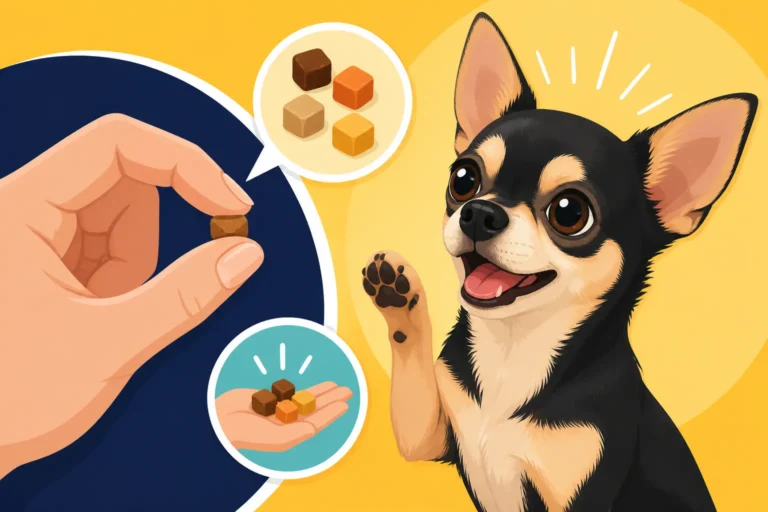
Counter-conditioning means changing your Chihuahua's emotional response to the trigger. Instead of associating the trigger with fear, you want them to associate it with something positive, like high-value treats. So, when your Chihuahua sees a trigger (at a safe distance where they aren't reactive), you immediately give them a delicious treat. The moment the trigger is gone, the treats stop. Over time, the sight of the trigger becomes a predictor of good things, not scary things. This is the essence of Counter-Conditioning a Fearful Chihuahua.
This process is slow and incremental. You gradually decrease the distance or increase the intensity of the trigger over many sessions, always staying below your Chihuahua's "threshold" – the point at which they start to react. If they react, you've gone too fast, and you need to go back a step. Consistency is key, and celebrating small victories is important for both you and your little one.
Positive Reinforcement Training Techniques
Beyond desensitization and counter-conditioning, incorporating general positive reinforcement training builds confidence and gives your Chihuahua constructive outlets for their energy. Teaching basic obedience commands like "sit," "stay," "come," and "watch me" helps them focus on you in distracting environments. When a trigger appears, you can use these commands to redirect their attention, rewarding them heavily for choosing to engage with you rather than react to the trigger.
High-value treats are crucial here. Think tiny pieces of cooked chicken, cheese, or specialized training treats that your Chihuahua absolutely adores. Since Chihuahuas have small calorie budgets, look for small, potent options you can find on Amazon. A "watch me" command, where your Chihuahua makes eye contact with you on cue, can be particularly useful when a potential trigger approaches. Instead of scanning for threats, they learn to look to you for guidance and reassurance. This shift in focus is incredibly empowering for a fearful dog, helping to Building a Chihuahua's Confidence Outdoors.
Creating a Safe and Predictable Environment
A safe and predictable home environment is fundamental for a Chihuahua prone to fear reactivity. It reduces chronic stress and provides a secure base from which they can learn to navigate the wider world.
Home Setup and Trigger Management
Your home should be your Chihuahua's sanctuary. Identify potential triggers within the home and modify the environment to minimize their impact. For example:
- Window management: If your Chihuahua barks excessively at things outside the window, use window film or blinds to block their view when you're not actively working on desensitization. This reduces constant stress and gives them a break.
- Sound management: For Chihuahuas sensitive to noise, consider white noise machines or quiet classical music to buffer sudden outdoor sounds.
- Safe spaces: Ensure your Chihuahua has a designated safe space – a crate covered with a blanket, a cozy bed under a table – where they can retreat and feel completely undisturbed. Teach children and guests to respect this space.
- Ramps and steps: Prevent jumping injuries by providing small ramps or steps for access to furniture. This reduces physical stress and the potential for a painful fall that could contribute to general anxiety. Keeping them off furniture (or giving them safe access) is a topic explored in Keeping a Chihuahua Off Furniture to Protect Knees.
The goal is to create a predictable routine and minimize unexpected stressors. When your Chihuahua feels secure in their immediate surroundings, they'll have more emotional capacity to learn and cope with challenges outside the home.
Importance of Routine and Predictability
Dogs thrive on routine, and Chihuahuas are no exception, especially those prone to anxiety. A consistent daily schedule helps them understand what to expect, which can significantly lower stress levels. This includes:
- Consistent feeding times: Regular meals help manage their tiny blood sugar levels and provide a predictable highlight to their day.
- Regular potty breaks: For Chihuahuas with their small bladders, consistent opportunities to relieve themselves prevent accidents and associated stress.
- Scheduled walks and playtime: These provide physical and mental exercise, burning off excess energy and providing opportunities for enrichment.
- Designated quiet times: A period each day where they can rest undisturbed, perhaps in their safe space.
When their day is predictable, Chihuahuas can relax more. They know when food is coming, when walks will happen, and when they can expect quiet time. This reduces the need to be constantly on alert, which is exhausting for a fearful dog. Any sudden changes to routine should be introduced gradually and paired with positive reinforcement to help them adjust.
The Role of Handling and Human Interaction
How we physically interact with our Chihuahuas has a profound impact on their confidence and whether they develop fear-based responses. Many well-meaning actions can inadvertently contribute to insecurity.
Handling With Consent and Respect
For a tiny Chihuahua, being scooped up unexpectedly can be startling, even frightening. Imagine a giant hand suddenly grabbing you without warning; it’s disorienting. Instead, practice handling with consent. This means teaching your Chihuahua a cue, like "up," and then allowing them to engage with your hands before you lift them. If they back away, respect their choice. This builds trust and gives them a sense of control over their own body.
Always approach your Chihuahua gently, especially if they are resting or sleeping. Announce your presence softly before reaching for them. When you do pick them up, support their chest and hindquarters securely so they feel safe and stable. Never dangle them or hold them precariously. This mindful approach to handling is about building a partnership, showing them that you respect their autonomy, even at their tiny size. This concept of mindful interaction is at the heart of Chihuahua Handling and Consent.
Avoiding Actions That Foster Insecurity
Many common behaviors we have around small dogs, while seemingly harmless, can actually foster insecurity and contribute to fear reactivity:
- Constantly picking them up to "protect" them: While sometimes necessary for safety, if it's your go-to whenever another dog or person approaches, your Chihuahua learns that they cannot cope on their own. They might even start anticipating being lifted as a precursor to a scary event.
- Allowing strangers to grab at them: People are naturally drawn to small, cute dogs, but allowing them to rush up and grab your Chihuahua can be terrifying. Teach strangers to ask before petting, and to approach slowly and offer a hand for sniffing rather than reaching directly over their head.
- Punishing fear-based behaviors: Yelling at, scolding, or physically punishing your Chihuahua for barking or growling out of fear only adds to their distress. It teaches them that their attempts to communicate their fear are met with more fear from you. This can suppress the warning signals, leading to a dog that bites without growling first, which is far more dangerous.
Instead, when your Chihuahua shows signs of fear, calmly remove them from the situation or create distance. Redirect their attention with a treat or a favorite toy. Reinforce brave, calm behavior. You want to be their safe harbor, not another source of anxiety.
When to Seek Professional Help
While much can be done at home, some cases of Chihuahua fear reactivity are too deeply ingrained or severe for owners to tackle alone. Knowing when to call in the professionals is crucial for your dog's well-being and your peace of mind.
Identifying When You Need a Professional
If your Chihuahua's fear reactivity is causing significant distress to them (or to you), consistently disrupting your life, or if you feel unsafe, it’s time to seek professional guidance. Specific indicators include:
- Escalating aggression: If your Chihuahua is consistently growling, snapping, or attempting to bite, especially if these behaviors are worsening over time.
- Inability to manage triggers: If you can't walk your dog, have guests over, or enjoy daily life without extreme stress due to reactivity.
- Self-harm or extreme anxiety: If your Chihuahua is constantly pacing, destructive, or showing signs of compulsive behaviors due to anxiety, or if Whether Anxiety Medication Helps a Chihuahua is a question you're asking yourself.
- No improvement despite consistent effort: If you've been diligently applying positive reinforcement and environmental management for several weeks or months, but see no real change.
- New, sudden onset of reactivity: A sudden change in behavior could indicate an underlying medical issue, such as pain from a condition like A Chihuahua Snapping Because Its Knee Hurts or Chihuahua Back and Neck Pain.
It's important to differentiate between a dog that is simply a bit nervous and one that is genuinely suffering from a behavioral disorder. When in doubt, a professional consultation is always the safest bet.
Choosing the Right Professional: Trainers vs. Behaviorists
Not all dog professionals are created equal, especially when dealing with fear reactivity. It's vital to choose someone qualified to handle complex behavioral issues using humane, evidence-based methods.
- Certified Professional Dog Trainer (CPDT-KA/KPA CTP): These trainers specialize in teaching basic obedience and addressing common behavior problems using positive reinforcement. They can be invaluable for teaching you how to use desensitization and counter-conditioning techniques effectively. Many offer online programs, like those from BAXTER & Bella, which can be incredibly helpful for remote guidance. Look for certifications that emphasize positive, force-free methods. A good starting point is Vetting a Trainer Before You Book a Chihuahua.
- Certified Dog Behavior Consultant (CDBC): These professionals have more extensive education and experience in animal behavior, often dealing with more severe or complex cases like chronic fear, anxiety, and aggression. They can develop comprehensive behavior modification plans and work closely with you.
- Veterinary Behaviorist (Dip ACVB): These are veterinarians who have specialized training and certification in animal behavior. They are uniquely qualified to diagnose and treat behavioral disorders, including prescribing medication when appropriate. If your Chihuahua's fear is severe, has a strong genetic component, or if there's a suspected medical cause, a veterinary behaviorist is often the best choice. They can assess if conditions like Chihuahua Epilepsy and Seizure Onset are impacting behavior.
Avoid any trainer who uses aversive methods, such as shock collars, prong collars, leash corrections, or fear-based training. These methods exacerbate fear and destroy trust, making the reactivity worse in the long run. Always seek someone who prioritizes your Chihuahua's emotional well-being and uses gentle, effective techniques.
Living With and Supporting a Fear Reactive Chihuahua
Embracing the reality of living with a fear reactive Chihuahua means committing to ongoing support and understanding. It's a journey, not a destination, but it can be incredibly rewarding to watch your tiny companion gain confidence.
Advocating for Your Chihuahua
You are your Chihuahua's strongest advocate. Because they are small and often perceived as "harmless" or "cute," people tend to disregard their personal space. It's up to you to set boundaries and protect your dog from unwanted interactions. Don't be shy about saying:
- "Please don't pet him, he's a little nervous."
- "We're in training, so we need some space."
- "He's not good with other dogs, let's keep some distance."
- "Please don't pick him up."
Being clear and firm, yet polite, will help keep your Chihuahua safe and prevent stressful encounters. Remember, you're not being rude; you're being a responsible pet parent. Always carry a supply of high-value treats and be ready to reward calm behavior or redirect attention when triggers are present.
Long-Term Management and Continued Progress
Managing fear reactivity is a lifelong commitment. There will be good days and bad days, and that's completely normal. The key is consistency, patience, and celebrating every small step forward.
- Continue positive reinforcement: Even when your Chihuahua is doing well, keep reinforcing calm behavior and positive interactions.
- Ongoing desensitization: Periodically revisit triggers at a low intensity to maintain their positive association.
- Maintain a predictable routine: This foundational stability will always be beneficial.
- Observe and adapt: Your Chihuahua's triggers or their thresholds might change over time. Stay observant and be ready to adjust your management and training strategies as needed.
- Consider calming aids: For some Chihuahuas, products like pheromone diffusers (e.g., Adaptil), calming supplements, or even ThunderShirts can help reduce general anxiety, making them more receptive to training. These are widely available on Amazon.
- Never give up: It can be frustrating, but your Chihuahua relies on you. With the right approach and professional support, most fear reactive Chihuahuas can lead much happier, less stressed lives.
Remember that a Chihuahua who barks out of fear isn't trying to be difficult; they're trying to communicate their deepest anxieties. By understanding their language, protecting their space, and patiently guiding them, you can transform their fear into confidence and build an even stronger bond with your brave little companion.
Table: Chihuahua Fear Signals and What They Mean
This table can help you quickly identify what your Chihuahua might be trying to tell you when they're feeling anxious or scared.
| Behavior | Potential Meaning (Subtle to Overt) | What You Can Do |
|---|---|---|
| Lip Licking / Yawning | Mild stress, trying to self-soothe | Observe for other signs, create a little distance, offer a treat. |
| Ears Back / Tail Tucked | Apprehension, insecurity, fear | Increase distance from trigger, provide reassurance, offer a safe space. |
| Freezing / Stiffening | Preparing to react, assessing threat, extreme discomfort | Immediately create distance, call attention with a treat, remove from situation. |
| Trembling | Intense fear, anxiety, cold (differentiate contextually) | Provide warmth if cold; if fear, remove from trigger, offer comfort/safe space. |
| Looking Away / Hiding | Avoiding confrontation, seeking escape, overwhelmed | Respect their need for space, block their view of the trigger, offer a retreat. |
| Growling | Warning signal, "stay away," feeling threatened | Crucial: Immediately increase distance, do NOT punish. Seek professional help if frequent. |
| Barking (High-Pitched) | Alarm, "go away," desperate plea for distance | Create distance, redirect focus with a treat, use "watch me" command if practiced. |
| Lunging / Snapping | Last resort defense, feeling cornered, fear bite | Serious: Immediately remove from trigger. Seek professional behaviorist. Do NOT punish. |
| Panting (Non-exertion) | Stress, anxiety, overheating (differentiate contextually) | Check for heat, offer water; if stress, reduce stimulation, move to quiet area. |
Disclaimer
This article is for general informational purposes only and does not constitute professional advice. Laws, prices and regulations vary by location and change over time. Consult a qualified professional for guidance on your specific situation.