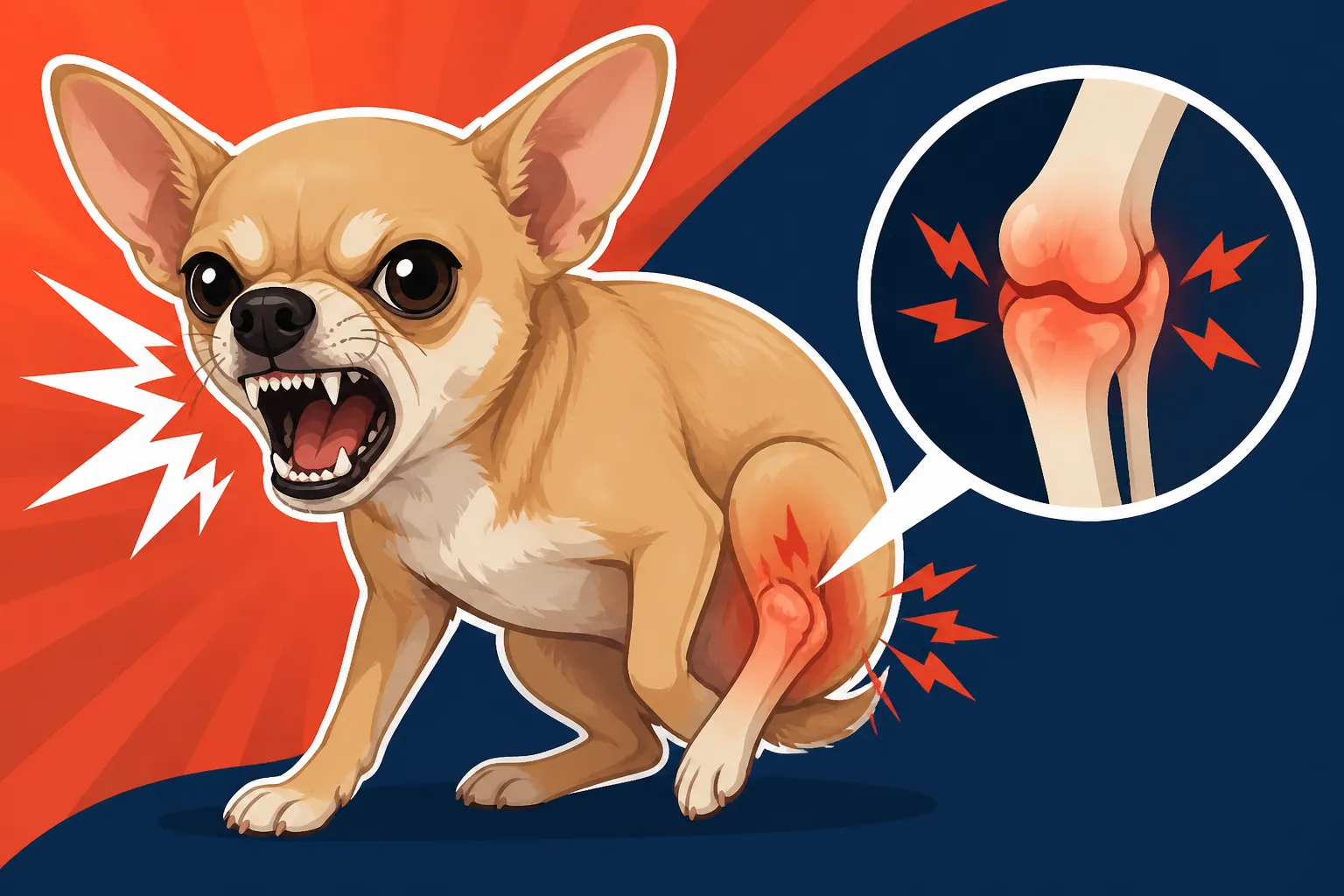
A Chihuahua Snapping Because Its Knee Hurts
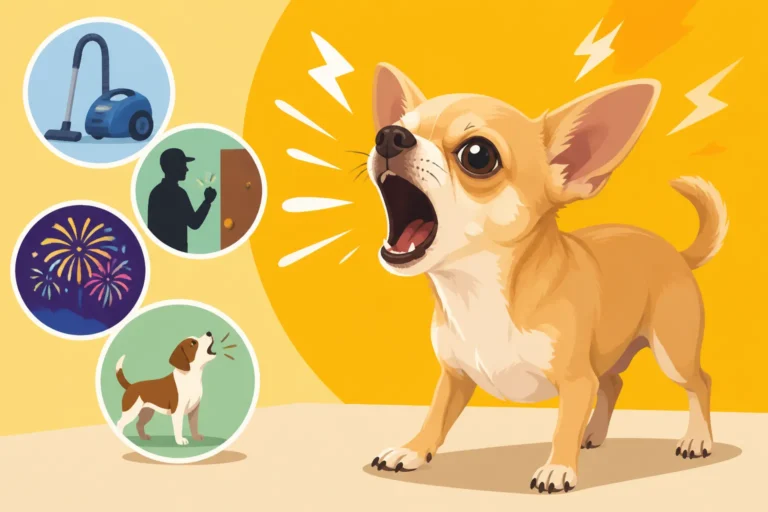
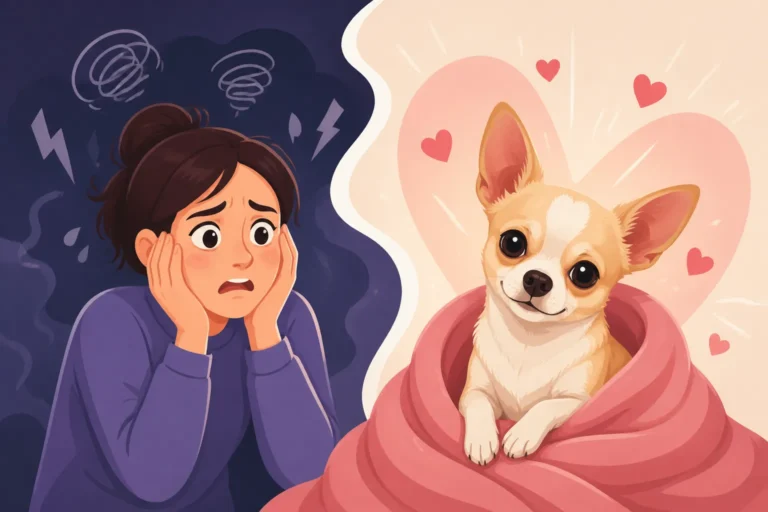
It's incredibly frustrating and even heartbreaking when your sweet, cuddly Chihuahua suddenly snaps or growls at you, especially if it seems to come out of nowhere. Many owners immediately jump to thinking their tiny companion is becoming aggressive or "dominant," but often, these sudden behavioral changes are a desperate cry for help, a clear signal that your little dog is in pain. This guide will help you understand why knee pain, a common issue in Chihuahuas, can lead to such startling reactions and what you can do to identify and address the root cause, protecting both your dog and your bond.
Understanding the Link Between Pain and Aggression in Chihuahuas
When a Chihuahua, or any dog for that matter, is in pain, their world shrinks to a very uncomfortable place. They can't tell you in words where it hurts or how bad it feels, so they resort to the only communication tools they have: their body language, their voice, and sometimes, their teeth. A snap isn't usually born of malice; it's a desperate plea for space and an attempt to prevent further discomfort.
Why Pain Manifests as Snapping, Not Whining
Unlike a human child who might cry and point to a boo-boo, dogs are masters of stoicism. This comes from their ancestral instincts; in the wild, showing weakness or pain makes you a target. Chihuahuas, despite their pampered lives, still carry these deep-seated instincts. They're often quiet sufferers, enduring discomfort for as long as possible. When the pain becomes too much, or they anticipate an interaction that will exacerbate it, they might skip the subtle signals entirely and go straight to a growl or a snap. This is especially true for small dogs who often feel vulnerable and easily overlooked or mishandled.
Imagine for a moment that your knee really hurts. You're sitting on the couch, trying to rest it, and suddenly someone reaches for you without warning, right near that tender spot. Your first instinct might be to pull away sharply, maybe even yelp. For a Chihuahua with a sore knee, a well-meaning pat, an attempt to pick them up, or even another pet bumping into them can trigger this defensive reaction. They're not trying to be "bad"; they're trying to protect themselves from something they perceive as a threat to their physical well-being. This is why it’s so critical to investigate sudden aggression as a potential sign of physical ailment, rather than just a behavioral problem needing correction. You might find it helpful to read about a Chihuahua that snaps because its knee hurts to gain further insight into this specific issue.
The Specifics of Chihuahua Knee Pain: Patellar Luxation
One of the most common orthopedic issues in Chihuahuas, and toy breeds in general, is patellar luxation, often called a "slipped kneecap." This condition occurs when the patella (kneecap) dislocates or moves out of its normal groove on the femur (thigh bone). It can happen occasionally or be a constant problem, ranging from mild (Grade 1) to severe (Grade 4).
When the kneecap slips, it can cause immediate pain, lameness, and a strange "skipping" gait as the dog tries to pop the kneecap back into place. Over time, this constant slipping can lead to inflammation, cartilage damage, and arthritis, creating chronic pain. If your Chihuahua's kneecap is painful, any pressure on the leg – whether from being picked up, accidentally bumped, or even just shifting their weight in a way that causes the patella to move – can cause a sharp, unexpected jolt of pain. This pain can make them snap reflexively out of fear and discomfort. Understanding Patellar Luxation, the Chihuahua's Commonest Joint Problem is crucial for any Chihuahua owner. It's a condition that can worsen over time and often goes undetected until a dog starts showing clear signs of discomfort, including defensive behavior.
Recognizing the Subtle Signs of Knee Pain Beyond a Snap
While a snap is certainly an attention-grabbing signal, Chihuahuas often give off more subtle cues of discomfort long before they resort to such a drastic measure. Learning to recognize these can help you intervene sooner and prevent your dog from reaching a point of lashing out.
Observing Gait Changes and Reluctance to Move
Take a moment to simply watch your Chihuahua as they move around the house. Are they moving differently than usual? Even tiny changes can be significant.
- Skipping or Hopping: This is a classic sign of patellar luxation. Your dog might take a few normal steps, then suddenly pick up one hind leg for a step or two, then put it back down and walk normally again. They're literally "skipping" to try and reset their kneecap.
- Limping: While not always present, a noticeable limp, especially after resting or first waking up, is a clear red flag. It might be subtle, a slight favoring of one leg, or more pronounced.
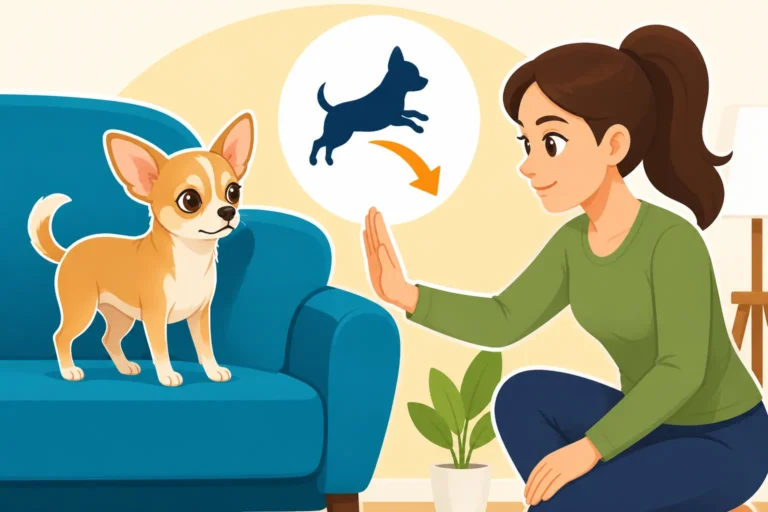
- Reluctance to Jump: Does your Chihuahua hesitate before jumping onto the sofa or bed, places they once bounded onto without a second thought? Do they stand at the edge, looking for assistance or a ramp? This could indicate that jumping causes pain in their knees or hips. You might notice they stop doing "zoomies" or playing as enthusiastically.
- Stiffness: After a nap, do they seem stiff or slow to get going? Do they stretch more carefully, or perhaps not stretch at all in ways they used to? Chihuahua Arthritis in the Teenage Years is a related concern, as chronic patellar luxation often leads to degenerative joint disease.
Observing these physical cues is paramount. Sometimes, it's not a direct snap when you touch their leg, but a snap when they try to move a certain way and you happen to be too close. Keeping an eye on their movement patterns, particularly The Skipping Step That Means a Chihuahua Knee, can give you crucial early warnings.
Behavioral Shifts and Avoidance
Beyond physical signs, pain can profoundly impact a Chihuahua's temperament and daily habits. It's not just about the moment of pain, but the anticipation of it.
- Withdrawal or Hiding: A dog in pain might become less social, choosing to hide under furniture or spend more time alone in their crate or bed. They might avoid interactions that previously brought them joy, like playing with other pets or greeting family members at the door.
- Irritability: What once barely registered might now elicit a growl. They might be less tolerant of being handled, groomed, or even petted in certain areas. Imagine if every time you were touched on a sore muscle, you flinched.
- Changes in Appetite or Sleep: While not always direct signs of knee pain, general discomfort can disrupt a dog's overall well-being. They might eat less, or their sleep patterns could change – restless sleep, or sleeping more than usual to avoid movement.
- Reluctance to Be Picked Up: Chihuahuas are often picked up, but if they have knee pain, the pressure applied to their body during lifting, or the necessary bending of their legs, can cause significant discomfort. If your dog once enjoyed being carried and now resists or even growls when you reach for them, investigate pain as the likely cause. A Chihuahua That Flinches When You Lift It is a clear signal that something is amiss.
It's vital to remember that these aren't just "bad behaviors"; they are coping mechanisms. Your dog isn't trying to be difficult; they are trying to communicate their distress in the most effective way they know.
What to Do When Your Chihuahua Snaps from Suspected Pain
Discovering that your Chihuahua's aggression stems from pain is a moment of profound realization, often coupled with guilt and concern. The most important thing is to shift your perspective from "my dog is misbehaving" to "my dog needs help."
Safe Handling and Veterinary Consultation
Your immediate priority should be to minimize your dog's discomfort and schedule a vet visit.
- Stop and Observe: If your Chihuahua snaps, immediately stop whatever interaction triggered it. Give them space. Do not punish them, as this will only increase their fear and anxiety around you, making future interactions even harder.
- Gentle Assessment: Once they are calm, try to observe them from a distance. Can you see any obvious limping or favoring of a limb? Avoid touching the suspected painful area if possible.
- Contact Your Vet: Call your veterinarian as soon as possible. Explain the behavioral change and your suspicion of pain, specifically mentioning patellar luxation if you've observed any skipping gait. Your vet will need to perform a thorough physical examination, which might involve manipulating their legs to check for patellar luxation. This exam can confirm if a knee is indeed slipping. The Four Grades of a Slipping Chihuahua Kneecap illustrates the different levels of severity.
- Prepare for the Visit: Consider how you will safely get your Chihuahua to the vet. If they are in severe pain, you may need a carrier or a blanket to gently scoop them up, avoiding pressure on the affected leg. Be prepared to discuss when the snapping started, what usually triggers it, and any other changes you've noticed.
A veterinary diagnosis is the absolute first step. They can rule out other causes of pain or discomfort and establish a clear plan for your Chihuahua's specific condition. Don't try to self-diagnose or treat based on online information alone.
Management and Long-Term Care for Knee Issues
Once your vet has diagnosed knee pain, they will outline a treatment plan. This can range widely depending on the severity of the luxation and the degree of pain and arthritis.
- Conservative Management: For milder cases (Grade 1 or 2), or if surgery isn't an option, conservative management focuses on pain relief and preventing further damage. This often includes:
- Anti-inflammatory Medications: Your vet may prescribe NSAIDs (non-steroidal anti-inflammatory drugs) to reduce pain and inflammation.
- Joint Supplements: Glucosamine, chondroitin, and omega-3 fatty acids can support joint health. These can be easily found on platforms like Amazon.
- Weight Management: Keeping your Chihuahua at a healthy weight is crucial to reduce stress on their joints. Even a half-pound can make a difference on such a tiny frame.
- Physical Therapy: Gentle exercises or hydrotherapy can strengthen supporting muscles and improve range of motion.
- Surgical Correction: For more severe cases (Grade 2 that causes significant lameness, or Grades 3 and 4), surgery may be recommended. The goal of surgery is to deepen the trochlear groove where the kneecap sits, or to realign the patellar ligament to keep the kneecap in place. Recovery after surgery involves strict rest, pain management, and often physical rehabilitation. It's a significant undertaking but can dramatically improve quality of life. Understanding Chihuahua Kneecap Surgery Costs can help you prepare for this possibility.
Long-term care involves consistent monitoring, regular vet check-ups, and adapting your home environment to support their joint health. It's about ongoing vigilance and proactive care.
Creating a Pain-Free Environment for Your Chihuahua
Beyond medical treatment, making your home a sanctuary where your Chihuahua feels safe and comfortable is essential. This can significantly reduce their anxiety and the likelihood of pain-induced snaps.
Adapting the Home for Joint Health
Think about all the ways your Chihuahua moves around your home and how you can make those movements easier and less painful.
- Ramps and Steps: Chihuahuas love to be on furniture, but jumping up and down puts immense strain on their tiny joints, especially with a history of patellar luxation. Invest in ramps or steps for sofas and beds. You can find many options on sites like Amazon that are perfectly sized for small dogs. This isn't just about preventing new injuries; it's about making existing movements pain-free. Ramps and Steps for a Chihuahua Sofa can make a huge difference in their daily comfort.
- Non-Slip Surfaces: Hardwood floors and tile can be like ice rinks for a Chihuahua with a wobbly kneecap. Consider laying down rugs or non-slip mats in areas where they frequently walk or play to provide better traction.
- Cozy, Supportive Beds: A good orthopedic bed can provide comfort and support for aching joints. Look for beds with memory foam or supportive filling that cradle their body and reduce pressure points. Many Chihuahuas also love to burrow, so a bed with a built-in cover or plenty of blankets for nesting can make them feel secure and warm, which helps with muscle relaxation.
- Food and Water Bowl Height: For some Chihuahuas, bending down to eat or drink can be uncomfortable. Elevated food and water bowls can make meal times easier on their neck and back, and potentially their knees as well.
These small changes can dramatically improve your Chihuahua's quality of life, reducing the daily stresses that might lead to pain and, consequently, defensive snapping.
Gentle Training and Positive Reinforcement
When pain is at the root of behavioral issues, traditional punishment-based training is not only ineffective but harmful. It erodes trust and compounds fear. Instead, focus on rebuilding trust and teaching your Chihuahua that handling can be a positive experience.
- Consent-Based Handling: Teach your Chihuahua that they have a choice in being handled. Start by gently touching them in a non-painful area (like their chest or shoulder) for a brief moment, then immediately give a small, high-value treat. If they pull away, stop. Build up duration slowly. The goal is for them to associate your touch with good things. This is a practice promoted by many modern trainers and is especially important for dogs with pain.
- Positive Reinforcement for Calm Behavior: Reward calm, relaxed behavior. If they allow you to approach or gently pet them without snapping, lavish them with praise and treats. Never force interactions.
- Working with a Professional Trainer: Consider enlisting the help of a certified professional dog trainer or behaviorist who specializes in positive reinforcement and has experience with pain-related aggression in small breeds. They can help you implement a counter-conditioning and desensitization program tailored to your dog's specific needs. Programs like those offered by BAXTER & Bella often emphasize positive, force-free methods that would be beneficial here.
- Understanding Body Language: Deepen your understanding of Chihuahua body language. Learn to spot the subtle cues of discomfort (lip licking, yawning, stiff posture, whale eye, tucked tail) that precede a snap. This will allow you to intervene before they feel the need to lash out. A good trainer can help you interpret these signals. You might also want to look into Reading a Chihuahua With Its Tail Tucked for more information on their non-verbal cues.
| Behavior Type | Typical Presentation (Non-Pain Related) | Potential Presentation (Pain Related) |
|---|---|---|
| Snapping/Growling | May occur during resource guarding, fear in novel situations, or lack of training. | Often occurs during handling, movement, or when approached in specific areas. |
| Limping/Gait | Generally absent unless due to acute injury, then consistent. | May present as intermittent skipping, favoring a limb, or stiffness after rest. |
| Activity Level | May be high energy, playful, or normal for breed. | Reluctance to jump, reduced play, slower to move, avoids certain activities. |
| Social Interaction | May be shy, confident, or selective based on personality and socialization. | Withdraws, seeks solitude, avoids contact, may snap at other pets or people. |
| Appetite/Sleep | Normal | May decrease appetite, restless sleep, or sleep more to avoid discomfort. |
| Response to Touch | May solicit touch, enjoy petting in most areas, or tolerate handling. | Flitches, pulls away, growls, or snaps when touched near a painful area. |
Remember, your Chihuahua isn't being "mean"; they are trying to tell you something important. By understanding the potential link between pain and aggression, especially common issues like knee problems, you can provide the care and environment your tiny companion truly needs to live a comfortable, happy life.
Disclaimer
This article is for general informational purposes only and does not constitute professional advice. Laws, prices and regulations vary by location and change over time. Consult a qualified professional for guidance on your specific situation.