How Small a Chihuahua Bladder Actually Is
It's so easy to get frustrated when your tiny Chihuahua has yet another accident on the rug, especially when you feel like you've been doing everything right. You might even wonder if your little companion is being stubborn, or worse, doing it out of spite. But the truth is, a Chihuahua's bladder is literally just that: tiny. This comprehensive guide is here to shed light on the physical realities of their small anatomy, validate your potty training struggles, and offer practical, empathetic strategies to help you and your beloved Chihuahua navigate house training challenges successfully.
Understanding the Tiny Tank: The Anatomy of a Chihuahua Bladder
When you bring a Chihuahua into your life, whether as a tiny puppy or an older rescue, one of the first things you'll notice is their seemingly endless need to "go." This isn't a character flaw or a sign of poor training in most cases; it's a fundamental aspect of their biology. Their small stature, while endearing, means that everything inside them is scaled down, including the organ responsible for holding urine.
The Literal Size of a Chihuahua's Bladder
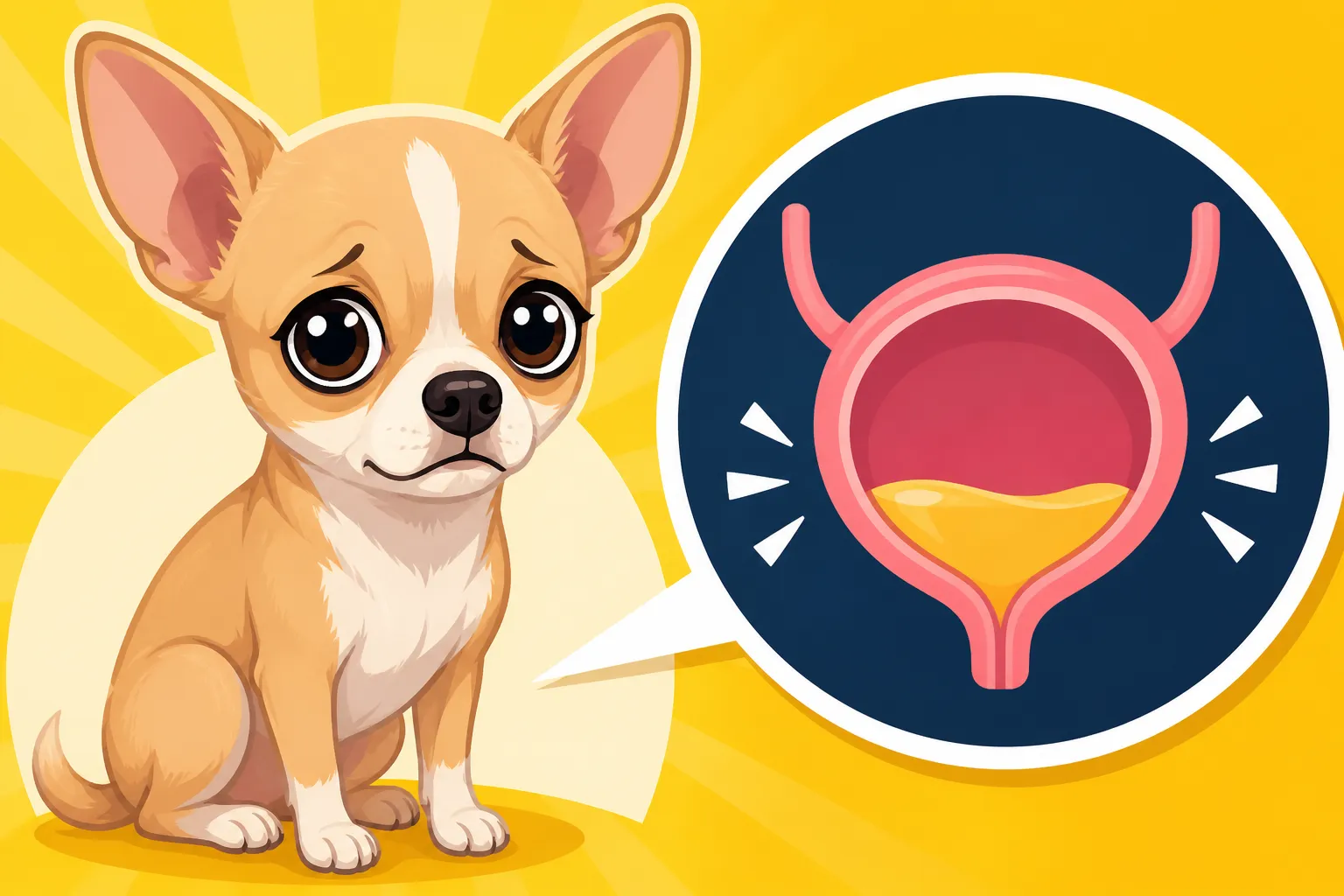
Imagine holding a thimble, or maybe a very small shot glass. That's not far off from the actual internal capacity of a Chihuahua's bladder. For a dog that might only weigh three to six pounds, their bladder can realistically only hold a few ounces of liquid at most before it signals urgency. It’s significantly smaller than, say, a Labrador's bladder, which can hold much more and therefore requires fewer trips outside.
This physical limitation means that even a moderate amount of water intake or a normal metabolic process can fill their tiny bladder to capacity quite quickly. What might feel like a minor urge to a larger dog becomes an immediate "I have to go NOW" situation for a Chihuahua. Understanding this physiological fact is the first step in approaching house training with patience and empathy, rather than frustration. They aren't choosing to have accidents; their bodies simply demand frequent release.
How Age and Development Impact Bladder Control
A Chihuahua's ability to hold their bladder, while always limited by size, also changes significantly throughout their life stages. A young puppy, much like a human infant, has very little muscle control over their bladder and bowels. Their nervous system isn't fully developed, and they essentially have to go as soon as the urge hits. This is why you'll find yourself taking a tiny Chihuahua puppy out seemingly every 15-30 minutes when they're awake, especially after eating or playing. It's a critical period where their bodies are growing rapidly, and expecting them to hold it for long stretches is simply unrealistic. Many of the early challenges, like avoiding Chihuahua Hypoglycemia in the First Twelve Weeks, are also tied to their rapid metabolism and fragile systems.
As a Chihuahua matures into adolescence and adulthood, their bladder muscles strengthen, and their brain develops better control. An adult Chihuahua can typically hold it for a few hours, but this is still a far cry from the holding capacity of a medium or large breed. When a Chihuahua reaches their senior years, typically past the age of twelve, you might notice a regression in house training. Just like older humans, senior Chihuahuas can experience weakening bladder muscles, or develop health conditions that increase urination frequency, making frequent potty breaks crucial. It’s a natural part of Senior Chihuahua Care Past the Age of Twelve and requires adjustments in routine.
Metabolic Rate and Fluid Intake in a Small Dog
Chihuahuas are known for their high metabolism. They are constantly burning energy, which means their internal systems, including their kidneys and urinary tract, are working at a faster pace. This rapid metabolic rate directly influences how quickly they process fluids and how frequently their bladder fills. They need to drink water, often and regularly, to stay hydrated, especially given their energetic personalities.
While it might seem counterintuitive to offer them constant access to water when you're trying to reduce accidents, restricting water is dangerous and can lead to dehydration and other health issues. Instead, it’s about understanding that their smaller bodies process everything more quickly. This means that a normal amount of water intake for their size will lead to their bladder filling up faster than it would in a larger dog consuming the same proportionate amount of water. Their rapid processing and need for hydration contribute significantly to their frequent need for potty breaks, reinforcing that it's a physical necessity, not a behavioral choice.
The Frequency Factor: Why Chihuahuas Need to Go, Go, Go!
It’s one thing to understand the anatomical reasons behind frequent urination, but it’s another to live with the reality of it. Chihuahuas aren't just going often because their bladder is small; there are several other factors that contribute to their need for frequent potty breaks throughout the day, and sometimes even at night.
The Golden Rule: How Long Can a Chihuahua Hold Its Bladder?
There's an old adage in puppy training: a dog can typically hold their bladder for their age in months plus one hour. So, a three-month-old puppy might hold it for four hours. For a Chihuahua, this rule should be taken as an absolute maximum, not a comfortable target, especially for young puppies. A more realistic expectation for a Chihuahua puppy is closer to one to two hours while awake, extending to maybe three or four hours overnight if they're settled. Adult Chihuahuas, while capable of holding it longer, are often most comfortable going every three to four hours during the day.
Pushing this limit too often can lead to discomfort, stress, and ultimately, accidents. It also can, over time, contribute to urinary tract issues. It's important to remember that just because they can hold it for a certain amount of time, doesn't mean they should or that it's comfortable for them. Always aim to take your Chihuahua out more frequently than their absolute maximum holding time, to prevent accidents and keep them happy and healthy. Understanding How Long a Chihuahua Can Hold Its Bladder is key to setting a successful potty schedule.
External Factors That Trigger Urination
Chihuahuas are sensitive little souls, and their emotional state can significantly impact their bladder control. Excitement is a big one; many Chihuahuas will "piddle" a little when they're overjoyed to see you or a favorite person. This isn't malice; it's often a form of submissive urination or simply an overwhelming surge of emotion that causes a temporary loss of control.
Fear and anxiety are also major triggers. A new environment, loud noises, or an unfamiliar person can make a Chihuahua nervous, leading to stress-induced urination. This is closely related to Chihuahua Fear Reactivity, the Breed's Real Problem, as anxious behaviors can manifest in unexpected accidents. Additionally, Chihuahuas are notorious for shivering when cold, and just like humans, cold weather can stimulate the bladder, making them need to go more frequently. If you live in a colder climate, you'll notice your Chihuahua needs to potty more often during winter walks, which brings its own set of challenges for Chihuahua House Training in Cold Weather.
The Impact of Diet and Hydration on Potty Breaks
What your Chihuahua eats and drinks, and when, directly affects their potty schedule. Dogs on a diet of wet food will naturally take in more moisture through their meals than those exclusively on dry kibble. This additional fluid intake means their bladder will fill faster, necessitating more frequent potty breaks. While wet food can be beneficial for hydration and palatability, it's something to factor into your potty schedule.
While you should never restrict your Chihuahua's access to water to prevent accidents – as this can lead to serious health issues – you can strategically manage when they have access. For instance, removing the water bowl an hour or two before bedtime can help reduce overnight accidents for an adult Chihuahua. For puppies, however, constant access to water during the day is crucial. It’s all about finding a balance that keeps them well-hydrated without creating an impossible house training scenario.
House Training Hurdles: Common Frustrations and Why They Happen
Let's be honest, house training a Chihuahua can sometimes feel like an uphill battle. You might find yourself scrubbing up yet another puddle and wondering, "Why isn't this sticking?" It's easy to get discouraged, but understanding the root causes of these common frustrations can help you approach the situation with renewed patience and a more effective strategy.
The Illusion of "Trained" vs. Physical Capacity
One of the biggest frustrations for Chihuahua owners is when their dog has an accident indoors after seemingly being "trained." It's tempting to think they "know better" or are being defiant. However, in many cases, it’s not about them forgetting their training or acting out; it's simply a matter of their tiny bladder reaching capacity. What feels like a reasonable holding time to you might be an unbearable length of time for your small dog.
Imagine trying to hold a full bladder for hours while tiny. It would be uncomfortable and eventually impossible. Your Chihuahua feels the same way. Their small size means that the warning period between feeling the urge and needing to relieve themselves is very short. They might give subtle signals that you miss, or they might simply be unable to hold it any longer, especially if distracted by play or startled by a noise. Consistency in taking them out, rather than relying solely on their "training" to ask, is paramount.
When Accidents Feel Intentional (But Aren't)
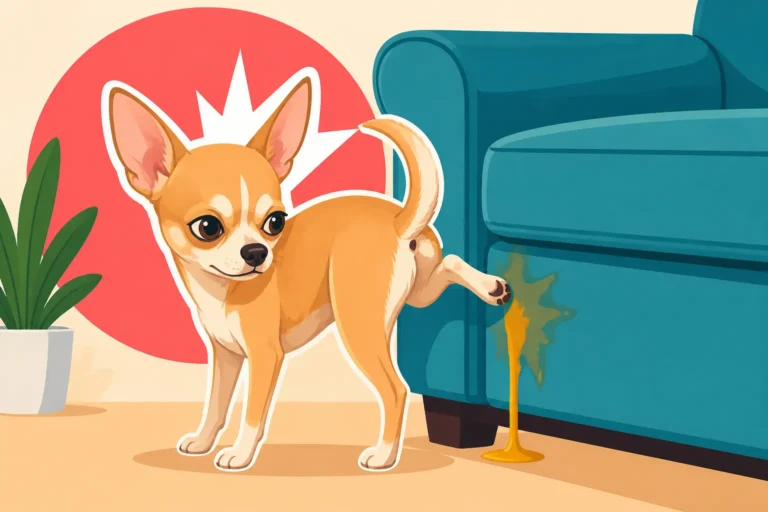
Sometimes, a Chihuahua might seem to purposefully pee in the same spot, or even right in front of you, leading owners to believe it’s an act of "revenge" or stubbornness. It's important to debunk the myth of "revenge peeing." Dogs, including Chihuahuas, don't operate with that kind of complex emotional reasoning. What appears intentional is almost always driven by instinct, anxiety, or a physical need.
For example, repeated accidents in the same spot often indicate that the scent of previous accidents hasn't been thoroughly cleaned, triggering the dog to go there again. For male Chihuahuas, and sometimes even females, urinating in specific spots can be a form of marking behavior, especially if they feel territorial or anxious about new smells or changes in the home. This might be why you notice A Chihuahua Marking the Same Corner. Similarly, accidents that happen when you've left them alone for too long are usually a symptom of genuine separation anxiety, not spite. If your Chihuahua struggles with Chihuahua Separation Anxiety and Time Alone, accidents are a common manifestation of their distress.
Overwhelm and Under-Socialization Leading to Potty Problems
A Chihuahua's small size can make them more prone to feeling overwhelmed by their environment. If a puppy hasn't been properly socialized to various sights, sounds, and outdoor textures during their critical developmental window, they might be genuinely fearful of going potty outside. The rustling leaves, a passing car, or even the feeling of wet grass can be scary enough to cause them to hold it until they're back inside, in a place that feels safe.
Conversely, a Chihuahua might be so distracted by the exciting new smells and sights outside that they forget to actually go. They get so caught up sniffing every blade of grass that they don't focus on the task at hand, only to have an accident once they're back indoors and the excitement wears off. It’s crucial to ensure their outdoor experiences are positive and focused on the task, especially during the early stages of house training outlined in The Chihuahua Puppy Curriculum Month by Month.
Smart Strategies for Successful Chihuahua House Training
Now that we understand the unique challenges posed by a Chihuahua's tiny bladder and sensitive nature, let's dive into actionable strategies. Successful house training is less about scolding and more about consistent management, positive reinforcement, and realistic expectations.
Establishing a Consistent Schedule and Routine
Consistency is truly the cornerstone of house training any dog, but it's absolutely critical for a Chihuahua. Given their small bladder capacity, they thrive on a predictable routine. For a young puppy, this means taking them out every hour or two while they are awake, and immediately after waking up, eating, drinking, and playing. For an adult Chihuahua, you'll still want to aim for potty breaks every three to four hours during the day, and a final trip out right before bed.
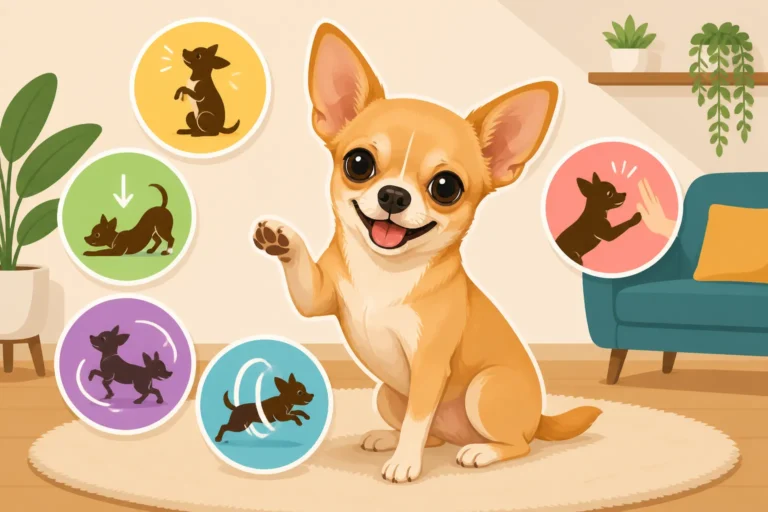
Making these potty breaks part of a ritual helps them understand what's expected. Always take them to the same designated potty spot in your yard or on your walk. This helps them associate that area with relief. When you wake up, the first thing you do is take your Chihuahua outside. After every meal, a trip outside. After a long play session, outside they go. Even if they don't seem like they need to go, take them anyway. This preemptive approach drastically reduces accidents indoors.
The Power of Positive Reinforcement and Rewards
When your Chihuahua does go potty in the right place, make it a huge celebration! Shower them with enthusiastic praise, a happy voice, and immediately offer a high-value treat. The timing here is crucial: the reward needs to happen within seconds of them finishing their business, so they clearly associate the action (peeing/pooping outside) with the positive outcome (treats and praise). This positive reinforcement makes going outside a rewarding and enjoyable experience, making them eager to repeat it.
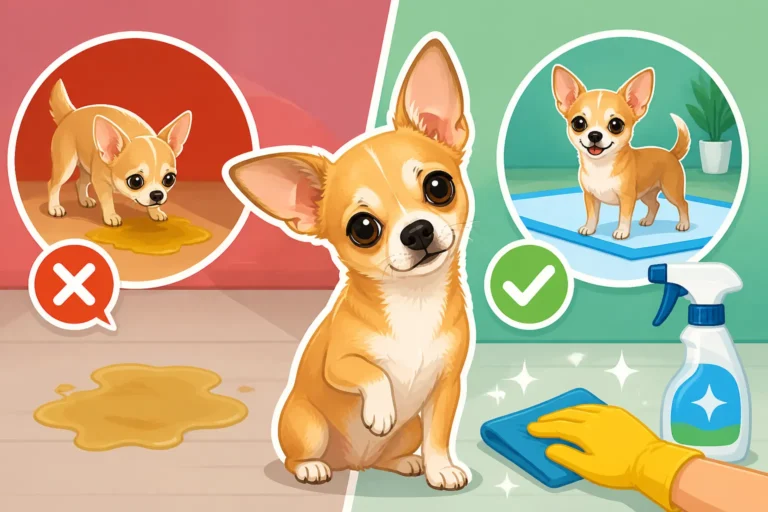
Conversely, avoid punishment for accidents indoors. Scolding, rubbing their nose in it, or physical corrections are counterproductive. They don't teach your Chihuahua where to go; they only teach them to fear you and to hide their accidents, making house training even harder. If you catch them in the act, calmly interrupt them, pick them up, and immediately take them to their designated potty spot. If they finish outside, praise and reward. If you find an accident after the fact, simply clean it thoroughly with an enzymatic cleaner to remove all scent, and mentally note to be more vigilant with your schedule.
Utilizing Tools and Aids for Tiny Bladders
There are several tools that can be incredibly helpful in managing a Chihuahua's tiny bladder and making house training less stressful for both of you.
- Crates: A properly sized crate can be a powerful house training tool. The general principle is that dogs naturally don't want to soil their sleeping area. For a Chihuahua, the crate should be just large enough for them to stand up, turn around, and lie down comfortably, but not so big that they can relieve themselves in one corner and sleep in another. Remember, crates are for short-term containment and safety, not for long-term confinement. They are wonderful for unsupervised moments or for overnight, but you must still adhere to frequent potty breaks. Learn more about Chihuahua Crate Size and Setup to ensure it's used effectively.
- Puppy Pads/Indoor Toilets: For some Chihuahuas, especially those who genuinely despise cold or wet weather, or those living in apartments without easy yard access, puppy pads or indoor grass patches can be a lifesaver. These provide an acceptable indoor alternative. While the goal is usually outdoor potty training, an indoor option can prevent accidents and reduce stress. You can find a wide variety of these on Amazon, from basic disposable pads to more elaborate reusable grass systems. This topic is covered in depth in Puppy Pads Against Outdoor Only for a Chihuahua.
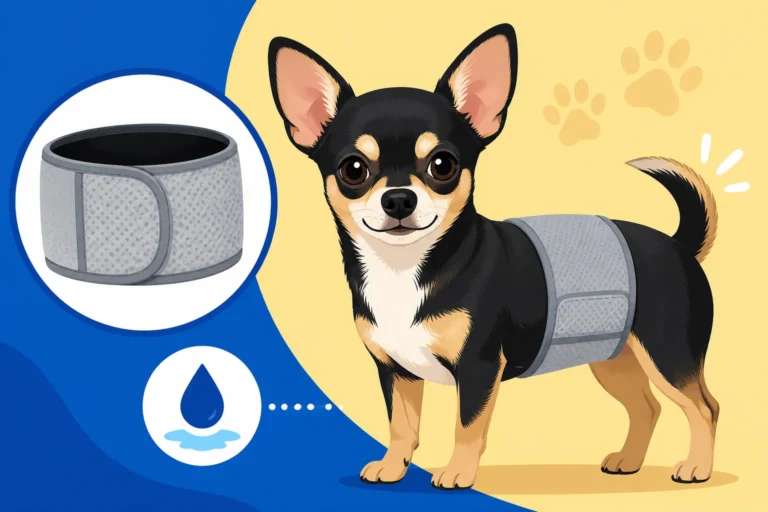
- Belly Bands: For male Chihuahuas prone to marking indoors, a belly band can be an invaluable management tool. This is a fabric wrap that goes around their waist, covering their genitals, and contains a disposable liner. If they lift their leg to mark, the urine is absorbed by the band, preventing damage to your furniture or floors. It's not a training solution in itself, but it can prevent frustrating accidents while you work on other aspects of training. Again, Amazon offers a wide selection of different sizes and styles. You can learn more about their use in Belly Bands for a Marking Chihuahua.
Addressing Specific Challenges in Chihuahua House Training
Even with the best intentions and the most consistent routine, Chihuahuas can present unique house training challenges. It’s important to understand these specific hurdles so you can tackle them with targeted strategies.
Dealing with Cold Weather Aversion
Chihuahuas are not built for cold weather. Their small size, single coat (for smooth coats), and lack of body fat mean they get chilly very quickly. Many absolutely detest rain, snow, or even just cold pavement. This aversion to unpleasant weather is a huge factor in why they might refuse to go potty outside during certain seasons. It’s not stubbornness; it’s genuine discomfort.
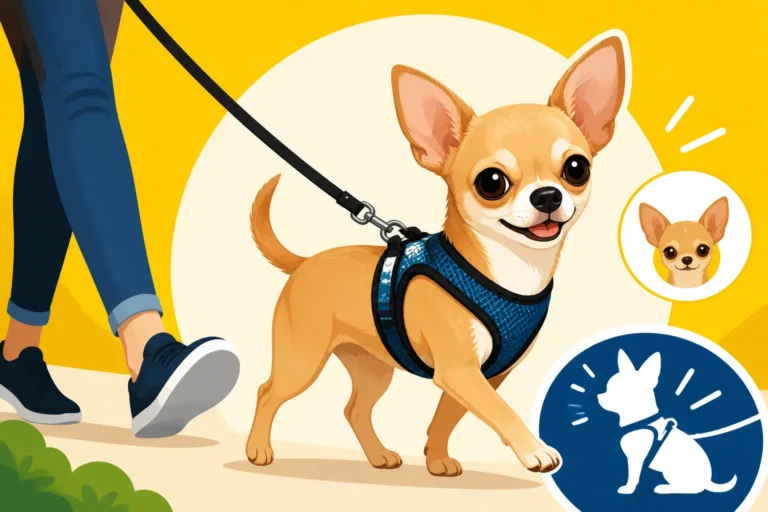
To combat this, you'll need to make outdoor potty breaks as comfortable as possible. Invest in a good quality sweater or coat for your Chihuahua. You can find excellent, tiny-sized options on Amazon that will keep them toasty. For very cold or wet conditions, consider dog boots to protect their sensitive paws from ice, salt, or freezing pavement. If the weather is truly miserable, provide a covered outdoor area if possible, or lean into indoor potty solutions like pee pads or a designated litter box. Remember, the goal is for them to feel safe and comfortable enough to relieve themselves. For more tips on this, refer to Getting a Chihuahua Outside on Snowy Days.
Managing Marking Behavior and Territory
Marking, which is when a dog urinates small amounts in various spots to "claim" territory, is a common problem, especially with intact male Chihuahuas, though spayed females can do it too. It's often triggered by new smells, stress, or the perceived presence of other dogs (even if unseen).
The first step in addressing marking is to ensure your Chihuahua is spayed or neutered. While not a guaranteed cure, it significantly reduces the hormonal drive behind marking. Second, thoroughly clean any marked areas with an enzymatic cleaner to eliminate the scent, which acts as an invitation for them to mark there again. Consistency in outdoor potty training is also key; always take them out frequently, praise and reward when they go outside, and supervise them closely indoors. If you spot them about to mark, interrupt with a sharp, positive sound and redirect them outside. As mentioned earlier, belly bands (for males) can be a temporary solution to protect your home while you work on behavioral modification.
Recognizing and Ruling Out Medical Issues
Before you label your Chihuahua as "stubborn" or "untrainable," it's absolutely crucial to rule out any underlying medical conditions. Many health issues can lead to increased urination, decreased bladder control, or even pain that makes going potty uncomfortable.
Common medical causes for house training regression or difficulty include:
- Urinary Tract Infections (UTIs): These are surprisingly common in Chihuahuas and can cause frequent, painful urination, often in inappropriate places.
- Bladder Stones: Similar to UTIs, bladder stones can cause discomfort, frequent urges, and accidents. Discussed further in Chihuahua Bladder Stones and Diet.
- Kidney Disease: As Chihuahuas age, kidney function can decline, leading to increased thirst and urination.
- Diabetes: Diabetic dogs often drink and urinate excessively.
- Cognitive Decline: Senior Chihuahuas can experience a form of canine dementia that affects their house training, similar to how it impacts Cognitive Decline in an Aging Chihuahua.
If your previously house-trained Chihuahua suddenly starts having accidents, or if a puppy is exceptionally difficult to train despite consistent effort, a trip to the veterinarian is your first port of call. A vet can perform a urinalysis, blood tests, and other diagnostics to identify or rule out medical reasons for the behavior, ensuring your little one gets the care they need.
Setting Your Chihuahua Up for Long-Term Success
House training your Chihuahua is an ongoing journey, not a destination you reach and then forget. Especially with a breed that lives as long as Chihuahuas do, adaptability and continued effort will ensure a happy, accident-free life together.
Continual Reinforcement and Adjusting as They Age
Just like you wouldn't expect a child to learn to read once and never touch a book again, house training requires continual reinforcement. Even well-trained adult Chihuahuas benefit from a consistent routine. Life changes, even small ones, can sometimes trigger temporary regressions. A new piece of furniture, a guest staying over, or a shift in your work schedule can all subtly upset a sensitive Chihuahua. Keep up with praise and occasional treats for outdoor potty success, even for adult dogs.
As your Chihuahua enters their golden years, typically around ages nine to twelve and beyond, their physical capabilities will change. They might not be able to hold their bladder as long, their mobility might decrease, making it harder to get outside quickly, or they might develop age-related health issues that affect bladder control. Be prepared to adjust your schedule, increase potty breaks, and potentially reintroduce tools like indoor potty pads. Patience and understanding are key during this stage, as their needs are simply evolving.
Seeking Professional Help for Stubborn Cases
If you've diligently followed all the advice, ruled out medical issues, and your Chihuahua is still struggling significantly with house training, it might be time to call in the cavalry. A certified professional dog trainer or a veterinary behaviorist can offer tailored strategies and identify subtle behavioral cues you might be missing. They can help distinguish between a purely physical bladder issue, a behavioral problem like anxiety, or even a combination of factors.
Online platforms like BAXTER & Bella offer comprehensive puppy training programs that can guide you through the initial stages and provide support for ongoing challenges. They often include resources for house training and can be particularly helpful for owners seeking structured guidance and community support from the comfort of their home. Sometimes, an objective, experienced eye is all it takes to unlock a breakthrough in training, especially with a complex issue like house training that often feels deeply personal.
Patience, Empathy, and Realistic Expectations
Ultimately, house training a Chihuahua demands a significant amount of patience, empathy, and realistic expectations. They are tiny dogs with tiny bladders, and their needs are different from those of a larger breed. It's a marathon, not a sprint, and there will likely be setbacks along the way. Don't get discouraged by accidents; instead, use them as learning opportunities to refine your routine and increase your vigilance.
Remember that your Chihuahua wants to please you and thrive in their home. Their "accidents" are almost never malicious; they are often a cry for help, a physical limitation, or a result of anxiety. By understanding their unique physiology, implementing consistent training, and being prepared to adapt as they grow and age, you can build a strong, trusting bond with your little companion and ensure a happy, clean home for years to come.
Disclaimer
This article is for general informational purposes only and does not constitute professional advice. Laws, prices and regulations vary by location and change over time. Consult a qualified professional for guidance on your specific situation.