Finding a Trainer Who Takes a Chihuahua Seriously
It’s a frustratingly common scenario: you have a tiny, spirited Chihuahua with some behavioral quirks you want to address, and everywhere you turn, trainers either chuckle, suggest you "just carry him," or worse, offer advice clearly meant for a German Shepherd. Many Chihuahua owners feel dismissed, as if their small dog's needs aren't as valid or complex as a larger breed's. This comprehensive guide is here to empower you, detailing exactly how to find a dog trainer who not only takes your Chihuahua seriously but also understands and respects their unique personality and physical sensitivities, ensuring they get the expert guidance they truly deserve.
The Common Misconception: Why Chihuahuas Get Overlooked in Training
It’s an unfortunate reality that many people, including some dog professionals, don’t fully appreciate the intelligence and capability of a Chihuahua. This often leads to a casual approach to their training, which ultimately does both the dog and the owner a disservice.
"Small Dog Syndrome" as an Excuse
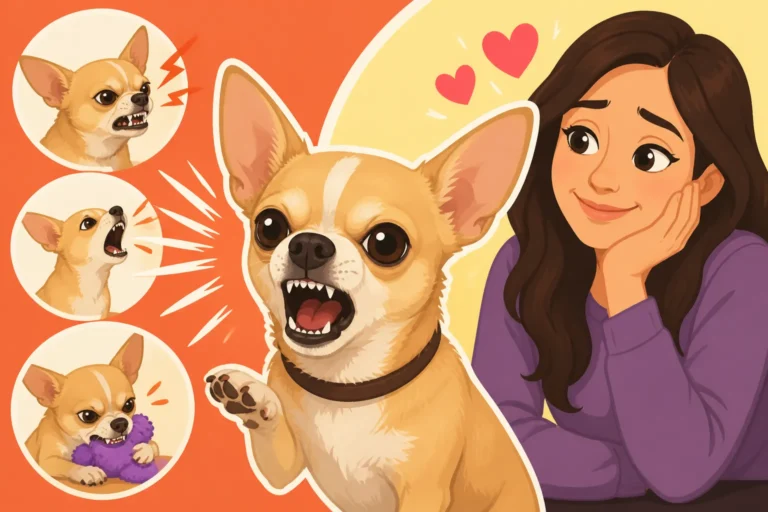
The term "small dog syndrome" gets thrown around a lot, often as a dismissive way to explain away undesirable behaviors in tiny breeds. But here’s the truth: it’s not a genetic condition; it’s a learned behavior, often inadvertently reinforced by owners and, sadly, sometimes even trainers. When a small dog like a Chihuahua growls at a guest, barks incessantly at every passing sound, or nips when uncomfortable, it might be brushed off with an "oh, he's just a Chihuahua, bless his heart!" The same behavior in a Rottweiler would immediately warrant serious intervention. This double standard creates a situation where Chihuahuas are denied proper training and socialization, leading to their behavior problems escalating rather than improving. It’s crucial to understand that Small Dog Syndrome and Why It Is Not Genetic is a direct result of human inaction, not an inherent trait of the breed.
Imagine little Peanut, your five-pound bundle of joy. When Peanut barks at the mail carrier, you might scoop him up, pat his head, and say, "Oh, you brave little protector!" From Peanut's perspective, he's just been rewarded for barking, and he's also learned that he can control your movements with his noise. This cycle continues, and soon Peanut is barking at everything, because, well, it works! A trainer who truly understands Chihuahuas will explain this dynamic and help you change it, rather than excusing it as "just a Chihuahua thing."
The "Lapdog" Label and Its Implications
Chihuahuas are undeniably adorable, cuddly, and perfectly sized for laps. This "lapdog" label, however, can sometimes be detrimental to their overall development. When a dog is primarily seen as an accessory or a living teddy bear, their needs for mental stimulation, physical exercise, and consistent training can be easily overlooked. Owners might be hesitant to let their Chihuahua walk on a leash, preferring to carry them everywhere, which can inadvertently create a dog that is fearful of the ground, other dogs, and novel experiences.
This well-intentioned overprotection can lead to a lack of confidence and resilience. A Chihuahua who never gets to explore the world on their own four paws, or interact appropriately with other dogs and people, can become anxious, insecure, and prone to reactivity. They miss out on the rich sensory experiences that are vital for a well-adjusted dog, regardless of size. A serious trainer recognizes that even a tiny lapdog benefits immensely from structure, boundaries, and engagement, and will help you foster independence and confidence in your little companion.
Lack of Breed-Specific Knowledge Among General Trainers
The vast majority of dog training literature, techniques, and classes are geared towards larger, more robust breeds. Consequently, many trainers simply lack specific experience or understanding of the unique physiological and psychological sensitivities of toy breeds like Chihuahuas. What works for a Labrador might be entirely inappropriate or even harmful for a Chihuahua.
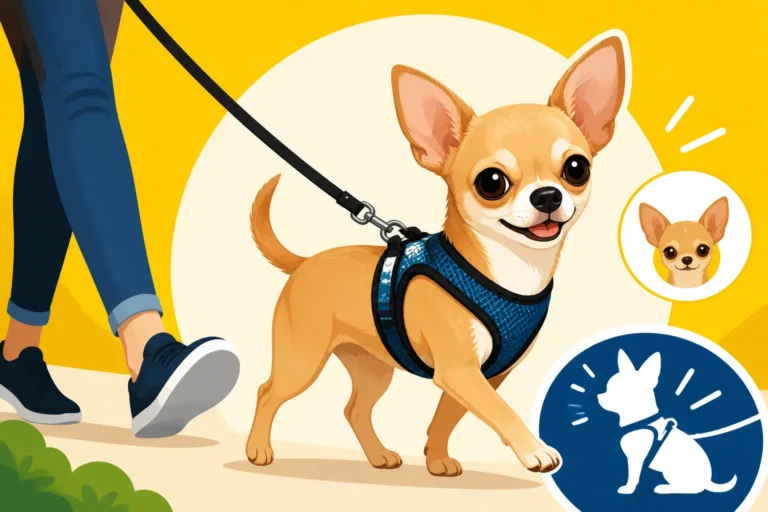
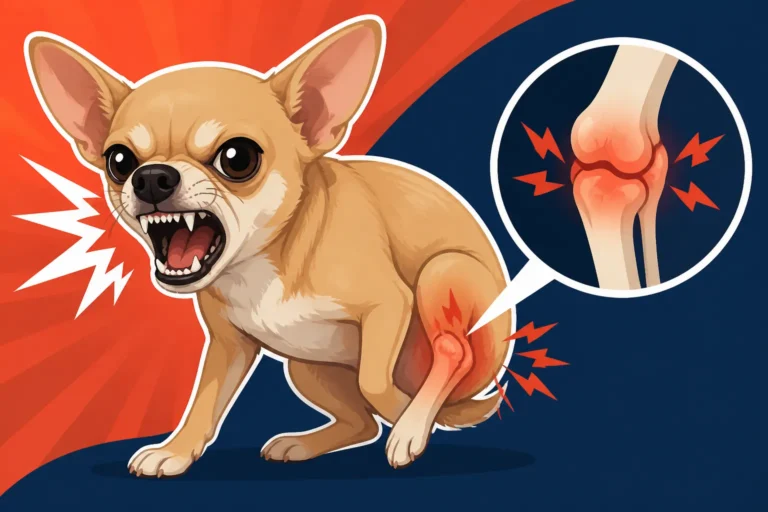
For example, a trainer unfamiliar with Chihuahuas might recommend a traditional flat collar for leash training, unaware that a Chihuahua’s delicate windpipe makes them highly susceptible to conditions like Collapsing Trachea and the Chihuahua Honking Cough. They might not understand the breed's predisposition to Patellar Luxation, the Chihuahua's Commonest Joint Problem, which can affect their ability to perform certain physical commands. Or perhaps they might not grasp the urgency of addressing Chihuahua Hypoglycemia and the Puppy Emergency in a young pup. A good trainer for a Chihuahua needs to be acutely aware of these vulnerabilities and adapt their methods accordingly, advocating for appropriate gear like a Harness Fitting on a Chihuahua Chest over a collar, and adjusting exercise or training intensity to protect delicate joints.
The Repercussions of Untrained Chihuahuas
Ignoring or dismissing a Chihuahua's training needs isn't just about tolerating minor annoyances; it can lead to genuinely problematic behaviors that diminish their quality of life and strain your relationship.
Escalating Behavioral Issues
When basic training and socialization are neglected, seemingly small issues can mushroom into significant behavioral problems. A Chihuahua who is never taught impulse control or how to cope with new stimuli can easily develop severe anxiety or reactivity. You might notice your little one starting to growl or lunge at strangers, other dogs, or even household members. This often stems from fear, with the dog trying to create distance or make perceived threats go away. These behaviors are not cute or quirky; they are distress signals. Fear-Based Reactivity in a Chihuahua is a common issue, where a dog, feeling overwhelmed and unsupported, resorts to barking, snapping, or lunging as a defense mechanism. Without intervention, these reactions become stronger and more ingrained.
Another common problem is Chihuahua Resource Guarding and Snapping. Perhaps your Chihuahua growls when you try to move them from your lap, or snaps if another pet approaches their food bowl or a cherished toy. This might be dismissed as "being protective," but it's a serious form of anxiety where the dog believes it must defend its valued resources. This can create a tense home environment and even lead to bites. Similarly, chronic House Training a Chihuahua With a Tiny Bladder can be an ongoing frustration. Without consistent, species-appropriate house training, Chihuahuas might continue to have accidents indoors for years, making them less welcome in certain areas of the home or when visiting friends.
Strained Owner-Dog Relationships
Living with a dog that constantly barks, has accidents, or displays aggressive behavior can be incredibly stressful and isolating. Owners might start to feel resentful or embarrassed, which can lead to a breakdown in the bond they share with their Chihuahua. Instead of being a joyful companion, the dog becomes a source of anxiety. This often results in owners inadvertently withdrawing from their dog, limiting their interactions, or avoiding situations that trigger the unwanted behaviors.
For instance, an owner dealing with a reactive Chihuahua might stop taking them on walks, depriving the dog of essential exercise and mental enrichment. Or, out of frustration with constant nipping, they might resort to carrying their Chihuahua almost everywhere, unwittingly making the problem worse by preventing the dog from building confidence and learning to navigate the world on their own. As we discuss in Chihuahua Handling and Why Carrying Backfires, this constant elevation can exacerbate fear and create a dog overly reliant on their human, rather than an independent, confident companion.
Safety Concerns for the Chihuahua Itself
An untrained Chihuahua can be at a greater risk of accidental injury or even death. A lack of reliable recall could mean a terrifying moment if your tiny friend slips their leash and bolts into a busy street or towards an aggressive dog. Because of their small size, Chihuahuas are incredibly vulnerable to external threats. A dog that doesn't come when called, or lacks basic impulse control, is simply not safe off-leash in any but the most secure environments. In fact, for a toy breed, it's often wise to assume they should never be off-leash outdoors, as discussed in Why a Chihuahua Should Not Be Off Leash Outdoors, given the dangers from predators like hawks or even larger, uncontrolled dogs.
Beyond immediate threats, a dog that consistently displays fear-based aggression or extreme anxiety might become a bite risk, leading to difficult decisions for the owner and potentially legal ramifications. The emotional and physical well-being of a Chihuahua depends heavily on their human providing consistent guidance and protection, which starts with effective training from a serious, understanding professional.
Identifying a Qualified and Chihuahua-Friendly Trainer
Finding the right trainer is paramount. It’s not just about finding any trainer, but one who genuinely respects the unique needs of a toy breed and employs ethical, effective methods.
Certifications and Continuing Education
When searching for a dog trainer, look for individuals who hold recognized professional certifications. These certifications demonstrate a commitment to ethical practices, up-to-date knowledge in canine behavior, and a dedication to continuing education. Some prominent certifications include:
- CPDT-KA (Certified Professional Dog Trainer – Knowledge Assessed): This signifies that the trainer has passed an extensive exam covering animal learning, instruction skills, ethology, and equipment.
- KPA-CTP (Karen Pryor Academy Certified Training Partner): These trainers specialize in clicker training and positive reinforcement, focusing on clear communication and building strong foundational skills without force.
- Fear Free Certified Professional: A Fear Free certification indicates a commitment to reducing fear, anxiety, and stress in animals, particularly important for sensitive breeds like Chihuahuas.
These certifications aren't just fancy letters; they assure you that the trainer has a solid theoretical and practical foundation in positive, force-free training methods. Avoid trainers who lack certifications or whose primary credentials come from unverified online courses without practical assessment. A truly professional trainer will be transparent about their education and always be seeking to learn more. Many online platforms like BAXTER & Bella also provide structured, comprehensive guidance for owners, often developed by certified professionals, to help bridge knowledge gaps and support continuous learning at home.
Experience with Toy Breeds and Chihuahuas
This is a non-negotiable. It's not enough for a trainer to be generally good with dogs; they need to have specific, successful experience working with toy breeds, and ideally, Chihuahuas themselves. Ask direct questions:
- "What experience do you have with Chihuahuas or other toy breeds?"
- "What unique considerations do you take into account when training a small dog compared to a large one?"
- "How do you adapt your training exercises for a dog under 10 pounds?"
A trainer who has worked extensively with Chihuahuas will understand their physical vulnerabilities, such as the delicate trachea or the common occurrence of a The Chihuahua Molera and What a Soft Spot Means in puppies. They will know that a sudden, sharp tug on a leash can cause serious injury to a Chihuahua's neck and will advocate for appropriate equipment. They'll also be aware of their sometimes-sassy, often-brave personalities, and tailor their approach to nurture confidence without resorting to harsh corrections that can easily backfire on a sensitive breed. You want someone who sees beyond the tiny package to the intelligent, capable dog within.
Emphasis on Positive Reinforcement and Body Language
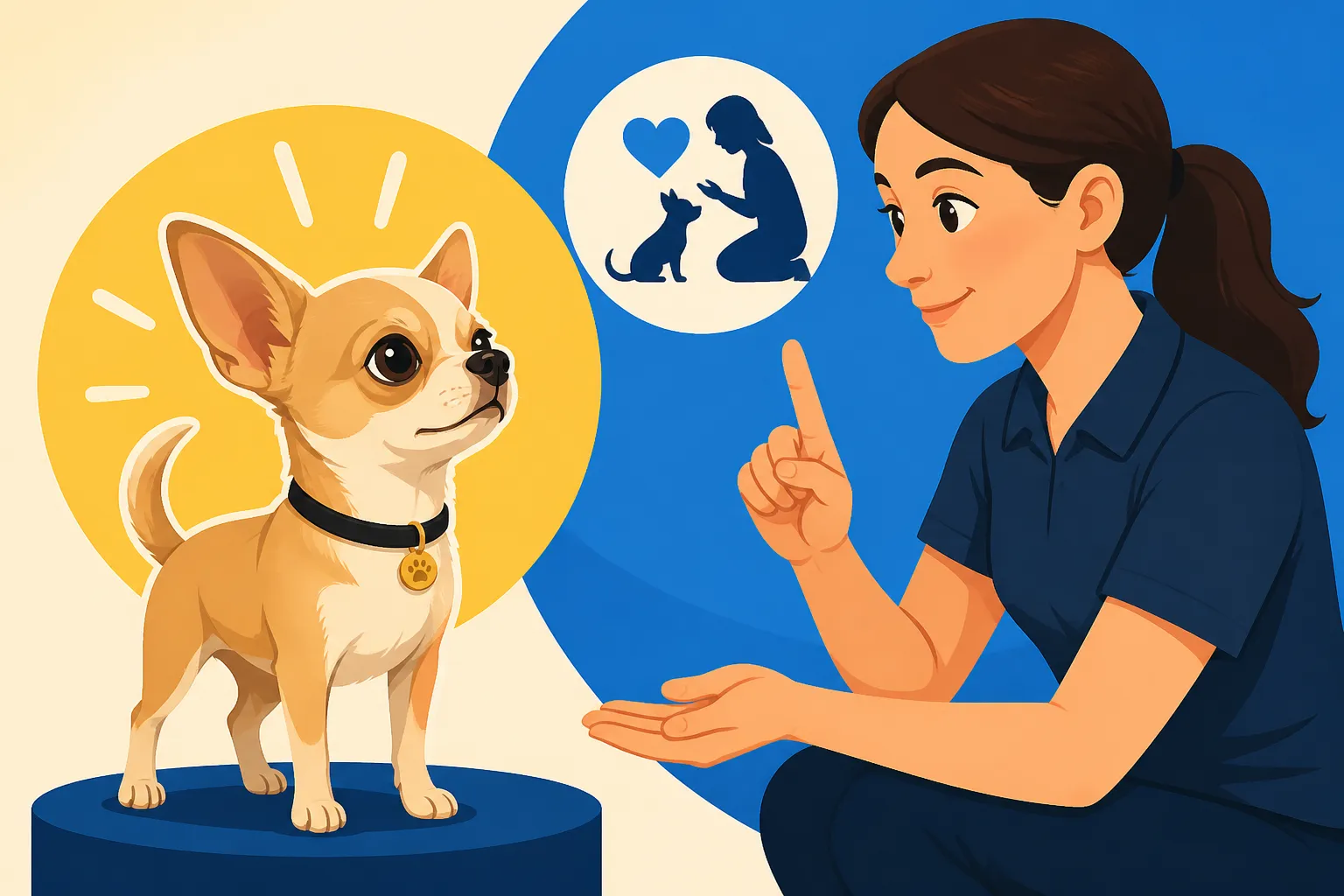
For Chihuahuas, positive reinforcement is not just a preference; it’s essential. Their small size makes them particularly vulnerable to physical punishment, which can easily lead to injury, severe fear, and aggressive responses. A qualified trainer will exclusively use reward-based methods, focusing on teaching your dog what to do, rather than punishing them for what you don't want.
A great trainer will also teach you how to read your Chihuahua's subtle body language. Chihuahuas, like all dogs, communicate constantly, but their signals can be very nuanced. Learning to recognize a Reading a Chihuahua's Whale Eye or a tucked tail (Reading a Chihuahua With Its Tail Tucked) can help you intervene before your dog feels the need to escalate to a growl or a snap. They will guide you to understand when your dog is feeling stressed, fearful, or overstimulated, allowing you to advocate for them and prevent problematic situations. They will never use tools or methods that rely on fear, pain, or intimidation, as these can permanently damage a Chihuahua's trust and psychological well-being.
Individualized Approach vs. One-Size-Fits-All
A Chihuahua is not a scaled-down Labrador. They have distinct physical attributes, energy levels, and common breed characteristics that require a tailored approach. A serious trainer will recognize this and offer individualized training plans, rather than trying to fit your Chihuahua into a generic class designed for all breeds and sizes.
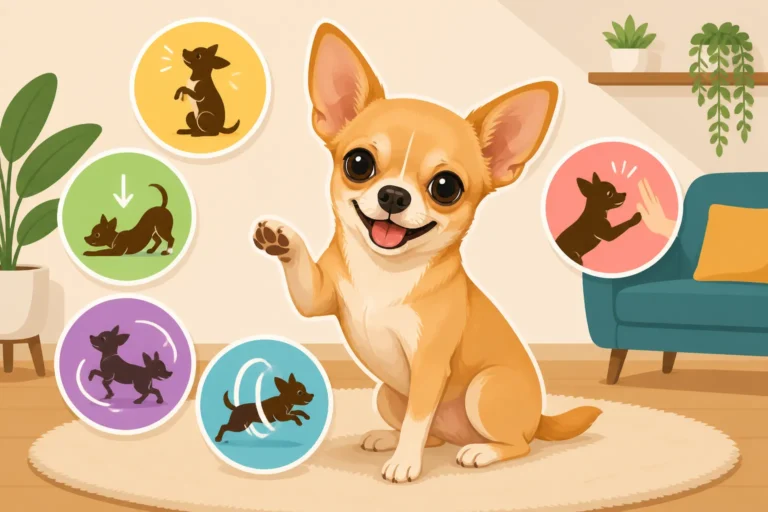
This might mean recommending private lessons initially, or suggesting a specialized "small dog only" group class if available, where the exercises and environment are safe and appropriate. They should be able to explain how they will modify exercises, use different types of rewards (tiny, high-value treats are a must for Chihuahuas!), and adjust the pace of training to suit your dog's unique personality and physical capabilities. As we discuss in Why a Chihuahua Deserves Real Obedience Training, a Chihuahua is capable of learning complex commands, but the method of teaching might need slight adjustments for their size and sensitivity.
Where to Begin Your Search and Vetting Process
Finding the right trainer can feel like a daunting task, but with a clear strategy, you can narrow down your options and find a professional who is a true asset to you and your Chihuahua.
Online Directories and Professional Associations
Start your search with online directories of professional dog training organizations. These resources often list certified trainers by location and allow you to filter by specialties. Some excellent places to start include:
- The Certification Council for Professional Dog Trainers (CCPDT): Their "Find a Trainer" tool allows you to search for CPDT-KA or CPDT-KSA certified trainers in your area.
- The Pet Professional Guild (PPG): This organization is dedicated to force-free training and behavior modification. Their directory lists members who adhere to a strict "no force" philosophy.
- The International Association of Animal Behavior Consultants (IAABC): For more complex or severe behavioral issues, an IAABC certified behavior consultant might be a better fit. Many offer both training and behavior modification services.
When browsing these directories, pay close attention to trainer profiles. Look for mentions of experience with small breeds, toy breeds, or specific notes about Chihuahuas. Many trainers list their areas of expertise, and you can often find clues about their philosophy and approach.
Veterinary Referrals and Local Pet Stores
Your veterinarian can be an invaluable resource. Vets often work closely with local dog trainers and behaviorists and can recommend professionals they trust, especially those with a good reputation for handling toy breeds carefully. Don't hesitate to ask your vet, "Do you know any trainers who are particularly good with small, sensitive dogs like Chihuahuas?"
Local pet stores, especially those specializing in high-quality pet supplies, sometimes offer group classes or host independent trainers. While these can be a convenient option, it's absolutely critical to vet these trainers carefully. Don't assume that all trainers working out of a pet store are equally qualified or that their methods are appropriate for your Chihuahua. Ask about their certifications, their experience with toy breeds, and observe a class before committing. Also, when looking for training supplies like specialized small treats or puzzle toys, Amazon can be a great resource to find items recommended by your chosen trainer, often with reviews from other small dog owners.
Asking for References and Testimonials
Once you have a shortlist of potential trainers, don't be shy about asking for references. A reputable trainer should be happy to provide contact information for past clients, particularly those who have Chihuahuas or similar small breeds. When you contact these references, ask specific questions:
- "How did the trainer address your Chihuahua's specific challenges?"
- "Did you feel the trainer understood the unique needs of a small dog?"
- "Were their methods gentle and effective?"
- "Did your dog enjoy working with them?"
- "Were you, as the owner, adequately supported and educated?"
In addition to direct references, check online reviews on platforms like Google, Yelp, or social media. Look for testimonials that specifically mention positive experiences with small dogs or Chihuahuas. These insights from other owners can provide a broader picture of a trainer's approach and effectiveness with your specific breed.
What a Serious Chihuahua Training Program Looks Like
When you finally connect with a trainer who "gets" Chihuahuas, you'll find that their program offers a holistic approach designed to build confidence, teach essential skills, and strengthen the bond between you and your tiny companion.
Foundational Obedience and Life Skills
A solid training program for a Chihuahua will start with foundational obedience, just like any other dog, but with careful adjustments for their size and sensitivity. This includes essential cues like "sit," "stay," "come," and "leave it." The trainer will emphasize clear communication using positive reinforcement, often with tiny, high-value treats that are easily consumed by a small mouth and don't overwhelm their calorie budget.
Beyond basic commands, the program should focus on crucial life skills. This includes teaching polite greetings with people and other dogs (when appropriate), loose-leash walking on a well-fitted harness, and comfortable confinement in a crate or playpen. A good trainer will help your Chihuahua learn to navigate the world calmly and confidently, whether that's waiting patiently at the door, walking politely past distractions, or settling quietly in a cafe. They will understand the importance of slowly Building a Chihuahua's Confidence Outdoors and exposing them to various sights and sounds in a positive, controlled manner.
Addressing Specific Behavioral Challenges
A serious trainer will also be equipped to address the specific behavioral challenges that commonly arise in Chihuahuas. This isn't about shaming you for your dog's issues but about providing actionable strategies.
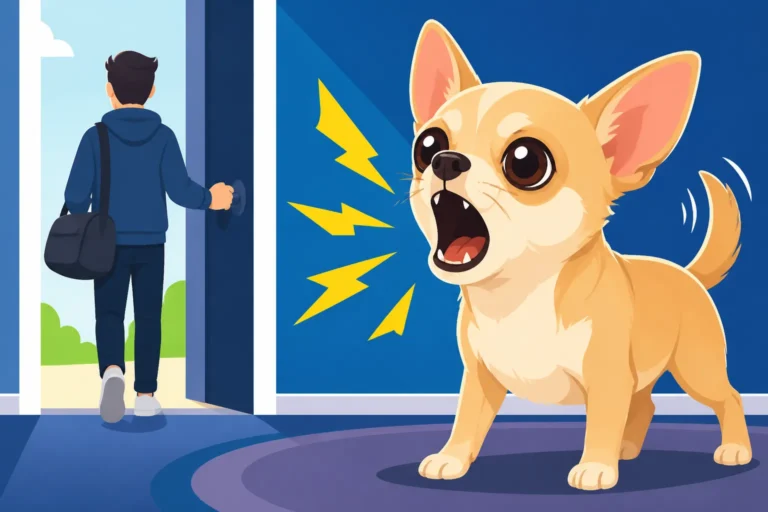
- Barking: If your Chihuahua is prone to excessive barking (e.g., Chihuahua Barking at the Window and the Door or barking at every knock), the trainer will work on teaching alternative, acceptable behaviors, identifying triggers, and implementing management strategies.
- Anxiety: For Chihuahuas suffering from Chihuahua Separation Anxiety and Time Alone or generalized anxiety (like A Chihuahua That Trembles Around Strangers), the trainer will develop a desensitization and counter-conditioning plan, often incorporating calming protocols and confidence-building exercises.
- Reactivity: If your Chihuahua lunges or barks at other dogs or people on walks, the program will focus on modifying these reactive behaviors through positive association and systematic exposure.
These solutions are always tailored to the individual dog, taking into account their unique history, personality, and physical state. It's about empowering your Chihuahua to make better choices and feel more secure in their environment.
Owner Education and Empowerment
Perhaps one of the most valuable aspects of working with a serious dog trainer is the focus on owner education. A truly effective trainer won't just "fix" your dog; they'll teach you how to understand canine behavior, apply training principles, and maintain progress long after the sessions are over. They'll empower you with the knowledge and skills to continue your Chihuahua’s training throughout their long life.
This might involve teaching you about canine body language, learning theory, effective reward systems, and how to troubleshoot future issues. They’ll help you become your Chihuahua's best advocate and teacher. Many trainers also utilize or recommend online platforms for continued learning. For example, BAXTER & Bella provides an online puppy school that can be a fantastic complement to in-person training, offering structured lessons and ongoing support that reinforce the principles taught by your trainer. This partnership ensures that you and your Chihuahua develop a deep, respectful understanding and a lifelong bond based on clear communication and mutual trust.
Common Red Flags to Watch Out For
While seeking a trainer, it's just as important to recognize what to avoid. Some trainers employ outdated or harmful methods that can do more damage than good, especially for a sensitive breed like a Chihuahua.
Guarantees of "Fixing" Behavior
Be extremely wary of any trainer who offers a blanket guarantee to "fix" your dog's behavior, especially complex issues like aggression or severe anxiety. Dog training and behavior modification are not instant fixes; they are processes that require time, consistency, and dedication from both the dog and the owner. Ethical trainers understand that every dog is an individual, and outcomes can vary. They can promise to use the most humane and effective methods, to teach you the skills you need, and to work diligently towards your goals, but they cannot guarantee specific results because they are dealing with living, breathing beings with their own histories and temperaments.
A trainer making such guarantees might be overconfident, inexperienced, or willing to use quick-fix, aversive methods that suppress behavior rather than actually resolving the underlying cause. While a suppressed behavior might appear "fixed" in the short term, it often leads to new, sometimes more severe, issues down the line, as the dog's core anxieties are never addressed.
Use of Aversive Tools or Methods
This is a critical red flag, particularly for Chihuahuas. Avoid any trainer who recommends or uses aversive tools such as prong collars, choke chains, shock collars (e-collars), shake cans, or methods that involve scolding, alpha rolls, physical intimidation, or leash corrections. These methods rely on fear, pain, or discomfort to suppress unwanted behaviors.
For a tiny, delicate Chihuahua, such tools and techniques are not only cruel but incredibly dangerous. A prong collar or choke chain can easily cause severe injury to their fragile necks and windpipes. A shock collar can traumatize a sensitive Chihuahua, leading to increased fear, anxiety, and even aggression. Instead of building trust and confidence, these methods destroy the dog's emotional well-being and can permanently damage your relationship. A truly professional and humane trainer for a Chihuahua will always prioritize positive reinforcement, using treats, praise, and toys to motivate and teach, ensuring your dog learns in a safe and supportive environment.
Dismissing Your Concerns as "Owner Problems"
While an owner's consistency and understanding are vital to training success, a good trainer will never dismiss your concerns or blame you entirely for your dog's behavior. An empathetic and effective trainer acts as a partner and educator, not a judge. They should listen carefully to your struggles, validate your feelings, and explain canine behavior in a way that helps you understand why your Chihuahua is acting a certain way.
If a trainer immediately jumps to conclusions, makes you feel incompetent, or refuses to acknowledge the unique challenges you face with your specific dog, that's a sign to walk away. A collaborative trainer will empower you, offering solutions and guidance, rather than making you feel defeated. They understand that dog ownership is a journey, and they are there to guide you and your Chihuahua every step of the way, with respect and understanding.
Here’s a quick overview of what to look for when choosing a dog trainer:
| Feature | Ideal Trainer | Red Flag Trainer |
|---|---|---|
| Certifications | CPDT-KA, KPA-CTP, Fear Free, IAABC-CDBC | No recognized certifications, vague credentials |
| Methodology | Positive reinforcement, force-free, reward-based | Aversive tools (prong, shock), physical corrections |
| Breed Specifics | Extensive experience with toy breeds/Chihuahuas | Treats Chihuahuas like larger breeds, no small dog exp. |
| Approach | Individualized plans, owner education | One-size-fits-all, trains the dog for you |
| Communication | Empathetic, clear, patient, explains why | Dismissive, blames owner, promises instant fixes |
| Focus | Building confidence, addressing root causes | Suppressing symptoms, fear-based |
This article is for general informational purposes only and does not constitute professional advice. Laws, prices and regulations vary by location and change over time. Consult a qualified professional for guidance on your specific situation.