Taking a Chew From a Chihuahua Safely
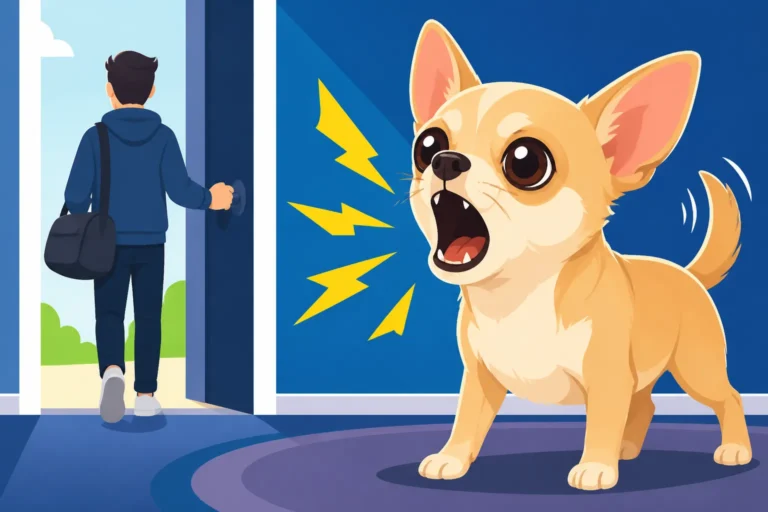
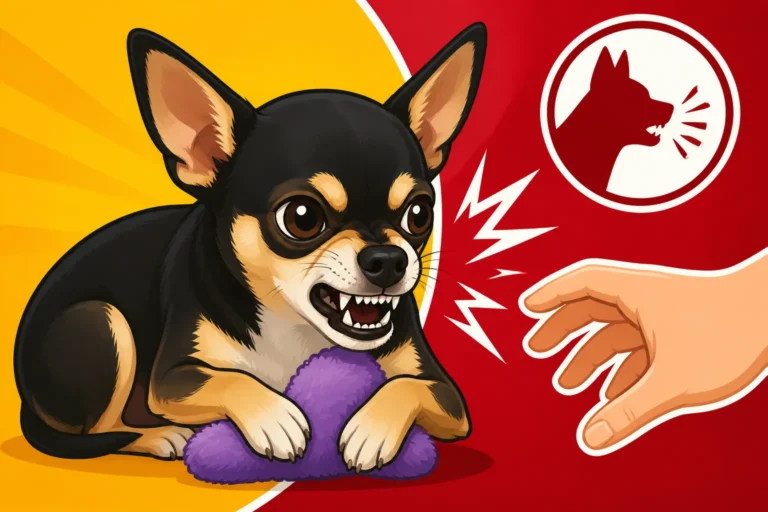
It's incredibly frustrating, and honestly, a little alarming, when your tiny Chihuahua, who normally showers you with affection, suddenly stiffens, growls, or even snaps when you try to take a chew or a beloved toy away. You might wonder where your sweet little dog went, and how something so small can suddenly feel so intimidating. The truth is, resource guarding is a deeply ingrained instinct, not a sign of a "bad" dog, and learning how to safely manage it is crucial for a harmonious household and preventing serious bites. This guide will walk you through understanding this behavior, preventing it, and safely intervening when your Chihuahua guards a cherished item.
Understanding Why Chihuahuas Guard Their Treasures
Before we can address resource guarding, we need to truly understand it. It's not about defiance or being "naughty." It's a survival mechanism, amplified in a small dog who might feel more vulnerable.
The Instinct Behind Resource Guarding
Imagine you're trying to protect something vital to your well-being – your last meal, your cozy shelter. That's essentially what your Chihuahua is doing when they guard a chew or toy. This behavior stems from an ancient instinct to protect valuable resources from perceived threats. In the wild, dogs that successfully guarded their food and dens were more likely to survive and pass on their genes. While your Chihuahua lives a pampered life, those primal instincts are still very much alive.
For a Chihuahua, an item like a delicious bully stick, a favorite squeaky toy, or even a coveted spot on your lap can be seen as a "high-value" resource. When you approach to take it, from their perspective, you're a competitor trying to steal it. This triggers a defensive response. It's not a personal affront; it's a deep-seated instinct. We, as their human companions, often inadvertently reinforce this by trying to snatch things away, proving their suspicion right. It's a pattern that's easy to fall into, especially when dealing with a tiny, sometimes demanding, personality. Understanding this instinct helps us move past frustration and into effective training. If you want to dive deeper into what your dog is trying to communicate, reading What a Chihuahua Growl Is Actually Telling You can be incredibly insightful.
When a Chihuahua's Small Size Amplifies the Behavior
While any dog breed can exhibit resource guarding, a Chihuahua's diminutive size can sometimes make the behavior seem more intense or, ironically, more dangerous due to misinterpretation. A large dog growling might make you back off immediately, but a tiny Chihuahua might be dismissed, leading to persistent attempts to take the item and escalating the dog's response. Because they are so small, Chihuahuas can often feel particularly vulnerable, and this vulnerability can heighten their perceived need to protect. They can't physically overpower you, so their primary defense mechanisms become vocalizations (growling, barking) and, if pushed, snapping or biting.
This fear-based reaction is a critical component. A Chihuahua might guard because they genuinely believe they need to defend themselves and their precious item against a much larger, more powerful being – you. It's less about dominance and more about anxiety and self-preservation. This vulnerability can lead to other fear-based behaviors too; it’s worth exploring Fear Reactivity as the Top Chihuahua Complaint to understand the broader context of anxiety in the breed. When a Chihuahua feels small and easily threatened, they are more likely to escalate their defenses rapidly.
Common Triggers for Guarding Behavior
Resource guarding isn't always about a fancy new chew. It can manifest in many forms and over various items. The most common triggers include:
- Food bowls: This is classic, especially with regular kibble, but even more so with special meals or new treats.
- High-value chews: Think long-lasting chews like bully sticks, dental chews, or bones. These are often the most common culprits because they are so desirable and take a long time to consume.
- Favorite toys: A specific squeaky toy, a plush friend, or a ball can become a guarded treasure.
- Sleeping spots: Their bed, a specific blanket, or even a spot on the sofa can be guarded.
- People or laps: Yes, Chihuahuas can guard their favorite person or a specific lap, growling at others who approach. This is often termed "person guarding."
Understanding what your Chihuahua guards is the first step in managing and preventing the behavior. Pay close attention to what items or situations consistently trigger a defensive response. Is it only when they have a specific type of chew? Is it only when they are on the couch? Pinpointing these triggers will help you set up specific training exercises and management strategies. Our article on Chihuahua Food and Toy Guarding offers more specific scenarios to watch out for.
Preventing Resource Guarding Before It Starts (or Gets Worse)
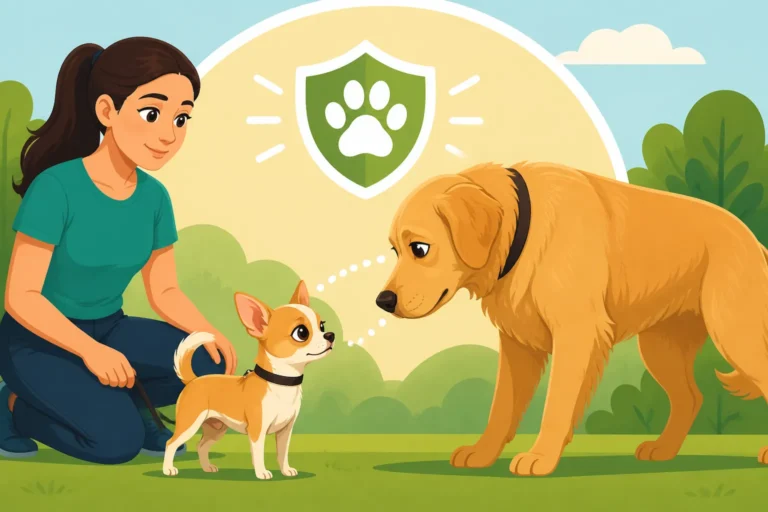
The best defense against resource guarding is a good offense: proactive prevention and positive reinforcement from day one. It's about teaching your Chihuahua that your approach means good things, not threats.
The Golden Rule: Teach "Trade and Exchange"
The single most effective strategy for preventing and managing resource guarding is to teach your Chihuahua that giving something up always leads to something better. This is called "trade and exchange." You want to create a positive association with letting go of an item.
Start by having incredibly high-value treats on hand – think tiny pieces of cooked chicken, cheese, or hot dogs. When your Chihuahua has a low-value toy or chew (something they like but aren't obsessed with), approach calmly and offer the high-value treat. As they take the treat, gently take the toy. Immediately give the toy back (if appropriate) or offer another treat. Repeat this many times. The goal is for them to happily give up the item, knowing a superior reward is coming. You're building trust and teaching them that your hands are a source of good things, not thievery. This isn't just a trick; it's a fundamental shift in their perception of you approaching their possessions. For young puppies, this can even be part of solving Chihuahua Puppy Biting at Fingers by redirecting to appropriate chews and rewarding dropping them.
Positive Association with Your Approach
Beyond direct trading, you need to build a general positive association with your presence when they have something valuable. Don't just swoop in and grab. Instead, become the bringer of good things.
While your Chihuahua is enjoying a chew, casually walk by and drop an even tastier treat near them. Don't try to take the chew. Just drop and walk away. Do this repeatedly over days and weeks. Your Chihuahua will learn that your approach isn't about taking, but about adding value. They'll start to associate your hand coming near them while they have a chew with delicious surprises. This desensitization process is vital for building trust. When you constantly reinforce that your presence around their possessions means more good things, you gradually erode their need to defend. This gentle, consistent approach is key; Why Harsh Handling Damages a Chihuahua Fast shows why force is never the answer for a small, sensitive dog.
Structured Feeding and Chew Times
Managing the environment plays a huge role in preventing resource guarding. Avoid leaving high-value chews or bowls of food out indefinitely, especially if your Chihuahua has shown any inclination to guard.
Consider using specific designated areas for chews and meals. Perhaps they get their special chew in their crate, or on a specific mat where they know they won't be bothered. This creates predictability. When the chew is given, everyone knows it's "chew time," and when it's put away, it's done. This reduces ambiguity and the need for your dog to defend it constantly. If you have multiple pets, feed and offer chews in separate rooms to prevent any competition. For smaller items like kibble, feed meals at set times rather than free-feeding. This reinforces that you control the food source. You might find a fantastic selection of puzzle toys or chew holders on Amazon that make managed chew time a breeze, keeping the chew stable and signaling to your dog that this is their dedicated chew station.
Puppy Foundations: Start Early
The easiest time to prevent resource guarding is during puppyhood. Introduce these concepts from the very beginning.
When your Chihuahua puppy is playing with a toy, occasionally trade it for a small, yummy treat. Praise them enthusiastically. Handle their food bowl while they're eating – drop a special treat into it as you walk by, teaching them that your hand near their food means more food, not less. Get them comfortable with gentle handling of their mouth and paws, which also helps with future vet visits and grooming. Early socialization and positive experiences are foundational. Our The First Year Mistakes Chihuahua Owners Make post delves into other critical early training for a well-adjusted adult. Consistency with these positive interactions during their formative months will significantly reduce the likelihood of resource guarding becoming a problem later on.
Safely Intervening When Your Chihuahua Is Guarding
Sometimes, despite your best efforts, you'll encounter a situation where your Chihuahua is actively guarding an item, and you need to get it back. This requires a calm, strategic approach to ensure both your safety and your dog's trust.
Assessing the Situation and Prioritizing Safety
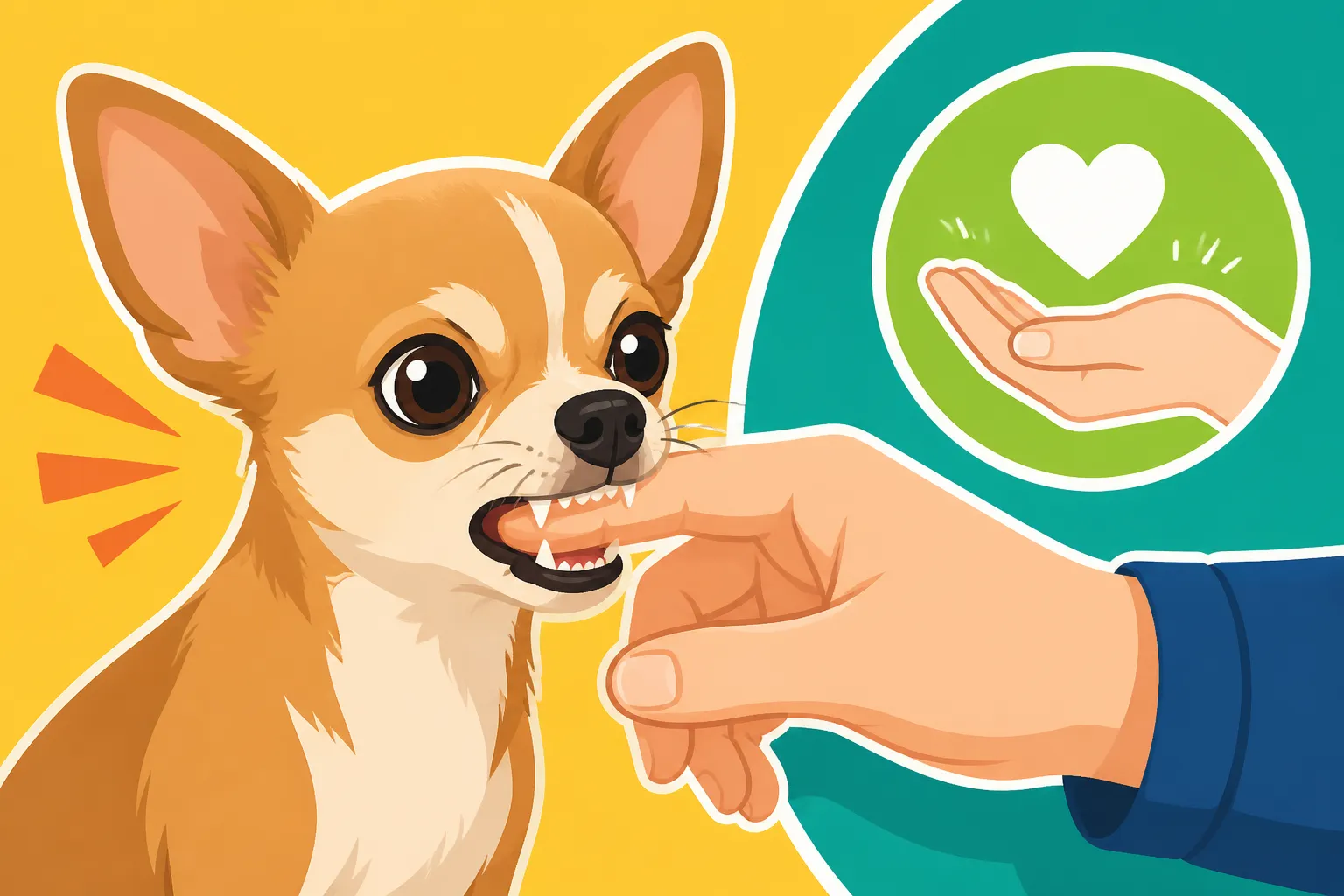
The absolute first step is to assess the level of guarding and prioritize safety. Is your Chihuahua simply stiffening, or are they growling, showing teeth, or snapping? The more intense the behavior, the more cautiously you need to proceed. Never, ever put your hands directly into a guarding Chihuahua's mouth or try to physically pry something away. This is the quickest way to get bitten and to completely destroy any trust you've built.
Look for classic signs of distress and potential escalation: a stiff body, a low growl, "whale eye" (where you can see the whites of their eyes), ears pinned back, or a tense mouth. Recognizing Reading a Chihuahua's Whale Eye is crucial, as it's a clear signal of discomfort and impending action. If your dog is in full guarding mode, creating distance is your immediate goal. Don't escalate the confrontation. Your priority is to get them to release the item without anyone getting hurt.
The Art of the Emergency Trade-Off
When your Chihuahua is actively guarding something you need back immediately (perhaps something dangerous they shouldn't have), the "trade and exchange" principle becomes your emergency intervention.
Have something irresistible ready. Think a whole slice of deli meat, a dollop of peanut butter on a spoon, or a handful of their absolute favorite soft treats. Present this highly desirable item away from the guarded object, ideally leading them a few steps away. When they move to take the trade, quickly and calmly pick up the guarded item. Do not punish them or scold them for guarding. Your goal is simply to exchange the item safely. If they have something truly dangerous, like medication or a sharp object, don't hesitate to toss the high-value treat away from them to create distance, then quickly secure the dangerous item. This trade-off should be practiced regularly in low-stakes situations so it becomes a familiar, positive experience for your Chihuahua.
Avoiding Direct Confrontation
The biggest mistake you can make when your Chihuahua is guarding is to confront them directly. This includes:
- Reaching in to snatch: This triggers their defensive instincts and teaches them that your hands are a threat.
- Scolding or punishing: Punishment only teaches them to guard more covertly or to escalate their aggression because they associate your presence with negative consequences. They might learn to swallow dangerous items quickly or guard even more ferociously next time.
- Hovering over them: Your body language can be intimidating. Approach calmly and from the side, not directly from above.
Instead of confrontation, use distraction and positive reinforcement. If the item isn't dangerous, sometimes it's best to simply leave them alone and let them finish with it. You can then work on prevention strategies for next time. Remember, the goal is to teach them to willingly give things up, not to force them. This builds a foundation of trust. If you want to encourage more positive interactions and allow your Chihuahua to initiate contact, reading Letting a Chihuahua Choose to Approach can offer valuable insights.
Long-Term Strategies and Professional Assistance
Managing resource guarding is an ongoing process, not a one-time fix. It requires consistency, patience, and sometimes, the help of a professional.
Building Trust and Predictability
At the heart of resolving resource guarding is building an unshakeable bond of trust with your Chihuahua. This means being predictable, fair, and consistently positive in your interactions.
Establish clear routines for feeding, play, and chew times. This reduces anxiety and the feeling that resources are scarce or unpredictable. Always use your positive trade-and-exchange method. Regularly practice "drop it" and "leave it" cues with various items, starting with low-value toys and gradually increasing the difficulty. Make these training sessions short and fun – just Three Minute Training Sessions With a Chihuahua can make a huge difference. Reward generously when they comply. The more your Chihuahua trusts that you are not a threat to their possessions and that good things happen when they cooperate, the less they will feel the need to guard. This long-term commitment to positive reinforcement transforms their perception of you. Online training programs, like those offered by BAXTER & Bella, can provide structured guidance and video tutorials for teaching "drop it" and "leave it" effectively, giving you the tools to practice regularly.
When to Call a Professional
While many mild cases of resource guarding can be managed with consistent positive reinforcement and management, there are times when professional help is absolutely necessary.
You should seek a certified professional dog trainer or a veterinary behaviorist if:
- Your Chihuahua's guarding behavior is severe (e.g., intense growling, lunging, biting).
- The behavior is escalating or becoming more frequent.
- You feel unsafe managing the situation on your own.
- There's a history of bites, even minor ones.
- You have children in the home, as resource guarding poses a significant risk.
A professional can accurately assess the root cause of the behavior, create a tailored training plan, and teach you advanced techniques safely. They can also rule out any underlying medical conditions that might be contributing to increased anxiety or irritability. Always ensure you are Vetting a Trainer Before You Book a Chihuahua to find someone qualified and experienced in positive, force-free methods. A professional's guidance can be invaluable for ensuring long-term success and safety.
Tools and Management for Guarding Behavior
Beyond training, effective management tools can make a big difference in preventing guarding situations.
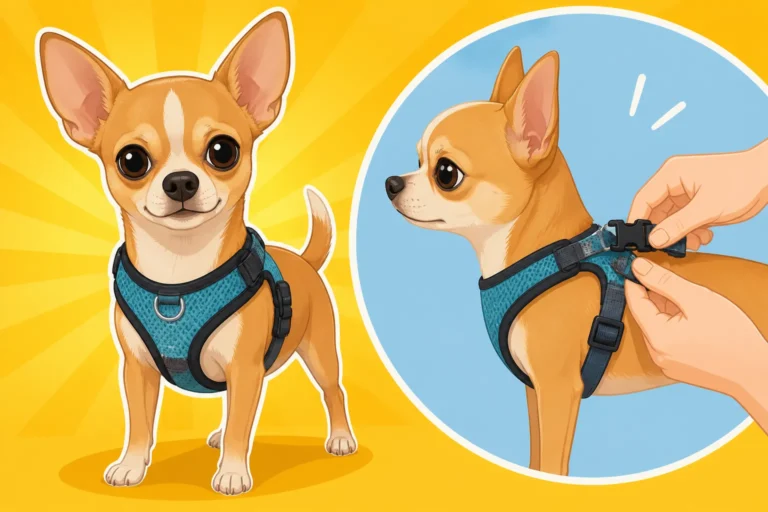
Consider designated chew areas: a crate, a playpen, or a specific dog bed where your Chihuahua can enjoy their high-value chews without interruption. This is especially helpful if you have children or other pets. Durable, safe chew toys are important to ensure they last a while and don't break into small, swallowable pieces that could become a greater guarding trigger due to scarcity. When you need to restock on those high-value training treats or find a new durable chew toy, a quick browse on Amazon can offer plenty of options designed for small breeds. For dogs that guard food bowls, consider a slow feeder bowl to prolong mealtime enjoyment, or feed them in a separate room. Finally, belly bands can be useful for male Chihuahuas who mark territory, but they don't solve the underlying behavior that might also be tied to guarding spaces.
Remember this journey is about patience and understanding. Your Chihuahua isn't being malicious; they're acting on instinct. By approaching resource guarding with empathy, consistent positive reinforcement, and smart management, you can build a more trusting relationship and ensure a safe, happy home for everyone.
Disclaimer
This article is for general informational purposes only and does not constitute professional advice. Laws, prices and regulations vary by location and change over time. Consult a qualified professional for guidance on your specific situation.