Puppy Pads Against Outdoor Only for a Chihuahua
One of the biggest hurdles new Chihuahua owners face, right up there with deciphering their tiny dog's communication, is the dreaded potty training dilemma. It’s easy to feel overwhelmed wondering if you should commit to outdoor-only potty breaks or rely on puppy pads, especially when your little companion seems to need to go every ten minutes. This guide is here to walk you through the pros and cons of both approaches, offering realistic advice for house training your pint-sized pal.
The Unique Challenges of Potty Training a Chihuahua
Let's be honest, potty training a Chihuahua isn't quite the same as house-training a Golden Retriever. Their small stature and delicate nature present a unique set of circumstances that can make the process feel like an uphill battle. It's not about them being stubborn or unintelligent; it's simply a matter of biology and their physical experience of the world.
Tiny Bladders and Frequent Urination
This is probably the most fundamental truth about Chihuahua potty training: they have incredibly small bladders. Think about it – a dog that might only weigh four or five pounds simply doesn't have the internal capacity to hold urine for long periods. This isn't a flaw; it's just a fact of their anatomy. For a young puppy, this means they might need to relieve themselves every 30 to 60 minutes when they're awake and active. They’ll usually need to go right after waking up, after playing, after eating or drinking, and before bed. Expecting them to hold it for hours on end, especially in the first few months, is simply unrealistic and sets both of you up for frustration. Many owners find themselves asking How Long a Chihuahua Can Hold Its Bladder, and the answer, especially for puppies, is often "not long at all!"
Even adult Chihuahuas, while they can hold it for longer, still have limits. A five-pound dog isn't going to comfortably make it through an eight-hour workday without a break, especially if they've been hydrating normally. For us humans, it can feel like a constant vigilance, always watching for those tell-tale circling or sniffing signs that mean another trip is imminent.
Weather Woes and Small Dog Sensitivities
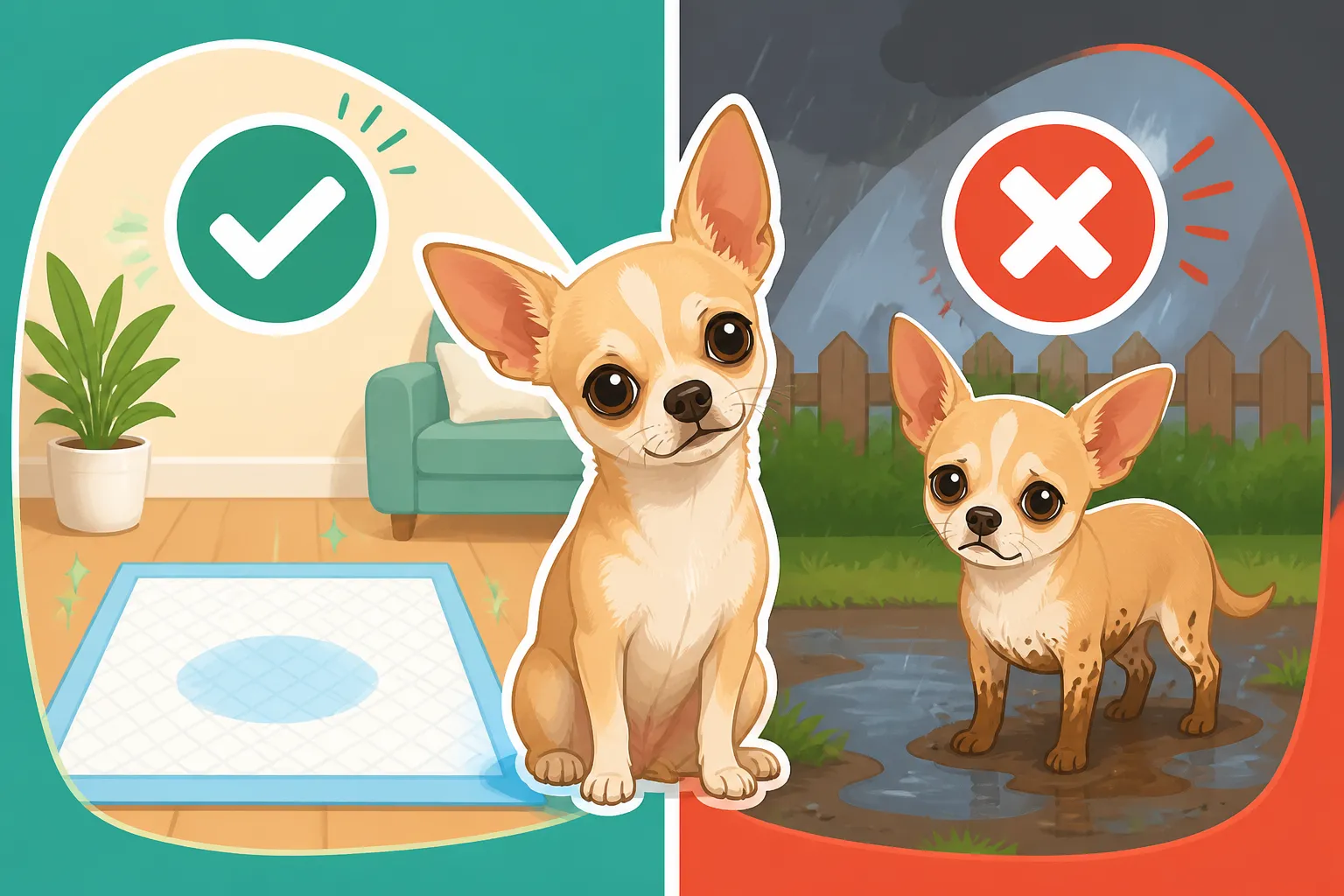
Imagine stepping barefoot into a foot of snow or a torrential downpour when you weigh as little as a Chihuahua. It’s not a pleasant thought, is it? Chihuahuas, with their minimal body fat and sometimes sparse coats, are incredibly susceptible to cold and wet weather. A chilly breeze can send shivers through their tiny frame, and a cold, wet patch of grass can feel like an icy shock. This often leads to a strong reluctance to venture outside when the weather isn't cooperating.
Many owners experience their Chihuahua putting on the brakes at the door, refusing to step off a covered porch, or even doing a quick "pop a squat and run back inside" routine the second their paws touch damp ground. This isn't naughtiness; it's self-preservation. They get cold fast, and they know it. Owners in colder climates especially struggle with Getting a Chihuahua Outside on Snowy Days or Chihuahua House Training in Cold Weather, and it's a completely valid frustration. You want them to go outside, but you don't want them to be miserable or, worse, get sick.
Consistency is Key, But Life Happens
At the heart of all successful potty training, regardless of breed, is consistency. Taking your dog out at regular intervals, rewarding them immediately for going in the right spot, and cleaning up accidents thoroughly sends clear signals. However, maintaining that level of consistency can be incredibly challenging in our busy lives. Work schedules, family commitments, unexpected errands – they all conspire against the perfectly timed potty break.
This is especially true for an outdoor-only approach. If you work long hours, or if you live in an apartment on the fifth floor, those frequent trips outside become a logistical nightmare. Even if you're home, sometimes you just need a few minutes to yourself, and the constant "potty dance" from your Chihuahua can feel relentless. It's easy to accidentally create setbacks when consistency lapses, which can lead to a cycle of frustration for both you and your little dog.
The Outdoor-Only Approach: Ideal But Demanding
For many, the dream is a dog that reliably does all its business outdoors. It's cleaner, simpler in theory, and aligns with what we generally expect from our canine companions. Achieving this with a Chihuahua is absolutely possible, but it requires dedication and a good understanding of their specific needs.
The Benefits of Strictly Outdoor Potty Training
When successfully implemented, an outdoor-only routine offers several compelling advantages. First and foremost, it means a cleaner home. No more strategically placed puppy pads or the constant worry about stepping in a puddle. It establishes a clear boundary for your Chihuahua – "all potty business happens outside." This clarity can lead to faster learning and less confusion for your dog in the long run.
Beyond the cleanliness, it encourages your Chihuahua to spend more time outdoors, even if it's just for a few minutes. This exposure to different sights, sounds, and smells is vital for their mental stimulation and can contribute to a more well-rounded, confident dog. Regular outdoor trips, even short ones, reinforce good habits and can improve your Chihuahua's bladder control over time as their body matures and they learn to "hold it" a little longer between breaks. It's also often seen as the most socially acceptable method, especially if you plan to take your Chihuahua to friends' houses or public spaces.
Overcoming the Obstacles to Outdoor-Only Success
Achieving outdoor-only success with a Chihuahua means confronting their unique challenges head-on. The biggest factor is frequency. For a puppy, this means taking them out every 30-60 minutes, without fail. Set alarms, make it a non-negotiable part of your routine, and be prepared for those late-night and early-morning dashes. Many trainers, like those at BAXTER & Bella, emphasize consistent scheduling as the bedrock of potty training. As they get older, you can gradually extend these times, but never push it to the point of an accident. You'll likely find yourself wondering How Many Weeks Chihuahua Potty Training Takes, and the truth is, consistent outdoor training can take several months to truly solidify.
Weather preparedness is also crucial. Invest in quality sweaters, coats, and even little boots for your Chihuahua if you live in an area with cold, wet, or snowy winters. Don't just open the door and expect them to brave the elements; gear them up! Have a designated potty spot in your yard that's somewhat sheltered or easy to access, and always go out with them to provide immediate praise and a high-value treat the second they finish. This instant reward is vital for them to connect the act with the desired location.
If you work outside the home, you'll need a plan. This might involve a trusted dog walker, a pet sitter who comes in midday, or setting up a secure, small outdoor area (like a covered run) that they can access for short periods. Remember, the goal is to prevent accidents inside, as every accident reinforces the wrong behavior. Cleaning Chihuahua Accidents So They Do Not Repeat is essential to remove scent markers that might draw them back to the same spot.
Puppy Pads: A Realistic Compromise or a Crutch?
For many Chihuahua owners, puppy pads are either a saving grace or a source of endless debate. They offer a solution to some of the trickiest aspects of training a tiny dog, but they come with their own set of potential drawbacks.
The Convenience and Pitfalls of Puppy Pads
Let's start with the convenience, because it's undeniable. Puppy pads, easily found on Amazon and at pet stores, offer an immediate indoor solution for when frequent outdoor trips aren't feasible. They're a godsend for young puppies who can't hold it long, for Chihuahuas who absolutely refuse to go out in the rain or snow, or for owners living in high-rise apartments. They can also be incredibly useful for older Chihuahuas who might have age-related bladder control issues, or for those recovering from surgery. The ability to simply place a pad down and let your dog relieve themselves removes a lot of the pressure and urgency.
However, puppy pads can become a crutch rather than a stepping stone. The biggest pitfall is that they teach your Chihuahua that it's okay to relieve themselves inside the house. This can create confusion, especially if you later try to transition to outdoor-only. Your dog might not understand why one specific "rug" is okay to pee on, but all other rugs are not. This confusion often leads to what's known as "paper training" accidents, where your Chihuahua extends their pad privilege to other soft surfaces.
Another issue is hygiene. Even with absorbent pads, there can be odors if not changed frequently. Some Chihuahuas also get into the habit of shredding the pads, turning your clean potty spot into a paper snowstorm. And for male Chihuahuas, once they reach maturity, they may begin to lift a leg, often missing the pad entirely and marking nearby furniture or walls. This can quickly escalate into a territorial marking issue.
Strategies for Effective Puppy Pad Use
If you choose to use puppy pads, or a hybrid approach (which we'll discuss next), strategic implementation is key to minimizing the pitfalls. First, establish a consistent, dedicated "potty pad zone." This should be in a quiet, easily accessible area away from their food, water, and sleeping spot. You want to make it as distinct from the rest of your home as possible.
When your Chihuahua uses the pad, offer immediate praise and a small, high-value treat, just as you would for an outdoor success. This helps them associate the pad with positive outcomes. Change soiled pads promptly to prevent odors and discourage them from seeking a "cleaner" spot elsewhere in the house.
If your long-term goal is outdoor-only, start thinking about a transition plan early. You can begin by gradually moving the pad closer to the door over several days or weeks. Once it's right by the door, try placing it just outside the door. This helps your Chihuahua associate the location of the potty rather than just the surface. You might also consider exploring Litter Box Training a Chihuahua as an alternative, which offers similar indoor convenience but with a more contained system, sometimes preferred by owners of female Chihuahuas who tend to squat. For male Chihuahuas who start marking, belly bands (a type of diaper for dogs) can be a temporary management tool, but they don't solve the underlying training issue. Belly Bands for a Marking Chihuahua can prevent messes but aren't a substitute for consistent training.
Blending Both Worlds: A Hybrid Approach
For many Chihuahua owners, especially those with busy lifestyles or living in areas with extreme weather, a purely black-and-white approach to potty training just isn't realistic. This is where a hybrid approach, combining both indoor and outdoor potty options, truly shines. It’s about finding a balance that works for both you and your little dog, recognizing their unique needs while still aiming for a clean and happy home.
When a Hybrid Method Makes Sense
A hybrid approach is particularly sensible in several common scenarios. If you experience harsh winters or sweltering summers, providing an indoor option prevents discomfort or even danger for your Chihuahua. Imagine trying to force your tiny, shivering dog out into a blizzard or onto scorching pavement. An indoor alternative, like a puppy pad or an indoor grass patch, offers a safe and readily available solution without compromising their health or well-being.
Owners with demanding work schedules or long commutes will also find immense relief in a hybrid system. It's simply not always possible to rush home every few hours for a potty break. Having an indoor option allows your Chihuahua to relieve themselves when needed, preventing accidents and reducing stress for everyone. This can be a game-changer during those crucial puppy months when they need to go out every couple of hours. This supports their learning under the Chihuahua Puppy Curriculum Month by Month.
Furthermore, a hybrid system can be ideal for Chihuahuas who are very young, still building bladder control, or for senior Chihuahuas who may be experiencing age-related incontinence or have limited mobility. For older dogs, running outside every time might be painful or difficult, and a pad offers dignity and ease. Senior Chihuahua Care Past the Age of Twelve often involves adjusting to these kinds of needs.
Implementing a Successful Indoor/Outdoor System
The key to a successful hybrid approach is clear communication and consistency, even with multiple options. Your Chihuahua needs to understand when and where each option is appropriate. Here’s how to set it up:
- Designate Clear Spots: Have a consistent outdoor potty spot and a consistent indoor potty spot (e.g., a puppy pad in a specific corner, or a litter box). Use different cues for each, if possible, although "go potty" can work for both if you follow through with the location.
- Schedule Outdoor Trips: Even with an indoor option, maintain a regular schedule for outdoor potty breaks. These should be your primary goal. Take your Chihuahua out first thing in the morning, last thing at night, after meals, and after significant play sessions. Use these opportunities to reinforce that outside is the preferred place to go.
- Use the Indoor Option Strategically: Reserve the indoor pad for specific situations: when you cannot take them out (bad weather, long workday), for very young puppies who can't hold it, or during the night. Don't leave it as an "always available" free-for-all, as this can undermine outdoor training.
- Reward Both: Always reward your Chihuahua enthusiastically with praise and a treat immediately after they eliminate, regardless of whether it's on the pad or outside. The positive reinforcement solidifies the appropriate behavior for both locations.
- Gradual Transition (If Desired): If your ultimate goal is more outdoor reliance, you can slowly phase out the indoor pad as your Chihuahua matures and gains better bladder control. You might reduce the number of pads, or move the single pad closer to the door over time. However, it's perfectly acceptable to maintain a permanent hybrid system if it suits your lifestyle and your Chihuahua's needs.
Remember that Chihuahuas are creatures of habit and clarity. When you offer multiple options, ensure those options are presented clearly and consistently. This helps avoid confusion and reinforces good habits in both environments.
Potty Training Approaches Compared
Here's a quick look at the two main approaches and their typical considerations:
| Feature | Outdoor-Only Approach | Puppy Pad Approach | Hybrid Approach (Indoor/Outdoor) |
|---|---|---|---|
| Primary Location | Exclusively outdoors | Exclusively indoors (on pads) | Primarily outdoors, with indoor backup |
| Bladder Control | Encourages stronger bladder control over time | Less immediate emphasis on holding it | Encourages outdoor holding, but allows for indoor relief |
| Convenience for Owner | Can be demanding due to frequent trips and weather | Very convenient, especially in apartments/bad weather | Good balance of convenience and outdoor habits |
| Weather Impact | Significant challenge in extreme weather | Not affected by weather | Minimizes weather impact by offering alternatives |
| Hygiene (Home) | Generally cleanest home if no accidents | Requires diligent pad changing to prevent odor | Cleanest if outdoor is primary, indoor is secondary |
| Transition Difficulty | Clearer boundaries, but may struggle with indoor access at others' homes | Can be hard to transition to outdoor-only later | Easier to adapt as needed |
| Puppy Suitability | Challenging for very young puppies | Excellent for very young puppies, especially at night | Very suitable for puppies |
| Senior Dog Suitability | Can be difficult for less mobile seniors | Excellent for seniors with incontinence | Highly suitable for seniors |
Ultimately, there is no single "right" answer for every Chihuahua or every owner. The best approach is the one that you can maintain consistently and patiently, leading to a confident and well-adjusted little companion. Whether you lean purely towards outdoor adventures or find peace in the strategic placement of a puppy pad, remember that your Chihuahua thrives on routine, positive reinforcement, and understanding.
Disclaimer
This article is for general informational purposes only and does not constitute professional advice. Laws, prices and regulations vary by location and change over time. Consult a qualified professional for guidance on your specific situation.