What a Chihuahua Growl Is Actually Telling You
It can be incredibly upsetting when your tiny Chihuahua, your beloved companion, suddenly lets out a guttural growl. Many of us, myself included, have felt that pang of confusion or even fear, wondering what on earth we did wrong, or if our little dog is just "mean." But a growl isn't a sign of meanness; it's a vital piece of communication, a tiny dog's way of saying, "Hey, I'm uncomfortable, I need space, or something isn't right." This guide is here to help you understand the nuances of your Chihuahua's growls, what they might be telling you, and how to respond effectively to build a more trusting relationship.
Decoding the Chihuahua Growl: More Than Just Anger
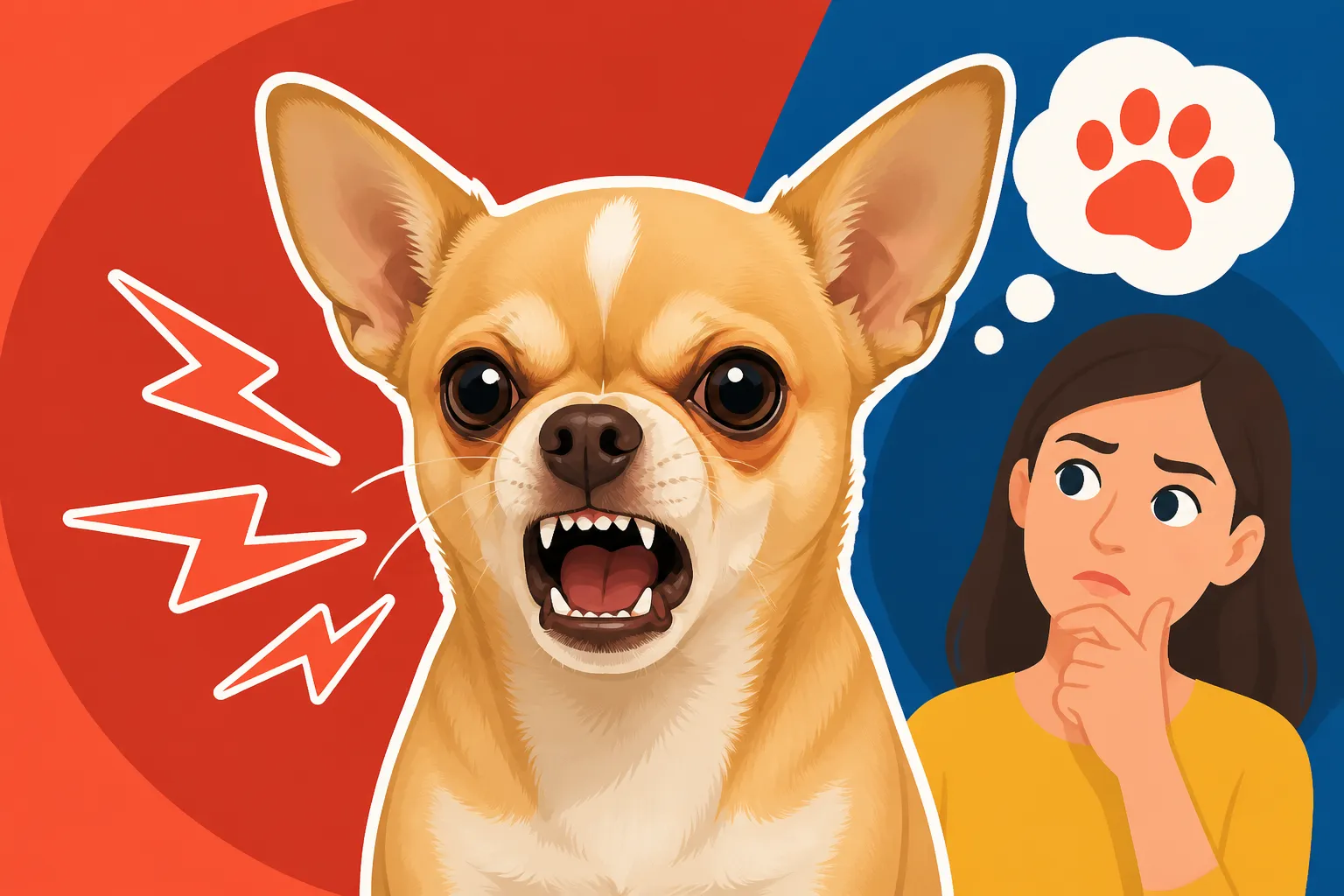
When a Chihuahua growls, it's not necessarily an expression of aggression, though it can certainly escalate to that if ignored. Think of a growl as the earliest, clearest warning sign in a dog's communication toolkit. It's a verbal boundary, a desperate plea for something to stop, or a declaration that they feel threatened or anxious. Understanding the context, intensity, and accompanying body language is key to truly hearing what your pint-sized pal is trying to convey. It's about respecting their voice, even when that voice is a low rumble.
The Range of Chihuahua Growls
Not all growls are created equal, and discerning the subtle differences can give you a lot of insight into your Chihuahua's emotional state. A play growl, for instance, often occurs during a spirited game of tug-of-war or wrestling with another dog (or even your hand). It's typically higher-pitched, less rigid, and accompanied by loose, wiggly body language, a relaxed open mouth, and a wagging tail. Your Chihuahua might bounce around, inviting more play. This type of growl is completely normal and even healthy, indicating enjoyment and engagement.
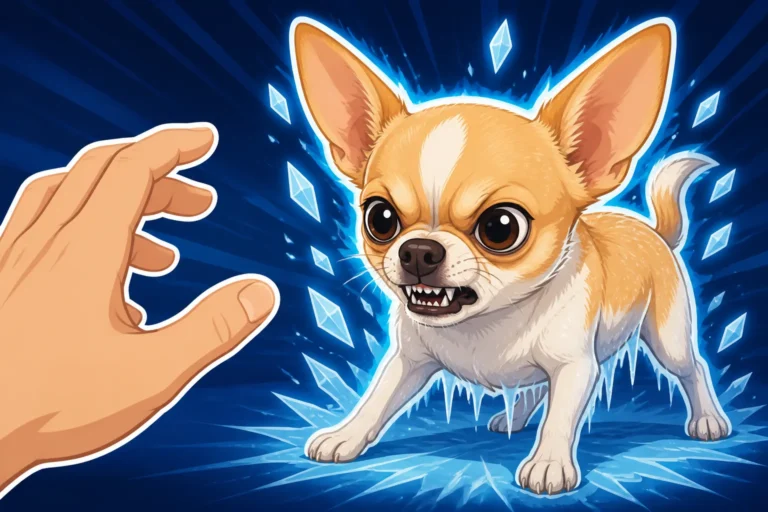
On the other hand, a warning growl is a different beast entirely. This might be a low, rumbling sound, often accompanied by a stiff body, a tucked tail, flattened ears, or a direct stare. This growl is a clear "back off" signal. It could be triggered by someone reaching for their food bowl, attempting to move them from a comfortable spot, or approaching too quickly when they're resting. Ignoring this type of growl is like ignoring a stop sign; it's a precursor to a more assertive action, such as a snap or a bite, if their boundaries continue to be violated. They're telling you, in no uncertain terms, that they are feeling overwhelmed or threatened.
When a Growl Signals Fear or Anxiety
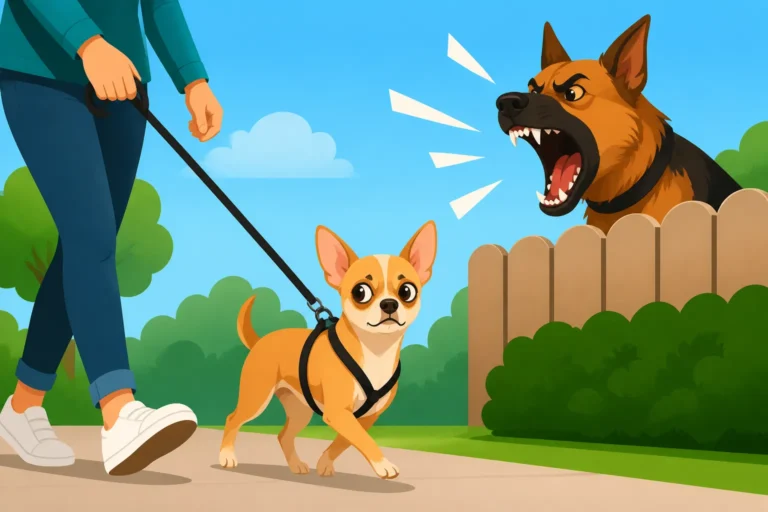
Perhaps one of the most common reasons for a Chihuahua to growl is fear or anxiety. These little dogs, despite their bold personalities, are often acutely aware of their small size in a big world. A new person reaching out, a large dog barking nearby, or even a sudden loud noise can trigger a fear response. In these situations, the growl is a defensive mechanism, a desperate attempt to create distance and prevent perceived harm. They are essentially trying to make themselves seem bigger and more formidable than they feel.
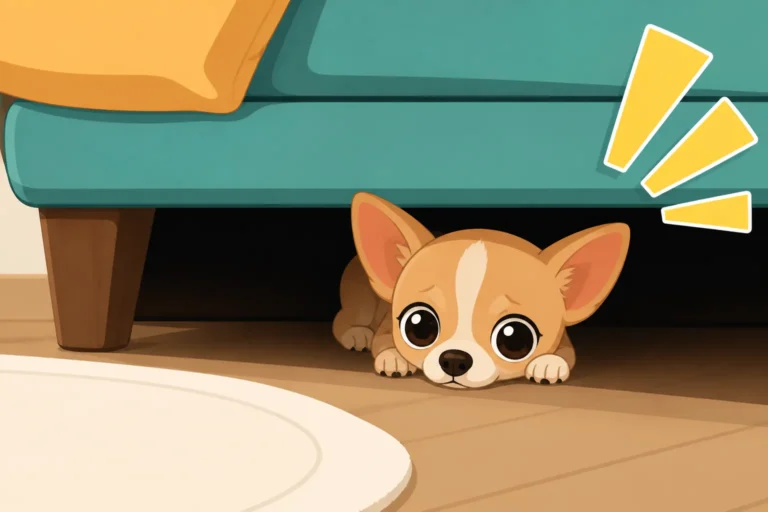
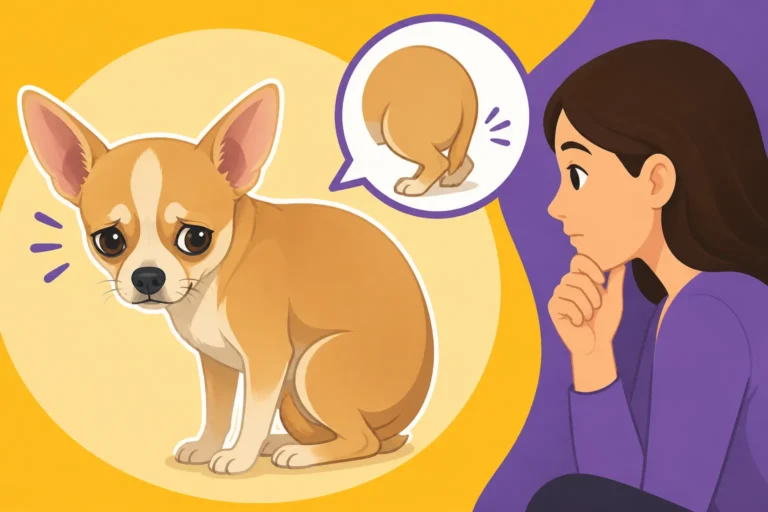
A fear-based growl might be accompanied by trembling, trying to hide, backing away, or a "whale eye," where the whites of their eyes are visible. This is where Fear Reactivity as the Top Chihuahua Complaint often comes into play. Many Chihuahuas are not inherently aggressive; they are simply trying to protect themselves from situations that make them feel vulnerable. Punishing a fear-based growl doesn't teach them not to be afraid; it just teaches them not to warn you, potentially leading them to go straight to a bite without a verbal cue next time. Instead, you need to address the underlying fear and help them feel safer in their environment.
Common Reasons Your Chihuahua Might Be Growling
Understanding why your Chihuahua is growling is the first step toward addressing the behavior. It’s rarely about malice; it’s almost always about communication, driven by instinct, discomfort, or a desire for safety. By paying close attention to the circumstances surrounding the growl, you can begin to pinpoint the root cause and respond in a way that truly helps your dog.
Resource Guarding: Protecting What's Theirs
Resource guarding is a very common behavior, particularly in smaller breeds like Chihuahuas who might feel they need to work harder to protect their valuables. This is when your Chihuahua growls, stiffens, or even snaps when someone (or another pet) approaches something they consider "theirs." This could be anything from their food bowl, a favorite chew toy, a comfy bed, or even a specific person or lap. I've known Chihuahuas who will fiercely guard a prized dirty sock, just as others guard a high-value bully stick.
For example, you might experience A Chihuahua That Guards a Lap, growling whenever another family member tries to sit near "their" person. Or, your Chihuahua might growl and hover possessively over their dinner bowl if you walk too close. It’s not an act of defiance, but a deeply ingrained instinct to protect resources critical for survival. When dealing with this, it’s essential to avoid confrontation. Instead of trying to take the guarded item, focus on trading for something even better or simply giving them space. Learning Taking a Chew From a Chihuahua Safely is a valuable skill here, often involving exchanging the chew for a high-value treat rather than just snatching it.
Pain, Discomfort, or Medical Issues
One of the most overlooked reasons for growling in any dog, especially a small one like a Chihuahua, is pain or discomfort. Chihuahuas are masters at hiding pain, but a sudden increase in growling, especially when touched in certain areas, could be a red flag. Imagine feeling a sharp ache and someone unexpectedly grabbing you – your natural reaction might be to protest. For a Chihuahua, a growl is often that protest.
Common health issues in Chihuahuas that can cause pain include Patellar Luxation, the Chihuahua's Commonest Joint Problem, a condition where the kneecap slips out of place. A dog with a sore knee might growl if you accidentally bump it or try to pick them up in a way that puts pressure on the joint. Similarly, Chihuahua Dental Disease in a Crowded Small Jaw is incredibly prevalent, and a dog suffering from a painful tooth or inflamed gums might growl when their mouth or face is touched. If your Chihuahua suddenly starts growling more frequently or in new situations, especially when being handled, a vet visit should be your very first step to rule out any underlying medical problems. Remember, A Chihuahua Snapping Because Its Knee Hurts is not an unheard-of scenario, and understanding physical discomfort is crucial.
Overstimulation or Boundary Setting
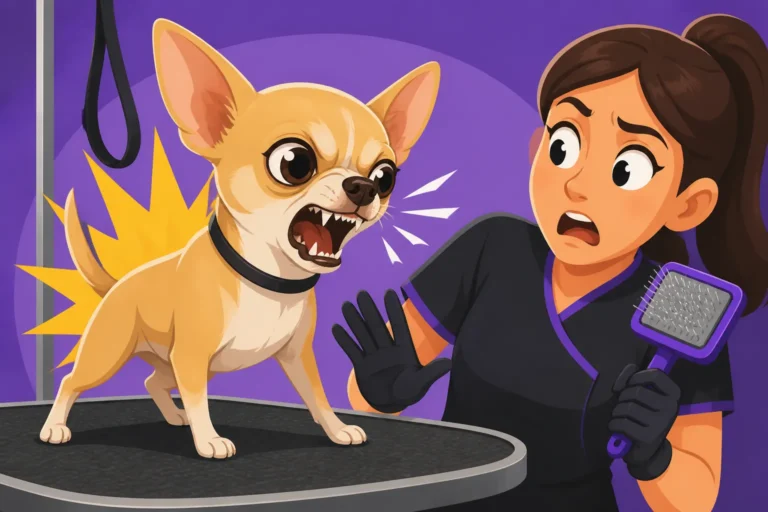
Sometimes, a Chihuahua growls simply because they are overstimulated or they need to set a boundary. This can happen in busy environments, during intense play, or when they've had enough petting. Their small size often means they are picked up frequently, and while many Chihuahuas tolerate it, some don't always appreciate it, especially if they weren't asked first. A growl in this context is their way of saying, "I've had enough," or "Please put me down."
Consider a scenario where a well-meaning guest is constantly trying to pet your Chihuahua, even after the dog has moved away a few times. Eventually, your dog might resort to a low growl to signal, "My personal space is being invaded, and I've tried to tell you nicely." This is why it's so important to teach everyone, especially children, to Asking Before You Lift a Chihuahua or engage with them. Respecting their subtle cues for space can prevent the escalation to a growl, or worse. They're not being rude; they're simply communicating their needs, and it's our job to listen and provide that space.
What to Do When Your Chihuahua Growls
When your Chihuahua growls, your immediate reaction is crucial. Our instinct might be to scold, but that's almost always the wrong approach. Instead, we need to shift our perspective from punishment to understanding and intervention. A growl is a gift; it's a warning that allows us to prevent a bite. Take it seriously, and respond thoughtfully.
Respecting the Warning: Immediate Actions
First and foremost, never, ever punish a growl. While it might seem counterintuitive, punishing a growl effectively removes your Chihuahua's most important warning system. If they learn that growling leads to negative consequences, they might suppress the growl and go straight to a snap or bite next time they feel threatened. This is a dangerous path, as it removes any chance for you to intervene before someone gets hurt. As we discuss in Why Harsh Handling Damages a Chihuahua Fast, it breaks trust and can exacerbate fear.
Instead, when your Chihuahua growls, your immediate action should be to create space. Calmly and slowly remove the trigger, or remove your Chihuahua from the situation. For example, if they growl when you reach for their toy, simply back your hand away. If they growl when a stranger approaches, gently step between your dog and the person, increasing the distance. Observe their body language: are their ears pinned back? Is their tail tucked? Are they stiff? These are all indicators that they are genuinely distressed and need you to advocate for them by giving them space and removing the perceived threat.
Long-Term Strategies for Addressing Growling Behavior
Once the immediate situation is defused, the long-term work begins. The goal isn't to stop the growl, but to change your Chihuahua's emotional response to the trigger so they no longer feel the need to growl. This involves positive reinforcement and counter-conditioning. Identify what causes the growl. Is it strangers? Other dogs? Handling? Then, slowly and systematically, expose your Chihuahua to these triggers at a distance where they don't react, and pair the presence of the trigger with something wonderful, like high-value treats.
For instance, if your Chihuahua growls at strangers, have a friend stand far enough away that your dog doesn't react. As soon as your dog notices them (without growling), give a treat. Gradually, over many sessions and days, reduce the distance, always staying below your dog's threshold. You might find resources on platforms like BAXTER & Bella offer structured programs that guide you through these counter-conditioning steps, helping your Chihuahua build positive associations. For walks, using a comfortable, well-fitting harness, perhaps one found on Amazon, can make your Chihuahua feel more secure and less vulnerable, potentially reducing fear-based growls when encountering unfamiliar sights and sounds. If the growling is consistent, intense, or escalating, seeking guidance from a certified professional dog trainer or a veterinary behaviorist is highly recommended. They can provide tailored plans and help you navigate complex behavioral issues.
Building Confidence and Trust
Much of a Chihuahua's growling stems from a lack of confidence or a feeling of vulnerability. Their small stature means they often feel overwhelmed by the world around them. Building their confidence and trust in you as their protector can significantly reduce their need to self-advocate through growling. This involves consistent, positive interactions, predictable routines, and teaching them that you will always keep them safe.
Engage in positive training sessions using rewards, teaching them basic commands and fun tricks. This not only stimulates their minds but also reinforces your bond and their belief that they can succeed. Provide plenty of opportunities for Chihuahua Play With Dogs Its Own Size in safe, controlled environments, fostering positive social experiences. Always be their advocate in situations where they might feel overwhelmed, removing them from intense interactions or advocating for their space with well-meaning but overzealous admirers. When your Chihuahua trusts that you understand their signals and will intervene on their behalf, they will feel less compelled to growl, knowing you have their back.
Here's a quick overview of common growl types and what they often indicate:
| Growl Type | Body Language Cues | Potential Meaning | Initial Response |
|---|---|---|---|
| Play Growl | Loose, wiggly body; open mouth; bouncing; wagging tail | "This is fun! Let's play more!" | Engage in play; continue interaction |
| Warning Growl | Stiff body; tucked tail; flattened ears; direct stare | "Back off! I need space, or I'll take further action." | Immediately create distance; remove trigger |
| Fear Growl | Trembling; backing away; whale eye; trying to hide | "I'm scared and trying to protect myself." | Remove from situation; provide safe space; reduce stimulus |
| Pain Growl | Sensitive to touch in specific area; limping; guarding body | "I hurt! Don't touch me there." | Stop touching; assess for injury; contact veterinarian |
| Resource Guarding Growl | Stiff over item; low head; direct stare at approaching person | "This is mine! Don't come near it." | Avoid confrontation; provide alternate, higher-value item |
| Overstimulation/Boundary Growl | Turning head away; lip licking; yawning; trying to escape | "I've had enough; I need a break or some space." | Give space; stop interaction; allow them to retreat |
Understanding your Chihuahua's growl is a cornerstone of building a strong, healthy relationship. It’s not about silencing them, but about learning their language and responding with empathy and effective strategies. By respecting their warnings, addressing underlying fears or pain, and building their confidence, you can transform a growl from a source of frustration into a clear message that helps you better care for your tiny companion.
Disclaimer
This article is for general informational purposes only and does not constitute professional advice. Laws, prices and regulations vary by location and change over time. Consult a qualified professional for guidance on your specific situation.