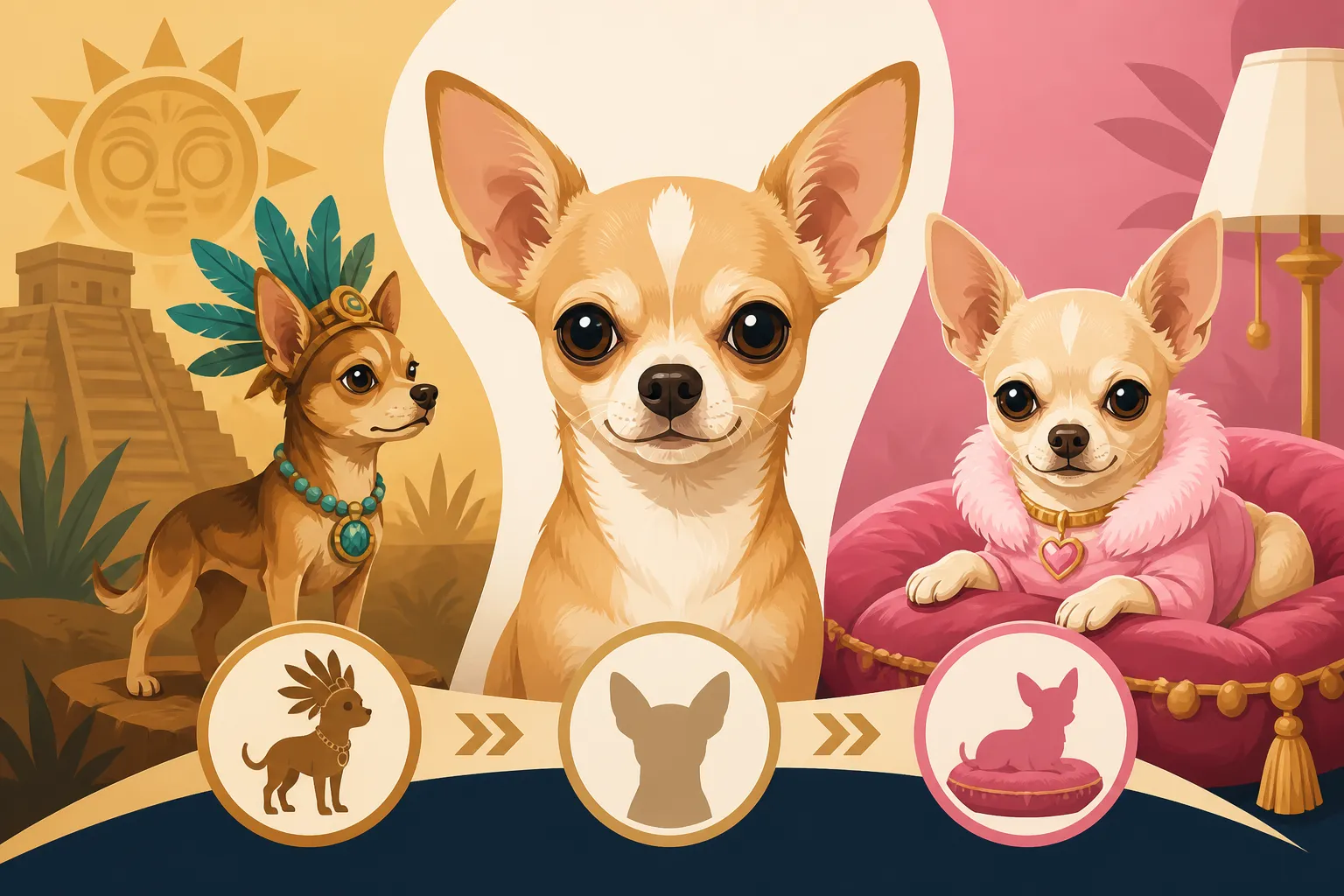
The Chihuahua From Techichi to American Lapdog
It’s easy to look at a tiny, trembling Chihuahua in a designer purse or on a viral video and think of them as nothing more than a modern accessory. But if you do, you’re missing out on centuries of fascinating history, resilience, and cultural significance. These small dogs carry a lineage that stretches back to ancient civilizations, a journey that’s far richer and more complex than most people ever imagine. This guide will take you through the incredible evolution of the Chihuahua, from their mysterious Mesoamerican origins to the beloved, spirited lapdogs we cherish today.
The Ancient Roots of the Chihuahua: A Journey Through Mesoamerica
Before Chihuahuas were gracing Instagram feeds, they were deeply embedded in the spiritual and daily lives of ancient peoples in what is now Mexico. Their story isn't one of recent creation but of ancient survival and profound cultural significance, rooted in a time long before modern dog breeds were even a concept.
The Enigmatic Techichi: Ancestor of the Chihuahua
Imagine a dog, small but sturdy, with a quiet demeanor, living among ancient civilizations over a thousand years ago. This was the Techichi, believed to be the direct ancestor of our modern Chihuahua. Evidence of these little dogs dates back as far as 300 BC, found in ancient burial sites and depicted in art from advanced Mesoamerican cultures like the Toltecs. These weren't just pets; they were integral to society, serving roles that went far beyond mere companionship.
The Toltecs, a powerful civilization that predated the Aztecs in central Mexico, revered these small dogs. Archaeological findings, including detailed carvings and ceramic effigies, clearly show small, dog-like creatures that bear a striking resemblance to Chihuahuas. These dogs, while perhaps a bit heavier-boned and less delicate than the Chihuahuas we know today, shared that characteristic small stature. They weren't bred for hunting or guarding large estates; their value lay in more spiritual and intimate connections with humans. For the Toltecs, the Techichi was believed to guide the souls of the departed through the underworld, acting as a crucial spiritual companion on the ultimate journey. This belief highlights a deep bond and reverence for these animals, positioning them as sacred beings rather than just domestic pets. You can find more about these ancient depictions by reading The Chihuahua Ancestor Carved in 300 BC.
Beyond their spiritual duties, these early Chihuahuas, or Techichis, were also beloved companions, possibly offering warmth in chilly nights or simply a quiet presence in homes. They were likely silent, loyal creatures, perfectly suited to dwelling within the confines of human settlements. Their presence was a constant, gentle reminder of the interconnectedness between the physical and spiritual worlds, reflecting the sophisticated cosmology of the Toltec people. These little dogs were very much a part of the family unit, valued for their unique qualities and the important roles they played within the culture. The question of What the Toltecs Kept the Chihuahua's Ancestor For delves deeper into these fascinating historical roles.
Aztec Influence and the Shrinking of the Techichi
When the Aztec empire rose and eventually superseded the Toltec civilization, they, too, encountered and adopted the Techichi. The Aztecs, known for their elaborate rituals and sophisticated societal structures, integrated these small dogs into their own culture, and in doing so, began to exert a new influence on their physical development. It's during this period that historians believe a more deliberate, albeit ancient, form of selective breeding began to take hold, potentially leading to the Techichi becoming even smaller.
The Aztecs had specific uses for these dogs that encouraged a diminutive size. While still revered and held in high esteem, some accounts suggest they were also used in ritualistic sacrifices or, in times of severe scarcity, even as a food source. Furthermore, it's thought that the Aztec nobility, particularly the emperors like Montezuma, kept these tiny dogs as treasured companions, favoring those that were exceptionally small. Imagine the awe inspired by a dog so tiny it could fit in the hand, a living jewel in a powerful ruler's court. This royal preference for smaller specimens would naturally lead to breeding choices that favored smaller and smaller dogs over generations. This process of intentional size reduction is a key part of The Aztec Conquest and a Smaller Dog.
These smaller dogs were not only symbolic of status but were also practical companions for warmth, especially for older or infirm individuals. Their compact size made them ideal for carrying and for personal comfort, a feature that would continue to define the breed's appeal centuries later. The meticulous selection for size by the Aztecs paved the way for the emergence of the truly tiny Chihuahuas we recognize today, highlighting a long-standing human fascination with miniaturization in canine companions. You can explore further reasons for this size preference in Why the Aztecs Wanted a Smaller Techichi. The Aztec period, therefore, marks a crucial evolutionary point, where human preference began to explicitly shape the physical characteristics of this ancient lineage, emphasizing smallness and portability.
The Spanish Conquest and the Breed's Near Extinction
The arrival of the Spanish conquistadors in the 16th century marked a brutal turning point for the indigenous civilizations of Mesoamerica, and unfortunately, for their beloved Techichi dogs as well. This era brought widespread destruction, disease, and a dramatic shift in culture, pushing many native traditions and creatures, including the Techichi, to the brink of disappearance.
Cortez and the Disappearance of a Culture
When Hernán Cortés and his forces swept through Mexico, their primary objective was conquest and the accumulation of wealth, not the preservation of native cultures or their unique dog breeds. The Spanish brought with them not only their own European dogs, like greyhounds and mastiffs, but also a completely different worldview. Native customs, religions, and even companion animals were often viewed with disdain, suspicion, or indifference. Many indigenous dogs, including the Techichi, were likely killed as the Spanish advanced, either accidentally in the chaos of battle, intentionally to eliminate perceived "pagan" symbols, or simply for food when supplies ran low.
The historical records from this period are understandably sparse regarding the fate of the Techichi, as the focus was on the human drama of empire-building and destruction. However, it's clear that the once-prominent presence of these dogs dwindled dramatically. The vibrant cultures that had cherished and bred them for centuries were decimated, and with them, the careful lineage and religious significance of the Techichi faded into obscurity. While some popular narratives suggest Whether Cortez Really Found the Emperor's Dogs, the general consensus is that the systematic destruction of indigenous life severely impacted the breed.
It's a testament to the resilience of both the dogs and the surviving indigenous peoples that the Techichi lineage wasn't completely wiped out. It's believed that small populations of these dogs, perhaps fleeing the conflict or being deliberately hidden away by their human companions, managed to survive in remote, isolated villages in the more mountainous and less accessible regions of Mexico. These pockets of survival were crucial, as they preserved the genetic thread that would eventually allow the Chihuahua to re-emerge centuries later. This period represents a long, dark chapter for the breed, where their very existence was challenged, and their numbers drastically reduced. Where the Breed Went After the Spanish Arrived explores this challenging period in more detail.
The Three Centuries Unrecorded: A Mystery
Following the Spanish conquest, the Techichi essentially vanished from official historical records for approximately three centuries. This long stretch, from the 16th to the mid-19th century, is a historical enigma for the breed. There are no detailed accounts of their breeding, their specific uses, or even their widespread presence. It's as if they simply ceased to exist in the written narrative, leaving a significant gap in their documented history. This period is a fascinating puzzle, leading us to speculate about how such a distinctive breed managed to persist without being recorded.
One prevailing theory suggests that the surviving Techichis interbred with small European dogs brought over by the Spanish, such as the Spanish Podenco or even early terriers. This interbreeding might have contributed to some of the physical traits we see in modern Chihuahuas, while still retaining the core genetic lineage of the indigenous dogs. However, it's more widely believed that isolated populations in remote areas of Mexico, particularly in the rugged regions of the state that would later give the breed its name, preserved the original stock. These dogs likely lived relatively undisturbed lives, maintained by indigenous communities who continued to value them, even if their lives were no longer documented by the colonial powers.
These hidden enclaves would have been crucial for the breed's survival. Imagine a small, secluded village nestled in the mountains, far from the reach of colonial influence, where the traditions and companions of old were quietly maintained. Here, the Techichi would have continued its existence, passing down its genes through generations, an almost mythical creature in the vast, untamed landscapes of Mexico. It wasn't until the mid-19th century, as Mexico began to open up more to foreign travelers and trade, that these elusive little dogs started to resurface, catching the eye of outsiders. The resilience of these hidden populations is truly remarkable, allowing the breed to span centuries without formal recognition or documentation, and ultimately making their reappearance all the more intriguing. You can learn more about this period in How the Chihuahua Survived Three Centuries Unrecorded.
Rediscovery and the Breed's Naming
The mid-19th century brought a new chapter for the Techichi, moving them from the shadows of history into the light of international interest. As American prospectors, merchants, and tourists began to explore the vast and beautiful lands of Mexico, they encountered these unique small dogs, sparking a fascination that would eventually lead to their global recognition.
American Travelers and the Mexican Find
As the United States expanded westward and relations with Mexico evolved, American interest in their southern neighbor grew. Travelers, often seeking opportunity or simply experiencing the exotic, ventured into the bustling markets and quiet villages of Mexico. It was in these varied settings that they began to notice the small, charming dogs that were distinct from any breeds known back home. These dogs were often sold by peasants to tourists at border towns, particularly in the state of Chihuahua, which was a major transportation hub connecting different regions.
Imagine an American traveler, perhaps a curious journalist or an adventurous businessman, strolling through a market in a town like Chihuahua City in the 1800s. Amidst the vibrant textiles, fresh produce, and lively chatter, they spot a tiny, alert dog being offered for sale. Its miniature size and expressive eyes would have been quite a novelty, instantly captivating. These early encounters led to the first few dogs being purchased and brought back across the border into the United States, sparking initial curiosity among dog fanciers. This period marks the beginning of the Chihuahua's journey beyond its ancestral lands and into the broader international stage. Americans Buying Chihuahuas in the Mid-1800s provides further insight into these pivotal encounters.
These early imports weren't just random occurrences; they represented the slow but steady reintroduction of a long-lost lineage to the world. The small size, keen intelligence, and devoted nature of these dogs quickly made an impression, laying the groundwork for a growing desire to understand and eventually standardize the breed. The travelers who brought them home were often trailblazers, seeing something special in these tiny creatures that foreshadowed their future popularity. They started with just a few individuals, but these initial "finds" were the seeds from which the modern Chihuahua breed would flourish.
From "Mexican Hairless" to Chihuahua
In the early days of their rediscovery, these tiny dogs were known by a variety of descriptive, albeit unofficial, names. Terms like "Mexican Hairless" (though many had coats), "Arizona Dog," and "Texas Dog" were used, reflecting the regions where they were found or first introduced in the United States. This lack of a standardized name was common for newly discovered or emerging breeds before formal kennel clubs established official registries and nomenclature. It speaks to a time when their identity was still fluid, shaped by local encounters rather than a globally recognized standard.
However, as more of these dogs were exported, a consensus began to form around their most prominent point of discovery and trade: the Mexican state of Chihuahua. This region became synonymous with the dogs, and eventually, the name "Chihuahua" stuck. It was a natural progression, as the consistent location of their origin provided a clear identifier for a breed that was beginning to capture widespread attention. This naming was a crucial step in formalizing the breed's identity, giving it a distinct and memorable title that would be recognized by future enthusiasts and kennel clubs. Why the Breed Carries a Mexican State's Name delves into this naming process.
Dedicated breed enthusiasts and early dog fanciers, both in Mexico and the United States, played a vital role in this formalization. They began to work towards understanding the breed's characteristics, establishing breeding lines, and advocating for its recognition in the burgeoning world of dog shows. These passionate individuals saw the immense potential in these unique little dogs, recognizing their spirited nature and undeniable charm. They championed the name "Chihuahua," solidifying its place in canine history and setting the stage for its eventual formal recognition by major kennel clubs, marking the end of its anonymous existence and the beginning of its journey to global fame.
Establishing the Breed Standard and AKC Recognition
The late 19th and early 20th centuries were a pivotal time for many dog breeds, as enthusiasts began to establish formal breed clubs and standards to guide their development. For the Chihuahua, this meant moving from a regional curiosity to a recognized and celebrated member of the purebred dog world, primarily through the efforts of dedicated American fanciers.
The First Chihuahua Registrations and Show Rings
The journey to formal recognition for the Chihuahua culminated in 1904 when the American Kennel Club (AKC) officially accepted the breed. This was a monumental step, transitioning the Chihuahua from an exotic curio to a pedigreed dog with a place in the show ring. The very first Chihuahua registered with the AKC was a smooth-coated female named Midget, owned by H. Raynor. Her registration marked the true beginning of the Chihuahua as a recognized breed in the United States, a testament to the efforts of early pioneers who saw the value in these tiny companions.
Following Midget's lead, other significant Chihuahuas entered the scene, shaping the early perception and direction of the breed. One notable dog was Beppo, a male Chihuahua imported from Mexico, who contributed significantly to the gene pool. These early foundational dogs were critical in establishing the desired physical traits and temperament that would form the basis of the breed standard. The initial standard aimed to capture the essence of these small dogs, focusing on characteristics like their apple-domed head, large ears, full eyes, and compact body. These specific traits helped differentiate them from other toy breeds and solidified their unique identity within the canine world. You can learn more about this foundational dog in The Chihuahua That Opened the AKC Stud Book.
The show ring became the arena where these traits were refined and celebrated. Exhibitors proudly displayed their Chihuahuas, allowing judges to evaluate how well each dog conformed to the developing standard. This process wasn't just about winning ribbons; it was about defining and preserving the integrity of the breed. It encouraged ethical breeding practices focused on health and adherence to the standard, rather than just random breeding. The efforts of these early breeders and exhibitors set the precedent for how Chihuahuas would be evaluated and bred for generations, ensuring the continuity and distinctiveness of the breed. For a deeper dive into the significance of this milestone, check out AKC Recognition of the Chihuahua in 1904.
Defining the Ideal: Apple Head vs. Deer Head
As the breed gained recognition, one of the most defining characteristics, and often a point of debate among enthusiasts, emerged: the shape of the head. The AKC breed standard, largely influenced by early preferences and historical depictions, strongly favored what is known as the "apple head" Chihuahua. This refers to a distinctly rounded, dome-shaped skull, often accompanied by a shorter, more pointed muzzle and large, expressive eyes that are set rather wide apart. This unique head shape is considered a hallmark of the breed and contributes significantly to its iconic, almost puppy-like, appearance throughout its life.
However, alongside the apple head, another prominent head type existed and continues to thrive, especially among pet owners: the "deer head" Chihuahua. As the name suggests, these Chihuahuas possess a flatter skull, a longer muzzle, and typically more widely set eyes, giving them a look that is often described as more elegant or indeed, resembling a fawn. While deer heads are equally cherished as companions, they do not conform to the strict aesthetic requirements of the AKC breed standard for the show ring. This doesn't mean they are any less healthy or less "Chihuahua" in spirit, but simply that their physical conformation differs from the specific ideal defined by the standard. Read more about this distinction in The Apple Head Chihuahua Under the Standard.
The preference for the apple head in the breed standard wasn't arbitrary; it was about celebrating a unique and ancient trait that differentiated the Chihuahua. The distinctly rounded skull was seen as a nod to their ancestral roots and a characteristic that made them instantly recognizable. While the deer head variety is widely loved and often found in pet homes, it was the apple head that breeders aimed for when striving for championship titles. This distinction highlights the specific aesthetic goals of the breed's founders and continues to be a point of interest for anyone researching Chihuahuas. For a closer look at the characteristics of the deer head, see The Deer Head Chihuahua and Its Following. Both types embody the lively spirit of the Chihuahua, but it's the apple head that truly defines the breed according to most official registries.
The Chihuahua's Rise to Popularity: From Niche to Icon
From a relatively obscure Mexican dog to one of the most recognizable breeds worldwide, the Chihuahua's journey to global icon status has been heavily influenced by popular culture and celebrity appeal. This shift from niche companion to cultural phenomenon has been rapid and dramatic, forever changing public perception of the breed.
Hollywood's Influence and Celebrity Endorsement
The early to mid-20th century saw the Chihuahua's charm gradually seep into American culture, especially as the breed's small size and portability made them ideal companions for an increasingly mobile society. They were perfect for city dwellers, small apartments, and those who wanted to bring their furry friends everywhere. But it was Hollywood that truly propelled the Chihuahua into the limelight, transforming them from a beloved pet into a bona fide star.
Beginning in the latter half of the 20th century, Chihuahuas started making memorable appearances in films and television shows. Their diminutive stature and expressive faces proved perfect for comedic relief or as adorable sidekicks. The ultimate pop culture explosion, however, came with characters like the Taco Bell Chihuahua, Gidget, who became a household name in the late 1990s. Gidget's sassy, memorable catchphrases ("¡Yo quiero Taco Bell!") made the breed instantly recognizable to millions, transcending typical dog owner circles and embedding the Chihuahua firmly in the public consciousness. This was further amplified by celebrities like Paris Hilton, who famously carried her Chihuahua, Tinkerbell, everywhere she went. This trend cemented the image of the Chihuahua as the ultimate "it" dog, a fashionable accessory that signaled celebrity status and a lavish lifestyle. These moments of mainstream visibility were instrumental in the breed's meteoric rise. Explore more about their silver screen appearances in Chihuahuas in Film and Television.
This pervasive media presence did wonders for the breed's popularity, but it also painted a particular picture of Chihuahuas that, while endearing, wasn't always entirely accurate to their spirited and often assertive nature. Nonetheless, the exposure created a massive demand for the breed, making them one of the most sought-after small dogs. Stores like Chewy saw an increased demand for tiny harnesses, miniature dog beds, and small-breed specific foods, reflecting this growing market. The media's portrayal undoubtedly played a huge role in transforming the Chihuahua into a cultural icon, demonstrating the immense power of popular culture in shaping breed trends and public perception. The Advertising Campaigns Built on a Chihuahua dives deeper into how marketing shaped their image.
The "Teacup" Phenomenon and Its Controversies
In the wake of the Chihuahua's explosion in popularity, particularly due to celebrity influence, an unfortunate and often dangerous trend emerged: the demand for "teacup" Chihuahuas. This term, purely a marketing invention, refers to Chihuahuas bred to be significantly smaller than even the average Chihuahua, often weighing under three or even two pounds. While the idea of an impossibly tiny dog might sound adorable, the reality behind "teacup" breeding is fraught with serious ethical and health concerns that dedicated breeders and veterinary professionals vehemently denounce.
The push for "teacup" sizes often involves breeding the smallest, sometimes sickly, runts of litters, or even intentionally stunting growth. This practice can lead to a host of severe health problems. These miniature dogs are far more susceptible to hypoglycemia (dangerously low blood sugar), especially as puppies, because their tiny bodies have little energy reserve. They are also incredibly fragile, with delicate bones that can easily fracture from a simple fall off a sofa or an accidental step. Furthermore, "teacup" Chihuahuas frequently suffer from open fontanels (soft spots on the skull that never fully close), heart defects, respiratory issues like collapsing trachea, and severe dental problems due to overcrowded tiny jaws. The entire concept of "teacup" breeding prioritizes extreme smallness over health and well-being, creating a lifetime of potential medical challenges for these vulnerable dogs. You can read more about these issues in Why Teacup Chihuahua Is Not a Real Size.
It's critical for anyone considering a Chihuahua to understand that "teacup" is not a recognized size or variety by any reputable kennel club, including the AKC. It's a marketing gimmick used by unscrupulous breeders to command higher prices for dogs that are often predisposed to health issues. Responsible Chihuahua breeders prioritize health, temperament, and adherence to the established breed standard, which typically sets a maximum weight of six pounds, not a minimum for extreme smallness. The demand for "teacups" has led to a significant increase in backyard breeding and puppy mills, where profit is prioritized over animal welfare. The long-term health and well-being of a Chihuahua should always be the primary concern, far outweighing the superficial appeal of an unnaturally tiny size. The serious risks involved for these exceptionally tiny dogs are detailed further in The Health Risk Behind a Two Pound Chihuahua.
The Modern Chihuahua: A Beloved Companion
Today, the Chihuahua stands as one of the most popular and recognizable toy breeds, cherished for their vibrant personalities, unwavering loyalty, and convenient small size. However, owning a modern Chihuahua, much like caring for any breed, comes with its own set of responsibilities and requires an understanding of their unique temperament and health needs.
Temperament and Personality in the Modern Era
If you've ever met a Chihuahua, you know they come in a small package but with an enormous personality. Far from being timid lap warmers, Chihuahuas are renowned for their fearless, sassy, and often bossy demeanor. They possess a terrier-like spirit, full of courage and an alert nature, making them excellent watchdogs despite their size. They might weigh only a few pounds, but they certainly don't act like it! Their devotion to their chosen human is legendary; Chihuahuas often bond fiercely with one or two individuals, preferring to be at their side, in their lap, or even under the covers with them at all times. This intense loyalty is one of their most endearing qualities, creating an unbreakable bond with their owners. You can read more about what the breed standard looks for in Chihuahua Temperament and What the Standard Asks For.
However, this strong personality, combined with their small stature, can sometimes lead to what is unfortunately dubbed "small dog syndrome." This isn't a genetic trait or an inherent flaw in the breed; rather, it's a behavioral issue often created and reinforced by human owners. Because they are so tiny, many Chihuahua owners tend to treat them differently than they would a larger dog. They might carry them everywhere, allowing them to skip leash training, or excuse behaviors like excessive barking, growling at strangers, or snapping at other dogs. This often happens because owners rationalize, "Oh, he's so small, he can't hurt anyone," or "It's just how Chihuahuas are." In reality, a Chihuahua is perfectly capable of learning manners, obedience, and appropriate social skills, just like any other dog. When they are not properly socialized or trained, they can become anxious, fearful, or aggressive, simply because they haven't been taught how to navigate the world appropriately. This isn't small dog syndrome; it's simply a lack of consistent training and boundaries. Understanding that Small Dog Syndrome and Why It Is Not Genetic is crucial for any Chihuahua owner.
The key to a well-adjusted modern Chihuahua is consistent training, early socialization, and treating them like the capable, intelligent dogs they are, not fragile ornaments. While they are naturally protective and alert, channeling these traits through positive reinforcement and clear expectations helps them become confident, well-behaved companions. Their vibrant spirit and deep affection make them truly special additions to a home, provided they receive the guidance and structure every dog deserves.
Care and Considerations for Today's Chihuahua Owners
While Chihuahuas are known for their longevity, often living 12 to 20 years, their tiny size does predispose them to certain health concerns that modern owners need to be aware of and proactively manage. One of the most prevalent issues is dental disease. Their small mouths are prone to overcrowding, which makes it easy for plaque and tartar to accumulate rapidly, leading to gum disease and early tooth loss. Daily brushing and regular veterinary dental cleanings are not just recommended but are absolutely essential for a Chihuahua to maintain good health and comfort throughout their long lives. A deeper dive into this can be found in Chihuahua Dental Disease in a Crowded Small Jaw.
Another common concern is patellar luxation, often referred to as a "slipping kneecap." This orthopedic condition can range in severity and sometimes requires surgical intervention, but even mild cases can cause discomfort. Protecting their joints from excessive jumping and providing ramps for furniture can help. Additionally, puppies, especially those on the smaller side, are prone to hypoglycemia (low blood sugar), which can be an emergency. Owners must ensure consistent feeding schedules and be aware of the signs. These are important aspects to understand, as detailed in Patellar Luxation, the Chihuahua's Commonest Joint Problem. Due to their delicate trachea, a harness is always recommended over a collar for walks, to avoid putting pressure on their windpipe.
Beyond health, training and socialization are paramount. Despite their small size, Chihuahuas are intelligent and can excel in obedience, agility, and even trick training. Investing in positive reinforcement training from a young age helps them develop into confident, well-mannered companions. Their long lifespan means a significant commitment, and as they enter their senior years, typically past the age of twelve, they may require specialized care, including more frequent vet visits, joint supplements, and possibly modifications to their home environment to accommodate vision or hearing loss. Senior Chihuahua Care Past the Age of Twelve offers valuable guidance for these golden years. With thoughtful care, a healthy diet, and plenty of love, a modern Chihuahua will enrich your life with joy, loyalty, and an abundance of character for many years.
Comparing the Ancient Techichi to the Modern Chihuahua
It's fascinating to look back at the historical journey of the Chihuahua and see how much, and how little, has changed. While the environment and the roles they play in human society have transformed dramatically, some core aspects of these resilient little dogs have endured through millennia.
Here's a quick comparison of the ancestral Techichi and the modern Chihuahua:
| Feature | Ancient Techichi (Mesoamerican Era) | Modern Chihuahua (Present Day) |
|---|---|---|
| Size | Small, but likely a bit sturdier and heavier-boned. | Extremely small, often delicate; maximum 6 lbs in standard. |
| Appearance | Depicted with stout bodies, shorter legs, and a somewhat flatter face. | Iconic apple-domed head (standard), large eyes, fine bones. |
| Primary Role | Sacred companion, spiritual guide (guiding souls), warmth, companion. | Cherished companion, lapdog, alert watchdog, fashion accessory. |
| Temperament | Likely quiet, observant, deeply bonded with owners. | Spirited, fearless, loyal, can be assertive or "sassy." |
| Health Focus | Likely natural selection for hardiness; limited human intervention. | Dental disease, patellar luxation, hypoglycemia, heart issues. |
| Cultural Status | Highly revered, part of religious rituals, noble companion. | Popular pet, cultural icon, often a symbol of luxury/fashion. |
| Breeding | Natural selection, then Aztec preference for smaller size. | Intentional breeding for standard traits, responsible health testing. |
This table highlights how much these little dogs have evolved while retaining that undeniable core of what makes a Chihuahua, well, a Chihuahua. From guiding souls in ancient times to warming laps today, their journey is a testament to their enduring appeal.
Disclaimer
This article is for general informational purposes only and does not constitute professional advice. Laws, prices and regulations vary by location and change over time. Consult a qualified professional for guidance on your specific situation.