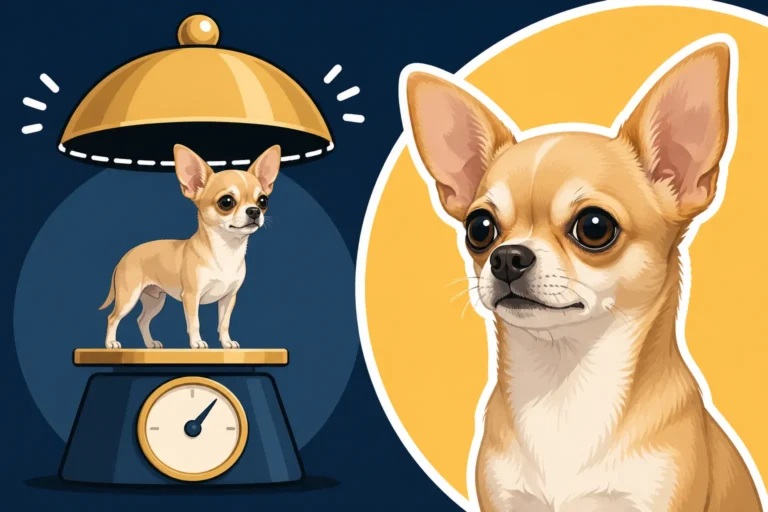
Chihuahuas in Film and Television
It's easy to fall in love with the charming, feisty personality of a Chihuahua, especially when you see them steal the show on the big screen or on your favorite TV series. But beyond the dazzling lights and perfectly coiffed fur, there's often a disconnect between the glamorous on-screen portrayal and the realities of owning one of these tiny, complex dogs. This guide delves into the Chihuahua's fascinating presence in film and television, exploring their most iconic roles, why Hollywood embraced them, and the very real impact this fame has had on the breed.
The Iconic Roles Chihuahuas Have Played in Film and Television
Chihuahuas have long been a staple in Hollywood, often chosen for their diminutive size, expressive faces, and ability to convey a wide range of emotions, from sassy confidence to trembling vulnerability. Their unique look and undeniable charisma make them unforgettable, etching them into the hearts of audiences worldwide.
Bruiser Woods in "Legally Blonde"
Perhaps no Chihuahua character is more universally recognized than Bruiser Woods, Elle Woods' loyal, fashion-forward companion in the "Legally Blonde" franchise. Bruiser wasn't just a prop; he was a character in his own right, often serving as Elle's confidant, a source of comedic relief, and even a plot device. His presence highlighted Elle's initial superficiality while also underscoring her fierce loyalty and ultimately, her genuine heart.
Bruiser's portrayal was brilliant because he embodied the sophisticated yet underestimated spirit of the Chihuahua breed itself. He wore tiny outfits with aplomb, sat patiently in designer handbags, and even had a dramatic "coming out" scene, cementing his status as a queer icon. This role undeniably boosted the breed's profile, making them synonymous with style, wit, and an unexpected depth of character. People saw Bruiser and thought, "I want a dog just like that!" without necessarily understanding the training and care that went into creating such a well-behaved, on-set companion. Training a Chihuahua Exactly Like a Big Dog can reveal that while Bruiser was a natural, that level of calm on a film set doesn't happen by accident.
Papi and Chloe in the "Beverly Hills Chihuahua" Franchise
The "Beverly Hills Chihuahua" movies took the breed's star power to a whole new level, giving them leading roles and voices. Chloe, the pampered, diamond-collar-wearing Chihuahua, and Papi, the charming, romantically inclined gardener's dog, explored themes of identity, loyalty, and finding your true self. These films were a massive commercial success, showcasing Chihuahuas not just as cute accessories, but as central figures with complex personalities and adventures.
The films highlighted different types of Chihuahuas – the high-society pampered pet versus the street-smart, everyday dog – appealing to a broad audience. While incredibly entertaining, these portrayals, like many, often glamorized the breed's lifestyle without fully conveying the challenges of their specific needs. For example, Chloe's luxurious life included endless outfits, but real Chihuahuas often need Chihuahua Clothing and Cold Weather Gear more for warmth than fashion, especially in colder climates. The anthropomorphic nature of the characters also allowed viewers to project human emotions onto them, sometimes overlooking the actual dog behavior cues that a real Chihuahua might display.
Other Notable Chihuahua Appearances
Beyond these blockbusters, Chihuahuas have popped up in countless other productions. Remember the Taco Bell "Yo Quiero Taco Bell!" dog? That was Gidget, a female Chihuahua whose sassy demeanor and memorable catchphrase made her a pop culture sensation. Her appearances were short but impactful, defining an era of advertising.
Chihuahuas have also been seen in more subtle roles, often as the beloved companions of quirky characters or adding a touch of humor to a scene. Think of their presence in sitcoms, where a tiny yappy dog might belong to a eccentric neighbor, or in dramas where their quiet presence offers comfort. These smaller roles, while not leading to direct merchandising, still reinforced the breed's image as a vibrant, characterful presence. They show up as companions to everyone from celebrities to ordinary folk, making them relatable across various demographics.
Why Chihuahuas Became Hollywood Darlings
There are several compelling reasons why Chihuahuas have consistently charmed their way into the hearts of casting directors and audiences alike. Their distinct characteristics make them uniquely suited for on-screen work, offering a blend of practical advantages and undeniable star quality.
Size and Portability on Set
One of the most obvious advantages of a Chihuahua is their size. Being one of the smallest dog breeds in the world, they are incredibly portable. This is a huge benefit on a busy film or television set, where space can be limited and quick movements are often required. A Chihuahua can be easily carried, placed in a specific mark, or integrated into a scene without taking up much room or posing a logistical challenge. They can comfortably sit on an actor's lap, fit into a prop handbag, or be tucked into a small carrier between takes. This sheer portability often makes them the go-to choice when a director needs a canine companion for a character that needs to move around a lot, or for scenes set in confined spaces.
Their small stature also makes them appear less intimidating to actors who might not be accustomed to working with animals, and easier for trainers to manage discreetly during filming. Imagine trying to maneuver a large breed dog through a crowded party scene; a Chihuahua makes the task infinitely simpler.
Expressive Faces and Personalities
Chihuahuas possess incredibly expressive faces. Their large, often dark eyes, prominent ears, and sometimes furrowed brows can convey a surprising range of emotions, which translates beautifully on screen. They can look curious, mischievous, worried, sassy, or utterly devoted, often with just a slight tilt of the head or a shift in their gaze. This innate expressiveness is a dream for filmmakers who rely on visual cues to tell a story and enhance a character's emotional journey.
Beyond their faces, Chihuahuas are known for their big personalities, despite their small packages. They can be incredibly confident, feisty, playful, and fiercely loyal. These traits, when highlighted through training and clever scriptwriting, make them incredibly endearing and memorable characters. They're not just cute; they have character that leaps off the screen. For example, a Chihuahua's inherent "alert barking" tendency can be harnessed for comedic effect or to signal danger in a scene, adding another layer of depth to their on-screen presence. Chihuahua Alert Barking Against Anxious Barking can help distinguish between these behaviors in real life.
Ease of Training for Specific Cues
While often stereotyped as difficult or stubborn, Chihuahuas are actually quite intelligent and eager to please their trusted handlers. This makes them highly trainable for the specific cues and behaviors required in film and television production. From sitting still in a handbag, to "crying" on cue, or following an actor's movements precisely, professional animal trainers can achieve remarkable results with these dogs.
Their small size can sometimes make intricate movements easier to control and direct, and their focus on their handler allows them to ignore much of the chaos of a film set. With positive reinforcement and consistency, Chihuahuas can master complex sequences. This dedication to training, often involving special treats and consistent rewards, is how those perfect on-screen performances are achieved. Many dedicated owners also seek out specialized training tools and high-value treats for their own Chihuahuas from reputable pet supply retailers like Chewy.
The Real-Life Impact of Screen Fame on the Breed
The undeniable fame Chihuahuas have achieved through film and television has had a profound and often complex impact on the breed. While it brought them into the spotlight and introduced their charm to millions, it also led to some challenging consequences that continue to affect Chihuahuas in the real world.
Increased Popularity and Demand
The most immediate and obvious impact of a Chihuahua's rise to stardom is a dramatic increase in their popularity and demand. When a cute, sassy Chihuahua becomes a beloved character, many viewers inevitably decide they want a "Bruiser" or a "Papi" of their own. This surge in demand, while seemingly good for the breed, often outpaces the supply of ethically bred, healthy puppies.
This phenomenon, sometimes called the "101 Dalmatians effect" (referring to the surge in Dalmatian demand after the Disney movie), can lead to unintended consequences. Suddenly, everyone wants a Chihuahua, and many people jump into ownership without fully researching the breed's needs, temperament, or potential health issues. The Chihuahua from Techichi to American Lapdog shows how the breed's history is tied to human preferences, but modern fame adds a new layer.
The Rise of Unethical Breeding Practices
With increased demand comes the unfortunate rise of unethical breeding practices. Backyard breeders and puppy mills often rush to capitalize on the breed's popularity, churning out puppies with little regard for health, temperament, or responsible genetic screening. These breeders prioritize profit over the welfare of the dogs, often neglecting crucial health clearances like Chihuahua Patella Certification Before Breeding or screening for conditions like hydrocephalus.
Puppies from these sources are more likely to have genetic health problems, behavioral issues stemming from poor socialization, and may not have the calm, adaptable temperament seen on screen. Owners who acquire Chihuahuas from these less-than-reputable sources often face significant challenges and unexpected veterinary bills, leading to heartbreak and, unfortunately, an increase in Chihuahuas ending up in shelters. It's a sad reality that the glamor of Hollywood can contribute to suffering in real life for these tiny dogs.
Misconceptions About Breed Temperament and Needs
Perhaps one of the most significant impacts of Chihuahuas in media is the creation of widespread misconceptions about their temperament and needs. On-screen Chihuahuas are often portrayed as perpetually calm in a handbag, always fashionable, or incredibly brave in the face of danger. While Chihuahuas can be all these things with the right genetics, training, and socialization, these portrayals often overlook the nuances of the breed.
Real Chihuahuas are not accessories. They are dogs with specific needs for exercise, mental stimulation, proper socialization, and consistent training. They can be prone to fear-based reactivity, barking, and can be sensitive to cold due to their low body fat. The idea that they are simply "lap warmers" who don't need significant training or social experiences can lead to behavioral problems. Small Dog Syndrome and Why It Is Not Genetic explains how many of these perceived "breed traits" are actually learned behaviors, often excused by owners due to the dog's small size. Without proper boundaries and socialization, a Chihuahua can develop fear-based behaviors or become overly protective, traits that are rarely shown in their comedic on-screen roles.
Beyond the Big Screen: Chihuahuas in Advertising and Pop Culture
Chihuahuas' star power isn't limited to feature films and television series. Their distinct look and personality have made them darlings of the advertising world and pervasive figures in broader pop culture, shaping public perception and inspiring trends.
Advertising Campaigns and Mascot Roles
As mentioned with Gidget, the Taco Bell Chihuahua, the breed has a natural knack for advertising. Their expressive faces and compact size make them highly adaptable to various marketing campaigns. They can be cute and cuddly for pet product ads, sophisticated for luxury brands, or quirky for comedic spots. Their ability to deliver a memorable image or a quick, attention-grabbing bark makes them effective spokes-dogs.
These roles often leverage the Chihuahua's natural charm and distinct features. Whether it's a tiny dog wearing a sombrero for a food commercial or a sophisticated pup endorsing a fashion accessory, Chihuahuas can capture an audience's attention in a fraction of a second. This widespread exposure solidifies their image in the public consciousness, making them instantly recognizable and often associated with fun, sass, or cuteness.
Social Media Stars and Influencers
In the age of social media, Chihuahuas have found a new platform for stardom. Instagram, TikTok, and YouTube are filled with Chihuahua accounts boasting millions of followers. Owners showcase their pets' adorable antics, stylish outfits, and everyday lives, turning their Chihuahuas into bona fide internet celebrities. These "influencer" Chihuahuas often promote pet products, fashion brands, and lifestyle content, continuing the breed's legacy of charming the masses.
This new wave of fame allows for a more direct, albeit curated, look into the lives of Chihuahuas. While still prone to presenting an idealized image, many social media accounts also highlight the care and dedication involved in owning these dogs, from specialized diets to daily grooming. Owners frequently share tips on where to find the best tiny sweaters or harnesses, often pointing to online retailers like Chewy that cater specifically to small breeds. It's a more democratic form of celebrity, allowing individual dogs and their unique personalities to shine.
Fashion Trends and Pet Accessories
The "Chihuahua in a handbag" trope, popularized by characters like Bruiser Woods, had a tangible impact on pet fashion and accessories. The demand for designer pet carriers, tiny outfits, and even specialized jewelry for small dogs surged. Chihuahuas became fashion statements, leading to a booming industry catering specifically to their diminutive size.
This trend, while fun for some, also brought a renewed focus on practical items. For example, the need for safe, comfortable carriers that meet airline regulations became paramount for owners wanting to travel with their tiny companions. Chihuahua Carriers That Meet Airline Rules became a hot topic. Similarly, while fashion was a driver, the genuine need for warmth due to their low body fat meant that sweaters and coats became staples, not just accessories. Pet supply stores, including large online retailers like Chewy, expanded their selections to include a vast array of Chihuahua-sized products, from specialized small-kibble food to the tiniest harnesses and blankets designed to keep them cozy.
Cultural Symbolism and Stereotypes
Chihuahuas have, for better or worse, also become cultural symbols and are often associated with certain stereotypes. They can represent the pampered, spoiled pet of the wealthy, or the feisty, underdog companion that defies expectations. These stereotypes, while sometimes humorous, can also reinforce misconceptions about the breed, making it harder for potential owners to see them as intelligent, capable dogs requiring serious training and care.
The breed's presence in pop culture is a double-edged sword: it elevates their visibility but can also oversimplify their complex nature. It's a reminder that while the Chihuahuas on screen are captivating, the real dogs behind those performances are living beings with distinct personalities and needs that extend far beyond a camera lens. Understanding the true Chihuahua Temperament and What the Standard Asks For is crucial for anyone considering adding one to their family, regardless of their celebrity status.
| Chihuahua Character | Film/TV Franchise | Defining Trait | Impact on Breed Perception |
|---|---|---|---|
| Bruiser Woods | "Legally Blonde" | Fashionable, loyal, sophisticated, intelligent | Elevated Chihuahuas to style icons; showed intelligence |
| Papi & Chloe | "Beverly Hills Chihuahua" | Adventurous, romantic, expressive, street-smart | Anthropomorphized breed; showcased different lifestyles |
| Gidget | Taco Bell Commercials | Sassy, memorable, comedic | Pop culture icon; proved breed's advertising power |
| Scrappy | "The Simple Life" (Paris Hilton) | Pampered, constant companion | Fueled "accessory dog" stereotype, but showed deep bond |
Disclaimer
This article is for general informational purposes only and does not constitute professional advice. Laws, prices and regulations vary by location and change over time. Consult a qualified professional for guidance on your specific situation.