How the Chihuahua Survived Three Centuries Unrecorded
It's a curious thing when we look back at the history of our beloved Chihuahuas. We know they have ancient roots, stretching back to the Techichi dogs of Mesoamerica, cherished by civilizations like the Toltecs and Aztecs. But then, there's a significant historical blank, a quiet period lasting for centuries after the Spanish arrived. It’s as if they simply vanished from the formal record, only to reappear much later. This guide will delve into the fascinating theories and plausible reasons why the Chihuahua line persisted through three centuries without being formally documented, bridging the gap between ancient carvings and modern-day lapdogs.
The Historical Timeline We Think We Know
Before we explore the "missing" centuries, it’s helpful to understand the commonly accepted, albeit fragmented, timeline of the Chihuahua's origins. We have tantalizing glimpses into their past, but these glimpses are separated by vast stretches of silence.
Ancient Roots: The Techichi and Pre-Columbian Times
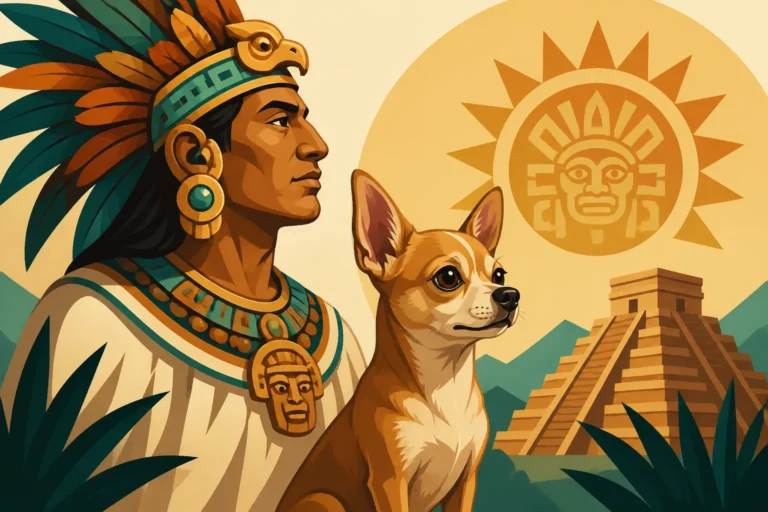
The story of the Chihuahua, as far as we can piece it together, truly begins with the Techichi. Imagine an ancient world in what is now Mexico, long before European explorers set foot on its shores. Here, small dogs, resembling the Techichi, were already living alongside humans. Archaeological evidence, like detailed carvings and pottery, strongly suggests their presence as early as 300 BC. These weren't just any dogs; they held significant cultural and religious importance to the civilizations of the time.
The Toltec people, for instance, are believed to have kept these dogs, possibly for spiritual purposes, companionship, or even as sacrificial offerings. It wasn't just about their utility; these dogs were integrated into the very fabric of their society. Later, as the Aztec empire rose, they, too, encountered and adopted these small dogs. There's even a theory that the Aztecs intentionally bred the Techichi to be smaller, leading to a dog more akin to our modern Chihuahua. These tiny canines were thought to guide souls in the afterlife, protect against evil spirits, and even heal ailments. They were revered, housed, and cared for, a far cry from being unknown. This is the documented beginning, showing the deep roots of The Chihuahua Ancestor Carved in 300 BC and What the Toltecs Kept the Chihuahua's Ancestor For.
The Spanish Arrival and the Disruption
Then came the year 1519, and with it, Hernán Cortés and the Spanish conquistadors. This event was a cataclysm for the indigenous civilizations of Mesoamerica. Cities fell, cultures were disrupted, and entire ways of life were irrevocably altered. The Spanish arrival brought disease, warfare, and a complete shift in societal structure. The Aztec Conquest and a Smaller Dog gives context to the world they entered.
For the indigenous dogs, including the Techichi, this period was likely one of immense upheaval. The Spanish brought their own dogs, primarily large hunting and war dogs, and had little regard for the small, sacred native breeds. Historical accounts from this time are heavily biased towards the conquerors' perspectives, focusing on their missions, discoveries, and the resources they sought. Indigenous practices, including the keeping of native dogs, were often overlooked, dismissed, or actively suppressed as part of the broader cultural subjugation. It's not hard to imagine that in this chaotic environment, the survival of a small, culturally specific dog breed might have been far from the minds of the new rulers or even from the detailed records of the conquered who were fighting for their very existence. This is where the historical trail, for a formal, recognized breed, begins to go cold, leading into the period of What the Spanish Conquest Did to the Chihuahua.
Vanishing Act: Why the Records Went Silent
So, how does a breed with such a prominent ancient history seemingly disappear for centuries? It’s not that the dogs themselves ceased to exist, but rather that their presence was no longer formally noted or valued in the way it once was, or in a way that would leave a European-style historical paper trail.
Lack of European Interest in Indigenous Breeds
One of the primary reasons for the Chihuahua's "unrecorded" status lies in the priorities and cultural lens of the Spanish colonizers. When the Spanish arrived, their interests were clear: gold, land, conversion, and establishing control. They brought their own large, powerful dog breeds – mastiffs, greyhounds, and other working dogs – which served practical purposes in conquest, hunting, and guarding.
Small indigenous dogs, often associated with pagan rituals or simply seen as household pets, held little to no economic or military value in the eyes of the Europeans. They weren't documented in official ledgers, trade manifests, or reports back to Spain. Imagine a Spanish chronicler meticulously detailing the crops, minerals, and human populations, but completely omitting a small, yappy dog kept by a native family in a remote village. It simply wasn't relevant to their imperial project. This indifference meant that, for centuries, the Chihuahua continued its existence far outside the scope of European historical documentation.
Survival in Remote and Indigenous Communities
The most compelling theory for the Chihuahua's survival, despite the historical silence, is that they simply continued to thrive within the indigenous communities, far from colonial centers and European record-keeping. Mexico is a vast country, with rugged mountains, deep valleys, and remote areas that were difficult for the Spanish to fully penetrate or control.
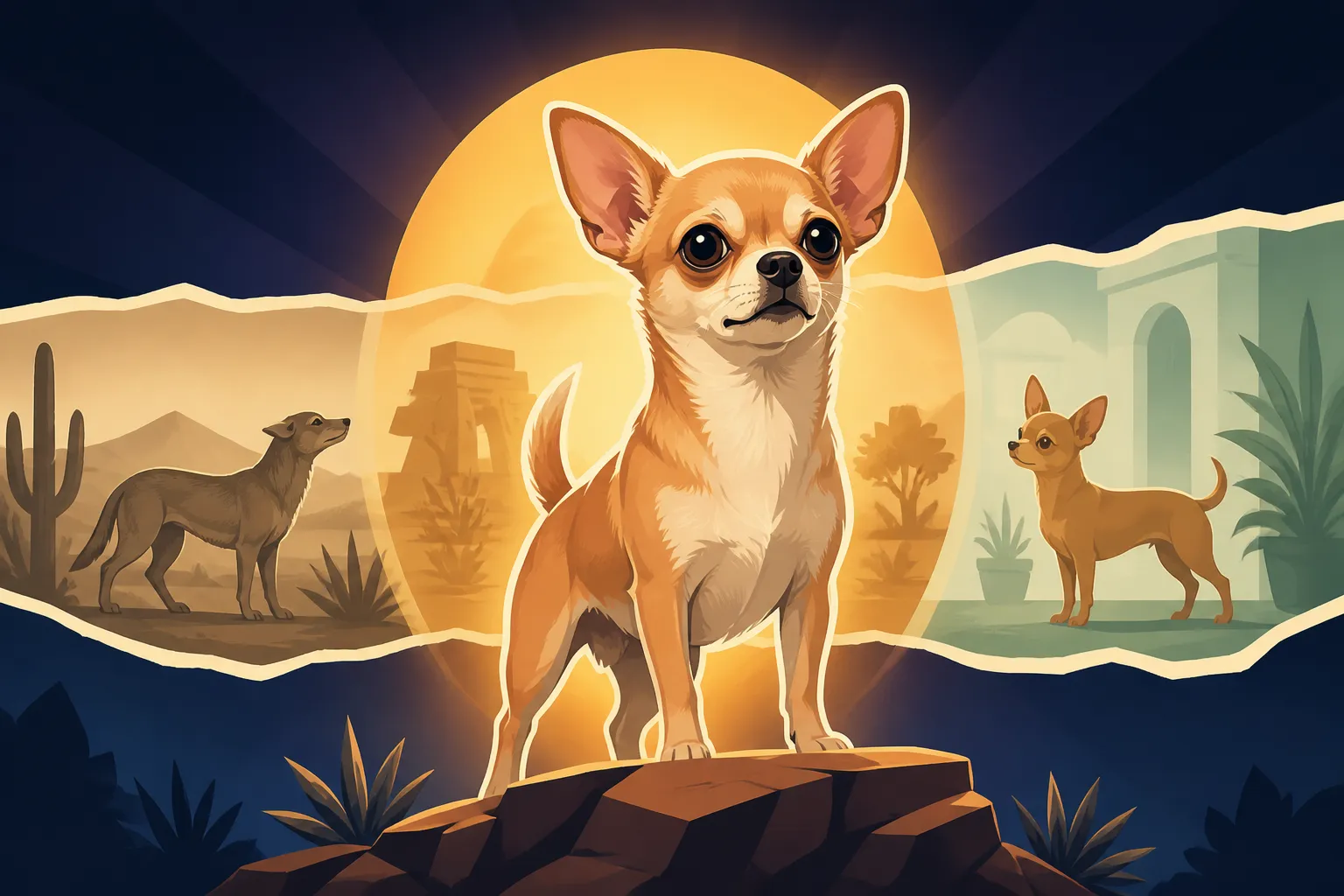
In these isolated villages and homesteads, the small dogs likely maintained their traditional roles as companions, alarm systems, and perhaps even providers of warmth. Their small size would have been an advantage; they were easy to feed, could hide readily, and were not a significant burden on scarce resources. They were perfectly suited to being inconspicuous survivors. How the Chihuahua Survived Three Centuries Unrecorded is truly a testament to their adaptability and the deep bond they shared with the native people. While the grand narratives of history were being written in bustling colonial cities, these little dogs were quietly living out their lives, generation after generation, tucked away in the pockets of resistance and tradition that persisted across the Mexican landscape.
| Period | Documentation Status | European Perspective | Indigenous Community Perspective |
|---|---|---|---|
| Pre-16th Century | Well-documented | N/A (before arrival) | Sacred, companion, spiritual guide, often buried with owners |
| 16th-19th Century | Largely unrecorded | Insignificant, overlooked, not valuable | Continued companionship, alarm, warmth; part of daily life |
| 19th Century Onward | Re-emerging documentation | Exotic curiosity, then recognized breed | Continued role, now also a source of trade and interest |
Interbreeding and Genetic Persistence
Another factor that might have contributed to the Chihuahua's quiet survival is the possibility of some degree of interbreeding. As time went on, smaller European dogs, such as terriers or toy spaniels, might have been introduced into certain areas. It's plausible that some of the native dogs interbred with these newcomers.
However, the distinct "Chihuahua type" — their apple head, large ears, and unique temperament — persisted strongly enough that when they "re-emerged," they were clearly identifiable as a unique breed, not just a generic mix. This suggests that while some genetic mixing might have occurred on the fringes, the core population of what we recognize as Chihuahuas likely maintained a relatively pure lineage, perhaps due to geographic isolation or a continued preference by their keepers for their specific traits. The genetic material, the very essence of the breed, remained embedded within the canine population of Mexico, waiting for the right moment to be recognized again. How the Techichi Differed From Today's Chihuahua and DNA Studies on Chihuahua Origins offer deeper dives into their genetic journey.
The Re-Emergence: Finding the Chihuahua in the 19th Century
The period of silence couldn't last forever. As Mexico underwent its own transformations and began to interact more with its northern neighbors, the stage was set for the Chihuahua's re-discovery.
American Travelers and the State of Chihuahua
The 19th century brought a new wave of interaction between Mexico and the United States, especially after the Mexican-American War. American travelers, miners, and settlers began to explore the northern regions of Mexico, and it was here, particularly in the state that would give the breed its modern name, that these unique little dogs were "found" by outsiders.
Imagine an American traveler visiting a bustling market in a small town in the state of Chihuahua in the mid-1800s. Amidst the produce, crafts, and livestock, they might have spotted these tiny dogs with their characteristic large eyes and alert expressions, perhaps nestled in a basket or trotting at the heels of a vendor. They were unlike anything seen in the United States at the time – an exotic curiosity that captivated these visitors. Many Americans, charmed by their diminutive size and lively personalities, began purchasing these dogs from local merchants and bringing them back across the border. This marked the true beginning of Americans Buying Chihuahuas in the Mid-1800s.
The Transition from Local Curio to Recognized Breed
Once these small Mexican dogs started arriving in the United States, their popularity slowly began to grow. They were no longer just a local curiosity but were quickly becoming cherished companions in American homes. As more of these dogs were imported, a movement began to formally recognize them as a distinct breed.
This process involved careful breeding, establishing a breed standard, and gaining acceptance from kennel clubs. It wasn't an overnight phenomenon; it took dedicated enthusiasts to champion the breed. Eventually, the American Kennel Club (AKC) officially recognized the Chihuahua in 1904, a monumental step that solidified its place in the canine world. This marked the transition from an ancient, sometimes unrecorded, indigenous dog to a globally recognized and beloved breed. The Chihuahua That Opened the AKC Stud Book and AKC Recognition of the Chihuahua in 1904 tell the story of this crucial recognition. From that point on, the Chihuahua's journey was officially recorded, documented, and celebrated, ensuring that its history would never again fall silent. The breed's ability to persist through centuries of being "off the radar" is a testament to its hardiness and the enduring connection it shares with people, a connection that ultimately brought it back into the light.
Disclaimer
This article is for general informational purposes only and does not constitute professional advice. Laws, prices and regulations vary by location and change over time. Consult a qualified professional for guidance on your specific situation.