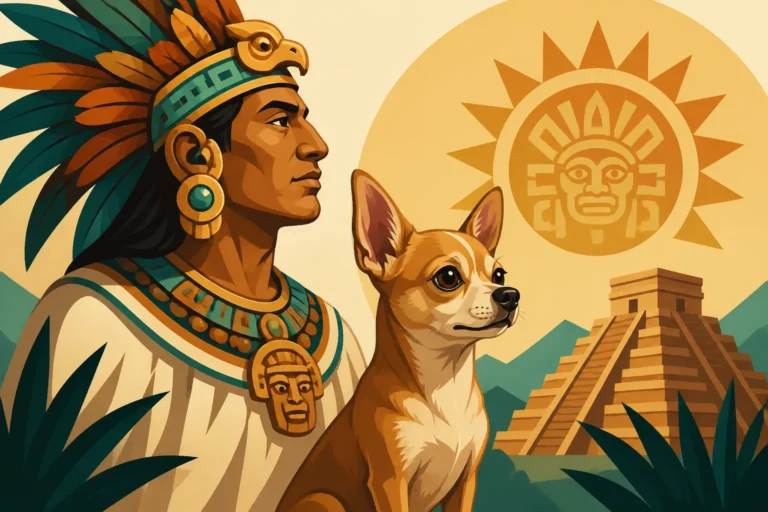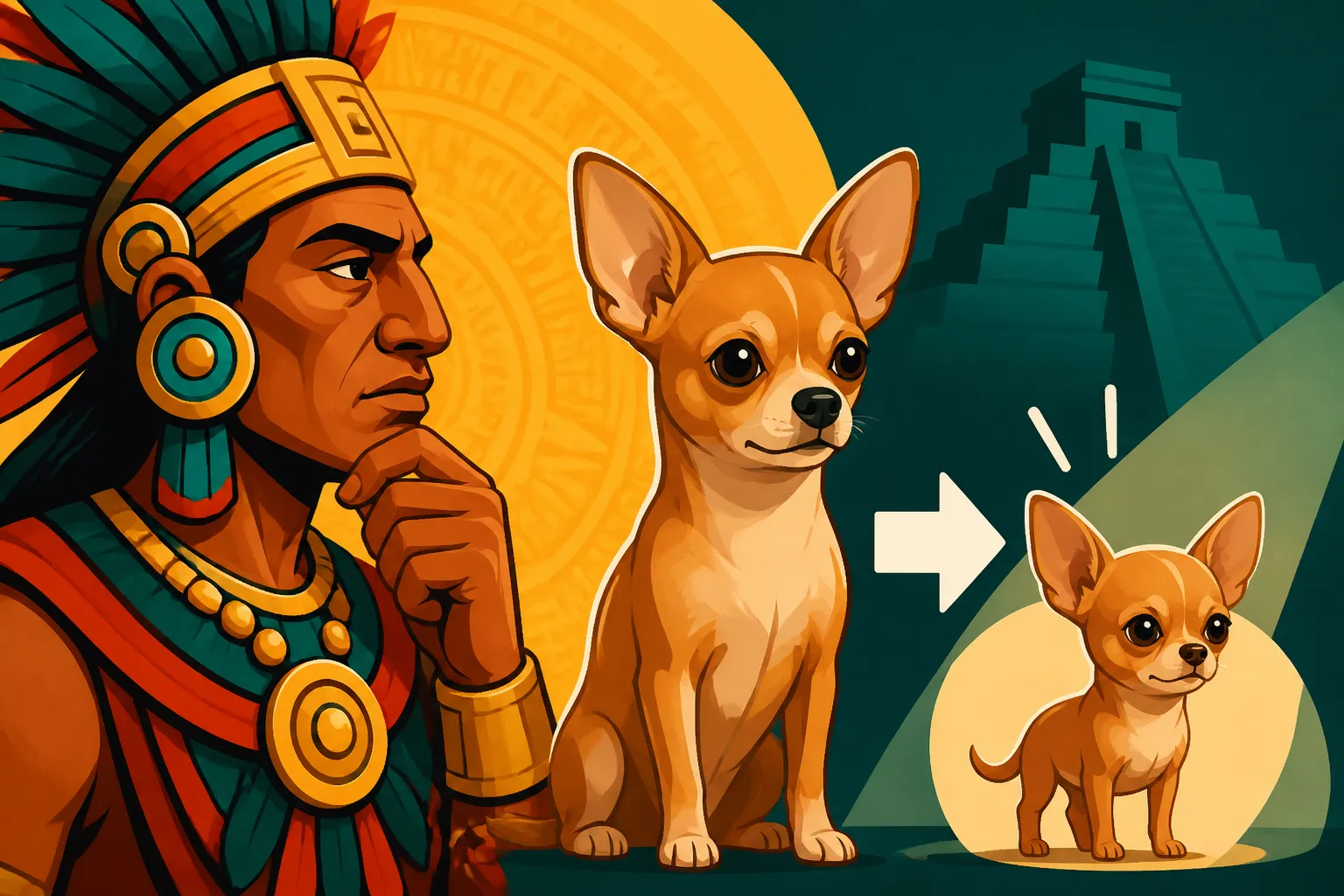
Why the Aztecs Wanted a Smaller Techichi
When you look at a modern Chihuahua, curled up on a velvet cushion or peeking out of a designer bag, it's easy to forget the incredible, ancient history tucked into that tiny frame. These little dogs are survivors, but their journey to becoming one of the world's smallest breeds wasn't a random accident. Instead, it was shaped by powerful cultural forces and the deliberate choices of civilizations like the Aztecs. This guide is going to take you way back in time, unraveling the fascinating story of how the Aztec people intentionally influenced the evolution of the Chihuahua's ancestor, the Techichi, leading to the smaller, more delicate dogs we recognize today.
The Ancient Roots: Understanding the Techichi's Place in Mesoamerica
Before we can truly understand why the Aztecs would want a smaller dog, we need to set the scene. The Chihuahua didn't just appear out of nowhere; it has deep roots in Mesoamerican history, long before the Aztecs even rose to prominence. Its story is intertwined with the cultural and spiritual lives of the people who inhabited what is now Mexico.
The Techichi Before the Aztecs: A Larger Canine
The earliest ancestors of the Chihuahua were dogs known as Techichi, and they weren't quite the pocket-sized companions we know today. Imagine a dog that was still small by most standards, perhaps more akin to a modern Jack Russell or a larger miniature pinscher – sturdy, agile, and robust enough to thrive in diverse environments. Archaeological evidence, like detailed carvings and skeletal remains, points to their presence as far back as 300 BC. If you're curious about these ancient depictions, you'll find it fascinating to learn about The Chihuahua Ancestor Carved in 300 BC.
These early Techichi played a multifaceted role in the lives of the Toltec people, who predated the Aztecs in central Mexico. They weren't just pets; they were integral to daily life, serving practical purposes like hunting small game, acting as guardians, and, yes, even as a food source during times of scarcity. The Toltecs, a sophisticated civilization, valued these canines for their companionship and utility, as we explore further in What the Toltecs Kept the Chihuahua's Ancestor For. Their size was likely practical for these roles – big enough to be useful, but not so large as to be a burden on resources.
Cultural Significance Beyond Pet Status
For many ancient Mesoamerican cultures, animals, especially dogs, were far more than mere creatures; they were believed to have deep spiritual connections. The Techichi, in particular, held a revered position. They were thought to be guides for souls traversing Mictlan, the underworld, aiding their human companions on the perilous journey after death. This belief is evidenced by the discovery of dog remains buried alongside humans in ancient tombs.
Their spiritual importance meant they were often included in rituals and ceremonies. Owning these dogs conferred a certain status, not just for their practical uses but for their perceived link to the divine. Imagine the respect garnered by a family that could care for such a spiritually significant animal. These beliefs weren't just abstract ideas; they were woven into the fabric of society, impacting how these dogs were bred, cared for, and even depicted in art. You can see many examples of their artistic representation in Techichi Figures Found in Mexican Tombs. This deep spiritual connection would continue, and even intensify, under the Aztec empire, albeit with a new emphasis on their physical form.
The Aztec Influence: Reasons for Shrinking the Techichi
When the Aztec Empire rose to power, they inherited much of the cultural and spiritual legacy of their predecessors, including their relationship with the Techichi. However, the Aztecs, with their complex social structures and highly organized urban centers, began to make specific choices that pushed the Techichi's evolution towards a much smaller size. This wasn't accidental; it was a deliberate, strategic shift driven by a combination of practical needs, spiritual beliefs, and social status.
Practicalities of Resource Management and Space
The Aztec capital, Tenochtitlan, was a marvel of ancient engineering – a bustling metropolis built on an island in the middle of a lake, supporting a massive population. In such a densely populated and resource-conscious environment, every living creature's footprint mattered. A larger dog, even one moderately sized, requires significantly more food, water, and space than a smaller one. This is a crucial aspect of The Aztec Conquest and a Smaller Dog and the subsequent influence on the Techichi.
By selectively breeding for smaller Techichi, the Aztecs could reduce the strain on their meticulously managed resources. Less food meant more for the human population or other, more productive livestock. Less space meant more room for people, agriculture, or essential infrastructure within the confined city limits. This wasn't about cruelty; it was about efficiency and sustainability within a highly structured society where every resource was carefully accounted for. Think of it like modern urban living, where smaller pets are often favored due to apartment sizes and limited outdoor space. The economic implications of keeping a dog that needed fewer calories were substantial for a civilization of their scale.
Heightened Spiritual and Symbolic Value
Beyond practical considerations, the Aztecs also had profound spiritual reasons for favoring smaller Techichi. In many ancient cultures, including the Aztec, miniaturization could often signify a concentration of spiritual power or a closer connection to the divine. A tiny, delicate creature might be seen as more precious, more ethereal, and therefore, more potent in ritualistic contexts. This is the heart of Why the Aztecs Wanted a Smaller Techichi.
Smaller dogs were easier to incorporate into elaborate religious ceremonies and offerings. They could be held, carried, or placed more readily in sacred spaces or alongside deceased nobles as spiritual guides. The act of "gifting" a smaller, more refined animal, particularly one that represented a significant breeding effort, elevated the offering's value. It underscored the giver's dedication and wealth. This wasn't just about sacrificing an animal; it was about sacrificing a perfected, precious animal, amplifying the spiritual impact of the act.
Portability and Status
Imagine the bustling markets and grand ceremonies of Tenochtitlan. For the Aztec nobility and elite, having a small, exquisitely bred Techichi would have been a powerful symbol of status and wealth. These dogs were portable luxuries, easily carried in litters or on the person, showcasing the owner's affluence and refined taste. Much like modern accessory dogs, they were a statement piece, but one imbued with deep spiritual meaning.
A smaller dog was less likely to be seen as a working animal and more as a cherished companion, signaling a life of leisure and privilege where one didn't need their dog for hunting or guarding. This preference for smaller dogs for ease of transport and display persisted even into modern times, contributing to the ultimate development of the Chihuahua as a quintessential lapdog. These delicate creatures became living jewelry, paraded through the corridors of power, confirming their owners' elevated standing within the complex Aztec hierarchy.
The Legacy: From Aztec Companion to Modern Chihuahua
The deliberate choices made by the Aztecs, driven by a blend of practicality, spirituality, and status, set the Techichi on a path towards its modern, diminutive form. The impact of their influence stretched far beyond the fall of their empire, shaping the future of this unique canine.
Surviving the Spanish Conquest and Beyond
The arrival of the Spanish conquistadors in the 16th century brought about immense upheaval, leading to the collapse of the Aztec Empire and a drastic shift in the cultural landscape. Many indigenous practices and beliefs were suppressed or lost, and the Techichi, like much of the native culture, faced an uncertain future. It's a somber chapter, explored in detail in What the Spanish Conquest Did to the Chihuahua.
However, these small dogs, or their descendants, managed to survive. It's believed that some Techichi retreated with indigenous populations to more remote, rural areas, continuing to live alongside their human companions, perhaps less as status symbols and more as humble, beloved pets. They blended into the local dog populations, their distinct traits somewhat diluted but never entirely lost. The exact path is a bit hazy, but their resilience is undeniable, demonstrating how deeply embedded they were in the lives of the people. This period of quiet survival and intermingling is critical to understanding Where the Breed Went After the Spanish Arrived.
The Modern Echoes of Ancient Choices
Centuries after the Aztec Empire, in the mid-19th century, these small dogs re-emerged in the Mexican state of Chihuahua, catching the eye of American travelers and dog enthusiasts. It was from these rediscovered ancestors that the modern Chihuahua breed was formally developed. The characteristics favored by the Aztecs – small size, delicate build, and often the distinctive round "apple head" – became defining traits. This lineage is a powerful part of The Chihuahua From Techichi to American Lapdog.
Today, the breed standard for the Chihuahua still emphasizes these qualities, with a specific weight limit that encourages their diminutive stature. If you've ever wondered about the strict guidelines for their size, you can read more about The Six Pound Limit in the Chihuahua Standard. The ancestral desires of the Aztecs for a more manageable, spiritually potent, and status-symbol dog are subtly echoed in the modern preference for small, portable, and often exquisitely groomed Chihuahuas. While modern breeding focuses on health and temperament within these parameters, the aesthetic legacy remains. Scientific studies, like those detailed in DNA Studies on Chihuahua Origins, continue to affirm the deep historical connection to these ancient Mesoamerican dogs, demonstrating how profound the Aztec's selective breeding efforts truly were.
Here's a quick comparison of what we imagine the Techichi might have been like before and during the Aztec era:
| Characteristic | Pre-Aztec Techichi (Hypothetical) | Aztec-Era Techichi (Hypothetical) |
|---|---|---|
| Size | Moderately small (e.g., 10-15 lbs) | Smaller, more delicate (e.g., 5-10 lbs) |
| Build | Sturdier, more robust | Finer bone structure, more refined |
| Primary Role | Companion, hunter, food source | Companion, spiritual guide, status symbol, ritualistic offering |
| Resource Needs | Moderate food & space | Minimal food & space |
| Cultural Value | Revered, practical, spiritual | Highly spiritual, status-driven, ceremonial |
| Portability | Carried, but less emphasis | Emphasized, often carried by elite |
Today, caring for a Chihuahua is a vastly different experience than it was for the Aztecs. We have access to incredible resources, specialized foods, and comprehensive veterinary care that ancient civilizations could only dream of. For example, modern owners can easily find perfectly portioned, nutritionally balanced food specifically for tiny dogs through retailers like Chewy, ensuring their little ones get exactly what they need without excess. The advances in understanding canine health and nutrition, coupled with convenient access to a wide range of products, make it possible for these tiny dogs to thrive. We even consider things like Whether a Smaller Chihuahua Lives Longer and focus on breeding for health, a far cry from resource management and ritualistic purposes. The evolution of the Chihuahua, spurred on by Aztec preferences, has ultimately given us a breed that continues to charm and captivate, a living link to a powerful past.
Disclaimer
This article is for general informational purposes only and does not constitute professional advice. Laws, prices and regulations vary by location and change over time. Consult a qualified professional for guidance on your specific situation.