Chihuahua Temperament and What the Standard Asks For
It’s easy to look at a tiny Chihuahua and assume you know what you’re getting: a yappy, trembling purse dog that’s a bit of a diva. But honestly, that couldn't be further from the truth for most of them. Many prospective owners are surprised, and sometimes frustrated, to find that these small dogs come with personalities that are anything but delicate. This guide will dive deep into the fascinating and often misunderstood temperament of the Chihuahua, exploring what makes them tick and how to foster a well-adjusted, confident companion.
Understanding the Chihuahua Temperament: More Than Just a Lapdog
When people first meet a Chihuahua, they often expect a fragile, passive little creature, something easily carried and perpetually quiet. But if you’ve ever lived with one, you know the reality is wonderfully different and sometimes a little challenging. Chihuahuas, despite their diminutive size, possess a robust spirit that can catch new owners off guard. They’re not just lapdogs; they're alert, intelligent, and fiercely loyal companions with a surprisingly strong sense of self.
The "Big Dog" Mentality in a Small Package
One of the most defining characteristics of a Chihuahua’s temperament is what many owners lovingly refer to as their "big dog" mentality. They truly don't seem to realize they're tiny. You'll see a six-pound Chihuahua confidently strutting down the street, often with a swagger that suggests they could take on a Rottweiler (please, for their safety, don't let them!). This confidence means they can be incredibly brave and adventurous, eager to explore their world and meet new challenges head-on. It's this innate boldness that makes them such engaging and entertaining companions.
This "big dog" attitude also translates into how they interact with their environment and other dogs. They often don't back down, even when faced with creatures many times their size. This can be a double-edged sword: admirable in its pluckiness, but potentially dangerous if not managed carefully. It's why proper Socializing a Chihuahua Without Overwhelming It is so crucial, ensuring they learn appropriate social cues without losing their inherent confidence.
Why Stereotypes Miss the Mark
Unfortunately, many common stereotypes about Chihuahuas — that they're inherently yappy, aggressive, or constantly shivering with fear — often miss the mark on their true nature. While some Chihuahuas can exhibit these behaviors, they are almost always a result of poor socialization, lack of training, or underlying anxiety, not an inherent genetic flaw. It's a sad truth that their small size often leads owners to treat them differently than they would a larger dog, excusing behaviors that would never be tolerated in a Retriever.
This differential treatment, often stemming from a protective instinct, can inadvertently create the very behaviors people complain about. A Chihuahua that is constantly picked up when another dog approaches, or not allowed to walk on a leash and explore, might develop fear-based reactivity because they never learn how to navigate the world confidently on their own four paws. Understanding this is the first step to unlocking their true potential as resilient and happy companions.
The Official Standard: What Breed Clubs Expect
When we talk about what a Chihuahua "should" be, we often look to the breed standard, which is the blueprint set by organizations like the American Kennel Club (AKC). This standard outlines the ideal physical traits, of course, but it also gives us a clear picture of the desired temperament. It's not just about looks; it's about the entire package, including their personality and disposition. This is where we learn that the ideal Chihuahua is far from timid.
The "Terrier-Like" Spirit in the Breed Standard
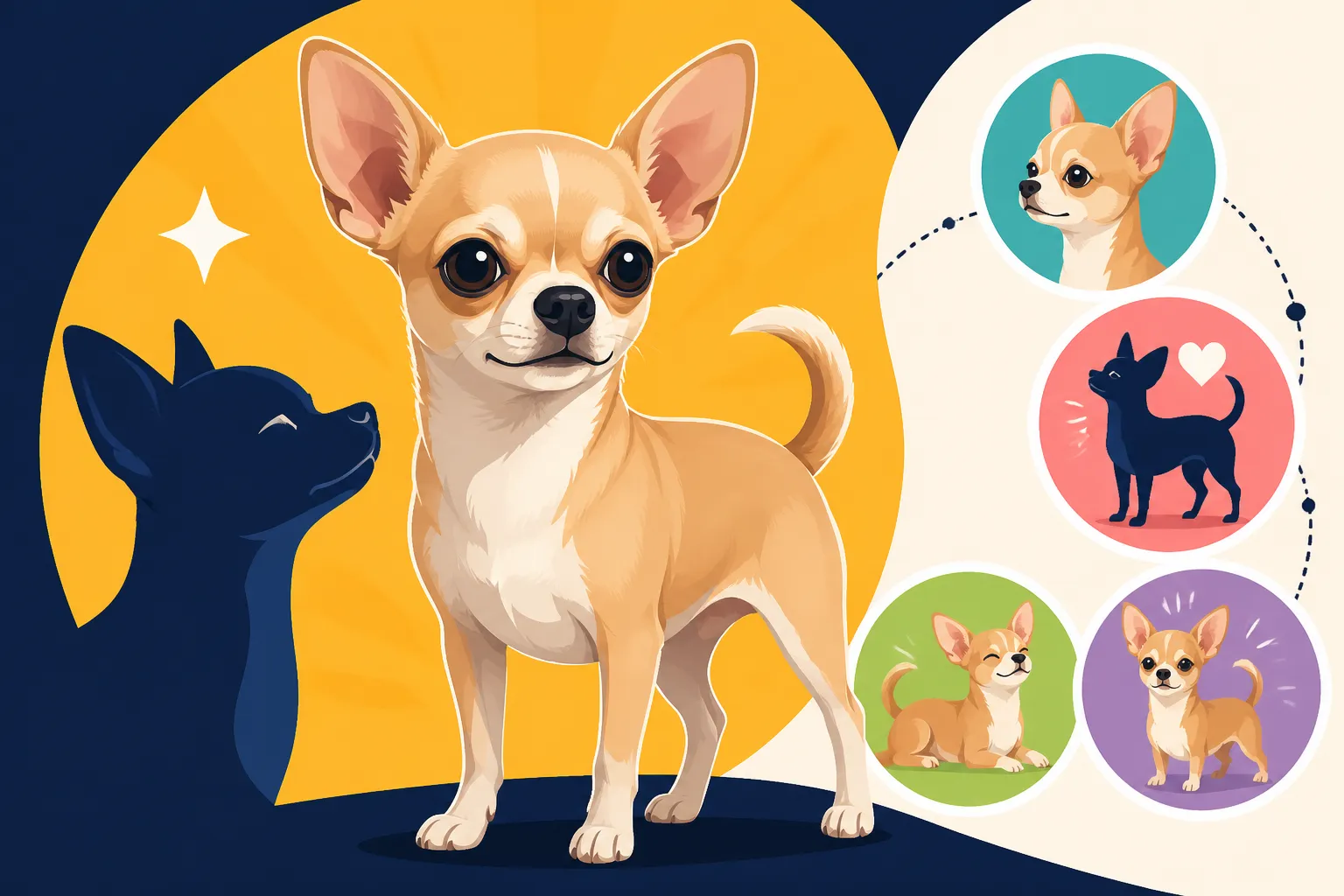
The AKC standard for the Chihuahua explicitly describes their temperament as "terrier-like" in character. What does "terrier-like" truly mean for a Chihuahua? It means they should be alert, lively, and quick-witted. Think of the tenacity and confidence of a Jack Russell Terrier, but miniaturized. They are expected to be bold and self-possessed, never shy or nervous. This desired spirit means they are watchful and ready to engage with their surroundings, always aware of what’s going on.
This "terrier-like" nature also implies a certain level of independence and spunk. They aren’t meant to be overly dependent or clingy, though they certainly enjoy affection on their own terms. This energetic and inquisitive disposition makes them highly trainable for those willing to put in the effort. They thrive on mental stimulation and enjoy puzzles, training sessions, and interactive play, especially with toys you might find on Chewy.
Confident Demeanor Versus Timidity
The breed standard actively discourages timidity or shyness. A truly well-bred Chihuahua should exhibit a confident demeanor, showing no signs of fear or aggression that isn't provoked. They should be able to hold their own, not necessarily in a fight, but in their self-assured presence. This doesn't mean they're outwardly boisterous with everyone they meet, but rather that they are composed and comfortable in their own skin.
For breeders striving for the ideal, temperament is as important as physical conformation. They look for puppies who show curiosity and approachability, rather than those who cower or hide. A Chihuahua who is constantly hiding under furniture or nipping out of fear is not exhibiting the desired breed temperament, and this often points to issues in their early environment, socialization, or even underlying health concerns, rather than a genetic predisposition to being "mean."
Fear Reactivity: A Common Chihuahua Challenge
Despite the breed standard's call for confidence, fear reactivity is, unfortunately, a common issue seen in many Chihuahuas. It's often misunderstood as aggression or stubbornness, but at its core, it's almost always rooted in fear or anxiety. This isn't unique to Chihuahuas, but their small size often makes owners more inclined to either coddle them or, conversely, ignore their subtle cues until the behavior escalates.
The Roots of Fear-Based Behaviors
Fear in Chihuahuas can stem from several factors. One of the biggest culprits is inadequate socialization during their critical puppy development window, which typically closes around 16 weeks of age. A puppy not exposed to a variety of sights, sounds, people, and friendly dogs during this time may grow up perceiving anything new or unfamiliar as a threat. Because they are so small, many owners inadvertently limit their exposure, carrying them everywhere instead of letting them explore the ground and interact appropriately.
Another significant factor is negative experiences. A bad encounter with a larger, boisterous dog or a child who doesn't understand boundaries can create lasting fear. Even something as simple as a loud noise or a sudden movement can be startling for a tiny dog and, if repeated without positive counter-conditioning, can lead to chronic anxiety. Poor breeding practices where timid or fearful parents are used can also contribute, though environmental factors often play a larger role in shaping an individual dog’s behavior.
Signs of an Anxious or Fearful Chihuahua
Recognizing the signs of fear in a Chihuahua is crucial for addressing it effectively. They might not always growl or snap first; their communication can be much more subtle. Look for:
- Trembling or Shaking: Beyond just being cold, trembling can be a clear sign of stress.
- Tail Tucked: A tail tucked tightly between the legs is a universal sign of fear.
- Lip Licking or Yawning: These can be "calming signals" indicating stress, not actual hunger or tiredness.
- Whale Eye: When you can see the whites of their eyes, it often means they're uncomfortable or stressed.
- Freezing: Becoming stiff and still, as if paralyzed, before reacting.
- Attempts to Hide or Flee: Trying to get under furniture, behind legs, or pull away from a situation.
- Barking and Lunging: This is often a "keep away" signal, indicating they want the perceived threat to retreat.
- Snapping or Biting: A last resort when all other warning signals have been ignored and they feel trapped.
| Sign of Fear/Anxiety | Description | Common Misinterpretation |
|---|---|---|
| Trembling/Shaking | Body shakes uncontrollably, often unrelated to cold. | "Just a nervous breed," "Cold" |
| Tail Tucked | Tail held low, often tightly clamped between hind legs. | "Shy" |
| Lip Licking/Yawning | Quick flicks of the tongue or wide, slow yawns. | "Hungry," "Tired" |
| Whale Eye | Whites of eyes are visible, often when head is turned away. | "Looking at something else" |
| Freezing | Body becomes stiff and still, movement stops. | "Being obedient," "Considering" |
| Hiding/Fleeing | Tries to escape situation, go behind owner, under furniture. | "Playful," "Being silly" |
| Barking/Lunging | Loud, insistent barks, pulling on leash towards perceived threat. | "Aggressive," "Bossy" |
| Snapping/Biting | Quick, sudden nip or bite, usually after other warnings. | "Mean," "Untrainable" |
Learning to read these signals will help you intervene before your Chihuahua feels the need to escalate to a bite. A Chihuahua That Freezes Before It Bites or Reading a Chihuahua's Whale Eye can give you more insights.
Overcoming Fear: Building Confidence Safely
Addressing fear reactivity requires a patient, positive, and systematic approach. It's not about forcing your Chihuahua to face their fears, but about gradually building their confidence in a safe, controlled manner.
- Positive Exposure: Instead of throwing them into overwhelming situations, create positive associations with triggers. If they're scared of strangers, have a calm friend sit quietly and toss treats towards your Chihuahua without making eye contact. Gradually, as their comfort grows, the friend can move closer.
- Desensitization and Counter-conditioning: This involves slowly introducing the scary stimulus (desensitization) while simultaneously pairing it with something highly positive, like their favorite high-value treat from Chewy (counter-conditioning). For example, if they bark at the doorbell, play a recording of the doorbell sound at a very low volume while giving them treats. Slowly increase the volume over days or weeks. Desensitising a Chihuahua to the Doorbell is a good starting point.
- Respect Their Space: Never force interactions. If your Chihuahua is showing signs of discomfort, remove them from the situation or create distance. A comfortable dog learns faster.
- Enroll in Training: A well-structured puppy class or private lessons with a positive reinforcement trainer can work wonders. Look for trainers experienced with small breeds, who understand that Training a Chihuahua Exactly Like a Big Dog is the way to go.
- Build a Secure Foundation: Ensure your Chihuahua feels safe and secure at home. Provide a comfortable crate or bed where they can retreat, and maintain a predictable routine.
The Chihuahua's Bond: Loyalty and Affection
One of the most endearing aspects of the Chihuahua temperament is their profound capacity for loyalty and affection towards their chosen people. When a Chihuahua bonds with you, they bond hard. This isn't a casual acquaintance; it's a deep, unwavering devotion that will see them following you from room to room, eager for a cuddle or just to be near.
One-Person Dogs: Fact or Fiction?
The stereotype of the "one-person dog" is often applied to Chihuahuas, and there's a good deal of truth to it, though it's not an absolute rule. Many Chihuahuas will choose one primary person in the household and direct the majority of their intense affection and loyalty towards them. They might tolerate or even enjoy the company of other family members, but they reserve their deepest bond for their chosen human. This often translates into them being your shadow, curling up in your lap, or demanding to be carried by you.
This strong preference can be charming, but it's important to ensure your Chihuahua is at least tolerant and respectful of other people, especially if they live in a multi-person household. Early, positive exposure to all family members is key, ensuring everyone has opportunities for positive interactions, feeding, and play. If you find your Chihuahua guarding you or a lap, this behavior needs to be addressed gently but firmly through training. A Chihuahua That Guards a Lap is a common issue that needs managing.
Affectionate, But With Boundaries
While Chihuahuas are incredibly affectionate, they also have their boundaries, and it’s important to respect them. They love to snuggle under blankets, burrow into laps, and offer tiny kisses, but they also appreciate their space. Unlike some larger breeds that might tolerate endless petting, a Chihuahua might give you a clear signal (like a subtle lip lick or a shift in position) that they've had enough. Learning to read these signals prevents them from feeling overwhelmed, which can lead to nipping.
They thrive on consistent, gentle interaction. Forced cuddles or rough handling can easily lead to a Chihuahua becoming wary or defensive. They are delicate, not just in size, but in their emotional capacity, and respond best to a soft touch and respectful approach. Creating a relationship based on mutual respect, where you ask for consent before lifting or handling them, will deepen your bond and foster trust. Asking Before You Lift a Chihuahua can make a huge difference in their comfort level.
Vocalization: Why Chihuahuas Can Be Barky
Let's address one of the most common complaints about Chihuahuas: their tendency to be vocal. Yes, many Chihuahuas can be quite barky. But it's important to understand why they bark, rather than just dismissing it as an annoying trait. Their vocalizations are a form of communication, and often, they're trying to tell you something important.
Alert Barking: Their Job as Tiny Watchdogs
Chihuahuas were historically bred to be alarm dogs, and this instinct is still very much alive in the modern breed. Their acute hearing and keen awareness of their surroundings mean they often pick up on things long before you do. A leaf blowing across the porch, a squirrel scurrying up a tree, the neighbor’s cat sauntering by – these are all potential "threats" that warrant a verbal warning, in their tiny, mighty opinion. They take their job as household guardians very seriously.
This alert barking often sounds far more intense than you might expect from a dog their size. They often have surprisingly deep or shrill barks that carry well, making them excellent (if sometimes overzezealous) alerts. While you might find it annoying, for them, it's a vital duty, ensuring their pack (you!) is aware of any perceived changes or intruders. The goal isn't to eliminate this entirely, but to manage it and teach them when it's appropriate to "report" and when it's time to quiet down.
Excessive Barking: When it Becomes a Problem
While alert barking is natural, excessive, incessant barking can become a real problem for owners and neighbors alike. When barking goes beyond a few warning woofs, it usually signals an underlying issue. Common reasons for excessive barking include:
- Boredom and Lack of Stimulation: A Chihuahua left alone for long periods with nothing to do will often bark out of sheer boredom or to seek attention. They are intelligent dogs that need mental engagement, not just physical exercise.
- Anxiety: As discussed with fear reactivity, anxiety is a major driver of barking. A Chihuahua with separation anxiety might bark constantly when left alone. A fearful Chihuahua might bark at every new sight or sound. Chihuahua Alert Barking Against Anxious Barking explores this distinction further.
- Attention-Seeking: If barking consistently gets a reaction from you (even a negative one), your Chihuahua quickly learns that barking is an effective way to get what they want.
- Lack of Training/Boundaries: If a Chihuahua is never taught a "quiet" cue or is allowed to bark at every little thing without consequence, they will continue the behavior.
Addressing excessive barking requires identifying the root cause. If it's boredom, enrichment toys (like puzzle feeders found at Chewy) and more mental stimulation are needed. If it's anxiety, a structured desensitization program and potentially consulting a veterinary behaviorist might be in order. For attention-seeking, ignoring the barking until there's a moment of quiet, then rewarding that quiet, can be effective. Consistency and patience are paramount.
Living with Other Pets and Children
Bringing a Chihuahua into a home with existing pets or children requires careful consideration of their temperament and clear boundaries for everyone involved. While Chihuahuas can absolutely thrive in multi-pet or family homes, success hinges on responsible management and thorough socialization.
Chihuahuas and Other Dogs: Size Matters
Chihuahuas can often coexist peacefully with other dogs, whether they're other Chihuahuas or larger breeds. However, their small size means that "size matters" a great deal when it comes to interactions. A playful nip from a Labrador or an accidental bump from a Golden Retriever can be devastating for a tiny Chihuahua. This isn't to say bigger dogs are inherently dangerous, but their play style and sheer mass can easily injure a small dog, even unintentionally.
When introducing a Chihuahua to other dogs, particularly larger ones, always supervise closely. Ensure the other dog has a calm, gentle temperament and is well-socialized themselves. Teach your larger dogs to be mindful of the Chihuahua's size and to play gently. Creating designated "safe zones" for your Chihuahua where bigger dogs can't bother them (e.g., elevated beds, crates) can also be helpful. Puppy classes that group Puppy Classes That Group Chihuahuas With Toys can provide safe, positive play experiences with dogs of similar size.
On the flip side, Chihuahuas can sometimes be prone to "small dog syndrome" where they act aggressively towards larger dogs, possibly out of fear or a belief that they need to overcompensate for their size. This is not genetic; it’s a learned behavior often enabled by owners who allow or even encourage this behavior. Proper training and socialization from a young age can prevent this, teaching your Chihuahua appropriate manners regardless of the other dog's size. Small Dog Syndrome and Why It Is Not Genetic delves into this further.
Navigating Life with Children
Chihuahuas and children can live happily together, but it requires a significant amount of education and supervision for both the dog and the children. Chihuahuas are generally not recommended for homes with very young children (toddlers or preschoolers) due to their fragility and their potential to react defensively if mishandled. A child, even with the best intentions, can accidentally drop, step on, or squeeze a Chihuahua, leading to injury for the dog and a potential bite reaction.
For homes with older, respectful children, Chihuahuas can be wonderful companions. The key is to teach children how to interact gently and appropriately with a small dog:
- Gentle Hands: Teach children to use soft, open hands, and to pet areas the dog enjoys (like the chest or shoulder, rather than the top of the head).
- No Rough Play: Discourage roughhousing, chasing, or startling the dog.
- Respect Boundaries: Teach children that when the dog walks away, they should let them. The dog's bed or crate should be a "safe space" where they are never bothered.
- Supervision: Always supervise interactions, especially initially. Never leave a young child and a Chihuahua alone together.
- Reading Dog Signals: Educate children on how to read a Chihuahua's body language so they can recognize when the dog is uncomfortable.
It's a proactive effort to ensure the safety and happiness of both your Chihuahua and your children. A Chihuahua who feels safe and respected is far more likely to be a happy, tolerant companion.
Training and Socialization: Shaping a Well-Adjusted Chihuahua
The importance of training and socialization for a Chihuahua cannot be overstated. Their small size often leads people to believe they don't need as much training as a big dog, but this is a critical misconception. A well-trained and properly socialized Chihuahua is a joy to live with; an untrained one can develop a host of behavioral issues that become frustrating for everyone.
Early Socialization: A Critical Window
The period from approximately 3 to 16 weeks of age is a crucial socialization window for puppies. During this time, every positive experience (or lack thereof) profoundly shapes their future temperament. For a Chihuahua puppy, this means exposing them to a wide variety of:
- People: Different ages, genders, appearances, and gaits.
- Environments: Parks, pet stores (if they’ve had all their shots), busy streets, quiet homes, car rides.
- Sounds: Doorbell, vacuum cleaner, traffic, children playing, thunder (at low volumes).
- Objects: Different textures to walk on, umbrellas, hats, bags.
- Other Dogs: Calm, vaccinated, friendly dogs of various sizes (under strict supervision).
The goal is not to overwhelm them, but to create positive associations. Pair new experiences with high-value treats from Chewy or praise, making everything a happy, low-stress event. A properly socialized Chihuahua is far less likely to develop fear-based reactivity or excessive barking as an adult. Remember, The Chihuahua Socialization Window and Its Deadline is real, and missing it can have long-term consequences.
Positive Reinforcement: The Key to Success
When training a Chihuahua, positive reinforcement is absolutely the most effective method. This means rewarding desired behaviors with treats, praise, or toys, rather than punishing unwanted behaviors. Chihuahuas are intelligent and sensitive; harsh corrections, yelling, or physical punishment can easily break their trust, make them fearful, and exacerbate behavioral problems. They will shut down, become defensive, or learn to avoid you.
Short, fun training sessions (3-5 minutes at a time) work best, as Chihuahuas have small attention spans, especially as puppies. Focus on foundational commands like "sit," "stay," "come," and "leave it." These aren't just tricks; they're vital for safety and building a clear line of communication between you and your dog. Three Minute Training Sessions With a Chihuahua can be incredibly effective.
Consistency is King: Training a Smart, Stubborn Breed
Chihuahuas are smart, and while this makes them capable of learning a great deal, it can also mean they're good at testing boundaries or being a bit stubborn if they don't see the point. Consistency is key. Everyone in the household needs to be on the same page with rules, commands, and expectations. If one person allows begging at the table, while another doesn't, your Chihuahua will quickly learn who to manipulate.
Whether it’s house training (which can be a challenge with their tiny bladders, see House Training a Chihuahua With a Tiny Bladder), leash manners, or boundaries around furniture, present a united front. Daily practice, even for a few minutes, reinforces learning and keeps their minds engaged. Remember, a trained Chihuahua is not a suppressed Chihuahua; it’s a confident one who understands their role in the family and trusts their human to guide them.
The Impact of Health on Temperament
It’s easy to attribute a Chihuahua’s grumpiness or sudden behavioral shifts solely to their personality, but a wise owner always considers health first. A tiny dog, just like a human, can become irritable, withdrawn, or even aggressive when they are in pain or feeling unwell. Ignoring these cues can lead to worsening health problems and persistent behavioral challenges.
Pain and Behavioral Changes
Chihuahuas are prone to several health issues that can cause chronic pain or discomfort, significantly impacting their temperament. Conditions like Patellar Luxation, the Chihuahua's Commonest Joint Problem (slipping kneecaps), Chihuahua Dental Disease in a Crowded Small Jaw, or Chihuahua Arthritis in the Teenage Years can cause discomfort that manifests as behavioral changes. A dog that snaps when touched might not be "mean"; they might be hurting.
Signs that pain is influencing temperament can include:
- Increased Irritability: Snapping or growling when previously tolerant.
- Reluctance to Be Handled: Flinching or moving away from touch.
- Withdrawal: Hiding more, becoming less social, not wanting to play.
- Restlessness or Difficulty Settling: Unable to find a comfortable position.
- Changes in Appetite or Sleep Patterns: Eating less, sleeping more, or having disturbed sleep.
- Limping or Stiffness: Obvious physical signs of discomfort.
If your Chihuahua suddenly changes their behavior, especially becoming more irritable or withdrawn, a veterinary check-up is always the first step. They can rule out medical causes and ensure your dog isn't silently suffering. A Chihuahua Snapping Because Its Knee Hurts highlights a common scenario where pain drives behavior.
Hypoglycemia and its Behavioral Manifestations
Another critical health concern that can dramatically affect a Chihuahua’s behavior, especially in puppies, is hypoglycemia (low blood sugar). Due to their small size and rapid metabolism, Chihuahua puppies are particularly vulnerable to sudden drops in blood glucose. This isn't just a physical emergency; it has profound behavioral symptoms that can be alarming.
When a Chihuahua’s blood sugar drops too low, they might exhibit:
- Lethargy and Weakness: Becoming unusually tired, sluggish, and unresponsive.
- Trembling or Shaking: Beyond cold, this is a sign of their body struggling.
- Disorientation or Confusion: Staring blankly, wandering aimlessly, appearing "lost."
- Lack of Coordination: Stumbling, appearing dizzy, or having trouble walking.
- Seizures: In severe cases, low blood sugar can lead to seizures. A Chihuahua Seizure Caused by Low Blood Sugar is a very real danger.
These behavioral changes are urgent signs that your Chihuahua needs immediate intervention (like rubbing a sugar solution on their gums). A Chihuahua suffering from hypoglycemia is not acting out; they are in a medical crisis. Understanding Chihuahua Hypoglycemia and the Puppy Emergency is vital for any owner of this breed. Regular, small meals, especially for puppies, are crucial to prevent these episodes.
Ultimately, a Chihuahua's temperament is a complex tapestry woven from genetics, early experiences, ongoing training, and their physical health. By understanding these factors and committing to responsible ownership, you can nurture a confident, affectionate, and well-adjusted companion that defies stereotypes and brings immense joy to your life.
Disclaimer
This article is for general informational purposes only and does not constitute professional advice. Laws, prices and regulations vary by location and change over time. Consult a qualified professional for guidance on your specific situation.