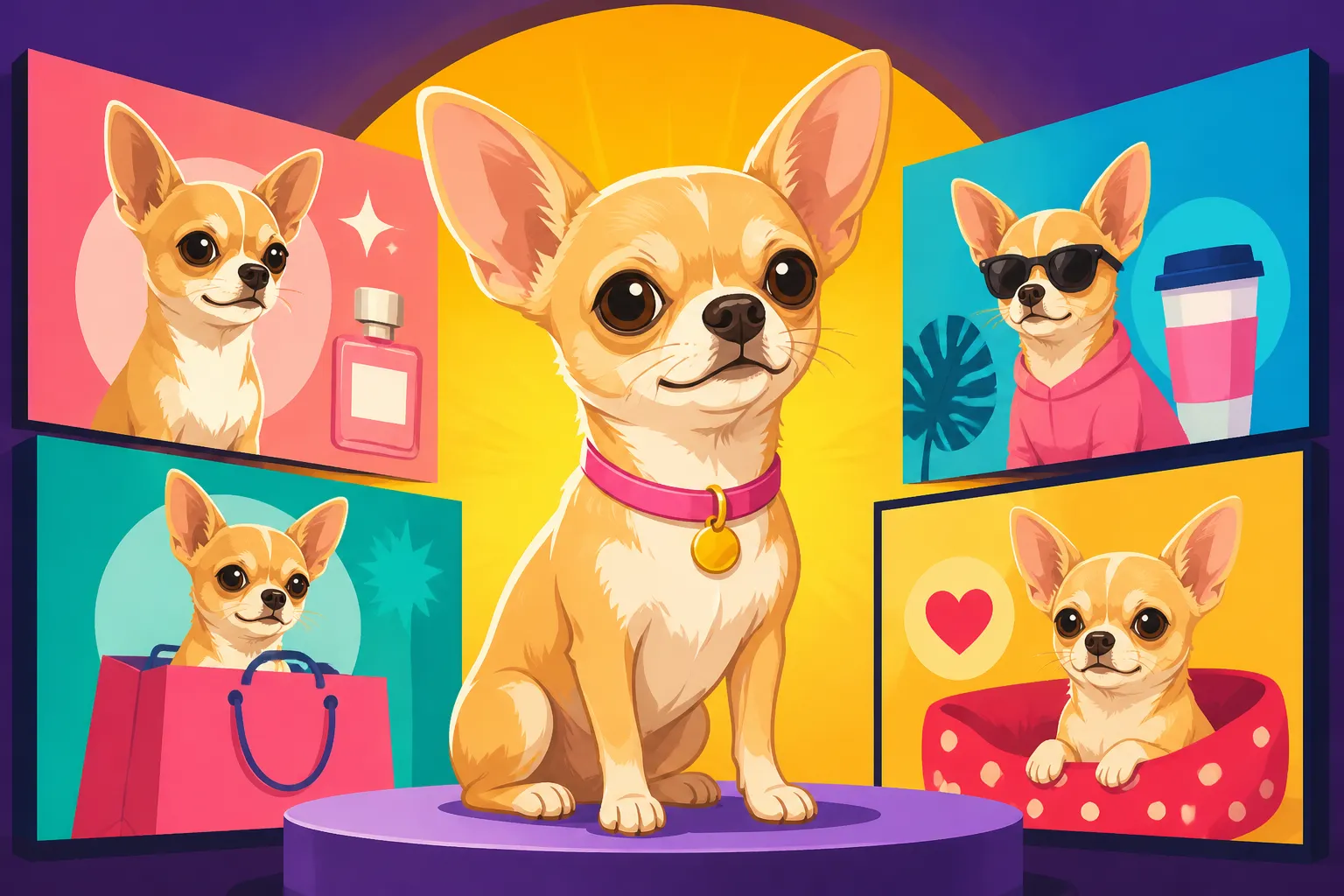
The Advertising Campaigns Built on a Chihuahua
It's easy to assume that small dogs like Chihuahuas have always been popular, but in truth, their place in the cultural spotlight, especially in advertising, has seen some dramatic shifts over the years. Many aspiring Chihuahua owners come to the breed because they've seen these tiny dogs front and center in big media campaigns, dreaming of having their own pint-sized superstar. This guide will take a deep dive into the most influential advertising campaigns that truly built on the Chihuahua's unique charm, exploring how they changed public perception and what that meant for the breed.
The Unexpected Rise of a Tiny Icon in Advertising
Before the late 20th century, Chihuahuas were certainly beloved pets, but they weren't exactly mainstream advertising darlings. Their small stature and often sassy demeanor were known to breed enthusiasts, but the wider public hadn't fully grasped their potential for capturing attention. Advertisers are always looking for something unique, something that can create an instant connection or a memorable moment, and eventually, they realized the Chihuahua had that "it" factor in spades.
Why Chihuahuas Were Chosen for the Spotlight
Think about it: Chihuahuas are inherently captivating. They are tiny, often with expressive eyes and ears that can convey a surprising range of emotions. This makes them perfect for visual storytelling, even in short commercial spots. Their small size makes them seem both adorable and somewhat vulnerable, which can evoke empathy, but they also possess a fierce, confident spirit that is often played for comedic effect. This duality is a goldmine for marketers looking to create a character that stands out and resonates with a broad audience.
Moreover, their distinct appearance, especially the classic "apple head" with its prominent eyes and erect ears, is instantly recognizable. This isn't a generic cute dog; it's a Chihuahua. This distinctiveness helps brands create immediate association. When you see that silhouette or those big, soulful eyes, you know exactly what breed you're looking at, even if the ad doesn't explicitly state it. It’s part of what makes them so powerful in a quick-hit commercial.
Crafting a Persona for Mass Appeal
Advertisers often use animals to imbue their products with certain qualities. For Chihuahuas, this often meant highlighting their perceived feistiness, intelligence, or even their pampered, luxurious side. They could be the underdog with a big voice, the fashionable accessory, or the clever companion. These carefully crafted personas tapped into existing stereotypes about small dogs while simultaneously flipping them on their head. They showed the world that a tiny dog could have a gigantic personality, challenging the idea that only large breeds possessed significant character. This wasn't just about showing a cute dog; it was about telling a story through their specific breed traits.
The "Yo Quiero Taco Bell" Phenomenon and Its Legacy
Without a doubt, the most iconic and impactful advertising campaign built on a Chihuahua was the Taco Bell campaign of the late 1990s. This series of commercials didn't just feature a Chihuahua; it made the Chihuahua the undeniable star, catapulting the breed into unprecedented levels of public recognition and affection.
The Chihuahua Who Spoke for a Brand
Gidget, the Chihuahua famous for her role as the Taco Bell dog, became an overnight sensation. Her ability to "speak" (through voiceovers) and her deadpan delivery of the now-famous line, "Yo quiero Taco Bell," was pure marketing genius. She wasn't just a prop; she was a character. The campaign leaned heavily into the Chihuahua's perceived sass and attitude, giving this tiny dog a massive voice. This wasn't some quiet, shy little lapdog; this was a dog with opinions and demands, albeit for fast food. The commercials were humorous, memorable, and, most importantly, they made the Taco Bell brand instantly recognizable and relatable.
The character had a surprising amount of range, appearing in various scenarios, from trying to lure people to Taco Bell to attempting to catch Godzilla. Each commercial reinforced the idea of a clever, determined, and utterly charming Chihuahua. It captured the public's imagination in a way few animal mascots ever have. The phrase "Yo quiero Taco Bell" became a cultural touchstone, often mimicked and parodied, ensuring the Chihuahua's place in advertising history.
The Impact on Breed Popularity
The effect of the Taco Bell campaign on the Chihuahua breed was immense. Suddenly, everyone wanted a Chihuahua. Breed registrations saw a significant surge, and the breed became one of the most popular in the country. People who had never considered a small dog before were now captivated by the idea of having their own little Gidget. This explosion in popularity, while initially exciting, also brought its own set of challenges, leading to discussions about responsible breeding and the potential for Chihuahua Overpopulation in American Shelters when trends shift.
It's a classic example of how mass media can dramatically influence breed trends. Before Gidget, the Chihuahua was known, but after her, the breed was famous. This meant that everything from Chihuahua Puppy Prices From $800 to $3,500 to the demand for chihuahua-themed merchandise skyrocketed. The campaign firmly cemented the Chihuahua as an easily recognizable symbol, forever linking the breed to pop culture and successful advertising.
Beyond Fast Food: Chihuahuas in Fashion and Celebrity Culture
While Taco Bell might be the most famous example, Chihuahuas have also found their way into other corners of advertising and celebrity endorsement, often positioning them as symbols of luxury, fashion, or even as comedic sidekicks. This broader integration into pop culture continued to shape public perception of the breed long after Gidget retired from the screen.
The Chihuahua as a Fashion Accessory
Beyond direct advertising campaigns, Chihuahuas gained immense traction through their association with celebrities, particularly in the early 2000s. Paris Hilton and her beloved Chihuahua, Tinkerbell, are perhaps the most famous example. Tinkerbell was often seen tucked into designer handbags, adorned with tiny outfits, and accompanying Hilton to various high-profile events. This wasn't a commercial in the traditional sense, but it was an incredibly effective form of brand building, elevating the Chihuahua to a status symbol.
This trend led to a boom in chihuahua-specific products, from designer carriers to elaborate wardrobes. Suddenly, people weren't just buying Chihuahuas; they were investing in the entire lifestyle associated with them. Retailers like Chewy offer an enormous range of clothing, accessories, and specialized gear tailored for tiny breeds, reflecting this enduring interest in dressing and equipping Chihuahuas as fashionable companions. It also contributed to the misconception that Chihuahuas are simply "accessory dogs," rather than intelligent, active companions who need proper Training a Chihuahua Exactly Like a Big Dog.
Comedic Roles and Stereotypes
Chihuahuas also frequently appear in film and television in comedic roles, often playing on their small size versus their bold personality. Think of Bruiser Woods in the "Legally Blonde" movies – a perfectly coiffed, intelligent, and fiercely loyal companion to Reese Witherspoon's character. These portrayals, while endearing, often reinforce certain stereotypes. They either make the Chihuahua out to be a pampered lapdog or an overly aggressive "ankle-biter" that needs to be carried everywhere.
While these roles are entertaining, they sometimes paint an incomplete picture of the breed. A real Chihuahua owner knows that these dogs require consistent training, socialization, and care, just like any other dog. The humorous exaggerations in media can sometimes mask the real needs of the breed, leading some new owners to be unprepared for the actual responsibilities involved. It’s a good reminder that fiction, while fun, isn't always fact when it comes to dog behavior.
The Double-Edged Sword of Ad Fame: Impact on the Breed
The immense popularity gained through advertising campaigns is a mixed blessing for any dog breed, and the Chihuahua is no exception. On one hand, it brought the breed to the forefront, increasing visibility and appreciation. On the other hand, it also created challenges that responsible breeders and rescue organizations are still addressing.
The Positive Side: Increased Awareness and Adoptions
One of the undeniable benefits of widespread advertising and pop culture exposure is increased awareness. More people learned about Chihuahuas, and many were captivated by their charm. This led to a surge in adoptions from shelters and rescues, giving many homeless Chihuahuas a second chance at a loving home. It also meant more people were educated, albeit through entertainment, about what a Chihuahua looks like and some of its common traits. Many people began to understand that even the smallest dog can have a huge personality, making them more open to toy breeds in general.
This awareness can also drive innovation in pet product markets. Manufacturers, including those found on platforms like Chewy, saw the demand for specialized items, from tiny harnesses that spare a Chihuahua Tracheal Collapse Grades on an X-Ray to small-sized kibble, and responded accordingly. This means today's Chihuahua owners have access to a wider array of products designed specifically for their pint-sized companions.
The Challenges: Irresponsible Breeding and Misconceptions
However, the surge in demand often outpaces responsible breeding practices. The desire for "teacup" Chihuahuas, a term not recognized by major kennel clubs and often associated with irresponsible breeding practices, spiked. People saw tiny Chihuahuas in media and wanted the smallest possible version, sometimes leading to the breeding of dogs with significant health problems. The notion of a Why Teacup Chihuahua Is Not a Real Size became deeply ingrained, leading to a market for extremely tiny dogs that often come with a host of health vulnerabilities, such as Chihuahua Hypoglycemia and the Puppy Emergency.
Furthermore, the advertising campaigns sometimes perpetuated misconceptions about the breed. The idea that Chihuahuas are fragile "purse dogs" who don't need training or proper exercise is a damaging one. In reality, Chihuahuas are intelligent, active dogs that thrive with consistent Chihuahua Training and Behavior Help Costs and socialization. They need mental stimulation and physical activity appropriate for their size. Owners who came to the breed expecting a passive accessory often found themselves with a vocal, sometimes nippy, dog whose needs were not being met, leading to behavioral issues like Chihuahua Fear Reactivity, the Breed's Real Problem.
Ultimately, while advertising campaigns have put the Chihuahua in the spotlight and brought joy to many, they've also highlighted the importance of researching a breed beyond its pop culture portrayal. Understanding the true Chihuahua Temperament and What the Standard Asks For and committing to their needs is essential for any owner, regardless of whether they were inspired by a commercial or not.
| Advertising Campaign / Cultural Trend | Chihuahua Portrayal | Impact on Breed Perception | Lasting Legacy |
|---|---|---|---|
| Taco Bell Commercials (Gidget) | Sassy, intelligent, vocal, demanding fast food | Iconic, comedic, "big personality in a small dog" | Massive surge in popularity, household name, cultural touchstone |
| Celebrity Companions (e.g., Paris Hilton's Tinkerbell) | Fashion accessory, luxury symbol, pampered | Glamorous, high-status, desirable | Increased demand for small Chihuahuas, focus on clothing/accessories |
| Film & TV Roles (e.g., "Legally Blonde") | Loyal companion, comedic relief, surprisingly intelligent | Endearing, characterful, sometimes exaggerated stereotypes | Sustained pop culture presence, reinforced specific breed traits |
| General Media | Often portrayed as either feisty "ankle biters" or fragile "lapdogs" | Varied, sometimes contributing to misconceptions | Continued visibility, but ongoing need to educate on true breed needs |
Disclaimer
This article is for general informational purposes only and does not constitute professional advice. Laws, prices and regulations vary by location and change over time. Consult a qualified professional for guidance on your specific situation.