Reading Three Generations of a Chihuahua Pedigree
Staring at a Chihuahua pedigree can feel like looking at a foreign language, a bewildering tangle of names, titles, and dates that doesn't seem to offer much insight into the adorable fluffball in front of you. Many prospective owners feel completely lost trying to decipher this document, unsure what it actually means for their future puppy's health, temperament, and even its potential lifespan. This guide will walk you through how to read and understand a three-generation Chihuahua pedigree, turning that confusing piece of paper into a valuable roadmap for your new family member.
Understanding the Purpose of a Chihuahua Pedigree
When you're welcoming a new Chihuahua into your home, whether you're planning on showing or just want a healthy, happy companion, a pedigree is one of the most important documents you can review. It's more than just a family tree; it's a historical record that provides a snapshot of your puppy's lineage, going back several generations. For a breed as special and sometimes delicate as the Chihuahua, this history can tell you a lot about what to expect.
More Than Just Show Titles
Many people assume a pedigree is solely about impressive show titles like "Champion" or "Grand Champion" listed next to a dog's name. While those titles are certainly a part of it and reflect conformation to the breed standard, they are far from the whole story. A pedigree primarily acts as a transparency tool. It shows you the ancestors that contributed genetically to your puppy, allowing you to trace health trends, temperament tendencies, and even physical traits through the generations. It’s an assurance from a responsible breeder that they’ve done their homework and know the dogs behind their puppies. It helps you understand The Chihuahua From Techichi to American Lapdog in a very personal way.
Why Three Generations Are Crucial
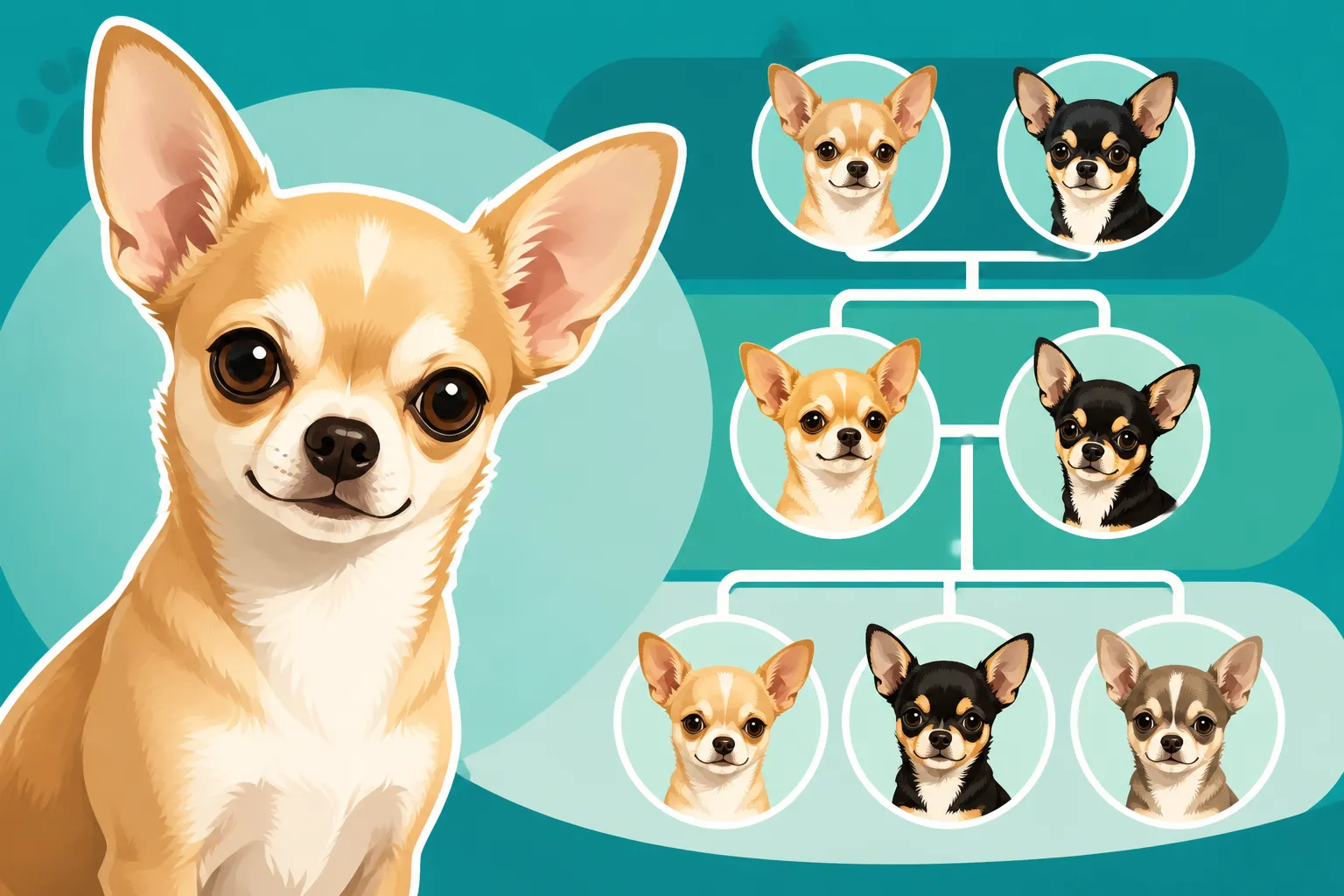
A three-generation pedigree typically lists the puppy's parents, grandparents, and great-grandparents. This depth is incredibly valuable. The parents give you an immediate picture, but two or three generations back can reveal patterns that aren't obvious in just the mother and father. For instance, if you see a particular health issue, such as Chihuahua Heart Disease as the Breed Ages or Patellar Luxation, the Chihuahua's Commonest Joint Problem, appearing repeatedly in the great-grandparent generation and then skipping the grandparents, only to resurface in an aunt or uncle, it suggests a genetic predisposition within the line. This wider view helps breeders make informed decisions about pairings and helps you understand the potential genetic lottery your puppy carries.
Decoding the First Two Generations: Parents and Grandparents
Let's break down how to read the most immediate ancestors on your Chihuahua's pedigree. These dogs have the most direct genetic influence, and understanding their information is paramount.
The Parents: Mother (Dam) and Father (Sire)
The first generation you'll see are the puppy's direct parents. The mother is usually listed as the "Dam" and the father as the "Sire." For each parent, you should see their registered name, registration number, date of birth, and often a list of titles. Beyond show titles, you'll want to look for health clearances. A responsible breeder will readily share this information, which is often certified by national organizations.
For Chihuahuas, specific health clearances are incredibly important. You should be looking for certifications regarding patellar luxation (kneecap issues), cardiac health (heart), and often eye health. These aren't just fancy words; they are vital indicators of a breeder's commitment to the long-term health of their line. For example, if you see "OFA Patella Normal" or "CHIC certified," it means the parents have undergone specific health screenings and met the standards set by veterinary specialists. This reduces the likelihood of your puppy inheriting conditions like a slipping kneecap, which can lead to expensive surgeries down the line. You want to see Chihuahua Patella Certification Before Breeding and ideally Cardiac and Eye Clearances on a Chihuahua Parent.
The Grandparents: Four Important Figures
Moving back one more step, you'll find the grandparents – two sets of parents for the dam and two for the sire. These four dogs contribute 25% of your puppy's genetic makeup each, which is significant. Here, you start to look for consistency. Do the grandparents also have health clearances listed? Are there any common ancestors between the maternal and paternal sides (this indicates line breeding, which isn't inherently bad, but requires an even deeper understanding of the line)?
If the grandparents also have show titles, it speaks to the consistency of the breeder's program and their focus on producing dogs that conform well to the breed standard. But again, don't just focus on the "Ch." or "GCH." Look at the overall health picture. If both grandmothers consistently produced healthy litters with no significant genetic issues, that's a huge green flag. This is where you really start to see the patterns of health and longevity emerge. For instance, if the grandparents lived to a ripe old age, it might give you hope for your puppy's own Chihuahua Lifespan and Why the Breed Reaches Sixteen.
Unveiling the Third Generation: Great-Grandparents and Beyond
This is where the story of the line truly begins to unfold, offering even deeper insights into your Chihuahua's potential future.
The Great-Grandparents: Eight Pillars of Line History
The third generation on a typical pedigree lists the eight great-grandparents. These dogs each contribute about 12.5% of your puppy's genes. While their direct genetic influence is less than the parents, their presence helps establish the "foundation" of the breeding program. It's in this generation that you can start to spot potential hereditary issues that might skip a generation or two before reappearing.
For example, if you notice a great-grandparent that carried a known predisposition for Chihuahua Dental Disease in a Crowded Small Jaw or a certain temperament trait like extreme shyness, and then see those traits in the pedigree's other branches, it flags a potential area of concern. A good breeder will be upfront about these things and explain how they've tried to breed away from them. This generation also often showcases the "cornerstone" dogs – highly influential ancestors that helped establish the breeder's line or even made significant contributions to the breed itself. Their health and longevity records are particularly important.
Beyond Names: What Else to Look For
Beyond the listed dogs, a thorough pedigree might include other valuable annotations:
- Longevity Records: Sometimes, the age at which an ancestor passed away is noted. This is a fantastic indicator of a line's overall health and potential lifespan.
- Cause of Death (if known): While not always included, if a breeder has this information, it's gold. If multiple dogs in a line passed from specific causes, it's something to discuss.
- Titles beyond Conformation: Look for titles like obedience (CD, UD), agility (OA, AX), or even therapy dog (THD). These titles demonstrate not only trainability but also sound temperament and confidence, which are incredibly desirable traits in a Chihuahua. A well-rounded dog that excels in performance often comes from a stable and intelligent line.
| Generation | Number of Dogs | Genetic Contribution (approx.) | Key Information to Look For |
|---|---|---|---|
| Parents (Sire/Dam) | 2 | 50% | Health Clearances (Patella, Cardiac, Eye), Temperament, Titles |
| Grandparents | 4 | 25% | Consistent Health Clearances, Longevity, Breeding Patterns |
| Great-Grandparents | 8 | 12.5% | Foundation Health Trends, Temperament Patterns, Influential Ancestors |
Beyond the Names: What to Ask Your Breeder
Having this pedigree in hand is a fantastic starting point, but it's really a conversation starter. The breeder is your best resource for interpreting it fully.
Asking About Health Clearances and Results
Don't be shy about asking your breeder specific questions about the health clearances listed (or not listed) on the pedigree.
- "I see that the sire's mother, 'Ch. Bella's Little Dancer,' has an OFA Patella Normal certification. Can you tell me more about what that entails and how often you test for patellar luxation in your lines?"
- "I don't see specific cardiac clearances listed for all the great-grandparents. What's the history of heart health in that particular branch of the pedigree?"
A good breeder will not only have the certifications but also understand what they mean and be able to discuss the health history of their dogs openly. They should be able to provide the actual documentation for parents and grandparents, not just refer to a certificate. This proactive approach ensures you're getting The Health Tests a Chihuahua Breeder Should Run information.
Discussing Temperament and Behavioral Trends
Just like physical traits, temperament can run in lines. If you see multiple dogs with titles that suggest calm confidence (like therapy dogs) or keen intelligence (like obedience titles), that's a good sign. Conversely, if there are known issues with shyness, reactivity, or resource guarding in the pedigree, a responsible breeder should acknowledge this and explain how they manage or breed away from these traits. This is especially important for Chihuahuas, as many owners overlook training and socialization, leading to Small Dog Syndrome and Why It Is Not Genetic behavior patterns.
"What were the temperaments of the great-grandparents like?"
"Are there any particular dogs in the line known for being exceptionally confident, or perhaps a bit more reserved?"
Understanding these nuances can help you anticipate your puppy's personality and ensure it's a good fit for your home. You can even research ways to support your puppy's confidence, perhaps by finding specific enrichment toys and training guides on sites like Chewy that cater to small, intelligent dogs.
Inquiring About Longevity and Causes of Death
It can feel a bit morbid to ask about how dogs passed away, but it's a crucial part of understanding the line's health.
- "What was the typical lifespan of the dogs in this pedigree, especially those in the grandparent generation?"
- "Were there any common health issues that appeared consistently in older dogs from this line?"
If a breeder can tell you that most of their dogs live well into their teens and pass peacefully in their sleep, that's a wonderful sign of a robust line. If they consistently lost dogs to specific cancers or organ failures at younger ages, it's something you need to be aware of and discuss thoroughly. This information can influence your future preventative care with your vet.
The Breeder's Philosophy and Mentorship
Finally, the pedigree reflects the breeder's dedication and knowledge. A breeder who can articulate why they chose a particular pairing, discuss the strengths and weaknesses of each dog in the pedigree, and explain their long-term breeding goals is one you can trust. They are not just selling a puppy; they are offering a lifetime of support and a deep understanding of their dogs. They should be able to answer What Separates a Chihuahua Breeder From a Seller.
They will likely be your first point of contact for questions about your Chihuahua's health, training, and well-being. Looking into their lines and the care they put into their dogs is a reflection of the care they will put into you as a puppy owner. Many responsible breeders will suggest you continue feeding the high-quality food their puppies are on, which you can conveniently order from Chewy for direct delivery to your home, ensuring a smooth transition for your new family member. Or they might recommend specific supplements for joint health as your dog ages, readily available on platforms like Chewy, a consideration you might make after reviewing the Chihuahua Arthritis in the Teenage Years history of their lineage.
Disclaimer
This article is for general informational purposes only and does not constitute professional advice. Laws, prices and regulations vary by location and change over time. Consult a qualified professional for guidance on your specific situation.