The Health Risk Behind a Two Pound Chihuahua
It's incredibly tempting to imagine a tiny, purse-sized Chihuahua, one that fits perfectly into the palm of your hand, a true "teacup" companion. But behind the allure of an extra-small Chihuahua, especially one weighing in at a mere two pounds, lies a host of significant health challenges that responsible owners and prospective guardians need to understand deeply. This guide will walk you through the serious risks associated with these exceptionally tiny Chihuahuas, helping you make informed decisions for the well-being of any tiny dog you might bring into your life.
Understanding the "Teacup" Myth and Its Real-World Impact
The term "teacup" conjures images of delicate, miniature dogs, often no bigger than a teacup itself. While it sounds adorable, it's crucial to understand that "teacup" isn't a recognized breed standard or an official size category for Chihuahuas. It's a marketing term, plain and simple, often used to describe Chihuahuas that fall significantly below the breed's already small size standard, typically under four or even two pounds. This extreme smallness often comes at a steep price for the dog's health and longevity.
What "Teacup" Really Means for a Chihuahua
When you hear "teacup Chihuahua," it usually refers to a Chihuahua that is either the runt of a litter, or one purposefully bred to be unnaturally small. The American Kennel Club (AKC) breed standard for Chihuahuas states a weight range of six pounds or less. A two-pound Chihuahua is a full third of that maximum, pushing the boundaries of what is healthy for the breed. These dogs are often significantly more fragile than their slightly larger counterparts, even those weighing a "standard" four to six pounds. Their tiny frames have less protective padding, their organs are smaller and often less developed, and their metabolic systems are much more precarious. It's like building a car with ultra-light parts – it might look sleek, but it's far less robust under stress. For more on this, you might find our article Why Teacup Chihuahua Is Not a Real Size illuminating.
Why Breeders Produce Undersized Chihuahuas
The demand for "teacup" Chihuahuas is unfortunately high, driven by trends and the undeniable cuteness factor. This demand creates an incentive for some breeders to intentionally produce smaller dogs, sometimes through questionable breeding practices. This can involve breeding the smallest Chihuahuas together, even if they have underlying health issues, or breeding runts from litters that would otherwise not be considered for reproduction. The goal is often to achieve that impossibly tiny stature, which unfortunately often corresponds with higher prices for the puppies, feeding into a cycle of demand and supply for these fragile animals. It's not always malicious; sometimes breeders genuinely believe they are creating desirable traits. However, the health consequences often outweigh any perceived benefits of extreme smallness. It’s important to research How Breeders Produce Undersized Chihuahuas if you're curious about the specific methods.
The Ethical Concerns of Breeding for Extreme Smallness
From an ethical standpoint, deliberately breeding for a trait that inherently predisposes an animal to a lifetime of health problems is deeply concerning. These dogs are often born with or quickly develop conditions that require constant veterinary care, vigilance, and often, significant financial investment. They are not simply "miniature" versions of a healthy Chihuahua; they are often compromised right from birth. The focus shifts from producing healthy, robust Chihuahuas within the breed standard to achieving a specific aesthetic that ultimately harms the animal. It places the dog in a vulnerable position, relying heavily on human intervention to simply survive and thrive, even with the best of intentions from their owners. This is especially true for a Runt Chihuahua Is Sold as Teacup, as runts often have a tougher start to life already.
Common Health Issues Magnified in Two-Pound Chihuahuas
When a Chihuahua is exceptionally small, many of the breed's common health predispositions become far more severe, and new, more critical issues emerge. Their tiny size amplifies every challenge.
Hypoglycemia and Its Constant Threat
One of the most immediate and life-threatening concerns for a two-pound Chihuahua is hypoglycemia, or dangerously low blood sugar. Chihuahuas, especially puppies, are already prone to this due to their small size and rapid metabolism. In a two-pound dog, this risk is dramatically increased. Their tiny bodies have very little glycogen stored in their livers, which is the body's emergency sugar supply. They can go from normal to critical in a matter of hours if they miss a meal, get stressed, or experience a drop in body temperature.
Imagine a two-pound Chihuahua puppy. If they're playing a little too hard, or even just feeling a bit anxious in a new environment, their small energy reserves can deplete startlingly fast. You might see them become lethargic, wobbly, disoriented, or even start trembling. Without immediate intervention—like rubbing a bit of Karo syrup on their gums—they can quickly seize and even slip into a coma. This isn't just a puppy problem; even adult two-pound Chihuahuas need extremely consistent meal schedules and careful monitoring. Understanding Chihuahua Hypoglycemia and the Puppy Emergency and Chihuahua Hypoglycemia Signs in a Young Puppy is vital for any owner of a tiny pup. It's also worth noting Why a Chihuahua Runs Out of Blood Sugar So Fast. Keeping a glucose gel or emergency syrup on hand is non-negotiable, and places like Chewy offer various options for such emergency supplies.
Fragile Bones and Increased Injury Risk
A two-pound Chihuahua is built with incredibly delicate bones, offering very little resilience against bumps, falls, or even clumsy handling. What might be a minor stumble for a larger dog, or even a typical four-pound Chihuahua, can result in a severe fracture for a two-pounder.
Think about everyday household hazards. Jumping off a sofa, a height equivalent to a skyscraper for a two-pound dog, is an extremely dangerous proposition. Even being accidentally stepped on or dropped by a child (or an adult who isn't being exceptionally careful) can lead to catastrophic injuries. Their skulls, especially if they have an open fontanelle (a soft spot on the head, common in Chihuahuas but often larger and slower to close in tiny ones), are also incredibly vulnerable. Protecting these dogs means constant vigilance, ensuring a safe, padded environment, and educating everyone who interacts with them on their extreme fragility.
Organ Underdevelopment and Compromised Systems
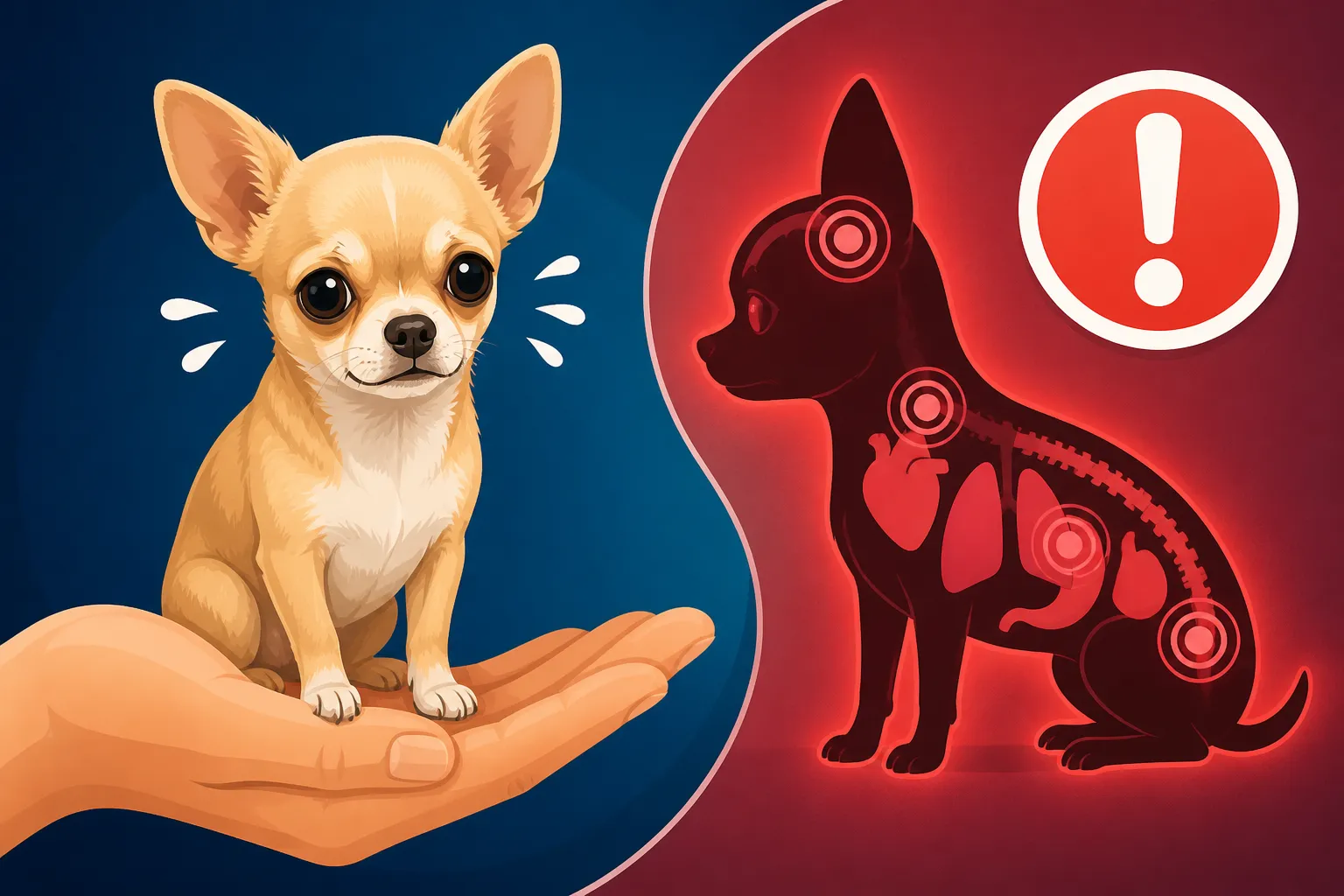
Beyond the visible fragility, exceptionally small Chihuahuas often suffer from underdeveloped internal organs and compromised bodily systems. Their hearts, lungs, kidneys, and digestive tracts might not have developed to their full potential, leaving them more susceptible to a range of chronic health issues.
For instance, their tiny lungs might struggle with respiratory infections, or their kidneys might not filter toxins as effectively as they should. This can lead to a lifetime of specialized diets, medications, and frequent veterinary check-ups. Even common ailments that are easily managed in larger dogs can become life-threatening complications for a two-pound Chihuahua whose systems are already working overtime to sustain their tiny body. This underdevelopment means they have less physiological reserve to fight off illness or cope with stress, making them consistently more vulnerable.
Lifelong Care Challenges for an Extra-Small Chihuahua
Caring for a two-pound Chihuahua isn't just about managing acute crises; it's a marathon of meticulous daily care, constant environmental control, and a significant commitment to specialized veterinary attention.
Anesthesia and Surgical Risks
Anytime a Chihuahua goes under anesthesia, there's a certain level of risk, even for a healthy adult. This risk is exponentially higher for a two-pound dog. Their tiny bodies have a much smaller blood volume, making them highly susceptible to complications like hypothermia (dangerous drops in body temperature) and rapid changes in blood pressure during surgery. Dosing anesthesia precisely for such a small weight requires extreme skill and specialized equipment.
Even routine procedures like dental cleanings, which are incredibly important for Chihuahuas, become a major undertaking. The anesthetic protocols need to be tailored, often involving warming blankets, IV fluids with precise rates, and constant monitoring by dedicated staff. Many veterinary clinics might even refer these tiny dogs to specialty practices with more advanced equipment and experience with micro-patients. This means higher costs and increased stress for both the dog and the owner. If you're planning any procedure, it's wise to read up on Anesthesia Risk During a Chihuahua Dental and Chihuahua Vaccination and Anesthesia at Toy Size.
Maintaining Body Temperature
Chihuahuas generally have very little body fat, making them prone to getting cold easily. A two-pound Chihuahua has even less insulation, meaning they struggle significantly to regulate their body temperature. They can become hypothermic very quickly, especially if they are stressed, ill, or in a cooler environment.
This means owners must be incredibly diligent about keeping them warm. Sweaters, coats, heated beds, and keeping the house at a consistently warm temperature are not optional luxuries but necessities. Even a short walk on a slightly chilly day can be dangerous for them. You might notice them shivering excessively, which is their body's attempt to warm up, but it also burns precious calories, further increasing the risk of hypoglycemia. Resources like Why a Chihuahua Shivers and What It Means and Keeping a Chihuahua Warm Through Winter offer great insights into managing this crucial aspect of their care. You'll find a wide selection of appropriate apparel and heated bedding on sites like Chewy.
Dietary Management and Calorie Precision
Feeding a two-pound Chihuahua is an art form that requires extreme precision. They need a high-quality, calorie-dense diet, but in minuscule portions. Every single calorie counts, and overfeeding can lead to obesity which, even at such a small size, puts strain on their delicate joints and organs. Underfeeding, on the other hand, quickly leads to hypoglycemia.
Meals need to be frequent and consistent throughout the day, often every few hours for puppies, and several small meals a day for adults, to prevent blood sugar crashes. Measuring food accurately, often with a digital kitchen scale rather than a scoop, is essential. Owners must be constantly aware of their dog's energy levels and appetite. Even a slight upset stomach or a missed meal can spiral into a dangerous situation. Providing high-quality, easily digestible food is key, and many reputable brands available on Chewy offer small-kibble options suitable for tiny mouths and sensitive stomachs. For more on this, check out Feeding a Chihuahua on Two Hundred Calories a Day and Weighing Chihuahua Food on a Kitchen Scale.
Here's a quick comparison of the challenges:
| Health Factor | Standard Chihuahua (4-6 lbs) | Two-Pound Chihuahua (Under 2 lbs) |
|---|---|---|
| Hypoglycemia Risk | Moderate, especially in puppies; manageable with routine feeding. | High, constant threat; requires extreme vigilance and frequent meals. |
| Bone Fragility | Delicate bones, prone to patellar luxation; caution advised. | Extremely delicate bones, high risk of severe fractures from minor incidents. |
| Organ Development | Generally well-developed; breed-specific predispositions. | Often underdeveloped organs; less physiological reserve, higher risk of chronic issues. |
| Anesthesia Risk | Elevated due to size, but manageable with standard protocols. | Significantly elevated; requires specialized clinics, equipment, and expertise. |
| Temperature Reg. | Prone to cold; benefits from sweaters/warm bedding. | Very poor temperature regulation; constant need for warmth and monitoring. |
| Dietary Needs | Precise calorie counting; regular meal schedule. | Extremely precise calorie counting to the gram; frequent, scheduled small meals. |
Making Informed Decisions When Considering a Tiny Chihuahua
Bringing any dog into your home is a big commitment, but choosing to care for an exceptionally tiny Chihuahua, particularly one around two pounds, requires an even deeper level of consideration and preparation. It's not a decision to be taken lightly, and understanding the full scope of their needs is paramount.
What to Ask Potential Breeders or Rescues
If you are considering a Chihuahua that is advertised as "teacup" or is unusually small, you must be armed with thorough questions. Start by asking about the puppy's parentage: What do the parents weigh? Have they had any health issues? A reputable breeder will prioritize health over size and should be transparent about their breeding practices. They should provide full health clearances for the parents, particularly for conditions like patellar luxation, heart issues, and eye problems. Ask to see these records.
Furthermore, inquire about the puppy's specific health history. Has it experienced any bouts of hypoglycemia? How often is it fed? What is its current weight and projected adult weight? A responsible breeder will emphasize the health of their puppies and typically discourage the pursuit of excessively small sizes due to the associated risks. If a breeder seems more focused on the "teacup" label and a high price tag than on the puppy's well-being, that's a major red flag. Always look for a breeder who actively performs The Health Tests a Chihuahua Breeder Should Run. Similarly, if considering a rescue, be prepared for an honest assessment of any existing health issues.
The Importance of a Comprehensive Veterinary Exam
Before you even commit to bringing a two-pound Chihuahua home, insist on a comprehensive veterinary examination by a vet experienced with toy breeds. This isn't just a cursory check; it's a deep dive into the puppy's overall health. Your vet should check for signs of a significantly open fontanelle, listen carefully to the heart and lungs for murmurs or abnormalities, palpate the patellas (kneecaps) for signs of luxation, and assess the puppy's general development and robustness.
This initial vet visit is critical for identifying potential issues early on. It can reveal underlying conditions that might not be immediately obvious, and it will give you a realistic picture of the commitment involved in caring for such a fragile animal. Your vet can also provide guidance on feeding schedules, emergency protocols for hypoglycemia, and discuss preventative care tailored to a dog of this size. Think of it as your first major step in becoming a dedicated advocate for your tiny companion's health.
Caring for a two-pound Chihuahua is a testament to an owner's dedication, patience, and financial resources. While their tiny size can be undeniably charming, it comes with significant responsibilities and challenges that are far greater than those for a standard-sized Chihuahua. By understanding these risks, asking the right questions, and being prepared for specialized care, you can ensure that any tiny Chihuahua in your life receives the best possible chance at a healthy and happy existence.
Disclaimer
This article is for general informational purposes only and does not constitute professional advice. Laws, prices and regulations vary by location and change over time. Consult a qualified professional for guidance on your specific situation.