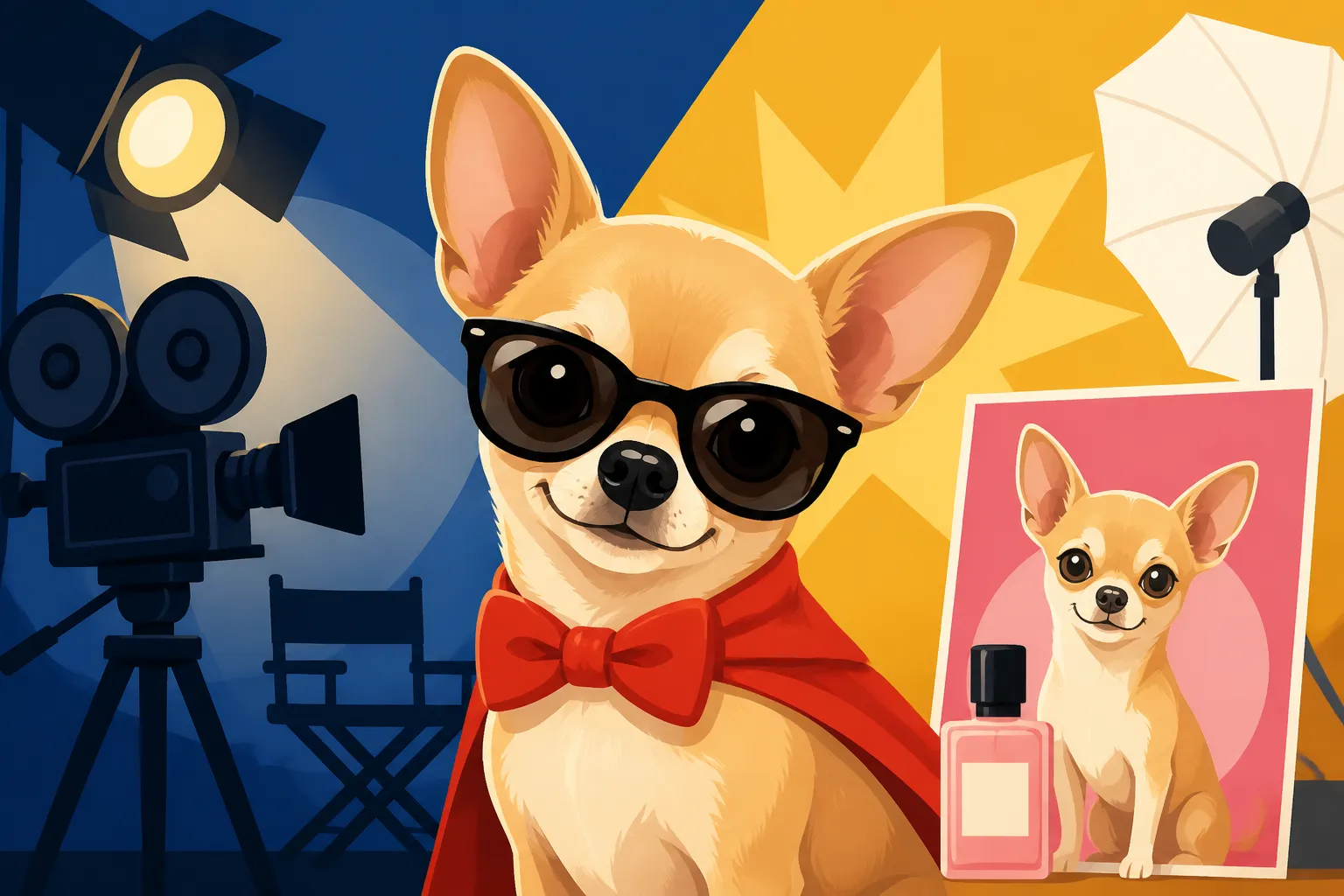
Chihuahuas in Film and Advertising
It's truly wild how a tiny dog can leave such a massive paw print on pop culture, isn't it? For decades, Chihuahuas have been showing up everywhere from the silver screen to our television commercials, often shaping – and sometimes completely skewing – public perception of this incredible breed. This guide is going to dive deep into those iconic roles and explore the lasting impact their media presence has had, for better or for worse, on how we see and understand our pint-sized companions.
The Rise of the Chihuahua as a Pop Culture Icon
Before they were gracing magazine covers and starring in blockbusters, Chihuahuas were already an interesting breed, but their leap into mainstream pop culture really cemented their status. It wasn't just about their endearing size or their expressive eyes; it was about the specific roles they landed that transformed them from an uncommon companion to a household name. These early appearances, often carefully orchestrated or serendipitous, laid the groundwork for the Chihuahua's enduring celebrity.
Early Appearances and Setting the Stage
While Hollywood has always had a soft spot for canine companions, particularly small dogs that could be carried or easily managed on set, the Chihuahua's ascent took a little longer to gain real traction compared to some other breeds. Think back to the golden age of cinema; you'd see plenty of terriers or poodles, but the Chihuahua, with its unique look and often feisty personality, wasn't immediately the go-to. They might have been glimpsed in a character actor's arms or as a background prop, but they weren't yet the stars themselves. This period was more about establishing the breed's visual presence, even if it was just a fleeting moment, slowly familiarizing audiences with their distinctive features and small stature.
However, even in these quieter moments, the stage was being set. The very novelty of such a tiny dog often drew attention, sparking curiosity. People would see a Chihuahua in a film or a magazine and remark on its unique appearance, its large ears, or its expressive eyes. These initial impressions, though not tied to major roles, began to build a foundation in the public consciousness, making the breed recognizable. It was a gradual introduction, preparing the world for the bigger splash that was just around the corner, waiting for the right opportunity to shine.
Breakthrough Roles That Defined the Breed
Then came the roles that truly launched the Chihuahua into superstardom. It's hard to talk about this without immediately thinking of a couple of major players. One simply cannot discuss Chihuahua fame without bringing up Bruiser Woods from Legally Blonde. This stylish, intelligent, and utterly charming dog became an icon overnight, defining the "handbag dog" trope for a generation and proving that Chihuahuas weren't just cute; they had personality and even a sense of fashion. Bruiser wasn't just a pet; he was a character, a loyal confidante, and a key part of Elle Woods' journey.
Almost simultaneously, another Chihuahua was becoming a sensation, though in a very different realm: advertising. The Taco Bell Chihuahua, a charismatic little dog with a surprisingly deep voice and a penchant for saying "Yo quiero Taco Bell," captivated audiences across North America. This particular campaign wasn't just successful; it became a cultural phenomenon, embedding the image of the Chihuahua into the daily lives of millions. These two roles, one in film and one in advertising, effectively catapulted the Chihuahua breed into a level of visibility and recognition that few other dogs ever achieve, shaping how people perceived them and even inspiring a surge in interest in owning them.
Defining Roles in Film and Television
Once the Chihuahua broke through, there was no looking back. Their unique blend of diminutive size, expressive faces, and often fiery personalities made them perfect for a variety of roles, from comic relief to heartwarming companions. These on-screen portrayals have undeniably influenced how the general public views Chihuahuas, creating both endearing stereotypes and sometimes frustrating misconceptions.
Legally Blonde's Bruiser Woods and the "Handbag Dog" Trope
It's impossible to overstate the impact of Bruiser Woods from Legally Blonde. He wasn't just Elle Woods' dog; he was her best friend, her accessory, and a symbol of her commitment to defying stereotypes. Bruiser, a Chihuahua, was almost always by Elle's side, often carried in a designer handbag or trotting alongside her in matching outfits. This portrayal popularized the "handbag dog" trope, making it seem utterly fashionable and desirable to carry a small dog everywhere. The film inadvertently suggested that Chihuahuas were low-maintenance, perfectly content being toted around as a fashion statement, rather than needing ample exercise and mental stimulation like any other dog.
This charming but somewhat misleading image led to a surge in demand for Chihuahuas, with many new owners envisioning their own Bruiser Woods. While it brought much-deserved attention to the breed, it also sometimes fostered unrealistic expectations. People might have overlooked the deeper needs of a Chihuahua, assuming they were just living ornaments. The reality is that while Chihuahuas are small and certainly portable, they are still dogs with natural instincts, requiring proper socialization, Training a Chihuahua Exactly Like a Big Dog, and opportunities for exploration on their own four paws, not just from the confines of a bag. The film was iconic, and Bruiser was adorable, but the underlying message about dog ownership could be problematic for those who didn't look beyond the cinematic fantasy.
Other Notable Chihuahua Characters and Their Personalities
Beyond Bruiser, Chihuahuas have taken on a surprising array of roles, each contributing to their multifaceted public image. Take the entire ensemble cast of Beverly Hills Chihuahua, for instance. This movie franchise put Chihuahuas front and center, giving them distinct personalities ranging from the spoiled but good-hearted Chloe to the street-smart Papi. These films, while anthropomorphized, showed Chihuahuas as brave, loyal, and capable of grand adventures, often dispelling the notion that they are fragile or solely decorative. They championed the idea of Chihuahuas as true canine heroes, even if their adventures involved talking dogs and elaborate heists.
Other notable appearances include Gidget, the original Taco Bell Chihuahua, who actually appeared in the film Cats & Dogs as a secret agent dog, showing a different side to the breed's versatility. Even in television, Chihuahuas have made their mark. You might recall characters on popular sitcoms, or even smaller, memorable roles in dramas, often playing the role of the devoted companion, the sassy sidekick, or even the unwitting instigator of chaos. These varied portrayals have collectively enriched the public's understanding of Chihuahua Temperament and What the Standard Asks For, demonstrating that these little dogs are far more than just their size suggests, possessing a wide spectrum of characteristics from fiercely protective to sweetly docile.
Chihuahuas in Advertising: From Fast Food to Fashion
Advertising has arguably had an even more immediate and widespread impact on the Chihuahua's public image than film. Commercials are short, punchy, and designed to stick in our minds, and the Chihuahua, with its distinct look and engaging presence, proved to be an advertiser's dream. From selling tacos to promoting luxury goods, these tiny dogs have demonstrated their immense marketing power.
The Iconic Taco Bell Chihuahua and Its Cultural Impact
Without a doubt, the most culturally resonant advertising campaign featuring a Chihuahua was the "Yo quiero Taco Bell" phenomenon. Starting in the late 1990s, this tiny dog, named Gidget, became an absolute sensation. Her ability to "speak" with a gravelly voice and her persistent pursuit of tacos were endlessly entertaining. This campaign transcended typical advertising; it became a part of everyday conversation, with people mimicking her catchphrase and eagerly anticipating her next commercial. The Taco Bell Chihuahua wasn't just selling fast food; she was selling an image of the breed itself – a sassy, confident, and surprisingly tenacious little dog.
This widespread exposure made the Chihuahua instantly recognizable, even to those who had never considered owning a small dog. For many, this was their first real introduction to the breed, and it left a powerful impression. While the campaign was wildly successful for Taco Bell, it also had a profound, albeit unintended, effect on the breed's popularity. The demand for Chihuahuas surged, as people wanted their own charismatic canine companion. This kind of sudden fame, however, sometimes led to impulsive purchases by individuals who might not have fully researched the breed's needs, contributing to issues later on.
Chihuahuas in High Fashion and Luxury Brand Campaigns
Beyond fast food, Chihuahuas have also found their niche in the world of high fashion and luxury advertising. Their small stature and often elegant appearance make them perfect accessories for showcasing designer bags, clothing, or jewelry. You'll see them draped in silk scarves, peeking out of bespoke carriers, or simply posing regally alongside models. These campaigns often play into the "luxury lapdog" image, suggesting that a Chihuahua is not just a pet, but a statement piece, a symbol of a certain sophisticated or glamorous lifestyle.
This type of advertising reinforces the image of the Chihuahua as delicate, pampered, and perfectly suited for an urban, chic existence. While there's nothing wrong with a well-cared-for Chihuahua enjoying the finer things in life, this portrayal can sometimes overshadow their actual needs for proper Chihuahua Exercise for a Dog That Fits in a Bag and mental engagement. However, brands often recognize the powerful draw of a cute animal, and Chihuahuas lend themselves beautifully to aspirational marketing, appearing in glossy magazines and high-end storefront displays, often making potential owners envision a life of luxury and companionship. You might even find specialized gear and tiny apparel for such pampered pups on sites like Chewy, catering to every fashion-conscious Chihuahua's needs.
The Good, the Bad, and the Ugly: Advertising's Influence on Perception
The pervasive presence of Chihuahuas in advertising has a complex legacy. On the positive side, it undoubtedly brought widespread visibility and affection for the breed. Many people who might never have noticed a Chihuahua before suddenly found them endearing and desirable. This led to many Chihuahuas finding loving homes they might not have otherwise. Advertisements can highlight a breed's unique characteristics, making them memorable and beloved.
However, there's also a "bad and ugly" side to this influence. The portrayal of Chihuahuas as perpetually carried, perpetually fashionable, or perpetually sassy can lead to significant misconceptions about their actual care requirements and temperament. Some owners, influenced by these images, might neglect crucial aspects of training and socialization, leading to behavioral issues that contribute to the phenomenon of Small Dog Syndrome and Why It Is Not Genetic. The "handbag accessory" image, while glamorous, often overlooks the dog's need to walk, explore, and interact with the world on its own terms. This can result in Chihuahuas that are undersocialized, overly protective, or prone to anxiety, simply because their owners bought into an idealized, unrealistic vision presented by advertising.
Impact on Public Perception and Breed Popularity
The media, whether through a heartwarming movie scene or a catchy commercial, has an undeniable power to shape how we perceive dog breeds. For the Chihuahua, this exposure has been a double-edged sword, bringing both adoration and challenges, profoundly influencing their popularity and the sometimes-difficult realities of their care.
The "Fashion Accessory" Problem and Responsible Ownership
One of the most significant, and frankly frustrating, impacts of the Chihuahua's media fame is the rise of the "fashion accessory" mindset. When a Chihuahua is consistently depicted peeking out of a celebrity's handbag or draped in designer clothes, it inadvertently sends the message that these dogs are primarily for show, a status symbol rather than a living, breathing companion with complex needs. This isn't unique to Chihuahuas; many toy breeds face this challenge. However, their small size and distinct look made them particularly susceptible to this narrative.
This perception can lead to impulse purchases by individuals who are ill-prepared for the responsibilities of dog ownership. They might not realize that a Chihuahua still needs consistent training, socialization with other dogs and people, and regular veterinary care, including preventative measures and potentially even routine dental cleanings. Thinking of a dog as an accessory can mean overlooking their emotional and physical well-being, leading to neglected training, inadequate exercise, and a general lack of understanding of their true nature. Responsible ownership, conversely, means seeing your Chihuahua as a full member of the family, not just something to carry around.
Shifting Attitudes Towards the Breed Due to Media Exposure
Media exposure has definitely shifted general attitudes towards Chihuahuas over the years. Before their major media breakthroughs, Chihuahuas were a niche breed, known to enthusiasts but not widely understood by the general public. Post-Taco Bell and Legally Blonde, they became instantly recognizable. For many, this recognition brought affection and admiration, transforming them from an unknown quantity into a beloved, albeit sometimes comically portrayed, figure. This increased familiarity helped to dismantle some initial hesitations about their unique appearance or their small size.
However, the portrayal wasn't always positive. Some media depicted Chihuahuas as aggressive, yappy, or overly pampered, which, unfortunately, fed into stereotypes. While some Chihuahuas can be vocal or protective, these traits are often a result of lack of proper socialization or confidence-building experiences, not inherent flaws in the breed. The media often amplified these negative caricatures for comedic effect, sometimes making people unfairly judge all Chihuahuas based on a few exaggerated portrayals. It's a classic case of the loudest voice shaping perception, even if that voice belongs to a cartoon dog or a character designed for laughs.
The Role of Media in Chihuahua Overpopulation and Rescue Efforts
Sadly, the surge in popularity fueled by film and advertising has also contributed to a significant problem: Chihuahua Overpopulation in American Shelters. When a breed becomes suddenly trendy, unethical breeders and puppy mills often capitalize on the demand, producing puppies quickly and without proper health screenings or concern for genetic issues. Many individuals, influenced by media, buy these puppies without understanding the commitment, only to find themselves overwhelmed later on. This often leads to Chihuahuas being surrendered to shelters or rescue organizations when they become too much to handle, or when the novelty wears off.
Rescue groups are constantly working to address this issue, often inundated with Chihuahuas of all ages. These dedicated organizations work tirelessly to re-educate the public about the true nature of the breed, emphasizing their intelligence, loyalty, and need for proper care, rather than the superficial image often presented by media. The media, while creating this problem, also offers a solution: using its platform to highlight adoption, responsible breeding, and the immense joy a well-cared-for Chihuahua can bring. It's a complex cycle, where the same forces that raise a breed to fame can also inadvertently contribute to their struggles.
| Media Portrayal | Example | Public Perception Impact | Reality Check |
|---|---|---|---|
| "Handbag Dog" Accessory | Bruiser Woods (Legally Blonde) | Chihuahuas are delicate, low-maintenance fashion statements; they prefer being carried. | Chihuahuas need regular walks, mental stimulation, and socialization; carrying them exclusively can lead to fear and poor coping skills. Chihuahua Handling and Why Carrying Backfires. |
| Sassy, Opinionated Mascot | Taco Bell Chihuahua | Chihuahuas are aggressive, constantly barking, and have a "big dog" attitude. | While they can be vocal and confident, excessive barking or aggression often stems from fear, lack of training, or feeling unprotected, not inherent sassiness. |
| Brave, Adventurous Hero | Chloe, Papi (Beverly Hills Chihuahua) | Chihuahuas are fearless, independent adventurers capable of fending for themselves. | Chihuahuas are indeed brave and loyal but are also vulnerable due to their size. They require supervision and protection from larger animals and environmental hazards. Hawks, Coyotes and the Off Leash Chihuahua. |
| Pampered, Luxury Pet | High Fashion Campaigns | Chihuahuas belong in upscale environments, are high-maintenance in terms of pampering (grooming, clothes), but low-maintenance in terms of activity. | While they enjoy comfort, they are dogs first. Their grooming needs are manageable (especially smooth coats), and they require playtime and training just like any other dog. Special clothes are often for warmth. You can get quality food and supplies from places like Chewy. |
Beyond the Screen: Real-Life Chihuahuas and Media Portrayals
It's easy to get caught up in the charming, or sometimes comical, portrayals of Chihuahuas in movies and advertisements. But what happens when the cameras stop rolling and you bring a real-life Chihuahua home? The reality of living with these amazing little dogs is often far richer and more nuanced than any on-screen performance, and it’s important to understand the differences to be a truly supportive owner.
Dispelling Myths: The Reality of Chihuahua Temperament
One of the biggest struggles for Chihuahua owners is constantly dispelling the myths perpetuated by media. No, your Chihuahua isn't just a "handbag dog" who wants to be carried everywhere, and no, they aren't inherently aggressive or "yappy" just because a cartoon dog was. The reality of The Chihuahua From Techichi to American Lapdog is that they are intelligent, loyal, and incredibly adaptable dogs. They form deep bonds, often with one primary person in the household, leading to the affectionate term "Velcro dog." This strong bond is often misconstrued as being overly clingy or dependent, when in fact, it's a testament to their profound loyalty.
Their famous "attitude" or "sass" is often a coping mechanism born out of fear or feeling vulnerable due to their small size. A Chihuahua that barks incessantly at strangers or other dogs is frequently a fearful dog trying to create distance, not an aggressive one trying to dominate. Proper Socializing a Chihuahua Without Overwhelming It from a young age is crucial to building their confidence, helping them learn that the world isn't such a scary place. They thrive on routine, clear boundaries, and positive reinforcement, responding beautifully to training that respects their intelligence and sensitive nature. Companies like Chewy can be a great resource for positive reinforcement training treats and tools sized appropriately for these tiny learners.
How Owners Can Combat Stereotypes
For those of us who share our lives with Chihuahuas, combating these persistent stereotypes is an ongoing mission. The best way to do this is by showcasing what well-adjusted, properly socialized Chihuahuas are truly like. This means taking the time to invest in their training and socialization, treating them with the same respect and expectations you would a larger breed. Enroll them in puppy classes or basic obedience courses. Focus on positive reinforcement methods to build their confidence and teach them appropriate responses to new situations. This helps prevent behaviors often labeled as "small dog syndrome," which is really just a failure to train and socialize.
Another powerful way to fight stereotypes is simply to be a visible example of responsible Chihuahua ownership. Take your Chihuahua out on leash for walks, allowing them to experience the world on their own terms (safely, of course). Let them meet new people and dogs in a controlled, positive manner. Talk about their intelligence, their trainability, and their unique personalities. Show others that Chihuahuas are capable of learning tricks, excelling in dog sports like agility, and being calm, well-mannered companions. Every time a stranger sees a well-behaved Chihuahua, it helps to chip away at the misconceptions perpetuated by decades of over-the-top media portrayals. It really makes a difference for the next person considering Whether a Chihuahua Suits Someone New to Dogs.
The Chihuahua in Mexican and American Culture
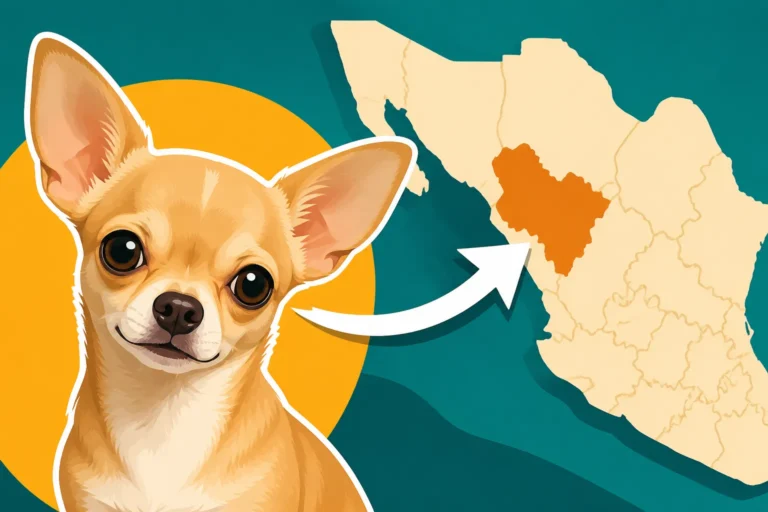
The Chihuahua's journey into the hearts and homes of people across North America has deep roots, particularly within Mexican and American cultures. Originating from Mexico, these dogs have long held a significant place in the folklore and daily lives of the region, often viewed as protectors or spiritual guides. As they made their way into the United States, particularly during the late 19th and early 20th centuries, they began to weave themselves into the fabric of American society, becoming symbols of companionship and, eventually, pop culture.
This cultural integration has manifested in various ways, from their early appearances in traveling circuses and vaudeville acts to their later status as celebrity pets. They symbolize a unique blend of historical richness and modern appeal. Understanding their cultural background, which predates any Hollywood film or advertising campaign, offers a deeper appreciation for the breed. It reminds us that long before they were seen on screen, Chihuahuas were cherished companions, embodying a spirit that resonates across generations.
Disclaimer
This article is for general informational purposes only and does not constitute professional advice. Laws, prices and regulations vary by location and change over time. Consult a qualified professional for guidance on your specific situation.