Keeping a Chihuahua Hydrated in Summer
Summer can bring so much joy—long walks, sunny park visits, and just lounging outside. But for us Chihuahua owners, it also brings a very real and often terrifying concern: keeping our tiny companions safe from the heat. These little dogs are incredibly vulnerable to overheating and dehydration, and it often feels like you're constantly walking a tightrope, trying to balance their need for exercise and outdoor time with the dangers of rising temperatures. This guide is here to walk you through exactly how to ensure your Chihuahua stays cool, hydrated, and happy all summer long, addressing those worries head-on.
Understanding Your Chihuahua's Unique Hydration Needs
It's not just a matter of size; Chihuahuas have several physiological traits that make them particularly susceptible to the dangers of summer heat and dehydration. Understanding these factors is the first step in truly protecting them.
Why Tiny Bodies Struggle with Heat
Think about it: Chihuahuas are compact powerhouses, but that small stature comes with a trade-off when it comes to temperature regulation. They have a very high metabolism for their size, which means their bodies generate heat quickly. Unlike larger breeds, they don't have the sheer volume to dissipate that heat effectively. Plus, many Chihuahuas, especially the smooth-coat variety, have very little body fat, which often surprises new owners. While Why a Chihuahua Has Almost No Body Fat might make them shiver when it's cold, it also means they lack that insulating layer that could protect them from heat fluctuations. Their small lung capacity also means panting, their primary cooling mechanism, isn't always as efficient as it needs to be when temperatures really soar. You might notice your Chihuahua shivering even indoors if there's a draft, so imagine how hard their little bodies work to stay cool when it's genuinely hot.
The Subtle Signs of Thirst in a Small Dog
One of the biggest frustrations for Chihuahua owners is how subtle their signals can be. A bigger dog might guzzle a whole bowl of water after a short walk, but your tiny friend might just take a few polite laps, even if they're parched. It's easy to miss the early signs of dehydration, which can quickly escalate. Look for dry, sticky gums instead of slick ones. Their eyes might appear a little sunken, and if you gently pinch a fold of skin on their neck or back, it might be slow to snap back into place (this is called "skin tenting"). Lethargy or unusual sleepiness is another red flag, as is reduced urine output. They might also appear a bit disoriented or less responsive than usual. What might seem like mild tiredness could actually be the precursor to something more serious, especially when coupled with heat.
Practical Strategies for Boosting Water Intake
Simply putting a bowl of water down isn't always enough for a Chihuahua, especially if they're picky or not naturally big drinkers. We need to be proactive and creative to ensure they're getting enough fluids.
Making Water Appealing and Accessible
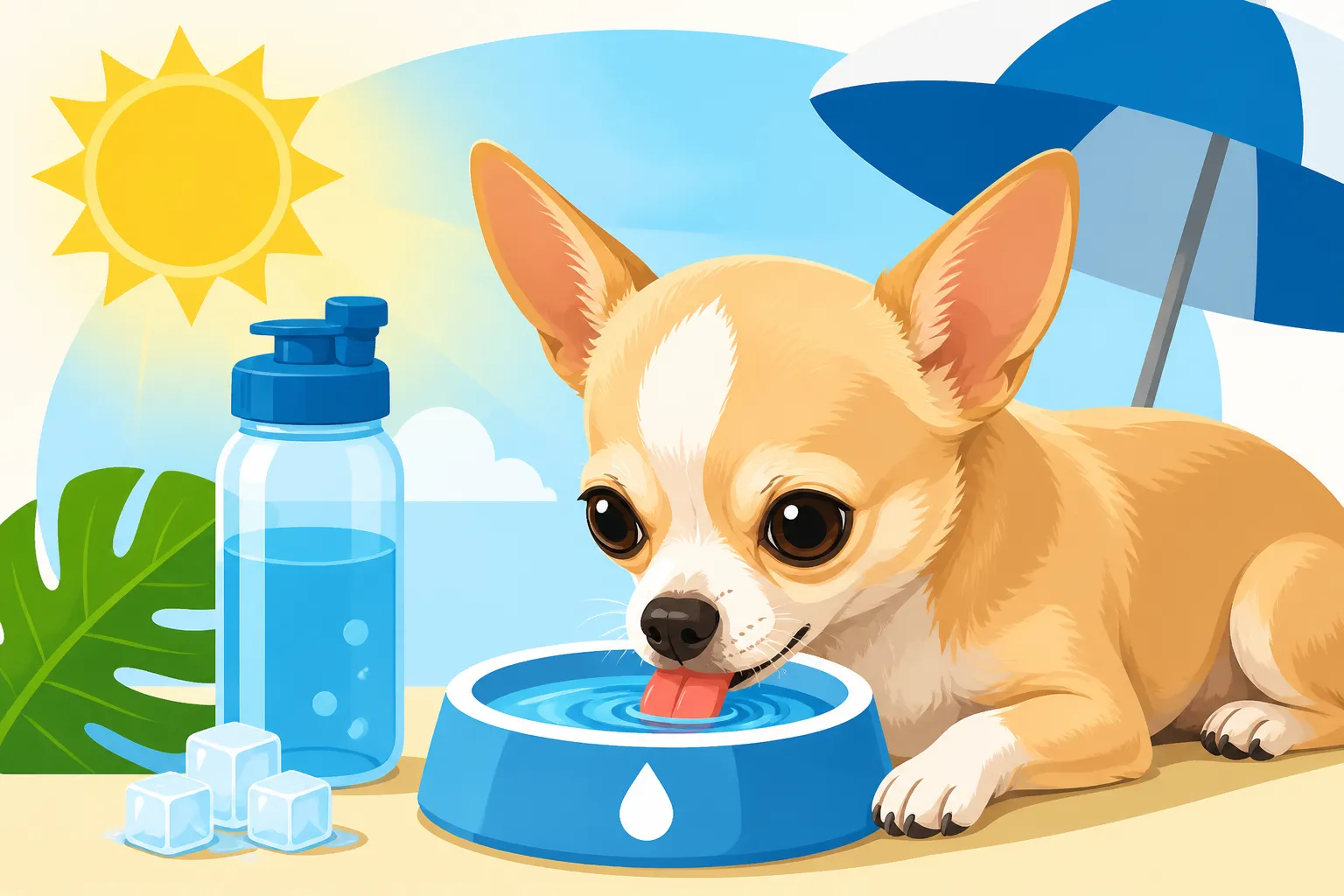
This might sound obvious, but the type of bowl and its placement can make a huge difference for a small dog. Ensure their water bowl is always full, fresh, and easily accessible. For outdoor access, consider multiple bowls in shaded areas. Some Chihuahuas are finicky about still water; a pet drinking fountain can be a game-changer, as the flowing water is often more enticing and keeps the water oxygenated and cool. Brands like Amazon offer a wide range of these fountains. Think about the material too – stainless steel bowls keep water cooler than plastic.
Also, consider taking a portable water bottle and collapsible bowl, easily found on Chewy, with you on walks, even short ones. Chihuahua Water Intake at Low Body Weight is critical, and every little sip counts. If your Chihuahua is hesitant to drink, try adding a tiny splash of low-sodium chicken broth (ensure it's onion and garlic-free!) or a few ice cubes. Some dogs love to play with ice cubes, turning hydration into a fun game. Remember, consistency is key – fresh water should be available 24/7.
Hydrating Treats and Meal Additions
Beyond the water bowl, you can sneak extra hydration into their diet. Many Chihuahuas aren't big eaters, only requiring Daily Calories for a Three to Seven Pound Chihuahua, so every bit of nutrition and hydration from their food matters.
Wet food, either canned or fresh, has a much higher moisture content than dry kibble. If your Chihuahua usually eats kibble, consider mixing in a tablespoon of wet food or rehydrating their kibble with warm water or broth. This not only makes it more palatable but adds precious fluids. Fresh food services like Ollie often provide meals that are naturally high in moisture, which can be an excellent option during the summer months.
Frozen treats are another fantastic way to hydrate and cool your Chihuahua. You can make simple "pupsicles" by freezing diluted, plain broth in ice cube trays or small silicone molds. Frozen fruit pieces like small bits of watermelon (seedless!) or cucumber are also safe and hydrating. Just be mindful of the sugar content in fruit and offer in moderation. These treats double as a way to cool them down from the inside out and keep them occupied.
Creating a Safe, Cool Environment for Your Chihuahua
Preventing overheating is just as important as encouraging hydration. Your Chihuahua relies on you to manage their surroundings, especially when the mercury rises.
Beat the Heat: Indoor and Outdoor Management
Indoors, air conditioning is your best friend. If you don't have AC, strategic use of fans can help, just make sure they can't knock them over. Keep curtains or blinds closed during the hottest parts of the day to block direct sunlight. Cooling mats, available on Chewy or Amazon, can be a great investment; these gel-filled mats absorb body heat and provide a cool spot for your Chihuahua to rest without needing to be refrigerated. Create designated "cool zones" in your home where your Chihuahua can retreat. This might be a tile floor in the bathroom, a basement, or near an AC vent.
Outdoors, never, ever leave your Chihuahua unattended in a car, even for a few minutes with the windows cracked. The temperature inside a car can skyrocket to dangerous levels in minutes. When outside, always provide access to shade. A small pop-up tent or umbrella can create a safe zone in the yard. Kiddie pools with just an inch or two of water can be fun for some Chihuahuas who enjoy a little splash, but always supervise closely. Remember that Hot Pavement and a Chihuahua's Small Feet can cause severe burns, so always test the pavement with your hand before walking them. If it's too hot for your hand, it's too hot for their paws.
Smart Exercise Routines for Summer Days
Chihuahuas still need Chihuahua Exercise Needs Every Day, even when it's hot. The key is adjusting when and how they exercise. Avoid walks during the peak heat of the day, typically between 10 AM and 4 PM. Early mornings and late evenings are much safer. Keep walks shorter and closer to home. Instead of a long outdoor trek, break up their activity into several shorter sessions throughout the cooler parts of the day.
Consider indoor alternatives for exercise. Indoor Games for a Chihuahua like fetch in a long hallway, hide-and-seek with treats, or using puzzle toys can provide mental and physical stimulation without the risk of overheating. If you have a senior Chihuahua, Senior Chihuahua Care Through the Teenage Years often means they're even more vulnerable to heat, so these indoor options become even more crucial. Swimming can be great exercise and cooling for Chihuahuas who enjoy it and are safe around water, but always with a properly fitted life vest and close supervision.
Here's a quick checklist to help you stay on track:
| Strategy | Indoor Action | Outdoor Action | Food & Drink Action |
|---|---|---|---|
| Water Accessibility | Multiple bowls, pet fountain | Shaded bowls, portable water bottle | Add broth/ice to water, wet food |
| Temperature Control | AC, fans, closed blinds, cooling mats | Shade structures, avoid hot pavement | Frozen treats (broth pupsicles, fruit) |
| Exercise Adaptation | Indoor games, puzzle toys | Early/late walks, short duration | High-moisture foods, rehydrate kibble |
| Monitoring | Check gums, energy levels | Constant supervision | Observe eating/drinking habits |
When to Worry: Recognizing Dehydration Emergencies
Knowing the signs of mild dehydration is important, but recognizing when the situation has become critical is paramount. Heatstroke and severe dehydration are emergencies that require immediate veterinary attention.
Spotting Severe Dehydration or Heatstroke
It's terrifying to think about, but understanding what to look for can save your Chihuahua's life. Severe dehydration and heatstroke share many symptoms, and often one leads to the other. Beyond the sticky gums and lethargy, look for:
- Excessive, frantic panting: This isn't just normal panting; it's rapid, often accompanied by wide eyes and clear distress.
- Bright red gums or tongue: This indicates extreme vasodilation as their body tries desperately to cool down.
- Vomiting or diarrhea: Especially if it's severe or contains blood.
- Dizziness or stumbling: They might be unable to stand or walk straight, collapsing.
- Seizures or tremors: The brain can be affected by extreme heat. This can sometimes be confused with A Chihuahua Seizure Caused by Low Blood Sugar but in hot weather, heatstroke is the likely culprit.
- Unconsciousness: This is an extreme emergency.
If you see these signs, act quickly. Every second counts when it comes to heatstroke in such a small dog.
First Aid Steps and Vet Care
If you suspect your Chihuahua is suffering from heatstroke or severe dehydration, immediate action is necessary before you even get to the vet.
- Move them to a cooler area: Get them out of the sun and into an air-conditioned room or a shady spot.
- Apply cool (not cold!) water: Use lukewarm or cool water to wet their fur, especially on their paws, belly, and inner thighs. You can use damp towels. Do NOT use ice-cold water, as this can cause their blood vessels to constrict and actually hinder cooling, and can also lead to dangerous shock.
- Offer small sips of water: If they are conscious and willing to drink, offer a very small amount of cool water. Do not force them to drink.
- Fan them: Use a fan or even a piece of cardboard to create airflow over their wet fur, which aids in evaporative cooling.
- Seek immediate veterinary care: Even if they seem to improve, it's crucial to get them to an emergency vet. Internal organ damage can occur rapidly with heatstroke, and a vet will need to assess their condition, provide IV fluids, and monitor them. Don't underestimate the potential for complications; The Emergency Bills That Reach Chihuahua Owners can be substantial, but their life is priceless.
Remember, prevention is always easier and safer than treatment. By being diligent about hydration, managing their environment, and adjusting their activity, you can help your Chihuahua navigate the summer months safely and comfortably.
Disclaimer
This article is for general informational purposes only and does not constitute professional advice. Laws, prices and regulations vary by location and change over time. Consult a qualified professional for guidance on your specific situation.