Why the Chihuahua Became a Handbag Cliche
The enduring image of a Chihuahua peeking out of a designer bag is so common, it's almost become synonymous with the breed itself. This pervasive cliché, while often played for laughs or glamour in pop culture, frequently masks the true nature and complex needs of these incredible little dogs, leading to serious misunderstandings about what it truly means to care for them. This guide aims to peel back the layers of this cultural phenomenon, exploring its origins, its widespread impact, and how we can champion the Chihuahua for the resilient, intelligent, and deeply affectionate companions they truly are, moving beyond the limiting "handbag dog" stereotype.
The Rise of the Handbag Chihuahua: A Cultural Phenomenon
It's hard to pinpoint the exact moment the Chihuahua became the quintessential "handbag dog," but its journey from ancient revered companion to modern fashion accessory is a fascinating one, deeply intertwined with shifting cultural perceptions and media influence. This transformation didn't happen overnight, but rather evolved from a combination of the breed's natural attributes and how society chose to interpret and present them.
From Ancient Companion to Modern Accessory
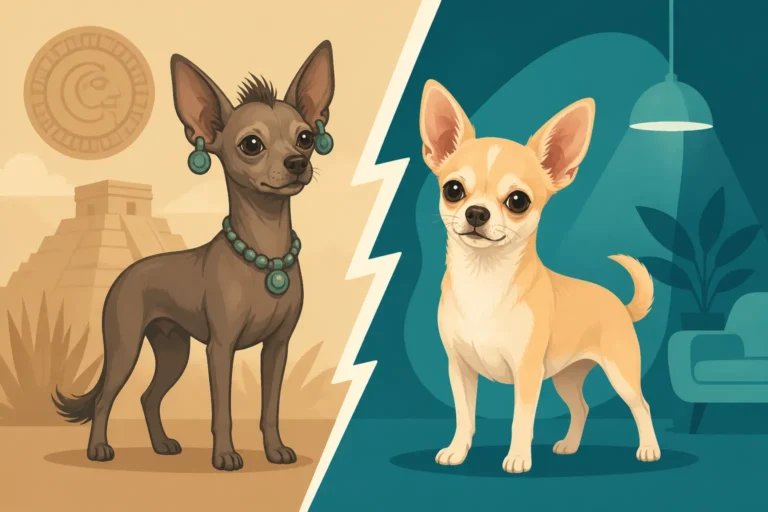
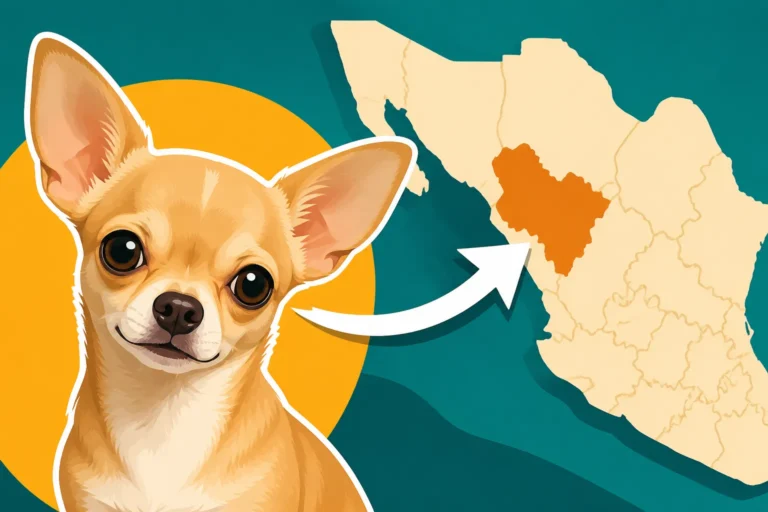
Long before they graced the arms of celebrities, Chihuahuas, or their direct ancestors like the Techichi, held a significant place in ancient Central American cultures. These were not mere pets; they were companions with spiritual significance, often found in the homes of royalty and even buried with their owners, believed to guide souls in the afterlife. Their small size was noted, but it was their perceived wisdom and loyalty that truly defined their role. You can explore more about their fascinating past in The Chihuahua From Techichi to American Lapdog.
When Chihuahuas began making their way to the United States in the mid-19th century, they were still relatively rare and valued for their unique appearance and charming disposition. Early American dog fanciers were captivated by their petite stature and vibrant personalities. The breed gained official recognition relatively early, with the American Kennel Club (AKC) registering its first Chihuahua in 1904, solidifying its place in the world of purebred dogs. At this point, while small, the idea of carrying them as a fashion statement wasn't yet mainstream; they were admired as legitimate canine companions.
The shift towards the "handbag" image truly began to accelerate in the latter half of the 20th century, particularly as dog ownership became more integrated into modern, urban lifestyles. The practicality of a small dog that could easily accompany its owner into shops, restaurants, or on public transport became appealing. This desire for convenience, coupled with the Chihuahua's undeniable cuteness and manageable weight, laid the groundwork for its eventual rise as a portable pet.
The Celebrity Effect and Media Reinforcement
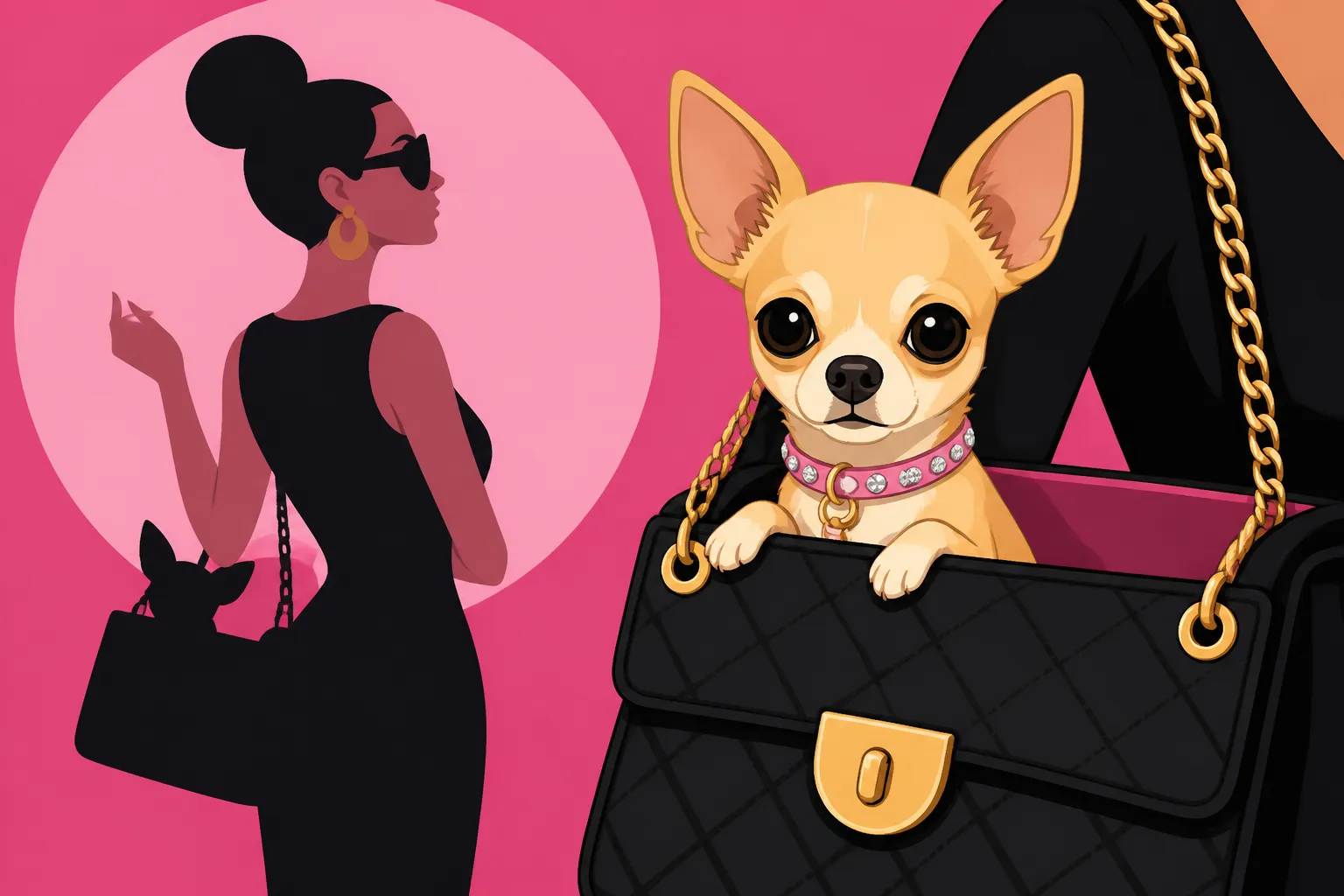
The cultural phenomenon of the handbag Chihuahua was undeniably supercharged by the embrace of celebrities. Picture the early 2000s: a tiny dog, often sporting a rhinestone collar, peeking out from a designer tote, becoming a staple on red carpets and paparazzi photoshoots. This imagery was potent; it instantly elevated the Chihuahua from simply being a small dog to a symbol of luxury, trendiness, and an aspirational lifestyle. It created an immediate association: if you had a Chihuahua in your bag, you were "in."
Beyond the paparazzi flashes, movies, television shows, and even music videos enthusiastically adopted and reinforced this image. Chihuahuas were cast as charming, often sassy sidekicks who were perpetually carried, whether in a lavish handbag or tucked under an arm. Think of popular films that showcased these dogs as inseparable accessories to their glamorous owners, often in scenes where the dog's primary role was to look cute and be portable. This constant visual reinforcement cemented the idea that a Chihuahua's natural habitat was not on the ground, exploring, but rather as a chic, living prop. For a deeper dive into their presence in various media, check out The Advertising Campaigns Built on a Chihuahua.
This relentless media portrayal created a powerful allure. For many, owning a Chihuahua became less about bringing a canine companion into their home and more about participating in a trend. The idea of a dog that could effortlessly accompany you everywhere, fitting seamlessly into a busy, fashionable life, was incredibly appealing. It promised companionship without the perceived "hassle" of a larger, more traditional dog, even if that promise was often built on unrealistic expectations. The desire for a miniature, perfectly portable pet became a significant driver behind the breed's popularity in certain social circles.
Behind the Glamour: Why the Handbag Cliché Gained Traction
It wasn't just celebrity influence that pushed Chihuahuas into handbags. There were genuine, albeit often misguided, reasons why owners found the idea of a perpetually carried tiny dog so appealing. These reasons often stemmed from a combination of perceived convenience, a desire for security, and the undeniable appeal of their diminutive size in a world often not built for tiny creatures.
The Perceived Convenience of a Tiny Dog
At first glance, carrying a Chihuahua seems incredibly convenient. They're so small and lightweight that they can easily be tucked into a bag, providing an immediate solution for navigating crowded public spaces, running errands, or simply keeping them close. For owners living in apartments or without access to large yards, the idea of a dog that requires minimal physical space and can be "taken everywhere" without much fuss is very attractive. This perceived ease of transport becomes a major factor in choosing the breed.
However, this convenience often comes at the expense of understanding a Chihuahua's actual needs. Many assume that because they are so small, Chihuahuas require very little exercise. While they certainly don't need marathon runs, they are active, intelligent dogs who thrive on regular walks and mental stimulation. Confining them to a bag for extended periods deprives them of essential physical activity and the opportunity to explore the world through their senses. A Chihuahua still needs to stretch its legs, sniff new smells, and engage its mind, as discussed in Chihuahua Exercise for a Dog That Fits in a Bag.
The desire to keep them "safe" from the perceived dangers of the outside world – big dogs, clumsy feet, or simply getting lost – also contributes to constant carrying. Owners genuinely believe they are protecting their tiny companions. While there's certainly a need for vigilance with such a small dog, perpetual carrying can inadvertently stunt their development. They miss out on crucial socialization experiences, learn to be overly dependent, and can even develop fear-based behaviors because they aren't given the chance to confidently navigate the world on their own four paws. The line between protection and over-coddling is a delicate one, and the handbag often blurs it.
Fashion and Status Symbolism
Beyond mere convenience, the handbag Chihuahua quickly evolved into a distinct fashion statement and a symbol of status. Just like a designer watch or a luxury car, a tiny dog peeking out of an expensive bag communicated a certain image. It suggested an owner with disposable income, a keen eye for trends, and a lifestyle that allowed for such a pampered pet. The Chihuahua became an extension of one's personal brand, a cute, living accessory that added a touch of whimsy and glamour to an outfit.
Marketing and advertising played a huge role in perpetuating this image. Campaigns for clothing, jewelry, and even lifestyle brands began featuring Chihuahuas alongside their products, visually linking the breed with aspirational living. It wasn't just about owning a dog; it was about buying into a lifestyle that included a perfectly portable, always-on-trend companion. This created a powerful feedback loop where the more Chihuahuas were seen in this context, the more people desired them for the same reasons.
The market even responded with a proliferation of specialized "dog carrier" handbags – often indistinguishable from regular designer totes, but with hidden mesh windows or built-in leashes. These carriers, available from retailers like Chewy and other pet supply outlets, blurred the line between functional pet transport and pure fashion accessory. While practical carriers are essential for safely transporting a Chihuahua, the emphasis shifted towards how the carrier looked rather than just its function, further cementing the idea that the dog within was primarily a fashion statement. This trend made it socially acceptable, even desirable, to have your dog constantly in tow, blurring the boundaries of where a dog belonged.
The Real Impact on Chihuahuas: More Than Just an Accessory
While the image of a Chihuahua in a handbag might seem charming or glamorous, the reality for the dogs themselves can be far from ideal. This cliché has led to numerous misconceptions about the breed's needs and inherent risks, impacting their physical health, behavioral development, and overall well-being. A Chihuahua is a dog, with all the instincts and requirements of a canine, regardless of its size.
Physical Risks and Health Concerns
One of the most immediate dangers of the handbag lifestyle is the increased risk of physical injury. Chihuahuas are small and delicate, with fine bones that are easily fractured. Being dropped from a bag, even from a short height, or slipping out unexpectedly can lead to severe injuries such as broken legs, concussions, or internal trauma. Owners might assume the dog is secure, but a sudden jolt or an unexpected movement from the dog can quickly turn a fashion statement into a medical emergency. You can read more about common joint issues in Chihuahua Patellar Luxation, the Chihuahua's Commonest Joint Problem.
Moreover, constant confinement in a bag can expose Chihuahuas to environmental hazards. They can quickly overheat in warm weather, especially if the bag lacks proper ventilation, or suffer from dangerous chilling in colder temperatures if not adequately protected. Unlike a larger dog, a tiny Chihuahua has minimal body fat to insulate itself, making temperature regulation a critical concern. Understanding how to keep them comfortable is vital, as explored in Keeping a Chihuahua Warm Through Winter.
Finally, regularly being carried limits a Chihuahua's natural movement and exercise. Dogs need to walk, run, and explore to develop strong muscles, maintain a healthy weight, and keep their joints mobile. A Chihuahua perpetually carried in a bag misses out on this crucial physical activity. Over time, this lack of exercise can contribute to obesity, muscle atrophy, and exacerbate existing joint problems, ultimately leading to a less healthy and potentially shorter lifespan. They need more than just tiny bursts of energy; they need consistent, appropriate physical engagement.
Behavioral and Training Challenges
The "handbag dog" cliché often contributes to what's known as "Small Dog Syndrome," a set of undesirable behaviors like excessive barking, aggression, or fearfulness, which are often mistakenly attributed to the breed itself rather than a lack of proper training and socialization. When a Chihuahua is constantly carried, it's often denied the opportunity to interact with the world on its own terms, leading to a profound lack of confidence. Small Dog Syndrome and Why It Is Not Genetic delves deeper into this issue.
Dogs learn about their environment by walking on the ground, sniffing, seeing things from their own perspective, and interacting with other dogs and people at eye level. A Chihuahua who spends most of its time in a bag misses out on this vital environmental stimulation. They don't learn appropriate social cues, can become overwhelmed by new experiences when finally on the ground, and may resort to barking or snapping out of fear or anxiety. This can manifest as reactivity towards strangers, other dogs, or even sudden noises, because they haven't been given the chance to develop coping mechanisms through gradual exposure.
Furthermore, house training becomes incredibly challenging when a dog isn't consistently put on the ground to relieve itself. If a Chihuahua is always picked up before it can signal a need to go outside, or if it's expected to eliminate on a pee pad inside a bag or very close by, it may never fully grasp the concept of appropriate potty spots. This can lead to frustration for both dog and owner. A Chihuahua, despite its tiny bladder, can be reliably house trained, but it requires consistency and ample opportunities to learn where and when to go, as detailed in House Training a Chihuahua With a Tiny Bladder.
Misconceptions About the Breed's Nature
Perhaps one of the most damaging consequences of the handbag cliché is the perpetuation of deeply ingrained misconceptions about the Chihuahua's true nature. Many people come to believe that Chihuahuas are inherently fragile, dainty, or purely decorative animals with little depth beyond their cute appearance. This completely overlooks their robust, often feisty, and incredibly intelligent personalities. They are not accessories; they are active, curious, and loyal dogs with a strong will and a desire for engagement. For a better understanding of their inherent character, read Chihuahua Temperament and What the Standard Asks For.
This misconception often extends to their training. The thought process is often, "They're so small, what's the point of training them? They can't do much harm." This attitude can lead to untrained Chihuahuas who are allowed to get away with behaviors that would never be tolerated in a larger dog, such as growling at guests, barking incessantly, or guarding resources. Not only does this make them less pleasant companions, but it can also make them dangerous to themselves and others, particularly if they react out of fear or frustration. Every dog, regardless of size, benefits immensely from consistent training, as outlined in Training a Chihuahua Exactly Like a Big Dog.
Ultimately, the handbag cliché contributes to a "disposable pet" mentality, where Chihuahuas are seen as temporary fads rather than lifelong commitments. When the novelty wears off, or when the behavioral issues stemming from improper care become too much to handle, these dogs unfortunately end up in shelters. This contributes to the significant overpopulation of Chihuahuas in rescue organizations across the country, a sad reality explored in Why Chihuahuas Fill American Shelters. They deserve to be understood and loved for who they truly are, not for a fleeting trend.
Breaking the Stereotype: Responsible Chihuahua Ownership
Moving beyond the "handbag cliché" isn't just about debunking myths; it's about actively promoting and practicing responsible Chihuahua ownership. It means seeing these small dogs as fully-fledged canines with specific needs, instincts, and the capacity for incredible companionship. By prioritizing their physical and mental well-being, we can help them thrive and show the world just how amazing Chihuahuas truly are.
Prioritizing Health and Well-being
Responsible ownership starts with recognizing a Chihuahua's health needs, which are often unique due to their diminutive size. This includes regular veterinary check-ups, ensuring they are up-to-date on vaccinations and preventive care. Nutrition is paramount: these tiny dogs require precise calorie counts to maintain a healthy weight. Free-feeding is often a recipe for obesity, even a half-pound extra on a Chihuahua is significant. Instead, measured portions of high-quality food, carefully weighed, ensure they get exactly what they need without overdoing it. Learn more about their caloric needs in Feeding a Chihuahua on Two Hundred Calories a Day. You can find excellent small-breed specific foods and measuring tools at retailers like Chewy to ensure accurate portions.
Beyond food, appropriate exercise is non-negotiable. While they won't accompany you on a marathon, daily walks, even short ones, and engaging indoor play are vital for their physical and mental health. They need opportunities to stretch their legs, sniff the world, and burn off energy. When it comes to accessing furniture, think ramps and steps instead of encouraging jumps that can stress their delicate joints. Ramps and Steps for a Chihuahua Sofa offers practical advice on this. Safe, well-ventilated carriers are, of course, essential for transportation—for vet visits, safe travel, or navigating busy areas—but they should be seen as a temporary means of travel, not a permanent home.
Maintaining their warmth is another crucial aspect. Chihuahuas have little body fat and can chill easily. Investing in sweaters or coats, especially in cooler climates, and providing warm, cozy beds where they can burrow are acts of responsible care, not mere adornment. Their comfort and health should always take precedence over fashion trends.
Embracing Training and Socialization
To truly thrive, Chihuahuas need to be treated like any other dog when it comes to training and socialization. This means enrolling them in puppy classes, using positive reinforcement methods, and teaching them basic obedience commands. The Commands Every Chihuahua Should Know outlines essential skills that every Chihuahua should master for their safety and your peace of mind. Consistent training builds confidence and creates a stronger bond between you and your dog.
Socialization for a Chihuahua means gradual, positive exposure to various sights, sounds, people, and appropriate dogs. It's about building their confidence in the world, not isolating them. While dog parks with large dogs might be too risky, structured puppy classes or playdates with other small, well-behaved dogs can be incredibly beneficial. Allowing them to walk on a leash, explore new environments, and experience the world from their own perspective is crucial for their behavioral development. Read more about this in Socializing a Chihuahua Without Overwhelming It.
Crucially, responsible owners also practice consent-based handling. Instead of simply scooping up a Chihuahua, especially if they seem hesitant, teach them to willingly step into your hands. This respects their autonomy and reduces the chances of fear-based biting. A Chihuahua that is comfortable and confident on its own four paws, rather than constantly being carried, is a much happier and more well-adjusted companion. Learn how to encourage this healthy interaction in Chihuahua Handling and Consent.
Advocating for the True Chihuahua
Ultimately, breaking the "handbag cliché" requires a collective effort from Chihuahua owners and enthusiasts to advocate for the true nature of the breed. It means educating others that these tiny dogs are intelligent, loyal, spirited companions who deserve respect and proper care, not just admiration for their size. Sharing stories of Chihuahuas excelling in obedience, agility, or even as therapy dogs can help challenge the superficial image.
We can celebrate their remarkable resilience and impressive longevity. Chihuahuas, when well-cared for, are known for their long lifespans, often reaching sixteen years or more. This is a testament to their inherent robustness, a trait often overlooked when they are viewed purely as fragile ornaments. Discover more about their remarkable longevity in Chihuahua Lifespan and Why the Breed Reaches Sixteen.
By providing our Chihuahuas with excellent veterinary care, appropriate nutrition, consistent training, and ample opportunities for socialization and enrichment, we effectively become ambassadors for the breed. Each well-adjusted, confident Chihuahua that walks proudly on a leash, engages happily with its family, and enjoys exploring the world, helps to dismantle the stereotype, proving that they are indeed "real dogs" in every sense of the word, deserving of all the love, respect, and proper care that implies.
| Aspect | Handbag Cliché Perception | Responsible Ownership Reality |
|---|---|---|
| Purpose | Fashion accessory, status symbol | Cherished family member, loyal companion |
| Movement | Always carried, rarely walks, minimal outdoor exposure | Walks daily on leash, active indoor play, uses ramps for furniture |
| Training | Unnecessary, "too small to train," excused bad behaviors | Essential for good manners, safety, mental stimulation, confidence |
| Socialization | Kept isolated for "protection," limited exposure | Gradual, positive exposure to diverse environments, appropriate dogs and people |
| Health Risks | Falls, overheating/chilling, poor muscle tone, obesity | Regular vet care, balanced diet, safe activity, temperature management |
| Perceived Temperament | Fragile, yappy, aggressive, nervous | Loyal, intelligent, alert, sometimes feisty but trainable, confident with proper care |
| Purchasing | Trendy, impulse buy, color/size driven | Thoughtful selection from reputable breeder/rescue, health clearances a priority |
Disclaimer
This article is for general informational purposes only and does not constitute professional advice. Laws, prices and regulations vary by location and change over time. Consult a qualified professional for guidance on your specific situation.