Chihuahua Lifespan and Why the Breed Reaches Sixteen
It's absolutely heartbreaking to think about our little Chihuahuas getting older, but it's also a testament to their incredible resilience that they often stay with us for so long. This guide is all about understanding why Chihuahuas tend to live such wonderfully long lives, what you can do to support that longevity, and how to navigate the common health challenges that arise over their many years.
The Remarkable Lifespan of a Chihuahua
One of the most frequent questions I get from new Chihuahua parents is, "How long do Chihuahuas really live?" And honestly, it's one of the most heartwarming answers to give: a good, healthy Chihuahua can easily be your companion for 14 to 16 years, and it's not at all uncommon for them to sail past 18, even touching 20 years old! This incredible longevity is one of the many reasons these tiny dogs steal so many hearts. When you bring a Chihuahua into your home, you're not just getting a pet for a few years; you're often getting a lifelong friend who will be there through so many of life's seasons.
Why Chihuahuas Often Outlive Larger Breeds
It might seem counter-intuitive, but smaller dog breeds generally have a longer lifespan than their larger counterparts, and Chihuahuas are a prime example of this phenomenon. While a Great Dane might only live 7-10 years, your little Chi is just hitting their stride at that age. The exact biological reasons aren't fully understood, but current theories suggest it has to do with growth rates and metabolism. Larger breeds grow much faster, which puts a greater strain on their bodies, leading to a higher incidence of age-related diseases earlier in life. They experience accelerated cellular aging compared to smaller dogs.
Think about it: a Chihuahua reaches its full adult size and skeletal maturity much faster and with less overall stress on its system than a puppy who needs to grow to 100+ pounds in a year. This slower, less demanding physical development seems to give Chihuahuas a head start on a longer, healthier existence. It’s also thought that the genetic factors that predispose larger dogs to certain cancers and orthopedic issues simply aren't as prevalent or as impactful in toy breeds. Understanding Why Chihuahuas Outlive Almost Every Other Breed can really help you appreciate just how special their long-lived nature is.
Understanding "Average" vs. "Exceptional" Lifespans
When we talk about an "average" lifespan for a Chihuahua, we're usually looking at a range of 14 to 16 years. This is a fantastic average for any dog breed! However, it's important to remember that this is just an average. Many Chihuahuas, particularly those who receive excellent care, consistent veterinary attention, and live in loving, low-stress environments, will significantly exceed this. I've personally known Chihuahuas who were still bouncing around happily at 19, and some even celebrate their 20th birthday!
The difference between an average and an exceptional lifespan often comes down to a combination of genetics, preventative care, and the owner's vigilance. An average lifespan indicates the general health and genetic robustness of the breed as a whole, but it doesn't set a hard limit for your individual dog. Factors like a well-balanced diet, regular exercise, consistent dental hygiene, and prompt veterinary care for any issues that arise can absolutely push your Chihuahua into that exceptional longevity category. Knowing What Actually Ends a Chihuahua's Sixteen Years can also help owners prepare and take proactive steps to mitigate risks.
Genetic Blueprint for Longevity
Just like in people, genetics play a massive role in how long and how well a Chihuahua lives. While we can't change our dog's DNA, understanding their genetic predispositions helps us provide the best possible care, mitigating risks and supporting their inherent strengths. This is why choosing a responsible breeder who prioritizes health testing is so crucial, but even for rescue Chihuahuas, knowing what to look out for can make all the difference.
Inherited Health Strengths
Beyond the general small-dog advantage, Chihuahuas tend to have fewer of the severe, widespread genetic conditions that plague some other purebreds. For instance, they aren't typically predisposed to hip and elbow dysplasia, which are debilitating joint conditions common in many medium to large breeds. Their smaller frames and lighter weight put less stress on their joints overall, contributing to better mobility into their senior years. They also seem to have a lower incidence of certain cancers compared to some breeds, though cancer can still occur.
Responsible breeding practices focus on strengthening these natural advantages by carefully selecting breeding pairs that have demonstrated excellent health and longevity in their lines. This commitment to health means that many Chihuahuas inherit a robust constitution, setting them up for a long and vibrant life from the very beginning. When looking for a puppy, always inquire about The Health Tests a Chihuahua Breeder Should Run to ensure you're starting with the best possible genetic foundation.
Breed-Specific Genetic Predispositions
Despite their general hardiness, Chihuahuas do have some specific genetic predispositions that owners need to be aware of. These aren't necessarily life-shortening if managed properly, but they can certainly impact quality of life and require proactive care.
One of the most well-known is patellar luxation, or a "slipping kneecap." This is where the kneecap temporarily slips out of its groove. While it can range from very mild (Grade 1) to severe (Grade 4), many Chihuahuas live full, happy lives with mild forms, often without needing surgery. However, severe cases can lead to pain and arthritis down the line. It's truly Patellar Luxation, the Chihuahua's Commonest Joint Problem, and something every owner should be aware of.
Another common concern is dental disease. Chihuahuas have small mouths packed with 42 teeth, which often leads to overcrowding. This makes them highly susceptible to plaque and tartar buildup, which can quickly escalate to painful gum disease and tooth loss. This isn't just a mouth issue; chronic dental infections can lead to serious systemic problems, affecting organs like the heart and kidneys. That's why Chihuahua Dental Disease in a Crowded Small Jaw is such a crucial topic for owners to address.
Other predispositions include certain heart conditions, like mitral valve disease, and occasionally neurological issues such as hydrocephalus, particularly in the "apple head" variety. Regular vet check-ups are vital to monitor for these conditions and intervene early if necessary. For instance, an annual vet visit can catch early signs of heart disease before it becomes advanced, significantly extending a Chihuahua's comfortable years.
The Impact of Daily Care on Lifespan
Genetics might lay the groundwork, but daily care is where you, as a dedicated Chihuahua parent, truly shine in promoting a long and healthy life. Every decision you make about their food, exercise, and overall environment contributes to their well-being and, ultimately, their longevity.
Nutrition: Fueling a Tiny Powerhouse
A Chihuahua's diet is incredibly important, not just for maintaining their zippy energy, but for preventing diseases that can shorten their life. Because they are so small, every calorie counts, and the quality of those calories matters even more. Overfeeding, even by a tiny amount, can lead to obesity, which puts undue stress on their small joints, heart, and other organs, increasing the risk of conditions like diabetes. On the flip side, puppies are prone to hypoglycemia if they don't eat frequently enough.
A balanced diet of high-quality dog food, portion-controlled to their specific needs, is paramount. Look for foods with real meat as the first ingredient and avoid excessive fillers. For an adult Chihuahua, two small meals a day are generally recommended, ensuring they get consistent energy without overeating. Treats should be given sparingly and also be high quality, perhaps even broken into smaller pieces to manage calorie intake. Learning to calculate Daily Calories for a Three to Seven Pound Chihuahua is an essential skill for every owner.
Exercise and Mental Stimulation for a Small Dog
It's easy to assume a Chihuahua doesn't need much exercise because they're so small. While they might not need to run miles like a Border Collie, regular, appropriate exercise is crucial for their physical and mental health. Daily walks, ideally two 15-20 minute strolls, help maintain muscle tone, joint health, and a healthy weight. These walks also provide valuable mental stimulation as they explore the world through their keen senses.
Beyond walks, playtime in a secure yard or indoors is wonderful. Fetching a small ball, playing tug-of-war with appropriate toys, or engaging in puzzle toys can keep their minds sharp and their bodies agile. Remember, even a small dog needs to move! Indoor games like hide-and-seek with treats can be great for mental enrichment, especially on days when the weather isn't cooperating. Ensuring they have safe ways to get on and off furniture (like ramps or steps) can also protect their delicate joints from injury over time. For more ideas, check out Chihuahua Exercise Needs Every Day.
Maintaining Optimal Weight: A Critical Factor
Given their small stature, even a pound or two of excess weight on a Chihuahua can be the equivalent of a human gaining 30-40 pounds. This seemingly small amount can significantly impact their health and shorten their lifespan. Chihuahua Obesity on a Six Pound Frame is a very real and concerning issue. Extra weight exacerbates patellar luxation, strains the heart, increases the risk of diabetes, and can worsen respiratory conditions like collapsing trachea.
Regularly weighing your Chihuahua and performing a body condition score (feeling their ribs, spine, and waist) is vital. You should be able to easily feel their ribs without pressing hard, and they should have a discernible waist when viewed from above. If you're concerned about your Chihuahua's weight, consult your vet to establish a safe weight loss plan. This often involves precise calorie measurement and increased, gentle exercise. Sometimes switching to a prescription diet formulated for weight management, or simply being more diligent with portion control, can make all the difference.
Managing Common Health Challenges
Despite their impressive longevity, Chihuahuas are not immune to health issues. Being informed and proactive about common breed-specific problems is key to early detection and effective management, allowing your Chihuahua to live their longest, most comfortable life possible.
Dental Disease: The Silent Lifespan Killer
As I mentioned earlier, dental disease is rampant in Chihuahuas. Their crowded mouths are a perfect breeding ground for bacteria, leading to plaque, tartar, gingivitis, and eventually periodontal disease. This isn't just about bad breath; chronic infection in the mouth can spread bacteria through the bloodstream to vital organs. The heart, kidneys, and liver can all suffer damage from untreated dental disease, significantly impacting your Chihuahua's overall health and lifespan.
The best defense is a proactive daily brushing routine. Yes, daily brushing! It might seem daunting with such a small mouth, but with patience and positive reinforcement, most Chihuahuas can learn to tolerate it. Dental chews and water additives can help, but they are not a substitute for mechanical brushing. Regular professional dental cleanings under anesthesia, starting as early as two or three years old for some Chihuahuas, are usually necessary. These cleanings allow the vet to scale off tartar above and below the gumline and identify any painful or infected teeth that need extraction. Planning for Anesthesia Risk During a Chihuahua Dental is also crucial, especially with their small size. Investing in dental care is truly investing in years of your Chihuahua's life.
Heart Health as They Age
Heart disease is another common concern for Chihuahuas as they get older, with mitral valve disease (MVD) being particularly prevalent. MVD occurs when the mitral valve, which separates the left atrium and left ventricle of the heart, degenerates and becomes leaky. This leads to blood flowing backward into the atrium, putting strain on the heart and potentially leading to congestive heart failure.
Signs of heart disease can include a cough (especially at night or when excited), decreased energy, difficulty breathing, or a distended belly. Your veterinarian will listen for a heart murmur during routine check-ups – this is often the first sign of MVD. If a murmur is detected, further diagnostics like an echocardiogram (an ultrasound of the heart) may be recommended to assess the severity and guide treatment. Medications can help manage the symptoms and slow the progression of the disease, allowing your Chihuahua to maintain a good quality of life for many years. It's really important to understand Chihuahua Heart Disease as the Breed Ages so you can catch early signs.
Addressing Orthopedic and Respiratory Issues
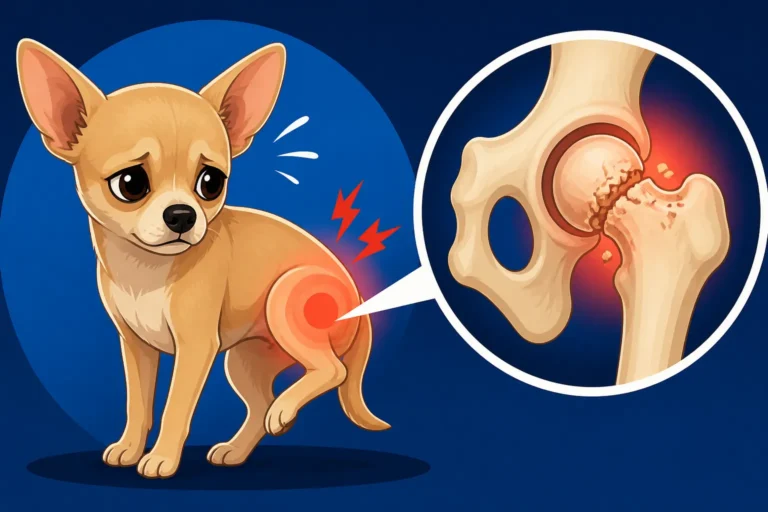
Beyond patellar luxation, Chihuahuas can sometimes face other orthopedic challenges. While less common than in larger breeds, conditions like Legg-Calve-Perthes disease (a degeneration of the femoral head in the hip joint) can occur, typically in younger Chihuahuas. Again, maintaining a healthy weight and preventing strenuous, high-impact activities like jumping off tall furniture can help protect their delicate bone structure throughout their lives. Ramps and steps are not just for senior Chihuahuas; they can be beneficial at any age to prevent injuries.
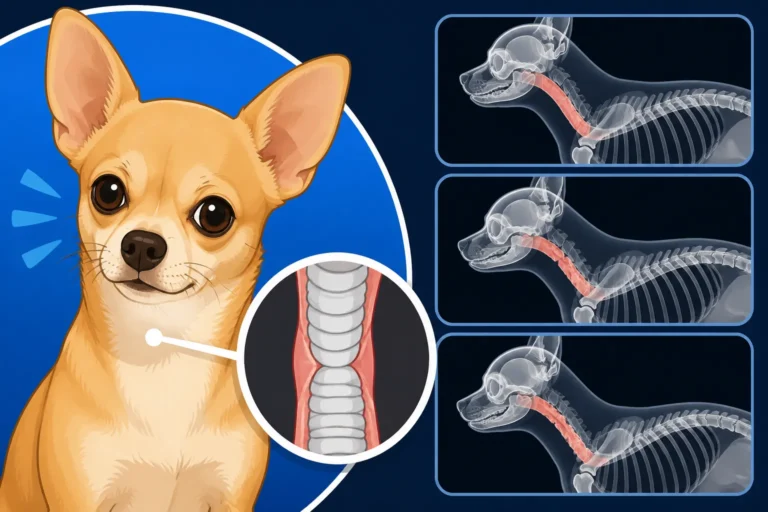
Respiratory issues, particularly collapsing trachea, are also relatively common. This condition involves the weakening of the cartilage rings in the windpipe, causing it to flatten and making breathing difficult. This often manifests as a dry, harsh, honking cough, especially when excited, pulling on a collar, or during exercise. Using a harness instead of a collar is absolutely essential for Chihuahuas to prevent putting pressure on their delicate tracheas. For more insights, learn about Collapsing Trachea and the Chihuahua Honking Cough. Medical management, weight control, and avoiding irritants can help manage the condition, and in severe cases, surgery may be an option.
Proactive Veterinary Care and Prevention
It can feel overwhelming to think about all the potential health issues, but proactive veterinary care is your most powerful tool in ensuring your Chihuahua lives a long, healthy life. Establishing a strong relationship with a veterinarian who understands toy breeds is paramount.
Regular Check-ups and Early Detection
Think of your Chihuahua's annual vet visit not as just a "shot appointment," but as a comprehensive wellness check. These regular check-ups are invaluable for early detection of potential problems. Your vet will perform a thorough physical examination, checking their teeth, listening to their heart and lungs, palpating their joints, and assessing their overall body condition. They might also recommend routine blood work, especially as your Chihuahua enters their middle and senior years.
Early detection allows for timely intervention, often before a condition becomes advanced or more difficult to treat. For example, catching dental disease in its early stages can mean simpler, less costly cleanings and prevent tooth loss. Identifying a heart murmur early can lead to monitoring and medication before congestive heart failure develops. This proactive approach can literally add years to your Chihuahua's life and significantly improve their quality of life during those years. Many dedicated Chihuahua owners rely on resources from companies like Healthy Paws for peace of mind, knowing they'll be able to cover the costs associated with vigilant preventative care and any unexpected illnesses that arise.
Vaccinations, Parasite Control, and Anesthesia Considerations
Keeping your Chihuahua up-to-date on vaccinations is crucial to protect them from common and potentially fatal infectious diseases like distemper, parvovirus, and rabies. Your vet will tailor a vaccination schedule based on your dog's age, lifestyle, and local risk factors. Likewise, consistent parasite prevention (for fleas, ticks, and heartworm) is non-negotiable, even for indoor Chihuahuas, as parasites can transmit serious illnesses.
When it comes to procedures requiring anesthesia, such as dental cleanings or necessary surgeries, it's understandable to feel a little nervous about your tiny companion. Chihuahuas, like all toy breeds, require careful monitoring during anesthesia due to their small size and faster metabolism. However, modern veterinary anesthesia protocols are very safe. Pre-anesthetic blood work is always recommended to check organ function, and during the procedure, your vet team will closely monitor vital signs like heart rate, blood pressure, and oxygen levels. Don't let fear of anesthesia prevent necessary procedures like dental cleanings; the risks of untreated disease often outweigh the risks of anesthesia. To learn more about this, look into Chihuahua Vaccination and Anesthesia at Toy Size.
The Role of Pet Insurance in Long-Term Health
Long-term care for a long-lived breed like a Chihuahua can sometimes incur significant costs, especially as they age and potentially develop chronic conditions. This is where pet insurance can be a game-changer. Rather than facing a sudden, large veterinary bill for an emergency or a necessary surgery, pet insurance helps cover a percentage of those costs, making advanced diagnostics and treatments more accessible.
Having a good pet insurance policy can empower you to make healthcare decisions based on what's best for your Chihuahua, rather than being limited by financial concerns. Imagine needing an emergency visit for a sudden illness or a costly procedure for a patellar luxation – a policy from a provider like Healthy Paws could alleviate much of that financial stress. It's an investment in your Chihuahua's future health and can ultimately contribute to a longer, healthier life by ensuring they receive all necessary medical attention without delay.
Below is a table summarizing key health considerations for Chihuahuas and their impact on lifespan:
| Health Category | Common Chihuahua Issues | Lifespan Impact | Preventative Measures |
|---|---|---|---|
| Dental Health | Periodontal disease, retained baby teeth, tooth loss | Systemic infection affecting heart/kidneys, chronic pain, reduced appetite | Daily brushing, regular professional cleanings, proper diet |
| Cardiac Health | Mitral Valve Disease (MVD) | Congestive heart failure, reduced activity, shortness of breath, coughing | Regular vet check-ups, monitoring for murmurs, medication as needed |
| Orthopedic Health | Patellar Luxation (slipping kneecap) | Arthritis, pain, lameness, potential need for surgery | Weight management, joint supplements, safe environment, ramps |
| Respiratory Health | Collapsing Trachea | Chronic cough, difficulty breathing, reduced exercise tolerance | Harness instead of collar, weight management, avoiding irritants |
| Metabolic Health | Hypoglycemia (puppies), Obesity | Lethargy, seizures (puppies), diabetes, joint strain, heart disease | Strict feeding schedule, portion control, appropriate exercise |
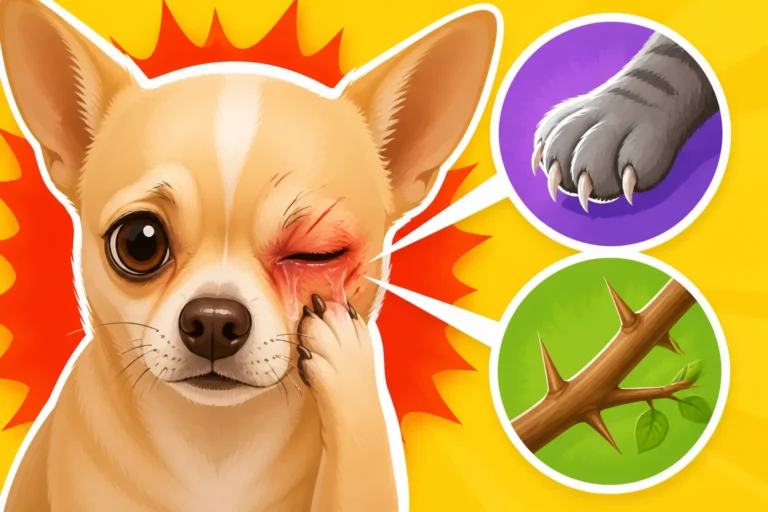
| Eye Health | Dry Eye, Corneal Ulcers, Cataracts | Pain, vision impairment, infection | Regular cleaning, vet checks, prompt treatment for injuries |
Nurturing Your Senior Chihuahua
Just like us, Chihuahuas experience changes as they enter their golden years. A Chihuahua is typically considered a senior around the age of 8-10, though many still have plenty of spunk left! Providing specialized care during this phase is crucial for maintaining their comfort, dignity, and extending their happy life. This involves recognizing the subtle shifts that come with age and adapting their care routine accordingly.
Recognizing the Signs of Aging
The signs of aging in Chihuahuas can be gradual and subtle. You might notice them slowing down a bit on walks, sleeping more, or having a bit less enthusiasm for playtime. Their coat might thin or turn gray around the muzzle. Other common signs include:
- Changes in Mobility: Stiffness, difficulty jumping or climbing stairs, a slightly slower gait. This could signal Chihuahua Arthritis in the Teenage Years.
- Sensory Decline: Reduced hearing (they might not respond to their name as readily) or vision (bumping into furniture in dim light).
- Changes in Appetite or Thirst: Sometimes they eat less, or conversely, drink more, which can indicate kidney issues.
- Behavioral Changes: Increased anxiety, confusion, or changes in sleep-wake cycles. These can be signs of Cognitive Decline in a Fifteen Year Old Chihuahua.
- Dental Issues: More prominent dental disease, even with good care, as their mouths become more fragile.
It's important to differentiate between normal aging and signs of pain or illness. Any significant change warrants a visit to the vet for an assessment.
Adapting Their Environment and Routine
Making small adjustments to your home environment can significantly improve a senior Chihuahua's quality of life. Provide soft, supportive bedding in easily accessible spots for their aching joints. Ramps or steps can help them get onto and off furniture safely, preventing injuries. Keep their food and water bowls easily reachable, perhaps raising them slightly if they have neck or back issues.
Their routine might also need gentle adjustments. While exercise is still important, the intensity and duration might need to decrease. Shorter, more frequent walks are often better than one long, strenuous outing. Continue with mental stimulation through puzzle toys or gentle training sessions to keep their minds engaged. Consistency in routine can also help reduce anxiety in Chihuahuas experiencing cognitive decline. Remember, Senior Chihuahua Care Past the Age of Twelve means being extra vigilant and compassionate.
Supporting Cognitive Function and Comfort
Cognitive dysfunction syndrome (CDS), similar to Alzheimer's in humans, can affect senior Chihuahuas. Signs include disorientation, changes in interaction with family, alterations in sleep cycles, house-soiling, and increased anxiety. If you notice these signs, discuss them with your vet. There are prescription diets, supplements (like SAMe or omega-3 fatty acids), and medications that can help manage symptoms and improve cognitive function.
Beyond specific treatments, comfort care is paramount. Ensure they are kept warm, as older Chihuahuas can be more sensitive to cold. Regular, gentle grooming helps maintain skin and coat health and provides a chance to check for lumps or bumps. Most importantly, continue to provide abundant love, patience, and understanding. Their needs may change, but their capacity for affection remains.
Making Difficult Decisions: Quality of Life
One of the hardest parts of having a long-lived companion is facing the inevitable end. As Chihuahuas live longer, we are sometimes faced with difficult decisions regarding their quality of life. This is a deeply personal journey, but having a framework for thought can help.
Evaluating Your Chihuahua's Well-being
Determining when a Chihuahua's quality of life has significantly diminished is incredibly challenging. It's not about one single factor, but often a combination of persistent issues. A common framework for assessing quality of life focuses on several key areas, often remembered by the acronym HHHHHMM:
- Hurt: Is your Chihuahua in chronic, unmanageable pain?
- Hunger: Are they eating and drinking adequately on their own?
- Hydration: Are they staying hydrated?
- Hygiene: Can they keep themselves clean, or are they constantly soiled?
- Happiness: Do they still experience joy? Do they engage with you or their environment?
- Mobility: Can they get around unassisted to eat, drink, and relieve themselves?
- More Good Days Than Bad: Is the balance of their days tipping towards discomfort and distress rather than comfort and contentment?
Keeping a journal can be helpful to track symptoms, good days versus bad days, and their overall demeanor. Consult openly and honestly with your veterinarian, who can provide an objective assessment of their physical condition and prognosis. This is a heavy burden, and you don't have to carry it alone. These discussions often become part of End-of-Life Decisions for a Long-Lived Chihuahua.
Navigating End-of-Life Care and Grief
When the time comes to make end-of-life decisions, it's a decision rooted in profound love and compassion. Your veterinarian can discuss options for palliative care, which focuses on pain management and comfort, or humane euthanasia. Euthanasia, when chosen for a beloved pet, is an act of mercy, preventing prolonged suffering.
The grief that follows the loss of a long-lived Chihuahua is immense and valid. They have been a part of your family for so many years, witnessing so many moments. Allow yourself to grieve. There are many resources available, from pet loss support groups to online communities, that can provide comfort and understanding during this difficult time. Remember the incredible gift of their long life and the countless memories you shared.
Disclaimer
The information provided in this article is for general informational purposes only and is not intended as a substitute for professional veterinary advice. Always seek the advice of your veterinarian or other qualified animal health provider with any questions you may have regarding a medical condition or treatment for your Chihuahua.