Feeding a Chihuahua on Two Hundred Calories a Day
It can feel incredibly daunting to figure out how to properly feed a Chihuahua, especially when you realize their entire daily calorie intake might be less than what a larger dog gets in a single bite. Owners often worry about making sure their tiny companions get enough nutrition without accidentally overfeeding, which can lead to rapid weight gain and health problems, or underfeeding, which can dangerously drop their blood sugar. This guide is here to walk you through the nuances of feeding a Chihuahua on a small, specific calorie budget, ensuring they thrive and maintain their ideal weight.
Understanding Your Chihuahua's Tiny Calorie Needs
When you look at your little Chihuahua, it's easy to forget that despite their pint-sized stature, they are still complex animals with very specific dietary requirements. Unlike larger breeds where a few extra kibbles might go unnoticed, every single calorie counts for a Chihuahua. This miniature scale means precision in feeding isn't just a suggestion, it's a necessity for their well-being.
Why the Numbers Are So Small
A healthy adult Chihuahua, typically weighing between three and seven pounds, needs a surprisingly small amount of food to sustain themselves. On average, a Chihuahua requires about 40-50 calories per pound of body weight daily. So, for a five-pound Chihuahua, we're talking about a mere 200-250 calories. This isn't much! Compare that to a larger dog, and you quickly see why accidentally giving them an extra biscuit or a spoonful of your dinner can throw their entire day's nutrition out of whack. Their tiny bodies just don't have the metabolic machinery to handle excess calories gracefully, nor the reserves to tap into if they're running low. It's a delicate balance that requires diligence and careful measurement.
The Dangers of Overfeeding Even a Little
Even a slight calorie surplus for a Chihuahua can rapidly snowball into obesity, and trust me, what might seem like a "little extra love" in a treat can have serious consequences. For a four-pound Chihuahua, gaining just half a pound is equivalent to a 150-pound human gaining almost 20 pounds! That puts immense strain on their delicate joints, exacerbates conditions like Patellar Luxation, the Chihuahua's Commonest Joint Problem, and increases the risk of other serious health issues like diabetes and heart disease. Their small frames are simply not built to carry extra weight, and it can significantly shorten their already precious lives. It's a stark reminder that portion control is paramount.
The Risks of Underfeeding a Toy Dog
On the flip side, underfeeding a Chihuahua comes with its own set of critical dangers, particularly for puppies. These tiny dogs, especially when young, have very little body fat and muscle mass to draw upon for energy. If they don't eat frequently enough or don't get sufficient calories, they are highly susceptible to hypoglycemia, or dangerously low blood sugar. This is especially true for puppies under six months. Chihuahua Hypoglycemia and the Puppy Emergency is a terrifying experience where a puppy can become weak, disoriented, start trembling, or even seize and collapse. Adult Chihuahuas are less prone but can still be affected, especially if they are stressed, cold, or ill. Balancing their tiny calorie needs means ensuring consistent, adequate nutrition to keep their metabolism stable and prevent these sudden crashes.
Calculating the Right Amount for Your Individual Chihuahua
Figuring out the exact calorie count for your Chihuahua isn't just guessing; it's a calculation that takes into account several factors unique to your dog. It's not a one-size-fits-all scenario, and what works for one Chihuahua might be too much or too little for another. This personalized approach is key to their long-term health.
Using Basal Metabolic Rate and Activity Level
The first step in calculating your Chihuahua's specific calorie needs often involves understanding their Basal Metabolic Rate (BMR) and then factoring in their activity level. BMR is the energy your dog needs just to exist – to breathe, pump blood, and maintain body temperature. However, this is just a baseline. Most Chihuahuas lead somewhat active lives, even if it's just zipping around the living room or taking short walks. A generally active adult Chihuahua might need around 40-50 calories per pound per day, as mentioned earlier. However, a senior Chihuahua who mostly naps might need slightly less, while a young, highly energetic dog could need a bit more. It's not about strict formulas alone, but about observing your dog's body condition and energy levels.
Adjusting for Age, Spay/Neuter Status, and Health
Several factors can significantly alter your Chihuahua's caloric requirements. Puppies, for instance, are growing rapidly and have very high metabolisms, often needing closer to 50-60 calories per pound of body weight. They are little energy machines building bones and muscle! Once they are spayed or neutered, their metabolism typically slows down, and they might require a 10-20% reduction in calories to prevent weight gain. An intact dog, especially a female in heat or a breeding male, will have different needs. Senior Chihuahua Care Past the Age of Twelve often involves adjusting their diet as their activity slows and their bodies become less efficient. Any underlying health conditions, like heart disease or kidney issues, will also necessitate a conversation with your vet to tailor their diet appropriately. This isn't a set-it-and-forget-it equation; it's an ongoing process of adjustment.
The Importance of a Kitchen Scale
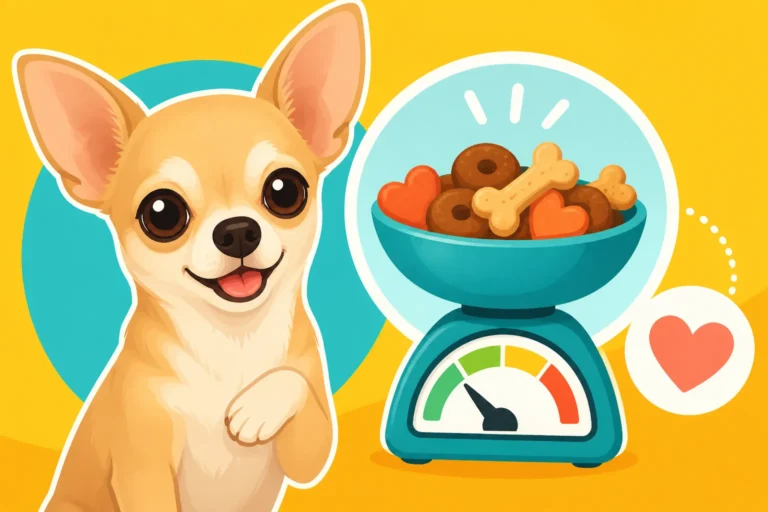
When we're talking about 200 calories, the difference between an accurate measurement and a guesstimate can be monumental. A typical measuring cup is notoriously inaccurate for kibble, especially for small portions. The density of kibble varies so much, and packing it differently can mean a huge difference in actual weight. This is why a simple, inexpensive kitchen scale is your Chihuahua's best friend. Weighing their food in grams or ounces ensures you're providing the exact caloric intake recommended by your vet or calculated for their needs. It takes the guesswork out of it and provides peace of mind. Without a scale, you might be consistently under or overfeeding by significant margins for a dog of this size, and for a Chihuahua, that truly matters.
Choosing the Right Food: Quality Over Quantity
With such a tiny daily allowance, every single bite your Chihuahua takes needs to be packed with nutrition. You can't afford "empty calories" or filler ingredients. Think of their food as highly concentrated fuel for a tiny, efficient engine. Choosing the right quality food is paramount to their overall health and longevity.
Prioritizing Nutrient-Dense Formulas
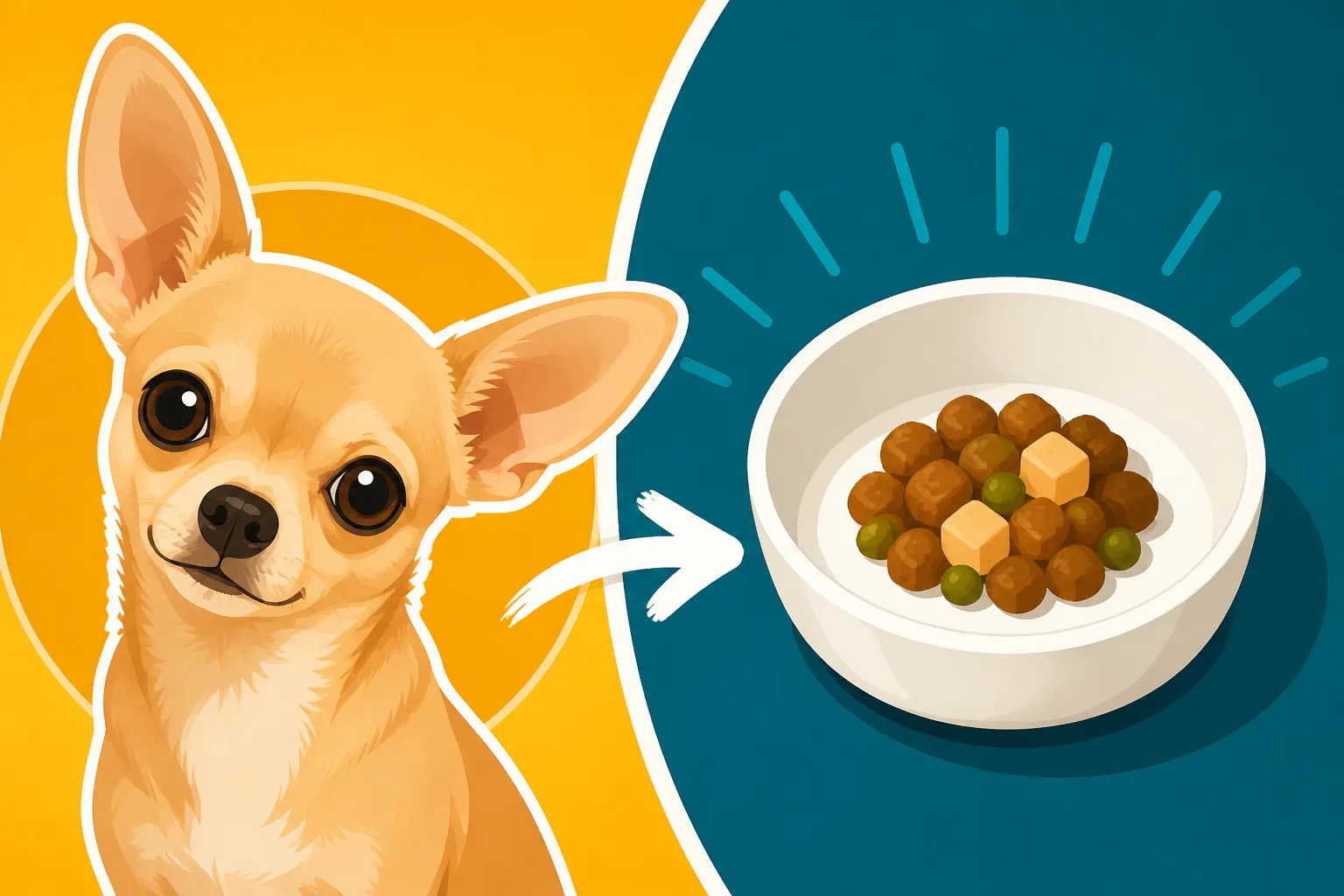
Because your Chihuahua is eating so little, the food they do consume must be incredibly nutrient-dense. Look for high-quality commercial dog foods that list a named meat source (like chicken meal, lamb, or beef) as the first ingredient. Avoid foods with excessive fillers like corn, wheat, or soy, as these offer little nutritional value for their caloric cost and can sometimes contribute to allergies or digestive upset. Brands like Wellness Core, Orijen, or high-quality small-breed specific formulas from trusted brands available at places like Chewy are often excellent choices. These foods are formulated to provide complete and balanced nutrition in a smaller volume, meaning your Chihuahua gets all the vitamins, minerals, proteins, and healthy fats they need without being stuffed full of empty calories.
Kibble Size and Texture Considerations
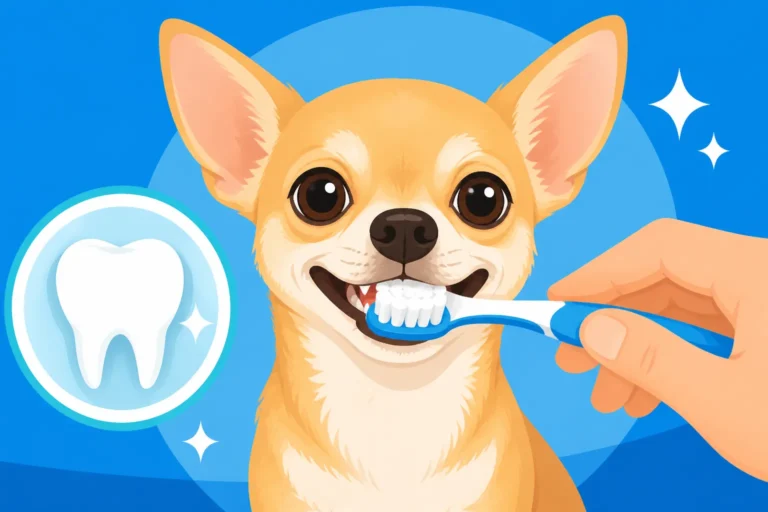
The physical attributes of the food are just as important as the nutritional content for a Chihuahua. Their tiny mouths and delicate jaws mean they need very small kibble that's easy to pick up, chew, and swallow. Larger kibble can be a choking hazard or simply too difficult for them to manage, leading to frustration or them leaving food uneaten. Sometimes, a slightly softer kibble or one that can be easily moistened with a bit of warm water can be beneficial, especially for puppies or senior Chihuahuas with dental issues. Speaking of dental issues, Chihuahua Dental Disease in a Crowded Small Jaw is incredibly common, so while dry kibble can offer some scraping action, it's never a substitute for daily brushing and regular veterinary dental care.
Exploring Wet, Fresh, and Raw Options
While dry kibble is a popular and convenient choice, many Chihuahua owners also explore wet, fresh, or even raw food diets. Wet food can be highly palatable for picky eaters and adds much-needed moisture to their diet, which can be beneficial for kidney health. Fresh food services like Ollie deliver pre-portioned, human-grade meals directly to your door, taking the guesswork out of calorie counting and ensuring high-quality ingredients. Raw feeding is another option, though it requires extensive research and careful preparation to ensure it's balanced and safe, especially for such a small dog. For any of these alternatives, it's crucial to still meticulously weigh or measure portions and calculate the caloric content to stay within your Chihuahua's daily budget. Never assume a "healthier" food means you can feed more; the calorie density can vary widely.
Mastering Meal Timing to Prevent Hypoglycemia
Meal timing for Chihuahuas isn't just about routine; it's a critical component of preventing dangerous drops in blood sugar. Their small size makes them particularly vulnerable to hypoglycemia, especially when they are young or under stress. A consistent feeding schedule is your best defense.
Why Small, Frequent Meals Are Crucial
For adult Chihuahuas, feeding two to three small meals a day is generally recommended. This approach helps to stabilize their blood sugar levels throughout the day, preventing those sudden energy dips that can lead to lethargy or even collapse. A five-pound Chihuahua on a 200-calorie diet might have two 100-calorie meals, or three smaller meals of about 65-70 calories each. The key is consistency. Try to feed them at roughly the same times each day to help regulate their metabolism. For Chihuahua Hypoglycemia in the First Twelve Weeks, puppies often need even more frequent meals, sometimes four or five times a day, to support their rapid growth and unstable blood sugar. As they mature, you can gradually reduce the frequency.
The Nighttime Fast and Its Dangers
One of the most overlooked aspects of meal timing for Chihuahuas is the nighttime fast. Imagine going 8-12 hours without food when your body is only capable of storing a very small amount of glucose. For a Chihuahua, this can be risky. A longer overnight fast can lead to a significant drop in blood sugar, particularly if they expend energy through playing or shivering. Many owners find it beneficial to offer a small, easily digestible meal right before bed, perhaps 30 minutes to an hour before everyone settles down for the night. This "bedtime snack" helps to bridge the gap until morning, providing a slow release of energy and making those first few hours of the day much safer for your tiny friend.
Emergency Preparedness for Low Blood Sugar
Despite your best efforts, sometimes a Chihuahua's blood sugar can still drop. This is why every Chihuahua owner needs to be prepared for an emergency sugar crash. Keep a tube of glucose gel, honey, or a simple sugar syrup readily available in your home and a smaller version in your travel kit (many pharmacies or pet stores on Amazon carry these). If you notice your Chihuahua is lethargic, weak, trembling, disoriented, or seems to be "off," quickly rub a small amount of the sugary substance onto their gums. This rapid absorption of sugar can be life-saving. After administering sugar, offer a small, nutritious meal and contact your vet immediately. Knowing how to react in this situation can truly be the difference between a scary moment and a full-blown emergency.
Smart Snacking: Treats Within the Calorie Budget
Treats are wonderful for training, bonding, and just showing your Chihuahua some love, but they are a prime culprit for accidental overfeeding in small dogs. You can't just toss them treats willy-nilly; every single one must be accounted for within their tight calorie budget.
Measuring and Modifying Training Treats
Training is incredibly important for Chihuahuas, especially to combat Small Dog Syndrome and Why It Is Not Genetic. Treats are powerful motivators, but traditional training treats can be far too large and calorically dense for a Chihuahua. The trick is to break them into tiny, pea-sized (or even smaller) pieces. Even a single small treat can be broken into 5-10 micro-treats, giving you many more rewards for the same caloric cost. Look for low-calorie options or even use a portion of their daily kibble as training rewards. If you're using treats, make sure you subtract their caloric value from their main meals for the day. This simple adjustment ensures you can still train effectively without inadvertently contributing to weight gain.
Healthy, Low-Calorie Snack Alternatives
Beyond commercial treats, there are many healthy, low-calorie human foods that can make excellent snacks for your Chihuahua, provided they are safe and given in moderation. Small pieces of plain cooked chicken breast, boiled carrots, green beans, or blueberries are often big hits and offer valuable nutrients without packing on the calories. Always ensure these human foods are unseasoned and cut into appropriate, tiny sizes to prevent choking. Be mindful of the total amount; even healthy options add up. A few pieces of carrot might be fine, but a whole carrot would be too much for their small system. Always introduce new foods slowly to watch for any digestive upset.
Avoiding Human Foods and High-Calorie Chews
It's tempting to share a bite of your meal with those adorable, pleading Chihuahua eyes, but resisting this urge is critical. Many human foods are too high in fat, salt, or sugar, or contain ingredients that are toxic to dogs (like onions, garlic, chocolate, or xylitol). A single grape can be dangerous, let alone a whole slice of cheese. Similarly, many dental chews or long-lasting chews marketed for dogs can be packed with calories. Always check the nutritional information on these products. If you give a chew, consider it part of their daily calorie intake and adjust their meals accordingly. For their dental health, brushing their teeth daily is far more effective and calorie-free than relying on chews alone.
Hydration and Bowl Considerations
While food gets a lot of attention, proper hydration is just as vital for your Chihuahua's health, and even the type of bowl they eat and drink from can make a difference. These small details contribute to their overall well-being.
Ensuring Consistent Water Intake
Adequate fresh water is non-negotiable for any dog, and Chihuahuas are no exception. Dehydration can quickly lead to serious health problems. Ensure your Chihuahua always has access to clean, fresh water in multiple locations if possible, especially if you have a larger home. Their small size means they can get dehydrated more quickly than a big dog, particularly during warmer weather or after exercise. If your Chihuahua isn't a big drinker, consider adding a little water to their kibble or incorporating wet food into their diet to increase their fluid intake. Some owners find that a small pet water fountain encourages drinking due to the flowing water. Regularly clean their water bowls to prevent bacterial buildup.
Ergonomic Bowls for Tiny Dogs
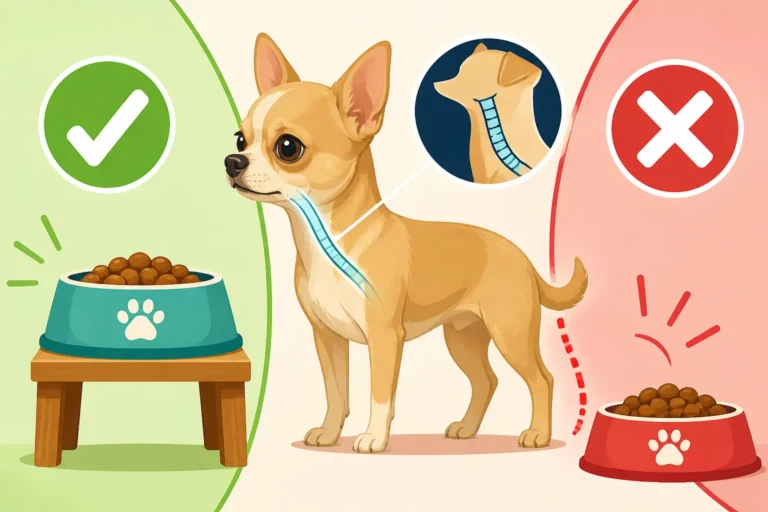
It might sound trivial, but the right food and water bowls can actually improve your Chihuahua's eating and drinking experience. Look for shallow, wide bowls made of stainless steel, ceramic, or BPA-free plastic. Deep bowls can be uncomfortable for them to reach into, especially if they have a flat face or a Chihuahua Tracheal Collapse Grades on an X-Ray that might be irritated by craning their neck. Elevated bowls can sometimes help, especially for older Chihuahuas with arthritis, but for some, the angle can actually worsen conditions like tracheal collapse. Observe your Chihuahua as they eat and drink; if they seem uncomfortable or are struggling, their bowls might be part of the problem. Small, non-slip bowls that stay put are ideal. You can find a wide variety of these on Amazon or at your local pet supply store.
Addressing Common Feeding Challenges
Even with the best intentions, feeding a Chihuahua isn't always straightforward. They can present unique challenges, from being incredibly picky to exhibiting protective behaviors around their precious food. Knowing how to navigate these can save you a lot of stress.
Picky Eaters and Encouraging Appetite
Some Chihuahuas are notoriously picky eaters, which can be frustrating when you're already dealing with such a small calorie budget. If your Chihuahua is suddenly refusing food, the first step is always a vet visit to rule out any underlying medical issues, especially Chihuahua Dental Disease in a Crowded Small Jaw, which can make eating painful. If they get a clean bill of health, try making their food more enticing. Warming wet food slightly, adding a tiny bit of low-sodium chicken broth, or sprinkling a small amount of a tasty food topper (factoring in calories, of course) can sometimes do the trick. Avoid constantly switching foods, as this can reinforce pickiness. Offer the food for 15-20 minutes, and if they don't eat, pick it up and offer it again at the next scheduled meal. They'll eventually eat when they're hungry.
Managing Food Guarding in a Small Dog
Resource guarding, where a dog becomes protective of their food, toys, or even their people, is not uncommon in Chihuahuas. While their small size might make it seem less threatening, a Chihuahua who growls or snaps over their food can still inflict a painful bite. This behavior often stems from insecurity. To address Chihuahua Resource Guarding and Snapping, never punish them for growling; a growl is their warning. Instead, work on building positive associations. Start by casually walking past their bowl as they eat, dropping a higher-value treat into it as you go. This teaches them that your approach means good things happen, rather than you taking their food away. Gradually, you can work up to briefly touching the bowl, always rewarding generously. This process takes patience and consistency.
When to Consult Your Veterinarian or a Nutritionist
You are your Chihuahua's best advocate, but sometimes, you need professional help. If you're struggling to maintain your Chihuahua's ideal weight, if they have persistent digestive issues, unexplained weight loss or gain, or if you suspect food allergies, it's crucial to consult your veterinarian. They can perform diagnostic tests, rule out medical conditions, and offer tailored dietary advice. For more complex nutritional needs, or if your vet recommends it, a board-certified veterinary nutritionist can provide highly specialized guidance. They can help formulate a homemade diet or fine-tune a commercial diet to meet all your Chihuahua's unique requirements, ensuring they get every single nutrient they need within their tiny calorie allowance.
Here's a quick comparison of different food types and considerations for your Chihuahua:
| Food Type | Pros | Cons | Calorie Density (General) | Chihuahua Suitability |
|---|---|---|---|---|
| Dry Kibble | Convenient, cost-effective, aids dental health (minimal) | Can be less palatable, lower moisture content, often requires small kibble size | Moderate to High | Good, if small-breed specific and nutrient-dense |
| Wet Food | High moisture, often very palatable, good for picky eaters or older dogs | More expensive, can contribute to dental issues if not brushed daily | Moderate | Excellent for palatability and hydration, easy to chew |
| Fresh Food | High quality ingredients, highly digestible, often pre-portioned | More expensive, requires specific storage, subscription model | Variable | Excellent, if balanced and accurately portioned (e.g., Ollie) |
| Raw Food | Highly digestible for some, natural ingredients | High risk of bacterial contamination, requires careful balancing, not for all dogs | Variable | Use with extreme caution, requires expert guidance and careful preparation |
| Human Food | Can be healthy, good for training (e.g., plain chicken, veggies) | Many are toxic/unhealthy, portion control is critical | Variable | Only very specific, safe, plain foods in tiny quantities |
This article is for general informational purposes only and does not constitute professional advice. Laws, prices and regulations vary by location and change over time. Consult a qualified professional for guidance on your specific situation.