Keeping a Chihuahua Warm Through Winter
For Chihuahua parents, the colder months often bring a unique kind of worry. Our tiny companions, with their delicate frames and almost non-existent body fat, just don't do well when the temperature drops. If you've ever seen your little one shivering uncontrollably indoors or putting up a fight about going outside for a potty break in winter, you know the frustration. This guide is all about equipping you with the knowledge and tools to keep your Chihuahua snug, safe, and happy, no matter how much the mercury falls.
Why Chihuahuas Struggle So Much With Cold
It's not just a stereotype; Chihuahuas genuinely have a tougher time staying warm than most other breeds. This isn't them being "drama queens" or overly delicate; it's a fundamental physiological reality that every Chihuahua owner needs to understand and respect. Their small size, combined with specific physical traits, makes them highly susceptible to cold stress.
Lack of Body Fat and Thin Coats
Think about a bigger dog, like a Labrador. They have a substantial layer of body fat and often a thick, double coat designed to insulate them from the elements. Chihuahuas? Not so much. They are lean little athletes, even when they're a healthy weight. Their body fat percentage is naturally much lower, which means they lack that internal insulation. Every calorie they consume is often quickly converted into energy or used to maintain core body functions, with very little left to store as insulating fat.
Furthermore, both smooth coat and long coat Chihuahuas possess relatively thin coats compared to breeds built for colder climates. A smooth coat offers minimal protection, acting more like a light shirt than a winter jacket. While a long coat Chihuahua has more hair, it's often fine and silky, not dense and insulating like a husky's or a Newfoundland's fur. This means their tiny bodies are constantly battling heat loss to their environment. Originating from Mexico, a land of warmth, their genetics simply haven't equipped them for brisk northern winters or even just a chilly evening in a drafty house. It's why you see them burrowing under blankets and seeking out sunny spots even when you feel perfectly comfortable.
The Shivering Reflex and Its Limits
One of the most immediate and visible ways a Chihuahua reacts to cold is shivering. This isn't just a sign of fear or anxiety, though those can also cause trembling. Shivering is your Chihuahua's body's natural, involuntary mechanism to generate heat. When muscles rapidly contract and relax, they produce warmth, attempting to raise the core body temperature. For a short burst, this can be quite effective. It's the equivalent of us rubbing our hands together or jumping up and down to warm up.
However, there's a limit to how much shivering can help, and prolonged shivering can actually be detrimental. If your Chihuahua is shivering for an extended period, especially if they also seem lethargic or are seeking extreme warmth, it's a red flag. It indicates that their body is working overtime, expending a tremendous amount of energy trying to stay warm. This constant exertion can be exhausting for such a small creature, leading to fatigue and potentially dangerously low blood sugar, especially in puppies. What begins as a helpful defense mechanism can quickly become a sign that your dog is genuinely struggling and might even be on the brink of hypothermia. Understanding Why a Chihuahua Shivers and What It Means is key to distinguishing between normal regulation and a cause for concern.
Setting Up a Warm Home Environment
Your Chihuahua spends the vast majority of their life indoors, so making sure your home is a sanctuary of warmth is the first and most critical step in protecting them from the cold. It's not just about turning up the thermostat; it's about thoughtful arrangement and understanding their unique needs.
Ideal Indoor Temperatures for Chihuahuas
What feels comfortable to you in your living room might actually be too chilly for your little Chihuahua. Many people keep their homes around 68-72°F (20-22°C), which is perfectly fine for humans. However, a Chihuahua often thrives in an environment a few degrees warmer, closer to 72-76°F (22-24°C). This can be a tricky balance, especially with energy costs, but even small adjustments can make a big difference for your pup.
Consider your Chihuahua's behavior. Are they constantly burrowing, seeking laps, or shivering even when it's mildly cool? These are clear signs they're not warm enough. You don't necessarily need to heat your entire home to tropical temperatures. Instead, focus on the areas where your Chihuahua spends the most time. Their sleeping area, for instance, should be consistently warm. If your Chihuahua is prone to Chihuahua Hypoglycemia and the Puppy Emergency, particularly when young, maintaining a stable, warm environment is absolutely critical. Think about where their bed is placed – is it near a window or door that lets in a chill? Moving their primary resting spots to warmer, more insulated parts of the house can be a simple, yet effective, solution.
Creating Cozy Nests and Burrowing Spots
Chihuahuas have an innate, powerful instinct to burrow. This isn't just cute behavior; it's a survival mechanism from their ancient ancestors, providing warmth and security. Your job as a Chihuahua parent is to facilitate this instinct and provide ample opportunities for them to create their own warm havens.
Invest in a variety of comfortable, enclosed beds. "Cave beds" or "snuggle beds" are perfect for Chihuahuas, as they allow them to crawl inside, mimicking the feeling of being under a blanket or in a den. Many Chihuahuas also adore self-warming beds, which contain reflective materials that capture and return their own body heat. You can find a good selection of these on sites like Chewy or Amazon. Beyond specialized beds, simple, soft blankets are invaluable. Place them strategically around the house – on sofas, in their crate, on the floor in sunny spots. Your Chihuahua will expertly gather them, dig, and nestle in for maximum warmth. Having multiple warm spots means they don't have to venture far into a cooler part of the house to find comfort, which is especially important as they get older and develop Chihuahua Arthritis in the Teenage Years.
Mitigating Drafts and Cold Floors
Cold air seeping in through gaps and cracks, or radiating up from hard floors, can significantly impact your Chihuahua's comfort. Remember, they spend most of their lives close to the ground, so what feels like a minor draft to you is a major cold front for them.
Take a moment to get down to your Chihuahua's eye level, especially near windows, doors, and exterior walls. Can you feel a subtle breeze? Draft stoppers are an inexpensive and effective solution for sealing gaps under doors and around windows. Heavy curtains can also help insulate windows, blocking cold air. For floors, especially tile, wood, or linoleum, consider placing rugs or runners in your Chihuahua's favorite pathways and resting areas. These provide a much-needed barrier against the cold. Elevating their beds off the floor can also make a huge difference. Small pet cots or beds with legs lift them out of the direct path of ground-level drafts and away from the cold floor surface. Even a dog bed placed on a thick mat can offer extra insulation. A warm home environment is a cornerstone of good Senior Chihuahua Care Past the Age of Twelve, where their ability to regulate body temperature naturally may decline.
Essential Winter Gear for Outdoor Adventures
While keeping your Chihuahua warm indoors is crucial, winter still demands potty breaks and maybe even a quick, bracing walk. This is where specialized winter gear becomes absolutely non-negotiable. It's not just about fashion; it's about protection and preventing dangerous exposure.
Selecting the Right Sweaters and Coats
For a Chihuahua, a sweater or coat isn't a cute accessory; it's an essential piece of survival gear in cold weather. Their thin skin and minimal body fat mean they lose heat rapidly. When choosing clothing, look beyond just the adorable factor and prioritize functionality and fit.
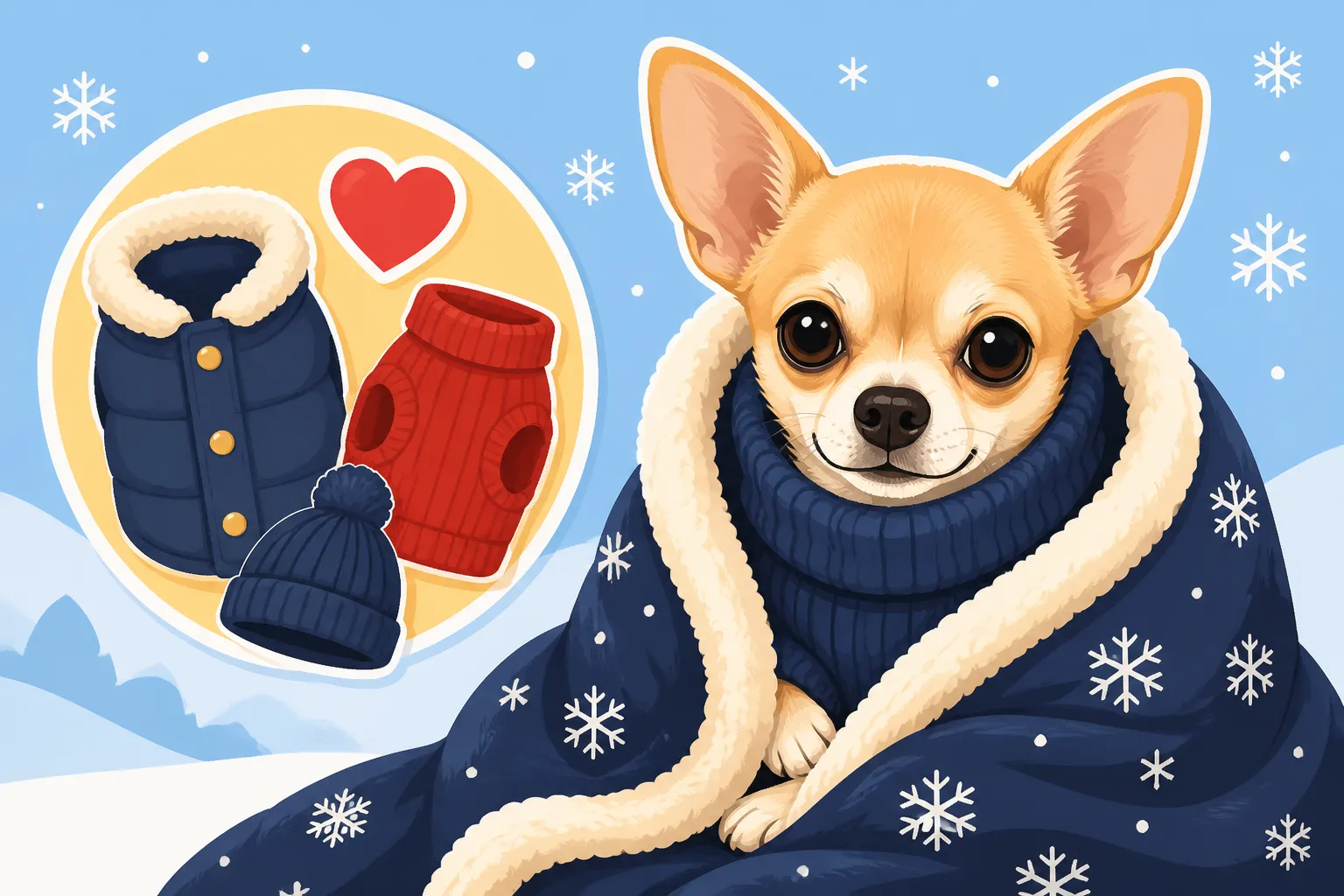
A good winter coat should cover as much of your Chihuahua's body as possible, particularly the chest and belly, where vital organs are located and where they lose a lot of heat. Look for materials like fleece, wool blends, or insulated, water-resistant fabrics. A coat that can repel snow or rain will keep them dry, and therefore warmer. Fit is also critical: it should be snug enough to trap body heat without restricting movement or circulation. Avoid anything that chafes or pulls. Brands available on Chewy or Amazon offer a wide range of options specifically designed for small dogs, with many offering adjustable straps for a perfect fit. Remember, a light sweater might be fine for a chilly indoor day, but for true winter protection, you'll need something more substantial, as detailed in The Sweater Weight a Chihuahua Needs and Chihuahua Winter Coats and Boots.
Protecting Paws from Cold and Chemicals
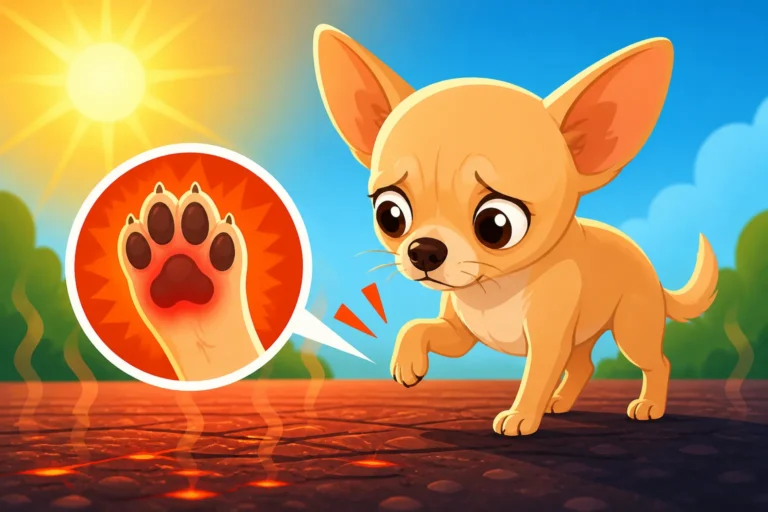
Your Chihuahua's tiny paw pads are incredibly delicate and vulnerable to the harsh realities of winter. Ice, freezing temperatures, and especially de-icing salts and chemicals used on pavements can cause serious damage, ranging from painful cracks and irritation to chemical burns.
Dog boots are the most effective way to protect their paws. While some Chihuahuas might protest at first, with patience and positive reinforcement, most can learn to tolerate them. Look for boots that are waterproof, have a non-slip sole for traction on icy surfaces, and secure fasteners to prevent them from falling off. Getting the right size is crucial – too big, and they'll trip; too small, and they'll be uncomfortable. If boots are absolutely out of the question for your Chihuahua, a paw balm can offer some protection, creating a barrier against irritants and moisture. However, balm is not a substitute for boots in truly harsh conditions. Always wipe your Chihuahua's paws thoroughly after any outdoor excursion in winter, even if they wore boots, to remove any lingering salt or chemicals. This small step is vital for Chihuahua Paw Protection on Ice and Salt.
Head and Ear Protection
While not always necessary, for Chihuahuas with large, upright ears, or those living in extremely cold and windy conditions, head and ear protection can be a thoughtful addition to their winter wardrobe. Their ears can lose heat quickly, and exposure to biting winds can be uncomfortable and potentially lead to frostnip in severe cases.
Snoods or dog hats that cover the ears can provide an extra layer of warmth. These are typically made from soft fleece or knit material and are designed to stay on without impeding your Chihuahua's vision or hearing. It's important that any headwear fits comfortably and doesn't cause stress or discomfort. While not every Chihuahua will need or tolerate a hat, for some, especially those with very thin ear leather or in areas with persistent harsh winds, it can make a real difference to their overall comfort during outdoor excursions.
Safe Outdoor Practices in Cold Weather
Even with the best gear, taking your Chihuahua outside in winter requires careful consideration and smart practices. Their tiny bodies can succumb to the cold much faster than larger breeds, making vigilance and a common-sense approach essential.
Knowing When It's Too Cold to Go Outside
There's no single magic number for "too cold," as it depends on factors like wind chill, humidity, coat type, and your individual Chihuahua's tolerance and health. However, generally speaking, once temperatures drop below 32°F (0°C), especially with wind, caution is advised. Below 20°F (-7°C), it can quickly become dangerous for a Chihuahua.
Always check the weather forecast for actual temperature and wind chill. A 30°F day with no wind feels vastly different from a 30°F day with a 20 mph wind. For potty breaks, keep them as brief as possible – get in, do the business, and get out. If your Chihuahua is showing any signs of discomfort (shivering uncontrollably, lifting paws, trying to turn back), cut the outing short immediately. Don't force them to stay out longer than they're comfortable. While we want them to get fresh air, their safety and warmth are paramount.
Shortening Walk Times and Maximizing Indoor Exercise
Long, leisurely strolls might be out of the question during the coldest parts of winter, but your Chihuahua still needs exercise and mental stimulation. Instead of prolonged outdoor walks, switch to more frequent, shorter potty breaks. Five minutes outside might be all they can safely handle in freezing temperatures, even with a coat and boots.
To compensate for reduced outdoor activity, get creative with indoor exercise. Fetch down a hallway, hide-and-seek with treats, or interactive puzzle toys can burn energy and engage their minds. Teach them new tricks – short training sessions are excellent mental workouts. You can find many great Indoor Games for a Chihuahua ideas that utilize minimal space. Remember, a bored Chihuahua can develop behavioral issues, so ensuring they get enough mental and physical stimulation, even when confined indoors, is crucial. If your Chihuahua has a condition like Collapsing Trachea and the Chihuahua Honking Cough, strenuous exercise in cold, dry air might also exacerbate their symptoms, making indoor alternatives even more important.
Recognizing Signs of Hypothermia
Hypothermia is a serious, life-threatening condition where a dog's body temperature drops to a dangerously low level. Because Chihuahuas are so small and lose heat quickly, they are particularly susceptible. Recognizing the signs early is critical for a positive outcome.
Signs of mild hypothermia include:
- Intense, uncontrollable shivering
- Lethargy or weakness
- Cold ears and feet
- Hunched posture
Signs of moderate to severe hypothermia include:
- Cessation of shivering (paradoxical, as the body can no longer generate heat)
- Stiffness in muscles
- Shallow breathing
- Pale or bluish gums
- Dilated pupils
- Stumbling or incoordination
- Collapse or unconsciousness
If you suspect your Chihuahua is experiencing hypothermia, act quickly. Immediately get them into a warm, dry environment. Wrap them in blankets that have been warmed in a dryer, use a hot water bottle (wrapped in a towel to prevent burns), or hold them close to your body. Offer warm, not hot, water to drink. Do not use extremely hot water or sudden intense heat, as this can cause shock. Contact your veterinarian immediately, even if they seem to be warming up. They may need professional medical attention to fully recover, especially if their core temperature has dropped significantly. Understanding and preventing Low Body Temperature in a Chihuahua Puppy is similar, but the risk factors apply to adults in severe cold too.
Nutrition and Hydration for Winter Warmth
While we often think of food in terms of energy for activity, it also plays a vital role in maintaining body temperature. During colder months, your Chihuahua's nutritional needs might subtly shift as their body works harder to stay warm.
Adjusting Calorie Intake for Colder Temperatures
The process of generating heat consumes calories. This means that in genuinely cold conditions, your Chihuahua's body might burn slightly more energy just to maintain its core temperature. For many Chihuahuas, a minimal increase in calories during the coldest weeks of winter can be beneficial.
However, this is not an excuse to overfeed! Chihuahuas are prone to obesity, and even a half-pound extra can put undue strain on their tiny joints and overall health. The key is slight adjustments and careful monitoring. If your Chihuahua is spending more time outdoors in very cold weather, or if your home is consistently cooler than ideal, a modest increase of about 5-10% of their daily food intake might be appropriate. For indoor-only Chihuahuas in a warm home, no adjustment may be needed. Always weigh their food precisely; using measuring cups for such small amounts is notoriously inaccurate. A kitchen scale is your best friend when it comes to managing a Chihuahua's diet. Consult guides like Daily Calories for a Three to Seven Pound Chihuahua and Calculating a Chihuahua Ration at Forty Calories a Pound for precise measurements. Observe their body condition closely: you should be able to easily feel their ribs without seeing them prominently, and they should have a discernible waist.
Ensuring Consistent Hydration
While the visible signs of thirst might be less obvious in colder weather compared to a hot summer day, consistent hydration is just as crucial. Dry indoor air, often a side effect of heating systems, can actually lead to increased fluid loss through respiration.
Ensure your Chihuahua always has access to fresh, clean water. You might even consider offering water in multiple locations around the house. If your Chihuahua is reluctant to drink enough, you can try adding a small amount of low-sodium broth to their water bowl or incorporating more wet food into their diet. Products like Ollie, which offer fresh, high-moisture dog food, can be a great way to boost hydration. Watch for signs of dehydration, such as lethargy, dry gums, or sunken eyes. Staying well-hydrated helps all bodily functions, including thermoregulation, work efficiently.
Warm Meals and Supplements (Optional)
A simple comfort for your Chihuahua in winter can be a slightly warmed meal. If you feed wet food, or even if you just add a bit of warm water or broth to their kibble, this can be a soothing and appealing treat. Just make sure it's never hot, only lukewarm, to avoid burns.
When it comes to supplements specifically for warmth, most healthy Chihuahuas don't need them. Focus on a balanced, high-quality diet that provides all necessary nutrients. If you're considering any supplements, such as joint support for an older Chihuahua, discuss it with your veterinarian first. Their primary role is overall health, not directly generating body heat. The most effective "supplements" for warmth are adequate food, proper gear, and a warm environment.
Special Considerations for Vulnerable Chihuahuas
While all Chihuahuas are susceptible to cold, certain groups are even more vulnerable and require extra diligence during winter months. Age and existing health conditions can significantly reduce their ability to cope with dropping temperatures.
Puppies and Senior Chihuahuas
Both very young puppies and elderly Chihuahuas are at a heightened risk for cold-related issues.
Puppies: Chihuahua puppies, especially in their first few months, have very little body fat, undeveloped thermoregulation systems, and a high surface area to volume ratio. They can lose body heat extremely rapidly and are highly prone to Chihuahua Hypoglycemia and the Puppy Emergency if they get too cold, as their bodies burn through glucose trying to stay warm. For puppies, a consistently warm environment, close monitoring, and frequent, small meals are non-negotiable. They often benefit from heated beds (ensure they are safe and specifically designed for pets, and always use a cover) and being swaddled in warm blankets.
Senior Chihuahuas: As Chihuahuas age, their metabolic rate can slow down, their muscle mass may decrease, and their circulatory system might not be as efficient. All of these factors reduce their ability to generate and retain body heat. An older Chihuahua might also have conditions like Chihuahua Arthritis in the Teenage Years or other joint pain that makes them less mobile and less inclined to move around to warm up. For these golden oldies, extra layers of clothing, more frequent access to heated beds, and being kept in the warmest parts of the house are vital. Their comfort and safety often depend on your proactive approach to Senior Chihuahua Care Past the Age of Twelve.
Chihuahuas with Health Conditions
Any underlying health condition can compromise a Chihuahua's ability to tolerate cold.
- Heart Disease: Chihuahuas with conditions like Chihuahua Heart Disease as the Breed Ages may have compromised circulation, making it harder for their bodies to distribute warmth effectively. The stress of being cold can also put extra strain on their cardiovascular system.
- Respiratory Issues: Chihuahuas with Collapsing Trachea and the Chihuahua Honking Cough may find cold, dry air irritating to their airways, potentially triggering or worsening coughs. A humidifier indoors can help, and outdoor excursions should be extra brief.
- Endocrine Disorders: Conditions like hypothyroidism can affect metabolism and lead to a decreased ability to regulate body temperature.
- Thinness/Underweight: Chihuahuas who are naturally very lean, or those who are underweight due to illness, have even less insulating fat than average.
If your Chihuahua has any ongoing health issues, it's paramount to discuss winter care strategies with your veterinarian. They can provide tailored advice, suggest specific precautions, and help you understand how cold weather might impact your dog's particular condition.
Common Winter Mistakes to Avoid
Even the most well-meaning Chihuahua owners can sometimes make mistakes during the colder months, simply because they underestimate just how vulnerable these tiny dogs are. Being aware of these common pitfalls can help you avoid unnecessary discomfort or even danger for your furry friend.
Overlooking Drafts and Cold Floors
One of the biggest culprits for a chilly Chihuahua is the sneaky, invisible enemy: drafts. You might feel perfectly fine standing upright, but remember, your Chihuahua lives a life close to the floor. Cold air that seeps under doors, through window cracks, or even from poorly insulated floors can create a constantly cold microclimate for them. This is especially true for Chihuahuas who love to burrow into beds or blankets directly on the floor.
A common mistake is assuming that because the thermostat reads a comfortable temperature, the entire house is uniformly warm at ground level. This isn't usually the case. Get down on your hands and knees and feel for drafts. Pay attention to their favorite sleeping spots. If you feel a chill, they certainly do too. Simple solutions like draft stoppers, strategically placed rugs, and ensuring their beds are elevated or well-insulated from the floor can make a world of difference. Don't underestimate the power of a tiny gust of cold air when it comes to such a small dog.
Assuming a Chihuahua is "Just Shivering"
We've all seen Chihuahuas shiver. Sometimes it's from excitement, sometimes from nervousness, and yes, often from being a little chilly. Because it's such a common Chihuahua trait, it's easy to dismiss shivering as "just what Chihuahuas do." However, this can be a dangerous assumption, especially in cold weather.
As discussed earlier, shivering is a body mechanism to generate heat, but prolonged or intense shivering can be a sign of genuine cold stress or even the onset of hypothermia. A mistake owners often make is waiting too long to intervene. If your Chihuahua is shivering persistently, appears withdrawn or lethargic, or is actively trying to burrow into extreme warmth, it's time to take action. Don't just dismiss it. Bring them closer to a heat source, wrap them in warm blankets, and monitor them closely. If the shivering doesn't subside quickly or is accompanied by other worrying symptoms, contact your vet. It's crucial to distinguish between a mild, temporary chill and a serious drop in body temperature.
Neglecting Paw Care
It's tempting to think that for a quick potty break, boots aren't necessary. Or that just wiping their paws will be enough. This is a significant mistake, and one that can lead to painful consequences for your Chihuahua. Their paw pads are not designed to withstand freezing temperatures, abrasive ice, or caustic de-icing chemicals.
Walking on salted sidewalks can cause painful chemical burns and cracks, and ingesting those chemicals when they lick their paws can be toxic. Icy surfaces can also lead to slips and falls, potentially causing injuries like How a Chihuahua Kneecap Slips Out of Place or other sprains. Neglecting paw care means exposing your Chihuahua to these risks repeatedly throughout the winter. Make it a routine: boots for every outdoor excursion when temperatures are low or surfaces are treated. If boots truly aren't an option, use a paw balm for protection and thoroughly wash their paws with warm water and mild soap immediately upon returning indoors, then dry them completely. Their tiny feet are their connection to the world, and protecting them in winter is a non-negotiable act of care.
| Gear Type | Purpose | Key Features | When to Use |
|---|---|---|---|
| Sweaters | Light warmth, indoor/mild outdoor | Knit, fleece, pull-over, full body | Cool days, indoors, short supervised outdoor trips |
| Winter Coats | Maximum warmth, weather protection | Water-resistant exterior, insulated lining, belly coverage | Cold, snowy, windy weather, longer outdoor walks |
| Dog Boots | Paw protection from elements | Waterproof, non-slip sole, secure fastening | Icy, snowy, salted pavements, very cold ground |
| Snoods/Hats | Ear/head warmth | Fleece, knit, covers ears | Extremely cold, windy conditions, for Chihuahuas prone to ear chill |
Disclaimer
This article is for general informational purposes only and does not constitute professional advice. Laws, prices and regulations vary by location and change over time. Consult a qualified professional for guidance on your specific situation.