Why Chihuahuas Fill American Shelters
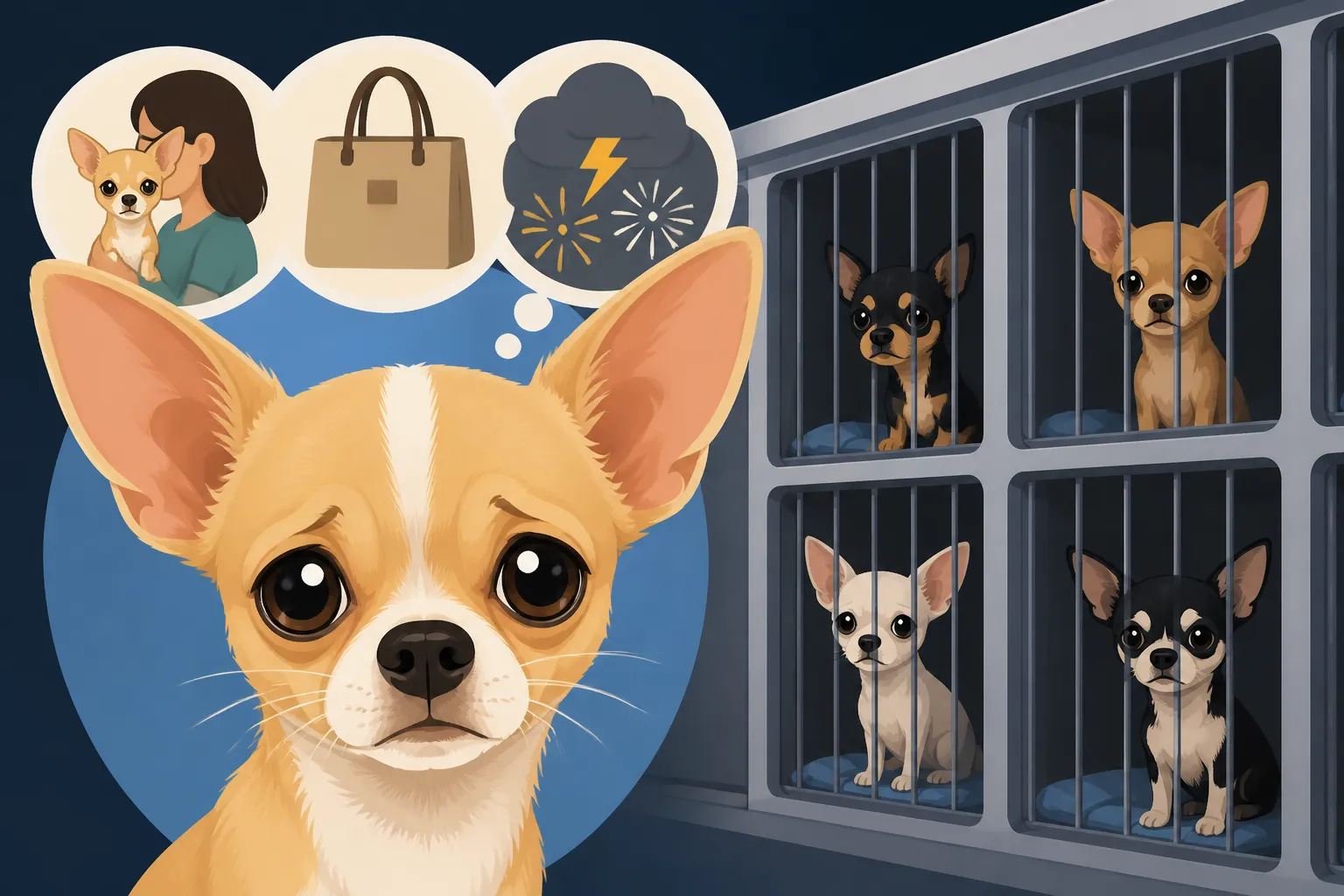
It’s a heartbreaking reality: walk into almost any animal shelter in America, and you’re likely to find a disproportionate number of Chihuahuas and Chihuahua mixes waiting for homes. For a breed so small and often depicted as a pampered lapdog, it can be incredibly confusing and distressing to see so many of these little souls in such vulnerable situations. This guide aims to pull back the curtain on this unfortunate trend, exploring the multifaceted reasons why Chihuahuas frequently end up in shelters and what we can do to change it, offering a deeper understanding to anyone considering adopting one of these wonderful, often misunderstood, dogs.
Understanding the Cycle: Why Chihuahuas End Up in Shelters
The journey for many Chihuahuas into the shelter system is rarely simple. It's often a complex tapestry woven from owner circumstances, breed misconceptions, and economic factors. While no single reason dominates, several recurring themes contribute to the high numbers seen in rescues across the country.
Owner Lifestyle Changes and Unforeseen Circumstances
Life happens, and sometimes even the most devoted owners find themselves in impossible situations. A sudden job loss, a move to housing that doesn't permit pets, or unexpected health issues can force a painful decision. For a breed that can live a long time, sometimes up to sixteen years or more, the chance of such a life-altering event occurring over their lifespan increases significantly. This isn't about bad owners, but about difficult choices made under duress.
Moreover, the compact size of a Chihuahua, while often seen as an advantage, can sometimes ironically make them victims of circumstance. Owners might assume their tiny dog will be easier to rehome or that a "no pets" clause might be overlooked for such a small creature, only to find landlords are strict or new family members have severe allergies. The emotional toll of surrendering a beloved pet is immense, and for many, it’s a last resort after exhausting all other options. Understanding the long-term commitment is crucial when bringing any dog, especially a long-lived breed, into your home.
Misconceptions About the Breed
Chihuahuas suffer from a serious image problem, fueled by stereotypes and a lack of understanding about their true nature. Many people adopt them based on their small size, expecting a docile, low-maintenance accessory. They envision a quiet, dainty companion, only to discover a dog with a massive personality, a surprisingly loud bark, and an intelligent, often feisty, spirit. This mismatch between expectation and reality can quickly lead to frustration and ultimately, surrender.
These little dogs are often underestimated. They are not simply "lap dogs" but full-fledged canines that thrive on training, boundaries, and socialization, just like a German Shepherd or a Labrador. When owners fail to provide this structure, often excusing undesirable behaviors because "they're so small," the Chihuahua can become unruly, fearful, or even aggressive. This is where the myth of "small dog syndrome" takes root, leading to behaviors that could have been prevented with consistent guidance, as discussed in detail in posts like Training a Chihuahua Exactly Like a Big Dog.
Financial Strain and Unexpected Costs
Owning a pet, regardless of size, comes with financial responsibilities, but many first-time Chihuahua owners underestimate the specific costs associated with their tiny companions. While their daily food intake might be small, high-quality kibble or fresh food can still add up. More significantly, Chihuahuas are prone to certain health issues that can incur substantial veterinary bills. Dental disease is rampant in the breed, often requiring yearly cleanings and extractions, which can easily run into hundreds or even thousands of dollars. Articles like Chihuahua Dental Bills as the Biggest Recurring Cost delve into this financial burden.
Beyond dental care, other common breed-specific ailments, such as Patellar Luxation, the Chihuahua's Commonest Joint Problem, can lead to expensive surgeries or long-term management. Emergency situations, like a sudden episode of Chihuahua Hypoglycemia and the Puppy Emergency in a young pup, can also quickly accumulate significant after-hours vet bills. When families struggle financially, these recurring or unexpected costs can become overwhelming, leading to the heartbreaking decision to surrender their dog in hopes it will receive the care they can no longer afford. Pet insurance from providers like Healthy Paws can help manage these costs, but it needs to be in place before conditions arise.
Unplanned Litters and Overbreeding
Another significant factor contributing to the overflowing shelters is irresponsible breeding. The perception that Chihuahuas are "easy money" or that breeding small dogs is less complicated than larger breeds leads many individuals to breed without proper knowledge, health screenings, or a plan for the puppies. This includes backyard breeders, puppy mills, and even accidental litters from intact pets. When these puppies can't be sold or given away, they often end up in shelters.
The small size of Chihuahuas, combined with the prevalent "teacup" craze, also encourages the breeding of undersized or sickly dogs who are more prone to health issues, making them even harder to place in responsible homes. These puppies may come with hidden health problems that surface later, leaving unsuspecting owners with overwhelming medical bills or a dog that is simply too fragile to thrive outside of specialized care. Responsible breeding practices, including health testing and limiting litter size, are crucial for reducing the number of Chihuahuas in shelters.
Overcoming Adoption Hurdles for Small Dogs
Even when Chihuahuas make it into the shelter system, their journey to a forever home isn't always straightforward. Several factors, from inherent breed traits to prevailing perceptions, can make them linger in kennels longer than their larger counterparts.
Perceptions of "Small Dog Syndrome" and Fear Reactivity
The very behaviors that sometimes lead to Chihuahuas being surrendered can also make them difficult to adopt. When a small dog is constantly barking, nipping, or trembling with fear, potential adopters might perceive it as untrainable or inherently "bad." This often stems from what's commonly mislabeled as "small dog syndrome," which isn't a genetic trait but rather a collection of learned behaviors excused by owners due to the dog's size. A Chihuahua's intense loyalty and protective instincts, if not properly channeled, can also manifest as fear reactivity towards strangers or other dogs, as explored in Chihuahua Fear Reactivity, the Breed's Real Problem.
Shelter staff work tirelessly to address these behaviors through enrichment, positive reinforcement, and sometimes even professional training, but it takes time and resources. Adopters often seek a "turnkey" pet, and a Chihuahua with a history of reactivity can be intimidating. It requires a patient, understanding adopter willing to commit to ongoing training and socialization, especially with new environments and people. This commitment isn't always evident during a brief meet-and-greet at the shelter.
Significant Health Needs and Costly Care
Many Chihuahuas entering shelters, particularly older ones, arrive with pre-existing medical conditions that can deter potential adopters. As mentioned, severe dental disease is common, sometimes leading to a Chihuahua Missing Half Its Teeth by middle age. These issues require immediate and often expensive veterinary intervention. While shelters do their best to provide initial care, the long-term management and associated costs can be a significant barrier for families on a budget.
Prospective owners might see an older Chihuahua with a heart murmur, a slipping kneecap, or signs of Chihuahua Dental Disease in a Crowded Small Jaw and worry about the financial burden, especially without pet insurance or savings. This is where organizations and foster homes become vital, providing the necessary care and assessing the true needs of these dogs before they are adopted. Brands like Chewy offer a wide range of prescription diets and supplements that can help manage these conditions, but the upfront cost of diagnosis and initial treatment can be daunting.
Competition from "Designer Dogs" and Puppy Mills
Despite the glut of Chihuahuas in shelters, there remains a persistent demand for "designer dogs" and specific appearances, often perpetuating the cycle of irresponsible breeding. People seeking a "teacup" Chihuahua, a rare color, or a specific mix often turn to breeders or online sellers, some of whom operate puppy mills, rather than considering adoption. These breeders often capitalize on trends, selling puppies at inflated prices without proper health guarantees or support, as discussed in Teacup Chihuahua Pricing and What It Buys.
This market for specific traits indirectly harms shelter Chihuahuas. While responsible breeders are crucial for maintaining breed health and standards, the existence of a parallel market for trendy or exotic Chihuahuas pulls potential adopters away from deserving dogs in shelters. The perception that a shelter dog might come with "baggage" or be of "unknown origin" also contributes to this preference, even though many shelter Chihuahuas are purebred or clear mixes with known temperaments and health assessments.
How to Support Chihuahuas in Need and Find Your Own
If you're considering adding a Chihuahua to your family, understanding these challenges can empower you to make a difference. Choosing adoption, preparing for ownership, and supporting rescue efforts are powerful ways to help these deserving little dogs.
Choosing to Adopt a Chihuahua from a Shelter
Adopting a Chihuahua from a shelter or breed-specific rescue is one of the most impactful ways to help. These organizations are overflowing with Chihuahuas of all ages, sizes, and personalities, each waiting for a second chance. Many shelters provide extensive health checks, vaccinations, and spay/neuter services before adoption, meaning your new companion often comes with a clean bill of health and a known history (if available). The adoption fees are typically a fraction of what you'd pay a breeder, and they directly support the care of other animals in need.
When you adopt, you're not just saving one life; you're opening up a space for another Chihuahua to be rescued. Shelters often have a wide variety, from energetic young pups to calm, wise seniors like those needing Senior Chihuahua Care Past the Age of Twelve. Many also offer foster-to-adopt programs, allowing you to try out a new dog in your home before making a permanent commitment. This can be especially helpful for understanding the unique needs and personality of a rescue Chihuahua.
Preparing for the Responsibilities of Chihuahua Ownership
Bringing a Chihuahua into your home is a long-term commitment, potentially spanning over a decade. Proper preparation is key to ensuring a successful and happy life together. This includes not just love and affection, but also a realistic understanding of their needs, both behavioral and medical. Budgeting is essential; creating a yearly reserve for potential dental work, regular vet visits, and unexpected emergencies can make a huge difference. The monthly cost of keeping a Chihuahua, while relatively low for food, can quickly escalate with medical needs.
Consider investing in quality food, like portioned fresh meals from Ollie, which can support their small bodies and potentially reduce dental issues in the long run. Also, mentally prepare for training. Chihuahuas are intelligent and can learn a great deal, but consistency is critical. Be ready to commit to ongoing socialization, especially if you have a puppy, to prevent the development of fear-based behaviors. Resources like The Chihuahua Puppy Curriculum Month by Month can guide you. Equipping your home with ramps or steps to protect their delicate joints from jumping off furniture is another small but significant preparation.
Supporting Chihuahua Rescue and Advocacy Efforts
Even if you can't adopt right now, there are many ways to support Chihuahuas in shelters. Volunteering your time at a local shelter to walk, play with, or simply cuddle these dogs can make a world of difference to their well-being and adoptability. Fostering a Chihuahua, even for a short period, frees up kennel space and allows the dog to decompress in a home environment, which helps shelter staff assess their true personality and address any specific behavioral needs.
Donations, whether monetary or in-kind (food, blankets, toys), are always desperately needed. Many rescues operate on shoestring budgets, and every contribution helps. Advocating for responsible pet ownership, including spaying and neutering to prevent unplanned litters, and educating others about the realities of Chihuahua ownership can also have a broad impact. By dispelling myths and promoting responsible practices, we can collectively work towards a future where fewer Chihuahuas find themselves homeless.
Here's a quick look at common reasons Chihuahuas end up in shelters, and the critical factors for successful adoption:
| Reason Chihuahua Enters Shelter | Reason Chihuahua Stays in Shelter | Key to Successful Adoption |
|---|---|---|
| Owner lifestyle changes (moving, new job, health) | Perceptions of "Small Dog Syndrome" | Realistic expectations, commitment to training |
| Financial strain (unexpected vet bills, general cost) | Pre-existing health issues (dental, knees, heart) | Financial preparation, pet insurance (e.g., Healthy Paws) |
| Breed misconceptions (expected a "lapdog") | Fear reactivity or poor socialization | Patience, understanding, consistent positive reinforcement |
| Unplanned litters/irresponsible breeding | Competition from "designer dog" market | Advocacy for adoption, supporting ethical breeders |
| Allergies in household | Lack of space/resources in adopter's home | Matching dog's energy to home environment |
Disclaimer
This article is for general informational purposes only and does not constitute professional advice. Laws, prices and regulations vary by location and change over time. Consult a qualified professional for guidance on your specific situation.