Chihuahua Exercise for a Dog That Fits in a Bag
It's easy to look at a tiny Chihuahua, curled up in a sunbeam or tucked into a purse, and assume they're content with a sedentary life. But trust me, that little dog is bursting with energy and a desire to explore! One of the biggest mistakes we can make as Chihuahua parents is underestimating their need for regular, appropriate exercise. This comprehensive guide will walk you through how to keep your pint-sized companion physically fit and mentally stimulated, ensuring they lead a happy, healthy, and long life, even if they can fit in a bag.
The Unique Exercise Needs of a Chihuahua
Despite their diminutive size, Chihuahuas are dogs, through and through, with all the inherent needs for physical activity that implies. It's a common misconception that their small stature exempts them from the need to move, sniff, and play. Dispelling this myth is the first step toward understanding how to truly care for your energetic little friend.
Dispelling the Lapdog Myth
Many people adopt Chihuahuas with the image of a dainty lapdog firmly in mind. While they certainly excel at snuggling and being carried, reducing them solely to this role does a disservice to their true nature. Chihuahuas are intelligent, curious, and often surprisingly athletic creatures. They have a heritage that suggests they were once larger, sturdier dogs, and that ancient energy still pulses within them. Expecting them to be content with mere couch potato status can lead to a host of behavioral issues like excessive barking, destructive chewing, or anxiety, simply because their physical and mental needs aren't being met.
Think about it: even a tiny car needs to be driven to keep its engine healthy, right? A Chihuahua's body and mind are no different. They thrive on routine, structure, and opportunities to expend energy. Ignoring these fundamental needs can leave your Chihuahua feeling restless, bored, and ultimately, unhappy. We need to shift our perspective from "small dog, small needs" to "small dog, specific needs."
Why Size Doesn't Mean Stagnation
Their small size might mean they cover less ground per step, but it doesn't mean they don't need to cover ground. In fact, a Chihuahua's metabolism is often quite fast, meaning they can burn through energy rapidly. A five-pound Chihuahua can be just as exuberant and playful as a fifty-pound Labrador, just on a different scale. Their world is often seen from a lower perspective, making every walk an adventure filled with new smells and sights that bigger dogs might overlook.
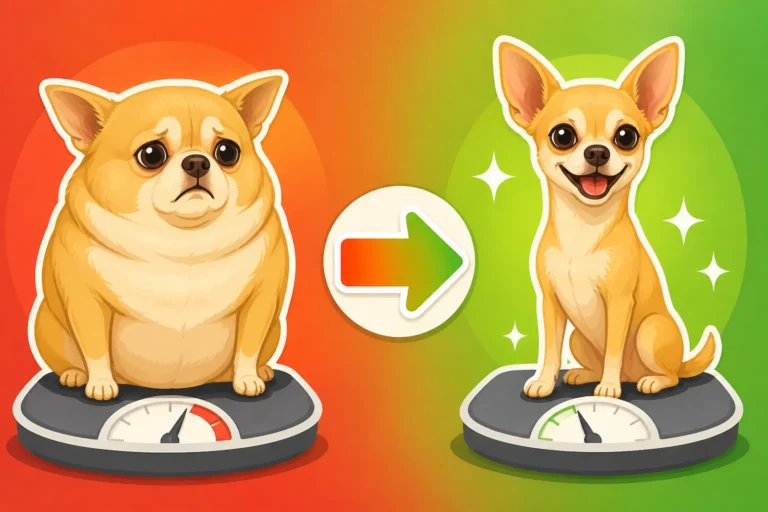
Furthermore, physical activity is crucial for maintaining a healthy weight and strong muscles, even for tiny breeds. Chihuahua Obesity on a Six Pound Frame is a real concern, and extra pounds put undue strain on their delicate joints and internal organs. Regular exercise, whether it's a brisk walk or an engaging indoor game, helps keep their bodies lean and agile, preparing them for the many years of joyful companionship they can offer. Remember, a fit Chihuahua is a healthier, happier Chihuahua.
Balancing Energy Levels with Fragility
Here's the rub: Chihuahuas are small, and that does come with some inherent physical fragilities. Conditions like Patellar Luxation, the Chihuahua's Commonest Joint Problem or Collapsing Trachea and the Chihuahua Honking Cough are more prevalent in toy breeds. This doesn't mean you don't exercise them; it means you exercise them smartly. The key is moderation and observation. You want to provide enough activity to satisfy their mental and physical needs without overstressing their tiny frames.
This balance requires vigilance. You need to be acutely aware of their body language, breathing, and gait during and after exercise. A slight limp, an unusual cough, or excessive panting could be a sign you've pushed them too hard. It’s about tailoring the activity to your Chihuahua's specific capabilities and being willing to adjust on the fly. We're aiming for invigorating, not exhausting, and certainly not injurious.
Daily Walks: More Than Just a Potty Break
For most Chihuahuas, daily walks are the cornerstone of their exercise routine. It’s not just about letting them relieve themselves; it’s a vital opportunity for mental enrichment, social exposure, and physical conditioning. Don't underestimate the power of a good sniff-walk for your little one!
The Ideal Duration and Frequency
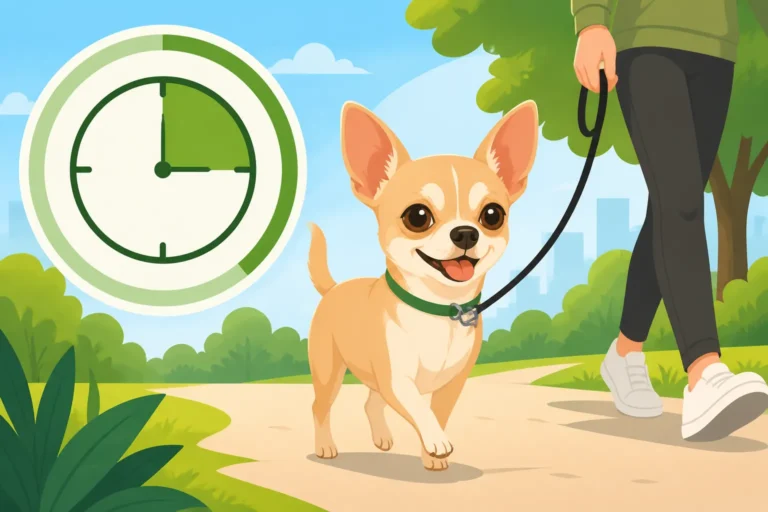
When it comes to walking a Chihuahua, consistency trumps marathon sessions. Two to three shorter walks throughout the day are often more beneficial than one long, exhausting excursion. For most healthy adult Chihuahuas, a 15-20 minute walk, twice a day, is a fantastic starting point. This allows them to explore their environment, stretch their legs, and take care of business without getting overly tired. Puppies and senior Chihuahuas will need even shorter, more frequent outings.
Remember, every dog is an individual. Observe your Chihuahua. Are they eagerly pulling on the leash, tail wagging, nose to the ground? Great! Are they lagging behind, frequently stopping, or trying to turn back? It might be time to shorten the walk or try again later. The goal is to return home with a content, slightly tired, but not winded, Chihuahua. A brisk pace that allows them to trot comfortably is perfect, rather than a slow dawdle.
Leash Training and Harness Selection for Safety
Given their delicate tracheas and small necks, a proper harness is absolutely non-negotiable for a Chihuahua. A collar can put dangerous pressure on their windpipe, especially if they pull, leading to potential damage or exacerbating conditions like a collapsing trachea. I cannot stress this enough: invest in a well-fitting, comfortable harness that distributes pressure across their chest and shoulders, not their neck. You can find excellent options online at retailers like Chewy or Amazon, designed specifically for tiny breeds. Look for harnesses that fit snugly without restricting movement, ideally with two points of adjustment – one around the neck/chest and one around the girth.
Leash training should begin early, treating your Chihuahua just like you would a much larger dog. Training a Chihuahua Exactly Like a Big Dog applies here. Teach them to walk politely beside you, rather than letting them drag you or get tangled. Positive reinforcement, with tiny, high-value treats, works wonders. A good leash walk isn't just exercise; it's a team effort and a bonding experience.
Navigating Outdoor Hazards at Ground Level
Because your Chihuahua is so close to the ground, they encounter a different set of outdoor hazards than larger breeds. Their small size makes them more vulnerable to things we might not even notice. Pavement can get dangerously hot in summer, burning their delicate paw pads. Hot Pavement and a Chihuahua's Small Feet is a serious concern, and you should always test the pavement with the back of your hand for five seconds before walking your dog. Similarly, ice, salt, and chemicals in winter can irritate or harm their paws. Consider little boots or paw balm if you live in an area with harsh weather conditions.
Beyond temperature, be mindful of trash, discarded food, or toxic plants that might be at their nose level. A quick sniff and gulp can lead to a trip to the emergency vet. Always keep a close eye on what they're investigating. Furthermore, always be aware of larger dogs, even friendly ones, who might accidentally injure your Chihuahua during play or even a curious greeting. Why Dog Parks Are Dangerous for a Chihuahua is a topic many Chihuahua owners need to consider seriously. Prioritize their safety by choosing quieter walking routes or sticking to fenced areas where you know the other dogs.
Indoor Activities to Keep Your Chihuahua Engaged
Sometimes, outdoor walks aren't feasible due to weather, your schedule, or your Chihuahua's health. That doesn't mean their exercise needs disappear! Indoor activities are fantastic for mental stimulation and burning off energy in a safe, controlled environment.
Interactive Play and Puzzle Toys
Chihuahuas are smart cookies, and their brains need a workout just as much as their bodies. Interactive toys, especially puzzle toys that dispense treats, are a goldmine for mental enrichment. You can find a wide variety of these on sites like Chewy or Amazon, ranging from simple snuffle mats to complex treat-dispensing gadgets. These toys encourage problem-solving and focus, providing a rewarding challenge that taps into their natural instincts.
Another great option is a simple game of fetch in a hallway or a designated indoor play area. Chihuahuas often have a surprising amount of retrieve drive! Use soft, lightweight toys that are easy for them to pick up and carry. You can even roll a soft ball for them to chase. These short bursts of activity, followed by praise and a tiny treat, are perfect for burning off pent-up energy without requiring a lot of space. Remember to keep sessions short and fun to maintain their interest.
Structured Indoor Games
Beyond simple fetch, you can teach your Chihuahua specific games that combine obedience with physical activity. "Hide and Seek" is a classic: have your Chihuahua stay in one room while you hide in another (not too far away!), then call their name. When they find you, it’s a huge celebration! This strengthens their recall and provides a fun treasure hunt. Another idea is to set up a mini-agility course using household items – pillows to jump over, blankets to tunnel under, or even a broomstick laid low between two chairs for them to weave through.
These structured games are fantastic for building confidence and strengthening your bond. They also demonstrate that exercise doesn't always have to involve a trip outside. Just make sure the surfaces are not slippery to protect their joints, and keep the jumps very low to avoid strain on their knees. Always end a game on a positive note, with your Chihuahua feeling successful and happy.
Training for Mental and Physical Stimulation
Training is not just for puppies learning basic commands; it's an ongoing journey that provides immense mental and often physical stimulation for dogs of all ages. Teaching your Chihuahua new tricks, even simple ones like "spin" or "weave" between your legs, engages their brain and requires body movement. These short training sessions, perhaps 5-10 minutes a few times a day, can be surprisingly tiring for them.
Consider signing up for a basic obedience class, even if your Chihuahua already knows the fundamentals. Group classes (ensure it's one appropriate for small breeds, or they have a separate area for toys) offer socialization opportunities and new challenges. Alternatively, you can find excellent online resources or even a private trainer who understands the nuances of working with small breeds. Finding a Trainer Who Takes a Chihuahua Seriously can be a game-changer. The mental effort of learning new things can exhaust a dog as much, if not more, than a physical run.
Addressing Common Challenges in Chihuahua Exercise
While Chihuahuas are generally eager companions, their tiny stature and specific breed predispositions can present some unique challenges when it comes to exercise. Acknowledging and planning for these issues ensures their safety and enjoyment.
Weather Extremes and Temperature Sensitivity
Chihuahuas are notoriously sensitive to temperature extremes. Their lack of body fat and thin coats mean they can get cold very quickly, even indoors, and conversely, overheat in direct sunlight or humid conditions. Why a Chihuahua Shivers and What It Means often comes down to being chilly. In colder months, a well-fitting sweater or coat is not a fashion statement; it's a necessity for walks. Many fantastic options are available from brands like Chewy or on Amazon. On truly frigid days, shorten walks dramatically, or opt for indoor play entirely.
Summer can be just as challenging. Their small bodies absorb heat quickly, and panting might not be enough to cool them down, especially if they have a shorter muzzle. Avoid walking during the hottest parts of the day. Early mornings and late evenings are best. Always carry water for them, and if you see any signs of overheating – excessive panting, lethargy, bright red gums – stop immediately and get them to a cooler spot. Knowing your local climate and adapting your routine accordingly is vital.
Mobility Issues: Patellar Luxation and Tracheal Collapse
As mentioned, Chihuahuas are prone to certain health conditions that directly impact their ability to exercise. Patellar luxation, or a "slipping kneecap," can cause discomfort or a skipping gait, making walks painful. If your Chihuahua shows any signs of limping, yelping when moving, or avoiding jumping, it's crucial to consult your vet. Early diagnosis and management can help. For dogs with patellar luxation, low-impact exercise like controlled walks on soft surfaces (grass, carpet) is best, avoiding stairs or high jumps.
Similarly, a collapsing trachea can make breathing difficult, especially during excitement or exertion. Chihuahua Cough Medication and Long-Term Care might be necessary. Any persistent honking cough during or after exercise warrants immediate veterinary attention. For these dogs, a harness is paramount to avoid neck pressure, and strenuous activities, excessive barking, or high humidity should be avoided. Short, calm walks are usually fine, but intense play or prolonged barking can trigger an episode. Always monitor their breathing carefully.
Fear-Based Reactivity and Socialization on Walks
Many Chihuahuas, perhaps because of their vulnerability, can develop fear-based reactivity towards strangers, other dogs, or even loud noises on walks. This isn't "small dog syndrome" in the sense of a bossy attitude; it's often genuine fear leading to defensive barking, lunging, or freezing. Chihuahua Fear Reactivity, the Breed's Real Problem highlights how serious this can be. If your Chihuahua is prone to this, walks can become incredibly stressful for both of you.
The solution isn't to stop walking, but to adjust how you walk. Seek out quieter times and locations. Work with a qualified positive reinforcement trainer who understands toy breed behavior. Their guidance can help you implement counter-conditioning and desensitization techniques. The goal is to make outdoor experiences positive and safe, gradually building their confidence. Sometimes, simply creating more distance between your Chihuahua and the trigger is enough to prevent a reaction. Focus on rewarding calm behavior, and don't be afraid to turn around if a situation becomes too much for your little one.
Creating a Safe and Stimulating Home Environment
Your home isn't just a place to relax; it's your Chihuahua's entire world. Making it a safe and stimulating environment for exercise and daily movement is crucial, especially for preventing injuries and supporting their delicate bodies.
Ramps, Steps, and Protected Spaces
One of the most common injuries in Chihuahuas comes from jumping on and off furniture. That leap off the sofa might seem small to us, but for a tiny dog, it's equivalent to a human jumping from a significant height, putting immense strain on their knees, backs, and necks. This is where Ramps and Steps for a Chihuahua Sofa become invaluable. Invest in small, sturdy ramps or steps for their favorite furniture spots, like the sofa and your bed. This allows them to access these areas safely, preserving their joints over their long lifespan.
Beyond access, consider creating designated safe zones where your Chihuahua can play and relax without fear of being stepped on or startled. A cozy playpen or a soft dog bed in a low-traffic area gives them a secure space. Many Chihuahuas love to burrow, so providing soft blankets or a covered bed can encourage natural behaviors and create comfort. Retailers like Amazon or Chewy offer a great selection of these practical items.
Designated Play Zones and Enrichment
Even if you have a small apartment, you can designate specific areas for play. A corner of a room with a soft rug, a selection of their favorite toys, and maybe even a small tunnel or ball pit can become a vibrant play zone. Rotate toys regularly to keep things fresh and exciting, preventing boredom. Remember, mental enrichment is a form of exercise, too. Using snuffle mats or puzzle feeders for meals, rather than just a bowl, turns eating into an engaging activity.
Consider toys that encourage independent play, such as those that can be stuffed with treats or have different textures. Just make sure all toys are appropriately sized and safe for your Chihuahua – no small, swallowable parts. Monitoring their play, especially with new toys, is always a good idea. A stimulating indoor environment helps prevent destructive behaviors that often stem from boredom and pent-up energy.
Preventing Jumps and Falls
It’s not just about jumping off furniture; even enthusiastic jumps on furniture, or attempts to reach something on a table, can be risky. Teach your Chihuahua a "wait" or "stay" command before allowing them onto furniture you're sitting on. Encourage them to use the ramps or steps consistently from an early age. If you have children or guests, educate them on the importance of not letting the Chihuahua jump down and always being gentle when placing them on the ground.
Falls can also happen during excited play on slippery surfaces. If you have hardwood or tile floors, consider adding non-slip rugs, especially in areas where your Chihuahua runs or plays. Keep your floors clear of clutter that they might trip over. These seemingly small precautions can make a huge difference in preventing costly and painful injuries for your delicate companion.
When to Consult Your Veterinarian About Exercise
Your veterinarian is your most valuable partner in ensuring your Chihuahua's exercise routine is safe and beneficial. Never hesitate to reach out if you have concerns or notice changes in your dog's ability to exercise.
Recognizing Signs of Overexertion or Pain
It's easy to assume a tiny dog can't overdo it, but they absolutely can. Watch for signs of overexertion: excessive panting that doesn't subside quickly, a change in gum color (pale or very dark red), staggering, vomiting, or collapsing. These are emergency signs and require immediate veterinary attention. Less severe but still concerning signs include extreme lethargy after exercise, muscle soreness that lasts more than a day, or a general reluctance to engage in activities they usually enjoy.
Any sign of pain during or after exercise warrants a vet visit. This could manifest as limping, favoring a limb, crying out, stiffness, reluctance to jump or use stairs, or even behavioral changes like increased irritability or hiding. Given the prevalence of conditions like patellar luxation or intervertebral disc disease in Chihuahuas, it's always best to get these symptoms checked out promptly. Early intervention can prevent minor issues from becoming major problems.
Tailoring Exercise for Senior Chihuahuas
As Chihuahuas can live a very long time – Chihuahua Lifespan and Why the Breed Reaches Sixteen is not uncommon – their exercise needs will evolve as they enter their senior years. Around the age of eight to twelve, you might notice them slowing down. Senior Chihuahua Care Past the Age of Twelve often involves adjusting their routine. They might still enjoy walks, but perhaps shorter, slower ones. Their joints may be stiffer, their eyesight and hearing might diminish, and they might tire more easily.
Focus on gentle, consistent activity. Short, regular strolls are better than occasional long hikes. Indoor games that don't involve high jumps or intense sprints are ideal. Swimming (with a life vest, of course, and close supervision) can be a fantastic low-impact exercise for senior Chihuahuas with joint issues. Your vet can provide specific recommendations for joint supplements or pain management if arthritis becomes a factor, helping your senior keep moving comfortably.
Post-Surgery or Illness Exercise Adjustments
If your Chihuahua undergoes surgery, recovers from an injury, or is managing a chronic illness, their exercise routine will undoubtedly need significant modification. Always, always follow your veterinarian's instructions for post-op care or during illness recovery. They will provide a clear timeline for restricted activity and a gradual reintroduction to exercise. Rushing this process can lead to re-injury or set back recovery.
This might mean weeks of strictly enforced crate rest, followed by very short, controlled leash walks. Physical therapy exercises, prescribed by your vet, might also become part of the routine. Be patient and understand that recovery takes time. Even after seemingly minor procedures, proper rest and a slow return to activity are crucial for your Chihuahua's long-term health. Don't be afraid to ask for a detailed written plan from your vet, especially regarding activity levels.
Integrating Diet and Exercise for Optimal Health
Exercise and nutrition are two sides of the same coin when it comes to your Chihuahua's overall health and vitality. You can't have one without the other for a truly thriving dog.
Fueling an Active Chihuahua
An active Chihuahua needs appropriate fuel, but because they're so small, their calorie needs are tiny. It's not about how much they eat, but what they eat. High-quality dog food, whether kibble, wet food, or fresh food, is essential. Ensure the food is formulated for small breeds and has easily digestible ingredients. Companies like Ollie provide fresh, human-grade food delivered in pre-portioned amounts, which can be incredibly helpful for precise calorie control for a Chihuahua.
When considering treats for training or rewards, remember that every calorie counts. Break larger treats into pea-sized pieces to prevent overfeeding. Chihuahua Treats Inside a Tiny Calorie Budget is a real balancing act. Opt for healthy, low-calorie options like small bits of cooked chicken or vet-approved fruits and vegetables. Avoid rich, fatty foods, which can upset their sensitive stomachs and contribute to weight gain.
Managing Weight to Protect Joints
Maintaining an ideal body weight is paramount for Chihuahuas, particularly due to their predisposition to joint issues like patellar luxation and arthritis. Even a single extra pound on a five-pound Chihuahua is equivalent to a human carrying a significant amount of excess weight. This added burden stresses their delicate joints, exacerbates existing conditions, and increases their risk of injury. What One Extra Pound Does to a Chihuahua is substantial.
Regular exercise helps burn calories, but portion control is often the biggest factor in weight management for Chihuahuas. Accurately measure their food, using a kitchen scale for precision rather than just a measuring cup. Your vet can help you determine the ideal weight for your individual Chihuahua and calculate their daily caloric needs. A lean Chihuahua is a mobile, comfortable Chihuahua.
Hydration During and After Activity
Just like humans, Chihuahuas need to stay well-hydrated, especially when exercising. Always ensure fresh, clean water is available before, during (if on a longer walk), and after any activity. Small, portable water bottles with attached bowls are excellent for walks and outings. Watch for signs of dehydration, such as lethargy, dry gums, or sunken eyes.
On warmer days or after more strenuous play, they might need extra encouragement to drink. You can add a splash of low-sodium chicken broth to their water, or offer ice cubes as a refreshing treat. Proper hydration supports all their bodily functions, aids in recovery after exercise, and helps prevent heat-related issues. Don't overlook this simple but critical aspect of their care.
| Exercise Type | Benefits for Chihuahuas | Considerations for Chihuahuas |
|---|---|---|
| Outdoor Walks | Mental stimulation, sniffing, stretching legs, potty breaks | Weather sensitivity, hot/cold pavement, larger dog encounters, harness use, leash training, outdoor hazards |
| Indoor Fetch | Cardiovascular exercise, quick energy release, bonding | Non-slip surfaces, appropriate toy size, short sessions to prevent overexertion, avoiding high jumps |
| Puzzle Toys | Mental enrichment, problem-solving, slow feeding | Calorie count of treats, toy durability, supervision to prevent ingestion of small parts |
| Structured Games | Confidence building, obedience reinforcement, agility | Safety (low jumps, stable surfaces), positive reinforcement, adapting to physical limitations |
| Training Sessions | Mental stimulation, strengthens bond, burns brain energy | Short and frequent sessions, high-value small treats, positive reinforcement, tailored to individual dog |
| Swimming (Supervised) | Low-impact joint exercise, fun in hot weather | Life vest mandatory, close supervision, gradual introduction, warming up afterward, vet approval |
You see, caring for a Chihuahua isn't just about cuddling them (though there's plenty of that, too!). It's about recognizing their inherent dog-ness and providing a comprehensive approach to their well-being, where proper exercise is a cornerstone. By understanding their unique needs, being mindful of their fragilities, and actively engaging them, you're not just getting them to move; you're nurturing a happy, confident, and long-lived companion. So, grab that harness, a handful of tiny treats, and get ready to explore the world with your amazing little friend!
Disclaimer
This article is for general informational purposes only and does not constitute professional advice. Laws, prices and regulations vary by location and change over time. Consult a qualified professional for guidance on your specific situation.