Muzzle Training a Small Chihuahua
Even the most adored and sweet-natured Chihuahuas can sometimes find certain situations incredibly overwhelming, leading to fear-based behaviors like nipping or biting during vet visits, grooming, or even simple handling. It's a challenging reality for many small dog owners, who often feel misunderstood. This comprehensive guide will walk you through the process of muzzle training your small Chihuahua using entirely positive and gentle methods, turning a potentially stressful tool into a comforting accessory for necessary procedures.
Why Muzzle Training Isn't Just for "Aggressive" Dogs
Let's address the elephant in the room first: the stigma around muzzles. Many people immediately associate a muzzle with an "aggressive" dog, and for a tiny Chihuahua, this can feel particularly unfair or even insulting. But the truth is, a muzzle isn't just about preventing bites from truly aggressive dogs. For small breeds like Chihuahuas, it's often a vital safety tool, especially when they're prone to fear, anxiety, or pain. It's about protecting everyone involved, including your beloved companion, from potentially escalating situations.
Overcoming the Stigma of the Muzzle
It's completely normal to feel a pang of sadness or even embarrassment at the thought of muzzling your little buddy. We see our Chihuahuas as cuddly, innocent lapdogs, and attaching a muzzle can feel like an admission of failure or a judgment. However, the most responsible and empathetic pet parents understand that a muzzle, when introduced correctly, is a tool of care. It's akin to a seatbelt for humans – you hope you never need it for an accident, but you wear it for safety. For a Chihuahua, a muzzle can prevent a tiny nip from escalating into a stressful incident that might lead to longer, more traumatic vet visits or groomer experiences. It says, "I love you enough to ensure your safety and comfort, even if it feels a little unusual at first."
Consider a scenario where your Chihuahua has a painful paw injury, and the vet needs to examine it closely. Even the gentlest dog might snap out of pure pain and fear. A properly fitted and positively introduced muzzle allows the vet to do their job safely, without further traumatizing your dog or risking injury to themselves. This approach focuses on prevention and allows necessary care to happen smoothly, which is a far kinder outcome than repeated attempts to handle a fearful, possibly painful dog. For dogs who show A Chihuahua That Snaps Because Its Knee Hurts during examination, a muzzle can be invaluable.
Common Scenarios Where a Muzzle Helps
Beyond the obvious situations involving fear-based aggression, there are several practical reasons why muzzle training can be incredibly beneficial for a Chihuahua:
- Veterinary Visits: For many Chihuahuas, the vet clinic is a scary place. Strange smells, unfamiliar people, and sometimes painful procedures can trigger intense anxiety. Even if your Chihuahua has never bitten before, stress can lead to unpredictable reactions. A muzzle can make examinations, vaccinations, or even emergency treatments much safer for both your dog and the veterinary staff. It allows everyone to focus on the medical care, rather than managing a fearful dog. Chihuahua Behavior at the Vet Clinic can be very different from their home demeanor.
- Grooming: Nail trims, ear cleaning, or even just brushing can be a huge source of stress for some Chihuahuas. Their delicate nature means they can be sensitive to touch, and an unfamiliar groomer might inadvertently cause discomfort. A muzzle ensures that a necessary trim or cleaning can be completed without fear of a quick, reactive bite, protecting both the groomer and preventing a negative association with future grooming sessions. Consider how a muzzle could help A Chihuahua That Bites During Nail Trims.
- Emergency Situations: If your Chihuahua is injured in an accident, the pain might make them lash out even at you. In such urgent scenarios, a muzzle can be quickly applied to allow safe transportation and initial assessment without worsening the injury or risking further harm. It’s about having a tool ready for the unexpected.
- Public Transportation or Crowded Areas: While less common for Chihuahuas due to their small size, some places might legally require muzzles for certain breeds or in specific situations. Knowing your dog is comfortable with a muzzle gives you more flexibility and peace of mind when navigating the world.
- Behavioral Modification: Sometimes, a dog is undergoing training for reactivity or fear. A muzzle can provide a layer of safety during these training sessions, especially when introducing them to new stimuli or in situations where they might feel overwhelmed. This allows the trainer to focus on positive reinforcement without the immediate pressure of bite risk, fostering a safer learning environment. Addressing Chihuahua Fear Reactivity, the Breed's Real Problem might involve a muzzle as a temporary safety measure during desensitization.
Choosing the Right Muzzle for a Tiny Face
The world of dog muzzles can be surprisingly diverse, and what works for a German Shepherd certainly won't work for a Chihuahua. For our tiny companions, fit and comfort are absolutely paramount. A poorly fitting muzzle can cause rubbing, restrict breathing, or even slip off, negating its purpose and potentially causing more stress.
Basket Muzzles vs. Soft Fabric Muzzles
When it comes to muzzle types, you'll primarily encounter two categories: basket muzzles and soft fabric muzzles. Each has its pros and cons, especially when considering a Chihuahua's unique anatomy.
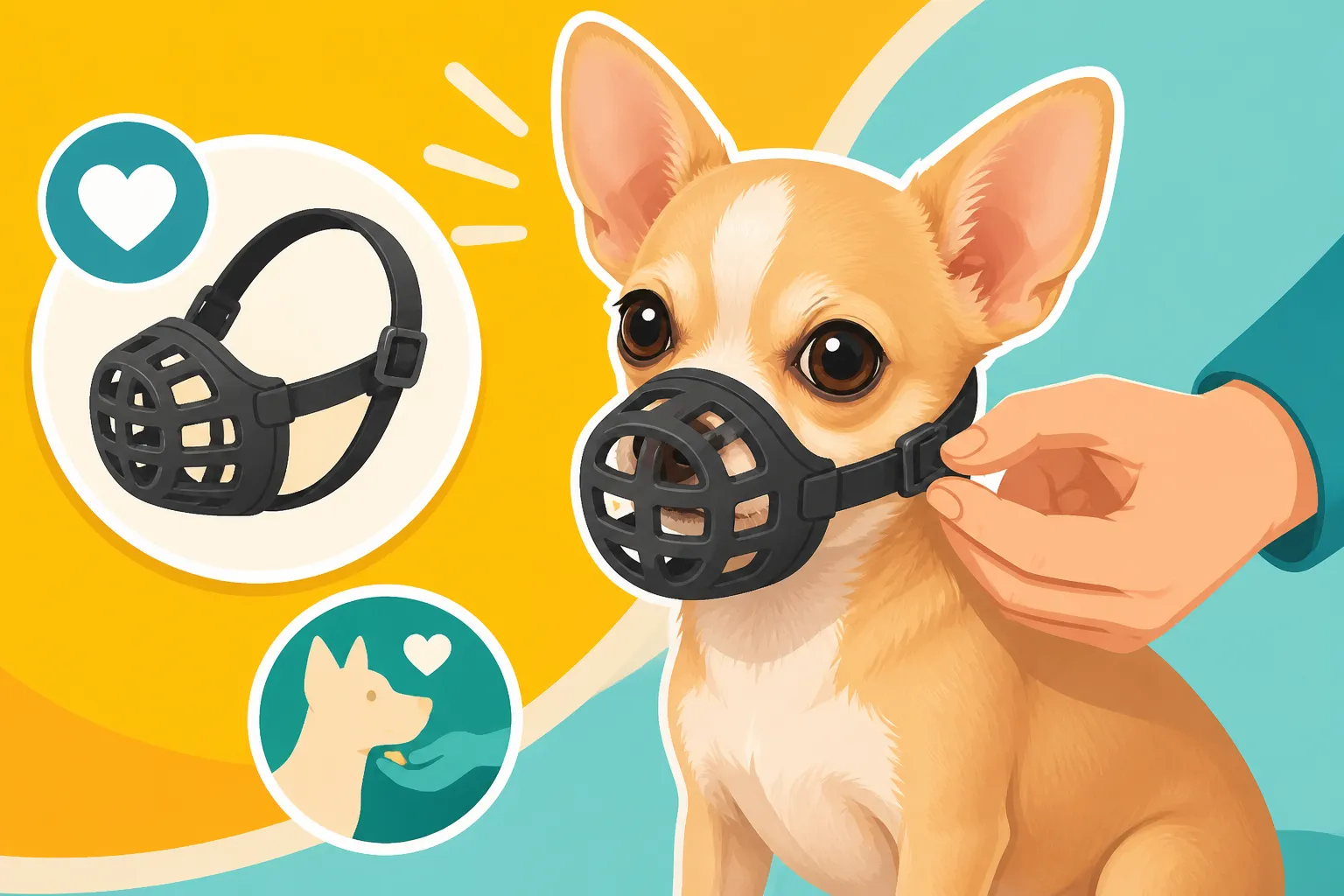
Basket Muzzles: These muzzles are designed to allow the dog to pant, drink water, and even take treats while wearing them. They look like a small cage or basket around the muzzle. For Chihuahuas, finding one that fits perfectly can be a challenge due to their short snouts and apple-shaped heads, but options like the Baskerville Ultra Muzzle or specific wire basket muzzles designed for brachycephalic (short-nosed) breeds are worth exploring. The key is that the dog can open their mouth fully to pant, which is crucial for cooling themselves down, especially when stressed. A good basket muzzle should not push into their eyes or restrict their breathing in any way. You can often find a good selection on platforms like Amazon, but always double-check the sizing charts and read reviews from other Chihuahua owners.
Soft Fabric Muzzles: These are typically nylon or mesh slings that wrap around the muzzle and hold the dog's mouth closed. While they might seem less intimidating or cumbersome, they should only be used for very brief, emergency situations where the dog's mouth needs to be kept shut for a moment. This is because they prevent panting, which is a dog's primary way of cooling down. Wearing one for too long, or during periods of stress, can lead to overheating and severe distress. They are not suitable for extended wear, walks, or any situation where your dog needs to pant or drink. Think of them as a very short-term restraint for an immediate, quick procedure, like a single nail trim if your dog is reactive to it.
Here's a quick comparison to help you visualize:
| Feature | Basket Muzzle | Soft Fabric Muzzle |
|---|---|---|
| Panting | Allows full panting, crucial for cooling | Restricts panting, risk of overheating |
| Drinking | Most allow drinking | Prevents drinking |
| Treats | Allows giving small treats through the basket | Prevents eating treats |
| Wear Time | Can be worn for longer periods | Only for very brief, emergency situations |
| Comfort | Generally more comfortable for extended use | Can be restrictive and distressing if worn too long |
| Typical Use | Vet visits, grooming, reactivity training | Quick, emergency procedures (e.g., single injection) |
| Chihuahua Fit | Challenging to find perfect fit; specific brachycephalic designs help | Easier to find for short snouts, but compromises safety |
Ensuring a Proper, Comfortable Fit
The importance of a proper fit cannot be overstated. A muzzle that's too tight will cause discomfort, rubbing, and could even obstruct breathing. One that's too loose will be ineffective and can easily come off.
When measuring your Chihuahua, you'll typically need two measurements:
- Muzzle Circumference: Measure around the widest part of your dog's muzzle, just below their eyes. Add a little extra (about half an inch to an inch for a Chihuahua) to ensure there's enough room for them to open their mouth and pant.
- Muzzle Length: Measure from just below their eyes to the tip of their nose. The muzzle should not push into their eyes or extend too far past their nose.
Always check the manufacturer's sizing guide carefully. Some brands specialize in small dog muzzles, or even "brachycephalic" muzzles for short-nosed breeds, which might offer a better fit for an apple-head Chihuahua. When you receive the muzzle, put it on your dog briefly and check for:
- Eye Clearance: Does it rub or sit too close to their eyes?
- Breathing Room: Can they pant comfortably? If it's a basket muzzle, try sliding a finger inside the basket around their nose.
- Strap Security: Is the strap around their head secure but not tight? Can they shake it off easily?
- Rubbing Points: Are there any areas where the muzzle might rub, especially around the bridge of the nose or under the chin?
It's a good idea to have a return policy in mind when ordering online, as it might take a couple of tries to find the perfect fit. Your local pet store might also have trained staff who can help with fitting, though specialized Chihuahua muzzles might be harder to find in person.
The Muzzle Training Process: Positive Reinforcement Steps
Muzzle training should never be a punishment or a sudden imposition. It needs to be a gradual, positive experience, associating the muzzle with good things like high-value treats and praise. This counter-conditioning process helps your Chihuahua view the muzzle as a predictor of rewards, not something to be feared. Remember the principles of positive training, much like those advocated by BAXTER & Bella, focusing on making every step enjoyable for your dog.
Step 1: Introduce the Muzzle Positively
The very first step is simply showing the muzzle to your Chihuahua in a calm, non-threatening way. Don't try to put it on them yet.
- Present and Reward: Hold the muzzle in your hand. As soon as your Chihuahua looks at it, or even shows mild curiosity, say "yes!" and give them a high-value treat. Chicken, cheese, or hot dogs cut into tiny pieces work wonders. Repeat this several times over short sessions throughout the day. The goal is to create a positive association: "Muzzle appears, yummy treat happens!"
- Treat Inside: Next, put a pea-sized dab of peanut butter (xylitol-free!), cream cheese, or a tiny treat inside the muzzle so your Chihuahua has to put their nose into the muzzle to get it. Hold the muzzle steady. Let them lick it out. Don't strap it on! As they finish, pull the muzzle away gently. Again, repeat this many times, always making it a quick, positive experience. This is crucial for building comfort with the feeling of their nose inside.
Continue with these steps for several days, or even a week, until your Chihuahua is happily approaching the muzzle and eagerly sticking their nose inside to get the treat. Avoid any pressure or force. Letting a Chihuahua Choose to Approach is key to building trust here.
Step 2: Gradual Wear and Short Durations
Once your Chihuahua is comfortably putting their nose into the muzzle for treats, you can start introducing the straps and increasing the wear time.
- Fasten Briefly: While your Chihuahua is licking a treat from inside the muzzle, gently fasten the strap behind their head. Keep it on for just a second or two while they finish the treat, then unfasten it immediately. Say "good job!" and give another treat. The muzzle should come off before they show any signs of discomfort or trying to paw it off. If they pull away, you've gone too fast; go back to just putting the treat inside without fastening.
- Increase Time Gradually: Over subsequent sessions, gradually increase the time the muzzle stays on. Keep giving treats while it's on. Maybe a count of "one-two-three," then unfasten and treat. Then "one-two-three-four," and so on. The goal is to make it feel normal. You can give a steady stream of small treats through the basket of the muzzle during this time. Remember, the muzzle should always be associated with good things.
- Practice Short Activities: Once your Chihuahua tolerates the muzzle for a minute or two, try doing a very short, positive activity while it's on. Play a quick game of fetch, give them a puzzle toy (if it can be manipulated with the muzzle on), or go for a two-minute walk in the yard. Always end the session before they get fed up, remove the muzzle, and offer a final reward.
Remember to keep training sessions short (2-5 minutes) and frequent throughout the day. Patience is your best friend here. If your Chihuahua shows any Chihuahua Body Language Before a Snap like lip licking, yawning, or turning their head away, take a step back to an easier stage.
Step 3: Generalization and Real-World Application
After consistently practicing the previous steps, your Chihuahua should be comfortable wearing the muzzle for several minutes at a time, possibly even with you doing small activities. Now it’s time to generalize the training.
- Different Locations: Practice putting the muzzle on and rewarding your Chihuahua in various locations around your home – the living room, the kitchen, the bedroom. This helps them understand that the muzzle isn't just for one specific spot.
- Different People: If other family members will be handling your Chihuahua in the muzzle (e.g., at the vet), have them practice the positive reinforcement steps as well.
- Simulated Events: Before a real vet visit or grooming appointment, try a "dress rehearsal." Put the muzzle on, have someone gently examine their paws, ears, or mouth (if they tolerate it), give treats, and then take the muzzle off. Make it a calm, low-stress experience. This is where Chihuahua Handling and Consent comes into play – you're building their consent to wear the muzzle for specific tasks.
- Pair with Real Events: When you finally need the muzzle for a real vet visit, put it on before you even leave the house, if possible, so the association isn't solely with the scary place. Offer treats on the way and during the wait. Remove it as soon as the procedure is safely over, or when appropriate. Your vet or groomer should be aware of your positive training efforts and support them.
The goal is that when the muzzle comes out, your Chihuahua sees it as a part of a routine that results in good things, not something that signals impending doom. This can drastically reduce stress for everyone.
Common Challenges and Troubleshooting
Muzzle training, especially with a tiny, sensitive Chihuahua, can come with its unique set of hurdles. Don't get discouraged if you hit a snag; it's a normal part of the process.
Chihuahua Fear and Refusal
One of the biggest challenges is fear and outright refusal. Your Chihuahua might actively resist, try to paw the muzzle off, or even freeze up. This isn't defiance; it's often rooted in anxiety or a negative association, either from prior experience or simply the unfamiliarity of the object.
- Slow Down, Way Down: If your Chihuahua shows fear, you've likely moved too quickly. Go back to an earlier step. If they flinch when you present the muzzle, just present it for a split second, say "yes!" and treat, then put the muzzle away. You want to aim for zero negative reactions. If you're giving a treat, and they're still backing away or showing Reading a Chihuahua's Whale Eye, the treat isn't high-value enough, or the step is too big.
- Higher Value Rewards: For a truly fearful dog, you need the absolute best treats imaginable. Think cooked chicken, roast beef, or special dog-safe pastes. Something so irresistible that it overrides their apprehension. These aren't everyday treats; they're "muzzle magic" treats.
- Positive Associations Only: Never force the muzzle onto your dog. This will only increase fear and make future training harder. The muzzle must always predict good things. If they're struggling, stop, reset, and try a simpler step.
- Consult a Professional: If you're consistently struggling, don't hesitate to seek help from a certified professional dog trainer who specializes in positive reinforcement and fear-based behaviors. Trainers from resources like BAXTER & Bella often emphasize positive methods that can greatly assist with these sensitive training tasks. They can assess your Chihuahua's specific body language and tailor a plan. It's often worth the investment to have a calm, confident dog. Knowing Vetting a Trainer Before You Book a Chihuahua is crucial to ensure they align with your positive goals.
Sizing Issues and Muzzle Types
Finding a muzzle that fits a Chihuahua perfectly can be a quest in itself. Their small size, delicate features, and often prominent eyes make many standard muzzles unsuitable.
- Brachycephalic-Friendly Options: As mentioned, look for muzzles specifically designed for short-nosed breeds. These often have a wider, shorter basket. Brands sometimes offer different shapes within their basket muzzle lines.
- Custom Muzzles: If your Chihuahua has a particularly unusual head shape, you might even consider a custom-fitted muzzle. While more expensive, it guarantees comfort and effectiveness.
- Padding: If the muzzle fits well but still has a few spots that might rub, you can try adding soft padding (like mole foam or fleece liners) to those areas, ensuring it doesn't interfere with breathing or the muzzle's function.
- Material Matters: Some Chihuahuas might prefer the feel of a lighter plastic basket muzzle over a heavier wire one, or vice-versa. Experiment if you can.
Remember, the goal is for the muzzle to be a non-event, something your Chihuahua tolerates calmly because they associate it with positive experiences and understand it's part of a safe routine. Muzzle training is a gift of safety and comfort you can give your little companion, ensuring they can navigate potentially stressful situations with greater ease and less risk. Why Harsh Handling Damages a Chihuahua Fast – this applies to muzzle training too, patience and kindness are everything.
Disclaimer
This article is for general informational purposes only and does not constitute professional advice. Laws, prices and regulations vary by location and change over time. Consult a qualified professional for guidance on your specific situation.