Night Waking in a Chihuahua Puppy That Needs Food
Bringing home a tiny Chihuahua puppy is an absolute joy, but it often comes with a dose of sleep deprivation! Many new puppy parents quickly discover that their adorable little bundle of fluff isn't quite ready for a full night's sleep, and those whimpers and cries from the crate often signal more than just a need to potty—they might be genuinely hungry. This guide is here to walk you through understanding why your Chihuahua puppy might be waking up needing food, how to tell the difference between hunger and other cries, and how to establish a feeding routine that helps everyone get some much-needed rest.
The Unique Physiology Behind a Chihuahua Puppy's Night Hunger
It's easy to assume all puppies can go a similar amount of time between meals, but a Chihuahua puppy is a breed apart, quite literally. Their miniature size and rapid metabolism mean their bodies operate very differently from a larger breed puppy. When you hear those nighttime cries, especially in the first few weeks, genuine hunger is a very real possibility.
Tiny Stomachs and Rapid Metabolism
Imagine trying to fit a gallon of milk into a teacup; it's just not going to happen. A Chihuahua puppy's stomach is incredibly small, proportional to their overall body size. This means they can only hold a tiny amount of food at any given time. What they can hold, they burn through exceptionally fast. Their metabolism runs at a high rate, constantly converting food into energy to support their intense growth and development. A puppy can easily burn through its last meal within a few hours, leading to a dip in blood sugar.
This rapid digestion, combined with their small gastric capacity, makes frequent meals a necessity, not a luxury. While an adult Chihuahua might manage two or three meals a day, a puppy, particularly one under three or four months old, often needs to eat every few hours, even overnight. Ignoring these hunger signals can lead to serious health complications, so it's crucial to understand their unique needs.
The Ever-Present Risk of Hypoglycemia
For Chihuahua puppies, especially those under a few pounds, the biggest concern with extended periods without food is hypoglycemia, or dangerously low blood sugar. This isn't just about feeling a bit peckish; it can be a life-threatening emergency. A puppy's liver isn't fully developed enough to store glucose efficiently, and their small body fat reserves offer little backup.
When their blood sugar drops, you might notice Trembling and Weakness in a Chihuahua Puppy. They can become lethargic, unresponsive, and in severe cases, even have seizures or collapse. This is why paying close attention to their feeding schedule and ensuring they don't go too long without food is paramount. Nighttime is often the longest stretch between meals, making it a prime time for blood sugar levels to plummet. Understanding Chihuahua Hypoglycemia and the Puppy Emergency is foundational for any Chihuahua owner, particularly with a young puppy.
Growth Spurts Demand Constant Fuel
Chihuahua puppies are growing at an astonishing rate in their first few months. Every bone, muscle, and organ is developing rapidly. This intense period of growth requires a constant supply of nutrients and energy. It's like building a skyscraper; you can't stop bringing materials to the site for long.
During growth spurts, a puppy's caloric needs can increase dramatically. They're literally building their bodies, and that takes fuel. What might have been enough food for a few hours last week might not be enough this week. This is particularly true if your puppy is very small; a two-pound puppy burns through its resources far quicker than even a four-pound one. This relentless demand for energy means their little systems are constantly in need of replenishment, making night wakings for food a common and necessary occurrence.
Distinguishing Hunger Cries from Other Nighttime Needs
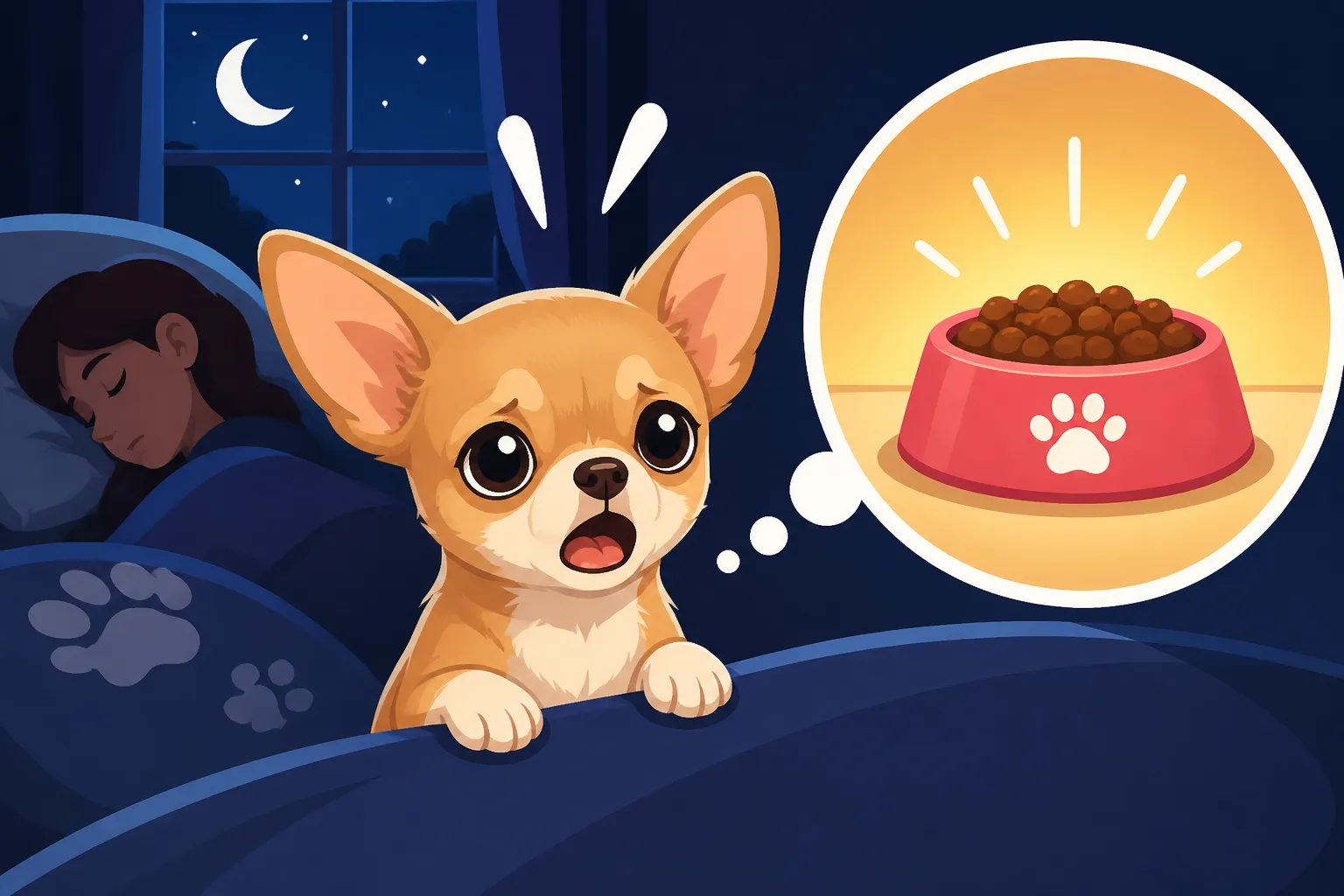
When your Chihuahua puppy starts crying in the middle of the night, it's natural to immediately think "potty break!" And often, you'd be right. But for these tiny dogs, hunger is a very close second, and sometimes even the primary driver. Learning to differentiate their cries can save you a lot of worry and ensure you're addressing the correct need.
The Sounds of Hunger vs. Potty vs. Loneliness
Chihuahua puppies, like human babies, have different cries for different needs. It takes a little time to learn your puppy's specific language, but there are some general patterns to listen for:
- Hunger Cries: These tend to be more urgent, persistent, and often have a high-pitched, almost desperate whine. It might start as soft whines or gentle whimpers, quickly escalating if not addressed. There might be less of a frantic scratching at the crate door (which often signals a need to go out) and more a general, mournful sound that says, "I'm empty, and I feel unwell." If they just had a potty break an hour or two before, hunger becomes a much stronger contender. You might also notice them licking their lips or trying to chew at their bedding if they're truly hungry.
- Potty Cries: These are typically more frantic, often accompanied by scratching, digging, or trying to push their way out of the crate. The urgency is usually immediate and less drawn out. They might also pace in their crate if they're holding it. How Long a Chihuahua Can Hold Its Bladder is not very long, so if it's been a few hours since their last trip outside, a potty break is always a good first assumption.
- Loneliness/Comfort Cries: These are often softer, more drawn-out whines, sometimes interspersed with sighs. They might be looking for reassurance, warmth, or the comfort of a heartbeat. This can be especially common in the first few nights or if they've had a particularly stressful day. They might settle quicker with a gentle voice or a comforting touch, unlike a hungry puppy who will continue to demand food.
It's a process of elimination sometimes, but developing an ear for these subtle differences will greatly improve your ability to meet your puppy's needs swiftly.
Quick Assessment: Potty First, Then Ponder Hunger
When those cries start, the safest first step is always to assume it's a potty break. Even if you suspect hunger, preventing an accident in the crate helps reinforce house training. So, gently and quietly take your puppy outside or to their designated indoor potty spot. Keep it strictly business—no play, no excitement.
If they relieve themselves, praise them calmly and return them to their crate. If they settle back down, great! If they continue to cry with that urgent, hungry whine after a successful potty break, then it's highly likely they need food. This quick assessment ensures you're addressing the most immediate and common need first, then moving on to the next possibility. Remember, for a small puppy, Why Cold and Stress Drop Chihuahua Blood Sugar, so keep interactions calm and warm.
The Importance of a Consistent Routine
Chihuahuas thrive on routine, and puppies especially benefit from predictability. A consistent nighttime routine helps them understand what to expect and can reduce anxiety that might otherwise manifest as crying. This means:
- Fixed Bedtime: Try to put your puppy to bed around the same time each night.
- Last Potty Break: Always offer a final potty break right before bedtime.
- Last Meal: Ensure their last meal is strategically timed to sustain them as long as possible.
- Consistent Environment: Keep their sleeping area dark, quiet, and warm. A cozy bed or a crate with a soft blanket can make a huge difference.
If your puppy knows what's coming, they're less likely to cry out of confusion or loneliness. A consistent routine also makes it easier for you to identify when something is truly off—like an unexpected hunger cry—because their usual needs have already been met. This predictability helps both of you navigate the puppy stage with less stress. For tools that can help establish a routine, resources like BAXTER & Bella offer comprehensive online puppy training programs that emphasize consistent scheduling and positive reinforcement from day one.
Crafting a Feeding Schedule to Prevent Night Waking
The key to preventing those unsettling night wakings due to hunger is a well-thought-out feeding schedule during the day and evening. It's all about providing enough fuel, spread out correctly, to keep their tiny engines running smoothly.
Frequent Small Meals Throughout the Day
Given their small stomachs and fast metabolisms, Chihuahua puppies simply can't handle large meals. Instead, they need How Often a Chihuahua Puppy Must Eat—which means frequent, small portions throughout their waking hours. For very young puppies (8-12 weeks), this can mean feeding every 2-3 hours. As they get a little older (3-5 months), you might stretch it to every 3-4 hours.
Think of it like grazing for a very tiny animal. Each meal should be carefully measured according to their age, weight, and activity level. Your vet is the best resource for precise caloric needs, but generally, a growing Chihuahua puppy needs around Fifty Calories a Pound for a Chihuahua Puppy daily. Spread this total amount over 4-6 meals during the day. This constant trickle of nutrition keeps their blood sugar stable and prevents significant dips that could lead to night wakings. Setting alarms on your phone can be incredibly helpful in keeping up with this rigorous schedule.
| Time | Activity | Purpose |
|---|---|---|
| 7:00 AM | First Meal & Potty Break | Replenish blood sugar after the longest stretch of sleep. |
| 9:30 AM | Small Meal & Potty Break | Maintain energy levels during morning play and activity. |
| 12:00 PM | Small Meal & Potty Break | Keep metabolism stable through midday. |
| 2:30 PM | Small Meal & Potty Break | Fuel afternoon activities and growth. |
| 5:00 PM | Small Meal & Potty Break | Prepare for evening winding down. |
| 7:30 PM | Last Meal & Potty Break (Pre-Bedtime) | Crucial for preventing overnight hypoglycemia. Ensure a full stomach as close to bedtime as possible. |
| 10:00 PM | Final Potty Break (No Food) | Empty bladder one last time before bed. |
This table is a general guideline; adjust meal times and frequency based on your puppy's individual needs and age.
Strategic Last Meal Timing Before Bed
The timing of your puppy's last meal of the day is perhaps the most critical factor in preventing night hunger. You want to give them a good, satisfying meal as close to your bedtime as possible, but with enough time for them to have a final potty break after eating and before being crated for the night.
A common strategy is to feed their last meal about 2-3 hours before you plan to put them down for the night. For instance, if you go to bed around 10 PM, aim for their last meal to be around 7:30-8:00 PM. This gives them time to digest, and then you can take them out for a crucial "empty the tank" potty break right before turning in yourself. This helps you cover both bases: a full belly and an empty bladder. This is part of the Four Meals a Day for a Chihuahua Puppy approach, extending the concept to evening meals.
Having Emergency Sugar on Hand
Even with the best schedule, sometimes a puppy will hit a low blood sugar spot, especially if they are particularly tiny or had an unexpectedly active day. This is where having emergency sugar on hand becomes a lifesaver. Keep a tube of glucose gel or a small bottle of Karo syrup (corn syrup) easily accessible near your puppy's sleeping area.
If your puppy wakes up with signs of hypoglycemia—trembling, weakness, lethargy, or that specific low-energy whimper—a quick dab of corn syrup or glucose gel rubbed on their gums can provide a rapid boost to their blood sugar. This is a temporary fix, not a replacement for a meal, but it can buy you time to safely prepare a small meal without panic. For more details on this, see Emergency Sugar for a Collapsing Chihuahua Puppy. This immediate intervention can prevent a trip to the emergency vet in the middle of the night.
The Role of Quality Puppy Food
Not all puppy foods are created equal, and for a Chihuahua, quality truly matters. A high-quality puppy food specifically formulated for small breeds or all breeds provides the dense nutrition your rapidly growing puppy needs. Look for foods with easily digestible ingredients and a good balance of proteins, fats, and carbohydrates.
Avoid foods with excessive fillers or artificial ingredients, as these can be less nutritious and harder for their sensitive digestive systems to process, leading to quicker hunger pangs. Discuss food choices with your veterinarian to ensure you're providing the best possible diet. Sometimes, adding a tiny bit of wet puppy food to their kibble can make it more palatable and ensure they eat a full meal. You can find many suitable options and feeding accessories on platforms like Amazon, from tiny puppy-sized bowls to slow feeders to prevent them from eating too quickly and getting an upset stomach.
Gently Transitioning to Sleeping Through the Night
The goal is always for your Chihuahua puppy to eventually sleep soundly through the night without needing a feeding. This transition happens gradually, and it requires patience, consistency, and a keen eye on your puppy's development.
Gradually Extending Time Between Night Feedings
As your puppy grows and their stomach capacity increases, they will naturally be able to go longer between meals. This usually starts happening around 12-16 weeks of age, though it can vary based on individual size and development. What a Chihuahua Puppy Weighs at Twelve Weeks can vary, and a heavier puppy might be able to stretch it out a bit more than a very tiny one.
You can gently encourage this by slowly extending the time you wait before offering a night feeding. If they currently wake at 2 AM for food, try waiting until 2:30 AM for a few nights, then 3 AM, and so on. Continue to offer that late evening meal to maximize their chances. If they simply can't make it, don't push it. You don't want to risk hypoglycemia. Revert to the earlier feeding time and try again in a few days or a week. It's a dance of observing your puppy's readiness and gradually pushing their limits.
Ensuring Adequate Calorie Intake During the Day
The success of sleeping through the night hinges almost entirely on how well-fed your puppy is during the day. If they aren't consuming enough calories in their waking hours, they will make up for it at night. This means sticking to that frequent feeding schedule we discussed, measuring meals precisely, and ensuring they finish their portions.
Sometimes, puppies get distracted or aren't keen on their food. If your puppy is routinely leaving food in their bowl, it's a red flag. Try to make mealtime a calm, positive experience. If they're particularly picky, discuss options with your vet, which might include trying a different brand or adding a small topper to make the food more appealing. Remember, every calorie counts for these little guys, and a deficit during the day translates directly to hunger at night.
The Comfort and Security of Crate Training
A well-introduced and positive Chihuahua Crate Training experience can be invaluable for nighttime sleep. A crate provides a secure, den-like space where your puppy feels safe and contained. It also leverages their natural instinct not to soil their sleeping area, which helps with potty training.
Make the crate a cozy haven with soft blankets (perhaps a heated pad or warm bed for extra comfort, especially for shivering Chihuahuas) and a favorite safe toy. Avoid using the crate as punishment, so your puppy associates it with comfort and safety. If your puppy is still struggling with night wakings that aren't clearly for food or potty, sometimes the simple comfort of being near you can help. You might start with the crate beside your bed, gradually moving it further away as they gain confidence. A covered crate can also reduce external stimuli that might wake them up. For guidance on introducing the crate effectively, BAXTER & Bella's online training resources often cover foundational skills like this thoroughly.
Dealing with Regression and Setbacks
Just when you think you've cracked the code, your puppy might have a night where they regress and start crying for food again. This is perfectly normal and not a sign of failure! Puppies, like children, have off days, growth spurts, or slight tummy upsets that can throw off their routine.
If regression happens, don't get frustrated. Revert to what worked before. Offer that late-night feeding if needed, and slowly try to stretch the time again. Check for other factors: have they been more active than usual? Is there a change in their environment? Are they feeling unwell? Sometimes a growth spurt itself means they simply need more fuel for a few days. Patience is truly a virtue during this period. Remember, consistency, not perfection, is the goal.
When to Consult a Veterinarian for Persistent Issues
While night wakings for food are common in Chihuahua puppies, persistent or extreme hunger, or any signs of severe lethargy, collapse, or failure to thrive, always warrant a call to your veterinarian. If you feel your puppy is constantly hungry despite a solid feeding schedule, or if they are showing any concerning symptoms beyond simple hunger cries, don't hesitate.
Your vet can rule out underlying health issues, assess their growth curve, and provide tailored advice on their diet and schedule. They can confirm that your puppy is developing normally and getting all the nutrition they need. Never feel like you're bothering them; a vet would much rather hear from you about a potential hypoglycemia risk than face an emergency situation later. This breed is delicate in those early weeks, and professional guidance is invaluable.
Disclaimer
This article is for general informational purposes only and does not constitute professional advice. Laws, prices and regulations vary by location and change over time. Consult a qualified professional for guidance on your specific situation.