Whether a Chihuahua Belongs in a Group Class
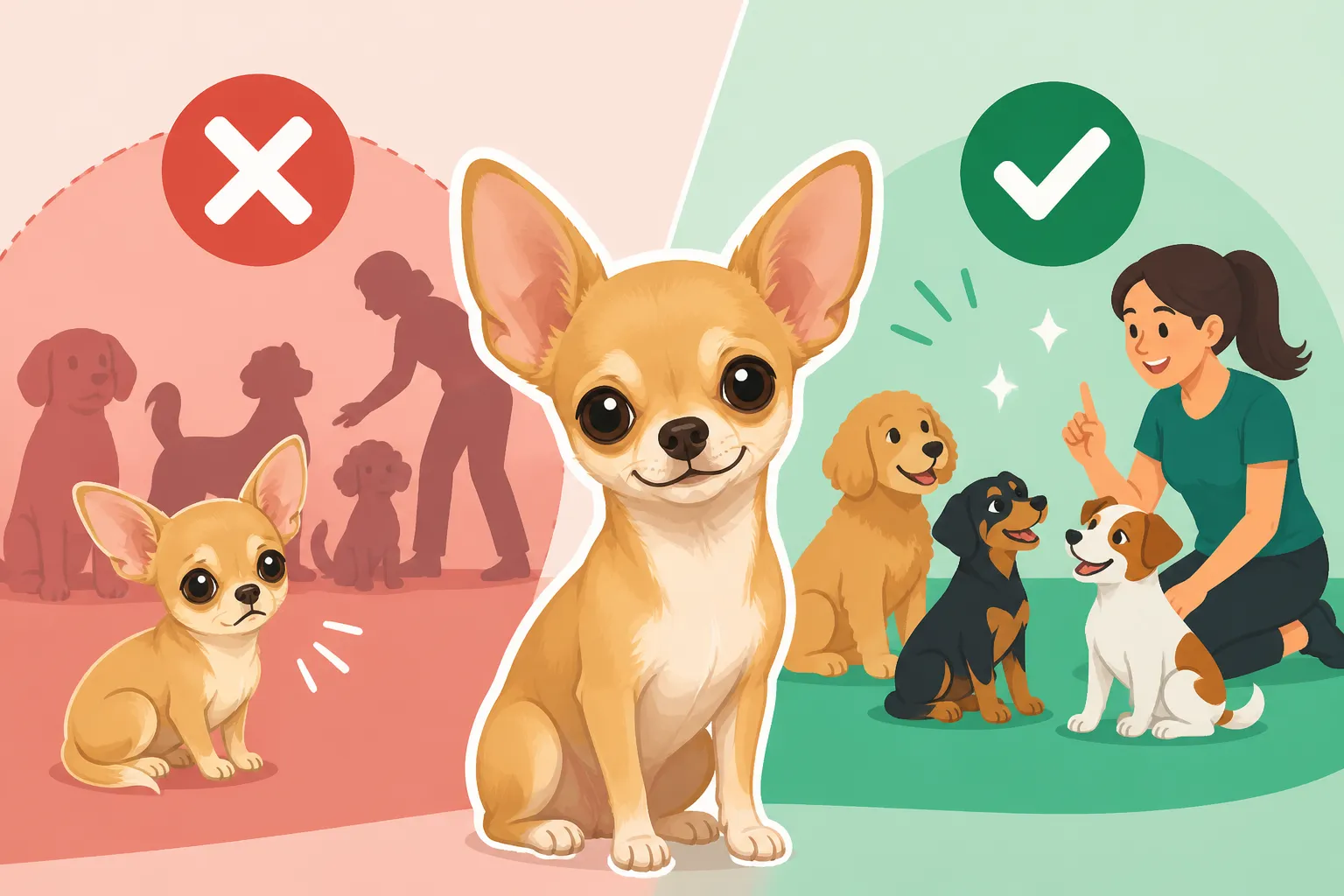
It's a common dilemma for us Chihuahua parents: we want our little furry companions to be well-behaved, confident, and social, but the thought of putting them in a bustling group obedience class with Great Danes and Labradors can feel absolutely terrifying. We picture them getting accidentally stepped on, cowering in fear, or simply being overlooked by a trainer focused on the bigger, louder dogs. It’s natural to wonder if these classes, designed for "all dogs," are truly a safe and effective environment for our pint-sized pups. This guide will help you navigate that decision, exploring the unique challenges and surprising benefits of group classes for Chihuahuas, and how to set your tiny friend up for success.
The Unique Concerns of Chihuahuas in Group Settings
Let's be honest, our Chihuahuas are not just small dogs; they're often seen as delicate creatures that need extra protection. This perception, while sometimes overprotective, stems from very real concerns about their safety and well-being in a world designed for much larger animals. When it comes to a group class, these concerns are amplified, and it's important to acknowledge them head-on.
Physical Safety Amongst Larger Breeds
One of the biggest worries for any Chihuahua owner considering a group class is the sheer size difference. Imagine your four-pound wonder standing next to a seventy-pound retriever. The potential for accidental injury is a very real fear. A playful swat from a larger dog’s paw, an enthusiastic jump, or even just clumsy movement could easily cause serious harm to a tiny Chihuahua. We’ve all seen well-meaning but oblivious larger dogs inadvertently knock over smaller ones during play.
This isn't just about direct physical contact; it's also about the general chaos that can sometimes erupt in a group of excited dogs. A trainer might be managing several dogs at once, and even with the best intentions, a momentary lapse could put your Chihuahua at risk. This concern often leads owners to carry their Chihuahuas constantly, which, while protective, can actually hinder proper socialization and create other behavioral issues. What a Chihuahua Loses by Never Touching the Ground A good training facility will have protocols in place to ensure smaller dogs are not overwhelmed, perhaps by having separate playtimes or ensuring all dogs are on leash and under control during group exercises.
Overwhelm and Fear Reactivity
Chihuahuas, despite their often feisty reputation, can be surprisingly sensitive and prone to anxiety. A noisy room filled with unfamiliar dogs barking, lunging, and sniffing can be incredibly overwhelming for a Chihuahua, especially if they haven't had extensive positive socialization experiences early in life. This isn't just about discomfort; it can actually reinforce or even create Fear-Based Reactivity in a Chihuahua.
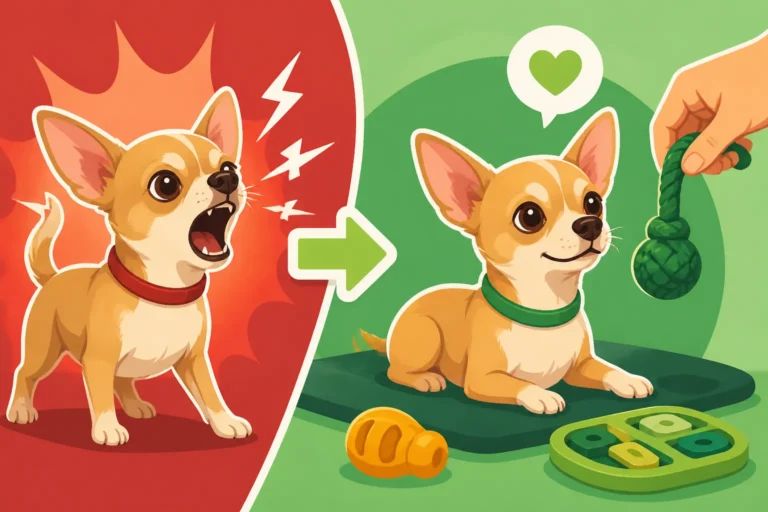
Instead of learning to be calm and confident, a fearful Chihuahua might resort to barking incessantly, trembling, trying to hide, or even snapping as a defense mechanism. These behaviors are often mislabeled as "small dog syndrome," but in reality, they are usually a dog's attempt to cope with feeling vulnerable and outmatched. If a class environment triggers such fear, it actively works against the goal of building a well-adjusted dog. Trainers must be acutely aware of stress signals in small dogs, like lip licking, yawning, whale eye, or a tucked tail, and intervene to prevent them from becoming completely overwhelmed.
Potty Training Challenges in a New Environment
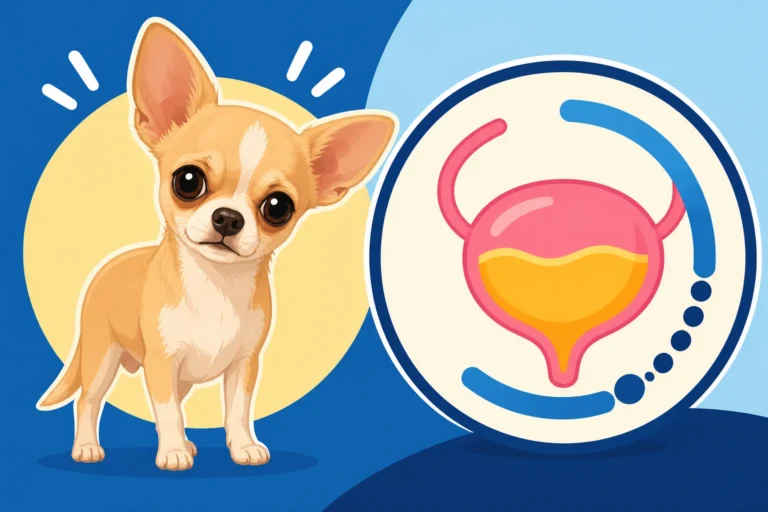
House training a Chihuahua can be a journey, to say the least. Their tiny bladders mean they need to go outside frequently, sometimes much more often than owners of larger breeds might realize. In a new, stimulating, and potentially stressful environment like a group class, even a perfectly house-trained Chihuahua might regress. The excitement or anxiety can trigger immediate urination, and marking behavior (especially in intact males) can also become an issue when confronted with so many new scents. How Long a Chihuahua Can Hold Its Bladder
Imagine the embarrassment of your Chihuahua having an accident on the training center floor right in the middle of a "stay" exercise. It's frustrating for you and can be disruptive to the class. A good training facility will understand this and offer frequent potty breaks, but it's still a factor to consider. Bringing your own small potty pads or a portable indoor potty can sometimes help, especially if your Chihuahua is already used to them at home. The key is to manage their environment and expectations, ensuring that any "accidents" aren't met with punishment, which would only exacerbate their anxiety.
The Surprising Benefits of Group Classes for Chihuahuas
Despite the very valid concerns, group classes can offer immense benefits for Chihuahuas, often transforming timid or unruly pups into more confident and well-adjusted companions. It’s all about finding the right class and approaching it with the right mindset.
Structured Socialization Beyond the Home
One of the most critical aspects of raising a well-adjusted dog is proper socialization, and this is especially true for Chihuahuas. Without it, they can become overly reliant on their owners, fearful of strangers (both human and canine), and prone to anxiety. Group classes provide a structured and controlled environment for socialization that goes beyond what most owners can achieve at home or with casual encounters. The Chihuahua Socialization Window and Its Deadline
In a class, your Chihuahua is exposed to various sights, sounds, smells, people, and other dogs (of all sizes!) in a supervised way. It's not about letting them run wild in a dog park – which can be genuinely dangerous for tiny dogs – but rather about teaching them to be comfortable in the presence of others. They learn to focus on you despite distractions, and they learn that other dogs and people aren't always a threat. This exposure helps prevent the isolation that can lead to many behavioral issues, giving them a more robust sense of the world.
Building Confidence and Reducing Fear
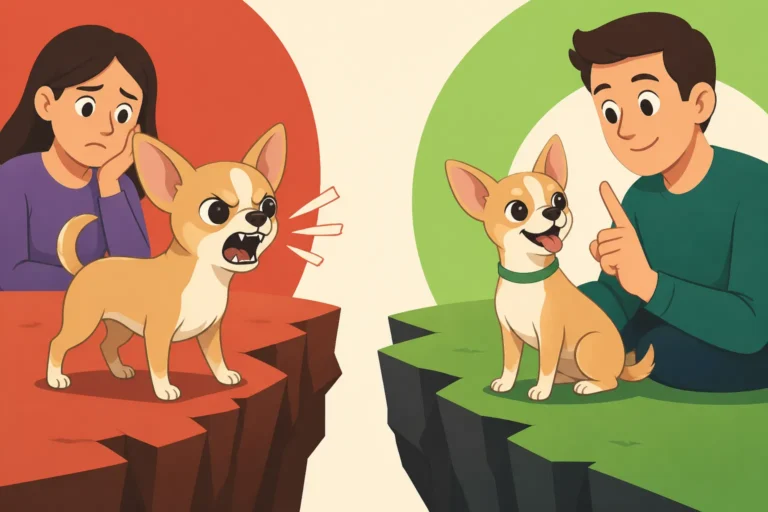
Often, what appears as "small dog syndrome"—excessive barking, growling, or nipping—is actually rooted in fear. When a Chihuahua feels small and vulnerable, they might lash out as their only defense mechanism. Group classes, when run correctly, can be incredibly effective at building a Chihuahua's confidence. What Small Dog Syndrome Means for a Chihuahua
By successfully navigating new environments, learning new commands, and having positive interactions (even if just passive observation) with other dogs, your Chihuahua learns that the world isn't so scary after all. A good trainer will guide you in helping your Chihuahua feel safe and empowered, giving them the tools to respond to stressors calmly instead of reactively. This shift from fear to confidence can dramatically improve their quality of life, making them happier, more relaxed, and more enjoyable companions both at home and out in the world. They learn that they can stand on their own four paws, even when bigger dogs are around, and that their human has their back.
Learning Essential Manners and Obedience
Let’s be honest: it’s easy to let basic manners slide with a tiny dog. They’re so small, so cute, and their bad habits often seem less impactful than a large dog's. But a well-trained Chihuahua is a joy to live with, and they deserve real obedience training just as much as any other breed. Why a Chihuahua Deserves Real Obedience Training Group classes provide an excellent platform for learning essential commands like sit, stay, come, and leash manners, all while proofing these behaviors around distractions.
When your Chihuahua learns to focus on you amidst the excitement of other dogs and new smells, those commands become much more reliable in real-world situations. This means a safer dog who is less likely to bolt if the door opens, or who can walk politely on a leash without pulling or reacting excessively to every leaf that blows by. The consistency and structure of a class help cement these behaviors, giving both you and your Chihuahua a stronger bond and clearer communication. Plus, the mental stimulation of learning new things is excellent for their overall well-being. The Commands Every Chihuahua Should Know
Choosing the Right Class and Preparing Your Chihuahua
Deciding a group class is right for your Chihuahua is only the first step. The next, and perhaps most crucial, is making sure you choose the right class and prepare your tiny companion for success. Not all classes are created equal, especially when you have a toy breed.
Vetting the Training Facility and Instructor
This is paramount. Before you enroll, do your homework. Look for facilities that explicitly mention experience with small breeds or offer "toy breed only" classes. Puppy Classes That Group Chihuahuas With Toys A responsible trainer will understand the unique needs and vulnerabilities of Chihuahuas. Here are some questions to ask:
- What is the class size? Smaller classes are always better for Chihuahuas, allowing for more individual attention and less overwhelming stimulation.
- What are their protocols for managing dog-to-dog interactions, especially between large and small breeds? Look for trainers who emphasize controlled interactions, using leashes and physical barriers when necessary, rather than just letting dogs "figure it out."
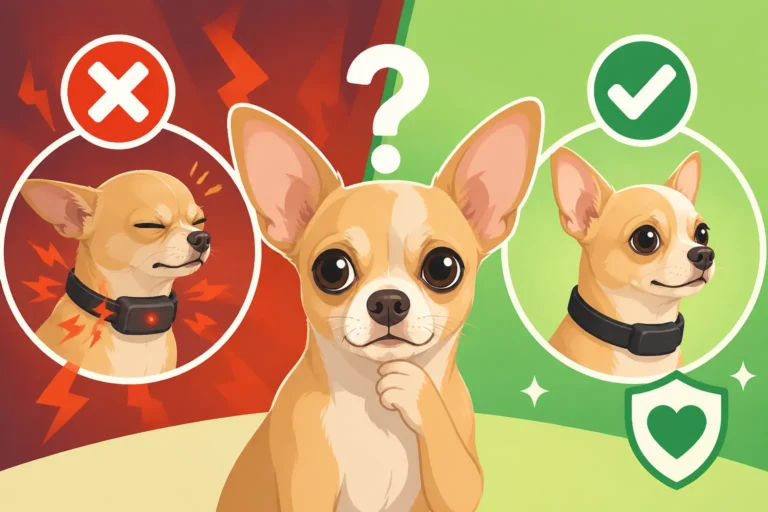
- What training methods do they use? Positive reinforcement, using treats and praise, is the only acceptable method. Avoid any trainers who advocate for harsh corrections or fear-based techniques, as these will be detrimental to a sensitive Chihuahua.
- Can you observe a class before signing up? This is invaluable. Watch how the trainer interacts with the dogs, how the dogs (especially the smaller ones) seem to be coping, and if the environment feels safe and supportive.
- Are they certified or accredited? Look for certifications from reputable organizations.
A good trainer will prioritize safety and comfort for all dogs, actively managing the environment to ensure no one feels overwhelmed or at risk.
Creating a Safe and Positive Class Experience
Once you've chosen a class, there are several things you can do to set your Chihuahua up for a positive experience:
- Gear Up Appropriately: Invest in a well-fitting, secure harness that your Chihuahua cannot slip out of. Collars can put pressure on their delicate tracheas, which is a common health concern for the breed. Harness Fitting on a Chihuahua Chest A sturdy, lightweight leash is also essential. You can find excellent options on Amazon.
- High-Value Treats: Bring plenty of tiny, high-value treats that your Chihuahua absolutely loves. These will be your primary tool for positive reinforcement and keeping their attention. Think soft, pea-sized pieces of cheese, cooked chicken, or specialty training treats. Treats Small Enough for Chihuahua Training
- Comfort Item: A small bed or blanket from home can provide a comforting scent and a designated "safe space" for your Chihuahua to relax on during breaks.
- Potty Breaks: Take your Chihuahua out to potty immediately before class starts, and be prepared to take them out for additional breaks during class if needed. Don't wait for signs of distress; preempt them.
- Know When to Take a Break: Pay close attention to your Chihuahua's body language. If they are showing signs of stress (panting, yawning, lip licking, tail tucked, trying to hide), it’s okay to step out of the room for a few minutes or provide a quiet space in the corner. Don't push them past their limits.
- Advocate for Your Dog: You know your Chihuahua best. Don't be afraid to speak up if you feel something isn't safe or comfortable for them. A good trainer will appreciate your input.
Understanding Different Class Structures
Not all group classes are created equal, and understanding the different types can help you pick the best fit for your Chihuahua:
- Puppy Kindergarten: Ideal for young puppies (typically 8-16 weeks old) for early, gentle socialization. Look for classes that specifically group puppies by size or have very strict supervision rules for mixed-size groups.
- Basic Obedience: Teaches fundamental commands like sit, stay, come, leash walking, and down. This is usually the starting point for adult dogs. Again, inquire about small dog inclusion and safety protocols.
- Advanced Obedience/Canine Good Citizen (CGC): For dogs who have mastered basic commands and are ready for more complex tasks and proofing their skills in distracting environments. Your Chihuahua should be quite confident before enrolling in one of these.
- Specialty Classes (Agility, Rally, Tricks): These are fantastic for mental and physical enrichment for confident Chihuahuas. Just ensure the equipment is scaled appropriately for their size and that the movements are safe for their joints.
Starting with a gentle puppy class or a very small, well-managed basic obedience class designed to integrate toy breeds is usually the best approach.
| Class Type | Best For | Potential Drawbacks for Chihuahuas | Key Considerations for Owners |
|---|---|---|---|
| Puppy Kindergarten | Young puppies (8-16 wks) needing gentle socialization, basic manners. | Can be overwhelming if not "toy-breed specific" or very well-supervised. | Ensure trainer supervises all interactions closely; ask about puppy-only play. |
| Basic Obedience | Older puppies, adult Chihuahuas learning fundamental cues and manners. | Distractions from larger, more boisterous dogs might be too much initially. | Focus on positive reinforcement; seek small class sizes and experienced toy-breed trainers. |
| Advanced Obedience / CGC | Confident Chihuahuas ready for new challenges and real-world application of skills. | Less of a drawback if the dog is already well-socialized and has a strong bond with handler. | Ensure trainer understands small dog mechanics for precise movements and positioning. |
| Agility / Rally (Intro) | Energetic Chihuahuas who love to learn and move, seeking mental and physical stimulation. | Equipment might not be sized for very small dogs; risk of joint strain if not careful. | Prioritize safety; ensure obstacles are low-impact and adjustable for tiny dogs. |
| "Small Dogs Only" Obedience | Chihuahuas needing confidence or sensitive to large dogs. | May not fully prepare them for the real world with larger dogs. | Excellent bridge class; ensure future steps include exposure to varying sizes. |
Alternatives and Supplementary Training Approaches
Sometimes, despite our best efforts, a traditional group class just isn't the right fit for a particular Chihuahua or their owner. That's perfectly okay! There are many other effective ways to train and socialize your tiny companion.
Private Training for Targeted Issues
For Chihuahuas who are particularly fearful, reactive, or have very specific behavioral challenges (like severe resource guarding or separation anxiety), private, one-on-one training can be a game-changer. A certified professional dog trainer can come to your home or meet you in a less stimulating environment to work directly on your Chihuahua's unique needs. This focused attention allows for a tailored approach, addressing the root cause of the behavior without the added stress of a group setting.
Private training also gives you, the owner, personalized coaching and a chance to ask all your questions without feeling rushed. It's often more expensive per session than a group class, but the efficiency and personalized nature can lead to faster progress, especially for complex issues. It's an investment in your Chihuahua's long-term well-being and your peace of mind.
Online Courses and Home-Based Learning
In today's digital age, there's a wealth of online training resources available, which can be a fantastic option for Chihuahuas. Online courses offer structured lessons that you can complete at your own pace, in the comfort and safety of your own home. This is particularly beneficial for Chihuahuas who are easily overwhelmed by new environments or for owners who have limited access to suitable local group classes.
Many platforms, like BAXTER & Bella's online puppy training program, provide comprehensive curricula that cover everything from basic obedience to more advanced skills and problem-solving. These programs often include video tutorials, written guides, and even direct access to trainers for questions. While they don't offer the direct social exposure of a group class, they allow you to build a strong foundation of obedience and confidence, which can then be applied in carefully managed, real-world socialization scenarios. You can even find specific accessories and training tools on Amazon that complement these online programs.
Controlled Small Group Playdates
While large dog parks are generally a no-go for Chihuahuas due to safety concerns, controlled small group playdates can be a wonderful way to provide safe, positive socialization. This involves arranging meet-ups with known dogs who are calm, well-socialized, and ideally, closer in size to your Chihuahua. Chihuahua Play With Dogs Its Own Size
Start with one or two dogs in a neutral, enclosed space like a friend's fenced yard. Supervise all interactions closely, keeping them short and positive. Look for signs of stress or over-excitement, and intervene before things escalate. The goal isn't vigorous play, but rather comfortable coexistence and positive association with other dogs. As your Chihuahua gains confidence, you can gradually introduce them to slightly larger, gentle dogs, always prioritizing their comfort and safety. These controlled interactions can build social skills without the overwhelming chaos of a typical group class or dog park.
Ultimately, whether a Chihuahua "belongs" in a group class depends less on their breed and more on the individual dog's temperament, the quality of the class, and your commitment as an owner. With careful selection and thoughtful preparation, a group class can be a transformative experience, but if it doesn't feel right, there are plenty of excellent alternatives to ensure your little companion grows into a confident, well-behaved, and happy member of your family.
Disclaimer
This article is for general informational purposes only and does not constitute professional advice. Laws, prices and regulations vary by location and change over time. Consult a qualified professional for guidance on your specific situation.