How Many Weeks Chihuahua Potty Training Takes
One of the biggest worries new Chihuahua parents share, and believe me, I've heard it a thousand times, is about house training. You've got this tiny little dog with an equally tiny bladder, and it feels like they're constantly needing to go. It's easy to get frustrated when accidents keep happening, making you wonder if your little companion will ever truly get the hang of it. This guide is here to shed some light on what to realistically expect for Chihuahua potty training timelines and, more importantly, how to set both you and your pint-sized pal up for success without losing your mind.
Understanding the Chihuahua's Unique Potty Training Challenges
Let's be real, potty training a Chihuahua isn't quite the same as house training a Labrador. Their small stature brings a whole host of considerations that can either prolong the process or, with the right approach, make it manageable. It's not about them being "dumb" or "stubborn"; it's about their unique physiology and how we, as their guardians, respond to it.
The Tiny Bladder Reality
First and foremost, the most significant factor is their size. A Chihuahua's bladder is, predictably, very small. This means they physically cannot hold their urine for as long as a larger dog. A young puppy, especially one under six months, might only be able to hold it for an hour or two at best. This isn't a training failure; it's pure biology. Expecting them to go hours between potty breaks is simply unrealistic and sets them up for failure. It's crucial to understand How Long a Chihuahua Can Hold Its Bladder so you can tailor your expectations and schedule appropriately. Imagine trying to hold your bladder when it's full to bursting – that's how your little Chi feels.
This physiological limitation often catches new owners off guard. They might assume that because their puppy is quiet or playing, they don't need to go. But then, suddenly, there's a puddle. This isn't spite; it's an urgent need that simply couldn't wait any longer. Recognizing this means adjusting your schedule to offer more frequent opportunities, almost preemptively, before they even feel the strong urge. It's about being one step ahead of that tiny bladder.
Weather Woes and Small Dog Sensitivities
Another big hurdle for Chihuahuas is their sensitivity to weather. These little dogs have very little body fat, and many have sparse coats, making them highly susceptible to cold. Imagine stepping barefoot onto freezing concrete or wet grass in the middle of winter – that’s often what it feels like for your Chihuahua. Rain, snow, strong winds, and even extremely hot pavement can make them extremely reluctant to do their business outside. They might go out, shiver, and bolt back inside without relieving themselves, only to have an accident on your rug moments later. This isn't laziness; it's self-preservation. House Training a Chihuahua That Refuses the Rain can be a real struggle, and it impacts the consistency you need for effective potty training.
This weather sensitivity can lead to a vicious cycle. The dog holds it because they don't want to go out in the elements, then has an accident indoors, reinforcing the idea that indoors is an acceptable place to potty. It’s important to equip them with proper weather gear, like a warm sweater or a waterproof coat, and sometimes, even providing an indoor alternative during harsh conditions is the more humane and effective approach to maintaining consistency.
The "Accident" Mindset
Let's be honest, it's incredibly easy to excuse a Chihuahua's accidents. They're so small, the mess is usually minor, and sometimes it just feels easier to clean up a tiny puddle than to bundle them up and take them outside again. We might say, "Oh, he's just a puppy," or "It's so cold out, I don't blame her." While understandable, this mindset can inadvertently prolong the potty training process indefinitely. Every time an accident happens indoors and isn't immediately followed by a rigorous cleanup and a re-evaluation of the potty schedule, it subtly teaches your Chihuahua that it's okay to go inside. These are The Behaviors Owners Excuse in a Chihuahua that really hinder progress.
It's a tough love situation, but for successful potty training, every single accident needs to be treated as a training opportunity gone wrong, not just a minor inconvenience. This means being utterly consistent, minimizing opportunities for indoor mistakes, and maximizing successful outdoor eliminations. It's about building strong habits from day one, not giving them mixed signals.
Realistic Timelines for Chihuahua Potty Training Success
So, how many weeks does it really take? The honest answer is: it varies. There’s no magic number, no universal deadline that applies to every single Chihuahua. Just like human children learn at different paces, so do our furry companions. However, we can talk about realistic expectations and the factors that influence the journey.
The Puppy Learning Curve
For a young Chihuahua puppy, say from 8 to 16 weeks old, the initial phase of potty training is often the most intensive. During this time, they are just beginning to develop bladder control and understand the concept of where to go. You might see significant progress within 2-4 weeks if you are extremely consistent. However, "potty trained" in a young puppy usually means a good understanding of where to go and a significant reduction in accidents, not necessarily complete reliability. For many Chihuahuas, particularly those from a consistent background, you can expect a solid foundation to be laid over 4-8 weeks. But true, reliable house training – where you rarely, if ever, have an accident – often takes 3-6 months, sometimes longer, especially if there have been inconsistencies. How Many Weeks Chihuahua Potty Training Takes really depends on their age and your dedication.
Puppies under 12 weeks need to go out every 30 minutes to an hour when awake, and immediately after waking, eating, and playing. Gradually, as they mature, you can extend these times. But don't rush it. Pushing too fast will only lead to accidents and frustration for everyone involved. Think of it as a marathon, not a sprint. Every successful potty break outside builds confidence and strengthens the desired behavior.
Factors That Influence Duration
Several key factors can either accelerate or impede your Chihuahua's potty training progress:
- Consistency: This is the absolute king of potty training. If you're strict with your schedule, always taking them to the same spot, and rewarding them every single time, they'll learn much faster. Inconsistency, like occasionally letting them go inside or missing potty breaks, will inevitably prolong the process.
- Early Experience: Puppies who come from breeders or shelters that have already started some form of potty training (e.g., using puppy pads or a designated potty area) might have a head start. Conversely, those from environments where they were allowed to soil their living space indiscriminately may take longer to unlearn those habits.
- Environment and Schedule: A household where someone is home most of the day to take the puppy out frequently will see faster progress than one where the puppy is left alone for long stretches, forced to have accidents. Your lifestyle genuinely impacts how quickly they learn.
- Age and Bladder Control: As mentioned, younger puppies physically can't hold it as long. As they mature, their bladder muscles strengthen, making it easier for them to "hold it" for longer periods. You'll often notice a significant leap in control around 4-6 months of age.
- Stress and Health: Stress can cause accidents, especially in a new environment or during significant changes. Similarly, underlying health issues like a urinary tract infection (UTI) or even fear can lead to increased urination or accidents. If your previously house-trained Chihuahua suddenly starts having accidents, a vet visit should be your first step.
When "Potty Trained" Truly Means Potty Trained
It's tempting to declare your Chihuahua "potty trained" after a few accident-free days. But true reliability, particularly for a small dog, comes with time and sustained success. For me, a Chihuahua is truly potty trained when:
- They can reliably go for age-appropriate periods without accidents indoors, even when excited or slightly distracted.
- They actively signal to you that they need to go out (e.g., going to the door, whining, pawing, or making eye contact).
- They continue to use their designated outdoor potty spot in various weather conditions, or, if an indoor solution is used, they consistently use that.
- You can trust them unsupervised for reasonable periods within the home without worrying about a surprise puddle.
This level of reliability usually doesn't happen overnight. It's often closer to 6-12 months of consistent effort. Don't feel discouraged if it takes a while; every successful trip outside is a building block towards that ultimate goal.
Strategies to Shorten the Potty Training Journey
While patience is paramount, there are definitely proactive steps you can take to make the potty training process more efficient and less frustrating for both of you. It's about clear communication, positive reinforcement, and setting your Chihuahua up for success at every turn.
Hyper-Vigilant Supervision and Proactive Potty Breaks
This is probably the single most important strategy. When your Chihuahua is awake and not in a designated confinement area, they should be under your direct supervision, almost like they're tethered to you. This isn't about being a helicopter parent; it's about catching those subtle signals before an accident happens. Are they sniffing around? Circling? Suddenly disappearing from the room? These are often signs that a potty break is imminent. Immediately scoop them up (without scolding if they've already started) and take them to their designated potty spot.
The key is also proactive breaks. Don't wait for them to signal. Take them out:
- First thing in the morning.
- Immediately after waking from a nap.
- After every meal or drink of water.
- After intense play sessions.
- Just before bedtime.
- Every 30-60 minutes for young puppies when they are active.
By taking them out frequently, you drastically reduce the chances of an indoor accident, giving them more opportunities to succeed in the right place.
Crate Training and Confinement Areas
Crate training is an incredibly powerful tool for potty training a Chihuahua. Dogs naturally prefer not to soil their sleeping area. When sized correctly, a crate gives your Chihuahua just enough room to stand up, turn around, and lie down comfortably, but not enough space to relieve themselves in one corner and sleep in another. This encourages them to "hold it." Chihuahua Crate Size and Setup is crucial – too big, and it loses its effectiveness.
Introduce the crate as a positive, safe den, not a punishment. Feed meals in it, offer special chew toys, and never use it for time-outs. When you can't actively supervise your Chihuahua (e.g., you're busy cooking, showering, or need a moment), the crate is their safe haven, preventing accidents and helping them build bladder control. For longer periods, or if the crate feels too small for daytime, a small playpen or a gated-off, easy-to-clean area (like a kitchen with hard floors) can serve a similar purpose, especially if it includes a designated potty pad for emergencies.
Establishing a Consistent Routine and Positive Reinforcement
Chihuahuas thrive on routine. A predictable schedule helps them understand when and where they are expected to go potty. Try to feed them at the same times each day, and follow those meals with a trip outside. Designate a specific spot in your yard or on your walk route as "the potty spot" and take them there every time. The consistent smells will also encourage them to go.
When they do potty in the right place, make it a party! Enthusiastic praise, happy tones, and a super high-value treat delivered immediately after they finish going will solidify the behavior. The timing of the reward is critical – it needs to happen within seconds of them finishing their business so they associate the treat with the act of peeing or pooping outside, not with walking back to the door. Even a three-minute training session built around this routine can make a huge difference. Three Minute Training Sessions With a Chihuahua should include plenty of potty breaks for learning.
Addressing Setbacks and Regressions
It's almost inevitable that you'll encounter a setback or two, even with the best intentions. Your Chihuahua might have been doing great for weeks, and then suddenly, boom, an accident. Don't despair, and whatever you do, don't punish them for an accident after the fact. They won't connect your anger to a puddle they made an hour ago. Punishment can actually make things worse, making them fearful of going in front of you, potentially leading them to hide their accidents.
If a regression occurs, think like a detective. What changed? Was the routine disrupted? Did the weather shift dramatically? Is there a new stressor? Or, perhaps most importantly, do they need a vet visit? A sudden increase in accidents can be a sign of a urinary tract infection or other health issues. If medically cleared, simply go back to basics: increase supervision, shorten the time between potty breaks, and reinforce successful outdoor eliminations with enthusiasm. Understanding Why a Chihuahua Regresses on House Training is key to overcoming it.
Tools and Resources to Help Your Chihuahua Succeed
Beyond consistent effort, there are several tools and resources that can make the potty training journey smoother for both you and your tiny companion.
Indoor Potty Solutions
For Chihuahuas, especially those sensitive to cold or rain, an indoor potty option can be a lifesaver. This isn't necessarily a crutch; it can be a strategic part of their training, particularly if you live in an apartment, have a senior dog, or simply need an alternative for harsh weather days.
- Puppy Pads: These absorbent pads are a common choice. Place them in a designated, easily accessible area away from their feeding and sleeping spots. They're great for young puppies, but be aware that some dogs can become confused if you later want them to transition solely to outdoor pottying. You can find large packs of puppy pads on Amazon, making it easy to always have them on hand. Puppy Pads Against Outdoor Only for a Chihuahua is a decision many owners face.
- Artificial Grass Patches/Litter Boxes: For a more natural feel, artificial grass patches (some with trays for easy cleaning) or even designated dog litter boxes can be a good option. These can be particularly helpful for bridging the gap between indoor and outdoor training, as the texture mimics grass. They can be a great way to handle "weather aversion" while still reinforcing an appropriate potty spot.
Essential Gear for Outdoor Potty Breaks
Having the right gear makes taking your Chihuahua out for frequent potty breaks much more manageable and comfortable for them.
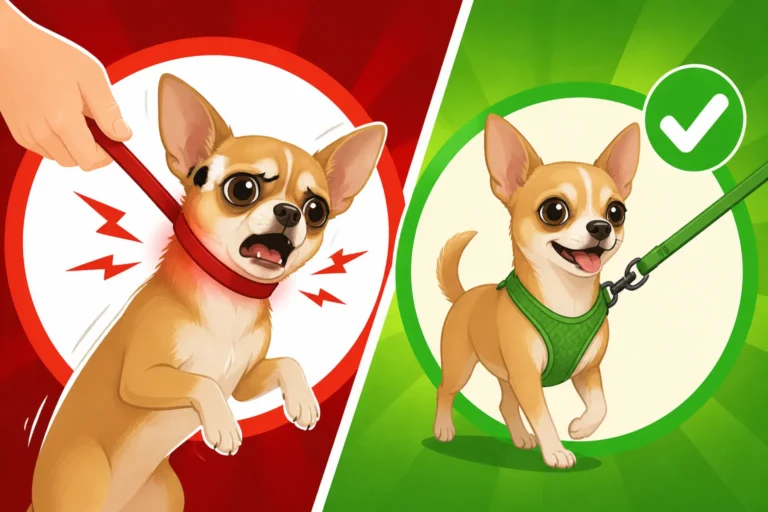
- Harnesses and Leashes: Forget neck collars for Chihuahuas; they are prone to tracheal collapse. A well-fitting harness is essential. It distributes pressure evenly across their chest, protecting their delicate windpipe. Opt for a lightweight, comfortable harness that they can wear easily for quick trips outside. Pair it with a lightweight leash. Having Harnesses and Leads Sized for a Chihuahua will make a huge difference in their comfort and safety.
- Weather-Appropriate Clothing: As we discussed, Chihuahuas get cold easily. Invest in a good quality sweater or coat for chilly days and a waterproof raincoat for wet weather. Boots can also protect their tiny paws from hot pavement, ice, and salt. Making them comfortable outdoors increases their willingness to stay out long enough to do their business. Check out options from brands like Canada Pooch or even local pet boutiques for stylish and functional Chihuahua Winter Coats and Boots.
Training Aids and Professional Help
Sometimes, a little extra help can go a long way.
- Enzyme Cleaners: Accidents will happen. It's not a punishment, but a chance to learn and clean thoroughly. Regular household cleaners might remove the visible stain, but they often leave behind odors that only a dog can detect, which can encourage them to mark that spot again. An enzymatic cleaner breaks down these odors at a molecular level, truly eliminating the temptation for repeat offenses. Always keep a bottle of a good quality enzyme cleaner (many reputable brands available on Amazon) on hand. Cleaning Chihuahua Accidents So They Do Not Repeat is vital.
- Online Training Programs: For those who want structured guidance, online training platforms can be incredibly helpful. Programs like BAXTER & Bella offer comprehensive, step-by-step puppy training courses that cover everything from potty training to manners, often with live support and community forums. This can provide the consistency and expertise many new owners need.
- Professional Trainers: If you're struggling despite your best efforts, or if your Chihuahua seems to be regressing frequently, don't hesitate to seek out a certified professional dog trainer or a veterinary behaviorist. They can help identify underlying issues, refine your approach, and offer personalized strategies. When choosing a trainer, make sure they use positive reinforcement methods and have experience with small breeds like Chihuahuas. Vetting a Trainer Before You Book a Chihuahua is crucial to ensure they are a good fit.
Potty training a Chihuahua might feel like a never-ending saga at times, but with consistency, patience, and the right strategies, your tiny companion will absolutely get there. It’s a rewarding process that builds a stronger bond, and seeing your little one signal at the door with confidence is one of the best feelings in the world.
Potty Training Timeline & Challenge Overview
| Factor | Ideal Scenario | Common Challenges | Impact on Duration |
|---|---|---|---|
| Puppy Age | 8-12 weeks (start early) | Older puppy/adult with established bad habits | Quicker vs. Longer, more retraining |
| Consistency | Strict schedule, frequent breaks, immediate rewards | Inconsistent schedule, missed breaks, delayed rewards | Fast progress vs. Slow, frequent setbacks |
| Owner Presence | Someone home most of the day for supervision | Puppy left alone for long periods | Accelerated vs. Extended |
| Weather | Mild, comfortable temperatures | Extreme cold/heat, rain, snow | Smooth vs. Reluctance, indoor accidents |
| Crate Training | Properly sized crate, positive association | Crate too large, used for punishment, not utilized | Effective bladder control vs. Less effective |
| Accident Management | Immediate, thorough enzymatic cleaning, no punishment | Incomplete cleanup, punishment, fear response | Prevents re-soiling vs. Encourages repeat accidents |
| Health | No underlying medical issues | UTIs, anxiety, other medical concerns | Steady progress vs. Significant delays |
Disclaimer
This article is for general informational purposes only and does not constitute professional advice. Laws, prices and regulations vary by location and change over time. Consult a qualified professional for guidance on your specific situation.