Collapsing Trachea and the Chihuahua Honking Cough
That distinctive, alarming honking cough. If you've ever heard your tiny Chihuahua make that sound, you know the sudden fear and helplessness it can trigger. It sounds like they can't breathe, like a goose honking or a seal barking, and it's absolutely terrifying to witness. This guide is here to walk you through everything you need to know about collapsing trachea, a common condition in Chihuahuas, from understanding what's happening inside their tiny windpipe to the best ways to manage it and give your beloved companion the most comfortable life possible.
What Exactly Is a Collapsing Trachea?
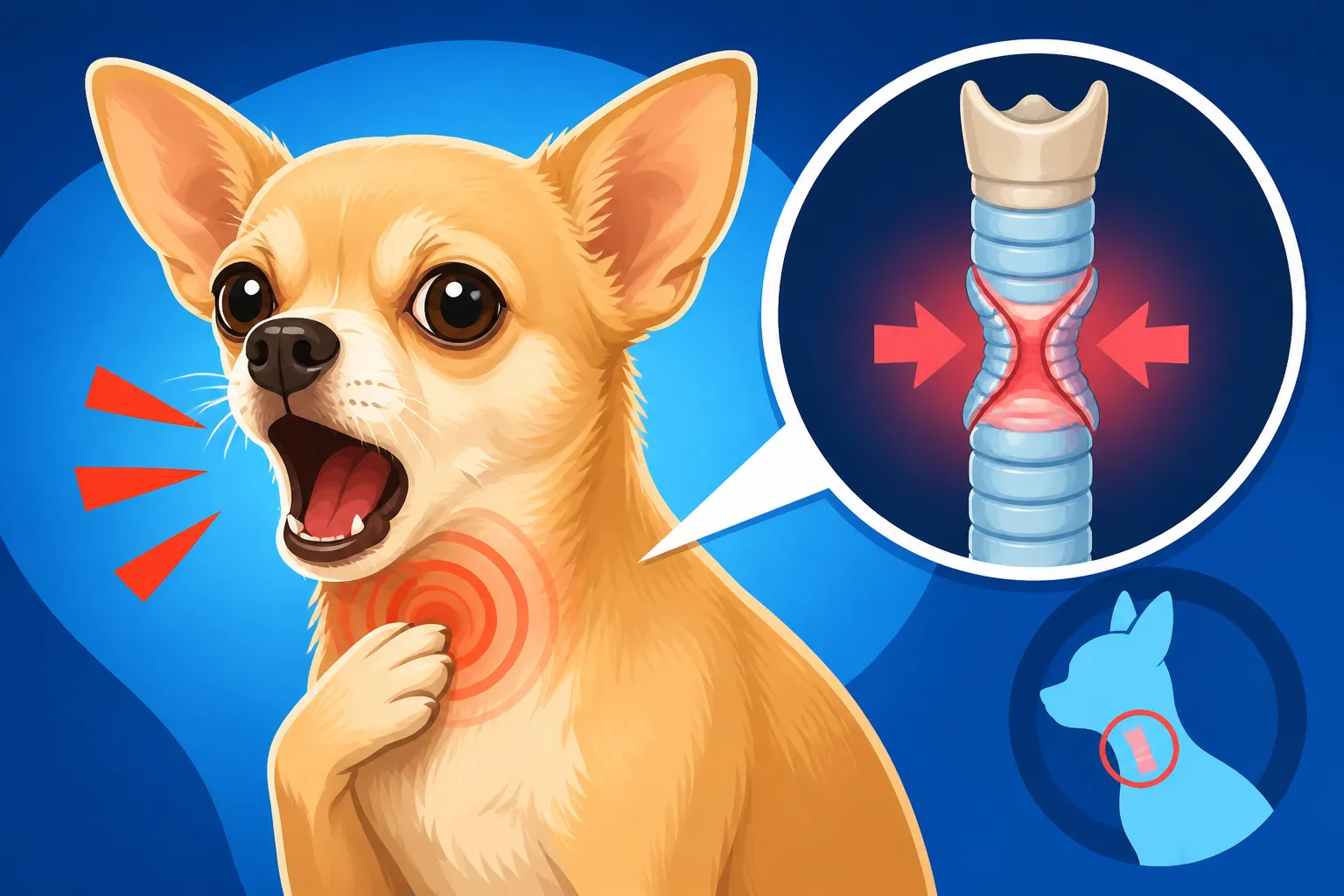
A collapsing trachea sounds like something really dramatic, and for our small Chihuahuas, it truly can be. Imagine your dog's windpipe, or trachea, not as a rigid tube, but as a series of C-shaped cartilage rings. These rings are supposed to keep the airway open, allowing air to flow freely to and from the lungs. In a dog with a collapsing trachea, these rings weaken and lose their rigidity, flattening out and restricting the airway, much like a vacuum cleaner hose that gets squashed. This structural weakness means that with every breath, especially on an exhale, the trachea can narrow significantly, leading to that characteristic honking cough.
The Anatomy Behind the Collapse
The trachea runs from the voice box (larynx) down into the lungs, acting as the main conduit for air. It's lined with delicate tissue and supported by these cartilaginous rings. In Chihuahuas, and many other toy breeds, there's often a congenital predisposition to having weaker cartilage in this area. It's not necessarily something that happens overnight; it's often a gradual weakening over time, sometimes exacerbated by external factors. When the cartilage softens, the top membrane of the trachea starts to sag inwards. This sagging is what essentially "collapses" the airway. It can happen anywhere along the windpipe, but it's most common in the cervical (neck) region or the intrathoracic (chest) region.
Why Chihuahuas Are So Prone
It’s a sad fact that Chihuahuas are disproportionately affected by collapsing trachea. Their small size, delicate bone structure, and genetic predisposition contribute significantly. While larger dogs can develop similar respiratory issues, the mechanics of a collapsing trachea are particularly problematic for a tiny dog with such a small airway to begin with. Their trachea is already narrow, so even a slight collapse can cause significant obstruction. Moreover, the inherent excitement and energetic nature of many Chihuahuas mean they often pull on leashes or get overstimulated, both of which can put extra strain on an already compromised windpipe. It’s part of their unique physiology, and something every Chihuahua owner should be aware of.
Identifying the Honking Cough and Other Symptoms
The hallmark symptom of a collapsing trachea is undeniably the cough – a dry, harsh, often "honking" or "goose-like" sound that many owners initially mistake for something caught in their dog's throat. It’s a very specific sound, and once you hear it, it’s hard to forget. But it’s not the only sign; there are other subtle and not-so-subtle cues that your Chihuahua might be struggling with this condition.
The Characteristic Honking or Goose-Like Cough
This cough isn't like a regular "woof" or a soft hack. It's an abrupt, often violent expulsion of air that truly mimics the sound of a goose honking. It usually comes in fits, lasting anywhere from a few seconds to a minute or more, leaving your little one gasping for breath afterward. It's often triggered by excitement, exercise, drinking water too quickly, or even just pulling on their collar during a walk. Many owners describe it as their dog "trying to clear their throat" but being unable to. When you hear this, it's a strong indicator that something is amiss with their windpipe. This particular sound is why the phrase The Honking Cough of Chihuahua Tracheal Collapse is so commonly used to describe it.
Triggers That Worsen the Cough
Understanding the triggers is crucial for managing the condition. Excitement is a huge one. When your Chihuahua gets worked up greeting you at the door, playing vigorously, or even barking at the mail carrier, the increased airflow and pressure can cause the trachea to temporarily flatten even further. Exercise, especially sustained activity, can also bring on a coughing fit. Drinking water too fast can irritate the trachea, and that immediate cold sensation can prompt a spasm. Perhaps most importantly, any pressure on the neck from a traditional collar can directly compress the already fragile trachea, making the collapse worse and triggering severe coughing. This is why many vets strongly recommend using a harness instead, a topic we'll explore in more detail later with Why a Harness Matters for a Chihuahua Windpipe.
Differentiating from Other Coughs and Respiratory Issues
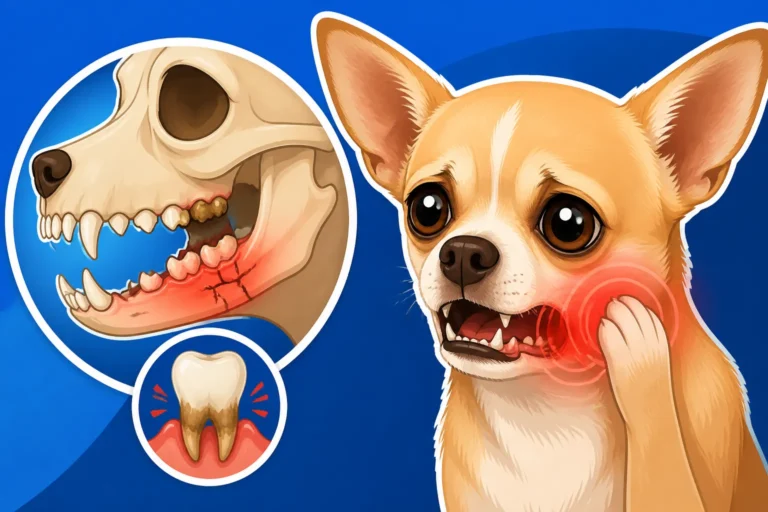
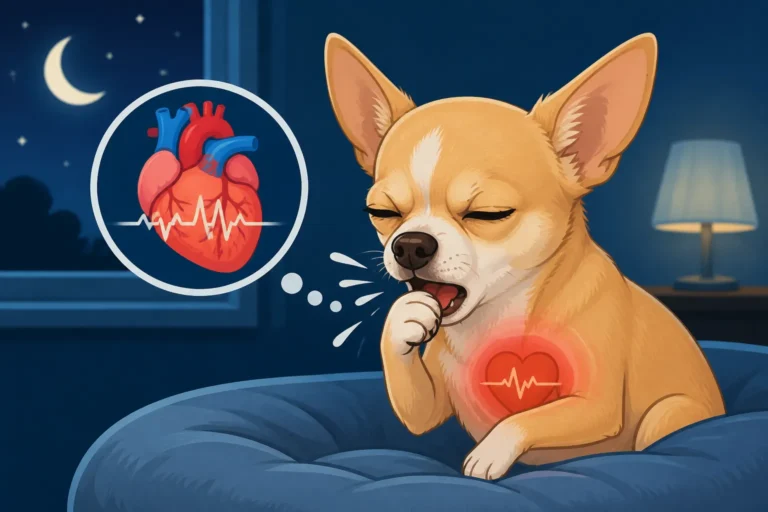
It’s important not to jump to conclusions, even if the honking cough sounds exactly like what you’ve read. Other conditions can mimic respiratory distress. For instance, a reverse sneeze (paroxysmal respiration) is a common, often startling sound in Chihuahuas, where they rapidly pull air in through their nose, making a snorting sound. While it can be alarming, it's usually harmless and resolves on its own. Heart disease, particularly Mitral Valve Disease in an Older Chihuahua, can also cause a cough, often a softer, wetter cough that is more noticeable at night. Allergies or even dental issues can sometimes contribute to respiratory symptoms. A vet visit is essential for an accurate diagnosis, as relying solely on symptom identification can lead to misdiagnosis and inappropriate treatment.
Diagnosing Tracheal Collapse: What Your Vet Will Do
When you bring your Chihuahua to the vet with a suspected collapsing trachea, they won't just take your word for it. A thorough examination and specific diagnostic tests are necessary to confirm the condition, determine its severity, and rule out other potential health issues. This process ensures your dog receives the most effective and tailored treatment plan.
Initial Examination and Palpation
Your vet will start with a comprehensive physical examination. They'll listen to your Chihuahua's heart and lungs, check their overall body condition, and pay close attention to their breathing patterns. A key part of this initial check is palpating (gently feeling) your dog's trachea. By gently pressing along the windpipe in the neck, the vet can often elicit the characteristic honking cough, which is a strong indicator of a collapsing trachea. They'll note how easily the cough is triggered and its intensity. They might also check your dog's gum color to assess oxygenation and overall respiratory effort.
X-Rays and Fluoroscopy
While a physical exam offers clues, definitive diagnosis often requires imaging. Standard X-rays can sometimes reveal a flattened trachea, especially during different phases of respiration (inhalation vs. exhalation). Your vet might take X-rays of your Chihuahua's neck and chest, looking for areas where the trachea appears narrowed. However, because the trachea is dynamic and collapses intermittently, a single still X-ray might miss the event.
This is where fluoroscopy truly shines. Fluoroscopy is essentially a moving X-ray. It allows the vet to observe your Chihuahua's trachea in real-time as they breathe, bark, and even cough. This dynamic imaging is the gold standard for diagnosing tracheal collapse, as it clearly shows the degree and location of the collapse as it happens. It can distinguish between a mild, intermittent collapse and a severe, constant obstruction. Seeing Chihuahua Tracheal Collapse Grades on an X-Ray or fluoroscopy helps categorize the severity, guiding treatment decisions significantly.
Endoscopy and Bronchoscopy
In some cases, particularly if the diagnosis isn't clear from fluoroscopy or if other respiratory issues are suspected, an endoscopy or bronchoscopy might be recommended. This procedure involves inserting a tiny camera down your Chihuahua's windpipe under general anesthesia. It provides a direct visual of the tracheal lining and the extent of the collapse. It also allows the vet to assess for any inflammation, infections, or other abnormalities within the airway. While more invasive, it offers the most detailed view and can be invaluable in complex cases. It's a specialized procedure, often done by an internal medicine specialist.
Management and Treatment Options
Living with a Chihuahua who has a collapsing trachea can feel overwhelming, but the good news is that there are many effective ways to manage the condition. The goal is to reduce symptoms, improve breathing, and enhance your dog's quality of life. Treatment often involves a combination of medical therapy, lifestyle adjustments, and in some severe cases, surgical intervention.
Medical Management with Medications
For most Chihuahuas with collapsing trachea, medical management is the first line of defense. This typically involves a cocktail of medications tailored to their specific symptoms and the severity of the collapse.
- Cough Suppressants: These are often the most crucial medications. Drugs like hydrocodone or butorphanol help to reduce the frequency and intensity of coughing fits. Less coughing means less irritation to the trachea, which can prevent further inflammation and collapse. Your vet will carefully dose these for your tiny dog, often referencing resources like Cough Suppressants Used for a Chihuahua.
- Bronchodilators: These medications help to open up the airways, making it easier for your dog to breathe. They can relax the muscles around the bronchi (the tubes leading into the lungs), which can indirectly alleviate some of the pressure on the trachea.
- Anti-inflammatories: Steroids, such as prednisone, might be prescribed during acute flare-ups to reduce inflammation and swelling in the airway. Long-term use is generally avoided due to side effects, but short courses can be highly effective in providing relief. Non-steroidal anti-inflammatory drugs (NSAIDs) might also be considered in certain situations.
- Sedatives: In cases where anxiety or excitement are major triggers for coughing, a mild sedative might be used, especially in stressful situations like vet visits or travel. This helps keep your Chihuahua calm, reducing the likelihood of a severe coughing episode.
It's important to remember that these medications manage symptoms; they don't "cure" the collapse. Consistent administration and regular vet check-ups are key to finding the right balance for your pet.
Lifestyle Adjustments for Daily Comfort
Beyond medication, altering your Chihuahua's daily routine and environment can make a huge difference in their comfort and symptom control.
- Harness Over Collar: This is non-negotiable for Chihuahuas with a collapsing trachea. A harness distributes pressure across the chest and shoulders, completely removing any strain from the neck and windpipe. Even a gentle tug on a collar can trigger a severe coughing fit. There are many comfortable, well-fitting harnesses designed specifically for tiny breeds like Chihuahuas; prioritize one that doesn't put any pressure on their throat. This simple change is probably the single most impactful lifestyle adjustment you can make.
- Weight Management: Obesity significantly exacerbates tracheal collapse. Extra weight in the chest and neck area adds pressure to the trachea and makes breathing harder overall. Even a pound or two on a tiny Chihuahua can be a major burden. Working with your vet to achieve and maintain a healthy weight is critical. This might involve carefully portioning food and increasing gentle exercise. You can learn more about this in articles discussing Weight Loss as Chihuahua Trachea Treatment and Chihuahua Obesity on a Six Pound Frame.
- Environmental Control: Keeping your home free of irritants is vital. Avoid smoking near your dog, use air purifiers to reduce dust and allergens, and avoid strong chemical cleaners, air fresheners, or perfumes that can irritate their delicate respiratory system. Humidifiers can sometimes help, especially in dry environments, by keeping the airways moist. Also, be mindful of temperature extremes; both very hot, humid air and very cold, dry air can be triggers.
Surgical Interventions
For some Chihuahuas, particularly those with severe, debilitating collapse that doesn't respond to medical and lifestyle management, surgery might be an option. These procedures are complex and often performed by veterinary specialists.
- Tracheal Stent Placement: This is the most common surgical approach for severe cases. A small, self-expanding mesh tube (a stent) is carefully placed inside the collapsed portion of the trachea to hold it open. This provides immediate structural support and allows air to flow freely. While effective, stents are not without risks, including migration, fracture, or chronic irritation that can lead to scarring or further coughing. It's a significant decision with a specialized recovery period, and the costs associated with Stent Surgery for a Chihuahua Trachea can be substantial.
- External Ring Prosthesis: Less common today than stent placement, this involves placing artificial rings around the outside of the trachea to provide support. This is a more invasive open-chest surgery and has a longer recovery time, but it can be very successful in select cases.
Both surgical options require careful consideration, a thorough discussion with your vet and a specialist, and a realistic understanding of the potential benefits and risks.
Living with a Chihuahua with Collapsing Trachea
Adjusting to life with a Chihuahua with a collapsing trachea means making conscious choices every day to support their breathing and minimize discomfort. It's about proactive care, recognizing their limits, and providing a loving, understanding environment. This isn't just about managing a cough; it's about ensuring their overall well-being.
Daily Care and Monitoring
Daily observation is key. Pay close attention to your Chihuahua's breathing. Are they breathing comfortably when at rest? Do they seem more tired than usual? Are their gums a healthy pink, or do they look bluish (a sign of oxygen deprivation)? Keep a log of coughing episodes, noting what might have triggered them and how long they lasted. This information is invaluable for your vet to adjust medications or strategies. Ensure they always have access to fresh water and are eating well, as maintaining energy and hydration is crucial. Regular, gentle exercise is important, but know their limits and avoid pushing them to the point of a coughing fit.
Managing Acute Episodes and Emergencies
Despite your best efforts, your Chihuahua might still have acute coughing episodes or even periods of respiratory distress. It's important to stay calm. If they start a severe coughing fit, try to calm them down. Pick them up gently, offer reassurance, and let them rest quietly in a cool, calm environment. Some vets recommend having a bronchodilator or fast-acting cough suppressant on hand for emergencies. If your Chihuahua is struggling to breathe, gasping, or their gums are turning blue, this is an emergency that requires immediate veterinary attention. Know the location of your nearest emergency vet and don't hesitate to go. It's good to know that pet insurance providers like Healthy Paws can often help with the costs of these unexpected emergency visits, providing peace of mind.
Ensuring Quality of Life
The ultimate goal of managing a collapsing trachea is to give your Chihuahua the best possible quality of life. This means making sure they are comfortable, happy, and can enjoy their daily activities without constant struggle. This might mean adjusting playtime to less strenuous activities, providing ramps for furniture so they don't have to jump, and ensuring their environment is as stress-free as possible. It also means regular vet check-ups to monitor their condition and adjust their treatment plan as needed. While it's a chronic condition, many Chihuahuas with collapsing trachea can live long, fulfilling lives with proper management.
Prevention and Proactive Steps
While tracheal collapse often has a genetic component, there are definitely proactive steps Chihuahua owners can take to minimize the risk or severity of the condition. Even if your Chihuahua hasn't shown symptoms yet, adopting these practices can help protect their delicate windpipe.
The Importance of a Harness from Day One
We've touched on this, but it cannot be stressed enough: a harness is absolutely essential for a Chihuahua, especially if they are predisposed to or have been diagnosed with a collapsing trachea. From the very first day you bring your puppy home, get them used to wearing a harness. Never use a collar and leash for walks or restraint. Even a quick tug can inflict damage on their tiny, fragile trachea over time, or instantly trigger a severe episode if they already have a weakened windpipe. Investing in a comfortable, well-fitting harness that distributes pressure across the chest and shoulders, away from the neck, is one of the most important preventative measures you can take. This topic is so critical that we even have a dedicated article: Why Collar Pressure Damages a Chihuahua Trachea.
Maintaining a Healthy Weight
Keeping your Chihuahua at a lean, healthy weight is another critical preventative measure. We talked about how obesity exacerbates existing collapse, but it also increases the risk of developing it. Excess fat around the neck and chest puts constant pressure on the trachea. It also makes breathing harder in general, causing more strain on the respiratory system. Work with your vet to determine the ideal weight for your Chihuahua and stick to a strict feeding regimen. Remember, for a tiny dog, even a few extra ounces can make a significant difference. Discuss healthy portion sizes and appropriate low-calorie treats with your vet.
Environmental Considerations
Creating a clean, calm, and smoke-free environment is paramount. Exposure to cigarette smoke, even secondhand, is a major irritant for any dog's respiratory system, but especially for one with a delicate trachea. Avoid using strong air fresheners, scented candles, or harsh cleaning products that release irritating fumes. If you live in an area with high pollen counts or air pollution, consider using an air purifier indoors. Also, think about temperature extremes. Chihuahuas are sensitive to cold, but extremely hot and humid weather can also make breathing more difficult. Ensure your home is a comfortable, stable temperature, and use appropriate outerwear for walks in cold weather.
Understanding the Long-Term Outlook
Hearing that your Chihuahua has a collapsing trachea can feel like a life sentence for them, and for you, the caregiver. It's a chronic condition, and it's natural to worry about what the future holds. While it’s true there’s no outright "cure" in many cases, understanding the long-term outlook can help you manage expectations and prepare for ongoing care.
Prognosis and Quality of Life
The prognosis for a Chihuahua with a collapsing trachea largely depends on the severity of the collapse and how well it responds to treatment. Many Chihuahuas with mild to moderate collapse, especially with good medical management and strict lifestyle changes, can live very long, happy lives. Their quality of life can be excellent, with only occasional, manageable coughing episodes. For those with severe collapse, particularly if it affects the intrathoracic (chest) portion of the trachea, the prognosis can be more guarded. Even with surgery, ongoing medical management is often necessary. The key is consistent care and adapting to their needs. Pet insurance plans like those from Healthy Paws can be incredibly beneficial in covering the recurring costs of medications and vet visits associated with chronic conditions, making long-term care more feasible.
Potential Complications Over Time
While managing the symptoms effectively, it's also important to be aware of potential complications that can arise over time. Chronic coughing and irritation can lead to inflammation and thickening of the tracheal lining, potentially worsening the collapse or making it harder to treat. Some Chihuahuas might develop secondary respiratory infections (like bronchitis) due to their compromised airways. In severe, untreated cases, chronic oxygen deprivation can put a strain on the heart, leading to secondary heart problems. This is why vigilance and consistent veterinary care are so important. Regular check-ups allow your vet to catch and address these issues early, preventing them from escalating.
The Role of Ongoing Veterinary Care
Living with a chronic condition means a lifelong partnership with your veterinarian. Regular follow-up appointments are crucial to monitor your Chihuahua's progress, adjust medication dosages, and perform necessary diagnostic tests. Your vet might recommend periodic X-rays to check the tracheal status or blood work to monitor the effects of long-term medications. They can also provide guidance on diet, exercise, and environmental modifications as your Chihuahua ages. Don’t hesitate to reach out to them if you notice any significant changes in your dog's breathing or overall well-being. This ongoing, proactive care is what truly makes a difference in maintaining your Chihuahua's health and comfort for years to come.
Common Misconceptions About Tracheal Collapse
When you're dealing with something as scary as your tiny dog struggling to breathe, it's easy to fall prey to misinformation or misunderstandings. Let's clear up some common myths surrounding collapsing trachea in Chihuahuas, ensuring you have the clearest, most accurate information.
"They'll Grow Out of It"
This is a really common and dangerous misconception. Unfortunately, a collapsing trachea is a structural issue, often genetic, and it does not resolve on its own. While puppies might have milder symptoms that seem to improve as they grow, the underlying cartilage weakness remains. In fact, for many Chihuahuas, the condition can worsen with age, as the cartilage continues to weaken and the body puts more stress on the airway. Early diagnosis and intervention with preventative measures, like switching to a harness and maintaining a healthy weight, are crucial, not just waiting for it to go away.
Collapsing Trachea vs. Reverse Sneeze
As mentioned earlier, these two conditions are often confused, but they are very different. A reverse sneeze is a paroxysm of inward snorting, often triggered by irritants or excitement, and it typically resolves within a minute without intervention. It's usually harmless, if alarming. Collapsing trachea, however, produces an outward, honking cough, a gasp for breath, and indicates a structural failure in the windpipe. While both can be triggered by excitement, the sound and underlying cause are distinct. If you're unsure which your Chihuahua is experiencing, record a video of the episode and show it to your vet. They can accurately differentiate between the two.
Self-Diagnosis and Home Remedies
It's tempting to try and diagnose or treat your Chihuahua's cough at home, especially with so much information (and misinformation) available online. However, collapsing trachea requires a professional veterinary diagnosis, often with advanced imaging like fluoroscopy. Without this, you could be misdiagnosing the problem, leading to delayed treatment for a serious condition like heart disease or a severe infection. Relying on unproven home remedies can also be dangerous, potentially exacerbating the problem or preventing your dog from getting the actual medical care they need. Always consult with a veterinarian first. This is where investing in a good pet insurance policy, such as one from Healthy Paws, can be incredibly helpful; it allows you to pursue prompt professional diagnosis and treatment without financial hesitation, protecting your beloved pet’s health.
Comprehensive Comparison of Tracheal Collapse Grades
Understanding the different grades of tracheal collapse can help you grasp the severity of your Chihuahua's condition and the implications for their treatment plan. Vets typically use a grading system from I to IV, based on the percentage of tracheal lumen reduction.
| Grade | Description of Collapse | Symptoms Commonly Observed | Treatment Approach |
|---|---|---|---|
| Grade I | Up to 25% narrowing of the tracheal lumen. | Intermittent, mild, dry cough, often triggered by excitement or collar pull. May be asymptomatic for long periods. | Primarily lifestyle modification (harness, weight), environmental control. Mild cough suppressants as needed. |
| Grade II | 25-50% narrowing of the tracheal lumen. | More frequent, moderate honking cough, especially with exercise or excitement. Mild respiratory distress during episodes. | Lifestyle modification, consistent medical management (cough suppressants, anti-inflammatories). |
| Grade III | 50-75% narrowing of the tracheal lumen. | Persistent, severe coughing, noticeable respiratory effort, gasping, potentially cyanosis (bluish gums) during severe episodes. Reduced exercise tolerance. | Aggressive medical management, potentially sedatives. Consideration for surgical intervention (stent). |
| Grade IV | 75-100% narrowing of the tracheal lumen, almost complete collapse. | Chronic, severe respiratory distress, constant coughing, significant difficulty breathing, easily fatigued, frequent cyanosis, can be life-threatening. | Intensive medical therapy, often requiring oxygen. Strong consideration for surgical intervention (stent) if a candidate. |
This table provides a general overview. Each Chihuahua is an individual, and their response to treatment and the progression of the disease can vary. Regular consultation with your vet is paramount to tailoring the best possible care for your unique companion.
Disclaimer
The information provided in this article is for educational and informational purposes only and does not constitute veterinary advice. Always consult with a qualified veterinarian for any health concerns or before making any decisions about your pet's medical care.