A Chihuahua That Trembles Around Strangers
It's incredibly disheartening and often puzzling when your beloved Chihuahua, who is typically a confident little companion at home, starts to tremble uncontrollably the moment a stranger enters the room or approaches them outdoors. Many owners mistakenly believe this is just a "Chihuahua thing" or that their dog is simply cold, but often, that trembling is a clear, unmistakable sign of fear or anxiety. This guide will walk you through the real reasons behind a Chihuahua's trembling around strangers, help you understand their often-subtle cues, and equip you with practical strategies to build their confidence and make these encounters less stressful for everyone involved.
Understanding Why Your Chihuahua Trembles Around Strangers
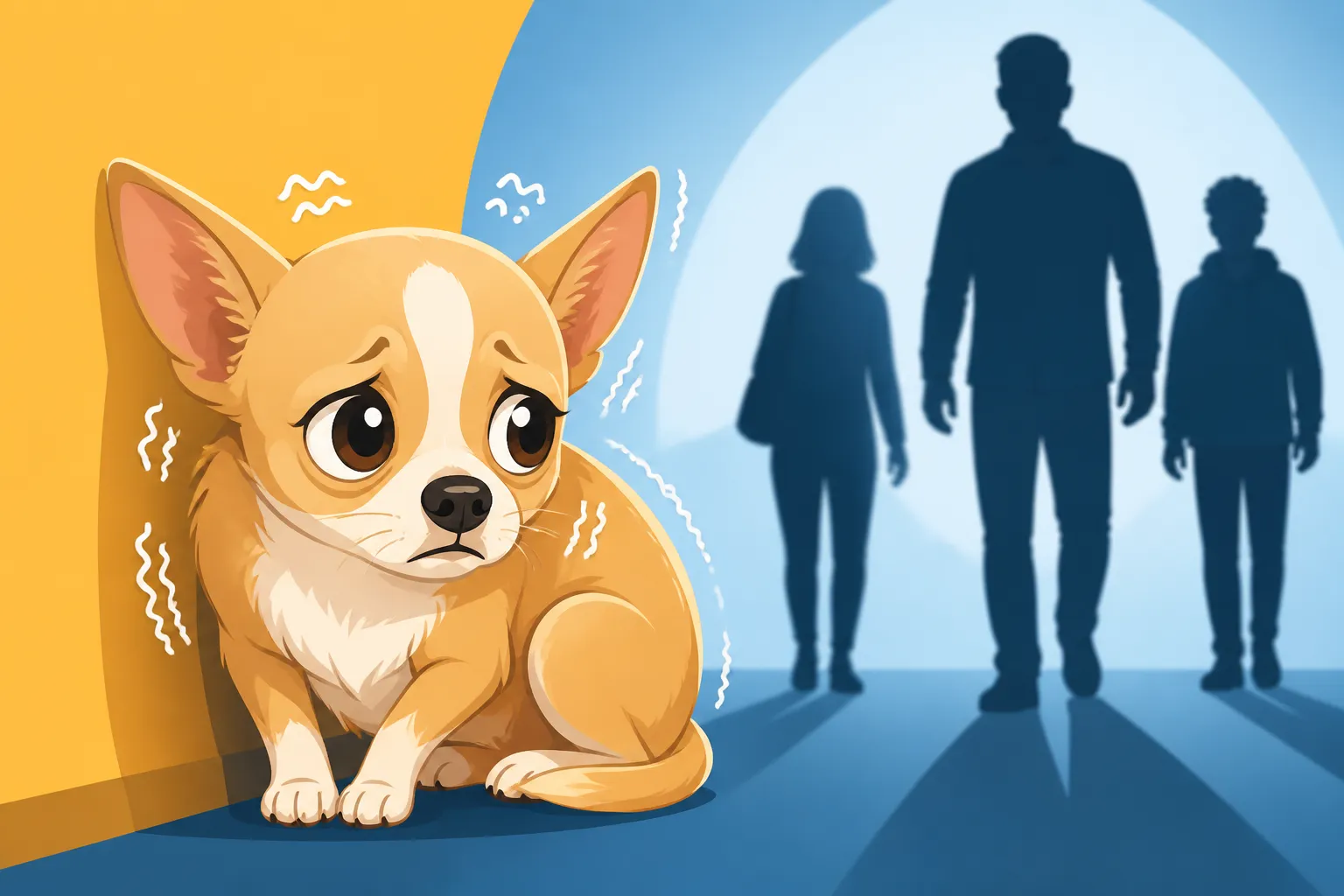
When you see your Chihuahua trembling, it's easy to assume the worst or, conversely, to dismiss it as nothing. But in most cases, especially around new people, it's a powerful indicator of emotional distress. Your Chihuahua isn't shaking because they're being dramatic; they're communicating a profound sense of unease or even terror in a world that often feels overwhelmingly large and unpredictable.
The Overwhelming World of a Small Dog
Imagine living in a world where everyone else is at least ten times your size, towering over you, moving quickly, and making loud noises. That's often the reality for a Chihuahua. A stranger, even one with the best intentions, can appear as a giant, looming presence. This size disparity immediately puts them on high alert. Their primary defense mechanism isn't usually aggression, but rather a combination of avoidance and displaying extreme fear signals to make the perceived threat back off. Trembling is one of those signals. It's an involuntary physical response to high levels of adrenaline and cortisol flooding their system, preparing them for a "fight or flight" scenario, even if they often choose "freeze" or "flee."
Many people also make the mistake of attributing a Chihuahua's fear to something called "small dog syndrome," as if it's an inherent genetic flaw. But let me tell you, as someone who's spent years with these incredible dogs, Small Dog Syndrome and Why It Is Not Genetic is a crucial concept to understand. It's not a genetic condition; it's a learned behavior often inadvertently reinforced by owners who don't apply the same training and socialization principles to their tiny dogs as they would to a larger breed. Because they're small, their fearful reactions might be excused or even, sadly, found amusing, which prevents them from learning how to cope healthily.
When Trembling is More Than Just Cold
While Chihuahuas certainly get cold easily due to their minimal body fat and small size – a topic we explore in depth in Why a Chihuahua Shivers Indoors – the trembling we're discussing around strangers is usually distinct. If your Chihuahua is physically warm, perhaps snuggled in a blanket or wearing a sweater indoors, but still shaking when Aunt Carol comes over, it's highly likely to be an emotional response.
This emotional trembling can manifest in various situations:
- New Guests in the Home: The most common scenario. A knock at the door, the sound of new voices, and unfamiliar scents can immediately trigger anxiety.
- Outdoors Encounters: A stranger approaching them on a walk, especially if they try to pet your Chihuahua without warning, can be terrifying.
- Vet Visits or Groomers: These are environments already filled with unfamiliar people and sensations, making trembling a common fear response.
- New Environments: Taking your Chihuahua to a friend's house or a new park can also bring on this fear, as new people are part of the equation.
It's vital to differentiate between trembling from cold and trembling from fear. If it's cold, warming them up will stop it. If it's fear, warming them up won't resolve the underlying anxiety; in fact, being held tightly by a stranger while trembling can make the fear worse.
Reading the Full Picture: Beyond Just Trembling
Trembling is often just one piece of a larger puzzle of fear-based body language. To truly help your Chihuahua, you need to become fluent in their entire communication, recognizing subtle cues that come before the trembling escalates, and those that accompany it. Understanding Chihuahua Body Language Before a Snap can prevent escalating situations.
Subtle Signs of Stress and Anxiety
Before your Chihuahua starts to visibly shake, they are likely giving off a series of other, often overlooked, signals. Think of these as warning whispers before the shout:
- Lip Licking: A quick, often subtle flick of the tongue over their lips, even when no food is present. This is a common calming signal they use to try and de-escalate their own stress or communicate discomfort.
- Yawning: Not necessarily because they're tired! Yawning, especially a wide, deliberate yawn, can be another sign of stress.
- Turning Head/Body Away: If a stranger is approaching or reaching out, your Chihuahua might turn their head to avoid eye contact, or even try to shift their entire body away. This is a polite request for space.
- Whale Eye: You might see the whites of their eyes showing, often a crescent shape above or below the iris. This is a significant indicator of stress or feeling trapped, and it's something you should always pay attention to, as explored in Reading a Chihuahua's Whale Eye.
- Tucked Tail: A low or tucked tail pressed against their belly is a classic sign of fear.
- Lowered Body Posture: They might crouch low to the ground, trying to make themselves smaller and less noticeable.
- Freezing: Sometimes, a Chihuahua will simply freeze in place, becoming completely still. This is often a precursor to a bite if they feel cornered, as discussed in A Chihuahua That Freezes Before It Bites. They're hoping if they don't move, the threat will pass.
When these subtle signs are ignored, the trembling often intensifies, and they might escalate to growling, barking, or even snapping as a last resort. Your job is to intervene and advocate for them long before they reach that point.
The Escalation Ladder of Fear
It's helpful to think of a "ladder of aggression" or, more accurately, a ladder of distress. Trembling is usually high up this ladder, meaning your dog is already significantly uncomfortable.
| Stress Level | Common Chihuahua Behaviors | Owner Action Needed |
|---|---|---|
| Low/Subtle | Lip lick, yawn, soft gaze, turning head away, sniffing ground excessively | Create distance, observe, provide a safe space, no direct interaction. |
| Moderate | Freezing, low tail, lowered body, whale eye, avoiding eye contact, shaking | Immediately remove from situation, create barrier, ensure no forced interaction. |
| High | Trembling, growling, tense body, barking, snapping, attempts to bite | Urgent removal, consult professional behaviorist, extreme caution. |
Many Chihuahuas are conditioned to skip the lower rungs of this ladder because their early, subtle warnings were missed or punished. They learn quickly that to get a human to understand their distress, they have to go straight to the more overt signs like trembling or barking. This is why What a Chihuahua Growl Is Actually Telling You is so important – it's a critical communication, not a defiance.
Steps to Help Your Chihuahua Feel Safer Around Strangers
Helping a Chihuahua who trembles around strangers isn't about "fixing" them overnight; it's about building trust, teaching them coping mechanisms, and managing their environment. This is a journey of patience and consistent effort.
Creating a Safe Space and Predictable Routines
One of the most immediate and effective things you can do is to provide your Chihuahua with a designated safe space where they can retreat when strangers are present. This could be their crate, a cozy bed under a table, or even a designated room. The key is that this space is theirs alone, and no one, especially a stranger, should ever disturb them there.
- Crate Training: If your Chihuahua is crate trained, ensure their crate is a comfortable, private den. You can cover it with a blanket to make it feel more secure. This is not for punishment; it's their personal sanctuary. Chihuahua Crate Size and Setup provides excellent guidance on making it just right for them.
- Designated Retreat Area: If not a crate, set up a comfy bed or a "nest" in a quiet corner of the room or a separate room entirely. When a stranger comes over, direct your Chihuahua to this spot before the guest arrives, or as soon as you know someone is coming.
- Predictability: Chihuahuas thrive on routine. Try to make stranger interactions as predictable as possible. For instance, if you know someone is visiting, give your Chihuahua a high-value chew or a puzzle toy in their safe space before the guest even knocks. This creates a positive association with the arrival of guests.
Remember, the goal isn't to force interaction, but to empower your Chihuahua to choose their level of engagement, or non-engagement, with strangers.
Controlled Introductions and Positive Reinforcement
Forceful or overly enthusiastic introductions are often the biggest mistake owners make. Instead, adopt a slow, controlled, and positive approach.
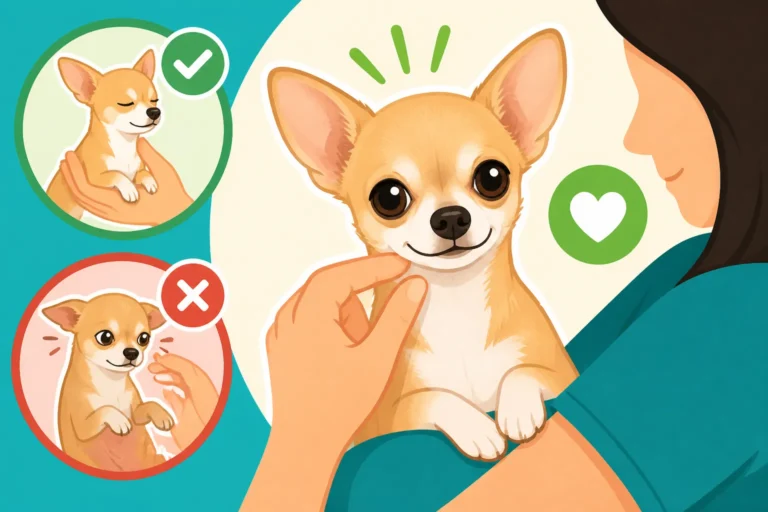
- The "No-Touch, No-Talk, No-Eye Contact" Rule: When a stranger enters your home, ask them to completely ignore your Chihuahua initially. They should not try to pet, talk to, or even make eye contact with your trembling dog. This removes perceived pressure. A nervous Chihuahua often interprets direct attention as threatening.
- Scattering Treats: Ask your guest to occasionally (and casually) toss high-value treats (think tiny pieces of cooked chicken or cheese) on the floor away from them, as your Chihuahua observes them from a distance. The goal is to create a positive association: "Stranger means good things happen!" This is a classic method of Counter-Conditioning a Fearful Chihuahua. You can easily find small, appropriate training treats on Amazon.
- Gradual Approach: Only when your Chihuahua chooses to approach the stranger, or shows relaxed body language, should the stranger slowly offer a hand, palm up, for sniffing. Still no direct petting until the dog explicitly leans in or solicits it. Remember, your Chihuahua should always have an escape route.
- Short and Sweet: Keep initial interactions brief. Even five minutes of calm, positive exposure is more beneficial than a stressful hour.
Consistency is key. Every time your Chihuahua has a positive or neutral experience with a stranger, it helps to build Building a Chihuahua's Confidence Outdoors and indoors. For ongoing support and structured training plans that emphasize positive reinforcement, platforms like BAXTER & Bella offer excellent online resources that are suitable for even the tiniest learners.
Training for Confidence and Coping Skills
Beyond managing encounters, specific training can significantly boost your Chihuahua's confidence and give them tools to navigate stressful situations.
- "Go to Your Mat/Place" Command: Teach your Chihuahua to go to a designated mat or bed and stay there until released. This gives you a clear command to use when guests arrive, providing structure and a safe spot for them to observe from. Reward heavily for staying on the mat calmly.
- "Watch Me" Command: This teaches your Chihuahua to make eye contact with you, diverting their attention from something scary to you, their trusted leader. This can be invaluable when a stranger is nearby.
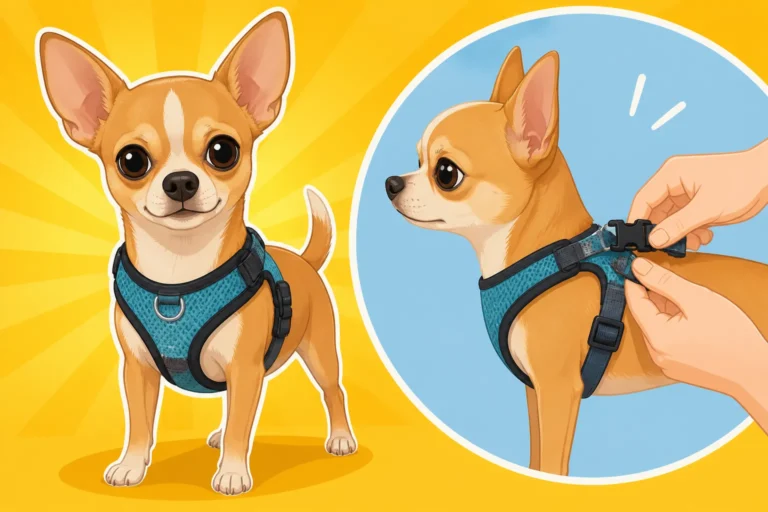
- Leash Manners: Even indoors, having your Chihuahua on a leash with a harness (never a collar, as it can damage their delicate trachea, a concern explored in Why a Harness Matters for a Chihuahua Windpipe) can give you more control during introductions and prevent them from bolting.
- Desensitization and Exposure (Carefully!): Slowly and carefully expose your Chihuahua to various sights, sounds, and non-threatening people from a distance. For example, sitting with them at a park bench and rewarding them for calm behavior as people walk by, without direct interaction. The key word here is "gradual" – you don't want to flood them, which means overwhelming them with too much too fast.
The training gap that often occurs with Chihuahuas, where owners don't invest in serious obedience, leads to many behavioral issues. The Training Gap Chihuahua Owners Create highlights why treating your Chihuahua like any other dog in training is crucial for their well-being.
When to Seek Professional Help for Fearful Trembling
Sometimes, despite your best efforts, a Chihuahua's fear and trembling around strangers can be deeply ingrained or stem from past trauma. This is when professional help becomes not just advisable, but essential.
Identifying When Fear is Beyond Home Management
How do you know if it's time to call in the pros? Look for these signs:
- No Improvement: You've been consistently applying the techniques above for several weeks or months, and you see little to no positive change.
- Escalating Behavior: The trembling is escalating to consistent growling, snapping, or even biting. This is a serious safety concern for both your dog and others.
- Severe Panic: Your Chihuahua becomes inconsolable, uncontrollably shaking, panting, salivating, or attempting to hide for extended periods after a stranger leaves.
- Fear Spills Over: Their fear of strangers starts to generalize to other situations, making them anxious in everyday life.
- Sudden Onset: If the fear and trembling are a sudden new behavior, it's always wise to rule out any underlying medical conditions first, as pain or illness can cause behavioral changes.
It's important to remember that severe fear reactivity is a welfare issue for your dog. They are suffering, and they need expert guidance.
Finding the Right Professional for Your Chihuahua
Not all trainers are created equal, especially when it comes to fearful or reactive dogs. You need someone who understands positive reinforcement and the unique needs of a tiny breed.
- Certified Professional Dog Trainer (CPDT-KA) or Certified Dog Behavior Consultant (CDBC): Look for these certifications. They indicate a commitment to ethical, science-based training methods.
- Experience with Small Breeds: Explicitly ask if they have experience working with Chihuahuas or other toy breeds on fear and reactivity. A good trainer understands that what works for a Labrador might need adjustment for a six-pound Chihuahua. Finding a Trainer Who Takes a Chihuahua Seriously delves into how to properly vet a professional.
- Force-Free and Positive Reinforcement: Absolutely avoid anyone who suggests harsh corrections, punishment, or dominance theory. These methods will only increase your Chihuahua's fear and damage your bond.
- Veterinary Behaviorist: For very severe cases, especially if medication might be considered as part of a comprehensive behavior modification plan, a veterinary behaviorist (a vet with specialized training in behavior) can be an invaluable resource.
Working with a professional means you'll have a tailored plan, expert guidance, and the support needed to help your Chihuahua live a more confident, less fearful life. It's an investment in your dog's long-term well-being and happiness.
Disclaimer
This article is for general informational purposes only and does not constitute professional advice. Laws, prices and regulations vary by location and change over time. Consult a qualified professional for guidance on your specific situation.