Settling a Two Pound Chihuahua Puppy Into the House
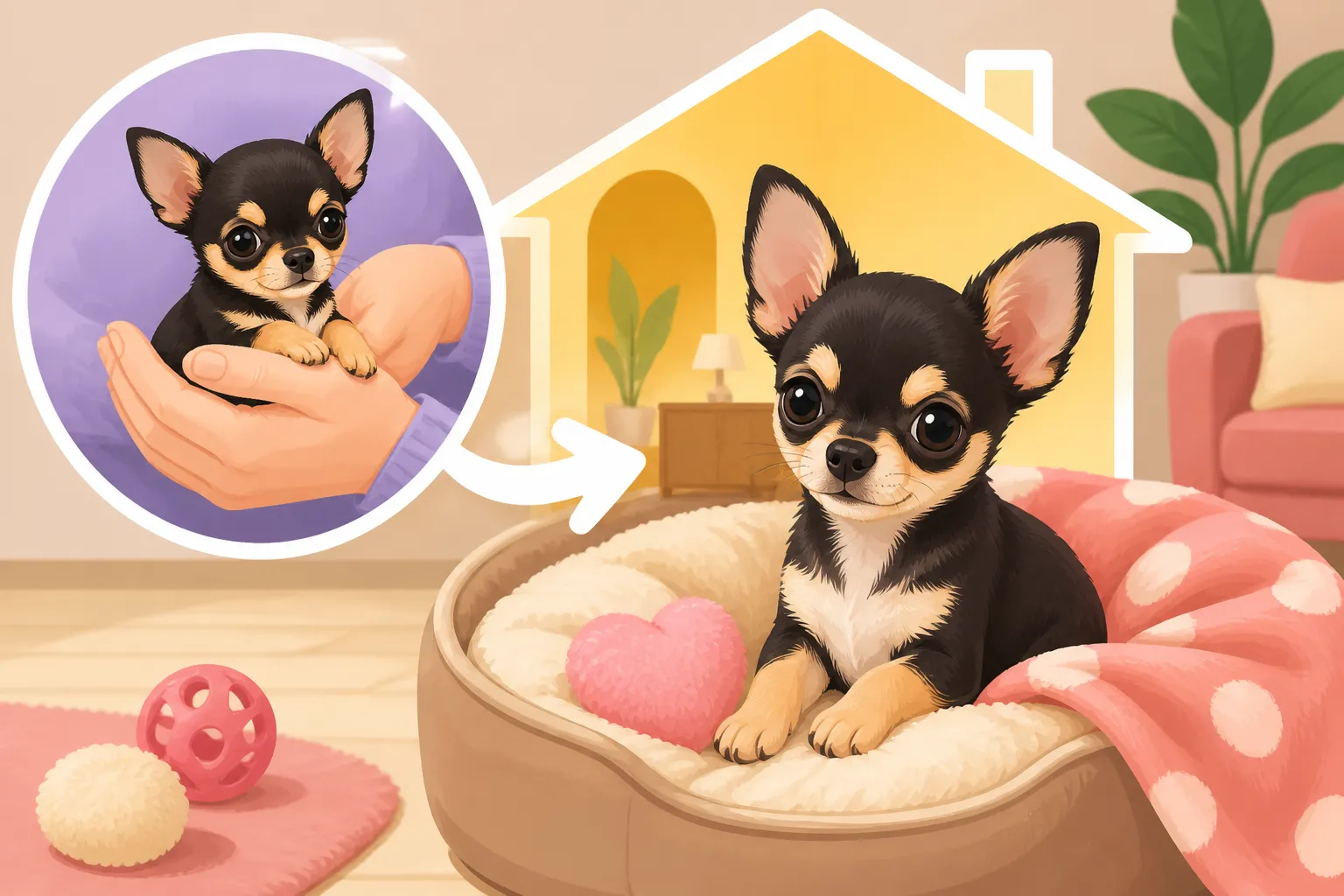
Bringing home a new Chihuahua puppy, especially one as tiny as two pounds, is a moment filled with joy, excitement, and let's be honest, a fair bit of trepidation. You’re holding this incredibly fragile, miniature creature, and suddenly every corner of your home looks like a giant, dangerous obstacle course. This guide is here to walk you through those crucial first days and weeks, ensuring a smooth, safe, and loving transition for your minuscule new family member.
Creating a Safe and Secure Haven
Your two-pound Chihuahua puppy isn't just small; they're incredibly delicate and curious. Their world is suddenly vast and full of potential hazards, many of which you might not even consider for a larger dog. Establishing a secure environment is paramount to their safety and your peace of mind.
Puppy-Proofing for a Miniature Explorer
Think like a tiny adventurer, one who can squeeze through the smallest gaps and chew on anything within reach. Electrical cords are particularly tempting, dangling just at nose height. Houseplants, which might be harmless to a larger dog, could be toxic if a two-pound puppy ingests even a small leaf. Consider cleaning products, medications, and even small objects like coins, buttons, or dropped earrings—anything that can fit into that tiny mouth is a choking hazard. This isn't just about moving things out of the way; it's about seeing your home from their perspective, which is often right at floor level. Remember that even seemingly benign items can be dangerous. A small toy meant for a cat, for example, could be easily swallowed by a two-pound Chihuahua.
Beyond the obvious, examine your furniture. Are there gaps under sofas or recliners where a tiny pup could get stuck or injured by moving parts? Even spaces between couch cushions can be traps. Block off access to stairs, especially if they're slippery, as a fall could lead to serious injury for such a small frame. Invest in solid pet gates that can't be easily nudged open or squeezed under. Many owners find that setting up a specific "puppy zone" within a larger room, using an exercise pen or secure gates, can be incredibly helpful in the beginning. This allows you to control their environment more easily while they adjust.
The Importance of a Designated Safe Space
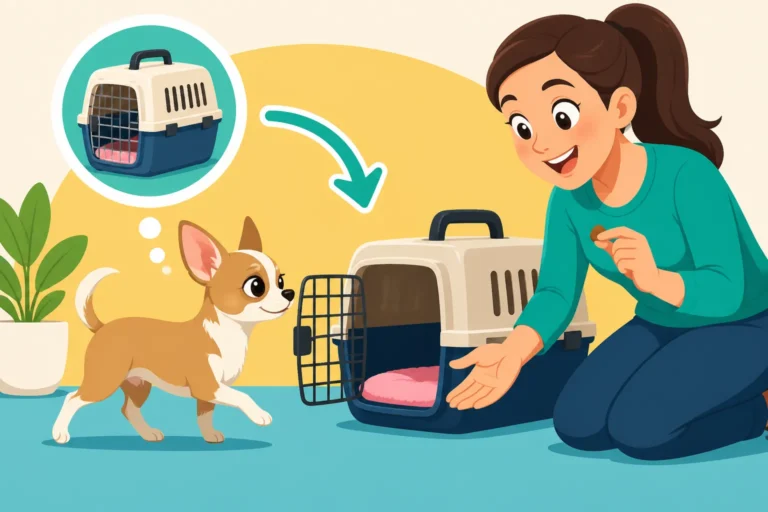
Every puppy, especially a tiny Chihuahua, needs a sanctuary—a private den where they can feel completely safe, warm, and undisturbed. This is usually a crate, not as a punishment, but as their personal bedroom. For a two-pound pup, choose a small, appropriately sized crate. It shouldn't be so large that they can use one end as a potty area. Line it with soft, warm bedding, perhaps a blanket that smells like you, to provide comfort. Chihuahuas, with their minimal body fat, can get chilly easily, so consider a soft blanket they can burrow into or even a small, low-heat heating pad (made specifically for pets) placed under half of the bedding, ensuring they can move off it if they get too warm. Low Body Temperature in a Chihuahua Puppy
Place this safe space in a quiet area of your home, away from high traffic, loud noises, and drafts. It's a place for them to sleep, nap, and decompress from the excitement of a new home. Teach children and other pets that when the puppy is in their crate, they are to be left alone. This helps the puppy build a positive association with their crate, viewing it as their secure retreat. Giving them a cozy, warm hideaway helps to reduce stress and provides a consistent place for them to recharge their tiny batteries. This comfort zone will be invaluable during potty training, nighttime routines, and when they simply need a break from too much activity.
Establishing a Routine for Health and Well-being
Consistency is key for any puppy, but for a two-pound Chihuahua, a reliable routine can literally be a lifesaver, particularly when it comes to managing their delicate metabolism and tiny bladder.
Crucial Feeding Schedules to Prevent Hypoglycemia
Hypoglycemia, or low blood sugar, is a very real and dangerous threat for tiny Chihuahua puppies. Their small bodies burn through calories incredibly fast, and they don't have large reserves of glucose. This means they need to eat small, frequent meals throughout the day. Your breeder should have provided a specific feeding schedule, and sticking to it is critical. The Feeding Schedule a Chihuahua Breeder Sends Home Often, this means feeding every 3-4 hours, sometimes even more frequently for very active or particularly tiny puppies.
Always use a kitchen scale to measure their food precisely; eyeballing it with a scoop simply isn't accurate enough for such a small calorie intake. Monitor your puppy closely for any signs of lethargy, trembling, wobbling, or glassy eyes, which can all indicate a sugar crash. If you notice these symptoms, have a fast-acting glucose source like Karo syrup or a pet-specific glucose gel on hand to rub on their gums immediately, and then contact your vet. You can learn more about this urgent condition in Chihuahua Hypoglycemia and the Puppy Emergency. Consistency with meals will help stabilize their blood sugar and energy levels, setting them up for healthy growth.
Potty Training for a Tiny Bladder
Let's be realistic: a two-pound Chihuahua puppy has a bladder the size of a thimble. Expect frequent potty breaks. Like, very frequent. Often, a good rule of thumb is that a puppy can hold their bladder for about one hour per month of age, plus one hour. So, a two-month-old puppy might only last three hours. But for tiny Chihuahuas, it's often much less, especially when they're awake and active. This means taking them out (or to their designated indoor potty area) every 30-60 minutes when they're awake, immediately after waking up, after playing, and after eating or drinking.
You'll need a consistent potty spot, whether it's outside in a safe, quiet patch of grass or an indoor potty pad. Many Chihuahua owners find indoor potty solutions invaluable, especially in cold weather or for puppies too small to navigate the outdoor world safely. Be lavish with praise and small, high-value treats (broken into tiny pieces) the instant they eliminate in the correct spot. Never punish accidents; simply clean them thoroughly with an enzymatic cleaner to eliminate odors that might attract them back to the same spot. Consistency and patience are your best friends here, and remember, this is a marathon, not a sprint. For more in-depth advice, check out How Many Weeks Chihuahua Potty Training Takes.
Gentle Socialization and Handling
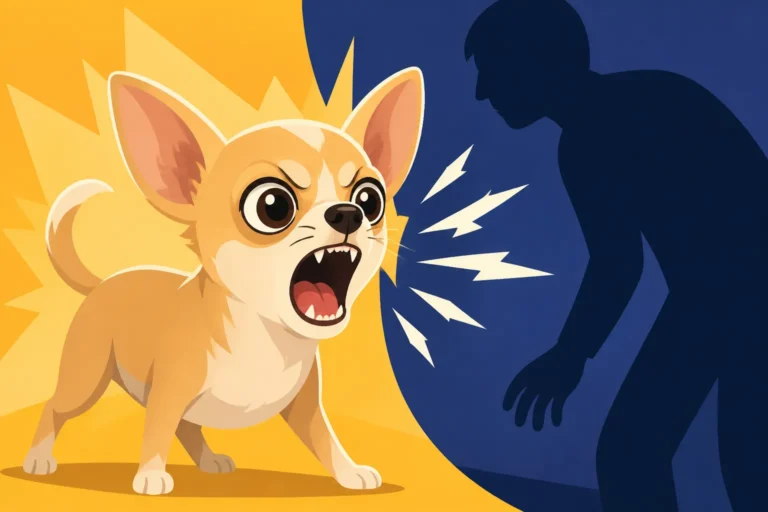
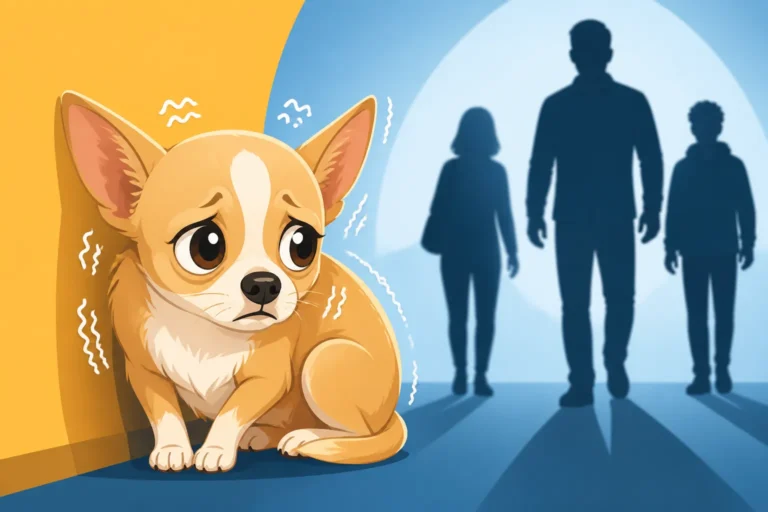
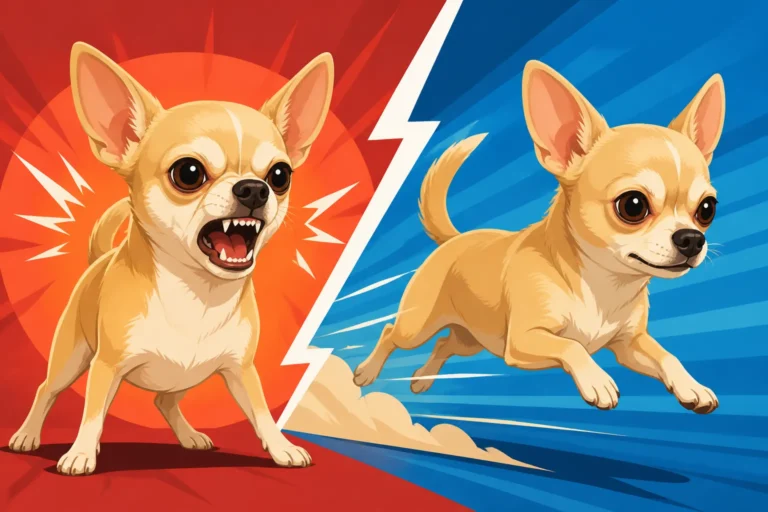
A two-pound Chihuahua puppy needs careful handling and positive socialization experiences. Because they are so small, it's easy for owners to accidentally over-protect them, which can lead to fear and reactivity down the line.
Introducing Your Puppy to the Family
The first introductions to family members should be calm and controlled. Instruct everyone to speak in soft voices, move slowly, and offer a gentle hand for sniffing before attempting to pet. Remind children, especially, that this puppy is not a toy and is incredibly fragile. Supervise all interactions closely. Instead of letting excited children rush in, have them sit on the floor and allow the puppy to approach them at their own pace. Encourage gentle strokes rather than picking up, especially until the puppy feels more secure. When they are ready to be picked up, teach everyone how to support their tiny body properly, scooping them up gently with two hands to support both their chest and hindquarters. Why Harsh Handling Damages a Chihuahua Fast
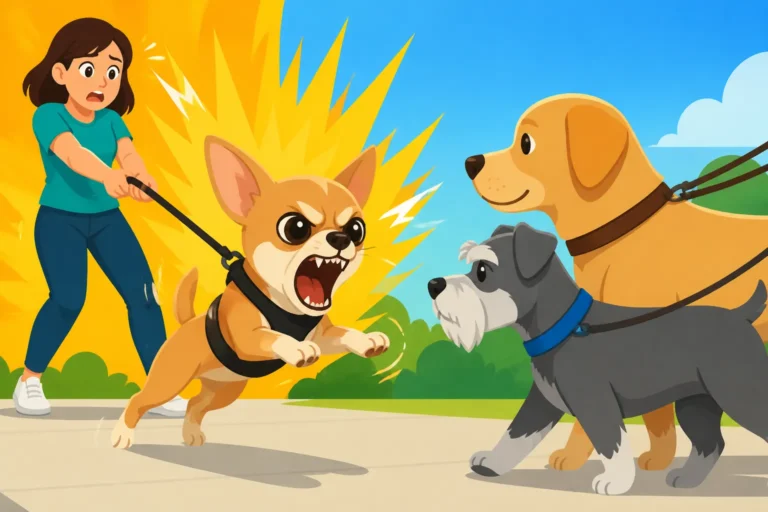
For other household pets, introductions should be gradual and carefully managed. A large dog, even a gentle giant, could accidentally injure a two-pound Chihuahua simply by playing too boisterously. Keep initial meetings short, on leash, and in a neutral territory if possible, always allowing a safe escape route for the puppy. Positive reinforcement for calm behavior from both sides is crucial. Remember, your goal is to build confidence, not instill fear.
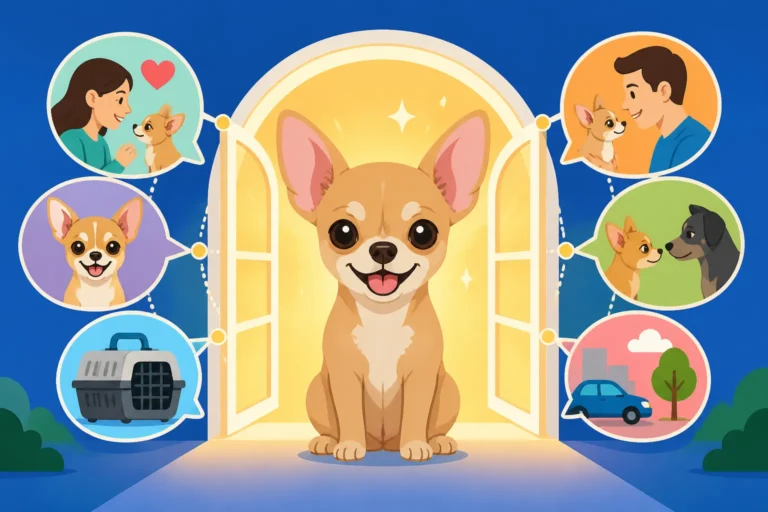
Early, Positive Socialization Experiences
The "socialization window" for puppies is a critical period, typically ending around 16 weeks of age. During this time, positive exposure to new sights, sounds, smells, people, and appropriate animals helps shape a well-adjusted adult dog. For a two-pound Chihuahua, this means controlled exposure, not overwhelming experiences. The Chihuahua Socialization Window and Its Deadline Avoid crowded dog parks, as the risk of injury from larger, boisterous dogs is simply too high. Instead, focus on individual, positive encounters.
Take your puppy on short walks in a quiet neighborhood, letting them hear traffic noises, see people passing by, and feel different surfaces under their paws. Introduce them to calm, vaccinated adult dogs of a similar size (or very gentle, known larger dogs) one-on-one. Puppy classes specifically designed for small breeds can be fantastic, offering safe play and training opportunities. Never force an interaction; always allow your puppy to retreat if they feel overwhelmed. The goal is positive associations, not just exposure. Holding your tiny pup securely while sitting on a park bench, letting them observe the world from a safe vantage point, can be a great start. Introducing a Chihuahua to Bigger Dogs Safely
Essential Supplies and Early Training Foundations
Getting your tiny Chihuahua puppy settled in isn't just about creating a safe space; it's also about equipping yourself with the right tools and beginning the crucial work of positive reinforcement training.
Must-Have Gear for a Two-Pound Puppy
Preparing for your two-pound Chihuahua involves acquiring items specifically designed for their miniature size. Forget standard dog bowls; you’ll need tiny, shallow dishes for food and water. For their walks, a well-fitting harness is absolutely essential. A collar can put dangerous pressure on a Chihuahua’s delicate trachea, so a harness that distributes pressure across their chest and shoulders is the safest option. Why a Harness Matters for a Chihuahua Windpipe You can find excellent options on Amazon, ensuring a secure and comfortable fit for even the smallest pup. Look for harnesses with adjustable straps to accommodate their growth.
For playtime, select toys that are both small enough for their tiny mouth to grasp and durable enough not to be easily chewed into dangerous fragments. Soft plush toys, crinkly toys, and miniature chew toys are often big hits. You'll also need a comfortable, warm bed that allows them to burrow, as Chihuahuas adore nesting. A soft blanket or two for extra warmth will be appreciated, especially if your home gets chilly, since Why a Chihuahua Has Almost No Body Fat. Don't forget nail clippers sized for tiny paws and a soft brush for either a smooth or long coat, depending on your puppy's variety.
| Item Type | Specific Need for 2lb Chihuahua | Why It's Important |
|---|---|---|
| Crate | Small, cozy, den-like; plastic or wire with soft bedding | Provides a secure retreat and aids in potty training. |
| Bedding | Soft, warm blankets for burrowing; pet-safe heating pad (optional) | Chihuahuas get cold easily; provides comfort and security. |
| Food & Water Bowls | Shallow, small, non-tip; ceramic or stainless steel | Easy for tiny pups to reach; prevents messes; hygienic. |
| Food | High-quality puppy kibble, small size; precisely measured | Essential for healthy growth and preventing hypoglycemia. |
| Harness & Leash | X-Small or XX-Small, secure fit around chest, not neck | Prevents tracheal injury; necessary for safe walks. Harness Fitting on a Chihuahua Chest |
| Toys | Small, durable, non-chokable; plush, chew, puzzle | Mental stimulation, healthy chewing, prevents boredom. |
| Potty Pads | Absorbent, designated indoor spot | Aids in potty training, especially for frequent breaks or bad weather. |
| Enzymatic Cleaner | Specialized for pet accidents | Eliminates odors, discourages repeat accidents. |
| Glucose Gel/Syrup | Fast-acting sugar source | Emergency treatment for hypoglycemia. |
| Identification | Microchip, lightweight tag with contact info | Critical for safety if your tiny pup ever gets lost. |
Starting Basic Manners Training
Never underestimate a Chihuahua's capacity to learn, even at two pounds! They are intelligent and eager to please, and starting basic manners training early will lay a strong foundation for a well-behaved companion. Keep training sessions very short—just 2-3 minutes at a time—and always make them positive and fun. Use tiny, high-value treats that won't upset their small stomach, and break them into pea-sized (or even smaller) portions.
Focus on foundational commands like "sit," "stay" (for very short durations), and especially "come." A solid "come" command can be a lifesaver for such a small dog. Use a clicker or a verbal marker word ("yes!") to pinpoint the exact moment your puppy performs the desired behavior, followed immediately by a reward. Marker Training a Chihuahua From Eight Weeks Remember that patience and consistency are your greatest allies. An online puppy program, such as those offered by BAXTER & Bella, can be incredibly helpful for new owners, providing structured lessons and support from the comfort of your home, tailored to even the smallest breeds. These programs often break down complex behaviors into manageable steps, perfect for a little pup with a short attention span. Gentle handling during training will also build trust and reinforce positive associations with you and the learning process. Why a Chihuahua Deserves Real Obedience Training
Disclaimer
This article is for general informational purposes only and does not constitute professional advice. Laws, prices and regulations vary by location and change over time. Consult a qualified professional for guidance on your specific situation.