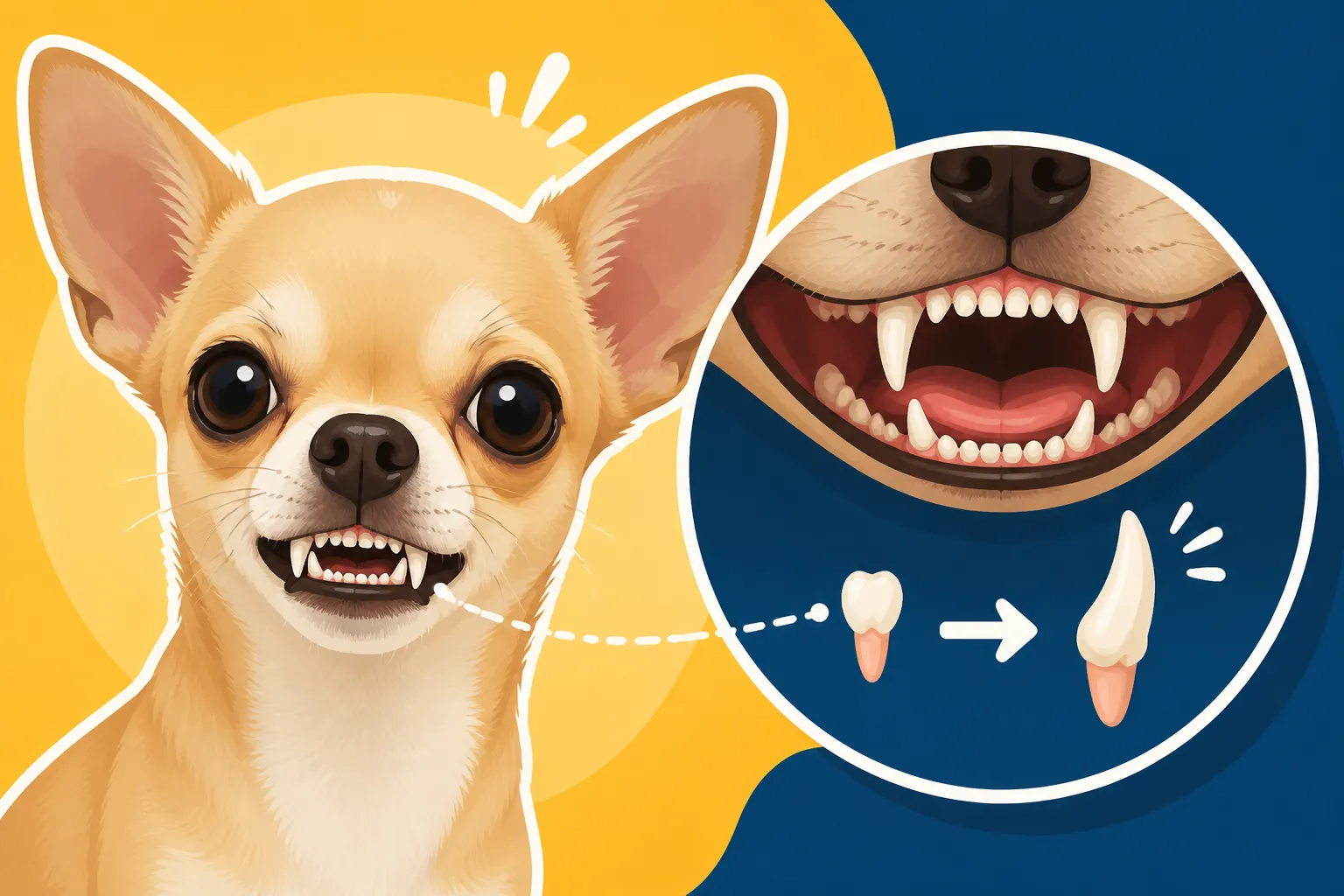
Why a Chihuahua Keeps Its Puppy Canines
It can be incredibly disheartening, and frankly, a bit confusing, when you look into your adorable Chihuahua puppy's mouth and see not one, but two sets of teeth where there should only be one. Many dedicated Chihuahua parents experience the worry of retained puppy canines, a common dental issue that can lead to significant pain and health problems if not addressed. This guide is here to demystify why this happens in our tiny companions, what to watch for, and the crucial steps you need to take to ensure your little one’s long-term oral health.
Understanding Retained Deciduous Teeth in Chihuahuas
When we talk about "retained deciduous teeth," we're simply referring to those cute, sharp puppy teeth that just don't want to fall out, even though their adult counterparts are trying their best to emerge. While all puppies go through a teething phase, Chihuahuas are particularly predisposed to this common issue. It's not just an aesthetic concern; it’s a genuine health risk that can impact their comfort and longevity.
The Anatomy of Puppy Teeth vs. Adult Teeth
Just like human babies, puppies are born without teeth, and their first set, known as deciduous teeth or "milk teeth," emerges within the first few weeks of life. For Chihuahuas, these tiny, needle-sharp teeth typically start to appear around 3-4 weeks of age. There are generally 28 deciduous teeth in a puppy's mouth. These temporary teeth have roots that are meant to resorb, or dissolve, as the permanent adult teeth push up beneath them. This resorption process weakens the puppy tooth's anchorage, allowing it to fall out easily, usually between three and six months of age.
However, adult teeth are a whole different ballgame. A fully mature Chihuahua should have 42 adult teeth, including powerful canines, incisors, premolars, and molars. These permanent teeth are larger, stronger, and designed to last a lifetime, assuming proper care. When a puppy tooth's root doesn't resorb completely, it stubbornly stays put, blocking the adult tooth from erupting in its correct position. This creates what veterinarians often refer to as a "double tooth" situation, which is far more than just a quirky smile.
Why Chihuahuas Are Prone to Retention
You might wonder why your tiny Chihuahua seems to have more dental drama than, say, a Golden Retriever. The truth is, toy breeds, and Chihuahuas in particular, are disproportionately affected by retained deciduous teeth. One of the primary reasons lies in their genetics and skull structure. Chihuahuas often have a relatively small jawbone, which means there's less space for all those permanent teeth to comfortably fit. Imagine trying to cram a full set of adult furniture into a dollhouse – it just doesn't work.
Furthermore, the angular trajectory of adult teeth attempting to erupt in a small mouth can play a role. Sometimes, the adult tooth simply doesn't push against the root of the puppy tooth in the precise way needed to trigger resorption. This developmental anomaly means that the puppy canine can remain firmly seated even as the permanent canine tries to emerge next to it. This can lead to a condition sometimes called Why a Chihuahua Has Two Rows of Teeth. It’s a genetic predisposition, not a sign you’ve done anything wrong, but it does mean Chihuahua owners need to be extra vigilant.
The Complications of Double Teeth
The presence of retained puppy canines, particularly those stubborn "double teeth" where both the baby and adult canine are present, isn't just a minor inconvenience. It creates a breeding ground for significant oral health problems. First, having two teeth crammed into the space designed for one leads to severe Chihuahua Tooth Crowding and Retained Baby Teeth. This crowding allows food particles and bacteria to easily get trapped between the teeth, making it incredibly difficult for you to clean them, even with daily brushing.
This accumulation of plaque and tartar quickly progresses to periodontal disease, often starting much earlier in Chihuahuas with retained teeth. The constant irritation and inflammation of the gums can lead to gingivitis, pain, and eventually, the loss of adult teeth. Moreover, the misaligned adult tooth might grow at an abnormal angle, potentially causing trauma to the roof of the mouth or opposing gums, leading to chronic pain and infection. It's a cascade of issues that can severely impact your Chihuahua's quality of life, demonstrating why addressing this is not just recommended, but vital.
Spotting the Signs and When to Act
Being proactive about your Chihuahua's dental health is one of the best things you can do for them, especially given their breed's propensity for dental issues. Catching retained deciduous teeth early can save your little one from unnecessary discomfort and more invasive procedures down the line.
What to Look For During Puppyhood
The key to preventing severe complications is regular inspection of your puppy's mouth as they grow. Around three to four months of age, you should start seeing the incisors (the small front teeth) beginning to erupt. The canines, both upper and lower, typically emerge between four and six months. You're looking for a smooth transition where the puppy tooth falls out, and the adult tooth takes its place.
If you see an adult canine emerging next to a puppy canine, forming that "double tooth" appearance, that’s your red flag. Pay close attention to the upper canines especially, as these are very commonly retained. Look for any redness or swelling around the gum line, or any unusual odor coming from their mouth. Sometimes, the puppy tooth might simply feel loose but just won't come out. Don't try to pull it out yourself – you could easily fracture the root or damage the developing adult tooth. Instead, make a note to discuss it with your veterinarian immediately. This vigilance is a crucial part of your Chihuahua Puppy Curriculum Month by Month.
The Importance of Timely Veterinary Checks
Regular veterinary check-ups are paramount during your Chihuahua’s puppyhood for many reasons, but dental assessment is high on that list. Your vet will perform a thorough oral examination at each visit, specifically looking for signs of retained deciduous teeth. Most vets recommend addressing retained teeth by six months of age, or sometimes even earlier if the adult tooth is significantly misaligned. Waiting too long allows the adult tooth to settle into an incorrect position, potentially making future orthodontic correction more difficult or even impossible.
If your vet identifies retained teeth, they will recommend extraction. This isn't a procedure to postpone, as the longer the puppy teeth remain, the greater the risk of Chihuahua Dental Disease in a Crowded Small Jaw, gum inflammation, and damage to the permanent teeth. Don't hesitate to ask your vet any questions you have about the process or the potential costs involved. Many pet insurance providers, like Healthy Paws, offer coverage for necessary extractions, helping to ease the financial burden of these important procedures.
Addressing the Issue Before It Becomes a Bigger Problem
Ignoring retained puppy teeth is a recipe for long-term dental problems. Think about it this way: every day those double teeth remain, they are contributing to food entrapment and plaque buildup. This significantly speeds up the onset of periodontal disease. While it might seem daunting to put your tiny pup through a surgical procedure, the long-term benefits far outweigh the risks. Timely extraction not only prevents dental disease but also ensures that the adult teeth have the best chance to erupt into their correct positions, promoting a healthy bite and overall oral comfort.
Moreover, addressing this issue proactively can prevent more serious complications down the road, such as chronic pain, gingivitis, and even jaw infections. Early intervention means a quicker, less complicated procedure and faster recovery for your Chihuahua. It's about setting them up for a lifetime of healthy chewing and avoiding the kind of severe dental issues that often lead to A Chihuahua Missing Half Its Teeth by middle age.
The Extraction Process and Post-Procedure Care
When your vet recommends extracting those stubborn puppy canines, it's natural to feel a little apprehensive. However, this is a routine procedure for toy breeds, and understanding what to expect can ease your worries.
The Surgical Procedure for Retained Canines
The extraction of retained deciduous teeth is a surgical procedure performed under general anesthesia. Your veterinarian will conduct pre-anesthetic bloodwork to ensure your Chihuahua is healthy enough for the anesthesia, especially important for small breeds where Anesthesia Risk During a Chihuahua Dental needs careful management. They might also suggest an electrocardiogram (ECG) if there are any heart concerns. Once safely under anesthesia, the vet will carefully extract the retained puppy teeth. This involves making a small incision in the gum, loosening the tooth's attachments, and ensuring the entire root is removed. Sometimes, sutures are placed to help the gum heal.
It’s crucial that the entire root is removed. If a portion of the root remains, it can lead to ongoing pain, infection, or even damage to the permanent tooth. Many clinics will use dental X-rays to confirm that no root fragments are left behind, especially when dealing with those notoriously long canine roots. The procedure is typically straightforward, but it requires a skilled hand, given the delicate nature of a Chihuahua’s small mouth. This procedure is often combined with your Chihuahua’s first How Young a Chihuahua Needs Its First Dental cleaning, if they haven't had one already, as it's an opportunity to thoroughly assess and clean the emerging adult teeth.
Recovery and Aftercare at Home
After the extraction, your Chihuahua will likely be a bit groggy from the anesthesia. The veterinary team will monitor them closely as they wake up, ensuring they are warm and comfortable. When you bring your little one home, you'll typically receive instructions for pain management, which usually involves oral pain medication for a few days. You might also be given antibiotics to prevent infection. Soft food will be recommended for at least a week to allow the extraction sites to heal without irritation. Avoid hard kibble, chew toys, or anything that could put pressure on the healing gums.
Monitor your Chihuahua for any signs of discomfort, swelling, or excessive drooling. Their appetite should return to normal fairly quickly, but if they seem reluctant to eat or are showing signs of significant pain, contact your vet. Keeping them calm and limiting strenuous activity for a few days will aid in a smooth recovery. While it’s tempting to coddle them, gentle handling and sticking to the vet's instructions are key. It’s a good idea to keep your pet insurance handy, like your Healthy Paws policy, in case any unexpected complications arise during recovery, though they are rare.
Long-Term Oral Health Management
Once the retained puppy canines are out, the focus shifts to maintaining excellent oral hygiene for your Chihuahua's permanent teeth. This is a lifelong commitment for any dog owner, but especially for Chihuahuas who are prone to Chihuahua dental disease even without retained puppy teeth. Daily tooth brushing is the gold standard for preventing plaque and tartar buildup. Invest in a small, soft-bristled toothbrush and enzymatic toothpaste specifically designed for dogs. Start slow, making it a positive experience, and aim for at least a minute of brushing each day.
| Dental Development Stage | Normal Observation | Signs of Retained Deciduous Teeth | Action Required |
|---|---|---|---|
| 3-4 Weeks | Puppy teeth begin to erupt | N/A (too early for retention issues) | Regular checks |
| 4-6 Months | Puppy incisors fall out, adult incisors emerge | Adult incisors emerging next to puppy incisors | Consult vet soon |
| 5-7 Months | Puppy canines fall out, adult canines emerge | Adult canines emerging next to puppy canines | Immediate vet visit |
| 7+ Months | All adult teeth should be in place, puppy teeth gone | Any puppy tooth still present alongside an adult one | Prompt extraction needed |
Beyond brushing, your vet will likely recommend professional dental cleanings under anesthesia every one to two years, depending on how quickly your Chihuahua builds up Chihuahua Tartar Building Up by Age Three. These cleanings allow the vet to thoroughly scale away plaque and tartar, polish the teeth, and conduct a comprehensive oral exam, including dental X-rays, to check for any issues below the gum line. Companies like Healthy Paws can help manage the costs associated with these routine, yet critical, dental procedures. It’s an investment in your Chihuahua's overall health and well-being, helping them live their full, wonderfully long lifespan comfortably.
Disclaimer
This article is intended for informational purposes only and does not constitute veterinary advice. Always consult with a qualified veterinarian for any health concerns or before making any decisions about your Chihuahua's care.