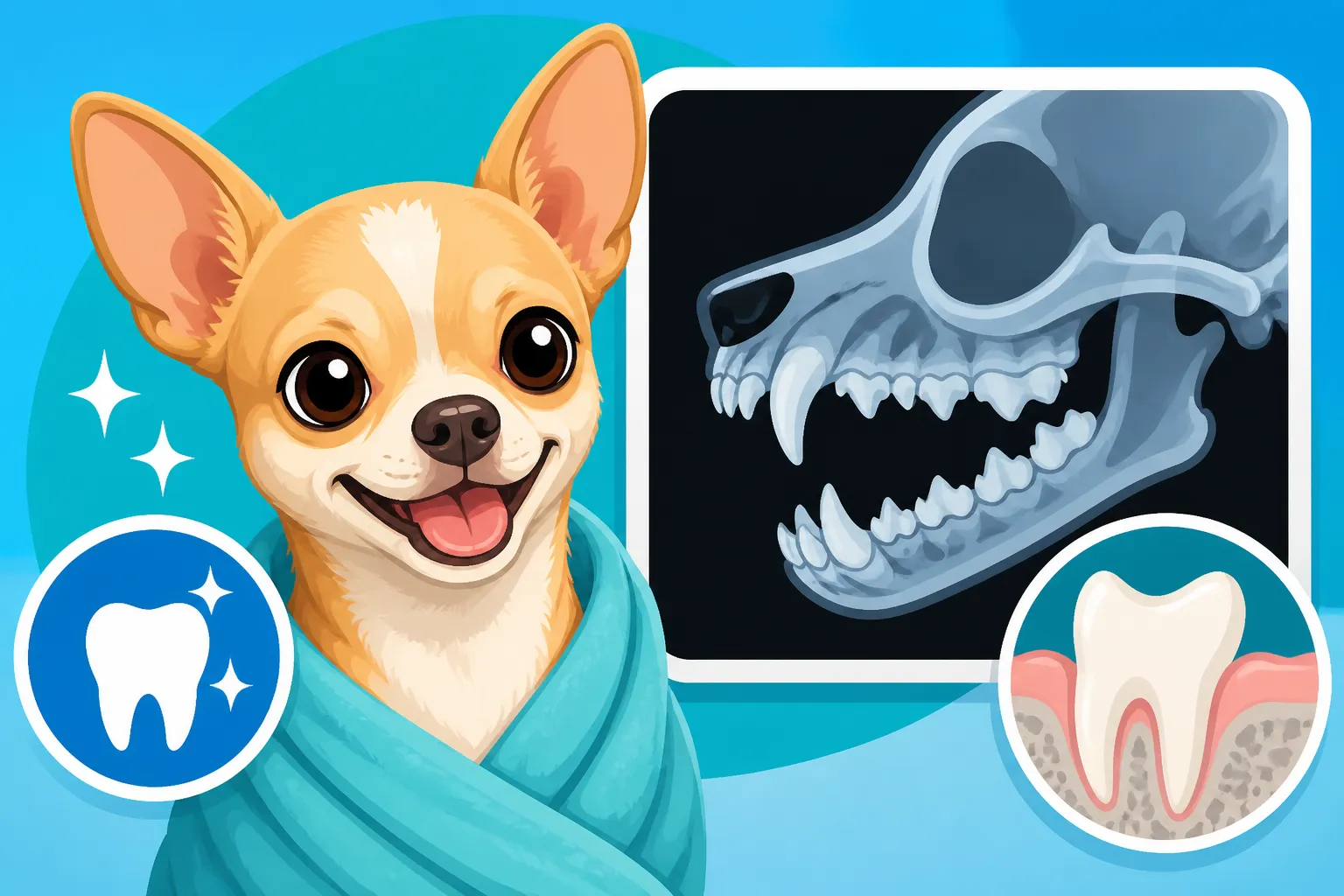
Dental X-Rays Added to a Chihuahua Cleaning
It’s easy to feel a jolt of surprise, or even a little sticker shock, when your veterinarian suggests adding dental X-rays to your Chihuahua’s routine cleaning. You might wonder, “Are they really necessary for such a tiny mouth?” Believe me, it’s a perfectly valid question that many dedicated Chihuahua owners ask. The truth is, these small, delicate creatures come with unique dental challenges that make X-rays not just an upsell, but an absolutely crucial part of maintaining their health, often revealing hidden issues that could be causing silent pain or lead to much more expensive problems down the line. This guide will walk you through exactly why those X-rays are so important and what they uncover.
The Hidden World Beneath Your Chihuahua's Gums
When you look at your Chihuahua's tiny mouth, you see only a fraction of what's truly going on. Dental disease in dogs, especially small breeds like Chihuahuas, isn't just about bad breath or visible tartar on the surface of the teeth. A significant portion of the problem lies hidden beneath the gum line, where the most damaging and painful issues develop unnoticed by the naked eye. This is precisely why dental X-rays are so indispensable.
Why X-Rays Are More Critical for Chihuahuas
Chihuahuas possess uniquely crowded mouths, a characteristic of many toy breeds. Their jaws are simply too small to comfortably accommodate all 42 adult teeth, leading to rotation, misalignment, and teeth sitting uncomfortably close together. This crowding creates perfect little traps for food particles and bacteria, accelerating the formation of plaque and tartar, even with diligent home care. Because their teeth are often so tightly packed, it’s incredibly difficult for a veterinarian to properly assess each tooth without specialized imaging. You can imagine trying to inspect every nook and cranny of a complex puzzle with tiny pieces, only seeing the very top layer.
Furthermore, Chihuahuas are notorious for retaining their deciduous, or "baby," teeth long after the adult teeth have erupted. These persistent baby teeth can further crowd the mouth, trap debris, and even deflect the adult teeth into incorrect positions. Without X-rays, it's impossible to tell if a retained baby tooth is simply "stuck" or if it’s causing damage to the root of the permanent tooth next to it. Early detection of such issues is key to preventing long-term pain and costly complications. The breed's propensity for these issues is why Chihuahua Dental Disease in a Crowded Small Jaw is such a prevalent concern.
What Dental X-Rays Actually Reveal
Dental X-rays open up an entirely new dimension of diagnostic information that a visual exam simply cannot provide. Think of it as looking at the blueprint of a house versus just seeing its exterior. With X-rays, your vet can peer into the roots of each tooth, examine the bone supporting them, and identify issues that are entirely invisible otherwise.
For instance, they can detect painful root abscesses, where infection has eaten away at the bone around the tooth root, often without any outward signs until the disease is very advanced. X-rays also reveal bone loss around the roots, a clear indicator of periodontal disease, which can lead to tooth mobility and eventual loss. Sometimes, teeth can be missing or impacted beneath the gum line, causing cysts or discomfort. In a tiny jaw, un-erupted teeth or cysts can weaken the bone significantly, making it vulnerable to fractures. In a worst-case scenario, X-rays can even pinpoint the presence of oral tumors that might otherwise go unnoticed until they're much larger and more difficult to treat. These hidden problems can be incredibly painful for your Chihuahua, and X-rays allow for early intervention, often preventing much more severe problems down the line.
The Procedure: What to Expect During Your Chihuahua's Dental X-Rays
Understanding the process of how dental X-rays are performed can alleviate much of the anxiety many owners feel. It’s not just about snapping a picture; it’s a precise and carefully managed medical procedure, especially for such a small and delicate patient.
The Anesthesia Aspect
One of the primary concerns for many Chihuahua owners, and understandably so, is the need for general anesthesia during any dental procedure, including X-rays. It’s true that anesthesia always carries some degree of risk, but for dental X-rays and cleanings, it's absolutely non-negotiable for several critical reasons. Firstly, even the most cooperative Chihuahua cannot lie perfectly still with their mouth open wide enough for the precise positioning required to get diagnostic quality X-ray images. Imagine trying to take clear pictures of something inside a wiggly, protesting human's mouth without them moving. It’s simply not possible to get accurate images without sedation and pain control.
Secondly, anesthesia allows the veterinary team to perform a thorough and pain-free cleaning, scaling away plaque and tartar both above and below the gum line. This subgingival cleaning is crucial for managing periodontal disease but is uncomfortable and impossible on an awake animal. Modern veterinary anesthesia protocols for small breeds like Chihuahuas are incredibly safe, focusing on minimizing risks. This typically involves comprehensive pre-anesthetic bloodwork to assess organ function, tailored anesthetic drug choices, and meticulous monitoring by a dedicated veterinary nurse throughout the entire procedure. You can learn more about specific risks and safety measures in guides like Anesthesia Risk During a Chihuahua Dental and Chihuahua Vaccination and Anesthesia at Toy Size.
The Imaging Process
Once your Chihuahua is safely anesthetized, the imaging process itself is quite streamlined thanks to advancements in veterinary dentistry. Unlike traditional X-rays that use large film plates, dental X-rays for pets utilize tiny digital sensors designed to fit comfortably inside even a Chihuahua's small mouth. These sensors are strategically placed to capture images of every single tooth, from various angles, to ensure a complete and accurate diagnostic series.
The process involves taking multiple images – often 10 to 12 or even more – to get a full-mouth series. Each image focuses on a specific quadrant or individual tooth, allowing the vet to examine all aspects of the roots, bone structure, and surrounding tissues. Because it's digital radiography, the images appear almost instantly on a computer screen, allowing the veterinary dentist to assess them immediately. This efficiency means your Chihuahua spends less time under anesthesia, further enhancing safety. The detailed images reveal conditions like tooth resorption, retained roots, or cysts that would be completely missed with just a visual inspection.
Understanding the Cost and Value of Dental X-Rays
It's completely normal to consider the financial aspect of veterinary care, especially when unexpected costs arise. Adding dental X-rays to a cleaning isn't a small line item, but it's an investment that typically saves you money and, more importantly, prevents suffering for your beloved Chihuahua in the long run.
Breaking Down the Bill
The cost of dental X-rays is usually added to the base price of a dental cleaning. This fee can vary quite a bit, generally ranging from around $150 to $300 or more, depending on your geographic location, the specific veterinary clinic, and the number of images required for a full-mouth series. A specialist veterinary dentist, for example, might have higher fees than a general practice veterinarian, though they also offer advanced expertise. Keep in mind that this is in addition to the anesthesia, the cleaning itself, and any extractions or medications needed.
It's a common misconception that since Chihuahuas are small, their procedures should be cheaper. However, the exact opposite is often true for dental care. The specialized equipment required for tiny mouths, the increased precision needed, and the higher demands for anesthetic monitoring for a small body weight can actually make toy breed dental work more expensive than for a larger dog. When you ask for an estimate for your Chihuahua's dental, always ensure it includes a line item for full-mouth dental X-rays, as this is standard best practice.
The Long-Term Savings and Health Benefits
While the initial cost of dental X-rays might seem high, consider it an investment in preventive care that can prevent much larger expenses down the road. Without X-rays, hidden issues like root abscesses or jawbone deterioration can fester for months or even years, leading to excruciating pain for your Chihuahua and eventually requiring more invasive, expensive procedures. For example, ignoring early signs of periodontal disease could result in multiple tooth extractions, which individually can cost anywhere from $500 to $1,500 for a single tooth removal. If infection spreads to the jaw, a jaw fracture becomes a very real and devastating possibility, requiring specialized surgical repair that can run into the thousands.
Beyond the financial aspect, the most significant benefit is preventing unnecessary pain and suffering for your little companion. Dogs are incredibly stoic and often hide their discomfort, even when experiencing chronic dental pain. Early detection through X-rays allows for timely intervention, whether that's a targeted extraction, root canal, or other treatment, preserving your Chihuahua's comfort and overall quality of life. Regular X-rays also contribute to the understanding of Why Chihuahuas Lose Teeth Younger Than Big Dogs and help mitigate future issues.
Insurance and Budgeting Considerations
Given the recurring nature of dental issues in Chihuahuas, it’s wise to think about how you'll manage these costs. Pet insurance can be a fantastic tool, and many policies, depending on the plan you choose, will cover a portion of diagnostic procedures like dental X-rays and cleanings. Companies like Healthy Paws often offer comprehensive accident and illness plans, and while routine cleanings might fall under a wellness add-on, diagnostic X-rays for existing conditions are typically covered. It’s always best to check the specifics of your policy or inquire with different providers. You can research options for Chihuahua Pet Insurance and Its Low Premium to see what might fit your budget.
Even with insurance, you'll likely have deductibles and co-pays, so budgeting remains important. Many owners set aside a specific amount each month into a "pet fund" to prepare for these inevitable expenses. Websites like Chewy not only offer a wide array of pet supplies but also resources that can help you understand general pet care costs, though they don't replace direct veterinary advice. While dental chews and water additives can be part of a home care routine, products from companies like Ollie, which focus on fresh food, won't negate the need for professional cleanings and X-rays. Regular budgeting for The Yearly Chihuahua Dental Cleaning Bill and setting aside funds to manage potential complications ensures you're prepared.
Addressing Common Owner Concerns About X-Rays
It's natural to have questions and concerns when your vet recommends a procedure, especially one that involves anesthesia and radiation. Let's tackle some of the most common worries Chihuahua owners express about dental X-rays.
Radiation Exposure Worries
The word "radiation" can sound alarming, and it's absolutely valid to be concerned about your Chihuahua's exposure. However, modern veterinary dental X-ray machines use digital radiography, which significantly reduces radiation exposure compared to older film-based systems. The amount of radiation your Chihuahua receives during a full-mouth dental X-ray series is extremely minimal, comparable to the background radiation we all encounter daily.
Veterinary professionals also take precautions, using lead shielding and proper positioning techniques to minimize any scatter radiation and ensure the safety of both the patient and the staff. The diagnostic benefits of these X-rays, in terms of uncovering painful and dangerous hidden conditions, far outweigh the incredibly small and negligible risk of radiation exposure. Think of it this way: the risk of leaving a painful dental condition undiagnosed is far greater than the minimal risk from the X-ray itself.
Necessity vs. Optional Add-On
It’s easy to feel like dental X-rays are an "optional extra" when your vet mentions them, a service that might inflate the bill. However, for a breed like the Chihuahua, with its predisposition to complex dental issues, dental X-rays are not just an add-on; they are considered the gold standard of care and an essential diagnostic tool. Many reputable veterinary dental organizations, including the American Veterinary Dental College, advocate for full-mouth X-rays as part of every comprehensive dental cleaning.
Without them, a veterinarian is essentially performing guesswork. They can clean the visible surfaces and extract obviously loose or diseased teeth, but they have no way of knowing what's brewing beneath the gums. This means painful conditions could be missed, leading to prolonged suffering for your Chihuahua and the need for another anesthetic procedure down the line when the problem finally becomes evident. Prioritizing X-rays is about proactive, thorough care that addresses the root cause of dental issues, not just the visible symptoms, ensuring a healthier and happier life for your tiny companion. This proactive approach can significantly impact your Chihuahua's overall health and prevent issues that cause Chihuahua Bad Breath and What It Means to be more than just an odor.
Visual Exam vs. Full Dental X-Ray Series for Chihuahuas
To really drive home the importance, let's look at what a visual exam can and cannot do compared to a full dental X-ray series for your Chihuahua.
| Feature | Visual Oral Exam (Conscious or Anesthetized) | Full-Mouth Dental X-Ray Series (Anesthetized) |
|---|---|---|
| Visibility | Limited to surfaces above the gum line | Reveals structures below the gum line (roots, jawbone) |
| Detected Issues | Tartar, gingivitis, loose teeth, visibly fractured crowns, oral masses | Bone loss, root abscesses, un-erupted/impacted teeth, cysts, jaw fractures, tumors |
| Pain Assessment | Only identifies obvious pain points (e.g., severe inflammation) | Identifies hidden sources of chronic pain and infection |
| Accuracy | High potential for missing significant pathology | Comprehensive, detailed diagnostic picture for accurate treatment planning |
| Procedure | Quick, no anesthesia if conscious; limited if anesthetized | Requires general anesthesia for precise positioning |
| Cost | Generally included in exam fee or lower cost | Additional cost to cleaning, but highly diagnostic |
| Prevention | Addresses visible plaque, helps maintain oral hygiene | Enables early intervention for hidden issues, preventing future complications |
Disclaimer
This article is intended for informational purposes only and is not a substitute for professional veterinary advice. Always consult with your veterinarian regarding your Chihuahua's specific health needs and treatment plans.