Chihuahua Separation Anxiety and Time Alone
One of the most heartbreaking challenges a Chihuahua owner can face is witnessing their tiny companion dissolve into a puddle of panic and destruction the moment they step out the door. It’s not just a little whining or a bit of mischief; true separation anxiety in a Chihuahua is a profound distress, a fear of abandonment that can lead to anything from incessant barking to frantic attempts to escape, often resulting in injury. This guide is here to walk you through understanding this common yet complex issue, recognizing its subtle and overt signs, and most importantly, giving you actionable strategies to help your beloved Chihuahua feel safe and secure, even when you’re not right there beside them.
Understanding Chihuahua Separation Anxiety
It's easy to dismiss a Chihuahua's clinginess as just "being a Chihuahua," especially when they're so small and adorable curled up on your lap. But there's a world of difference between a dog who loves to be close to you and one who experiences genuine, debilitating panic when left alone. Understanding this distinction is the first critical step toward helping your little one.
What Separation Anxiety Truly Means for a Chihuahua
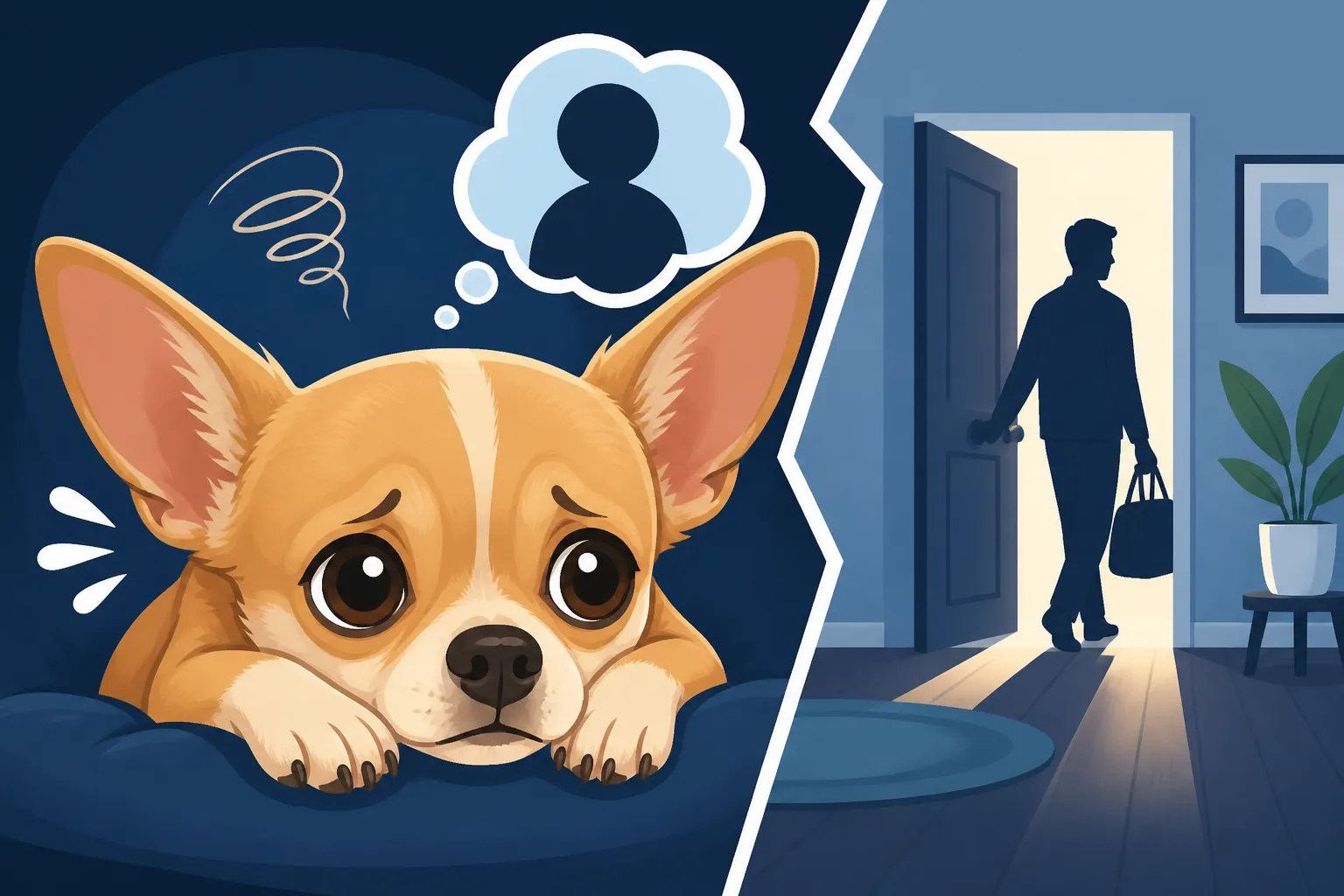
Separation anxiety isn't a behavior problem in the traditional sense; it's a panic disorder. For a Chihuahua, whose entire world often revolves around their primary human, being left alone can trigger an intense fight-or-flight response. Their small size often means they’re more vulnerable and perceive threats more keenly, amplifying this anxiety. They aren't being "naughty" or "stubborn"; they are genuinely suffering from extreme fear, akin to a human having a panic attack. Their frantic actions—the barking, the chewing, the pacing—are desperate attempts to cope with overwhelming stress and to try to get you to return. It’s a primal fear of being separated from their pack, a survival instinct gone into overdrive.
Differentiating Normal Clinginess from True Anxiety
Many Chihuahuas are naturally affectionate and prefer to be near their people. They might follow you from room to room, settle at your feet, or demand lap time. This is normal, healthy attachment. True separation anxiety, however, manifests specifically when the dog is left alone. The behaviors are often intense, consistent, and only happen in your absence. If your Chihuahua whines a bit when you close the bathroom door but then settles down, that's likely normal. If, however, they begin to hyperventilate, attempt to scratch through the door, or destroy furniture every time you leave, that’s a strong indicator of anxiety. A key differentiator is the context: normal clinginess occurs even when you're present but not giving them full attention; anxiety is triggered by your physical absence.
The Emotional Impact on Both Dog and Owner
Living with a Chihuahua who suffers from separation anxiety is incredibly draining, both for the dog and for you. Your Chihuahua endures immense emotional pain, feeling abandoned and unsafe for hours at a time. This chronic stress can lead to other health issues over time, from digestive problems to a weakened immune system. For owners, the guilt is profound. You worry constantly, dreading leaving the house. The damage to your home, the complaints from neighbors about barking, and the constant stress of managing the problem can erode your peace of mind. It can feel like you're trapped, unable to enjoy normal activities without immense anxiety of your own. It's a heavy burden, and it's vital to recognize that your feelings are valid.
Identifying the Signs of Separation Anxiety in Chihuahuas
Chihuahuas, being masters of subtle communication, often show signs of distress even before you realize what's happening. Recognizing these cues is crucial because early intervention can make a huge difference. Sometimes the signs are overt, making it impossible to ignore, but other times they are quieter, requiring careful observation.
Destructive Behaviors When Left Alone
One of the most common and often frustrating signs of separation anxiety is destructive behavior. When a Chihuahua is panicking, they might chew on doorframes, rip up carpets, or destroy furniture, usually around entry and exit points. This isn't just mischievous chewing; it's a frantic attempt to escape or a way to cope with overwhelming stress. A Chihuahua's small size might make you think they can't do much damage, but their determination when anxious is formidable. They might try to chew through crates, leading to broken teeth or cuts on their gums. You might come home to find cushions shredded, baseboards gnawed, or even walls scratched. The destruction is a physical manifestation of their internal turmoil, a desperate outlet for their fear.
Excessive Vocalization: Barking, Howling, Whining
Another hallmark of separation anxiety is excessive vocalization. When you're gone, your Chihuahua might bark incessantly, howl mournfully, or whine almost continuously. This isn't just a "hello, come home" bark; it's a sustained, distressed noise that can go on for hours. Imagine their tiny lungs working overtime, fueled by pure panic. Neighbors often become aware of this sign before the owner does, leading to complaints that only add to your stress. This constant noise is a cry for help, a frantic attempt to signal their distress and perhaps even to summon you back. It’s important to distinguish this from Chihuahua Barking and What Sets a Six Pound Dog Off which can be alert barking or demand barking even when you're home.
Inappropriate Elimination and Self-Harm
While less common than barking or chewing, inappropriate elimination (urination or defecation indoors) and self-harm can be severe indicators. A Chihuahua experiencing separation anxiety might lose control of their bladder or bowels, even if they are perfectly house-trained when you are home. This isn't a defiance of house rules; it's a physiological response to extreme stress, where their body simply can't hold it anymore. In more severe cases, some Chihuahuas will resort to self-mutilation, such as licking or chewing their paws, tail, or flank areas to the point of causing open sores or hot spots. This obsessive behavior is a coping mechanism, a way to redirect their anxiety and pain. It's a tragic sign of how truly desperate and overwhelmed they feel.
Subtle Cues Before You Even Leave
Sometimes, your Chihuahua will begin to show signs of anxiety even before you walk out the door. These "pre-departure cues" can be very subtle. They might start pacing as you get ready, cling to your heels, or try to block your path. You might notice their breathing becoming shallow or rapid, their ears pinning back, or their tail tucking slightly. Some might even try to prevent you from leaving by becoming overly affectionate, nudging your hand, or sitting on your shoes. These behaviors indicate they've learned your routine—the jingle of your keys, the grab for your coat, the sound of your morning coffee machine—and associate these actions with your impending departure and their subsequent panic. Recognizing these early signals can give you a head start on intervention.
The Root Causes of Chihuahua Separation Anxiety
Separation anxiety isn't usually an overnight phenomenon; it develops over time, often rooted in specific experiences or circumstances that deeply impact a Chihuahua's sense of security. Understanding these underlying causes is key to addressing the problem effectively. It’s rarely about a "spoiled" dog, but rather a dog who has learned to feel unsafe when alone.
Over-Attachment and Lack of Independence Training
One of the most common contributors to separation anxiety, especially in Chihuahuas, is an intense, sometimes unhealthy, over-attachment to their owner, coupled with a lack of early independence training. Because Chihuahuas are so small and often carried, doted upon, and never truly left to their own devices, they might never learn how to self-soothe or entertain themselves. If a puppy is constantly picked up, never spends time in a playpen with toys, or always sleeps in bed with its owner, it can develop a worldview where being alone is simply not an option. From an early age, it's beneficial to introduce concepts like Chihuahua Crate Training or supervised independent play, giving them short bursts of time alone with a stimulating toy, even if you are just in the next room. This helps them build confidence in their own company.
Past Trauma and Rehoming Experiences
Chihuahuas, sadly, are often found in shelters due to their small size and sometimes misunderstood temperaments. For a Chihuahua who has experienced multiple homes, abandonment, or neglect, the fear of being left alone can be deeply ingrained. Each time they are rehomed, they experience a profound loss and disruption to their world, making them more susceptible to separation anxiety. Imagine being so small and dependent, then having your entire life uprooted. These dogs often struggle with trust and feel an overwhelming need to keep their new person in sight, fearing that if you leave, you might never return. Rescued Chihuahuas might come with a history that predisposes them to these anxieties, making empathy and patient, consistent training even more vital.
Changes in Routine or Household Dynamics
Even for a well-adjusted Chihuahua, sudden changes in routine or household dynamics can trigger separation anxiety. Perhaps you've started a new job with different hours, or a family member has moved out, or there's been a new baby or pet introduced. These shifts can disrupt a Chihuahua's sense of predictability and security. They thrive on routine, and when that routine is broken, it can be deeply unsettling. A Chihuahua might previously have been fine alone but then develop anxiety after a period where you were home constantly (like during a long vacation or illness) and then suddenly return to your old schedule. Their world feels unstable, and their anxiety response kicks in as a coping mechanism.
Genetic Predisposition (Less Common but Possible)
While environmental factors and learned behaviors are the primary drivers of separation anxiety, there's a growing understanding that genetics might play a small role in some dogs' predisposition to anxiety in general. Certain breeding lines might produce dogs that are more naturally anxious or reactive. This isn't to say a Chihuahua is "born" with separation anxiety, but rather that some might have a lower threshold for stress or a more intense reaction to fearful stimuli. It’s more often a contributing factor alongside the environmental ones, rather than the sole cause. When considering a puppy, a reputable breeder who prioritizes temperament and early socialization can make a difference in setting a solid foundation.
Creating a Safe and Soothing Environment for Your Chihuahua
Before you even begin training, setting up your home environment to be as calming and secure as possible for your Chihuahua is fundamental. A comfortable, predictable space can significantly reduce anxiety and help them feel safer when you’re not physically present. This isn't about coddling; it's about providing foundational security.
The Importance of a Den or Safe Space
Every Chihuahua, especially one prone to anxiety, needs a designated safe space, a "den" where they can retreat and feel secure. This could be a Chihuahua Crate Size and Setup that is cozy and inviting, or a plush bed in a quiet corner. The key is that this space should be positive and never used for punishment. Make it comfortable with soft blankets – Chihuahuas love to burrow! – and perhaps an old t-shirt that smells like you. This den should be their sanctuary, a place where they can feel protected and unthreatened. If they learn to associate this space with calm and comfort, it becomes a valuable tool for managing their anxiety during your absence. For some Chihuahuas, a covered crate might replicate the feeling of a den better, providing a sense of enclosure and privacy.
Calming Aids and Enrichment Toys
There are various calming aids and enrichment toys that can help your Chihuahua cope with time alone. Puzzle toys, especially those that dispense treats, can keep their minds engaged and associate being alone with something positive. Think about toys you can fill with peanut butter or wet food and then freeze, giving them a long-lasting distraction. Brands like KONG offer tiny sizes perfect for Chihuahuas that will occupy them for a while. For general calming, pheromone diffusers or collars, like those mimicking a mother dog's calming scent, can sometimes make a subtle difference. You can find many such products on platforms like Amazon, offering a wide array of options to experiment with. Ensure any toy is appropriate for their size and cannot be easily destroyed or ingested.
Scent and Sound Therapy
Leveraging your Chihuahua's keen senses can also provide comfort. Leaving a piece of your unwashed clothing, like a t-shirt or a pillowcase, in their safe space can offer reassurance through your familiar scent. This is particularly effective for dogs who are very attached. For sound, calming music or a white noise machine can block out jarring external noises that might otherwise trigger barking or alarm. There are even specific dog-calming playlists available on streaming services. Some Chihuahuas respond well to classical music, while others might prefer the hum of a fan or a recording of gentle rain. The goal is to create a consistent, soothing background that signals security and predictability, rather than silence that might amplify feelings of isolation.
Training Strategies to Combat Separation Anxiety
Once you’ve established a comforting environment, the real work begins: behavior modification. This isn't a quick fix; it requires patience, consistency, and a deep understanding of your Chihuahua's emotional state. The goal is to gradually desensitize them to your departures and build their confidence in being alone.
Gradual Desensitization to Departures
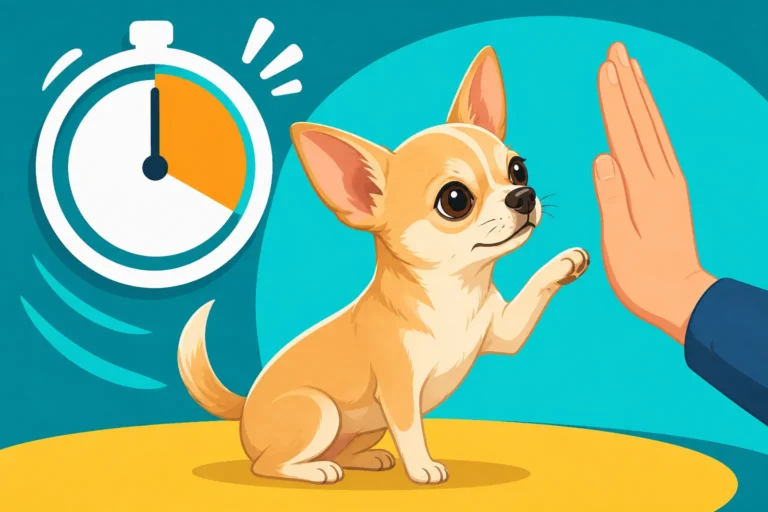
The core of training a Chihuahua with separation anxiety lies in gradual desensitization. This means exposing them to the triggers of your departure in such tiny increments that they don't have time to become anxious. Start by performing your "departure cues" (picking up keys, putting on shoes, grabbing your bag) without actually leaving. Do this repeatedly, sitting back down afterward. The goal is to make these actions boring and disconnect them from your exit. Once they are calm with these cues, you can then practice stepping out the door for literally a second, then immediately returning. Gradually increase the duration of your absence—two seconds, five seconds, fifteen seconds—always returning before they show signs of panic. This slow, steady process helps them learn that your departure is temporary and not a cause for alarm.
Counter-Conditioning Associations with Leaving
Simultaneously with desensitization, you'll want to employ counter-conditioning. This means creating a positive association with your departure. As you prepare to leave (and for those short absences), give your Chihuahua a highly desirable, long-lasting treat or a favorite puzzle toy stuffed with something delicious. This could be a special chew that they only get when you leave, or a KONG toy packed with peanut butter. The idea is that they start to think, "Oh, mom/dad is leaving? Great! Time for that super yummy treat!" This shifts their emotional response from dread to anticipation. Make sure the treat or toy is engaging enough to hold their attention for the entire duration of your short absence. As you progress, the value of this treat becomes intrinsically linked to their calmness.
Building Independent Play and Confidence
A Chihuahua who is confident playing alone is less likely to panic when left by themselves. Encourage independent play by providing engaging toys that don't require your interaction. Introduce new toys regularly to keep things interesting. You can even practice putting them in their safe space with a special toy while you're still home, just in another room. This teaches them that alone time can be enjoyable. For puppies, starting early with a The Chihuahua Puppy Curriculum Month by Month that includes scheduled independent play sessions can prevent anxiety from developing. Training programs like BAXTER & Bella often emphasize building a solid foundation of confidence and independence, which is crucial for preventing and managing separation anxiety. This isn't about ignoring them; it's about fostering their ability to cope without constant human presence.
Practicing Short Absences and Returns
Once your Chihuahua is comfortable with desensitization and counter-conditioning, you'll need to meticulously practice short absences. The key here is not to make a big deal out of leaving or returning. When you walk out, no long goodbyes; just a calm exit. When you come back, ignore your Chihuahua for the first few minutes until they are calm, then offer a quiet greeting. This prevents you from inadvertently rewarding their anxious behaviors or making your return the highlight of their day, which can exacerbate the "departure equals abandonment" mindset. Keep your absences well below their panic threshold, gradually extending the time. If they show signs of anxiety, you’ve gone too far, too fast, and need to dial back the duration of your next practice session. Think of it as baby steps, slowly but surely extending their comfort zone.
When to Seek Professional Help for Severe Cases
Sometimes, despite your best efforts, separation anxiety can be too deeply ingrained or severe for owners to manage on their own. It's not a sign of failure to reach out for professional help; it's a sign of a responsible and caring owner who recognizes their Chihuahua needs more specialized intervention.
Recognizing When DIY Isn't Enough
You’ve tried the calming aids, the gradual departures, the special toys, but your Chihuahua is still exhibiting intense, consistent signs of distress. You might come home to significant destruction, neighbors are still complaining about barking, or your dog is physically harming themselves. These are clear indicators that your current approach isn't sufficient. Perhaps your Chihuahua is so anxious that they can't even touch the high-value treat you leave, or they start panicking the moment you stand up. When you find yourself at a complete loss, feeling overwhelmed, or if your dog's anxiety seems to be worsening, it's definitely time to bring in the experts. Ignoring severe separation anxiety can lead to chronic stress for your dog and a diminished quality of life for both of you.
The Role of a Certified Professional Dog Trainer or Behaviorist
A certified professional dog trainer or a veterinary behaviorist has specialized knowledge and experience in treating separation anxiety. They can help you identify subtle triggers, develop a tailored training plan, and provide invaluable support and guidance. A certified professional will use positive reinforcement methods and focus on creating a step-by-step program to build your Chihuahua's confidence. They might suggest using a pet camera, available through retailers like Amazon, to monitor your Chihuahua's behavior while you're gone, providing crucial insights into their anxiety levels and pinpointing exactly when and how the panic starts. They can teach you how to read your Chihuahua's Chihuahua Body Language Before a Snap or other subtle signs of stress, ensuring you intervene effectively. Many trainers offer virtual consultations, making it easier to get help regardless of your location.
Veterinary Consultation and Medical Management
For severe cases, a veterinary consultation is essential. Your vet can rule out any underlying medical conditions that might be contributing to anxiety, as physical discomfort or pain can often manifest as behavioral issues. For instance, Chihuahua Behavior Shifts That Mean a Knee Hurts could be making your dog irritable and more prone to anxiety. If no physical cause is found, your vet might discuss the possibility of anti-anxiety medication. Medications are not a standalone solution; they are typically used in conjunction with a behavior modification plan to help reduce your Chihuahua's overall anxiety levels, making them more receptive to training. They can help your dog get out of the "red zone" of panic, allowing them to actually learn and respond to your training efforts. Medications should always be prescribed and monitored by a veterinarian, as dosage and type are specific to each dog. Whether Anxiety Medication Helps a Chihuahua is a conversation best had with your vet.
Managing Your Chihuahua's Time Alone: Practical Tips
Even with training, living with a Chihuahua prone to separation anxiety means implementing ongoing strategies to manage their time alone effectively. These practical tips focus on daily routines and preparation to minimize stress and maximize their comfort when you're not around.
Establishing a Predictable Routine
Chihuahuas thrive on predictability. Establishing a consistent daily routine can significantly reduce anxiety. Feed them at the same times, walk them at the same times, and have designated play and rest periods. When your Chihuahua knows what to expect, their world feels more secure, and they are better equipped to handle variations, like your absence. Try to integrate "alone time" into this routine, even if you're just stepping into another room for a few minutes. This normalcy helps to normalize your departures and returns, making them less of an event and more of a regular part of their day. A stable routine reduces the element of surprise, which can be a huge trigger for an anxious Chihuahua.
Pre-Departure Exercise and Mental Stimulation
A tired Chihuahua is a calmer Chihuahua. Before you leave, ensure your dog gets sufficient physical exercise and mental stimulation. A brisk walk (even short ones add up for a Chihuahua), a vigorous play session, or a game of fetch in the living room can help burn off excess energy. Mental stimulation is just as important; a puzzle toy or a short training session before you leave can tire their brain. The goal is to ensure they are physically satisfied and mentally relaxed when you depart, making them more likely to settle down and less prone to anxious pacing or destructive behaviors. Remember, even a small dog like a Chihuahua has significant Chihuahua Exercise Needs Every Day for both their physical and mental well-being.
Using Technology to Monitor and Reassure
Modern technology offers excellent tools for managing separation anxiety. Pet cameras, many of which can be found on Amazon, allow you to monitor your Chihuahua remotely. Some even offer two-way audio, so you can speak to your dog, or treat dispensers, allowing you to reward calm behavior from afar. Seeing what your Chihuahua does when you’re gone can give you crucial insights into their anxiety triggers and how they cope. You might discover they settle down sooner than you thought, or that a particular sound sets them off. This data is invaluable for refining your training approach. Plus, the ability to check in can reduce your anxiety, knowing you can see they are okay.
The Benefits of Dog Walkers or Sitters
For longer absences, especially when you're still working through severe anxiety, a dog walker or pet sitter can be a lifesaver. A midday visit from a trusted person can break up a long period of loneliness, allowing your Chihuahua to relieve themselves, get some exercise, and have some companionship. This significantly reduces the total time they spend alone, which can be a huge relief for a dog with separation anxiety. Many professional services are available, and finding someone who understands and is patient with anxious dogs is key. This option can be particularly helpful if you have a demanding work schedule and can’t consistently be home to break up your Chihuahua’s alone time. For a breed that forms such strong bonds, human interaction during the day can make all the difference.
Living with a Chihuahua Prone to Separation Anxiety
Accepting and managing separation anxiety is a journey, not a destination. It requires a long-term commitment, but the rewards of seeing your Chihuahua thrive and feel secure are immeasurable. It means making some adjustments to your own life, but ultimately strengthens the incredible bond you share.
Managing Expectations and Patience
One of the hardest parts of dealing with separation anxiety is managing your own expectations and cultivating endless patience. This isn't a problem that resolves in a week or even a month. There will be setbacks, days when it feels like you're taking two steps back for every one forward. It's crucial not to get discouraged. Remember that your Chihuahua isn't acting out of malice; they are genuinely afraid. Celebrate every small victory—a minute longer alone without barking, a smaller area of destruction, a quicker settle after you leave. Consistency is far more important than speed. Your calm, patient approach is their anchor, even when you feel frustrated. Remember, your Chihuahua relies on you completely.
Lifestyle Adjustments for the Long Term
Living with a Chihuahua prone to separation anxiety often means making some long-term lifestyle adjustments. This might involve planning outings more carefully, seeking out dog-friendly establishments, or relying more on pet sitters or doggy daycare for longer trips. You might reconsider how many hours you work outside the home or adjust your social life to ensure your Chihuahua isn't left alone for excessively long periods. It could mean creating a dedicated indoor potty area for them, so accidental elimination isn't a concern. The aim is to integrate their needs into your life in a sustainable way. While it might sound like a lot, the deep bond and unconditional love a Chihuahua offers often make these adjustments feel entirely worth it.
The Deep Bond and Rewards of a Dedicated Owner
Despite the challenges, addressing separation anxiety with patience and dedication deepens the unique connection you share with your Chihuahua. You become their most trusted ally, helping them overcome a profound fear. The joy of coming home to a calm, relaxed Chihuahua, knowing they felt safe in your absence, is incredibly rewarding. This journey builds trust and resilience in your tiny companion, showing them that they can rely on you completely, even when you're not physically present. A Chihuahua's devotion is legendary, and by helping them navigate their anxieties, you foster an even stronger, more secure, and loving relationship that truly lasts for their Chihuahua Lifespan and Why the Breed Reaches Sixteen years or more.
Disclaimer
This article is for general informational purposes only and does not constitute professional advice. Laws, prices and regulations vary by location and change over time. Consult a qualified professional for guidance on your specific situation.