The Chihuahua Socialization Window and Its Deadline
Bringing home a tiny Chihuahua puppy is an exhilarating experience, but it also comes with a unique set of challenges, especially when it comes to shaping their early experiences. One of the biggest worries new owners face is how to help their little bundle of joy grow into a confident, well-adjusted adult dog, without overwhelming their small, sensitive nature. This comprehensive guide will walk you through the critical socialization window for Chihuahuas, explain why it's so important, and provide actionable steps to ensure your tiny companion develops into a happy, brave member of your family.
Understanding the Critical Socialization Window
The term "socialization window" often gets tossed around, but for Chihuahua owners, understanding its precise meaning and implications is paramount. This isn't just a casual suggestion; it's a make-or-break period that dramatically influences your Chihuahua's temperament, confidence, and how they navigate the world for the rest of their lives. It's a specific developmental stage where puppies are most receptive to new experiences and form lasting impressions.
What Makes This Period So Special
Think of a puppy's brain as a sponge during these early weeks and months. They are incredibly open to soaking up information about their environment, and what they learn – or don't learn – during this time becomes deeply ingrained. For Chihuahuas, who can sometimes be prone to anxiety or fear if not properly guided, this window is even more critical. They are making sense of sights, sounds, smells, textures, and interactions, learning what is safe and what might be a threat. Positive experiences build a foundation of confidence, while negative or absent experiences can lead to lasting fear and reactivity.
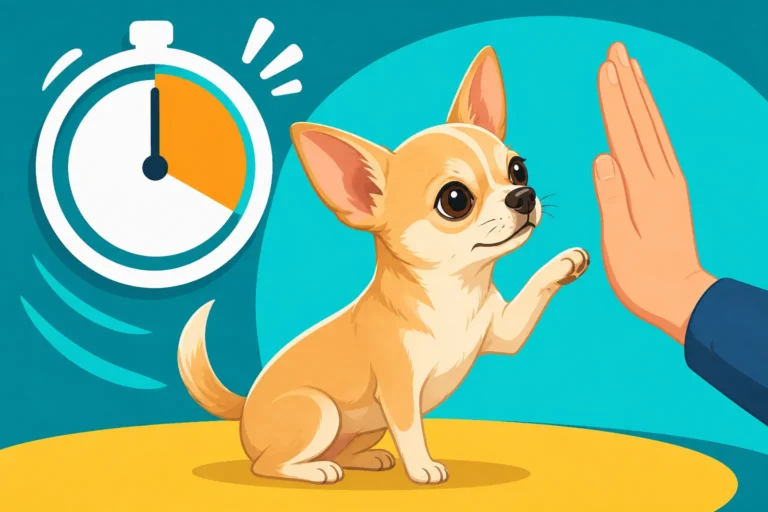
This window isn't infinite; it has a generally accepted timeframe, though individual puppies can vary slightly. Typically, it begins around 3 weeks of age and closes around 12 to 16 weeks. During these few precious weeks, a puppy's brain is rapidly developing neural pathways that dictate how they will perceive and react to the world. It’s a period of intense learning, where they are processing information about their species, other species, environments, and handling. Miss this opportunity, and while some progress can still be made later, it becomes a significantly harder uphill battle to modify established fears or anxieties.
The Stages of Puppy Development Within the Window
The socialization window isn't a monolithic block of time; it encompasses several stages of development, each with its own sensitivities. From roughly 3 to 5 weeks, puppies are primarily learning from their mother and littermates. This is when bite inhibition, appropriate play, and basic dog-to-dog communication skills are largely formed. A puppy removed too early from its litter can miss out on these vital lessons, potentially leading to issues with other dogs later in life.
From about 5 to 8 weeks, puppies become more aware of their human environment. This is an ideal time for gentle handling, exposure to household sounds, and starting very basic, positive human interaction. Between 8 and 12-16 weeks is often considered the peak socialization period where they should be exposed to a wide variety of novel, positive experiences with people, places, and appropriate other dogs. This is where you, as a new Chihuahua owner, have the most direct influence. Understanding these stages helps you tailor experiences appropriately, preventing overwhelming a tiny puppy who is still very much figuring things out.
Why Socialization is Absolutely Crucial for Chihuahuas
Many people mistakenly believe that because Chihuahuas are small, they don't need the same rigorous socialization as a larger breed. This couldn't be further from the truth. In fact, due to their size, their delicate nature, and a predisposition to being picked up and carried, proper socialization is arguably more important for Chihuahuas. It's the antidote to many common behavioral issues.
Countering "Small Dog Syndrome"
You’ve probably heard of "small dog syndrome," that unfortunate collection of behaviors where tiny dogs act aggressively, bark incessantly, or are generally unruly. It's crucial to understand that Small Dog Syndrome and Why It Is Not Genetic – it's almost entirely a human-created problem stemming from a lack of proper training and socialization. Because Chihuahuas are so small, owners often inadvertently reinforce undesirable behaviors. A Chihuahua that growls at a stranger might be seen as "cute" or "protective," rather than fearful. They might be scooped up whenever another dog approaches, preventing them from learning how to appropriately interact.
Proper socialization during the critical window actively prevents the development of these issues. By exposing your Chihuahua to a variety of appropriate people, places, and other animals in a positive, controlled manner, you teach them that the world is not a scary place that requires constant defensiveness. It builds confidence, showing them they don't need to resort to barking or snapping to feel safe. This creates a balanced, secure dog who knows how to handle new situations gracefully, rather than reacting with fear or aggression.
Building Confidence in a Big, Scary World
Imagine living in a world where everything is gigantic, loud, and potentially threatening. That's often how a Chihuahua experiences the world, especially one who hasn't been properly socialized. A sudden bicycle whizzing by, a child's excited shriek, or even a new person coming into the home can be incredibly overwhelming and terrifying for an undersocialized Chihuahua. This isn't because they are inherently timid; it's because they haven't learned to process these stimuli as non-threatening.
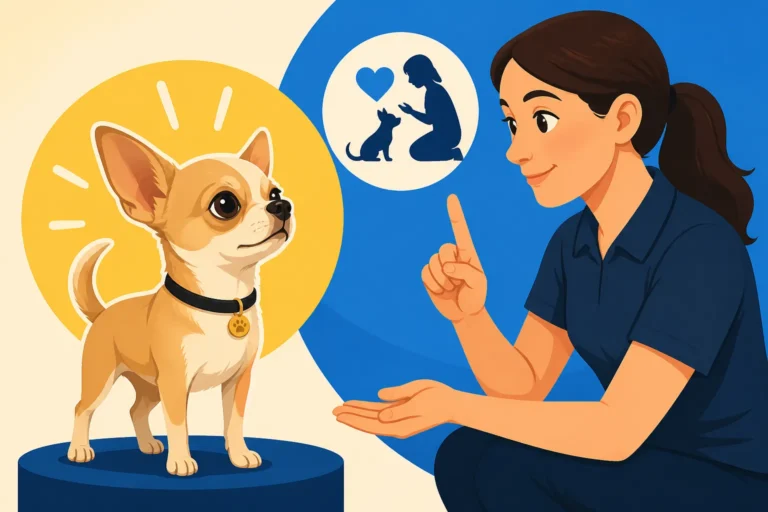
Socialization isn't just about exposing them to things; it's about making those exposures positive. Every new sight, sound, or person should be associated with something good, like a tiny, high-value training treat. This forms positive emotional associations, teaching your Chihuahua that novelty is often a good thing. A well-socialized Chihuahua will approach new situations with curiosity rather than fear, which drastically improves their quality of life and your ability to enjoy activities with them. It means they can go to the pet store, visit friends, or walk down a busy street without melting down into a trembling mess.
The Dangers of Missing the Socialization Window
The idea of a "deadline" in a puppy's development can sound daunting, but it’s a realistic reflection of how brain development works. While some behavior modification is always possible, the effects of missing this crucial window can be profound and long-lasting, often resulting in behaviors that are challenging to live with and difficult to reverse.
Increased Risk of Fear-Based Reactivity and Aggression
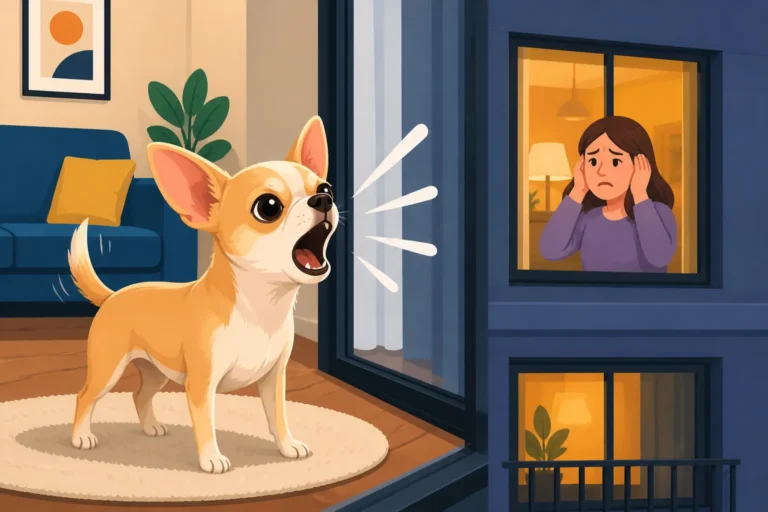
One of the most common and heartbreaking outcomes of undersocialization in Chihuahuas is the development of significant fear-based reactivity. This often manifests as excessive barking, lunging, or even snapping at anything new or unexpected – other dogs, strangers, children, cars, or even certain sounds. These aren't signs of a "mean" dog; they're signs of a dog who is terrified and trying desperately to make the scary thing go away.
A Chihuahua who hasn't learned that the world is generally safe during their formative weeks will often perceive threats where none exist. They become hyper-vigilant, constantly on edge, and their stress levels can remain high. This is incredibly detrimental to their welfare and can lead to a very isolated existence for both the dog and the owner. Owners often feel forced to avoid public places or even having guests over because their Chihuahua's reactions are so intense. Trying to reverse this behavior after the window has closed is often a long, costly, and sometimes unsuccessful process, requiring dedicated training, and sometimes even medication.
Long-Term Behavioral Challenges and Stress
Beyond reactivity, missing the socialization window can lead to a host of other behavioral challenges. House training can be harder because the puppy might be too fearful to go outside in new environments. They might develop Chihuahua Separation Anxiety and Time Alone because they haven't learned independence or how to cope with being by themselves. Grooming, vet visits, and even simple handling can become terrifying ordeals if they weren't introduced positively early on.
Consider a Chihuahua who was never properly introduced to car rides. Every trip to the vet becomes a source of extreme stress, potentially leading to car sickness, excessive drooling, or frantic barking. Or a dog who was never comfortable with people touching their paws might struggle with nail trims for their entire life, making routine care a battle. These aren't minor inconveniences; they accumulate into a higher overall stress burden for your dog, which can even impact their physical health over time. A chronically stressed dog is not a happy dog, and preventing this stress starts with early, positive socialization.
How to Socialize Your Chihuahua Safely and Effectively
Now that we understand why it's so important, let's talk about the how. Socializing a Chihuahua requires a thoughtful, gentle approach, recognizing their small size and sensitive nature. It’s about quality over quantity, and ensuring every new experience is a positive one.
Controlled and Positive Exposure
The key to successful socialization is controlled, positive exposure, and avoiding flooding at all costs. Flooding is when you expose a fearful dog to an overwhelming stimulus in hopes they will "get over it." For a tiny Chihuahua, this can be incredibly damaging and only serve to intensify their fear. Instead, aim for brief, low-intensity encounters where your puppy feels safe and happy.
This means introducing new sights, sounds, and people gradually. Start at a distance where your puppy notices the stimulus but isn't scared. Pair the presence of the new thing with high-value treats and praise. For example, if you want your Chihuahua to be comfortable with children, don't throw them into a playground. Instead, start by letting them observe calm children from a distance, perhaps through a window or from across a park bench, rewarding them for remaining calm. As they show comfort, you can slowly decrease the distance. For sounds, play gentle recordings of common noises (traffic, sirens, doorbells) at a very low volume, increasing it slowly over days or weeks, always pairing it with delicious treats or a fun game. Websites like Amazon offer great portable white noise machines or specific sound desensitization tracks that can be helpful for this purpose. Remember, a frightened Chihuahua often freezes or tries to hide, so always allow them an escape route or a safe "den" like their crate. Socialization That Does Not Flood a Chihuahua is an excellent resource to prevent overwhelming your little one.
Puppy Classes and Safe Dog Interactions
For Chihuahuas, safe and appropriate interaction with other dogs is essential, but it needs to be carefully managed. Dog parks are generally not a safe environment for Chihuahuas due to the risk of injury from larger, boisterous dogs. Instead, seek out well-run puppy classes specifically designed for small breeds or with a clear separation between size groups. These classes provide a controlled environment where puppies can learn to interact respectfully with others their size under the guidance of a professional trainer. Many modern training programs, such as those offered by BAXTER & Bella, provide online resources and virtual group settings that can help prepare you and your puppy for these in-person interactions, often covering topics like appropriate play and reading canine body language.
When introducing your Chihuahua to individual, known, calm, and vaccinated adult dogs, always supervise closely. Ensure the other dog is gentle and has a history of being good with puppies. Keep interactions brief and positive, rewarding your Chihuahua for calm curiosity. Introducing a Chihuahua to Bigger Dogs Safely requires careful planning to ensure no accidental injuries or frightening encounters occur. A negative experience with another dog can set back socialization efforts significantly and create lasting fear.
Exposure to Different Environments and People
Your Chihuahua needs to see the world beyond your living room. Safely expose them to different types of flooring (carpet, tile, hardwood, grass, concrete), stairs (carried initially, then taught to navigate with ramps if necessary), car rides, and varied outdoor environments. Carry them in a secure carrier or wear them in a sling during initial outings to busy places, allowing them to observe safely without being overwhelmed. Slowly introduce them to different people – men, women, children, people wearing hats, people using wheelchairs, people with different voices or movements.
Always ensure these interactions are positive. Ask people to kneel down, offer a treat, and avoid overwhelming greetings. Teach guests how to gently interact with a tiny puppy, reminding them not to pick them up without permission. Offer a favorite toy or a Treats Small Enough for Chihuahua Training to anyone who interacts positively with your puppy. This consistent, positive reinforcement teaches your Chihuahua that new places and new people are sources of good things, not threats.
Continuing Socialization Beyond the Puppy Stage
While the critical socialization window has a "deadline," the work of building a confident, well-adjusted Chihuahua doesn't stop when they turn 4 months old. It simply shifts from intense, rapid learning to ongoing maintenance and reinforcement. Think of it as building a strong foundation and then continually adding to and maintaining the structure.
Reinforcing Positive Experiences
Even after the primary socialization window closes, it's vital to continue providing your Chihuahua with positive experiences. Don't assume that once they've met a few people and seen a few cars, the job is done. Life is full of new situations, and ongoing, gentle exposure helps maintain their confidence. Make walks an adventure, exploring new routes and introducing different sights and sounds. Continue to reward calm behavior in novel situations with praise and treats.
Think about the places you regularly go. Do you visit friends? Does your Chihuahua accompany you to a pet-friendly store? These are all opportunities for continued positive exposure. If you notice your Chihuahua showing a slight hesitation or anxiety in a new situation, back off slightly, create more distance, and reintroduce the stimulus more gently, always pairing it with something positive. Consistency is key here. Just as a plant needs ongoing watering, your Chihuahua needs ongoing positive reinforcement to maintain their confident demeanor.
Addressing Setbacks and Seeking Professional Help
It’s normal for puppies, and even adult dogs, to have moments of fear or hesitation. Perhaps a loud unexpected noise spooks them, or they have a less-than-ideal interaction with another dog. Don't panic. The important thing is how you handle these setbacks. Avoid coddling or excessively comforting them in a way that accidentally reinforces the fear. Instead, calmly reassure them, gently redirect their attention, and quickly try to create a positive experience with a similar, less intense stimulus. For example, if a loud truck scared them on a walk, find a quieter spot, reward them for walking calmly, and end the walk on a positive note.
However, if you observe persistent fear, reactivity, or aggression that seems to be getting worse despite your best efforts, it's crucial to seek professional help. A qualified dog trainer or veterinary behaviorist specializing in small breeds can provide invaluable guidance. They can help you identify the root cause of the behavior, develop a tailored training plan, and teach you techniques like Counter-Conditioning a Fearful Chihuahua. Remember, there's no shame in asking for help; it shows you're committed to your Chihuahua's well-being. Early intervention can prevent minor issues from escalating into major behavioral problems. You can also find certified professional dog trainers listed on various online directories, many of whom are familiar with the unique needs of toy breeds and understand that Finding a Trainer Who Takes a Chihuahua Seriously is important.
What Happens When the Window Closes?
The phrase "the window closes" might sound definitive, but it doesn't mean all hope is lost if your Chihuahua puppy is a bit older and hasn't had perfect early socialization. It simply means the primary period of rapid, effortless learning from new experiences has passed. The brain's plasticity, its ability to adapt and form new connections, significantly decreases.
The Shift in Learning Style
After 12 to 16 weeks, a puppy's natural caution increases, and their instinct to be wary of new things becomes stronger. Instead of readily accepting new experiences, they might approach them with suspicion or fear. Learning still happens, but it requires more deliberate, patient, and often more intensive effort on your part. What might have taken a few positive exposures during the prime window could now take weeks or months of careful desensitization and counter-conditioning.
This is why understanding The First Year Mistakes Chihuahua Owners Make is so important. Often, owners unknowingly miss this critical period, then wonder why their adolescent Chihuahua is suddenly reactive or fearful. While you can still work on these behaviors, it's a much slower process. Think of it like learning a new language: it's incredibly easy for a child to pick up, but much harder and more deliberate for an adult. The good news is that with consistent, positive reinforcement and the right guidance, many behaviors can still be shaped and improved, even if the optimal window has passed.
Managing Expectations and Celebrating Small Wins
If you've adopted an older Chihuahua, or simply realized you missed some steps in the early days, it's important to adjust your expectations. While you might not achieve the same level of effortless confidence as a perfectly socialized puppy, you can still make significant progress. Focus on creating a safe, predictable environment and slowly expanding their comfort zone. Celebrate every small win: a quiet moment observing a new sight, a calm interaction with a new person, or a short, confident walk in a new area.
This might mean your Chihuahua won't be the life of the party at the dog park, and that's okay. Your goal is to help them live a happy, low-stress life, feeling secure in their environment. It’s about meeting them where they are and working patiently forward. Remember that consistency and a strong, positive bond with you are powerful tools. Even an older, undersocialized Chihuahua can learn to trust, feel safe, and form wonderful connections with the right care and understanding.
Conclusion
The socialization window is a pivotal time in your Chihuahua's life, a brief but critical period that lays the groundwork for their future confidence and behavior. By understanding its importance, carefully planning positive exposures, and committing to ongoing reinforcement, you can help your tiny companion navigate the big world around them with courage and joy. It's an investment in their happiness, and truly, there's no greater gift you can give your beloved little dog.
| Socialization Aspect | Within the Window (3-16 weeks) | After the Window (16+ weeks) |
|---|---|---|
| Brain Receptivity | High plasticity, rapid learning | Reduced plasticity, slower learning |
| Effort Required | Easier, more intuitive | More deliberate, patient, intensive |
| Risk of Fear | Lower with proper exposure | Higher, as natural caution increases |
| Goal | Foundation building, broad exposure | Maintenance, targeted desensitization |
| Approach | Gentle, positive introduction | Counter-conditioning, behavior modification |
| Outcome Potential | Highly confident, resilient | Improvement possible, but challenging |
Disclaimer
This article is for general informational purposes only and does not constitute professional advice. Laws, prices and regulations vary by location and change over time. Consult a qualified professional for guidance on your specific situation.