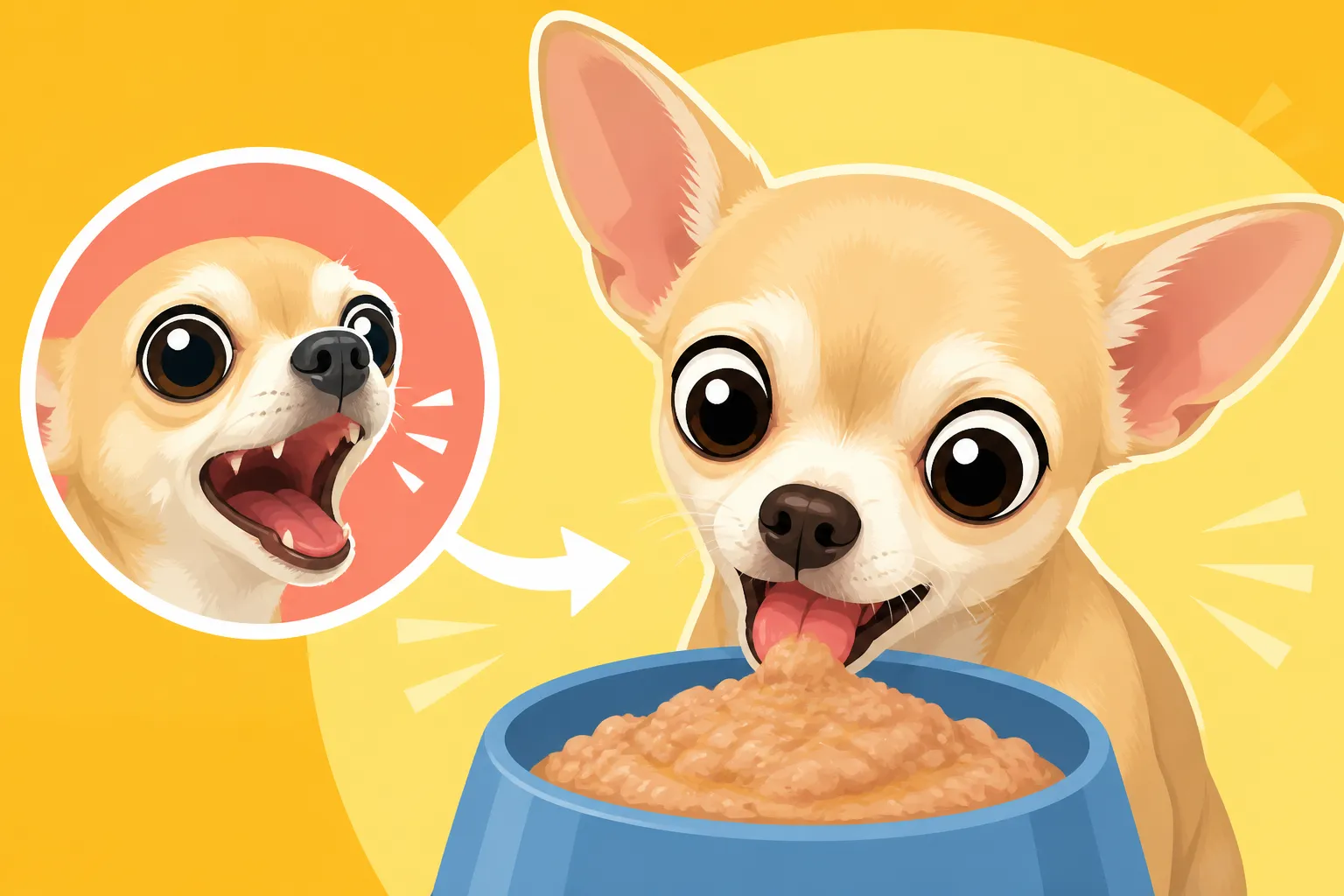
How a Toothless Chihuahua Eats
It's truly heartbreaking to watch our beloved Chihuahuas struggle with something as fundamental as eating, especially as they get older or face serious dental issues. Many of us have been there, seeing our tiny companions turn away from their food or wince in pain, and it leaves us desperately searching for ways to make mealtime comfortable and nourishing again. This guide is here to walk you through exactly how to ensure your toothless Chihuahua can still enjoy every delicious bite, keeping them happy and healthy for years to come.
The Inevitable Journey to a Toothless Grin
Let's be honest, dental disease is practically an occupational hazard for Chihuahuas. Their tiny mouths are simply not built to accommodate the 42 teeth most dogs have, leading to overcrowding and a host of problems. It’s a sad reality that Chihuahua Dental Disease in a Crowded Small Jaw is incredibly common, often starting much earlier than it does in larger breeds. By the time many Chihuahuas reach their senior years, extensive dental work, including numerous extractions, becomes unavoidable. Sometimes, due to severe periodontal disease or other issues like Jaw Fractures From Chihuahua Dental Disease, a Chihuahua might even end up losing most, if not all, of their teeth.
It’s not just age; there are genetic predispositions and the sheer mechanics of their small mouths at play. This is Why Chihuahuas Lose Teeth Younger Than Big Dogs. The tight spaces trap food particles, promoting plaque and tartar buildup at an alarming rate. Bacteria thrive, leading to gum inflammation, infection, and eventually, the breakdown of the ligaments and bone supporting the teeth. It’s a silent, painful battle many Chihuahuas endure, often without obvious signs until the disease is quite advanced. This is why vigilance and early intervention are crucial, but even with the best care, tooth loss can still be a part of their journey. For owners facing extensive dental procedures, investing in pet insurance like Healthy Paws can truly alleviate some of the financial stress involved in continuous oral care, helping you afford the best treatment for your little one.
Adapting Their Diet: Soft is the New Solid
Once your Chihuahua is toothless or has very few remaining teeth, the days of crunchy kibble are likely behind you. The primary goal becomes providing easily digestible, palatable food that requires minimal to no chewing. This often means a complete overhaul of their diet and how you prepare it. Don't worry, there are plenty of excellent options available that will keep your little one happy and well-fed.
The Wonderful World of Wet Food
Canned wet food is usually the first and easiest transition for a toothless Chihuahua. Its soft, uniform texture eliminates the need for chewing, and many Chihuahuas find it incredibly appealing. When selecting wet food, look for high-quality brands with wholesome ingredients and avoid those with excessive fillers or artificial additives. Pate-style wet foods are often ideal because they have a smoother consistency compared to chunky stews, which might still contain pieces that require some effort to gum. You might even find yourself considering specialty brands that offer finely ground textures specifically designed for sensitive mouths.
When introducing new wet food, do it gradually over several days to avoid upsetting their stomach. Mix a small amount with their old food (if they still tolerate any) and slowly increase the proportion. Pay close attention to their stool and energy levels to ensure the new diet agrees with them. It’s also important to remember that A Chihuahua Missing Half Its Teeth or all of them might still be able to gum softer, larger pieces, but totally toothless dogs will need pureed consistency.
Rehydrated Kibble and Homemade Purees
If your Chihuahua was particularly fond of kibble, or if you prefer the nutritional profile of certain dry foods, rehydrating it can be a great option. Simply soak their regular kibble in warm water, low-sodium chicken broth, or a suitable gravy until it softens completely and turns into a mush. The time it takes will depend on the kibble size and density, but generally 15-30 minutes is sufficient. For a truly toothless dog, you might need to go a step further and blend this rehydrated mixture into a smooth paste. This ensures there are no hard bits left that could cause discomfort or frustration.
Homemade purees offer another excellent avenue, giving you complete control over the ingredients. You can cook lean meats like chicken or turkey, blend them with soft vegetables such as pumpkin, sweet potato, or green beans, and add a little low-sodium broth to achieve the desired consistency. Make sure all ingredients are thoroughly cooked and blended until absolutely smooth, with no lumps or bones. Always consult with your veterinarian before embarking on a completely homemade diet to ensure it is nutritionally balanced. They can help you with portion sizes and ensure you're providing all the necessary vitamins and minerals. For senior Chihuahuas who may have lost molars and are struggling, learning Feeding an Old Chihuahua That Has Lost Molars can be invaluable.
Practical Feeding Strategies for a Smooth Mealtime
It’s not just about what they eat, but how they eat it. A toothless Chihuahua needs thoughtful consideration of their feeding environment and method to make mealtime stress-free and enjoyable. Imagine trying to eat a hearty meal without any teeth – it would be messy and frustrating if not prepared correctly!
The Right Consistency and Temperature
The consistency of the food is paramount. It should be soft enough that your Chihuahua can easily lap it up with their tongue, almost like a thick soup or baby food. Avoid anything sticky or gloppy, as this can be difficult to manage and potentially frustrating. If you're blending, aim for a consistency that flows off a spoon but isn't watery. You might need to experiment a little to find what your individual dog prefers.
Temperature also plays a significant role. Food that is too cold can be unappetizing, while food that's too hot can burn their sensitive gums. Warm the food slightly to room temperature or just a little warmer. A quick zap in the microwave (stir well to eliminate hot spots!) or mixing in some warm water can do the trick. The aroma of warm food can also be more enticing, especially for older Chihuahuas whose sense of smell might be diminishing.
Elevating the Dining Experience
For some Chihuahuas, particularly those with neck or back issues, an elevated feeding bowl can make a huge difference. Eating from a raised bowl means they don't have to bend their neck down as far, which can alleviate strain and make swallowing easier. You can find small, elevated feeders specifically designed for toy breeds, or simply place their regular bowl on a sturdy, non-slip platform. Ensure the height is comfortable for your dog – their elbows should be approximately level with the top of the bowl when they are standing.
Consider the bowl itself. A wide, shallow bowl might be easier for them to access the food without having to push their face too deeply into it. Ceramic or stainless steel bowls are generally preferred for hygiene. Regular cleaning of their bowls is even more important with soft foods, as they can spoil faster and harbor bacteria if left out.
Small, Frequent Meals and Hand-Feeding
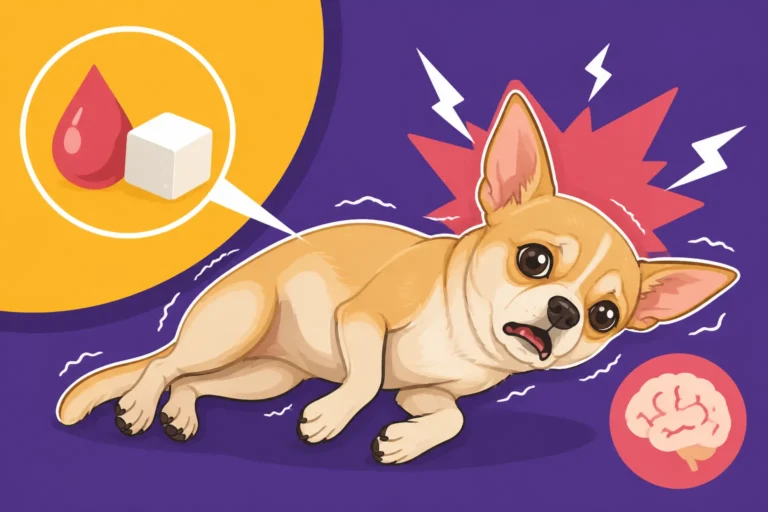
Many Chihuahuas, especially those who have undergone significant dental procedures or who are simply aging, benefit from smaller, more frequent meals throughout the day. Instead of two large meals, try offering three or four smaller portions. This can help with digestion and prevent them from getting overwhelmed or tired during a single, longer eating session. For a very young Chihuahua puppy, regular feeding is critical to prevent Chihuahua Hypoglycemia in the First Twelve Weeks, and similar principles can apply to toothless seniors to maintain energy.
Sometimes, a toothless Chihuahua might need a little extra encouragement. Hand-feeding can be a wonderful way to bond with your dog and ensure they are consuming enough food. Offer small amounts on your finger (be gentle!) or a spoon. This direct contact can be comforting and help them focus on eating, especially if they are feeling a bit out of sorts. If your Chihuahua is really struggling, or if you notice them pushing food around rather than eating, it could be a sign of discomfort, and a vet check is always a good idea. Even without teeth, they can still experience gum pain or other oral issues.
Beyond the Bite: Ongoing Care for Oral and Overall Health
Losing teeth isn't the end of a Chihuahua's dental care journey; it simply shifts the focus. While they may no longer have teeth to brush, maintaining the health of their gums and overall well-being is more important than ever. This continued vigilance is part of comprehensive Senior Chihuahua Care Past the Age of Twelve.
Gum Care and Residual Dental Needs
Even without teeth, your Chihuahua's gums can still be susceptible to inflammation or infection. Gently wiping their gums with a soft, damp cloth or a piece of gauze can help remove any food particles that might cling to the gum line. This can also provide a gentle massage, promoting circulation and keeping the tissues healthy. If you notice any redness, swelling, or bad odor, it's crucial to consult your vet immediately, as these could be signs of residual gum disease or an infection.
For Chihuahuas who have had most, but not all, of their teeth extracted, the remaining teeth (if any) still require attention. Regular professional dental cleanings might still be necessary to maintain the health of these few teeth. However, if your Chihuahua is truly toothless, routine oral examinations by your vet are still vital to check for any issues with the jawbone or soft tissues of the mouth. This is also why understanding the Anesthesia Risk During a Chihuahua Dental is so important for Chihuahua Vaccination and Anesthesia at Toy Size, even when planning for extractions.
Hydration and Nutritional Balance
Without teeth, chewing can be a stimulating process that helps saliva production. Toothless Chihuahuas might produce less saliva, making hydration even more critical. Always ensure they have access to fresh, clean water. You can also add extra water or broth to their pureed meals to boost their fluid intake. Some Chihuahuas enjoy drinking from a water fountain, which can encourage them to drink more.
Nutritional balance is non-negotiable. While the texture of their food has changed, the need for a complete and balanced diet remains. If you're feeding a commercial wet food, check that it's formulated for "all life stages" or specifically for senior dogs, if applicable. If you're preparing homemade meals, work closely with your veterinarian or a veterinary nutritionist to ensure your Chihuahua is getting all the necessary nutrients, vitamins, and minerals. Sometimes, supplements might be recommended, but only under professional guidance. Keeping up with regular vet visits, which pet insurance like Healthy Paws can help cover, ensures you always have expert advice on your side. For example, knowing What Healthy Paws Can Do for Your Chihuahua ensures you are financially prepared for ongoing care.
Monitoring for Discomfort and Appetite Changes
Even with a completely toothless mouth, pain can still occur. Dogs are incredibly stoic, and Chihuahuas, despite their small size, are no exception. Watch for subtle signs of discomfort: reluctance to eat, pawing at their mouth, excessive drooling, or changes in behavior. A sudden aversion to their favorite soft food, or a shift in how they approach their bowl, could indicate a problem. Always trust your gut feeling – if something seems off, it probably is.
Their appetite is a key indicator of their overall health. A sustained decrease in food intake can quickly lead to weight loss and other health complications in a tiny Chihuahua. Regularly monitor their weight and body condition. If your Chihuahua stops eating entirely or shows a significant drop in appetite for more than a day, it’s an emergency that warrants immediate veterinary attention. This is especially true for senior Chihuahuas who may have other underlying health issues. Being familiar with things like Anesthesia Charges on a Four Pound Chihuahua and the costs associated with these procedures can help you budget for ongoing care.
By focusing on these adapted diets and feeding strategies, you can ensure that your toothless Chihuahua continues to thrive, enjoying every mealtime as much as they ever did.
| Food Type | Preparation Method | Pros | Cons |
|---|---|---|---|
| Canned Wet Food | Serve at room temperature or slightly warmed. | Ready-to-serve, highly palatable. | Can be expensive, some brands have fillers. |
| Rehydrated Kibble | Soak in warm water/broth until mushy, then blend. | Uses existing kibble, familiar taste. | Requires preparation time, might not be smooth enough. |
| Homemade Purees | Cook and blend lean meat/veggies with broth. | Full control over ingredients, highly nutritious. | Requires time and effort, needs nutritional balancing. |
| Baby Food | Pureed meat varieties (no onion/garlic). | Very smooth, easy to find. | Not nutritionally complete for dogs long-term. |
| Soft Cooked Grains | Cook rice or oatmeal until very soft and mushy. | Easy to digest, good for sensitive stomachs. | Low in protein, needs to be combined with other foods. |
Disclaimer
The information provided in this guide is for general informational purposes only and does not constitute veterinary advice. Always consult with a qualified veterinarian regarding any medical concerns or before making any changes to your Chihuahua's diet or care routine.