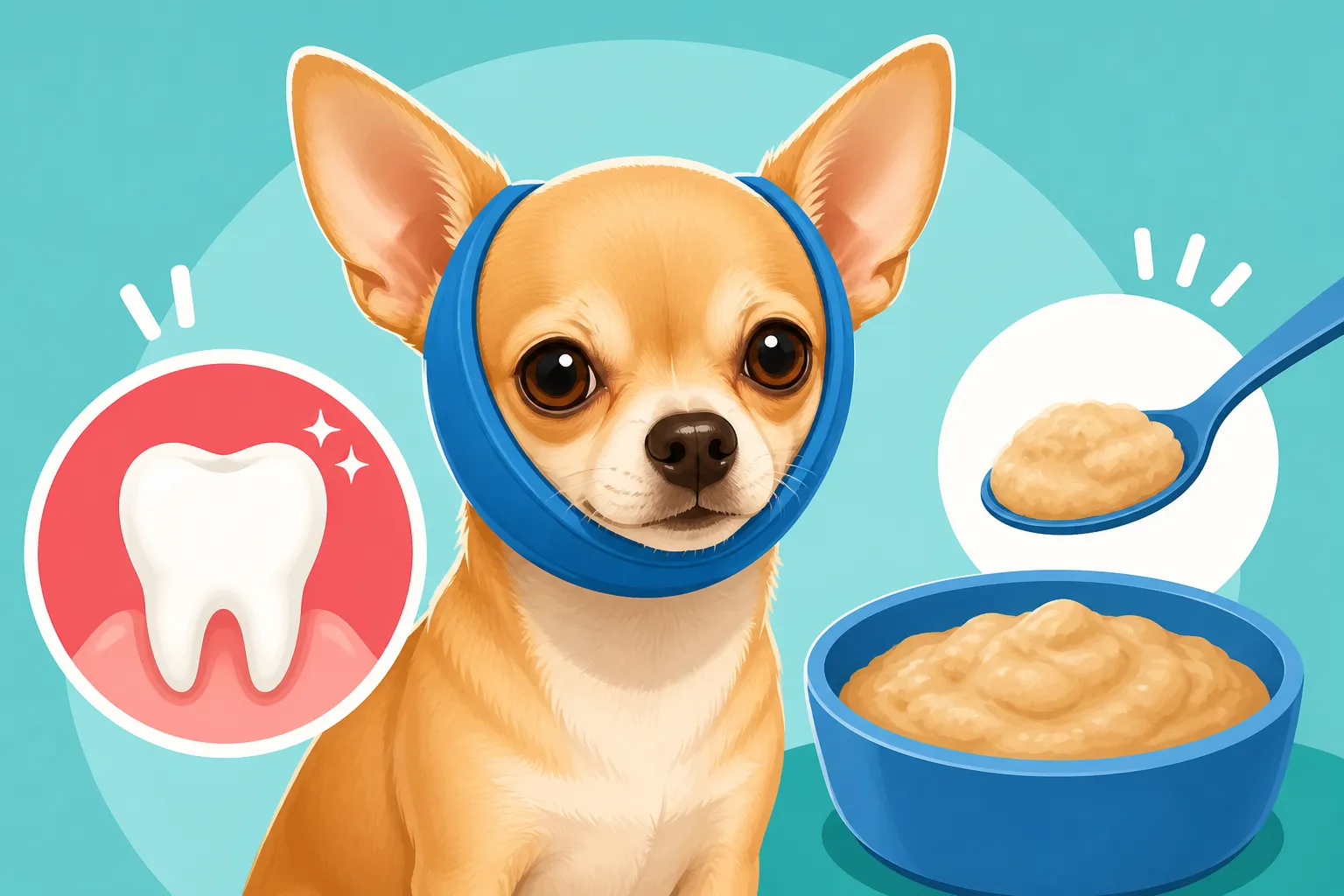
Feeding a Chihuahua After Tooth Extractions
It’s truly unsettling to pick up your tiny Chihuahua from the vet after a dental procedure, especially when you know they’ve had teeth extracted. You’re holding this little creature, still groggy from anesthesia, and your mind races: how on earth are they going to eat with a sore mouth? This guide is here to walk you through exactly how to manage your Chihuahua’s diet and care in the crucial days and weeks following tooth extractions, ensuring a smooth recovery and minimal stress for both of you.
Immediate Post-Operative Feeding: The First 24-48 Hours
The moment your Chihuahua comes home after a dental procedure, your primary concern is their comfort and ensuring they don't experience a dip in blood sugar, which can be particularly dangerous for such a small breed. They’ve been through a lot, and their mouth will be sensitive, possibly with sutures or healing gum tissue. It’s a delicate balance between encouraging them to eat and not causing further discomfort.
Starting with Liquids and Soft Servings
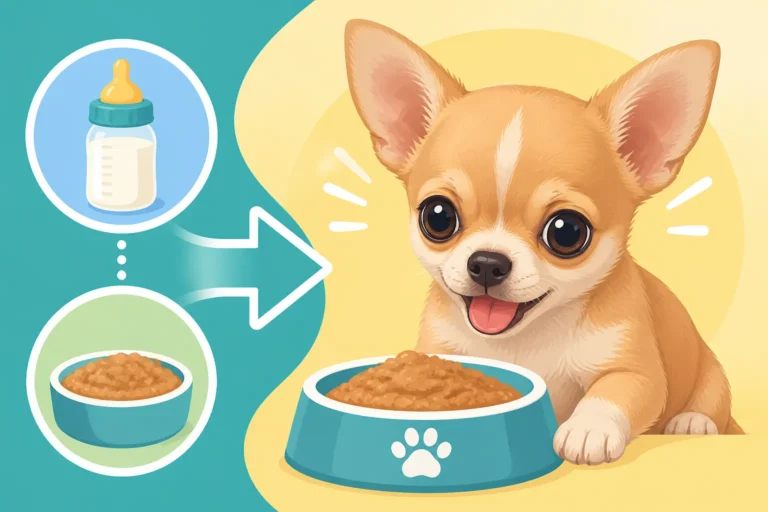
When your Chihuahua first comes home, they’ll likely still be feeling the effects of the anesthetic. Their coordination might be a little off, and they could be nauseous. The very first meal, if offered a few hours after arriving home and only if your vet gives the all-clear, should be extremely gentle. Think about giving clear liquids initially, like a tiny bit of low-sodium chicken broth, perhaps even gently offered from a spoon or a shallow bowl. Some vets might recommend starting with a very small amount of canned prescription recovery food, pureed until it's almost liquid.
The key here is tiny portions. A Chihuahua’s stomach is small, and you don’t want to overwhelm it, especially if they’re feeling queasy. Don't rush them; let them take their time. If they're not interested, don't force it. Try again in an hour or two. Remember that Warming a Chihuahua Through an Anesthetic is important for their overall recovery, and feeling warm and safe will help them feel more inclined to eat.
Managing Pain and Encouraging Appetite
Your vet will undoubtedly send your Chihuahua home with pain medication, and sometimes anti-inflammatories or antibiotics. It's absolutely crucial to administer these exactly as prescribed. A Chihuahua in pain won't want to eat, plain and simple. If you're struggling to get them to take their medication, ask your vet about compounding pharmacies that can flavor medications or provide liquid forms that might be easier to administer. Some owners find mixing a tiny amount of liquid medication into a spoonful of a highly palatable, soft treat like pureed baby food (ensure it's meat-only with no onion or garlic powder) or cream cheese can work wonders.
Observe your Chihuahua closely. Are they licking their lips, trying to chew, or showing any interest in food? If they’re reluctant, a little gentle coaxing might be needed. Sometimes, just holding the bowl to them, or even hand-feeding tiny morsels, can make a difference. The goal is to get some calories into them to prevent Chihuahua Hypoglycemia and the Puppy Emergency, a risk even for adult Chihuahuas if they go too long without food, especially after stress or surgery.
Transitioning to a Soft Diet: Weeks One and Beyond
Once the initial post-op haze clears, and your Chihuahua is more stable, the focus shifts to providing a nutritionally complete soft diet that promotes healing without irritating the extraction sites. This isn't just about soft texture; it's about making sure they still get all the necessary nutrients in an easily digestible form.
Ideal Soft Food Choices and Preparation
There are several excellent options for soft food during this recovery phase. Canned prescription diets designed for post-operative recovery are often recommended by veterinarians because they are highly digestible and nutritionally balanced. Many popular brands offer these. You can often find these through your vet or on pet supply sites like Chewy.
Another fantastic option is high-quality wet dog food. Look for pâté-style foods that are smooth and don't contain chunks or bits that could irritate the gums. Brands like Ollie offer fresh, human-grade food that can be ideal for a sensitive mouth, as it's typically soft and easy to consume. If you're using kibble, even a very soft one, it must be soaked in warm water or low-sodium broth until it forms a mush. For Chihuahuas, whose mouths are already prone to Chihuahua Dental Disease in a Crowded Small Jaw, avoiding any hard food during this time is non-negotiable.
Here’s a simple breakdown of good soft food options:
| Food Type | Description | Pros | Cons |
|---|---|---|---|
| Prescription Recovery Diets | Canned food formulated for post-surgery. | Nutritionally complete, highly palatable, digestible. | Can be more expensive; requires vet prescription. |
| High-Quality Wet Pâté | Smooth, canned dog food without chunks. | Readily available, many flavors, good moisture content. | Ensure it's nutritionally balanced and doesn't contain irritants. |
| Soaked Kibble | Regular kibble softened with warm water or broth. | Uses familiar food, cost-effective if you already have it. | Can be messy; some kibbles don't soften well; may still require mashing after soaking. |
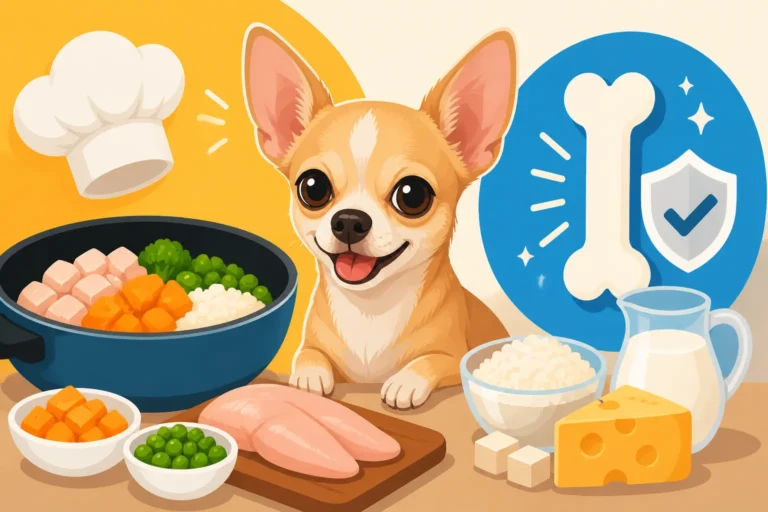
| Cooked & Pureed Meats/Veggies | Boiled chicken, sweet potato, green beans pureed with broth (vet-approved). | Highly palatable, easy to control ingredients. | Must be balanced carefully to avoid nutritional deficiencies; requires time to prepare. |
| Fresh Food Services | Pre-portioned, human-grade fresh food. | Very palatable, easy to digest, soft texture. | Can be costly; ensure ingredients are safe and appropriate post-surgery. |
Make sure whatever you offer is room temperature or slightly warm, never hot or cold. This is more comfortable for a sore mouth.
Syringe Feeding and Encouragement
Some Chihuahuas, especially if they’ve had extensive extractions or are still very tender, might refuse to eat from a bowl. In these cases, syringe feeding can be a lifesaver. Your vet might provide a large feeding syringe, or you can often find them on sites like Amazon. Puree their soft food with a little extra water or broth until it's thin enough to pass through the syringe.
Sit your Chihuahua comfortably, gently place the tip of the syringe into the side of their mouth (behind their canine teeth, if they still have them), and slowly depress the plunger, allowing them to lick and swallow at their own pace. Never squirt a large amount in at once, as this can cause them to choke or aspirate. This method requires patience, but it ensures they get the nutrients they need when self-feeding is too painful or difficult. Remember, this is a temporary measure, and the goal is always to get them back to eating independently.
Long-Term Dietary Adjustments for Missing Teeth
While the immediate post-operative period is critical, many Chihuahuas, especially as they get older, will have multiple tooth extractions throughout their lives. This can lead to significant tooth loss. The good news is that Chihuahuas are incredibly resilient, and even with very few or no teeth, they can thrive on an appropriate diet. How a Toothless Chihuahua Eats might surprise you; they mostly use their tongues and gums.
Permanent Soft Food Solutions
For Chihuahuas who have lost a substantial number of teeth, a permanent switch to a soft diet is usually the best and safest option. This means consistently feeding canned food, fresh food, or thoroughly soaked kibble for the rest of their lives. It minimizes discomfort, prevents potential injury to healing gums, and ensures they can properly ingest their food. You might find that Wet Food and Chihuahua Dental Disease is a topic of discussion among owners, as some believe wet food contributes to dental issues. However, if your Chihuahua is already prone to dental disease and has had extractions, the benefit of a soft, non-irritating diet often outweighs this concern, especially when coupled with diligent oral hygiene (if possible) for any remaining teeth.
When choosing a long-term soft food, consider options like high-quality wet foods that are nutritionally complete and formulated for small breeds. If you're concerned about ingredients or want to explore fresh food, services like Ollie can provide balanced meals. Even if they have a few teeth left, the primary chewing function will be compromised, so a soft diet supports their overall health and quality of life. For older Chihuahuas, specifically, Feeding an Old Chihuahua That Has Lost Molars becomes an even more important consideration, as their digestive systems can also become more sensitive.
Maintaining Nutritional Balance and Weight
It’s easy to focus solely on texture after tooth extractions, but maintaining a balanced diet is paramount. For a small breed like a Chihuahua, every calorie counts. Make sure the soft food you choose provides all the essential vitamins, minerals, and protein they need. Consult with your veterinarian to ensure the long-term diet plan is appropriate for your Chihuahua's age, activity level, and any other health conditions. The Age a Chihuahua Counts as Senior is often around 8-10 years, and at this stage, dental issues become even more prevalent.
Regular weight monitoring is also important. A toothless Chihuahua might eat more slowly or get less satisfaction from their meals. Keep an eye on their body condition. Are their ribs easily felt but not prominent? Is their waist visible from above? These are good indicators. If you're struggling to keep weight on them, talk to your vet about higher-calorie soft food options or supplements specifically designed for small dogs. Remember, The Monthly Cost of Keeping a Chihuahua will include food, and investing in high-quality, appropriate food after extractions is part of that cost.
Monitoring and Troubleshooting: What to Watch For
After tooth extractions, diligent observation is key to ensuring your Chihuahua's recovery is on track. They can't tell you in words if something is wrong, so you need to be attuned to subtle signs of discomfort or complications.
Signs of Complications and When to Contact Your Vet
While most Chihuahuas recover well from dental extractions, complications can occur. It’s important to know what to look for:
- Excessive Drooling or Pawing at Mouth: Some drooling is normal, but excessive, thick, or bloody drool, or if your Chihuahua is constantly pawing at their mouth, could indicate pain or irritation.
- Refusal to Eat or Drink: If your Chihuahua refuses all food and water for more than 24 hours post-surgery, or if they were eating and suddenly stop, this is a red flag. Small dogs, especially Chihuahuas, are prone to Chihuahua Hypoglycemia in the First Twelve Weeks and even later in life if they don’t get enough calories.
- Swelling or Redness around the Mouth: While some mild swelling is normal initially, increasing swelling, significant redness, or discharge from the extraction sites could signal infection.
- Foul Odor from Mouth: A strong, unpleasant smell from the mouth could also indicate an infection.
- Lethargy or Depression: While some post-anesthetic grogginess is expected, persistent extreme lethargy, weakness, or an unwillingness to move or interact beyond the first day or two is concerning.
- Difficulty Swallowing: If your Chihuahua seems to struggle to swallow even soft food, or gags frequently, it could indicate pain or another issue.
If you notice any of these signs, don't hesitate to call your veterinarian immediately. It’s always better to be safe than sorry, especially with a tiny Chihuahua. They can quickly go downhill if an issue isn't addressed promptly.
Long-Term Oral Hygiene and Prevention
Even after tooth extractions, maintaining good oral hygiene for any remaining teeth is crucial to prevent future problems. This might sound daunting with a dog who just had a painful dental procedure, but consistent, gentle care can make a huge difference in their Chihuahua Lifespan and Why the Breed Reaches Sixteen.
Once your vet gives the all-clear that the extraction sites are fully healed, you can slowly reintroduce tooth brushing for any remaining teeth. Use a soft, finger toothbrush or a baby toothbrush with dog-specific enzymatic toothpaste. Aim for a quick, gentle brush once a day. If your Chihuahua is truly uncomfortable with brushing, even after healing, discuss other options with your vet, such as dental rinses or water additives. Even without many teeth, you still want to protect the gums and any teeth that remain.
Regular veterinary check-ups, including oral exams, are vital for monitoring the health of your Chihuahua's mouth. Your vet can assess any remaining teeth, check for gum inflammation, and advise on further preventive measures. Sometimes, even with the best care, Chihuahuas will need follow-up dentals to address new issues. Being proactive about their oral health is one of the best things you can do for their Quality of Life in a Chihuahua's Final Year.
Disclaimer
This article is for general informational purposes only and does not constitute professional advice. Laws, prices and regulations vary by location and change over time. Consult a qualified professional for guidance on your specific situation.