Why Dog Parks Are Dangerous for a Chihuahua
You adore your Chihuahua, and naturally, you want them to be happy, well-socialized, and to get plenty of exercise. It's a common, completely understandable thought to consider a dog park as the perfect place for them to run, play, and make new friends. However, what often seems like a fun outing can actually be a profoundly dangerous environment for a dog as small and delicate as a Chihuahua, exposing them to risks many owners don't fully anticipate. This guide will walk you through the very real dangers that lurk in dog parks for our tiny companions and suggest safer alternatives to ensure your little one thrives.
The Overwhelming Size Disparity and Physical Risks
This is arguably the most critical reason why dog parks are ill-suited for Chihuahuas: the sheer, undeniable difference in size and physical build between them and most other breeds. It’s not about aggression; it’s about physics and biology, and the potential for devastating accidental injury.
Accidental Injury from Playful Contact
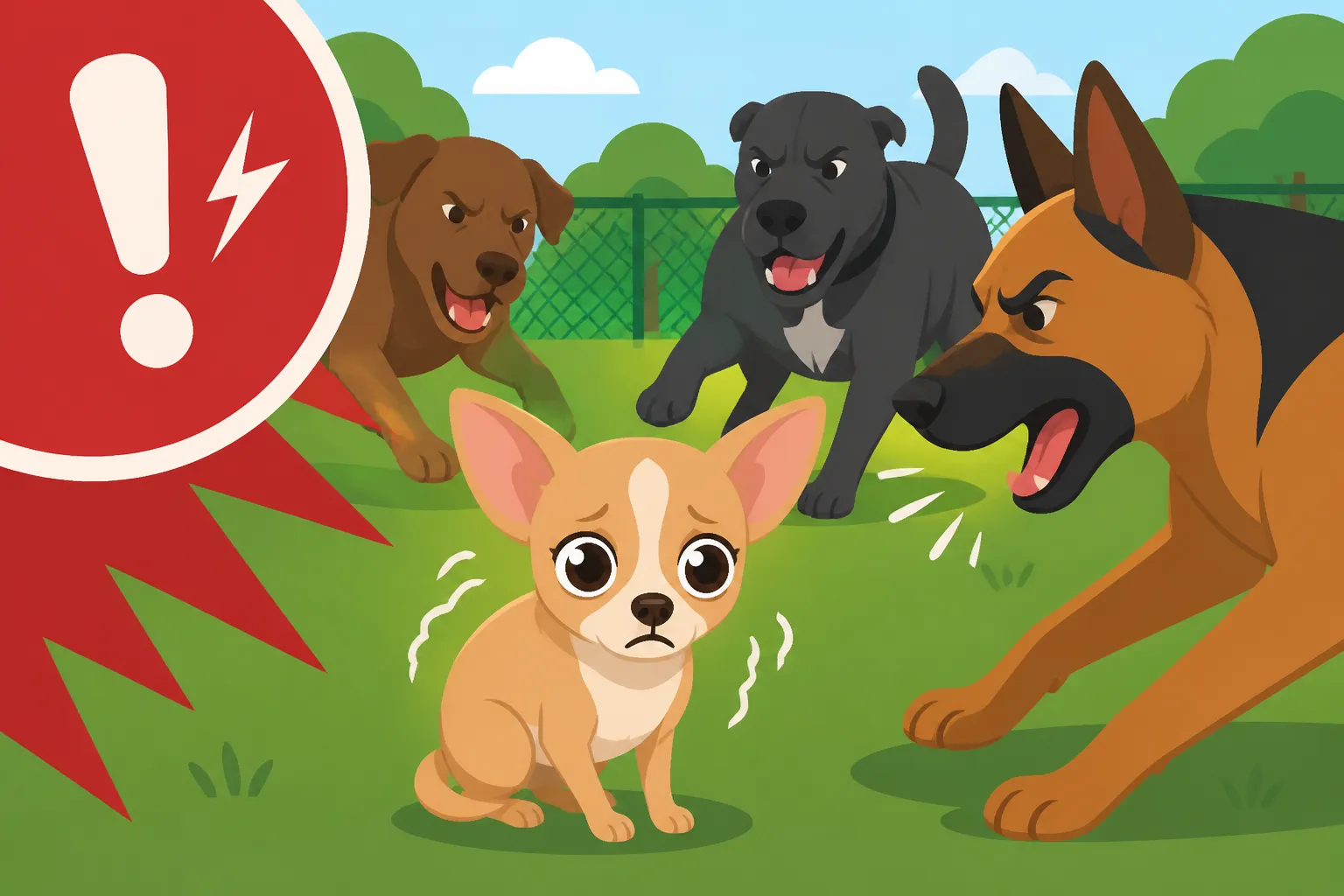
Imagine your four-pound Chihuahua prancing happily when a boisterous 80-pound Labrador or a playful 60-pound Boxer barrels past, completely absorbed in chasing a ball or another large dog. Even the most gentle, well-meaning big dog might not notice a tiny Chihuahua in their path, or they might simply not understand how fragile such a small creature is. A collision that would barely faze a dog of similar size could easily result in severe injury for your Chihuahua. Their delicate bones, particularly their legs and ribs, are simply not built to withstand such impact. We’re talking about broken bones, internal organ damage, or even catastrophic head injuries. Many Chihuahuas are also prone to conditions like Patellar Luxation, the Chihuahua's Commonest Joint Problem, making any forceful impact even more precarious for their tiny knees.
It's not just running; even a friendly "pounce" or a playful swipe of a paw from a larger dog can have dire consequences. What seems like innocent play to a big dog can be a life-threatening incident for a Chihuahua. The risk is simply too high when a tiny body is moving at the speed of a larger, more powerful animal, especially in an unstructured environment where excitement runs high.
Fragile Bodies and Hidden Vulnerabilities
Chihuahuas, particularly the apple-headed variety, can have a soft spot on their skull called a molera, similar to a human baby's fontanelle. While many close over time, some remain open for life. This means that a seemingly minor bump on the head from a larger dog could have incredibly severe or even fatal consequences. Even without a molera, their small, compact skulls offer less protection than those of larger, more robust breeds. You can read more about The Chihuahua Molera and What a Soft Spot Means and Protecting a Chihuahua Puppy With a Soft Spot to understand this unique vulnerability better.
Beyond their skulls, Chihuahuas have fine, delicate bones throughout their bodies. A wrong step, a tumble, or being accidentally landed on by a larger dog can easily lead to fractures in their legs, ribs, or spine. Recovery from such injuries for a tiny dog is not only heartbreaking and painful for them but also incredibly expensive and difficult for you, often involving specialized veterinary care, extended rest, and careful rehabilitation. This is why vigilance in crowded or high-energy environments is so crucial for Chihuahua owners.
Temperament and Play Style Mismatches
Beyond the physical danger, there’s a significant mismatch in how Chihuahuas typically interact and play compared to many larger breeds you'll find at a dog park. This can lead to misunderstandings, stress, and even defensive aggression from your little one.
Misinterpreting Play Cues and Reactivity
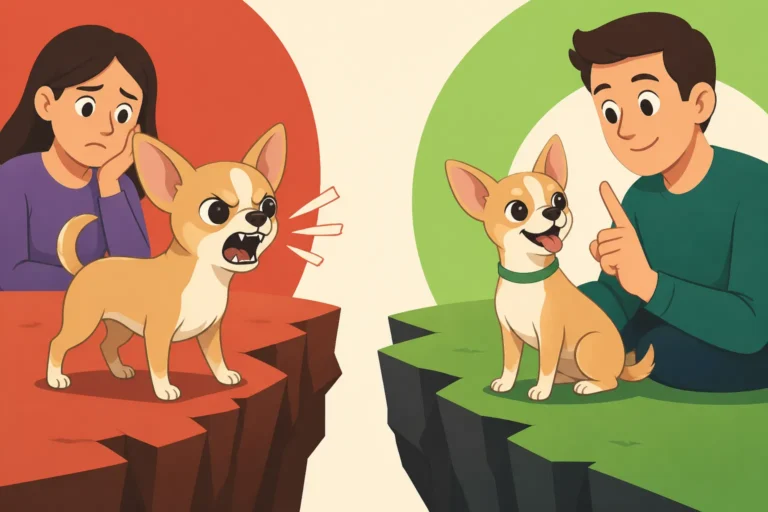
Chihuahuas are known for their big personalities, often described as "terrier-like" in their boldness and alertness. However, this confidence can sometimes mask deep-seated fear, especially when faced with much larger, boisterous dogs. A Chihuahua might try to assert itself by barking loudly or snapping, which is a common stress response for a small dog feeling overwhelmed. You might see this as a sign of bravery, but to a larger dog, it can be misinterpreted. They might see it as an invitation to engage in rougher play, or worse, as an aggressive challenge that prompts them to respond in kind, with potentially disastrous results for the Chihuahua.
The high-energy, free-for-all environment of a dog park offers little opportunity for nuanced social cues. A larger dog might not understand a Chihuahua's subtle body language indicating fear or discomfort, like a tucked tail or a quick freeze. Instead, they might perceive the Chihuahua's yaps and lunges as typical dog park "chase me" behavior, escalating the interaction rather than de-escalating it. This can lead to your Chihuahua becoming increasingly Fear-Based Reactivity in a Chihuahua, which can then spill over into everyday situations outside the park.
Predator-Prey Dynamics
Let’s be honest, to a large, high-prey-drive dog, a fast-moving, yipping Chihuahua can sometimes resemble a small animal. While most well-socialized dogs would never intentionally harm another dog, instincts can be powerful, especially in an over-stimulating environment. The way a Chihuahua runs, their small size, and even their high-pitched barks can unintentionally trigger chase instincts in some larger breeds. This isn’t a judgment on any breed; it’s just a biological reality that puts your Chihuahua at a severe disadvantage.
Imagine a group of larger dogs engaged in a chase game. If your Chihuahua gets caught in the middle or becomes the target of a chase, it can be terrifying for them and dangerous. These situations can turn serious in a split second, especially if the larger dogs are not closely supervised or if their owners are not attuned to the subtle shifts in play dynamics. The goal is to provide safe, positive socialization experiences, and for many Chihuahuas, a chaotic dog park simply doesn't fit that bill.
Environmental Overwhelm and Stress
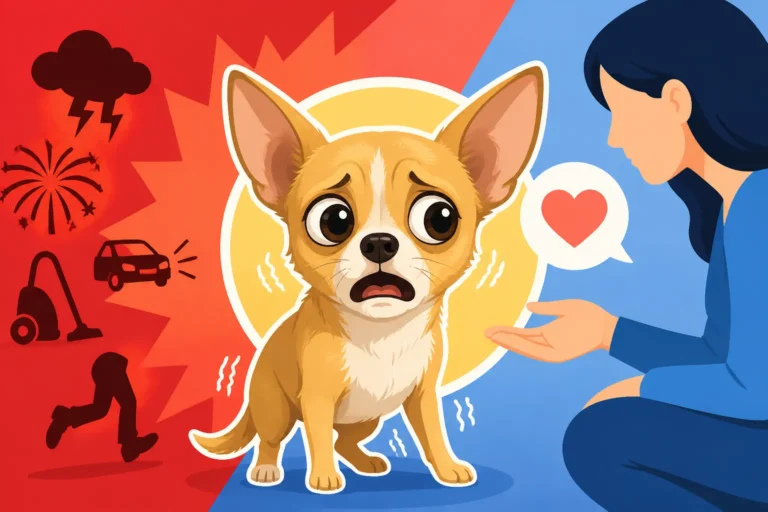
Dog parks are sensory overload zones for any dog, but for a Chihuahua, every aspect is magnified. The sheer volume of sights, sounds, and smells, combined with the presence of many large, unpredictable dogs, can be incredibly stressful and detrimental to their mental well-being.
Sensory Overload for a Tiny Dog
Picture being tiny and walking into a massive, noisy party filled with giants. That's often what a dog park feels like for a Chihuahua. The cacophony of barking, the fast movements of many dogs, the sheer size of the space, and the overwhelming scent of dozens of different animals can quickly become too much. Chihuahuas are already known for being sensitive and often prefer quieter, more predictable environments. This constant state of heightened alert can lead to chronic stress, anxiety, and even fear aggression.
A Chihuahua processing this much information, often feeling vulnerable and unable to escape easily, isn't having fun. They're trying to survive. This kind of overwhelming experience doesn't build confidence; it erodes it. Instead of becoming more social, your Chihuahua might become more withdrawn or reactive, associating other dogs with fear and discomfort. This is why Socialization That Does Not Flood a Chihuahua is so critical from a young age, focusing on positive, controlled experiences.
Lack of Safe Retreat and Owner Reinforcement
In a dog park, there are rarely designated "safe zones" for small dogs, or even places where a Chihuahua can get a moment of peace. They can't easily jump onto a bench, hide behind a large tree, or create distance from an insistent playmate. This constant feeling of being exposed and vulnerable is profoundly stressful. Many well-meaning owners will pick up their Chihuahua when they seem overwhelmed, but this can actually reinforce fear, telling the dog that their fear is justified and they need protecting from every dog. This can lead to behaviors like resource guarding of the owner, or even increased reactivity because the dog learns that barking and being picked up is the only way to escape. You can learn more about Why Picking a Chihuahua Up Makes Fear Worse in certain contexts.
Instead of fostering independent, confident interactions, the dog park often puts owners in a position where they constantly need to intervene, making it impossible for their Chihuahua to navigate social situations on their own terms. For a tiny dog, the world is already a big place, and a dog park often feels like the most intimidating part of it. Providing controlled, positive experiences where your Chihuahua has choice and can disengage when needed is far more beneficial.
Health Risks and Parasite Exposure
Beyond the immediate physical dangers and stress, dog parks present a heightened risk of exposure to various illnesses and parasites that can be particularly hard on a small dog's system.
Contagious Illnesses
Dog parks are essentially communal gathering spots where dogs of all vaccination statuses, health histories, and cleanliness standards mingle closely. This creates a prime environment for the spread of contagious diseases. Common culprits include:
- Canine Cough (Kennel Cough): This highly contagious respiratory infection can range from mild to severe, and while not usually life-threatening for healthy adult dogs, it can be debilitating for a tiny Chihuahua, potentially leading to pneumonia.
- Canine Papillomavirus: Warts in and around the mouth are unsightly and can sometimes require veterinary removal.
- Parvovirus: While typically vaccinated against, puppies and unvaccinated adult dogs are highly susceptible to this severe and often fatal gastrointestinal virus. For a small Chihuahua puppy with their sensitive systems, parvo can be particularly devastating.
- Giardia and other intestinal parasites: These are easily picked up from contaminated water bowls, puddles, or sniffing in areas where other dogs have defecated.
Even if your Chihuahua is fully vaccinated and on preventative medications, the sheer volume of exposure at a dog park increases the risk. A small dog's immune system might struggle more to fight off these infections than a larger, more robust breed. Keeping your Chihuahua healthy requires being mindful of where they interact with other dogs and what they might pick up. You should always discuss Chihuahua Vaccination and Anesthesia at Toy Size with your vet to ensure your little one is adequately protected for their lifestyle.
Parasites: Fleas, Ticks, and Worms
Dog parks are also breeding grounds for external and internal parasites. Fleas and ticks are prevalent in grassy, wooded areas often found within or adjacent to dog parks. Even with preventative medication, exposure is higher in these environments. Flea infestations are incredibly uncomfortable for any dog, but for a small Chihuahua, the irritation can be intense, potentially leading to skin infections or allergic reactions. Ticks carry diseases like Lyme disease and anaplasmosis, which can have long-term health consequences.
Internal parasites like roundworms, hookworms, and whipworms can also be picked up from contaminated soil or feces. Many of these are transmitted orally when a dog sniffs or licks contaminated areas. Given that Chihuahuas are closer to the ground, they are perhaps more likely to come into contact with these environmental hazards. Regular Chihuahua Parasite Prevention at Low Body Weight is crucial, but minimizing exposure in high-risk areas like dog parks is an even better strategy for their overall health.
Safer Alternatives for Chihuahua Socialization and Exercise
So, if dog parks are out, what are the best ways to keep your Chihuahua happy, healthy, and well-adjusted? There are plenty of fantastic, safe alternatives that cater specifically to their size and temperament.
Controlled Playdates and Small Dog Meetups
Instead of a chaotic free-for-all, seek out controlled playdates with known, friendly dogs of similar size. This could be a friend's calm Pug, a relative's well-behaved Miniature Poodle, or a neighbor's equally tiny Chihuahua. Arrange these playdates in a secure, enclosed yard or a quiet, private space where you can supervise interactions closely.
Many communities also have dedicated small dog meetups or breed-specific groups (like a Chihuahua club!). These often take place in rented, secure spaces or private homes, offering a safer environment where all dogs are typically vetted for temperament and health. This allows your Chihuahua to socialize without the immense pressure or danger of larger dogs.
Structured Training Classes and Confidence Building
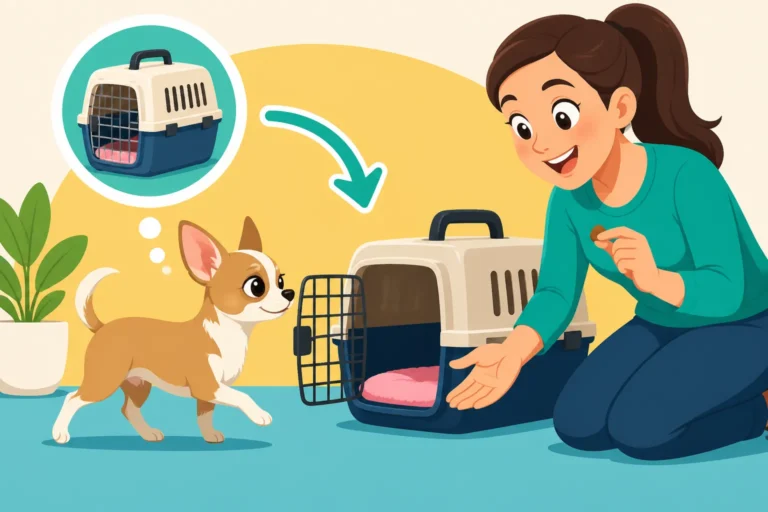
Enroll your Chihuahua in positive reinforcement training classes. These classes, often led by certified professional dog trainers, focus on obedience, manners, and confidence building in a structured setting. They provide excellent socialization opportunities with other dogs, usually of various sizes, but under controlled conditions where instructors prevent inappropriate interactions. Look for classes that specifically cater to toy breeds or have separate "tiny dog" sessions.
A great online resource for structured training at home, which can then be applied in safe, real-world settings, is BAXTER & Bella. Their online programs provide guidance on everything from puppy basics to advanced obedience, helping you build a confident, well-behaved Chihuahua without the need for high-risk environments. Confidence built through positive training translates to better behavior in all situations.
Enrichment at Home and Safe Outdoor Adventures
Your Chihuahua doesn't need a huge yard or a dog park to be well-exercised and mentally stimulated. Short, frequent walks on a well-fitted harness are excellent. Consider a front-clip harness or a vest-style harness rather than a traditional collar to protect their delicate neck and trachea. Harnesses That Spare a Chihuahua Windpipe are essential. Explore new scents and sights in quiet neighborhoods or on dog-friendly trails where you can maintain control and avoid off-leash encounters with larger dogs.
At home, provide plenty of puzzle toys, indoor fetch games, and training sessions to keep their minds and bodies active. Setting up a secure, small dog agility course in your living room or backyard can be a blast! Many Chihuahuas adore burrowing, so provide cozy beds with blankets or tunnels for them to explore. For outdoor potty needs, especially in bad weather, indoor potty solutions found on sites like Amazon, such as artificial grass patches or puppy pads, can be a lifesaver.
Remember, quality of interaction far outweighs quantity when it comes to socialization and exercise for your Chihuahua. Focus on creating positive, safe, and controlled experiences, and your tiny companion will be a much happier, healthier, and more confident dog.
| Danger at Dog Parks for Chihuahuas | Chihuahua Needs & Safe Alternatives |
|---|---|
| Physical Injury from larger, boisterous dogs (broken bones, head trauma, internal injury) | Protected Play: Supervised playdates with known, same-size dogs; enclosed, secure yards. |
| Molera Vulnerability (soft spot on skull) | Careful Handling: Gentle interaction, avoiding crowded or rough play environments. |
| Temperament Mismatch (fear-based reactivity, prey drive triggers) | Structured Socialization: Puppy classes, small dog meetups with screened participants, focus on positive experiences. |
| Sensory Overload (noise, smells, visual chaos leading to stress/anxiety) | Calm Environments: Quiet walks, home enrichment, one-on-one training, gradual exposure to new things. |
| Disease Transmission (kennel cough, parvo, giardia) | Reduced Exposure: Avoid communal water bowls, minimize contact with unknown dogs, strict parasite prevention. |
| Parasite Exposure (fleas, ticks, worms) | Controlled Outdoor Access: Leashed walks in familiar, maintained areas, consistent preventative medication. |
| Lack of Safe Retreat options | Choice & Escape Routes: Create safe spaces at home; ensure exits are always available in social settings. |
Disclaimer
This article is for general informational purposes only and does not constitute professional advice. Laws, prices and regulations vary by location and change over time. Consult a qualified professional for guidance on your specific situation.