Trembling and Weakness in a Chihuahua Puppy
It's incredibly frightening to see your tiny Chihuahua puppy trembling and weak, their usually vibrant energy suddenly drained. That moment of panic, wondering if they're just cold or something far more serious is happening, is something many Chihuahua owners experience. This guide is here to walk you through the most common reasons behind these alarming symptoms and, most importantly, what immediate steps you can take to help your little one and when to seek urgent veterinary care.
Understanding the Causes of Trembling and Weakness in Chihuahua Puppies
When your adorable Chihuahua puppy starts to tremble and act weak, it's a huge cause for concern. Because Chihuahuas are so small, their delicate systems can react intensely to things that might barely faze a larger dog. It’s crucial to understand the potential culprits behind these symptoms, as some require immediate intervention.
Hypoglycemia: The Most Urgent Concern
Without a doubt, the number one suspect when a Chihuahua puppy becomes shaky and weak is hypoglycemia, or low blood sugar. This isn't just a mild inconvenience; it's a genuine emergency for these tiny dogs. Chihuahuas, especially puppies under four to six months old, have very little fat reserve to draw upon, and their small livers aren't fully mature enough to regulate blood glucose effectively. This means they can literally run out of blood sugar incredibly fast, often without much warning.
The symptoms of hypoglycemia can escalate rapidly. You might first notice a slight tremor, almost like shivering, even if they aren't cold. This can quickly progress to staggering, disorientation, a glassy-eyed stare, profound weakness, and an inability to stand or even lift their head. In severe cases, they might collapse, go limp, or even experience seizures. The speed at which this happens is terrifying; a puppy can go from playful to perilously weak in a matter of minutes. Factors like stress, missing a meal, prolonged playtime, or even a sudden change in environment can trigger a sugar crash in a susceptible puppy. For a deeper dive, read our comprehensive guide on Chihuahua Hypoglycemia and the Puppy Emergency.
Cold Stress and Hypothermia
Another very common reason for trembling in Chihuahuas, particularly puppies, is being too cold. Unlike larger breeds, Chihuahuas have minimal body fat and a high surface area to volume ratio, making them incredibly inefficient at retaining body heat. A Chihuahua puppy, with its even smaller body mass, is even more vulnerable to the cold.
When a puppy gets too cold, their body's natural response is to shiver to generate heat. This trembling can be quite vigorous. If they remain cold for too long, their core body temperature can drop dangerously low, leading to hypothermia. As hypothermia sets in, the puppy will become lethargic and weak, their muscles stiffening, and their movements becoming uncoordinated. Their gums might appear pale or even bluish. Eventually, they might become unresponsive. It's not just frigid outdoor temperatures that can cause this; even a cool room indoors, especially without proper bedding or a sweater, can be enough to chill a tiny puppy. This is why you often see Chihuahuas bundled up, even inside the house.
Other Potential Causes: Less Common, Still Serious
While hypoglycemia and cold stress are the most frequent culprits, it's important not to overlook other serious possibilities when your Chihuahua puppy is trembling and weak. These can sometimes mimic the symptoms of low blood sugar, making a vet visit crucial if immediate interventions don don't work or if you're unsure.
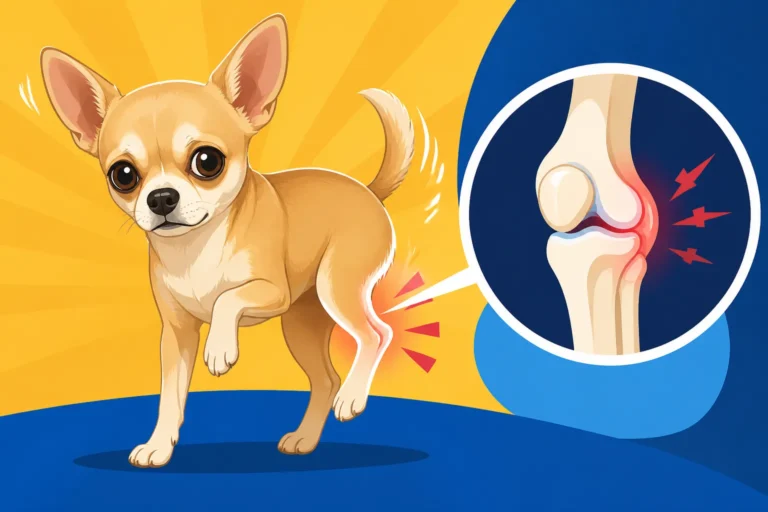
- Pain or Injury: A tiny fall, being stepped on, or even overly rough play with another pet or child can cause significant pain for a small Chihuahua. When in pain, dogs often tremble as a physical response. If the injury is severe enough, or if they are in shock, weakness can also set in. Always gently examine your puppy for any obvious signs of injury, like limping, crying when touched, or visible wounds.
- Illness or Infection: Various illnesses can present with trembling and weakness. Viral infections like canine distemper or parvovirus (though hopefully prevented by vaccinations, but always a risk in unvaccinated pups) can cause these symptoms alongside vomiting, diarrhea, and fever. Bacterial infections, severe internal parasites (like giardia or coccidia), or even simple gastrointestinal upset can lead to dehydration and weakness, which might manifest as trembling.
- Neurological Issues: Though less common, conditions affecting the brain or nervous system can also cause trembling, weakness, and even seizures. Hydrocephalus, a condition where fluid builds up in the brain, is more common in apple-head Chihuahuas and can sometimes manifest with neurological symptoms. If you notice your puppy circling, head pressing, or having uncoordinated movements along with trembling, this needs urgent veterinary attention. You can learn more about Hydrocephalus Signs in a Chihuahua Puppy.
- Dehydration: Puppies can become dehydrated quickly, especially if they're not drinking enough water or if they've had diarrhea or vomiting. Dehydration can lead to weakness, lethargy, and a general unwell feeling that might include trembling.
- Toxins or Poisons: Unfortunately, their small size makes Chihuahuas extremely susceptible to even tiny amounts of toxins. If your puppy has ingested something toxic, trembling, weakness, vomiting, and other severe symptoms can occur. This is an immediate emergency. If you suspect this, check out The First Call After a Chihuahua Swallows Something.
- Anxiety or Fear: While not usually leading to profound weakness, extreme fear or anxiety can certainly cause a Chihuahua to tremble uncontrollably. This is usually distinguishable as the puppy will still be mentally alert, perhaps trying to hide or exhibiting other fear behaviors, rather than seeming disoriented or unable to move.
Immediate Actions When Your Chihuahua Puppy Shows Symptoms
Seeing your little one shaking and looking weak is terrifying, but knowing what to do immediately can make all the difference. Time is of the essence, especially with conditions like hypoglycemia, which can worsen dramatically in minutes.
The Hypoglycemia First Aid Protocol
If you suspect hypoglycemia, this is your absolute first line of defense. It's often referred to as rubbing syrup on a Chihuahua puppy's gums because it's a fast way to get sugar into their bloodstream when they can't eat.
- Stay Calm and Grab Your Sugar Source: Panic helps no one. Immediately reach for a quick source of sugar. Karo syrup (light corn syrup), maple syrup, or even honey are excellent choices. Many dedicated Chihuahua owners keep a tube of glucose gel on hand, like Nutri-Cal or a similar product, specifically for this purpose.
- Administer the Sugar: Gently pull back your puppy's lip to expose their gums. Take a small amount of your chosen sugar source – about a pea-sized dab for a tiny puppy – and rub it firmly onto their gums. Don't try to force them to swallow; the sugar is absorbed through the mucous membranes in their mouth. Repeat this every 10-15 minutes if they don't show improvement.
- Offer a Meal (If They Improve): Once they start to perk up, even slightly, offer them a small, highly palatable meal. This could be their regular puppy kibble softened with warm water, some canned puppy food, or even a tiny bit of cooked chicken. The goal is to get sustained calories into them, not just a sugar spike.
- Keep Them Warm: While you're administering sugar, also ensure your puppy is warm. Wrap them in a soft blanket, hold them close to your body, or place them on a heating pad set on low (with a towel between the pad and the puppy to prevent burns). As we discussed, cold can exacerbate hypoglycemia.
- Contact Your Vet Immediately: Even if your puppy seems to recover after the sugar, you MUST call your veterinarian. Hypoglycemia can recur, and your vet needs to determine the underlying cause and advise on a long-term plan. They may need to check for Chihuahua Hypoglycemia Signs in a Young Puppy that you might have missed. If your puppy doesn't respond to the sugar within 10-15 minutes, becomes unresponsive, or has a seizure, stop home treatment and get to an emergency vet right away. This is a critical point that cannot be overstated.
Ensuring Warmth and Comfort
As mentioned, cold can be a significant factor in trembling and weakness. Providing immediate warmth is essential, regardless of whether hypoglycemia is also suspected.
- Swaddle and Snuggle: Wrap your puppy snugly in a soft, clean towel or blanket. Your own body heat is an excellent, gentle source of warmth. Hold them close to your chest or under your shirt.
- Heated Space: If you have a safe heating pad, set it on the lowest setting and place it under a blanket or towel where your puppy can lie. Never place a puppy directly on a heating pad, and always ensure they can move off it if they get too warm. A warm water bottle wrapped in a towel can also work in a pinch.
- Increase Room Temperature: Turn up the thermostat in your home, especially in the area where the puppy is resting. A general comfortable temperature for Chihuahuas is often between 70-75°F (21-24°C), but for a cold puppy, a few degrees warmer temporarily can make a big difference.
Assessing for Other Issues and Preparing for the Vet
While you're providing immediate care, quickly assess your puppy for other potential problems. This information will be invaluable for your veterinarian.
- Check Gums: Gently lift their lip and look at the color of their gums. Pink gums are good. Pale, white, blue, or yellow gums are a sign of a serious problem and warrant immediate veterinary attention.
- Check Hydration: Gently pinch the skin on their back between your thumb and forefinger. If it snaps back quickly, they are likely hydrated. If it stays tented, they might be dehydrated.
- Look for Injuries: Carefully, and gently, run your hands over their body. Do they cry out when you touch a certain area? Do you see any obvious limping, swelling, or wounds?
- Note Other Symptoms: Has your puppy vomited? Had diarrhea? Are they coughing or sneezing? Is there any discharge from their eyes or nose? Every detail you can provide to your vet helps them narrow down the diagnosis.
- Gather History: When was the last time they ate? What did they eat? Have they had any new treats or gotten into anything unusual? What's their typical feeding schedule? All this information will be crucial for the vet. When considering pet insurance options like Healthy Paws, understanding the potential for these emergency situations can highlight the value of early enrollment.
| Symptom Cluster | Most Likely Cause(s) | Immediate Action | When to Call Vet |
|---|---|---|---|
| Trembling, Lethargy, Disorientation, Collapse, Seizures | Hypoglycemia (Low Blood Sugar) | Rub sugar on gums, keep warm, offer food if responsive. | Immediately, even if puppy recovers. Urgently if no improvement, unresponsive, or seizures. |
| Trembling (no other obvious symptoms), Shivering, Cold to the Touch | Cold Stress/Hypothermia | Wrap in warm blankets, provide gentle heat (body heat, low heating pad), increase room temp. | If puppy doesn't warm up, remains lethargic, or gums are pale/blue despite warming. |
| Trembling, Crying, Limping, Reluctance to Move, Swelling | Pain/Injury | Gentle examination for visible injury. Restrict movement. | Immediately. Do not attempt to treat pain at home. |
| Trembling, Vomiting, Diarrhea, Loss of Appetite, Fever | Illness/Infection, Dehydration, Toxins | Ensure warmth, offer water if tolerated. Do NOT give human meds. | Immediately. These symptoms can rapidly lead to severe dehydration and critical status in puppies. |
| Trembling, Disorientation, Head Pressing, Circling, Seizures | Neurological Issues (e.g., Hydrocephalus), Severe Hypoglycemia | Rub sugar on gums, ensure warmth, prevent injury during seizure. | Immediately. These are signs of a severe neurological emergency requiring expert care. |
Long-Term Prevention and Management
Once your Chihuahua puppy has recovered from an episode of trembling and weakness, the focus shifts to preventing future occurrences. This involves careful daily routines and proactive care tailored to their tiny size and unique vulnerabilities.
Strategic Feeding to Prevent Sugar Crashes
Preventing hypoglycemia is largely about smart feeding practices. Chihuahuas, especially puppies, can't go long without food.
- Frequent, Small Meals: Instead of two large meals a day, puppies, and sometimes even adult Chihuahuas, do best on three to four small meals spread throughout the day. This provides a steady supply of glucose and prevents their blood sugar from dipping too low. For a young puppy, you might even consider five small meals. This is exactly why it's vital to know How Often a Chihuahua Puppy Must Eat.
- High-Quality Puppy Food: Feed a premium puppy food specifically formulated for small breeds. These foods are calorie-dense and provide the necessary nutrients for growth without requiring your puppy to eat huge volumes.
- Consistency is Key: Stick to a consistent feeding schedule. Avoid long gaps between meals, especially overnight. Many owners find it beneficial to give a small snack or their last meal of the day right before bedtime to help sustain their blood sugar through the night.
- Monitor Activity and Stress: Intense play sessions or stressful events (like a vet visit or a new environment) can burn through a puppy's sugar reserves faster. Consider giving a small, high-calorie snack before or after anticipated stressful events or long playtimes. This ties into understanding Why a Chihuahua Runs Out of Blood Sugar So Fast and Why Cold and Stress Drop Chihuahua Blood Sugar.
Maintaining a Warm and Safe Environment
Creating a warm, secure, and accident-proof environment is paramount for a Chihuahua puppy's well-being.
- Appropriate Bedding and Sweaters: Provide soft, plush bedding where your puppy can burrow and stay warm. Many Chihuahuas love sleeping under blankets. In cooler homes, or during winter, a tiny sweater or coat can be a lifesaver, especially for smooth-coat Chihuahuas. Get them used to wearing clothes early on.
- Control Indoor Temperature: While you don't want your house tropical, aim for a comfortable ambient temperature, ideally above 70°F (21°C), especially in the areas your puppy spends most of its time. Avoid drafts from windows or doors.
- Supervision and Puppy-Proofing: Always supervise your puppy, especially when they are playing or exploring. Their small size makes them prone to accidental injuries. Prevent access to stairs or high furniture from which they could fall and hurt themselves. Consider using ramps or steps if they insist on getting on the sofa or bed, protecting their delicate joints and preventing tumbles that can lead to pain and weakness.
- Safe Play: Ensure playtime is gentle and appropriate for their size. If you have larger pets or children, always supervise their interactions to prevent accidental roughhousing.
Regular Vet Care and Early Detection
Proactive veterinary care is your best friend in keeping your Chihuahua puppy healthy and spotting potential issues early.
- Complete Puppy Vaccinations and Check-ups: Ensure your puppy completes its full series of vaccinations to protect against various illnesses that can cause weakness and other severe symptoms. Regular check-ups allow your vet to monitor their growth, development, and overall health.
- Discuss Any Concerns with Your Vet: Don't hesitate to mention any recurring trembling, even if it seems minor. It could be a subtle sign of an underlying issue. Your vet can perform tests to rule out various conditions.
- Consider Pet Insurance: The unexpected can happen, and medical emergencies with a tiny dog can quickly rack up significant bills. Pet insurance, such as a policy from Healthy Paws, can provide immense peace of mind. Enrolling your Chihuahua puppy early, before any pre-existing conditions are diagnosed, helps ensure coverage for unforeseen accidents or illnesses that might lead to trembling and weakness. It's definitely worth exploring Chihuahua Pet Insurance and Its Low Premium as part of your long-term budgeting.
When to Seek Veterinary Attention Without Delay
While knowing home care is crucial, there are specific situations where waiting or relying solely on home remedies is dangerous. Prompt veterinary attention is non-negotiable for a Chihuahua puppy exhibiting severe symptoms.
Red Flags That Demand Immediate Professional Help
It’s often hard to gauge the severity of a situation when you're worried about your puppy. However, some signs are clear indicators that you need to get to an emergency veterinarian immediately. Don't delay for any of these:
- Unresponsive or Unconscious Puppy: If your puppy cannot be roused, is completely limp, or has passed out, this is a critical emergency.
- Persistent Weakness Despite Sugar: If you've given your puppy sugar (as described in the first aid protocol) and they do not show significant improvement within 10-15 minutes, their condition is serious and requires professional medical intervention. The sugar might not be enough, or there could be another underlying cause that home treatment cannot address.
- Blue or Pale Gums: This is a chilling sight and indicates a lack of oxygen or severe anemia. It could be due to extreme cold, shock, severe hypoglycemia, heart problems (like Chihuahua Heart Murmurs and What Grade Matters), or internal bleeding. This is a life-threatening symptom.
- Seizures: While hypoglycemia can cause seizures, any seizure activity is a neurological emergency. It’s crucial for a vet to diagnose the cause and prevent further episodes. Try to record the seizure (duration, what it looked like) if you can do so safely, as this information is very helpful to the vet.
- Vomiting and Diarrhea (Especially Together or Persistent): These symptoms, especially in a small puppy, can quickly lead to severe dehydration and electrolyte imbalances, causing profound weakness and further complications. If your puppy is also weak, this combination is extremely dangerous.
- Difficulty Breathing: Labored breathing, gasping, or persistent coughing should never be ignored.
- Known Trauma or Suspected Toxin Ingestion: If your puppy has fallen, been hit, or you know (or suspect) they've eaten something poisonous, get them to the vet without delay.
Remember, veterinarians prefer you err on the side of caution. It's always better to make an emergency trip and be told your puppy is fine than to wait too long.
What to Expect at the Emergency Vet
When you arrive at the emergency clinic, try to provide as much information as possible to the veterinary staff. They will need to know:
- When symptoms started: Be specific about the timeline.
- What symptoms you've observed: Detail everything, even if it seems minor.
- Any home treatments you've given: Such as sugar, and if it helped.
- When they last ate, drank, urinated, and defecated.
- Any known medical history or recent incidents.
The veterinary team will likely take your puppy in immediately for an initial assessment. This will include checking their vital signs (heart rate, respiratory rate, temperature), gum color, and capillary refill time. They will likely perform a blood glucose test to check for hypoglycemia.
Depending on their findings, diagnostics might include:
- Bloodwork: To assess organ function, red blood cell count, electrolyte levels, and more.
- Urinalysis: To check kidney function and for infections.
- X-rays: To look for injuries, foreign objects, or issues with internal organs.
- Fecal exam: To check for intestinal parasites.
Treatment for a weak and trembling puppy often involves supportive care, especially if hypoglycemia is the cause. This could mean:
- Intravenous (IV) Fluids with Dextrose: This is a direct way to rehydrate the puppy and get sugar into their bloodstream quickly and efficiently.
- Warmth: Continued efforts to raise and stabilize their body temperature.
- Medications: Depending on the diagnosis, they might receive anti-nausea medication, pain relief, antibiotics, or anti-seizure drugs.
- Nutritional Support: If they can't eat, they might receive a liquid diet via a feeding tube temporarily.
The prognosis depends entirely on the underlying cause and how quickly treatment is initiated. Many cases of hypoglycemia, when caught early, have a good outcome. However, more severe or untreated cases can be fatal. This is why having a plan for emergencies, including considering pet insurance from providers like Healthy Paws, is so critical; it can help offset the unexpected costs associated with diagnosing and treating these urgent situations, ensuring your puppy gets the care they need without financial stress becoming a barrier.
Disclaimer
This guide is intended for informational purposes only and does not substitute for professional veterinary advice. If your Chihuahua puppy is experiencing trembling, weakness, or any other concerning symptoms, please contact your veterinarian or an emergency veterinary clinic immediately. Only a qualified veterinarian can diagnose and treat medical conditions.