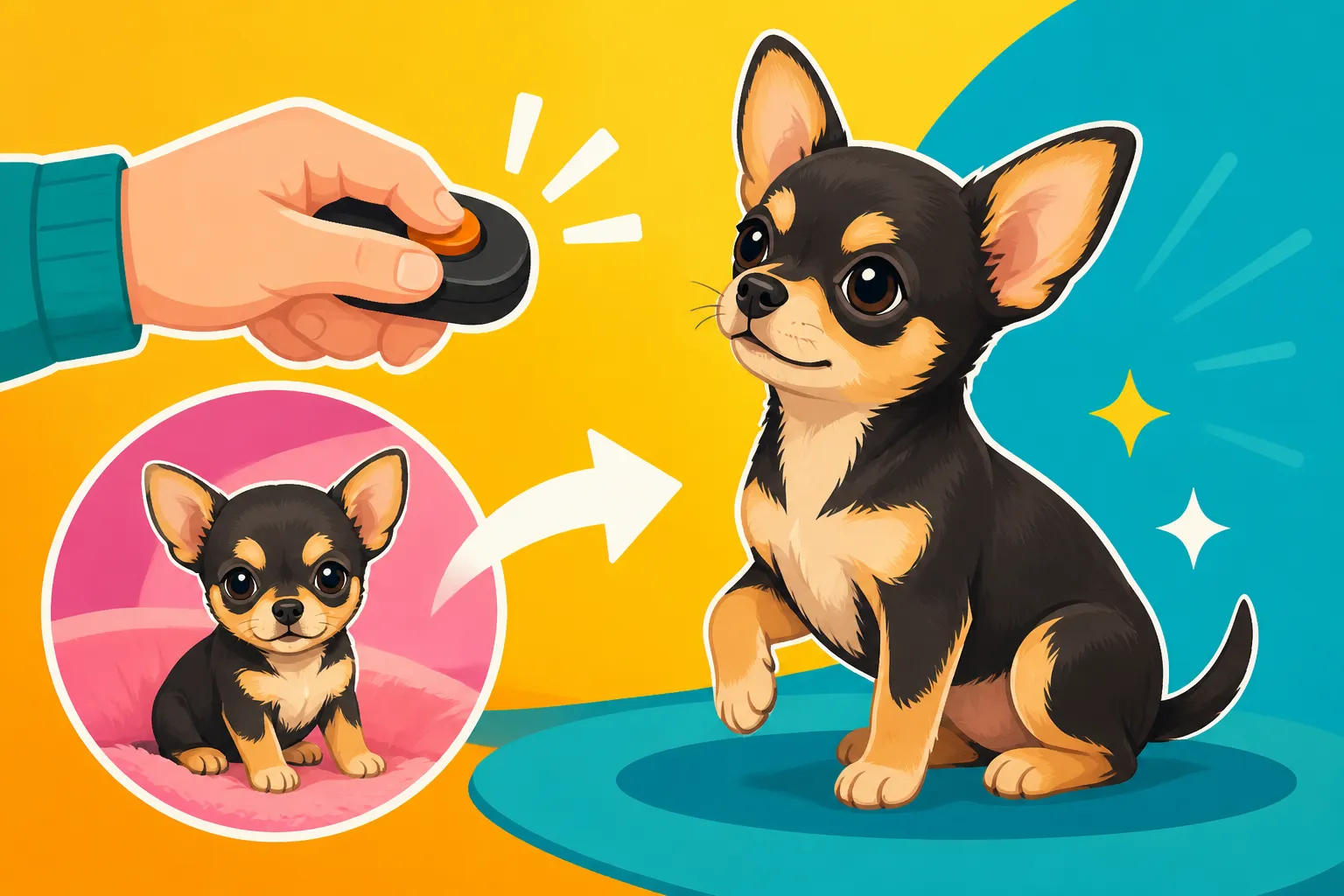
Marker Training a Chihuahua From Eight Weeks
Bringing home an eight-week-old Chihuahua puppy is an exciting time, but it can also be a little overwhelming. These tiny bundles of joy are incredibly smart, but their small size often leads owners to believe they can't be trained with the same rigor as a larger dog. This common misconception often results in behavioral challenges down the line. This guide will walk you through the world of marker training, showing you how to effectively communicate with and teach your tiny pup from the very start, setting them up for a lifetime of good behavior and confidence.
What is Marker Training and Why It's Perfect for Chihuahuas?
Marker training, often associated with clicker training, is a highly effective, positive reinforcement method that helps your dog understand exactly what behavior earned them a reward. For a Chihuahua, a breed sometimes stereotyped as "untrainable" or "stubborn," this clear communication is an absolute game-changer. It builds confidence and strengthens your bond, allowing your small dog to thrive in a big world.
Understanding the "Mark"
At its heart, marker training uses a consistent signal – the "mark" – to pinpoint the exact moment your Chihuahua performs the desired behavior. Think of it like a photograph: the clicker (or a verbal marker like "yes!") takes a picture of the good behavior, and that picture tells your puppy, "That's it! That's what I want!" Immediately after the mark, a reward follows. This clear, consistent sequence leaves no room for confusion, which is crucial for a young puppy learning about the world. Without a marker, your puppy might perform a behavior, and by the time you reach for a treat, they might be doing something else entirely, leading to misunderstanding and frustration for both of you.
For example, if you're teaching your Chihuahua to sit, and they plop their tiny rear end down, the moment their bottom touches the floor, you click or say "yes!" and then give them a treat. If you wait even two seconds, they might have already stood up, sniffed the floor, or turned their head, and the message gets muddled. This precision is invaluable, especially when working with complex behaviors later on. The mark creates a bridge between the action and the reward, making learning incredibly efficient and fun.
The Benefits for a Tiny Pup
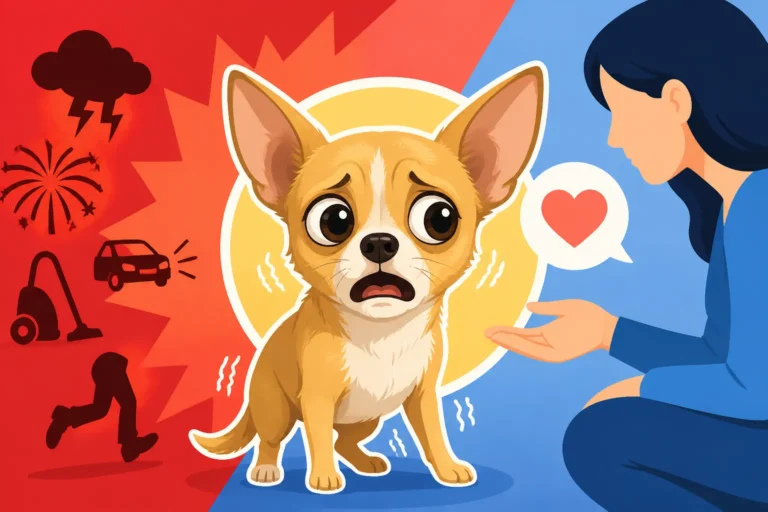
Chihuahuas, despite their small stature, are intelligent and eager to please, but they can also be sensitive. Traditional, harsher training methods can easily overwhelm or frighten them, leading to shutdown or increased reactivity. Marker training is all about positive reinforcement, which is gentle, effective, and builds a strong, trusting relationship. When training is a positive experience, your Chihuahua will be more engaged and less likely to develop fear-based behaviors that are so common in undersocialized or harshly trained small dogs.
This method allows you to shape complex behaviors in small, achievable steps, which is perfect for a puppy whose attention span is still developing. You can reward tiny approximations of a behavior, slowly building up to the full action. For instance, when teaching "down," you can first mark and reward your Chihuahua for lowering their head, then for lying on their elbows, and finally for a full down. This incremental approach prevents frustration and keeps your puppy motivated. Plus, the mental stimulation from training is just as important as physical exercise for a smart little dog like a Chihuahua, helping them feel secure and confident in their environment.
Getting Started: The Essentials for Your Eight-Week-Old Chihuahua
Before you dive into teaching impressive tricks, you need to gather a few supplies and set the stage for success. Think of this as preparing your Chihuahua for their first day of school – everything needs to be just right for them to absorb the lessons effectively.
Choosing Your Marker
While a verbal marker like "yes!" can work, a clicker is often preferred, especially when starting with a puppy, because it's a neutral, consistent sound that your Chihuahua won't hear in everyday conversation. Your voice, on the other hand, carries emotion and can vary in tone, which might confuse a sensitive puppy. Many clickers are available on platforms like Amazon, and you can even find ones with adjustable volumes if your little one is particularly startled by loud noises.
The key is consistency. Once you choose your marker, stick with it. Every time your puppy hears that sound, it should immediately be followed by a reward. This predictable pairing is how your Chihuahua learns what the click means. It's not a command, it's not a praise word, it's simply "You did it right, a treat is coming!" Some owners find that a pen clicking or even a soft "thump" with their finger against a table works if a commercial clicker is too loud. The goal is a quick, distinct sound that can be precisely timed.
Tiny Treats and High-Value Rewards
Your Chihuahua's stomach is tiny, and you'll be doing a lot of rewarding, especially in the early stages. This means you need tiny treats. Forget those big biscuit bones; we're talking pea-sized or even smaller. You can cut up soft, high-value treats like boiled chicken, string cheese, or even small pieces of commercial training treats. Brands like Wellness or Zuke's often make small, soft treats that can be easily broken further. The goal is something delicious that your puppy can gobble down quickly without getting full or distracted. Remember, the treat should be gone in a second so you can move on to the next repetition.
Keep a variety of treats on hand. Some days, plain kibble might be exciting enough, but for more challenging situations or new behaviors, you'll need those super-special, high-value rewards. It's also important to consider your Chihuahua's daily calorie intake. Since they are so small, training treats can quickly add up. Use their regular kibble for some training, and factor in the extra calories from special treats when planning their meals. Treats Small Enough for Chihuahua Training offers more insights into choosing appropriate rewards.
Setting Up Your Training Space
For an eight-week-old Chihuahua, the world can be a very big, overwhelming place. When you first start marker training, choose a quiet, low-distraction environment. This might be a small, enclosed room, a corner of your living room, or even their crate if they're comfortable in it. The idea is to minimize anything that might compete for your puppy's attention. As they get better at understanding the game, you can gradually introduce more distractions.
Make sure the space is safe and comfortable. Perhaps put down a soft mat or blanket where your puppy can easily lie down. Have your treats ready in an easy-to-access pouch or pocket, and your clicker in hand. Short, frequent sessions (think 3-5 minutes, several times a day) are far more effective than one long, drawn-out session. An eight-week-old puppy's attention span is incredibly short, so ending on a positive note before they get bored or tired is key. Three Minute Training Sessions With a Chihuahua delves deeper into keeping training engaging for your little one.
Practical Application: Daily Marker Training Sessions
Now that you have your tools and your space, it's time to put marker training into action. The process is simple, but consistency and patience are paramount. Remember, you're building a foundation for all future learning.
Loading the Marker: The Foundation
Before you can use the marker to teach commands, your Chihuahua needs to understand what the clicker means. This is called "loading the clicker" or "charging the marker." It's a simple, short exercise:
- Click and Treat: In your quiet training space, simply click the clicker, then immediately give your Chihuahua a tiny, high-value treat.
- Repeat: Do this 10-20 times in a session. Don't ask for any behavior; just click, then treat. The goal is to create a strong association: "click equals treat."
- Short Sessions: Keep these sessions very short, perhaps 1-2 minutes, several times throughout the day.
- Observe: After a few sessions, you'll likely notice your Chihuahua's ears perk up or their head turn towards you the moment they hear the click, anticipating the treat. This is how you know the marker is "loaded."
This foundational step is crucial. If your Chihuahua doesn't understand that the click means a reward is coming, the rest of your training will be much harder. Ensure they are consistently making that connection before moving on to actual commands.
First Commands: Sit and Look
Once your marker is loaded, you can start teaching simple behaviors. "Sit" and "Look" are excellent first commands because they are easy to lure and incredibly useful for daily life.
Teaching "Sit":
- Lure: Hold a tiny treat near your Chihuahua's nose. Slowly move the treat in an arc over their head, towards their tail. As their nose follows the treat, their rear end will naturally lower into a sit.
- Mark and Reward: The instant their bottom touches the floor, click! then give them the treat.
- Repeat: Repeat this process several times. Once they are consistently sitting with the lure, you can start to add the verbal cue "Sit" as their bottom starts to go down.
- Fade the Lure: Gradually make your hand motion smaller until you're just giving the verbal cue and a tiny hand signal, then eventually just the verbal cue.
Teaching "Look" (or "Watch Me"):
- Hold Treat: Hold a treat at your Chihuahua's eye level, close to your face.
- Mark and Reward: The instant your Chihuahua makes eye contact with you (even for a split second), click! then give them the treat.
- Repeat: Practice this often. This command is invaluable for getting your Chihuahua's attention in distracting environments, or for preparing them for other commands. It builds focus and helps them tune into you.
Remember, practice these in multiple short sessions throughout the day. Celebrate every small success! For more ideas on what to teach, check out The Chihuahua Puppy Curriculum Month by Month.
Keeping Sessions Short and Positive
This is perhaps the most important advice for training an eight-week-old Chihuahua. Their attention spans are notoriously short, and their bladders are even shorter! Aim for 2-5 minute training bursts, 3-5 times a day, or whenever you have a moment. These little sessions add up quickly and prevent your puppy from getting bored, frustrated, or having an accident mid-lesson.
Always end on a high note. If your Chihuahua is struggling with a particular behavior, revert to something they know well and succeed at, then end the session with a click and a treat for that easy success. This keeps training fun and ensures your pup always looks forward to their next session. Never push your Chihuahua beyond their limits or let frustration creep into your voice or body language. Training should always feel like a game, fostering a love for learning in your tiny companion. If you ever find yourself getting frustrated, take a break. It's better to walk away and come back later than to sour the experience for your pup.
Common Challenges and Troubleshooting
Even with the best intentions, you might encounter a few bumps along the road. Don't get discouraged! These are common experiences, and understanding how to address them will make your training journey smoother.
Over-Excitement and Distraction
Chihuahuas, especially puppies, can get easily overstimulated or distracted. A sudden noise, another pet walking by, or even a leaf blowing past a window can completely derail a training session. If your Chihuahua is too excited, jumping around, or constantly looking away, they're not in a learning state.
- Reduce Distractions: Go back to your quiet, low-distraction training space. Ensure there's nothing competing for their attention.
- Lower the Stakes: If high-value treats are making them too frantic, switch to slightly less exciting treats, or use their regular kibble.
- Manage Energy: Make sure your puppy has had a chance to potty and has burned off a little energy (a short play session, not strenuous exercise) before training. A tired, but not exhausted, puppy learns best.
- Micro-Sessions: Shorten your sessions even further. Sometimes, just one or two successful repetitions are enough before a break.
- "Look" Command: This is where your "Look" or "Watch Me" command becomes vital. Practice it regularly in calm environments. Once solid, you can use it to re-engage your Chihuahua when distractions arise, slowly increasing the level of distraction you introduce. Building a Chihuahua's confidence outdoors with this skill is paramount.
Avoiding Frustration for You and Your Chi
It's natural to feel frustrated when your puppy isn't "getting it," but your Chihuahua will pick up on your emotions. If you're stressed, they'll become stressed, making learning even harder. Why Harsh Handling Damages a Chihuahua Fast explains the negative impact of such approaches. Remember, your eight-week-old puppy is just a baby, learning a whole new language.
- Break It Down: If a command isn't working, break it into smaller, easier steps. For "sit," perhaps you just reward for a head tilt in the right direction initially, then gradually ask for more.
- Lower Your Expectations: Don't expect perfection, especially not from an eight-week-old. Celebrate approximations and effort.
- End on Success: If a session isn't going well, don't keep pushing. Revert to a command they know perfectly, get a successful click and treat, and then end the session. This keeps the experience positive for both of you.
- Patience is Key: Learning takes time and repetition. Some days will be better than others. Don't compare your Chihuahua's progress to other dogs. Focus on their individual journey.
- Body Language: Be mindful of your own body language. Stay relaxed, use a soft voice, and smile. Your Chihuahua relies on you for cues.
When to Seek Professional Help
There are times when even the most dedicated owner needs a little extra guidance, and that's perfectly okay! If you're consistently struggling, feeling overwhelmed, or if your Chihuahua is showing signs of extreme fear or aggression (even at a young age), don't hesitate to reach out to a professional.
- Certified Professional Dog Trainer (CPDT-KA): Look for trainers who use positive reinforcement methods. Many offer puppy classes that focus on socialization and basic obedience, often grouping Chihuahuas with other toy breeds to ensure safe play and interaction. Puppy Classes That Group Chihuahuas With Toys can help you find suitable options.
- Veterinary Behaviorist (Dip. ACVB): For more complex behavioral issues, a veterinary behaviorist can provide a diagnosis and treatment plan, often incorporating medication alongside behavior modification.
- Online Resources: Online training platforms can be a great starting point for foundational skills. Programs like BAXTER & Bella offer comprehensive online puppy training programs that guide you through everything from house training to basic commands, often incorporating marker training techniques. They can be a fantastic resource for flexible learning from the comfort of your home. Additionally, a quick search on Amazon reveals numerous books and guides on positive reinforcement puppy training, which can offer further insights.
Remember, seeking help is a sign of a responsible pet owner, not a failure. Your goal is to give your Chihuahua the best possible start, and sometimes that means enlisting the support of experts. Why a Chihuahua Deserves Real Obedience Training emphasizes the importance of taking their training seriously, regardless of their size.
Marker training a Chihuahua from eight weeks old is one of the most rewarding things you can do for your tiny companion. It lays a foundation of clear communication, builds immense confidence, and strengthens the incredible bond you share. So grab your clicker, prepare those tiny treats, and get ready to unlock your Chihuahua's amazing potential!
Disclaimer
This article is for general informational purposes only and does not constitute professional advice. Laws, prices and regulations vary by location and change over time. Consult a qualified professional for guidance on your specific situation.