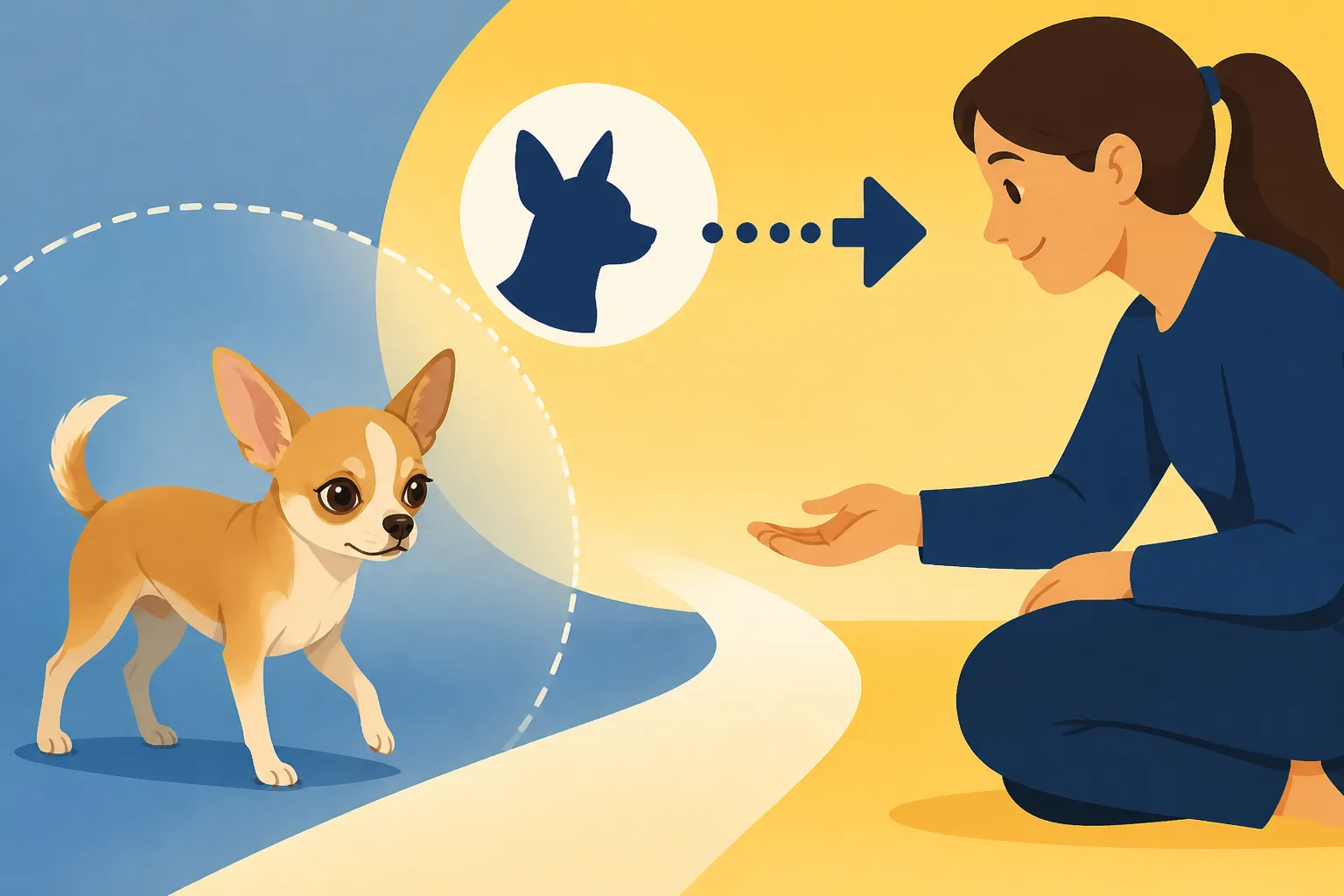
Letting a Chihuahua Choose to Approach
It’s a common sight: a tiny Chihuahua being scooped up and paraded around, or perhaps shrinking away from a well-meaning stranger only to be pushed forward for a sniff. Owners often mean well, thinking they're protecting their little dog or encouraging friendliness, but this approach often backfires, creating a fearful, reactive, or even "nippy" Chihuahua. This guide is all about turning that dynamic around, helping you understand why giving your Chihuahua the autonomy to choose when and how it interacts is absolutely vital for its confidence, well-being, and ultimately, a more harmonious relationship with you.
Understanding Your Chihuahua's Need for Choice and Space
It’s easy to forget just how vulnerable a Chihuahua can feel in a world designed for much larger beings. Every interaction, every new person, every loud noise can feel like a potential threat when you’re only six pounds and eye-level with someone’s knees. Because of this inherent vulnerability, a Chihuahua's need for control over its own space and interactions is profound. When this control is taken away, whether by being constantly picked up or forced into social situations, it leads to stress, fear, and a breakdown of trust.
Why Forced Interaction Backfires
Imagine yourself in a situation where you feel small, overwhelmed, and unable to escape. Now imagine someone continually pushing you into that uncomfortable situation, telling you it's "okay" or "just be friendly." You'd likely start to dread those interactions, perhaps even reacting defensively. This is precisely how many Chihuahuas feel. The common perception, sometimes labeled "small dog syndrome," often leads people to treat Chihuahuas differently than larger dogs, excusing behaviors they wouldn't tolerate in a Labrador. However, this often translates into owners inadvertently fostering a sense of helplessness in their tiny companions.
When a Chihuahua is frequently picked up against its will, or made to interact with strangers or other animals when it's clearly uncomfortable, it learns that its signals of distress are ignored. It learns that it has no agency. This can manifest as increased fear-based reactivity, such as excessive barking, lunging, or even snapping as a last-ditch effort to create distance when its more subtle cues have been overlooked. Instead of fostering a brave, confident dog, forced interactions cultivate a nervous one that sees the world, and sometimes even its own owner, as unpredictable and potentially threatening. This erosion of trust is incredibly hard to rebuild once it's been damaged.
Reading Your Chihuahua's Body Language
Chihuahuas, like all dogs, communicate constantly through their body language. The challenge for us humans is learning to truly listen, especially when their signals are subtle, which they often are before escalating to more obvious warnings. Before a Chihuahua growls or snaps, it will almost always provide a cascade of earlier, gentler signals that it's uncomfortable and needs space.
Look for a tucked tail, ears flattened back, or a "whale eye" where you can see the whites of their eyes. They might lick their lips, yawn repeatedly when not tired, or turn their head away from the approaching person or dog. A tense body, a slight tremble, or even a subtle leaning away are all clear indicators that your Chihuahua is feeling uneasy. Sometimes, they might even freeze in place, becoming completely still as if hoping to be invisible. These are not signs of a "stubborn" dog, but a frightened one. Learning to recognize Reading a Chihuahua's Whale Eye and other nuanced expressions is paramount. If these signals are ignored, the Chihuahua has no option but to escalate its communication. A growl is a warning, a desperate plea for space, and a snap is often what happens when those warnings go unheeded. Respecting these early signals by giving your dog space and allowing them to retreat is the fastest way to build their confidence and teach them that you are a reliable advocate.
Creating an Environment of Safety and Autonomy
Building confidence in a Chihuahua, especially one that has developed fear-based behaviors, starts with making them feel secure and in control of their environment. This means consciously setting up situations where they have choices and their autonomy is respected. It’s about creating a predictable world where they know they can escape if they feel overwhelmed, rather than being trapped.
Setting Up "Safe Zones" and Retreat Options
Every Chihuahua, regardless of how bold they may seem, needs designated safe zones within the home. These are places where they can retreat, decompress, and know they will not be disturbed. Think of it as their personal sanctuary. This could be a cozy crate with a soft blanket, a bed tucked under a side table, or even an elevated dog bed that provides a sense of height and security from busy foot traffic. The key is that these areas are their space.
Teach everyone in the household, especially children, that when the Chihuahua is in its safe zone, it is absolutely off-limits for interaction. No petting, no talking, no reaching in. This simple rule builds immense trust, as your dog learns that it genuinely has a place of refuge. For managing interactions with guests, other pets, or even during loud household activities, strategically placed baby gates or exercise pens can be invaluable. You can find a wide variety of these on Amazon, ranging from simple pressure-mounted gates to larger, configurable playpens. These tools allow your Chihuahua to observe, feel part of the family, but still maintain a safe distance and the option to disengage whenever they choose. Think about Chihuahua Crate Size and Setup and how to make it a comforting den rather than a jail. This is a crucial step in preventing stress and promoting a sense of security.
Introducing New People and Situations Slowly
One of the biggest mistakes owners make is throwing their Chihuahua into new situations or forcing interactions with strangers, hoping they'll "get used to it." This rarely works and often exacerbates existing fears. Instead, adopt a slow, consent-based approach. When a new person comes over, advise them to initially ignore your Chihuahua. This is often called the "no touch, no talk, no eye contact" rule. Ask guests to sit down, stay calm, and avoid staring at or reaching for your dog.
Instead, let your Chihuahua approach on its own terms. If the guest wants to engage, suggest they gently toss a high-value treat (like a tiny piece of cooked chicken or cheese) a few feet away from them, letting the Chihuahua decide if it wants to come closer to retrieve it. This allows the Chihuahua to control the pace of the interaction, associating new people with positive, low-pressure experiences. Over time, as your dog builds confidence, you might find them voluntarily seeking out attention. For puppies, this slow and gentle approach is critical during their socialization window. Socialization That Does Not Flood a Chihuahua is about quality, not quantity, of interactions. Patience and positive reinforcement are your best tools here. Many online training programs, such as those offered by BAXTER & Bella, advocate for these gentle, confidence-building methods, which are incredibly effective for sensitive breeds like Chihuahuas.
Empowering Your Chihuahua Through Positive Reinforcement and Consent-Based Handling
The concept of "consent" for a dog might sound a bit unconventional, but it's a powerful tool in training and relationship building. It means actively seeking your Chihuahua's agreement before initiating certain physical interactions, fostering a deep sense of security and mutual respect. This approach transforms interactions from potentially fearful events into predictable, even enjoyable, cooperative experiences.
Teaching "Consent Cues" and Building Trust
Teaching your Chihuahua consent cues is about giving them a voice in their interactions. For example, before you reach down to pet your Chihuahua, offer your hand loosely at their shoulder height, slightly to the side, and wait. If they lean in, sniff your hand, or gently nudge it, that's a "yes." If they pull back, turn their head away, or show any signs of discomfort, that's a "no," and you respect it by withdrawing your hand and giving them space. This simple gesture teaches them that their signals matter and you will listen.
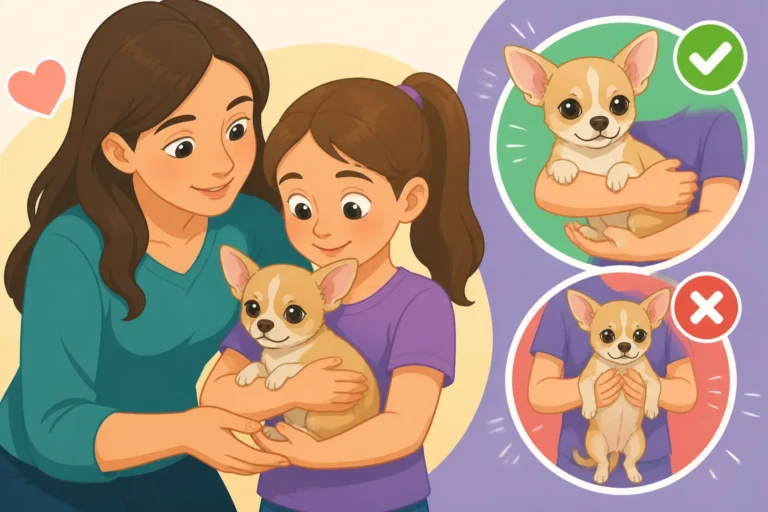
The same principle applies to picking them up. Instead of just grabbing them, gently present your hands and give a verbal cue like "up?" or "lift?" If they willingly step into your hands or show a clear signal of acceptance, then you can proceed. If they hesitate, pull back, or seem unsure, let them be. This builds incredible trust over time. Imagine how much more secure a tiny dog feels knowing it won't be suddenly lifted into the air against its will. For more on this, check out Asking Before You Lift a Chihuahua. Practice this consistently, always rewarding enthusiastic participation with praise and perhaps a tiny treat. This creates a positive feedback loop: "I offered a choice, my human respected it, and now I feel safe."
A simple "start/stop" method for petting can also be very effective. Pet your Chihuahua for a few seconds in an area you know they enjoy (like behind the ears or on their chest), then stop. If they nudge your hand, lean into you, or give a soft sigh, that's their way of saying, "more, please!" If they move away or become still, it's their cue to stop. This approach empowers them to dictate the duration and intensity of physical contact, which for a small, often sensitive breed, is invaluable.
Respecting the "No": When to Give Space
This is perhaps the most critical component of consent-based handling. It's easy to respect an enthusiastic "yes," but truly building trust requires respecting the "no" just as much, if not more. If your Chihuahua signals that it doesn't want to be petted, picked up, or engaged with at that moment, you must respect that boundary. Walk away, give them space, and let them come to you when they are ready. This might feel counterintuitive, especially if you're eager for cuddles, but it's a profound act of love and respect.
The long-term benefits of respecting these boundaries are immense. A Chihuahua that consistently has its "no" respected learns that it can trust you completely. It becomes less anxious, less prone to fear-based aggression (growling, snapping), and more confident in new situations because it knows it has an escape route if needed. This reduces stress, which in turn leads to a healthier, happier dog. Conversely, continually pushing past a Chihuahua's discomfort by forcing interactions teaches them that their signals are futile, which can escalate into more serious behavior problems. As discussed in Why Harsh Handling Damages a Chihuahua Fast, any form of force or coercion with a small dog can have significant negative impacts on their psychological well-being. Giving space isn't spoiling them; it's empowering them.
Practical Strategies for Daily Interactions
Integrating the principle of choice into daily interactions with your Chihuahua requires a conscious effort, but the rewards are a confident, well-adjusted companion. It involves careful management, consistent communication, and a deep understanding of their needs, especially in a bustling household or an unpredictable world.
Managing Interactions with Children and Other Pets
Chihuahuas and young children can be a challenging combination if not managed carefully. A child's natural exuberance, quick movements, and often clumsy handling can be terrifying for a tiny dog. The key is strict supervision and education. Teach children how to interact gently, to approach slowly, and to always offer a hand for the Chihuahua to sniff before petting. Emphasize that the Chihuahua gets to choose if it wants to be petted, and if it moves away, they must respect that. Never allow children to pick up a Chihuahua without adult supervision and specific instruction, and even then, encourage them to ask the dog first. Setting clear rules about respecting the Chihuahua's safe zones is non-negotiable. For detailed advice, Chihuahuas Around Toddlers and Rough Hands offers great insights.
In multi-pet households, especially with larger dogs, a Chihuahua's safety and sense of autonomy are even more critical. Ensure your Chihuahua has elevated spaces they can access (like dog stairs to a sofa or a high dog bed) where larger pets cannot follow. Provide separate feeding areas and ensure they have their own toys and chews to prevent resource guarding. Introducing a new pet, or even managing existing ones, should always involve allowing the Chihuahua to choose when and how much interaction it desires. Use gates to separate when you can't actively supervise. Products like elevated dog beds or puzzle toys sized for Chihuahuas can often be found on Amazon and help provide a sense of security and independent enrichment.
Overcoming Specific Fears and Anxieties
Many Chihuahuas develop specific fears, whether it's of strangers, loud noises, or even certain objects. The principle of allowing choice is incredibly effective in helping them overcome these anxieties. Instead of forcing them to confront their fear, create situations where they can observe the feared stimulus from a safe distance, with the option to retreat. For example, if your Chihuahua is fearful of strangers, you might sit on a park bench where people pass by at a distance, far enough that your dog notices them but doesn't react with fear. Reward them calmly for simply existing in that space without fear. This is part of Building a Chihuahua's Confidence Outdoors.
Gradually, as their confidence grows, you can decrease the distance, always ensuring they have an escape route or a safe person to retreat to. If your Chihuahua is trembling around new people or in new environments, address A Chihuahua That Trembles Around Strangers by providing comfort and space, rather than trying to force them to "deal with it." For more severe cases of anxiety or fear-based reactivity, consulting with a certified professional dog trainer or behaviorist who uses force-free methods is highly recommended. They can help you develop a tailored plan to systematically desensitize your Chihuahua to their fears, always prioritizing their choice and comfort. Remember, addressing Fear-Based Reactivity in a Chihuahua effectively means understanding the root cause (fear) and working with it, not against it.
Here's a quick comparison of approaches to Chihuahua interactions:
| Approach Type | Description | Impact on Chihuahua |
|---|---|---|
| Forced Interaction | Scooping up, pushing into greetings, ignoring avoidance cues. | Increases fear, anxiety, distrust; can lead to growling, snapping, or learned helplessness. |
| Permissive | Allowing the Chihuahua to rule the roost, excusing all bad behavior. | Can lead to insecurity, lack of boundaries, inconsistent behavior, and sometimes aggression stemming from feeling overwhelmed. |
| Consent-Based | Observing body language, offering choices, respecting "no," creating safe zones, positive reinforcement. | Builds confidence, trust, and a secure bond; reduces anxiety and reactivity; fosters a well-adjusted, calm companion. |
This structured, thoughtful approach to interacting with your Chihuahua—one that centers on their choice and comfort—will lay the foundation for a happier, more confident, and truly well-behaved little dog.
Disclaimer
This article is for general informational purposes only and does not constitute professional advice. Laws, prices and regulations vary by location and change over time. Consult a qualified professional for guidance on your specific situation.