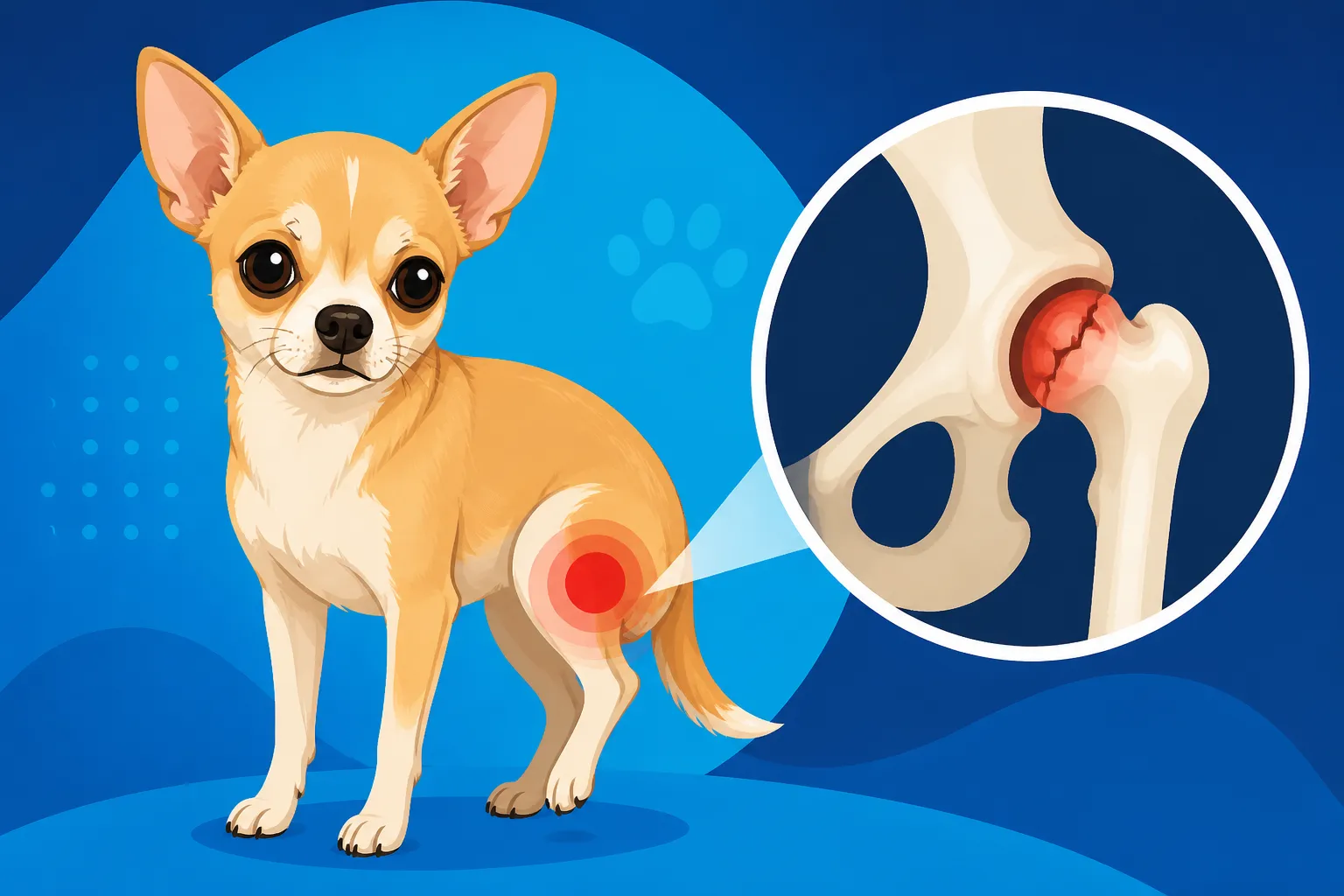
Chihuahua Legg-Calve-Perthes Disease
It's absolutely heartbreaking when you see your tiny Chihuahua suddenly start limping or crying out in pain, especially when they're still just a puppy. You might initially worry about a simple sprain or even something like a slipped kneecap, but sometimes, the issue is much deeper, originating from the very core of their hip joint. This guide is here to shed light on Legg-Calve-Perthes Disease (LCPD), a condition that can cause significant discomfort and mobility issues in our beloved small dogs, offering a thorough understanding of its causes, symptoms, diagnosis, and treatment options.
Understanding Legg-Calve-Perthes Disease in Chihuahuas
Legg-Calve-Perthes Disease, often just called LCPD, is a condition that primarily affects the hip joint in small breed dogs, and Chihuahuas, sadly, are among those more predisposed to it. It's not something they "catch" like a cold, but rather a degenerative disease where the head of the femur – that's the ball part of the ball-and-socket hip joint – starts to deteriorate due to a lack of blood supply. Imagine a tiny, critical part of your Chihuahua's skeletal structure slowly losing its lifeline; it's a truly distressing thought for any pet parent.
What Happens to the Femoral Head?
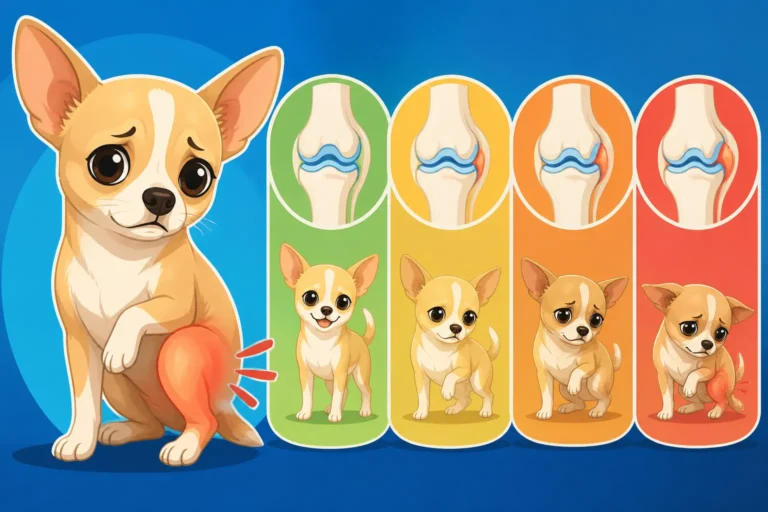
At its core, LCPD involves aseptic necrosis of the femoral head. "Aseptic" means it's not caused by an infection, and "necrosis" means tissue death. What happens is that, for reasons not fully understood, the blood vessels supplying the femoral head become compromised or even collapse. Without a consistent blood flow, the bone cells in the femoral head can't get the oxygen and nutrients they need to survive, and they start to die off. This dead bone then weakens, breaks down, and eventually causes the smooth, round femoral head to crumble. Instead of a nice, articulate ball gliding within the hip socket, you end up with a roughened, irregular surface that grinds with every movement. This leads to intense pain, inflammation, and eventual collapse of the joint structure, turning what should be a healthy, active hip into a source of constant agony for your tiny companion. It's a progressive disease, meaning it gets worse over time if left untreated.
Why Small Breeds are Susceptible
While LCPD can technically occur in any dog, it has a strong predilection for small and toy breeds. This is a crucial point for Chihuahua owners to understand, as it means our little ones are inherently at a higher risk. The exact genetic mechanism isn't completely clear, but there's a strong genetic component suspected, suggesting it can be inherited. Breeds like Chihuahuas, Miniature Poodles, West Highland White Terriers, and Yorkshire Terriers are commonly diagnosed. It's thought that their specific growth patterns and bone development might play a role, making their delicate femoral heads more vulnerable to this disruption in blood supply during critical growth phases. Unlike larger breeds that might contend with issues like hip dysplasia, LCPD is a distinct problem that specifically targets the femoral head's blood supply. It's one of those silent threats that responsible breeders try to screen for to ensure healthier lines, but sometimes it still pops up, leaving owners with the challenge of managing it. You might also be interested in other Chihuahua Hip Problems at Toy Size.
The Typical Age of Onset
LCPD typically manifests during the crucial developmental period of a Chihuahua's life, usually between 4 months and 12 months of age. This makes it particularly challenging, as puppies are naturally playful and energetic, and any sign of lameness can be easily dismissed as a minor bump or bruise from their youthful antics. However, the onset can sometimes be as early as 3 months or as late as 18 months. It's rare to see it in very young puppies or in adult Chihuahuas who have already passed this developmental window without showing symptoms. The progressive nature of the disease means that symptoms, while often appearing gradually, will steadily worsen as the femoral head continues to deteriorate. If you have a young Chihuahua who is suddenly favoring a leg, especially a hind leg, and the issue doesn't resolve quickly, it’s imperative to consider LCPD as a possibility and seek veterinary attention. Early intervention can make a significant difference in their long-term comfort and mobility.
Spotting the Early Signs of LCPD
Recognizing Legg-Calve-Perthes Disease early can be tricky because the symptoms often start subtly and can mimic other common conditions. As a Chihuahua parent, you're probably hyper-aware of your dog's every move, but even with that vigilance, distinguishing a mild limp from something more serious requires careful observation. It's important not to just assume it's a "minor" injury; our little ones are masters of hiding pain, and a persistent or worsening lameness in a young Chihuahua is always a red flag.
The Gradual Onset of Lameness
One of the hallmark signs of LCPD is a progressive lameness in one of the hind legs. It rarely affects both hips simultaneously, though it's not unheard of. Initially, you might notice your Chihuahua exhibiting a slight limp after exercise or when they first wake up. It might even seem to come and go, making it easy to dismiss. Perhaps they'll just put a little less weight on the affected leg, or hold it up for a second before putting it back down. As the disease advances and the femoral head continues to degrade, this limp will become more consistent and severe. Your Chihuahua might start to skip steps, or even hold the affected leg completely off the ground for longer periods, especially when running or jumping. This can sometimes be confused with The Skipping Gait That Signals a Chihuahua Knee, which is patellar luxation, so a vet's diagnosis is crucial to pinpoint the actual issue. They might hesitate to jump on or off furniture, or show reluctance to play as vigorously as before. It's a slow, insidious process, and observing these subtle changes is key.
Pain and Muscle Atrophy
Beyond just lameness, pain is a constant companion for Chihuahuas suffering from LCPD. The grinding of bone on bone, the inflammation, and the crumbling of the joint itself are incredibly painful. You might notice your Chihuahua yelping or crying out when touched on the hip or leg, or when they attempt certain movements. They might guard the affected limb, snapping or growling if you try to examine it. Over time, because they are constantly trying to avoid putting weight on the painful leg, the muscles in that leg will begin to waste away. This is called muscle atrophy, and it's a very clear indicator of a chronic problem. When you look at your Chihuahua from behind, you might see that the affected hind leg looks noticeably thinner and less muscular than the healthy one. This imbalance further impacts their mobility and puts additional strain on other joints. It's a vicious cycle where pain leads to disuse, disuse leads to muscle loss, and muscle loss makes the problem even worse.
Behavioral Changes and Reluctance to Move
Pain, especially chronic pain, can dramatically alter a Chihuahua's personality and behavior. A dog suffering from LCPD might become withdrawn, less enthusiastic about playtime, or even exhibit increased irritability. They might try to hide or become less social, preferring to rest rather than engage. You might notice them having difficulty getting up after resting, or a noticeable stiffness. They may refuse to use stairs or jump, activities they once performed with ease. Their appetite might decrease due to discomfort, or they might become agitated when approached, fearing that interaction will cause more pain. These behavioral shifts are often subtle at first but can escalate as the disease progresses. If your normally spunky Chihuahua suddenly seems subdued, anxious, or unusually grumpy, especially in conjunction with any lameness, it's a strong signal that something serious is amiss and a trip to the vet is absolutely necessary. Any change in a dog's demeanor, particularly a tiny one, warrants immediate attention, as Chihuahua Behavior Shifts That Mean a Knee Hurts can also be a sign of underlying orthopedic pain, even if it's not the knee in this case.
The Diagnostic Journey for LCPD
When your Chihuahua starts showing signs of lameness or pain, the diagnostic process can feel like a maze, especially with so many potential orthopedic issues in small breeds. Your veterinarian will act as your guide, systematically ruling out possibilities to arrive at an accurate diagnosis. It's a relief when you finally get answers, but the path to those answers involves a thorough examination and often some imaging.
Initial Veterinary Examination
The first step in diagnosing LCPD is always a comprehensive physical examination by your veterinarian. They'll observe your Chihuahua's gait as they walk, looking for any limping, favoring of a leg, or unusual posture. Then, they'll gently palpate (feel) your dog's hips, legs, and spine, checking for tenderness, swelling, or any abnormalities. During this process, they'll carefully manipulate your Chihuahua's hind legs through their full range of motion. With LCPD, your vet will likely detect pain when they extend or rotate the affected hip. They might also notice crepitus – a crackling or grinding sound or sensation – within the joint, indicating bone-on-bone friction due to the damaged femoral head. Furthermore, they'll assess muscle mass, confirming any atrophy in the affected limb compared to the healthy one. This initial exam is critical because it helps the vet narrow down the possibilities and decide which further diagnostic steps are most appropriate. This is also where a good vet can differentiate between various orthopedic issues, as many small breeds have overlapping symptoms.
X-rays and Imaging Confirmation
While the physical exam can strongly suggest LCPD, definitive diagnosis almost always relies on X-rays. Standard radiographs of the pelvis and hips are essential. Your vet will likely take several views, sometimes with your Chihuahua gently sedated to ensure proper positioning and minimize discomfort, especially if they're in significant pain. What the X-rays reveal can be quite telling: in the early stages, there might be subtle changes like increased density in the femoral head. As the disease progresses, the X-rays will show clearer signs of bone necrosis, flattening or collapse of the femoral head, widening of the joint space, and potentially osteophytes (bone spurs) forming as the body tries to stabilize the deteriorating joint. The images essentially provide a window into the extent of the damage within the hip joint. In some complex cases, or if the diagnosis remains unclear, more advanced imaging like an MRI or CT scan might be recommended, but for most LCPD cases, X-rays are sufficient to confirm the diagnosis and assess the severity.
Ruling Out Other Conditions
One of the most important aspects of the diagnostic journey is ruling out other conditions that present with similar symptoms, particularly in small breeds. Patellar Luxation, the Chihuahua's Commonest Joint Problem, where the kneecap slips out of place, is a very frequent cause of hind leg lameness in Chihuahuas and can easily be mistaken for LCPD by an untrained eye. Hip dysplasia, while more common in larger breeds, can also occur in smaller dogs and needs to be considered. Other possibilities include fractures, infections, or even neurological issues that affect hind leg function. Your vet will meticulously go through a differential diagnosis list, using the physical exam findings and X-ray results to eliminate other conditions. For example, if X-rays clearly show a crumbling femoral head but a perfectly normal kneecap, patellar luxation is effectively ruled out as the primary cause of lameness. This systematic approach ensures that your Chihuahua receives the correct diagnosis and, consequently, the most appropriate and effective treatment plan.
| Symptom / Condition | LCPD (Legg-Calve-Perthes Disease) | Patellar Luxation (Slipped Kneecap) | Hip Dysplasia |
|---|---|---|---|
| Typical Onset Age | 4-12 months (puppy/young adult) | Any age, often congenital | Young to adult |
| Primary Location of Pain | Hip joint (femoral head) | Knee joint (patella) | Hip joint (socket) |
| Nature of Lameness | Progressive, consistent, unilateral | Intermittent, skipping, 'bunny hop' | Progressive, stiffness, bilateral often |
| Pain on Palpation | Hip region, rotation of leg | Knee region, manipulation of patella | Hip region, extension of leg |
| X-ray Findings | Femoral head necrosis/collapse | Normal hip, abnormal knee position | Shallow hip socket, femoral head malformation |
| Muscle Atrophy | Common in affected hind leg | Less common, or mild | Common in both hind legs |
Navigating Treatment Options for Your Chihuahua
Once your Chihuahua receives a confirmed diagnosis of Legg-Calve-Perthes Disease, it's natural to feel overwhelmed. However, there are well-established treatment options available, and the good news is that many Chihuahuas can go on to live comfortable, active lives after treatment. The choice of treatment depends on the severity of the disease, your dog's age, and your vet's recommendation.
Conservative Management
For very mild cases, or when a dog is not a good candidate for surgery due to other health issues, conservative management might be considered. This approach focuses on alleviating pain and inflammation, promoting healing, and maintaining muscle strength without surgical intervention. It typically involves strict rest, often for several weeks, to prevent further damage to the crumbling femoral head. Pain medication, such as NSAIDs (non-steroidal anti-inflammatory drugs) like carprofen or meloxicam, will be prescribed to manage discomfort and reduce swelling. Physical therapy can also be a component, involving gentle range-of-motion exercises and controlled, short walks as advised by a vet or veterinary physical therapist. However, it’s crucial to understand that conservative management is rarely a long-term solution for LCPD. It doesn't address the underlying issue of the deteriorating bone, and for most Chihuahuas, it merely delays the inevitable or only provides temporary relief. The bone will likely continue to degrade, leading to chronic pain and significant osteoarthritis down the line. It's a decision made with careful consideration of the long-term prognosis.
Femoral Head Ostectomy (FHO) Surgery
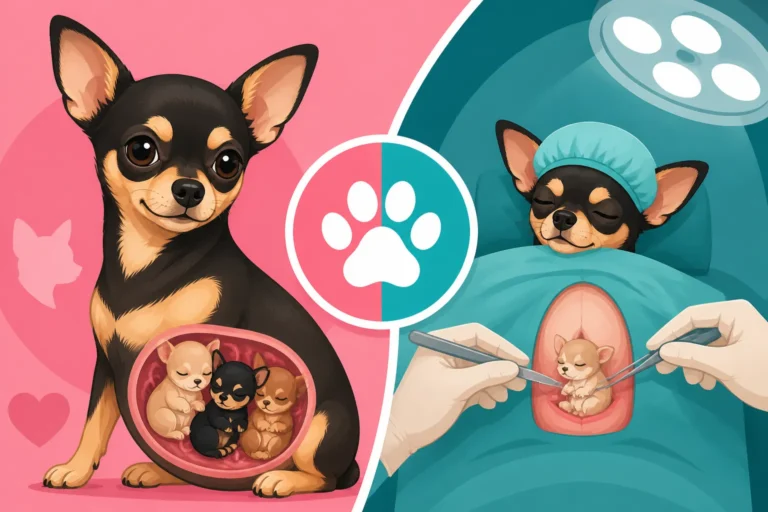
For the vast majority of Chihuahuas diagnosed with LCPD, surgery is the recommended and most effective course of action. The gold standard surgical procedure for LCPD is a Femoral Head Ostectomy, or FHO. This procedure sounds drastic, but it's remarkably effective. During an FHO, the veterinary surgeon literally removes the damaged femoral head and neck – the "ball" portion of the hip joint. Don't panic! The idea isn't to replace it with an artificial joint (though hip replacements exist for larger dogs, they're typically not feasible or necessary for tiny Chihuahuas with LCPD). Instead, over time, scar tissue forms in the space where the femoral head once was, creating a "false joint" or pseudoarthrosis. This false joint, while not a perfect ball-and-socket, allows the leg to move without the painful bone-on-bone grinding.
The success of an FHO largely relies on the muscles around the hip to support the new joint. Because Chihuahuas are so small and light, their body weight puts minimal stress on this new configuration, making FHO a highly successful procedure for them. This surgery drastically reduces pain and restores a good quality of life. The cost of such a surgery can be a concern, but remember that services like Healthy Paws pet insurance can often help mitigate the financial burden of these unexpected surgical procedures, making crucial care more accessible.
Post-Surgical Care and Rehabilitation
Surgery is only half the battle; the post-surgical care and rehabilitation are equally vital for a successful outcome after an FHO. Immediately after surgery, your Chihuahua will need strict rest and pain management, often staying overnight at the veterinary clinic. Once home, activity will be severely restricted for several weeks – no jumping, running, or strenuous play. Leash walks for potty breaks will be short and controlled. Your vet will provide specific instructions on wound care, medication administration, and monitoring for any complications.
Physical therapy is absolutely crucial during recovery. This might involve gentle range-of-motion exercises that you perform at home, or professional rehabilitation sessions with a certified veterinary physical therapist. These exercises help build muscle mass, improve flexibility, and encourage the formation of that stable false joint. Hydrotherapy (underwater treadmill) is often particularly beneficial as it allows for weight-bearing exercise with less impact on the healing joint. The rehabilitation process can take several weeks to a few months, but with diligent care, most Chihuahuas regain excellent use of their leg, often with very little residual lameness. You might find some parallels in the recovery process to what's involved in Rehab Visits After a Chihuahua Patella Repair. Consistency is key, and your commitment to their recovery will directly impact their long-term comfort and mobility.
Living with LCPD: Long-Term Outlook and Support
Receiving a diagnosis of Legg-Calve-Perthes Disease for your Chihuahua can feel like a life-altering event. However, it's important to remember that with proper treatment and ongoing care, the long-term outlook for these resilient little dogs is generally very positive. They can go on to lead full, happy, and pain-free lives.
Prognosis After FHO Surgery
The prognosis for Chihuahuas after a successful Femoral Head Ostectomy (FHO) is excellent, particularly because of their small size. Their minimal body weight means the pseudoarthrosis (false joint) created after removing the femoral head can function very effectively. Most Chihuahuas will experience a dramatic reduction in pain, and many will regain nearly full function of the affected limb. While some might have a subtle, residual limp that is barely noticeable, the improvement in their quality of life is profound. They can often run, play, and jump again without discomfort. Success largely depends on diligent post-operative care and adherence to the rehabilitation program. Dogs that receive consistent physical therapy and appropriate pain management tend to do the best. While a full, complete recovery may take a few months, the immediate relief from chronic pain is usually evident, allowing your Chihuahua to return to their cheerful, energetic self.
Ongoing Care and Pain Management
Even after a successful FHO surgery, ongoing care remains important to ensure your Chihuahua stays comfortable and healthy throughout their long life. While the primary source of pain from LCPD is removed, some dogs might develop mild arthritis in the operated hip over many years, or they might experience compensatory issues in other joints if the opposite leg was favored for a long time. Regular veterinary check-ups are crucial to monitor their overall joint health. Your vet might recommend supplements like glucosamine and chondroitin to support cartilage health, or fish oil for its anti-inflammatory properties. Maintaining a healthy weight is also paramount; even What One Extra Pound Does to a Chihuahua can put undue stress on their joints.
Pain management strategies might also evolve over time, potentially including occasional NSAIDs during flare-ups or other medications if needed as they age. A comfortable, supportive bed can also make a big difference, especially for senior Chihuahuas. By being proactive and attentive to their needs, you can ensure your Chihuahua enjoys maximum comfort and mobility well into their golden years.
Financial Considerations and Pet Insurance
Let's be realistic: veterinary care, especially surgery and long-term rehabilitation, can be expensive. The initial diagnosis, X-rays, the FHO surgery itself, anesthesia, medications, and weeks or months of physical therapy can add up quickly. This is where forward-thinking financial planning comes into play for dedicated pet parents. The cost of a Chihuahua's surgery can vary significantly depending on your location and the veterinary specialist, but it's not uncommon for it to range from $1,500 to $4,000 or even more, particularly when you factor in diagnostics and aftercare.
This is precisely why many Chihuahua owners wisely choose to invest in pet insurance. Companies like Healthy Paws, for example, offer comprehensive accident and illness plans that can cover a significant portion of these unexpected costs, including specialist visits, surgery, hospitalization, and even rehabilitation therapy. Enrolling your Chihuahua in a pet insurance plan when they are young and healthy is ideal, as pre-existing conditions (like LCPD if symptoms appear before coverage begins) are typically excluded. Being prepared financially can truly alleviate a huge burden during what is already a stressful time, allowing you to focus on your Chihuahua's recovery without the added worry of prohibitive veterinary bills. Understanding Chihuahua Pet Insurance and Its Low Premium can be a good starting point for exploring options before issues arise.
Preventing LCPD and Responsible Breeding Practices
While Legg-Calve-Perthes Disease isn't something you can entirely prevent through diet or exercise, there are crucial steps that breeders and pet owners can take to minimize its occurrence and impact. Prevention primarily revolves around responsible breeding practices and ensuring optimal support for a growing puppy.
Genetic Screening and Breeder Responsibilities
Given the strong suspicion of a genetic predisposition for LCPD, responsible breeding practices are the most effective way to reduce its incidence. Breeders should thoroughly screen their breeding stock for any history of LCPD in their lines. While there isn't a specific DNA test for LCPD available on the market yet, breeders should be transparent about the health of their dogs' parents and ancestors. Any dog that has developed LCPD should not be used for breeding, nor should their parents or siblings, as they may be carriers of the genes.
Prospective puppy buyers should ask breeders detailed questions about the orthopedic health history of both parents, especially concerning hip and knee issues. A reputable breeder will be happy to discuss The Health Tests a Chihuahua Breeder Should Run and provide health clearances for other conditions common in Chihuahuas, such as patellar luxation. While these screenings don't directly test for LCPD, a breeder committed to overall orthopedic health is more likely to be breeding healthier lines. Choosing a puppy from a breeder who prioritizes health and genetic soundness significantly reduces the risk of inheriting such conditions.
Nutritional Support for Growing Puppies
Proper nutrition during a Chihuahua puppy's critical growth phase plays an important supporting role, even if it doesn't directly prevent LCPD. A balanced diet formulated specifically for small breed puppies is essential. The key is to provide adequate nutrients for healthy bone and joint development without promoting excessively rapid growth. Fast growth can put undue stress on developing joints and bones, potentially exacerbating any underlying predispositions.
Avoid overfeeding your Chihuahua puppy, as this can lead to them growing too quickly or becoming overweight, both of which are detrimental to joint health. Follow the feeding guidelines provided by the reputable dog food manufacturer and your veterinarian. Ensure the food contains appropriate levels of calcium and phosphorus, as an imbalance can also negatively impact bone development. While nutrition alone cannot prevent a genetically predisposed condition like LCPD, it can certainly contribute to overall skeletal health and potentially mitigate some risk factors, giving your puppy the best possible start.
Minimizing Impact on Joints During Growth
While Chihuahuas are small and often carried, it's important to allow them appropriate exercise to develop strong muscles and bones. However, during their growth phase, especially between 4 to 12 months when LCPD typically manifests, minimizing high-impact activities can be beneficial. Avoid excessive jumping from heights (like off furniture or beds), prolonged strenuous running, or repetitive, high-stress activities on hard surfaces. These kinds of impacts can put unnecessary strain on their delicate, developing hip joints and potentially worsen a situation if the femoral head is already compromised or predisposed to LCPD.
Instead, encourage gentle, supervised play on softer surfaces, short walks, and appropriate enrichment that stimulates them mentally without overtaxing their physical frame. Providing ramps or steps for access to sofas and beds can help protect their joints from the impact of jumping. The goal is to support healthy growth and muscle development without introducing forces that could trigger or exacerbate a joint problem. It's about finding that careful balance between encouraging activity and protecting their tiny, vulnerable bodies.
Disclaimer
The information provided in this article is for general informational purposes only and does not constitute veterinary advice. Always consult with a qualified veterinarian for any health concerns or before making any decisions about your Chihuahua's medical care.